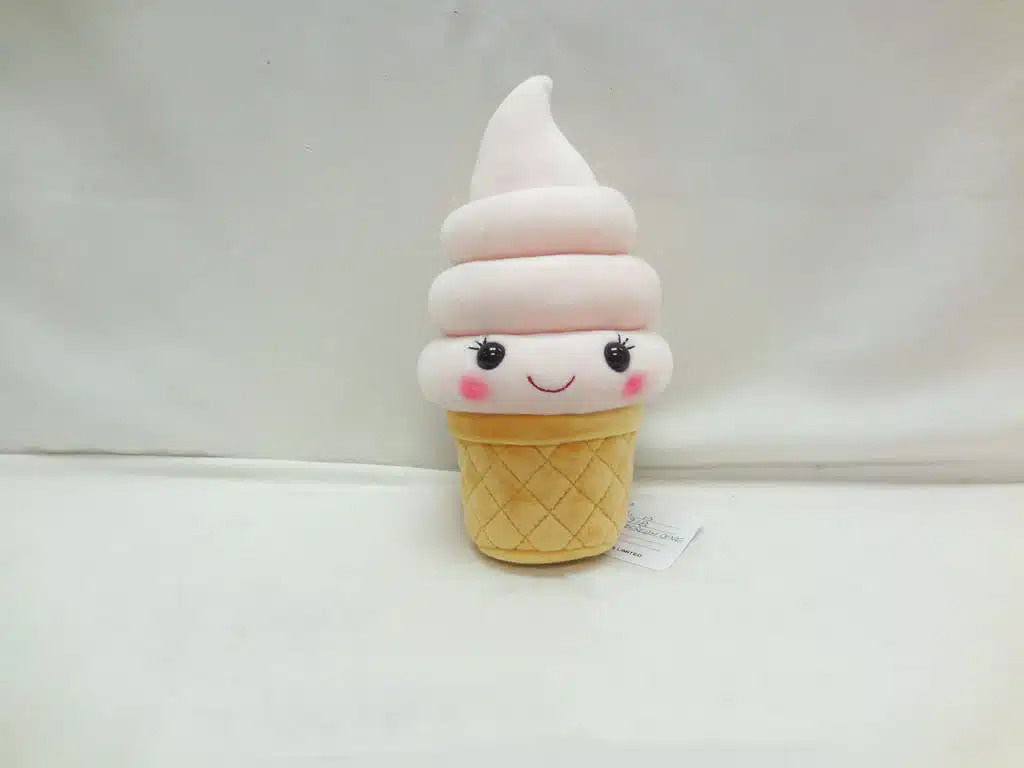
Soft toys are one of the widest product categories in the global toy industry. They can be a baby comfort toy, a character plush for retail, a promotional mascot, or a collectible plushie for teens and adults. I’m Amanda from Kinwin, and in this guide I’ll explain what “soft toys” means in professional industry language, how it differs from “plush toys” and “stuffed animals,” and what materials, safety rules, and manufacturing controls matter most for B2B buyers.
In simple terms, soft toys are toys made mainly from soft, flexible textile materials and filled or shaped to be cuddly and safe to touch. In many markets, “soft toy” is used as a consumer-friendly category term—especially in the UK and parts of Europe—while “plush toy” is common in global sourcing and “stuffed animal” is common in the USA. For brands, using the right term helps customers understand quickly and helps your listings match search habits.
What are soft toys in professional toy industry definitions?
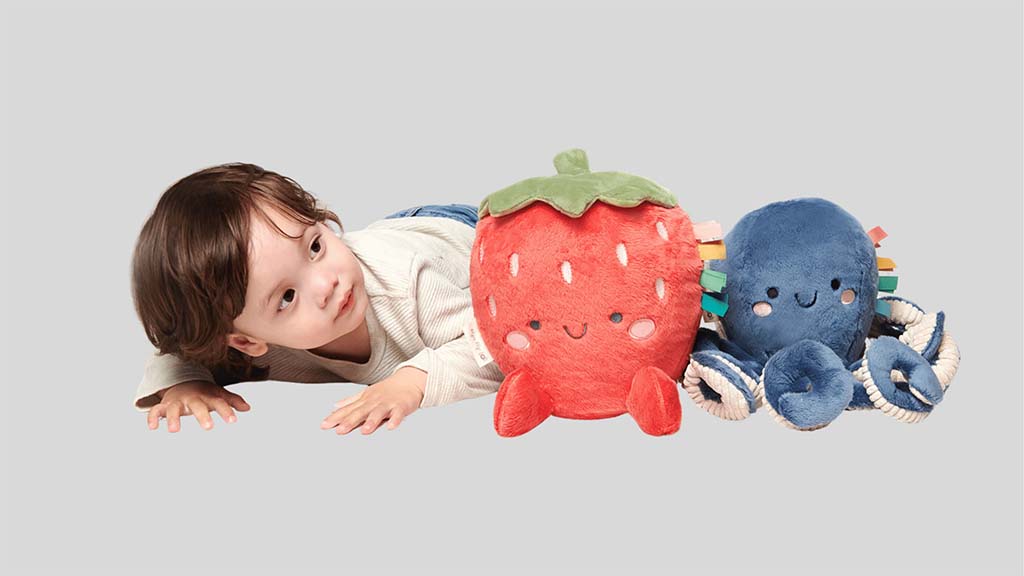
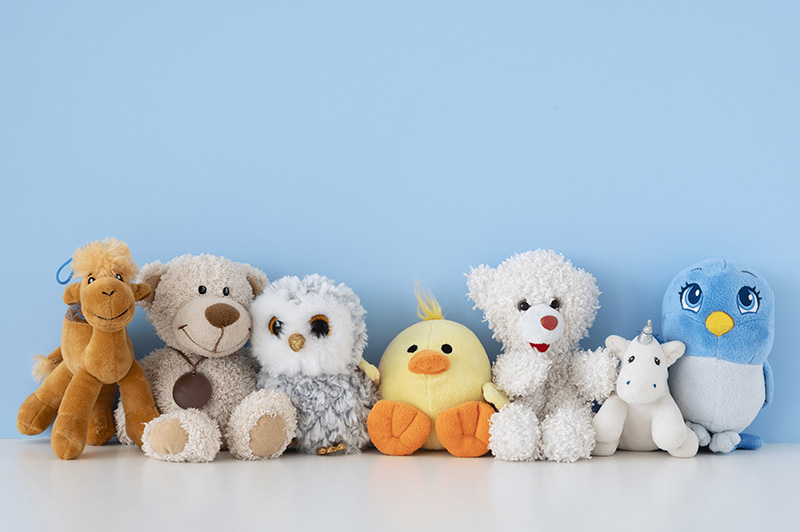
In professional toy industry usage, “soft toys” usually refers to textile-based toys designed to be soft to the touch, often filled with fiber or other soft materials to create a plush, squeezable form. The category is broad. It includes animals, dolls, character figures, comforters, and sometimes plush accessories like keychains if they are sold as toys.
From a manufacturing view, soft toys share common features:
- Outer layer is fabric or textile material
- Internal structure is soft (fiberfill, fabric layers, or soft inserts)
- Shapes are created by patterns, stitching, and stuffing
- The product is designed to be comfortable and non-hazardous in normal play
In B2B sourcing, “soft toys” is also a procurement grouping. Retailers and importers often use it to organize products that fall under similar testing, labeling, and compliance planning.
| Professional meaning | What it includes | What it usually excludes | Why the definition matters | B2B takeaway |
|---|---|---|---|---|
| Textile-based toy category | Plush animals, dolls, comforters | Hard plastic figures | Similar compliance scope | Use it as a broad catalog group |
| Soft tactile product | Cuddle toys, sleep buddies | Sharp/hard components | Safety and comfort expectations | Choose trims and construction carefully |
| Pattern + stitch product | Sewn plush products | Rigid molded toys | Production method differs | QC focuses on seams and parts |
How do soft toys differ from plush toys and stuffed animals?
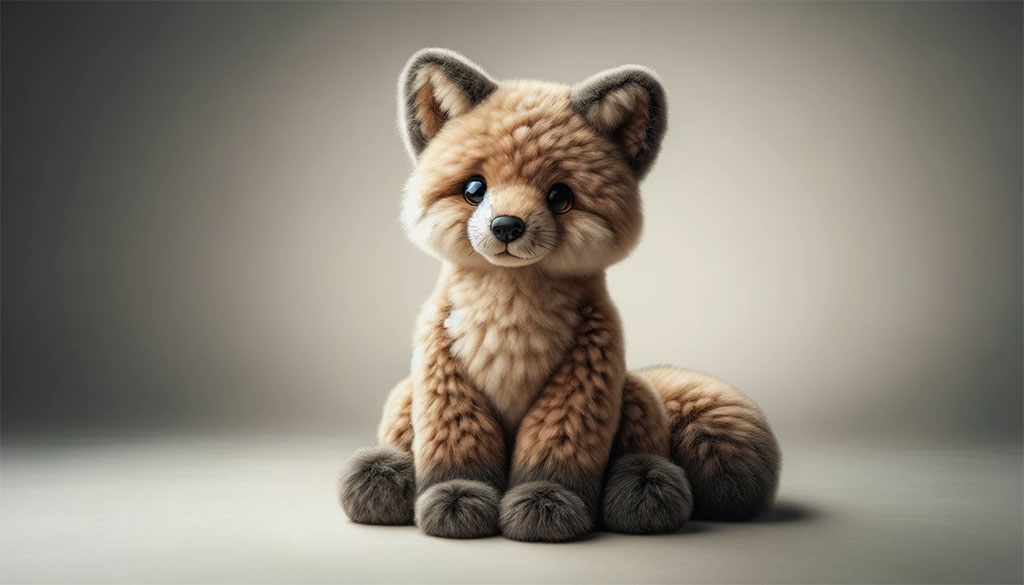
Soft toys, plush toys, and stuffed animals overlap, but they are not identical in how people use the terms.
The simplest way I explain it:
- Soft toy = broad category name (common in UK/EU)
- Plush toy = broad category name emphasizing plush fabric surface (common in global sourcing)
- Stuffed animal = category name emphasizing an animal shape (common in US consumer language)
A soft toy might be a bunny, but it might also be a star-shaped comforter, a character doll, or a plush keychain. A stuffed animal is usually animal-shaped. A plush toy can be either an animal or a character, but it often signals a plush fabric surface.
For brands, this matters because naming affects both customer clarity and SEO. For manufacturing and trade documents, you want the most standard, dispute-free category term.
| Term | What shoppers imagine | Best channel use | Common region | My recommendation |
|---|---|---|---|---|
| Soft toy | Gentle, child-friendly toy | UK product pages | UK/EU | Use for UK-focused listings |
| Plush toy | Soft toy with plush surface | B2B catalogs, global listings | Global | Use as primary B2B term |
| Stuffed animal | Animal-shaped plush | US consumer pages | USA | Add as synonym in US content |
| Plushie | Cute, modern collectible | Social/e-commerce | Global online | Use for collector positioning |
| Comforter/blankie toy | Sleep comfort product | Baby category | Multiple | Use when function is sleep comfort |
Which fabrics, fillings, and trims are standard in soft toy production?
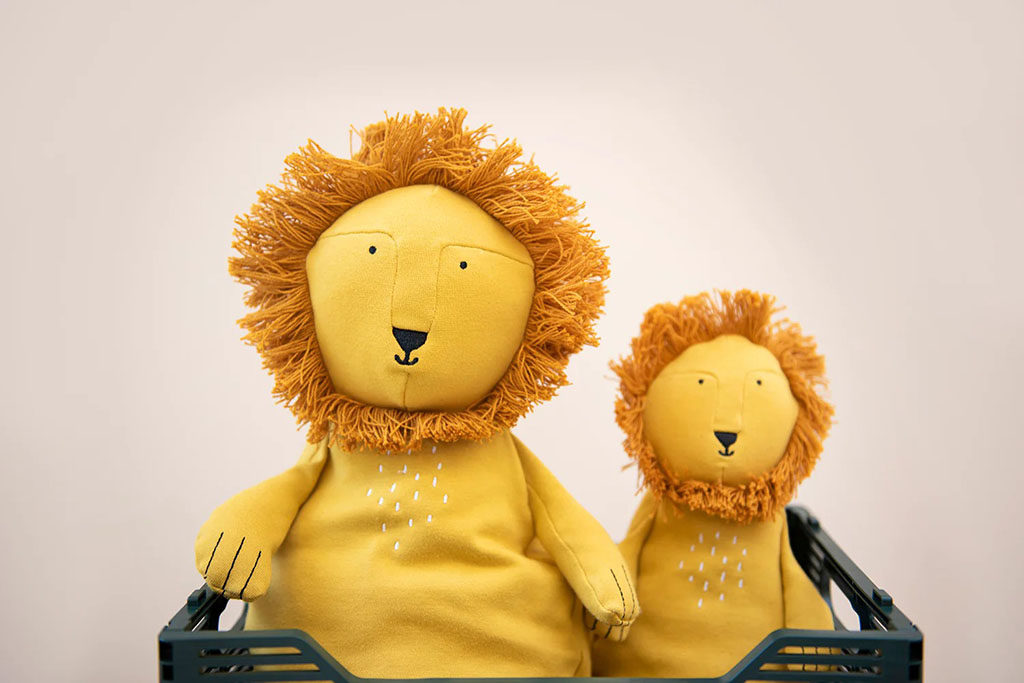
Soft toy production uses a controlled “material system”: outer fabrics, internal fillings, and trims must work together for feel, durability, and compliance. If one material changes, the product experience can change—especially softness and wash performance.
Common outer fabrics:
- Polyester plush varieties (short pile, medium pile, minky-like surfaces)
- Velour/velvet-like fabrics for premium feel
- Fleece and sherpa-style fabrics for cozy textures
Common fillings:
- Polyester fiberfill (most common)
- Special structured fills for shape control (used carefully)
- In some special categories, weighted or sensory fills (with stricter control)
Common trims:
- Embroidery for faces and logos
- Woven labels
- Safe prints and appliqués
- Plastic components only when age grading allows and attachment is controlled
For B2B buyers, the biggest quality lever is standardization: lock fabrics and fill grades early, then control batches and reorders.
| Material group | Common option | Why it is used | Main risk | Control method |
|---|---|---|---|---|
| Outer fabric | Polyester plush | Soft, stable supply | Shade variation | Supplier lock + batch checks |
| Outer fabric | Minky-like fabric | Premium softness | Shows marks easily | Surface QC + packing control |
| Filling | Polyester fiberfill | Soft and light | Clumping in low grades | Higher rebound grade + zoning |
| Trims | Embroidery | Safe and durable | Rough backing | Backing comfort control |
| Trims | Plastic eyes | Shiny look | Small parts risk | Age grading + pull tests |
What safety standards and compliance tests apply to soft toys globally?
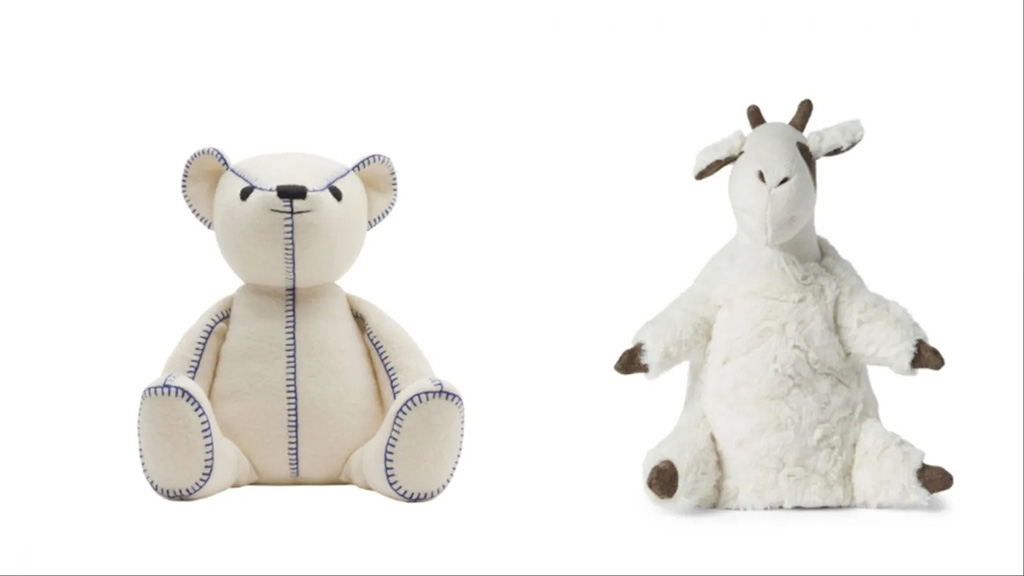
Safety planning depends on selling region and age grading. Soft toys are often used by young children, so the compliance expectation is usually high. In practice, most compliance programs focus on:
- Mechanical safety (seams, small parts, attachment strength)
- Material safety (restricted substances, dyes, prints)
- Labeling requirements (age grade, warnings, fiber content where required)
- Flammability rules depending on region and product type
For global B2B programs, I recommend designing with a “highest common expectation” mindset when possible, then adjusting labeling and documentation for each market.
The biggest compliance risk in real sourcing is not failing a test once—it is inconsistent production across reorders. That is why change control is essential: the supplier must not switch fabric, dyes, or trims without approval.
| Compliance area | What it covers | Why it matters | What to request from suppliers | Common mistake |
|---|---|---|---|---|
| Small parts safety | Detachable parts risk | Choking hazard | Attachment specs + QC | Adding accessories late |
| Seam strength | Open seams, stuffing access | Safety and durability | Pull checks + seam rules | Weak stress point seams |
| Chemical safety | Fabric and dye restrictions | Skin contact safety | Material specs + reports | Uncontrolled material swaps |
| Labeling | Age and warnings | Sets expectations | Artwork + proofing support | Missing market-specific text |
| Consistency | Repeat compliance | Protects brand | Change control system | Using multiple suppliers without standards |
How are soft toys segmented by age grading, function, and retail channel?
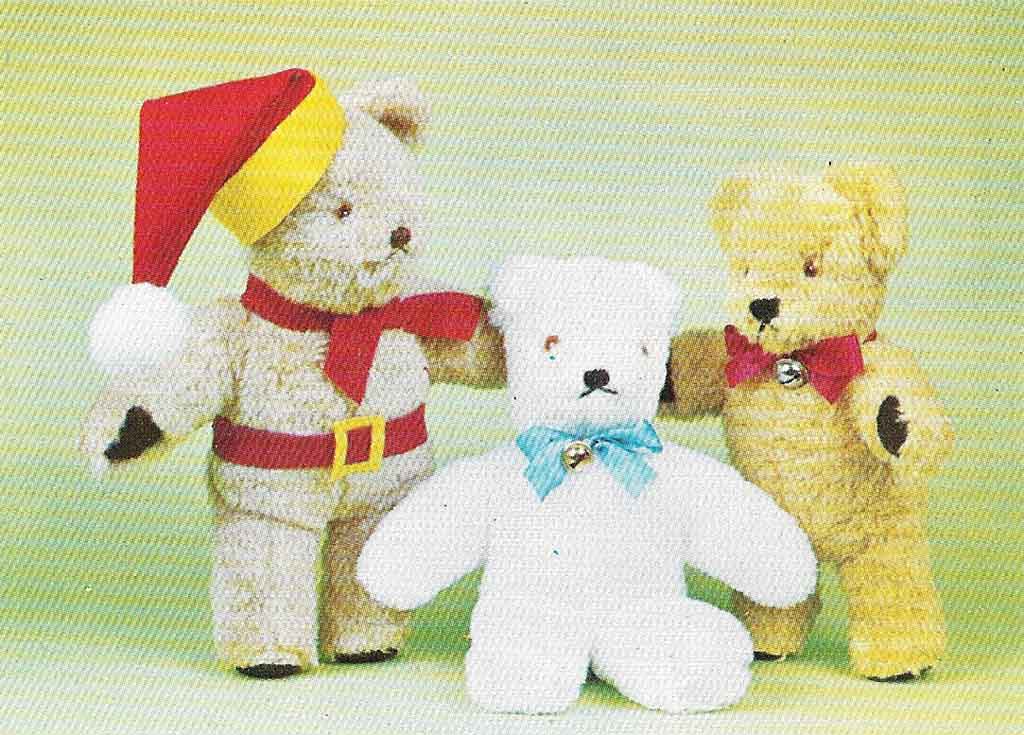
Soft toys are segmented in three practical ways. Each segmentation changes design rules and pricing.
- Age grading:
- Baby/toddler soft toys focus on safety and washability.
- Kids soft toys focus on comfort and durability.
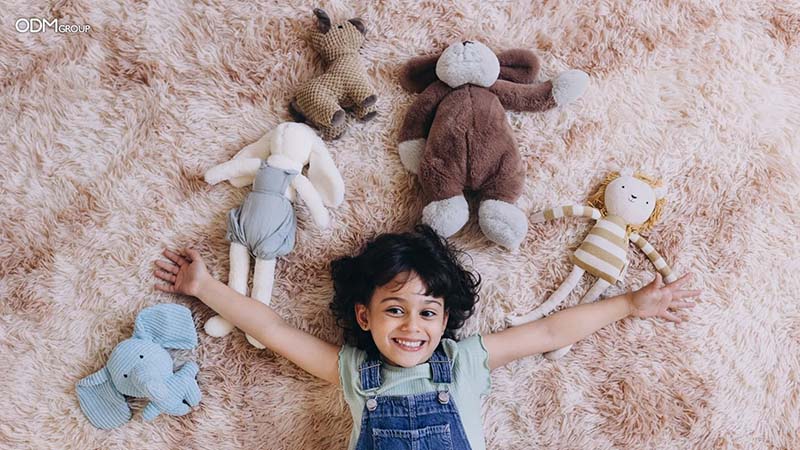
- Teen/adult soft toys focus on collectability and design identity.
- Function:
- Comfort and sleep toys
- Character and play plush
- Promotional mascots
- Seasonal and gifting items
- Channel:
- Mass retail
- Specialty gift stores
- E-commerce brands
- Promotions and events
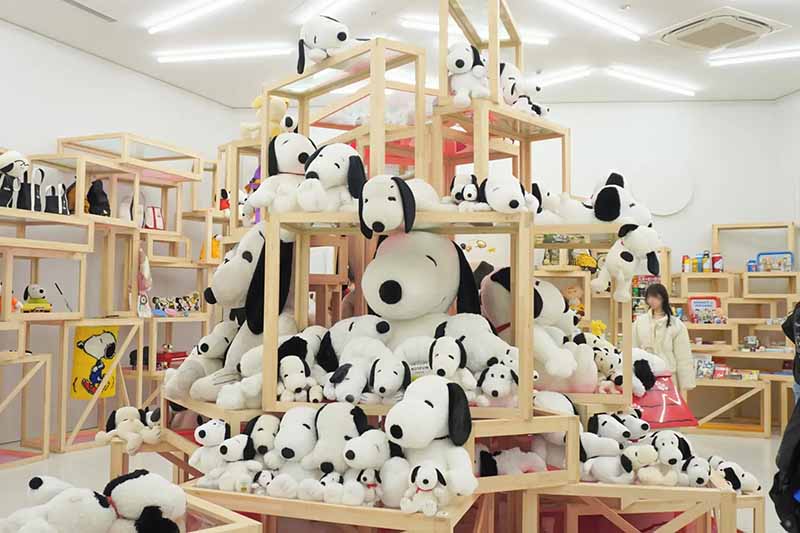
- Licensed merchandise
For B2B buyers, choosing the segment early prevents mismatch: you don’t want an “adult collectible” design tested and labeled like a baby toy without planning.
| Segment lens | Example | Design priority | Packaging priority | Business impact |
|---|---|---|---|---|
| Age: baby | Comfort plush | Safety + easy care | Clear care label | Higher trust requirement |
| Age: adult | Collectible plush | Accuracy + premium feel | Display-ready | Higher margins |
| Function: promo | Mascot soft toy | Branding visibility | Bulk-safe | Cost and lead time focus |
| Channel: e-commerce | Online best seller | Photo consistency | Shipping protection | Review-driven success |
| Channel: retail | Shelf product | Consistent sizing | Hangtag compliance | Reorder stability |
What manufacturing controls ensure consistent quality in soft toy supply?
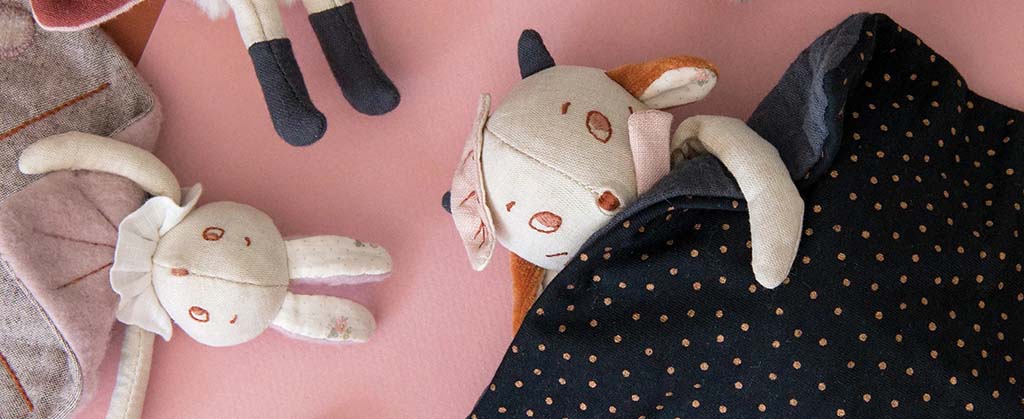
Soft toys look simple, but quality consistency requires system control. Most quality problems come from variation: different fabric lots, different stuffing levels, different stitch tension, or inconsistent face placement.
At Kinwin, the controls that protect buyers best are:
- Locked materials list (approved fabrics, fills, trims)
- Golden sample approval (one physical reference)
- Standardized stuffing weight ranges by size
- Face placement templates for repeatability
- Incoming material checks and final inspection checklists
- Change control procedures for any substitutions
These controls reduce defects, protect compliance, and keep your product photos and reviews consistent over time.
| Control point | What it stabilizes | How it is applied | What it prevents | Buyer benefit |
|---|---|---|---|---|
| Approved material list | Fabric and fill consistency | Supplier + batch tracking | Shade and feel drift | Stable reorders |
| Golden sample | Look and hand-feel | Signed reference unit | Disputes and mismatch | Faster approvals |
| Stuffing weight rules | Shape consistency | Weight range per SKU | Lumps and flatness | Better reviews |
| Stitch settings | Seam strength | Standard machine settings | Seam opening | Lower returns |
| Face templates | Expression consistency | Placement guides | “Different face” complaints | Strong brand identity |
| Change control | Compliance stability | Approval workflow | Silent substitutions | Lower compliance risk |
Conclusion
Soft toys are textile-based plush products whose success depends on clear terminology, safe materials, and consistent manufacturing control across global markets. At Kinwin, I help buyers build soft toy programs with stable specs, compliance planning, and reliable QC for reorders. Contact me at [email protected] or visit kinwintoys.com to discuss your next soft toy project and explore how our factory can support your success.