Stuffing decides whether a plush toy feels soft or stiff, light or heavy, premium or cheap. It also influences safety, washability, long-term shape, and even shipping cost. When you understand stuffing materials, you can brief factories more clearly and avoid many hidden risks.
In this guide, I’ll walk you through:
- which materials are commonly used to stuff plush toys,
- why polyester fiberfill is the industry standard,
- how natural fillings compare,
- how beads, pellets, and foam change weight and texture,
- which eco and recycled options are emerging,
- and how factories like ours keep stuffing consistent and safe in real production.
My goal is to explain everything in clear, simple English so you can make confident decisions for your brand, whether you sell on Amazon, in retail, or through your own website.
What materials are commonly used to stuff plush toys?
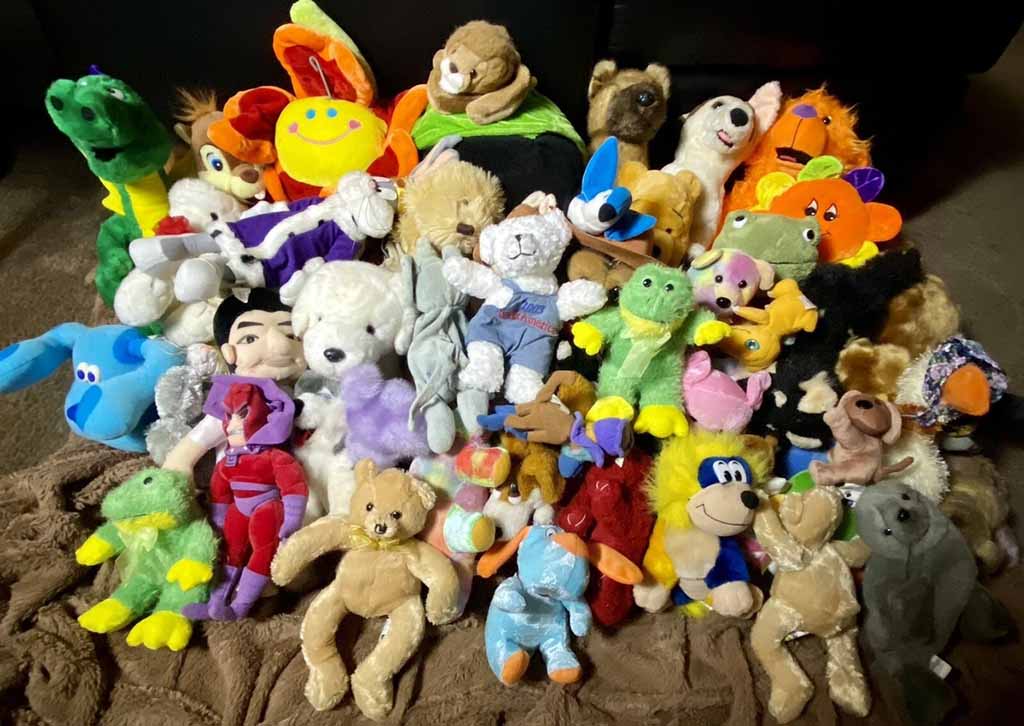
Inside a plush toy, you will usually find only one or two materials. But in the global market, there is a whole family of stuffing options that factories can choose from, depending on your target age, price, and positioning.
From a manufacturer’s point of view, the main stuffing materials for plush toys are:
- Polyester fiberfill (PP cotton) – the standard filling for most modern plush toys.
- Recycled polyester fiberfill (rPET) – similar performance but made from recycled plastic.
- Natural fibers – such as cotton, wool, and kapok, mainly in niche or “eco” lines.
- Beads and pellets – plastic or glass pellets used for weighted plush or bases.
- Foam pieces or cores – used in mascots, cushions, or parts that need firm structure.
You can think of these materials in three big roles:
- Soft bulk filling – fills most of the volume (usually polyester or rPET fiberfill).
- Weight control – pellets and beads used in pouches to add heaviness and stability.
- Structure support – foam or special inserts used to keep tall or complex shapes.
Most everyday plush for kids use only fiberfill. More complex or premium products add pellets and sometimes foam, especially for weighted plush, long pillows, or big mascots.
Common stuffing materials for plush toys
| Stuffing Type | Main Function in Plush Toys | Typical Applications | Key Advantages | Key Limitations / Watch-outs |
|---|---|---|---|---|
| Polyester fiberfill (PP cotton) | Core soft filling for volume and hug feel | Most children’s plush, gift plush, promotional plush | Soft, light, washable, stable, cost-effective | Not “natural”; depends on petroleum unless recycled |
| Recycled polyester fiberfill | Eco version of polyester fiberfill | Eco lines, brands with sustainability targets | Similar softness; supports recycled content claims | Needs certified supply; quality must be monitored closely |
| Cotton fiber | Natural soft filling | Some décor plush, niche eco products | Natural story, familiar to parents | Clumps when wet; slower drying; mold risk in poor storage |
| Wool | Dense, warm filling | Premium décor, traditional toys, adult collectibles | “Natural luxury” image; good resilience | Possible allergens; higher cost; more sensitive to washing |
| Kapok | Very light plant-based filling | Traditional, artisan, or local eco products | Extremely light; fully plant-based | Harder to control; can clump; less common in export toys |
| Plastic pellets / beads (in bags) | Add weight and “beanbag” feel | Weighted plush, sitting bases, sensory plush | Gives grounding, stability, and sensory feedback | Must be sealed; usually 3+ only; extra testing needed |
| Glass / mineral beads | High weight in small volume | Adult weighted items, high-end weighted plush | Very precise weight control; smooth flow | Generally 14+; adds cost; heavier cartons |
| Foam pieces / blocks | Structural support in special areas | Large mascots, cushions, character heads, props | Helps tall or complex forms hold shape | Harder to wash; less “squishy” where used |
As a buyer, you don’t need to become an engineer for every tiny detail. But you should know which family of stuffing you want and what feeling you want your customer to have when they hug the toy: light and fluffy, deep and weighted, or firm and sculpted.
How does polyester fiberfill provide softness, safety, and durability?
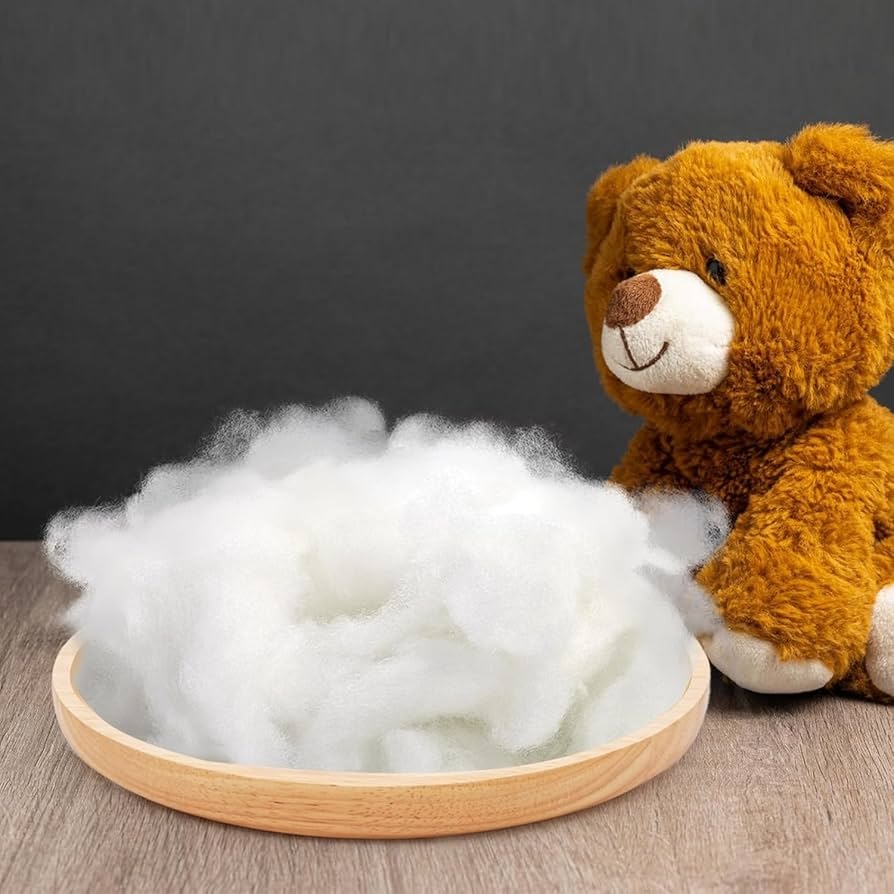
If you cut open 100 modern plush toys from supermarkets, online brands, and gift shops, you would probably find polyester fiberfill inside most of them. It is still the industry standard because it balances softness, safety, durability, and cost better than any other filling at scale.
Why polyester fiberfill is so widely used
From a factory point of view, polyester fiberfill has several key strengths:
- Soft and bouncy
It compresses under pressure and springs back, which makes plush toys feel alive and huggable instead of flat. - Washable and quick-drying
Polyester does not absorb water like cotton or wool. It dries faster, so the risk of mold, smell, or internal damage is much lower when parents wash toys correctly. - Consistent quality
Fiberfill is manufactured with defined fiber length, fineness (denier), and crimp. This allows us to get a stable behavior in stuffing machines and in the finished product. - Safe and testable
High-quality fiberfill is clean, low-odor, and easy to test for chemicals. It fits well into the requirements of EN 71, ASTM F963, CPSIA, and other toy standards when sourced from reputable suppliers. - Cost-effective
Compared with many natural or specialty fillings, polyester fiberfill keeps your cost of goods low, which lets you price competitively while still feeling soft.
Tuning the feel with polyester fiberfill
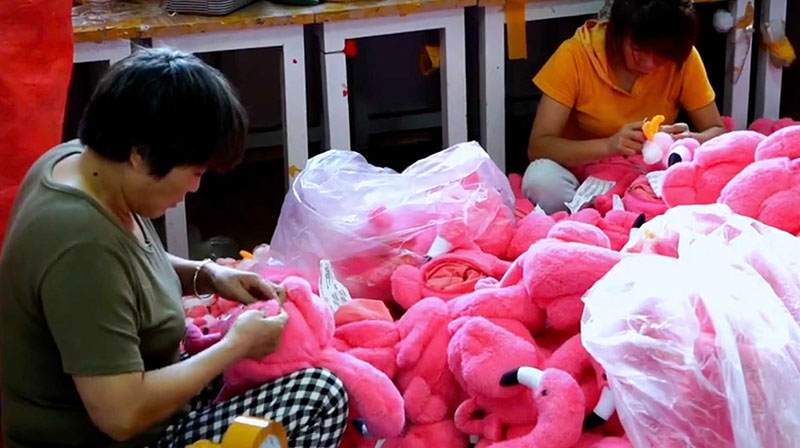
Inside the factory, we don’t just pour fiberfill randomly. We adjust:
- Fiber fineness – finer fibers feel softer and more “cloud-like.”
- Mixture or grade – different fiber blends can feel firmer or looser.
- Density – how many grams we stuff into each toy and each zone.
This means the same material can feel:
- super squishy for a pillow plush,
- medium soft for a general teddy bear,
- or quite firm for a standing mascot,
simply by changing the stuffing plan.
Why polyester fiberfill is the standard stuffing
| Feature / Need | How Polyester Fiberfill Performs | Benefit for Your Plush Line |
|---|---|---|
| Softness & comfort | Feels soft, springy, and pleasant to hug | Customers perceive your plush as “cozy” and “premium” with right density |
| Shape recovery | Compresses and rebounds without permanent flat spots | Plush toys look good on shelf and after months of use |
| Wash performance | Does not hold water; dries relatively fast | Reduces mold and odor risk; easier for parents to wash |
| Safety & cleanliness | Can be supplied clean, low-odor, and toy-grade | Easier to pass EN 71 / ASTM / CPSIA tests |
| Consistency in production | Works smoothly in stuffing machines and can be controlled by weight | All toys in one batch feel similar; fewer complaints about “inconsistent fill” |
| Cost | Competitive price for large volumes | Keeps retail price reasonable while meeting softness expectations |
If your brand wants stable quality and predictable safety, polyester fiberfill is usually the starting point. From there, you can decide whether to add pellets, foam, or move to recycled versions for sustainability.
What natural fillings like cotton, wool, or kapok are used in plush production?
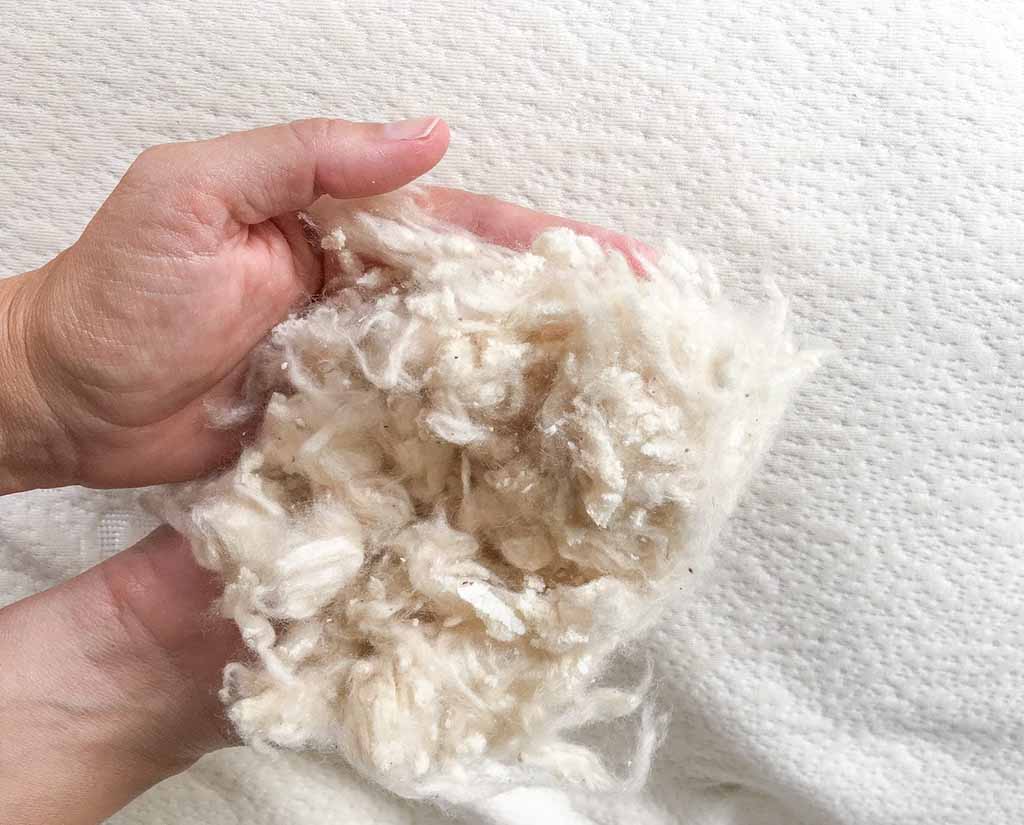
Some brands want a more “natural” or “heritage” story for their plush toys. In these cases, we sometimes use natural fillings such as cotton, wool, or kapok. These can create a different feel, but they also bring extra challenges for washability, storage, and consistency.
Cotton filling
Cotton fiber is soft and familiar. It can work as a filling in certain plush types. However, cotton is hydrophilic—it absorbs water. That means:
- it can clump after washing if not dried very well,
- it dries slowly, especially in humid climates,
- and it can support mold or odor if the toy is stored damp.
Cotton filling is therefore better for:
- décor plush that is not washed often,
- heritage or local products for dry climates,
- niche eco lines where natural story is more important than frequent washing.
For export children’s plush, we usually warn buyers about these risks.
Wool filling
Wool gives a warm, dense feel. It is used in some traditional toys, décor animals, and premium craft lines. Wool’s strengths:
- good resilience (it can spring back),
- a strong natural or heritage story,
- and a sense of “warm luxury”.
Its challenges:
- some people are allergic or sensitive to wool,
- wool can shrink or felt with aggressive washing,
- and cost is usually higher than polyester.
Wool filling is more common in adult or decorative plush, often with higher age grading.
Kapok filling
Kapok is a plant fiber taken from tree pods. It is very light and was used historically in pillows and flotation materials. As a plush filling it is:
- extremely light and airy,
- fully plant-based and biodegradable,
- traditional in some regions.
But kapok can:
- clump over time,
- be more difficult to process in modern stuffing machines,
- and can be harder to source in consistent, clean grades.
This makes it more common in local, artisanal, or traditional products than in large export lines.
Natural fillings in plush production
| Filling Type | Feel & Performance | Main Advantages | Main Challenges | Best Use Cases |
|---|---|---|---|---|
| Cotton fiber | Soft, slightly heavier, absorbs moisture | Natural story; familiar to many parents | Clumps when wet; slow drying; mold risk | Décor plush, low-wash items, some niche eco ranges |
| Wool | Dense, warm, springy | Premium natural image; good resilience | Possible allergens; shrink/felt risk; higher cost | Adult décor, traditional toys, collector pieces |
| Kapok | Very light, airy, plant-based | Extremely light; traditional; fully plant-derived | Harder to control; clumps; limited large-scale supply | Artisan plush, local heritage products |
If you want to use natural fillings in an export plush project, it is important to discuss openly with your factory: age grading, wash instructions, storage, and lab testing. In many cases, we combine natural outer fabrics (like organic cotton) with polyester or rPET stuffing for a safer, more stable compromise.
How do beads, pellets, or foam fillings affect texture and weight balance?
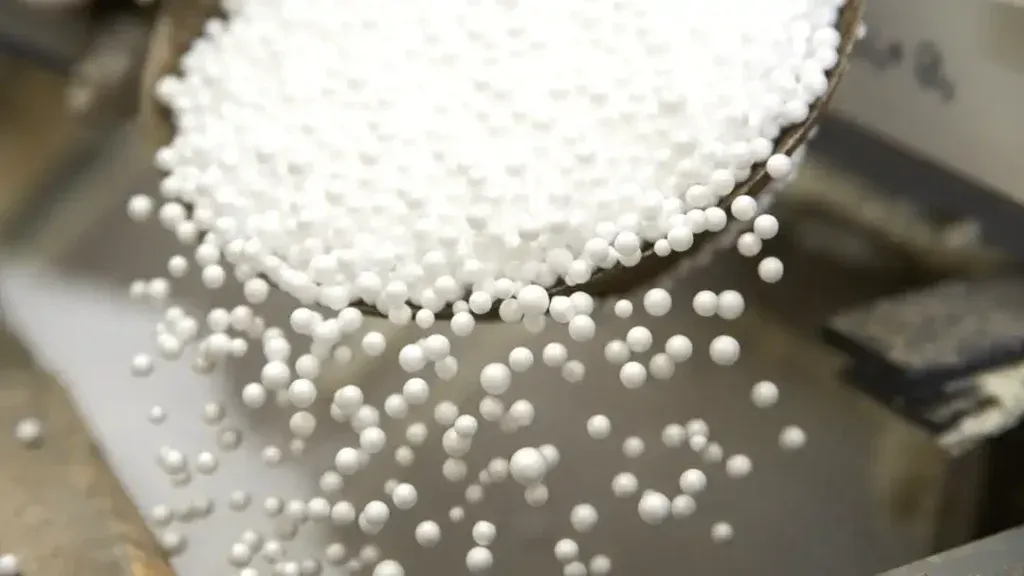
Sometimes, fiberfill alone is not enough. You may want a plush toy that feels heavier, more grounding, “beanbag-like,” or very solid in certain areas. This is where beads, pellets, and foam come in.
Beads and pellets
Beads and pellets are usually made from plastic (like PE or PP), sometimes glass or mineral for high weight in small volume. They are used to:
- add weight to plush (weighted plushies for comfort or therapy),
- help toys sit upright on shelves (pellets in the base),
- create a “beanbag” texture where filling flows and shifts,
- provide sensory feedback in fidget or sensory products.
For safety, we very rarely pour loose pellets directly into a plush body. Instead, we:
- sew pellets into inner fabric pouches,
- put these pouches inside the plush along with fiberfill,
- close all seams securely and test them.
This way, even if an outer seam fails, pellets are still contained in a second layer. Pellets are generally used for toys graded 3+ or older, not for babies.
Foam fillings and cores
Sometimes we use foam in plush production. Foam can be:
- cut into shapes (blocks or curves) and inserted into bodies or heads,
- chopped into pieces and mixed with fiberfill,
- used as internal structure in big mascots, cushions, or costume heads.
Foam helps toys to:
- keep a very clear silhouette (for example, a tall mascot head),
- remain upright and firm even when large,
- support certain designs where fiberfill alone would sag.
The trade-off is that foam is less squishy, harder to wash thoroughly, and usually best for decorative or adult plush, not babies.
Combining fiberfill with pellets or foam
Many successful designs use combinations:
- Fiberfill in the body for softness.
- Pellet pouch in the base for sitting stability and weight.
- Small foam insert in the muzzle or ears for shape.
The key is always to maintain safety, age appropriateness, and good lab test performance.
Beads, pellets, and foam – effect on plush feel
| Material Type | Sensory Effect in the Plush Toy | Typical Use Cases | Safety & Age Notes | Design Benefits |
|---|---|---|---|---|
| Plastic pellets (sealed) | Heavy, shifting, “beanbag” feel | Weighted plushies, sitting bases, realistic animals | Usually 3+; must be double-sealed and lab-tested | Adds grounding weight and stability |
| Glass / mineral beads | Very heavy, smooth flow in small volume | Adult weighted items, therapy plush, collector pieces | Often 14+ or adult; extra caution in packaging | High weight precision; compact weighted zones |
| Foam pieces | Slightly bouncy, more solid than fiberfill alone | Cushions, body sections of mascots, certain props | Age grading depends on design and washability | Creates firm areas without metal or pellets |
| Foam blocks / cores | Firm, structural, holds exact shape | Large mascots, long cushions, costume heads, décor | Typically not for small children’s plush | Keeps big shapes tall, neat, and photo-ready |
| Fiberfill + pellet mix | Soft overall with weighted zones in base or body | Weighted animals, sensory plush, sit-stable plush toys | Must ensure pellets are in sealed pouches; 3+ only | Combines hug softness with premium weight feel |
When you brief your factory, you can use simple language like:
- “We want this one to feel weighted and calming.”
- “We want this series to sit firmly on shelves.”
- “This product is for babies, no pellets or hard cores.”
That gives us clear direction to design the stuffing system correctly.
What eco-friendly and recycled stuffing materials are becoming popular?
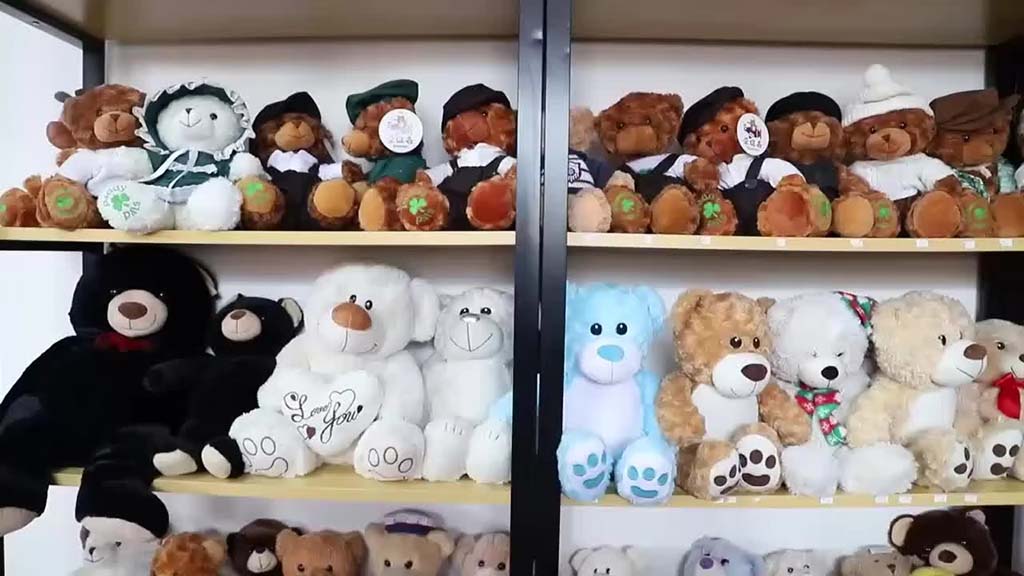
Sustainability is now part of many brands’ strategy. Customers ask, “Is this plush eco-friendly?” For stuffing, the most practical change is to switch from virgin polyester to recycled or better-sourced materials, while still keeping safety, softness, and durability.
Recycled polyester fiberfill (rPET)
The biggest shift in recent years is towards recycled polyester fiberfill made from recycled PET, often from bottles. Good rPET fiberfill can:
- feel almost identical to traditional fiberfill,
- perform similarly in washing and long-term use,
- pass the same toy safety tests,
- support authentic environmental claims when properly certified.
To use rPET responsibly, we look for:
- GRS (Global Recycled Standard) or similar certifications,
- clear data on recycled content percentage,
- stable quality across batches.
With this, you can confidently say things like “stuffed with recycled polyester” on packaging.
Hybrid eco approaches
For some brands, we combine several eco steps:
- rPET fiberfill inside,
- rPET plush fabric outside (for minky or short plush),
- recycled or FSC-certified labels, hangtags, and cartons.
This creates a multi-layer eco story without losing softness or failing safety tests.
Natural eco fillings
A smaller number of brands use organic cotton or other plant fibers as stuffing. This can work for décor or low-wash products, but for mainstream toys, we must be careful with:
- clumping and shape loss,
- moisture and mold risk,
- higher and more variable cost.
Often, the best early action is to switch to rPET filling first, then explore more natural fillings in selected SKUs if they make sense for your customer base.
Eco-friendly and recycled stuffing options
| Stuffing Approach | Eco Aspect | Strengths | Limitations / Points to Watch | Good Use Cases |
|---|---|---|---|---|
| rPET polyester fiberfill | Made from recycled PET (e.g., bottles) | Keeps softness and performance; strong, verifiable eco story | Needs certified supply and consistent quality | Eco plush lines, major brands with sustainability goals |
| rPET + virgin fiberfill blend | Mixed recycled and virgin content | Balance between performance, cost, and recycled content | Claims must reflect real percentages | Transition lines or mid-priced eco products |
| Organic cotton stuffing | Plant-based, organic agriculture | Strong natural story; fits organic collections | Clumping, moisture sensitivity, cost, and testing needs | Small eco collections, décor plush, low-wash items |
| Plant-based alternatives (e.g., kapok) | Natural and biodegradable | Traditional appeal and story | Harder to standardize; more niche in export markets | Artisan, regional, or storytelling-heavy products |
| Recycled foam pieces (internal) | Reuses foam waste internally | Reduces waste in décor items | Uneven feel if unmanaged; not ideal for children’s plush | Internal cores of décor plush or adult products |
When you plan an eco plush line, it is better to start with one clear, realistic claim—for example, “This plush is filled with recycled polyester fiber” —and make sure you can back it up with documents and lab tests.
How do manufacturers ensure stuffing consistency and safety in production?
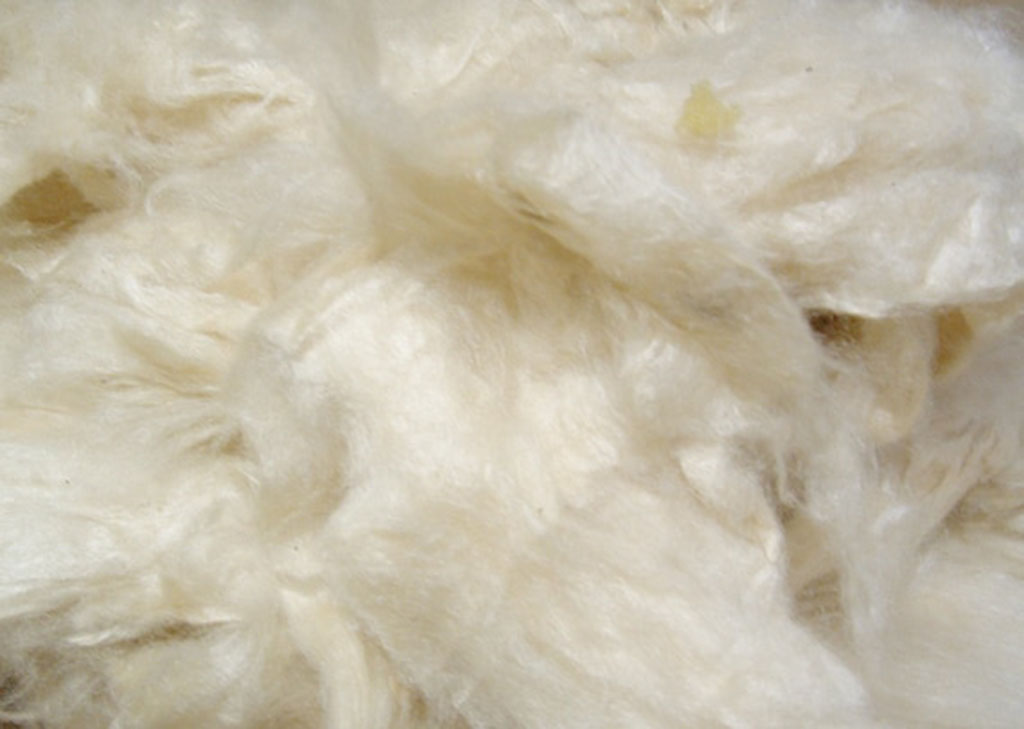
Even if you choose the best stuffing material, your plush line will fail if the execution in production is inconsistent. One batch feels soft and full, the next feels thin and cheap—customers notice this very quickly.
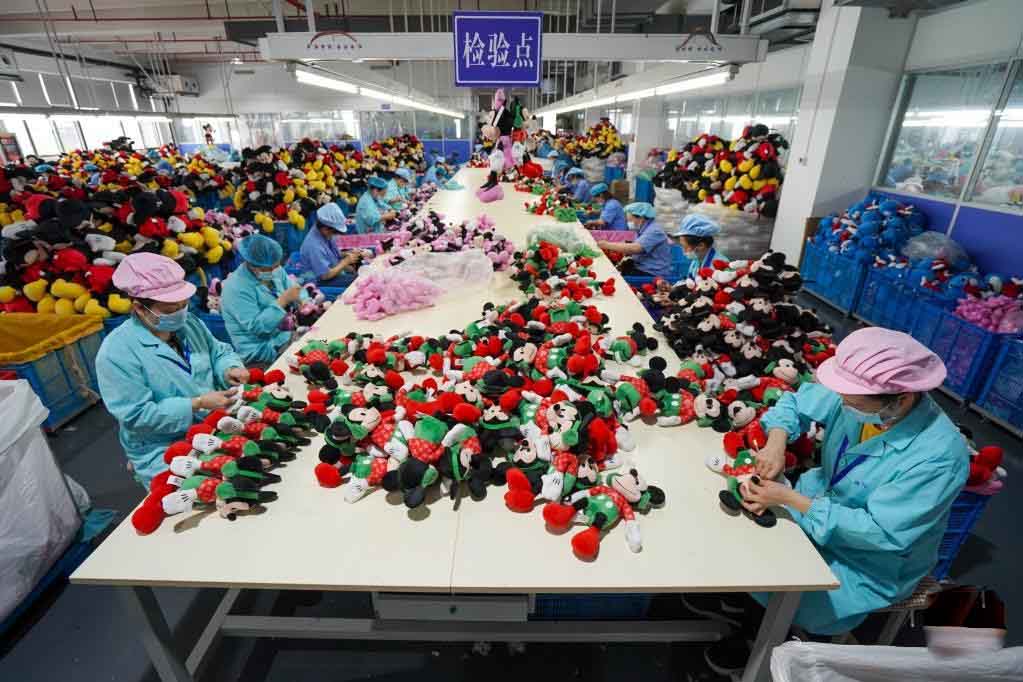
Professional manufacturers use systems to keep stuffing consistent, clean, and safe from the first piece to the last.
Controlling the stuffing material itself
We begin with incoming material control:
- Inspect fiberfill bales for cleanliness and odor.
- Confirm basic specs such as fiber length and fineness.
- Store stuffing in clean, dry, closed areas to avoid dust and moisture.
- Use approved suppliers and keep records of lot numbers.
For pellets, we check:
- material type and size,
- smoothness (no sharp edges),
- cleanliness and absence of contamination.
Managing stuffing density and weight
We do not rely only on “feeling.” In a good factory, we:
- define target gram weight per size and sometimes per style,
- train stuffing operators on zone density (head vs body vs limbs),
- use scales to randomly control weight during production,
- run hand-feel checks to compare pieces from different lots.
This allows us to keep hug feel similar across orders, which protects your brand reputation.
Safety control and testing
To keep stuffing safe, we also:
- ensure pellets are always in inner pouches and seams are reinforced,
- run 100% of finished toys through needle detection to make sure no broken needles are inside,
- send production-equivalent samples to labs for EN 71 / ASTM / CPSIA testing.
If we change stuffing supplier, we treat it as a material change and re-check risks, especially for baby products.
How factories manage stuffing consistency and safety
| Control Area | Typical Factory Practice | Why It Matters for You | What You Can Ask Your Supplier |
|---|---|---|---|
| Material incoming check | Inspect bales/pellets for cleanliness, odor, and spec | Avoids dirty or low-quality stuffing | Ask how they inspect stuffing and how often |
| Storage | Keep stuffing in clean, dry, covered storage areas | Prevents contamination and moisture damage | Confirm storage conditions if you visit or audit |
| Gram weight control | Set and monitor target weights per unit | Keeps hug feel and perceived quality consistent | Request target weights and acceptable ranges (in grams) |
| Zone stuffing plans | Written instructions for head/body/limbs/base densities | Ensures correct shape and sitting/standing pose | Ask how they control different zones of the plush |
| Pellet management | Use sealed inner pouches, double stitching, and tension tests | Prevents pellet leakage and choking hazards | Confirm pellets are never loose; ask age grading |
| Needle detection | 100% of finished plush pass through calibrated metal detectors | Protects children and brand from metal hazards | Ask for photos or videos of needle detection in use |
| Lab safety testing | Send golden samples to accredited labs; retest after changes | Ensures compliance in target countries | Always request up-to-date test reports per SKU |
| Documentation & traceability | Record material lots, test results, and production info | Enables investigation if any issue arises | Ask about their traceability system and record keeping |
When a factory can explain this whole system clearly, you can feel much more relaxed about ordering long-term. You are not just buying “cute plush”; you are buying a controlled manufacturing process.
Conclusion
A good plush toy is safe, soft, durable, and appealing while also offering branding opportunities. Stuffing is at the heart of that promise—whether you use standard polyester fiberfill, natural fibers, pellets for weight, or recycled rPET, the right choice and the right control system will shape how your plush line feels, performs, and passes safety tests.
At Kinwin, we help global buyers choose and manage stuffing solutions that match their target age groups, market positioning, safety requirements, and sustainability goals. From basic teddy bears to weighted plush and eco collections, my team can guide you from material selection through to final inspection and shipment. Contact us at [email protected] or visit kinwintoys.com to discuss your next plush project and explore how our factory can support your success.