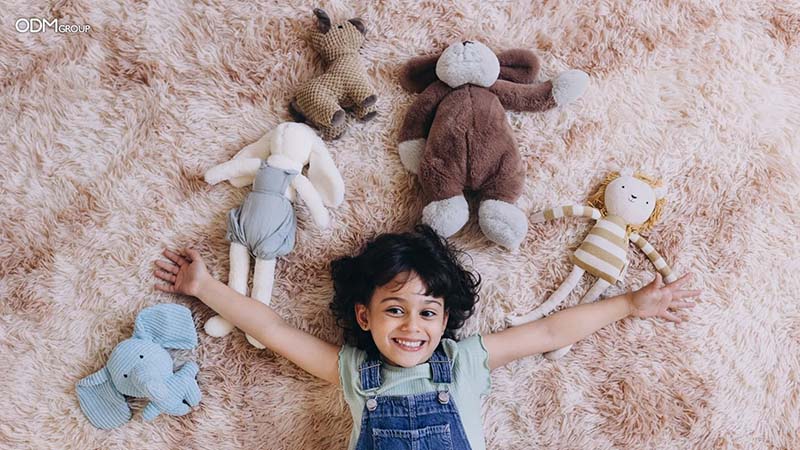
When someone hugs a plush toy, they are really feeling a mix of fabrics, fillings, and tiny construction details that all work together. For brands, retailers, and e-commerce sellers, understanding these materials is the first step to building safe, consistent, and high-value plush product lines.
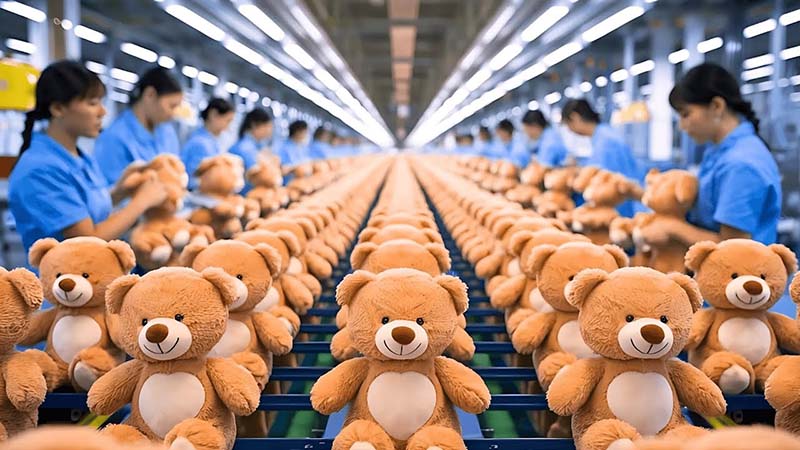
Plush toys today are mainly made from synthetic fabrics like polyester plush or minky on the outside, and polyester fiberfill or other fillings on the inside. Around this core, there are trims, accessories, labels, and sometimes special materials such as pellets, sound boxes, or recycled fibers. Together, they decide how soft, durable, safe, and sustainable your plush toys will be.
In this guide, I’ll walk you through the main materials we use in modern plush manufacturing, and how each choice affects product quality, safety, and long-term brand value.
What primary materials are used to make modern plush toys?
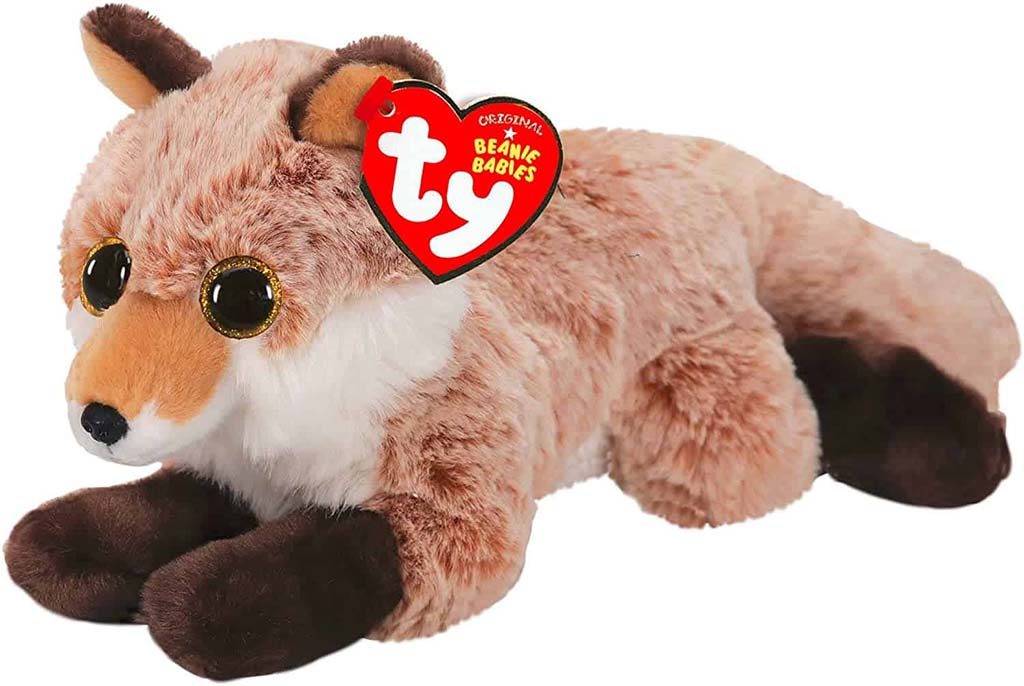
Most modern plush toys are built from three main material layers:
- Outer fabric – the “skin” of the toy that people see and touch.
- Inner filling – the stuffing that gives shape and softness.
- Structural and detail materials – threads, linings, pellets, eyes, noses, labels, and sound modules.
Together, these materials must meet your design goal (cute, realistic, decorative, weighted, etc.) and your target markets’ safety regulations.
Main material categories inside a typical plush toy
| Material Group | Common Options in Today’s Market | Main Purpose in the Toy |
|---|---|---|
| Outer plush fabrics | Polyester minky, velboa, fleece, short / long plush, faux fur | Defines softness, texture, and overall appearance |
| Inner filling | Polyester fiberfill, cluster fiber, foam, plastic pellets | Controls softness, weight, and body volume |
| Structural textiles | Lining fabric, inner bags, reinforcement cloth | Supports shape, holds pellets, reinforces weak zones |
| Threads | Polyester sewing thread, embroidery thread | Builds seams and facial details, holds structure |
| Components & trims | Safety eyes, noses, ribbons, buttons, zippers, Velcro | Adds character, clothes, and functional elements |
| Labels & packaging | Woven labels, care labels, hangtags, polybags, boxes | Branding, legal info, retail and e-commerce handling |
Even if your brand focuses only on “softness,” it still relies on these material choices in the background. Good material planning supports smoother testing, fewer returns, and more stable reorders over time.
How do fabric types influence softness, durability, and appearance?
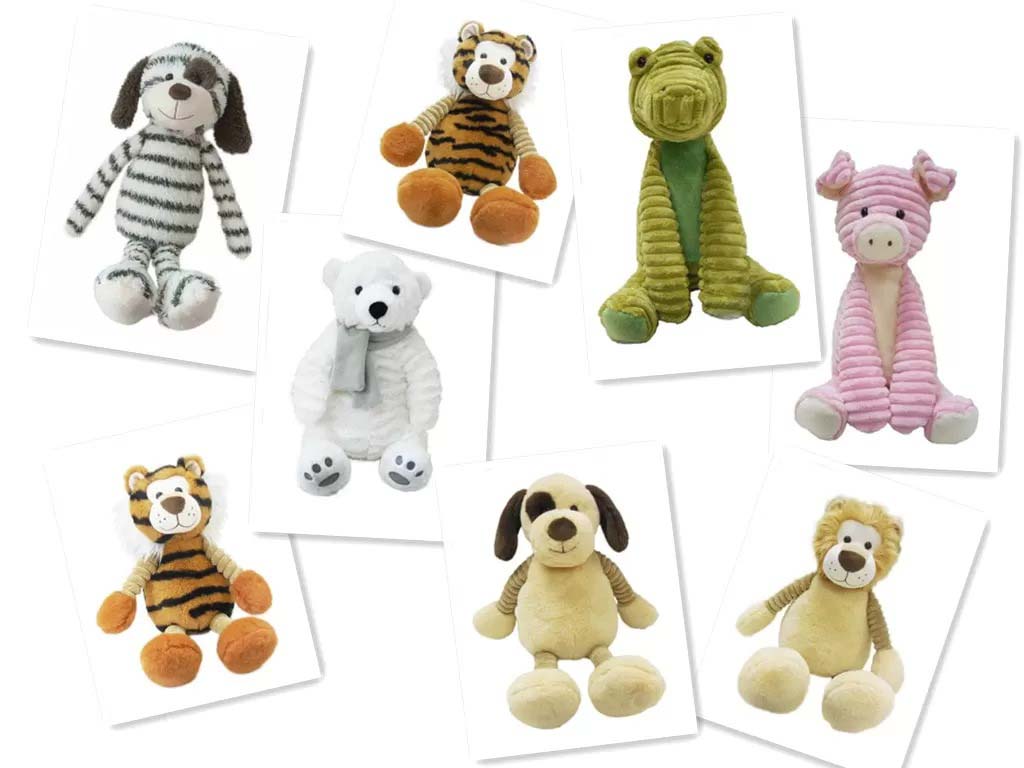
The fabric you choose for the outside of your plush toy is what customers feel first. It decides softness at first touch, long-term appearance after washing, and how well details like embroidery and printing show up.
Most modern plush toys use polyester-based fabrics because they are soft, color-stable, and compatible with global safety testing. However, different fabric types create very different effects: from ultra-soft baby plush to strong, short-pile fabrics for high-detail mascots.
Common plush fabric types and their effects
| Fabric Type | Typical Texture and Look | Best Use Cases |
|---|---|---|
| Minky | Very soft, short pile with slight sheen | Baby plush, sleep plush, cozy animals, blankets |
| Velboa | Short, dense pile, smooth and slightly firm | Character plush, mascots, detailed shapes |
| Fleece | Soft, matte surface, knit-based | Simple plush, DIY styles, casual gift items |
| Short plush | Clean, short pile, good for embroidery and prints | Small animals, promotional plush, high-clarity logos |
| Long plush / faux fur | Fluffy, long pile, voluminous look | Fluffy animals, manes, tails, premium “fur” effects |
| Faux suede / microfibre | Smooth, low-pile, fabric-like feel | Minimalist plush, decor pieces, certain mascot parts |
How fabric choices affect product performance
- Softness and handfeel
- Minky and long plush feel very luxurious and are great for cuddle and sleep products.
- Velboa and short plush feel a bit firmer but hold shape and detail very well.
- Durability and pilling
- Higher-quality polyester plush resists pilling and color fading better.
- Cheap low-density plush can look worn very fast, which hurts brand image.
- Appearance and branding
- Short plush and velboa are strong choices for logos, embroidery, and facial detail, because the surface is flatter.
- Long plush and faux fur create a “wow” effect but may hide small embroidered lines if not planned carefully.
When we develop new plush lines for clients, we always match fabric choice with purpose: sleep vs display, baby vs collector, gift vs promotion. This stops products from feeling “off” in real life compared to the photos.
Which stuffing materials create different textures and structural effects?
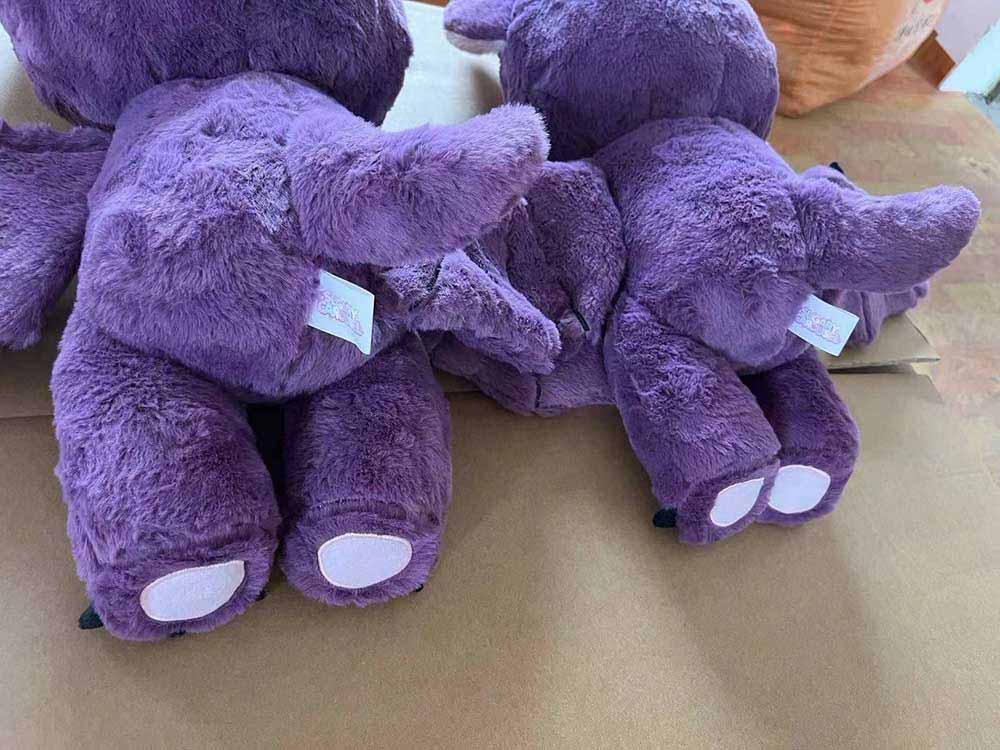
Stuffing is what turns a flat fabric shell into a 3D plush toy. The filling material decides whether the toy feels cloud-soft, firm and structured, lightly weighted, or deeply grounding.
Most modern plush toys use polyester fiberfill as the main filling. But we can mix it with other fillings or control density to create different effects for different markets and use cases.
Common stuffing materials and their effects
| Stuffing Type | Key Properties | Best For |
|---|---|---|
| Polyester fiberfill | Light, bouncy, washable | Most standard plush toys and cushions |
| High-resilience / cluster fiber | More springy and “cloud-like” | Premium plush, pillows, long-term shape retention |
| Foam pieces / blocks | Firm, structured support | Large cushions, decor plush, specific body parts |
| Plastic pellets (PP / PE) | Small hard beads adding weight and stability | Weighted plush, beanie-style toys, sitting balance |
| Fabric scraps (internal) | Sometimes used as internal fillers in certain regions | Low cost, but rarely used for export-quality plush |
How stuffing choices change feel and structure
- Soft, cuddly plush
- Use standard polyester fiberfill, lightly packed.
- Avoid overstuffing; aim for a gentle squeeze and smooth surface.
- Firm, shaped mascots or decor plush
- Use denser fiberfill or cluster fiber.
- Add internal linings and pattern engineering for sharp silhouettes.
- Weighted plush / “relax” plush
- Combine fiberfill with pellets in inner bags at the base or belly.
- Pellets add calm weight and help plush sit upright on shelves and beds.
- Structured parts (noses, bases, spines)
- Use small foam inserts or shaped fiber structures.
- Support long-term stability for stand-up characters or flat-bottom cushions.
Inside Kinwin, we treat stuffing as a design tool, not an afterthought. Filling maps (head, belly, limbs, base) are part of the spec, so every piece in a mass order feels consistent in hand.
How are trims, accessories, and embellishments safely integrated?
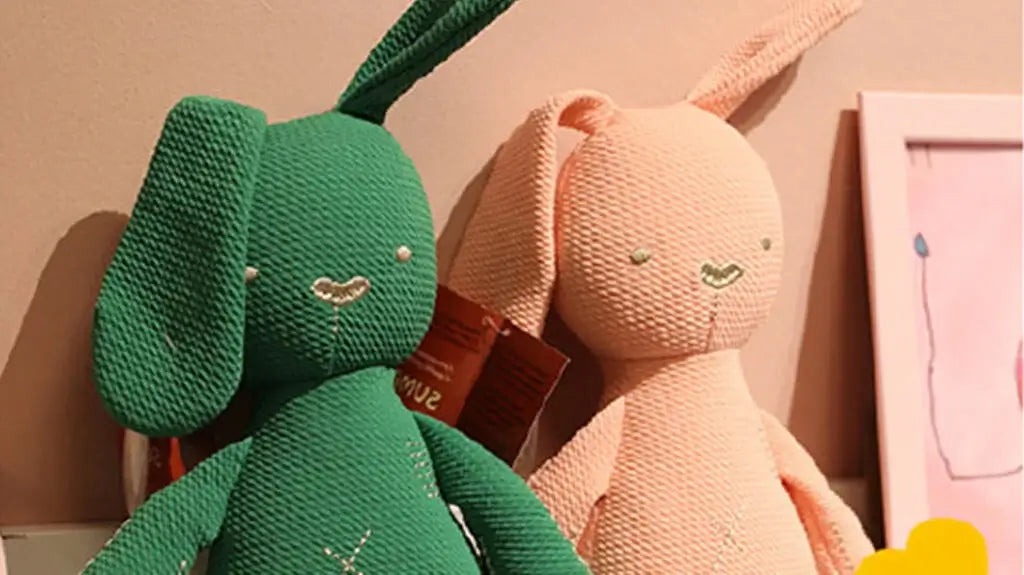
Trims and accessories give plush toys personality and brand identity: bows, scarves, clothes, logos, wings, badges, little bags, and more. But every extra piece adds both design value and safety risk if not handled correctly.
For children’s plush, especially under-3 products, trims and accessories must be chosen and attached very carefully. For teen or adult plush, you can use more complex details, but safety and durability should still guide the decisions.
Common trims and how they are used
| Trim / Accessory Type | Examples | Main Purpose in Plush Toys |
|---|---|---|
| Facial components | Safety eyes, noses, embroidered features | Expression and character identity |
| Clothing & fabric trims | Dresses, hoodies, scarves, capes | Theme, storytelling, seasonal collections |
| Labels & badges | Woven labels, embroidered patches, printed tags | Branding, logos, event or IP marks |
| Fastenings | Velcro, zippers, snaps, buttons | Removable clothing, pockets, interactive parts |
| Sound & light modules | Squeakers, music boxes, LED modules | Interactive play, songs, brand jingles |
Safety-focused integration principles
- Under-3 products
- Use embroidered faces and avoid hard plastic eyes, noses, or small beads.
- Attach trims with strong stitching in multiple points; no loose ribbons or small buttons.
- Older children / teens / adults
- Safety eyes and noses are acceptable when anchored correctly.
- Clothing can be removable, but small parts must meet local safety rules and size requirements.
- Branding and labels
- Use woven labels and internal care labels that meet legal requirements (fiber content, country of origin, care symbols, tracking information where required).
- Hangtags can carry story, safety icons, and marketing points, but are usually removed by the end user.
In our factory, trims and accessories are integrated into the pattern and sewing route from the very beginning, not added at the last minute. This ensures both a strong design look and a clean safety report.
What safety and compliance standards regulate plush toy materials?
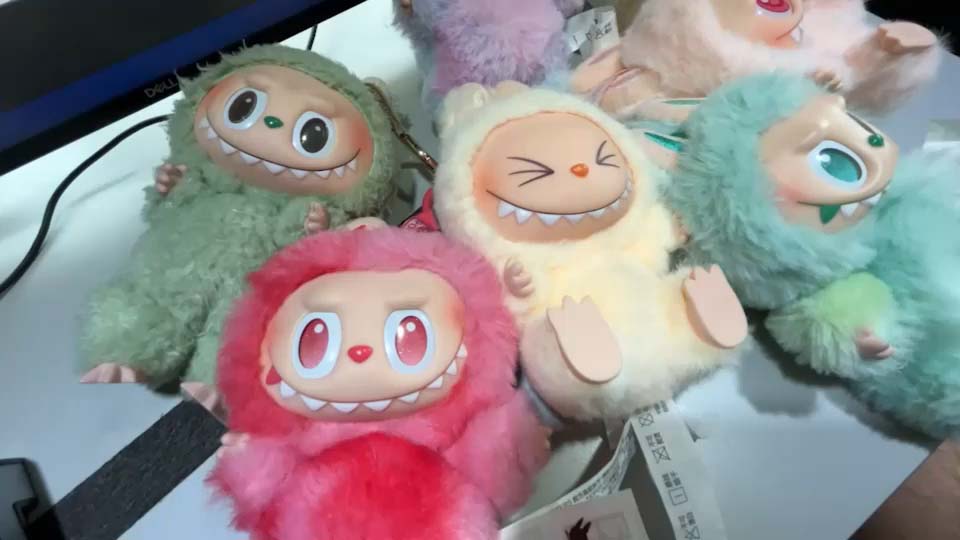
Even the cutest plush toy must meet serious safety rules, especially when sold as a children’s product in markets like the USA, Europe, Japan, and many others. These rules cover both materials and construction, and they exist to protect children and reduce risk for brands and retailers.
For plush toys, the key safety areas are:
- Mechanical and physical safety (seams, small parts, sharp points)
- Flammability (how the toy behaves near a flame or heat source)
- Chemical safety (restricted substances in fabrics, fillings, plastics, inks)
- Labeling (age grades, warnings, care instructions, tracking labels)
Key standards and regulations for plush materials
| Standard / Regulation | Main Region | Focus Areas Relevant to Plush Materials |
|---|---|---|
| EN71 (parts 1–3) | Europe | Mechanical safety, flammability, chemical limits |
| CE mark | Europe | Indicates conformity with EU safety directives |
| REACH | Europe | Controls restricted chemicals in materials |
| ASTM F963 | USA | Toy safety: mechanical, flammability, labeling |
| CPSIA | USA (children’s products) | Lead, phthalates, tracking label requirements |
| Other local rules | Japan, GCC, etc. | Additional mechanical, chemical, or labeling rules |
How materials are chosen around safety
- Outer fabrics and fillings are selected from suppliers with known test histories and test reports.
- Plastic components (eyes, noses, pellets, sound box housings) must meet chemical and small-part regulations.
- Dyes, prints, and coatings are checked for banned substances and colorfastness (sweat, saliva, washing).
Responsible factories build safety thinking into every stage: sourcing, pattern, sewing, stuffing, and final inspection. When you share your target markets early, your manufacturer can choose materials and constructions that are more likely to pass testing the first time.
How do sustainability trends shape material choices in plush toy production?
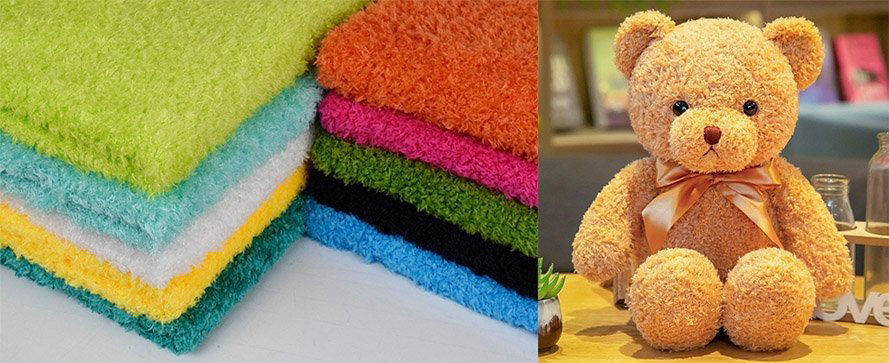
Sustainability is no longer a side topic. Many buyers now ask about recycled fillings, eco-friendly fabrics, and reduced packaging waste. Parents and brand owners want plush toys that are not only cute and safe, but also kinder to the environment.
While 100% “perfectly sustainable” plush is still difficult, clear progress is possible. The main areas where sustainability appears today are:
- Recycled polyester (rPET) fillings and sometimes rPET outer fabrics
- Organic or responsibly sourced cotton for certain ranges
- Better dyeing and finishing processes (less water, fewer harmful chemicals)
- Thoughtful packaging, with less plastic and more recyclable paper or card
Sustainable material options and their roles
| Sustainability Focus | Material / Approach | Typical Use in Plush Toys |
|---|---|---|
| Recycled filling | rPET polyester fiber made from PET bottles | Inner stuffing for eco-focused lines |
| Recycled fabrics | rPET plush or blends | Outer fabric in specific “eco” collections |
| Natural fabrics | Organic cotton, linen blends | Simple plush, baby items, minimalist decor |
| Responsible chemicals | OEKO-TEX® / similar certified materials | Fabrics and trims for brands that require proof |
| Eco-packaging | Recycled card boxes, reduced plastics | Retail and e-commerce packaging with lower impact |
Practical realities and trade-offs
- Cost vs. positioning
- Recycled and certified materials are usually more expensive.
- Brands often start with one eco-focused line instead of switching everything at once.
- Performance vs. feel
- Recycled fiberfills can feel almost identical to standard fiberfills if suppliers are well chosen.
- Some natural fabrics may not be as plush-soft as high-quality polyester, so design and market messaging need to match that.
- Honest communication
- It is better to say “filling is 100% recycled polyester” than to claim a toy is “100% eco” without clear proof.
- Labels and hangtags can highlight specific achievements (e.g., “fiber made from recycled bottles”), which helps marketing and builds trust.
At Kinwin, we see more and more buyers testing partial transitions: first moving stuffing to rPET, then exploring recycled plush fabrics in small or premium ranges. This step-by-step approach lets brands learn, test price acceptance, and still keep quality and safety under control.
Conclusion
Plush toys are built from a careful combination of fabrics, fillings, trims, and safety-tested components—all chosen to balance softness, durability, compliance, and now sustainability. When material choices are made with a clear understanding of markets and end users, plush toys become more than cute products—they become reliable, long-term carriers of your brand’s story.
At Kinwin, we help global buyers match fabric types, stuffing strategies, trims, and sustainable options to their target markets so every plush line feels soft, safe, and ready for real-world use. Contact me at [email protected] or visit kinwintoys.com to discuss your next plush project and explore how our factory team can support your long-term growth.