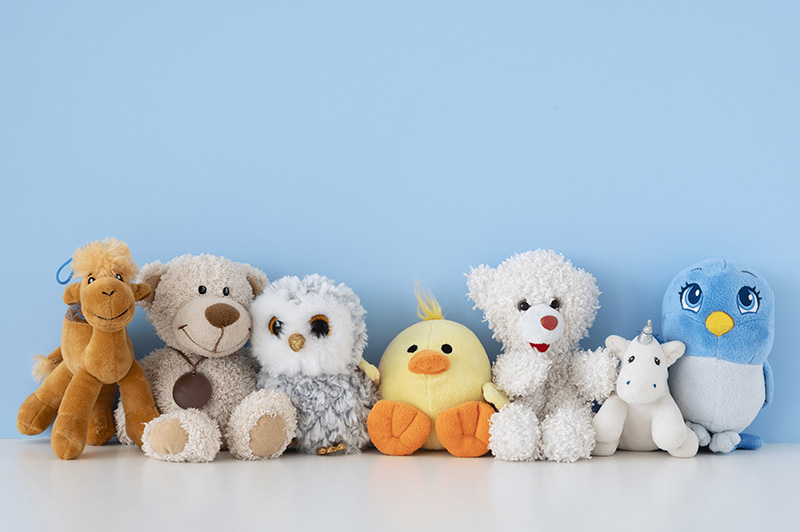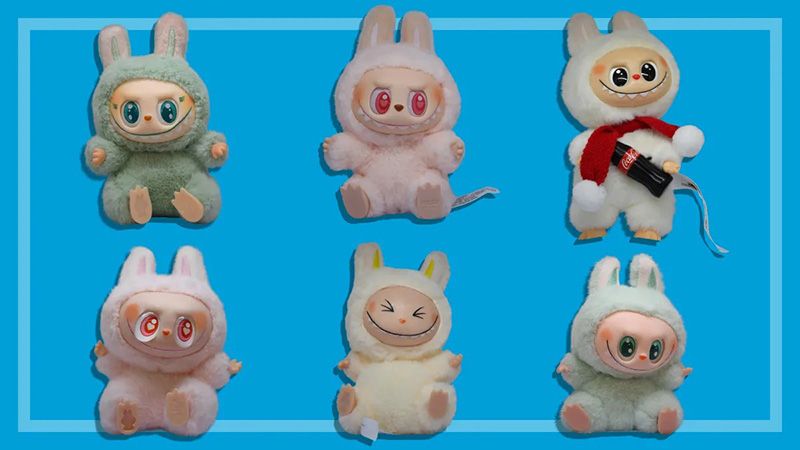
Plush fabric looks simple on the surface, but behind every soft toy or blanket is a very specific material choice. Each plush fabric type has its own texture, price, durability, and best use.
In this guide, I’ll walk you through the main plush fabric types we use in professional toy manufacturing, how fibers and pile affect performance, how to evaluate softness and durability, and how to choose materials that fit your brand, budget, and sustainability goals. I’ll keep the language simple and practical so you can use it in real sourcing work.
What main categories define today’s plush fabric types?
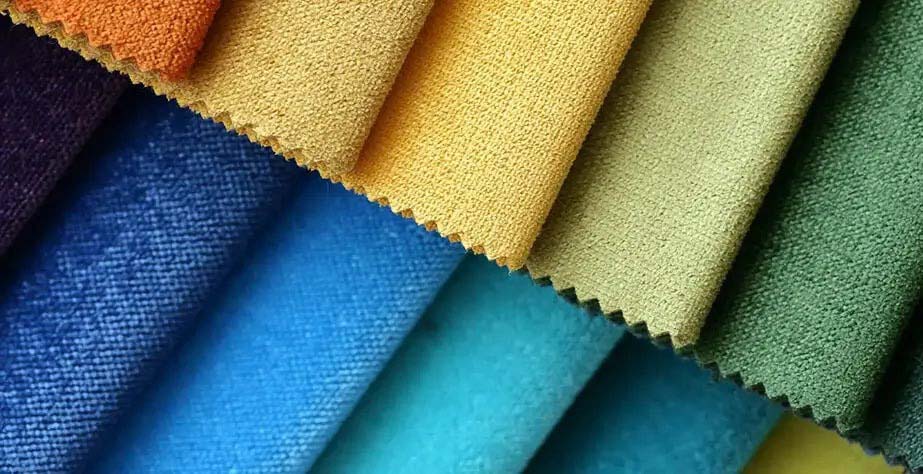
When we talk about “types of plush fabric,” we’re really talking about how the surface looks and feels, plus how the base fabric is built. For toy and home-textile projects, I usually group modern plush fabrics into a few main families.
The big categories you’ll see in real projects are:
- Short plush / velboa – smooth, short pile, very common for toys.
- Minky / micro plush – ultra-soft, often with a “buttery” touch.
- Fleece – soft, warm, and relatively stable in price.
- Long pile plush / faux fur – deep, fluffy pile for realistic or luxury looks.
- Specialty knits and sherpa / boucle – “fabric-style” plush for décor and adult gifts.
Each category has different strengths. Understanding them helps you choose the right base for your product instead of just asking for “plush fabric” in general.
Main categories of plush fabrics
| Plush Category | Typical Pile Length | Common Uses | Key Strengths |
|---|---|---|---|
| Short plush / velboa | ~1–3 mm | Mass-market plush toys, mascots, pillows | Clean shapes, good detail, versatile |
| Minky / micro plush | ~1–5 mm (very soft handfeel) | Baby toys, blankets, premium plush | Ultra-soft, cozy, high perceived value |
| Fleece | No clear pile, brushed surface | Pillows, blankets, simple plush | Warm, stable, budget-friendly |
| Long pile / faux fur | ~10–60 mm | Realistic animals, fashion, décor | Dramatic look, high visual and tactile impact |
| Sherpa / boucle / knit | Variable, looped or textured | Home décor plush, adult gifts, apparel | Stylish, modern, “lifestyle” appearance |
When you start a project, I always recommend deciding which category you want first. After that, we move into finer details like exact weight, density, and backing.
How do fiber compositions influence texture and performance?
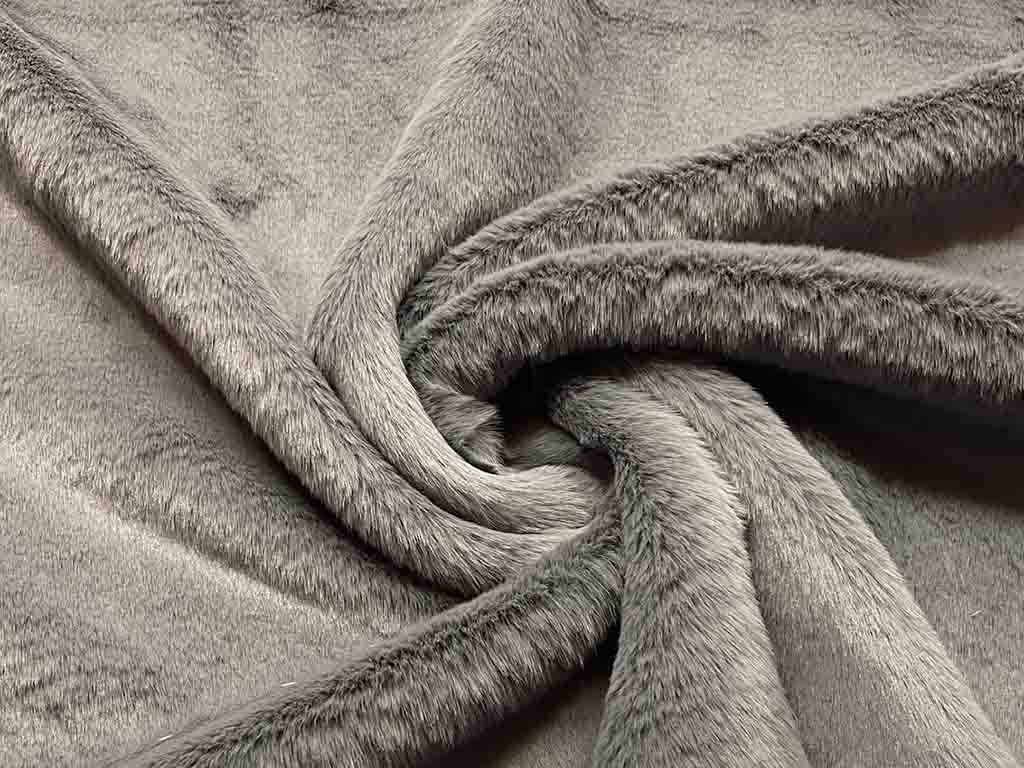
Plush fabric is not only about pile length. The fiber composition—what the threads are made of—also changes how soft, shiny, washable, and durable the final fabric is.
In today’s market, most plush fabrics are made from synthetic fibers, mainly polyester. There are also blends with cotton, acrylic, or spandex, and an increasing number of recycled polyester options. Fiber choice affects everything from anti-pilling performance to how colors look under store lighting.
For plush toys, we usually want:
- Soft feel that stays pleasant over time.
- Good color fastness so dyes do not bleed easily.
- Washability without big shape changes.
- Reasonable cost for your target price level.
Common fiber compositions and their roles
| Fiber Type / Blend | Main Features | Typical Use in Plush Fabrics |
|---|---|---|
| 100% polyester | Soft, strong, easy to dye, stable in wash | Most short plush, minky, faux fur, budget fleece |
| Recycled polyester (rPET) | Similar to polyester, supports eco story | Eco plush lines, sustainable branding |
| Polyester–spandex blend | Stretch and better drape | Plush garments, fitted plush covers, fashion plush |
| Polyester–cotton blend | Softer handfeel, more “natural” touch | Home décor, cushions, plush with fabric panels |
| Acrylic / modacrylic | Warm, fluffy, sometimes used for faux fur | Fashion fur, certain realistic animals |
| Cotton-rich plush | Softer, breathable, natural image | Baby blankets, premium home textiles |
For most of my toy clients, polyester and recycled polyester are the first choices. They offer a good balance of softness, durability, and cost, and they work well with international safety standards and lab testing.
Which pile heights and structures distinguish key plush fabrics?
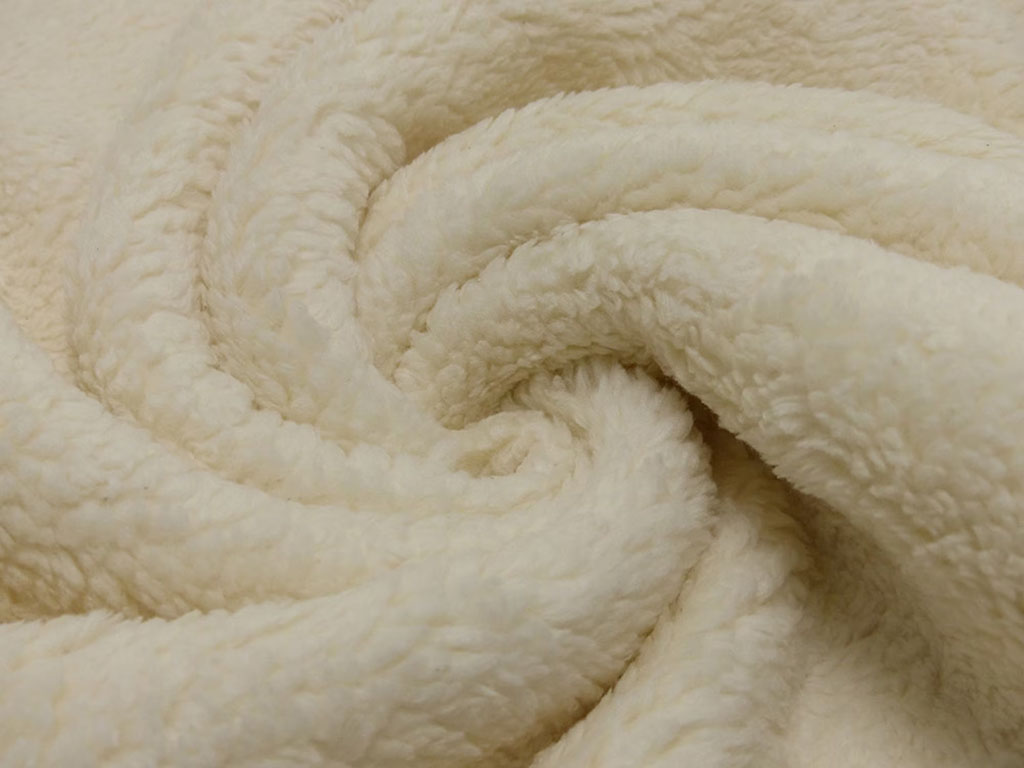
Pile height and structure are what you feel when you run your hand across plush fabric. They shape the toy’s outline, the way light reflects on the surface, and how easy it is to keep the character’s details clear.
In simple terms:
- Short pile (low pile height) gives clean lines and better detail.
- Medium pile gives a soft, rounded look without losing too much shape.
- Long pile gives a fluffy, dramatic look but can hide small features.
Pile structure (cut, loop, embossed, printed) also changes the final effect.
Main types of pile in plush fabrics
| Pile Type / Structure | Description | Visual & Tactile Effect | Best For |
|---|---|---|---|
| Short cut pile | Very short, even surface | Clean, neat, easy to sew | Mascots, detailed plush, logo-shaped toys |
| Medium cut pile | Slightly higher, soft but still controlled | Softer silhouette, gentle highlights | Standard plush animals, pillows |
| Long shaggy pile | Deep, fluffy surface | Dramatic, furry, high volume | Realistic animals, fantasy creatures, décor |
| Embossed / dotted minky | Raised dots or patterns in the pile | Tactile interest, baby-friendly texture | Baby blankets, baby plush toys |
| Printed plush | Patterns or character prints on plush base | Strong graphic look on soft surface | Licensed characters, themed plush |
| Sherpa / boucle loops | Loop or curl structure instead of cut pile | Woolly, textured, cozy | Lifestyle plush, cushions, adult gifts |
In factory work, we often specify pile height in millimeters. Even 1–2 mm difference can change the look of a mascot’s face or the roundness of a plush animal. For detailed logos or embroidery, I usually recommend shorter piles so the artwork does not sink into the fluff.
How are durability and softness evaluated across plush fabric types?
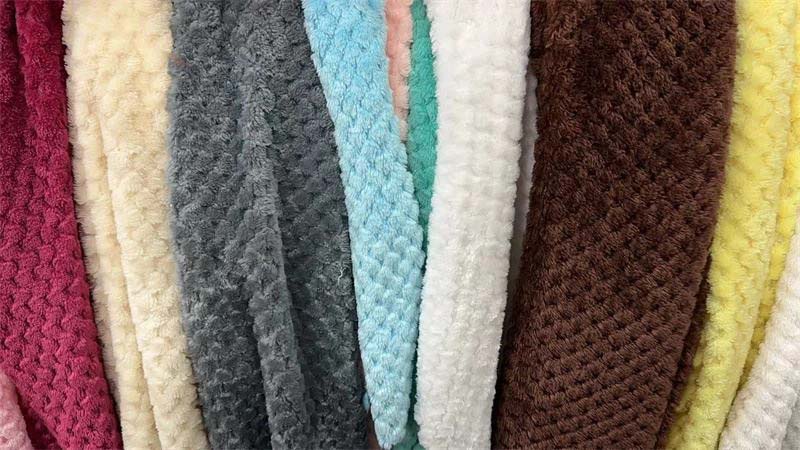
Softness sells, but durability keeps your customers happy after they buy. When I help buyers choose plush fabric, we always consider both: how it feels on day one, and how it looks after months of hugging, washing, and display.
There are several ways to evaluate durability and softness:
- Touch and handfeel – subjective but very important.
- Fabric weight (gsm) – higher weight can mean more density and durability.
- Pile density and backing strength – how firmly the pile is anchored.
- Lab tests – abrasion resistance, pilling resistance, color fastness.
In mass production, we also record how the fabric behaves during cutting, sewing, and stuffing. A fabric that frays heavily, sheds, or stretches too much can slow down production and increase defect rates.
Comparing durability and softness across plush types
| Fabric Type | Typical Softness Level | Typical Durability Level | Notes for Real Projects |
|---|---|---|---|
| Short plush / velboa | Medium–high softness | High (if dense and well-backed) | Good balance for toys, mascots, and daily-use plush |
| Minky / micro plush | Very high softness | Medium–high | Feels luxurious; choose good quality to avoid pilling |
| Fleece | Medium softness | Medium–high | Strong for blankets; pilling can vary by quality |
| Long pile faux fur | High softness, high volume | Medium | Needs good base fabric; long fibers may shed over time |
| Sherpa / boucle | Medium–high softness | Medium–high | Great for lifestyle items; check pilling performance |
| Recycled plush variants | Depends on specific spec | Medium–high with good supply | Quality can match normal polyester when well sourced |
When we test fabrics, we look for a sweet spot: soft to the touch, strong enough to handle usage, and stable through typical washing or surface cleaning.
What sourcing factors guide selection of suitable plush materials?
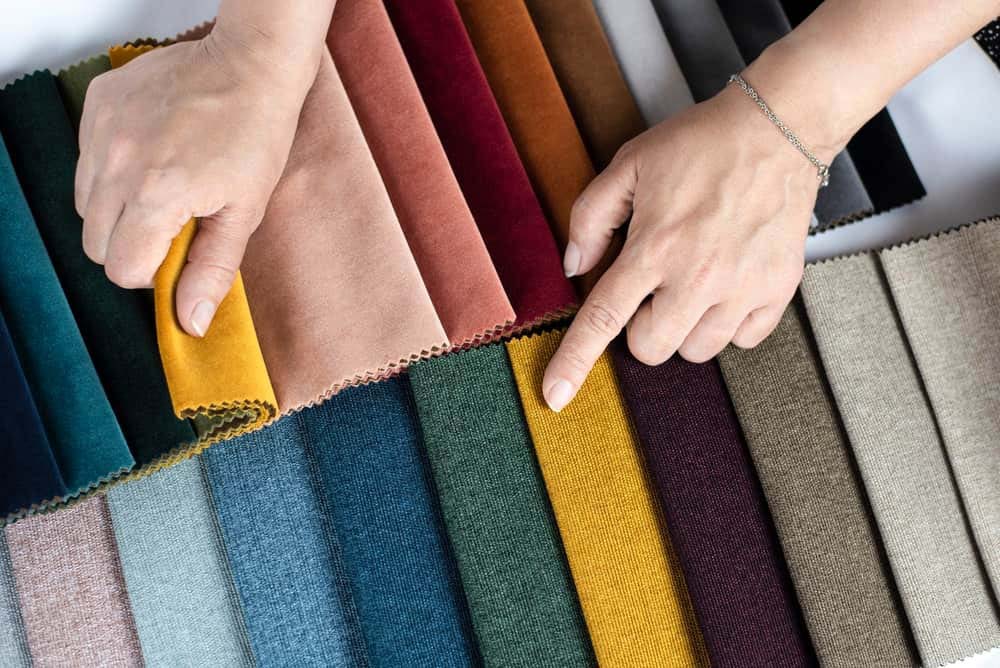
Choosing plush fabric is not only a technical decision. It is also a business decision. For each project, we need to balance look, feel, price, and supply stability.
When I help brands and retailers, I usually ask a few key sourcing questions:
- Target user and age group
- Baby, child, adult, collector, or pet?
- Does it need extra softness or just “nice enough”?
- Target price and positioning
- Budget range? Mass-market, mid-range, or premium?
- Retail channel (Amazon, boutique store, theme park, etc.)?
- Product category
- Huggable plush toy, keychain, giant mascot, cushion, blanket?
- Compliance and testing
- Markets: USA, Europe, Japan, Middle East?
- Any special standards requested (e.g., stricter chemical limits)?
- Color and design requirements
- Solid colors, prints, gradients, patterns, or mixed fabrics?
- Supply and repeatability
- Is this a long-term line that needs stable repeat orders?
Sourcing considerations for plush fabrics
| Sourcing Factor | What to Consider | Impact on Final Product |
|---|---|---|
| Target market & use | Baby, kids, décor, collector, pet | Drives softness, safety, and fabric type requirements |
| Budget & positioning | Mass, mid, or premium | Limits or expands the range of fabric options |
| Fabric availability | Common stock fabric or custom order | Affects lead time, minimums, and repeat consistency |
| Color & print options | Dyed solids vs printed patterns | Influences MOQ and color fastness testing |
| Safety & compliance | EN71, ASTM, CPSIA, REACH, etc. | Determines which chemical tests and documents needed |
| Factory capability | Experience with specific plush types | Affects sewing quality and defect rates |
Good sourcing means you don’t only choose the “nicest” fabric; you choose the most suitable fabric for your product and business model.
How do sustainability trends shape modern plush fabric development?
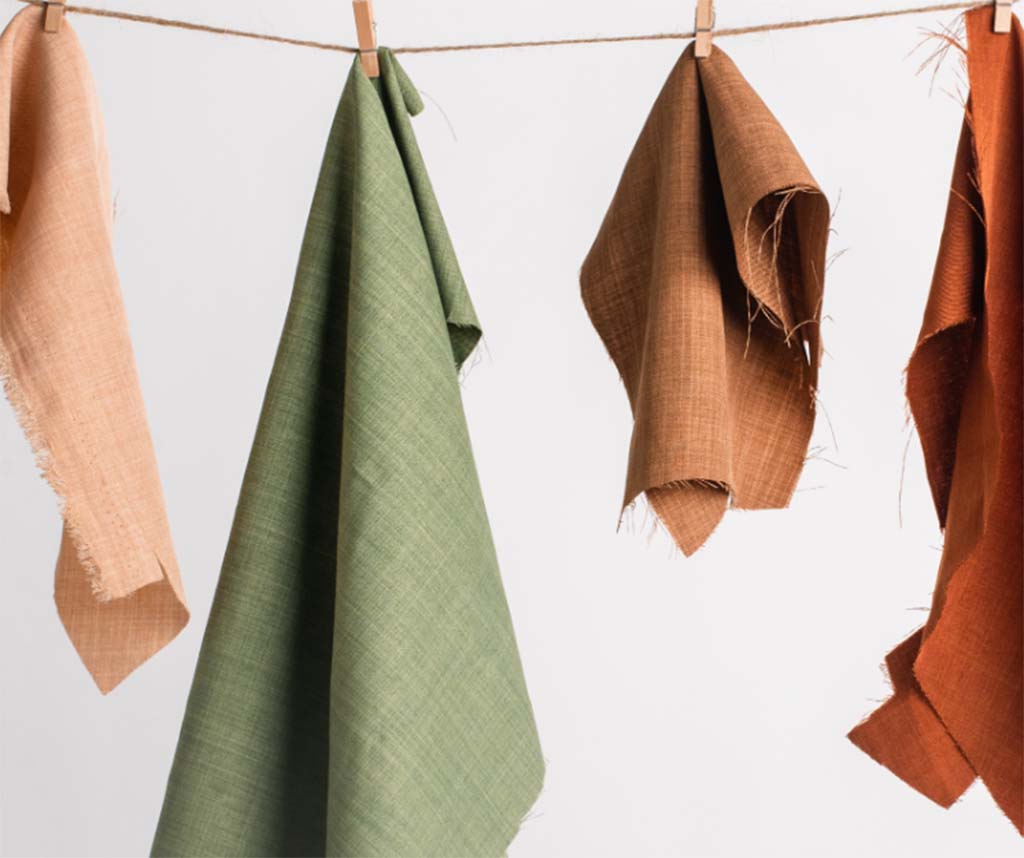
More and more buyers now ask me,
“Can we have eco-friendly plush?”
Sustainability is no longer just a buzzword. It is starting to influence fiber choice, dyeing methods, and supply-chain storytelling in plush projects.
Key trends we see in modern plush fabric development:
- Recycled polyester (rPET)
- Fibers made from recycled plastic bottles.
- Can be used for both outer plush fabric and inner filling.
- Supports ESG reporting and brand storytelling when backed by certificates.
- Better dyeing and finishing processes
- Lower water usage and improved wastewater treatment.
- Use of dyes and auxiliaries that meet stricter chemical regulations.
- Natural fiber blends for lifestyle products
- Cotton-rich plush or plush combined with linen or viscose for décor.
- Feels more “natural,” especially for home textiles.
- Lifecycle thinking
- Designs that last longer, reducing replacement frequency.
- Reduced packaging or recyclable packaging materials.
Sustainability factors in plush fabric choices
| Sustainability Aspect | Practical Implementation | Benefit for Brands & Buyers |
|---|---|---|
| Recycled fibers | rPET plush fabric and recycled fiberfill | Strong eco message, supports sustainability goals |
| Safer chemistry | Compliance with stricter restricted-substance lists | Better for users and easier global compliance |
| Longer product life | Higher-quality plush that resists pilling and shedding | Less waste, better reviews and brand trust |
| Energy & water use | Working with mills that invest in cleaner processes | Stronger ESG reporting and marketing stories |
| Transparent sourcing | Certificates, traceability, and factory audits | Builds confidence with large retailers |
| Eco-packaging options | Recycled cardboard, reduced plastic, smart packing | Aligns with full product sustainability story |
For many of my clients, the goal is not to be “perfectly green,” but to move step by step: maybe start with recycled stuffing, then later upgrade some outer fabrics to recycled content as well.
Conclusion
Plush fabric is the skin of your product. The right type, fiber, pile height, and density can transform a simple design into a plush toy or home item that feels truly special in the hand and performs well in real life. When you understand the main plush fabric categories, how composition and structure affect softness and durability, and how sourcing and sustainability fit your brand, you make stronger decisions for every project—from baby plushies to premium décor pieces.
At Kinwin, my team and I help global buyers choose and test suitable plush fabrics for their toy and lifestyle collections, balancing softness, safety, cost, and sustainability. If you’re planning a new plush project or want to upgrade your existing line, you’re very welcome to contact me at [email protected] or visit kinwintoys.com to explore how our factory can support your next launch.