Skip to content
Turning a sketch into a real plush is part art, part engineering. I’m Amanda from Kinwin in China. My factory helps brands, creators, and retailers convert 2D drawings into safe, beautiful 3D plush toys—ready for e-commerce and global retail. Below I’ll explain how we go from hand-drawn ideas to tested samples, then to packaging and worldwide delivery.
How do manufacturers convert hand drawings into plush toy prototypes?
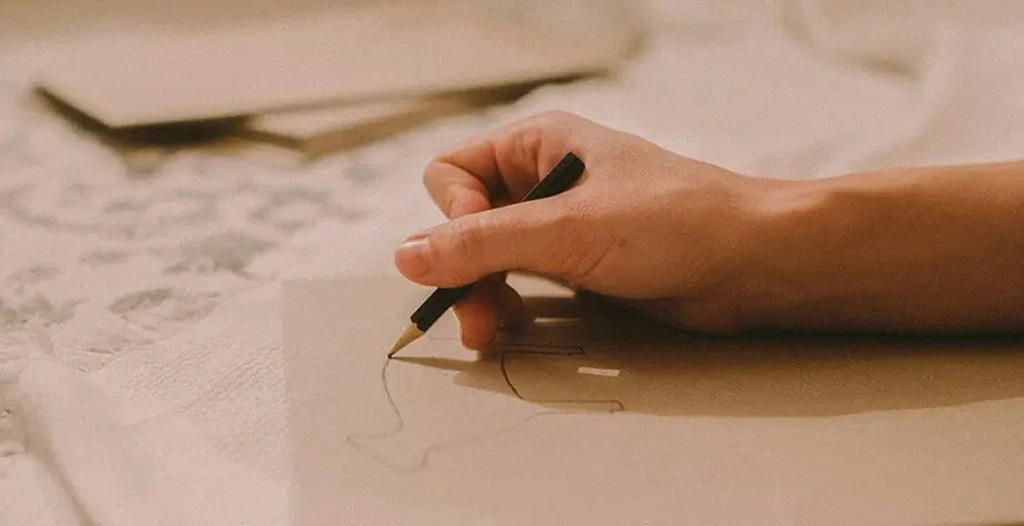
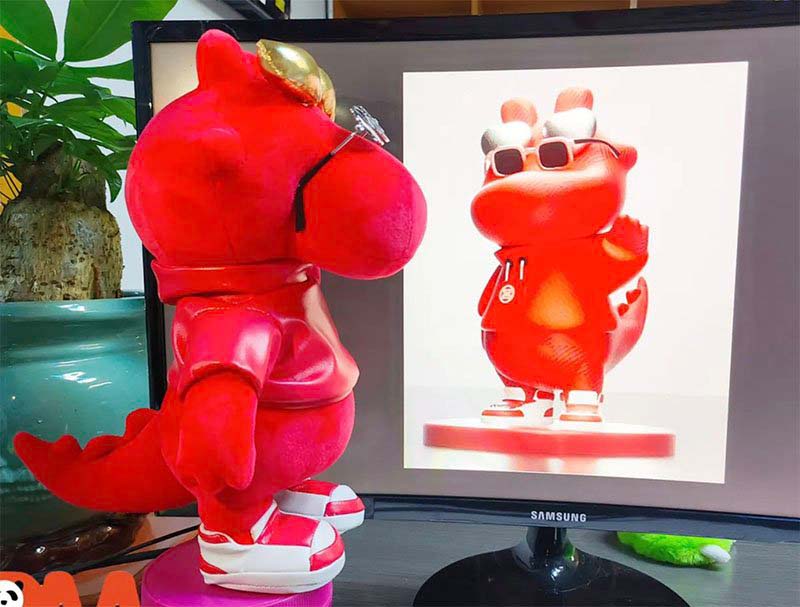
We begin with intake and alignment. You share your drawing and a short brief: target size, age grade, fabrics you prefer, and budget level. We confirm the character’s mood, key proportions (head-to-body ratio), and any must-keep details (eyes shape, markings, accessories). Next, our sample team prepares face layout options and suggests fabrics that match your art style—minky for soft glow, velboa for crisp lines, faux fur for realism. We digitize the face for embroidery, draft a first pattern, cut fabric, and sew a first prototype. This prototype is not final; it’s a conversation piece. Together we review shape, balance, expression, and softness. Small millimeter changes—eye spacing, snout height, ear angle—can transform the character. We repeat until your plush “feels like the drawing.” Safety is considered from day one: we avoid small parts for young ages and plan seam strength and bead containment if weight is needed.
Prototype conversion at a glance
| Step | What we do | Your role | Output |
|---|---|---|---|
| Brief & sizing | Confirm height, age grade, budget, timeline | Approve goals | Clear spec sheet |
| Design capture | Scan art, mark proportions & key cues | Share must-keep details | Embroidery/print plan |
| Material proposal | Suggest fabrics & colors | Choose from swatches | Locked material list |
| First prototype | Draft pattern, sew, initial stuffing | Review photos/video | Round-1 sample |
| Revisions | Adjust face, seams, density | Give precise feedback | Round-2/3 samples |
What design file formats and references are needed for accuracy?
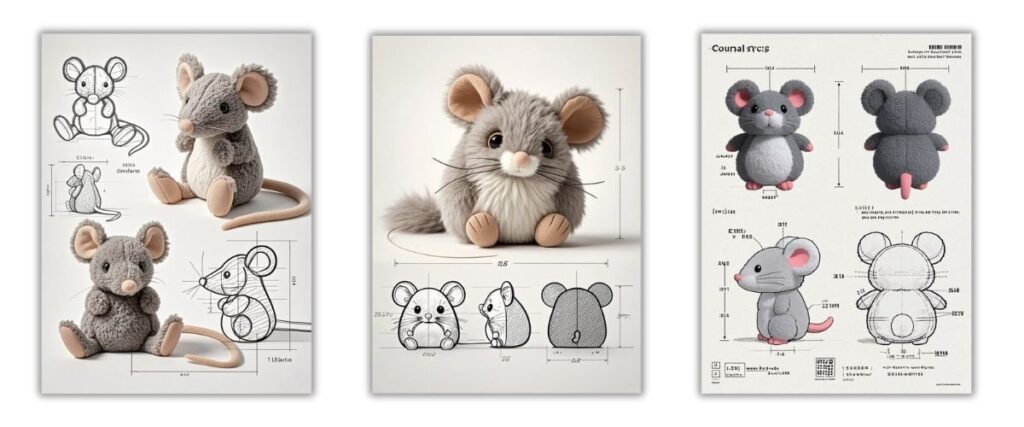
Hand drawings are welcome, but clean digital references speed accuracy. We prefer PNG, PSD, or AI files with layers for face elements. Provide front, side, and back views (even simple) plus a color reference (Pantone or HEX). If there’s a pattern (stripes, spots, logos), supply it as a vector file or high-resolution (300 dpi) raster. For branded projects, include style guides: minimum logo size, safe areas, and do/don’t rules. If you already sell keychains or stickers, share them; these help us read personality and scale. For 3D-ish characters, a quick turnaround sheet (3–5 angles) clarifies depth, snout length, and ear thickness.
File & reference checklist
| Item | Preferred format | Why it helps | Tips |
|---|---|---|---|
| Artwork (front/side/back) | PNG/PSD/AI | Guides pattern & face | Keep layers for eyes/mouth |
| Colors | Pantone/HEX | Accurate fabric & thread match | Send daylight photos too |
| Logos/prints | AI/SVG/EPS (vector) | Crisp embroidery/printing | Provide size & placement |
| Proportion notes | Simple PDF | Locks “cute ratio” | Head-to-body %, limb length |
| Usage & age | Brief (DOC/PDF) | Safety + material choices | Under-3 means no hard parts |
How do pattern makers translate 2D sketches into 3D plush models?
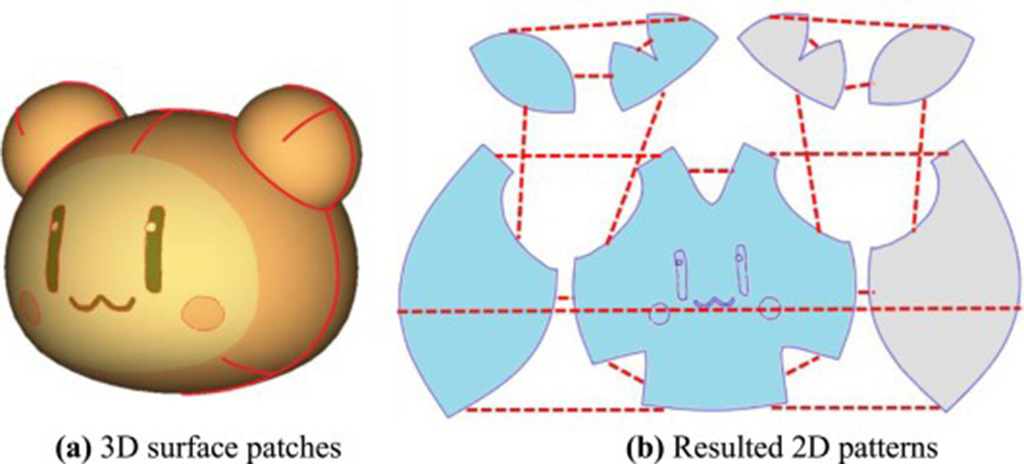
Pattern making is where the magic happens. We split the body into panels that curve into volume: multi-panel heads for roundness, gussets for tummies, darts for cheeks, and shaped ears that sit naturally. We add seam allowance, notches for alignment, and grain direction to control stretch. The first sew often reveals surprises: cheeks might be too flat, or the head tilts. We correct curves, move dart points, and rebalance limb joints so the plush sits or stands the way you expect. For highly stylized chibi designs, we exaggerate head volume and shorten limbs to match the drawing’s personality. Throughout, we consider manufacturability: can this be sewn cleanly at scale? Are tiny points too sharp for turning? We refine until each angle looks right—front, ¾, side, and top.
2D-to-3D translation map
| 2D feature in drawing | Pattern solution | Result in plush |
|---|---|---|
| Round cheeky face | Multi-panel head + cheek darts | True sphere, cute fullness |
| Slim waist / big belly | Side gusset shaping | Balanced silhouette, sits well |
| Sharp ear tips | Layered ear with stabilizer | Crisp outline without sag |
| Big eyes close together | Face embroidery file with mm spacing | Expressive “cute” focal point |
| Stripes/patches | Appliqué templates or print panels | Clean edges, consistent repeats |
What materials and sewing techniques bring illustrated details to life?

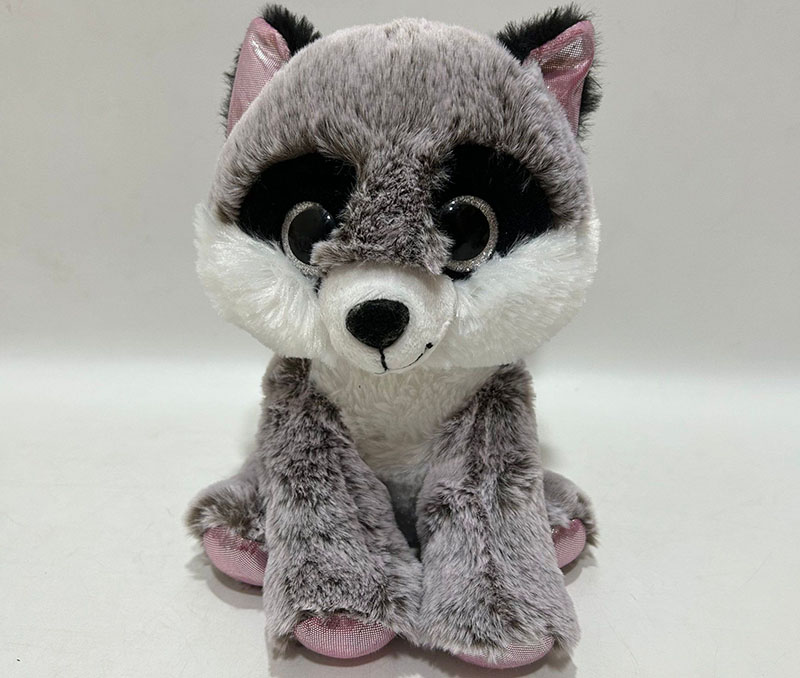
Material choice turns a drawing’s style into touch and light. Minky gives a soft glow (great for babyish or cozy art). Velboa has short pile for sharp expressions and tiny markings. Faux fur adds realism for animals. For textures like blush or markings, we use appliqué, satin stitch, or low-migration printing. Faces are usually computerized embroidery for precision and safety. Sewing matters too: we use balanced stitch length (≈2.5–3.0 mm), reinforce stress points, and hide seams where possible. Stuffing is zoned: a firmer head keeps the face crisp; a medium body hugs well; lighter limbs feel relaxed. If you want a “weighted” feel, we add pellet pouches in the base—fully enclosed and age-appropriate.
Materials & techniques pairing
| Desired effect | Fabric/technique | Why it works | Notes |
|---|---|---|---|
| Soft dreamy look | Minky + smooth embroidery | Gentle sheen, plush hand | Mind pile direction |
| Crisp anime face | Velboa + dense embroidery | Lines stay sharp | Great for small sizes |
| Realistic animal | Faux fur + sculpted pattern | Depth & movement | Control shedding grade |
| Tiny markings | Appliqué or print panel | Clean edges, exact colors | Test wash & abrasion |
| Weighted posture | Pellet pouches + fiberfill | Stable sitting, premium feel | Seal pouches; reinforce seams |
How do sample revisions ensure design fidelity and safety compliance?
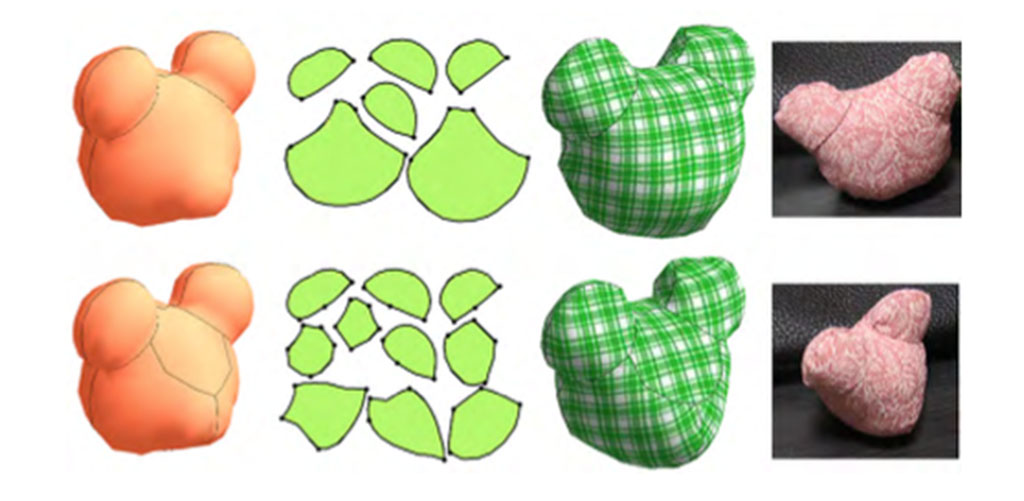
Revisions align look, feel, and safety. After the first prototype, we swap eye angles, tweak snout height, and adjust ear placement by millimeters. We also test stuffing density and total weight so the plush looks alive, not overfilled. At the same time, we check against your target market: EN71 (EU) or ASTM F963/CPSIA (USA), plus any retailer rules. For under-3 products, we keep faces embroidered and avoid small detachable parts. Weighted versions get double containment for pellets. Before mass production, we lock a golden sample and (if required) send it to a third-party lab (SGS/Intertek/TÜV). Any later change—fabric lot, thread colorant, accessory—triggers a quick risk review to keep compliance intact.
Revision & compliance flow
| Stage | Focus | Typical changes | Outcome |
|---|---|---|---|
| Round-1 feedback | Expression & proportions | Eye spacing, ear angle, belly curve | Likeness to art |
| Round-2 refinement | Hug feel & posture | Density by zone, pellet balance | Comfort + stability |
| Pre-prod check | Safety & labels | Age grade, warnings, care | Compliance ready |
| Golden sample | Final reference | No changes unless re-approved | Production anchor |
How do factories manage production, packaging, and global delivery for custom plush?
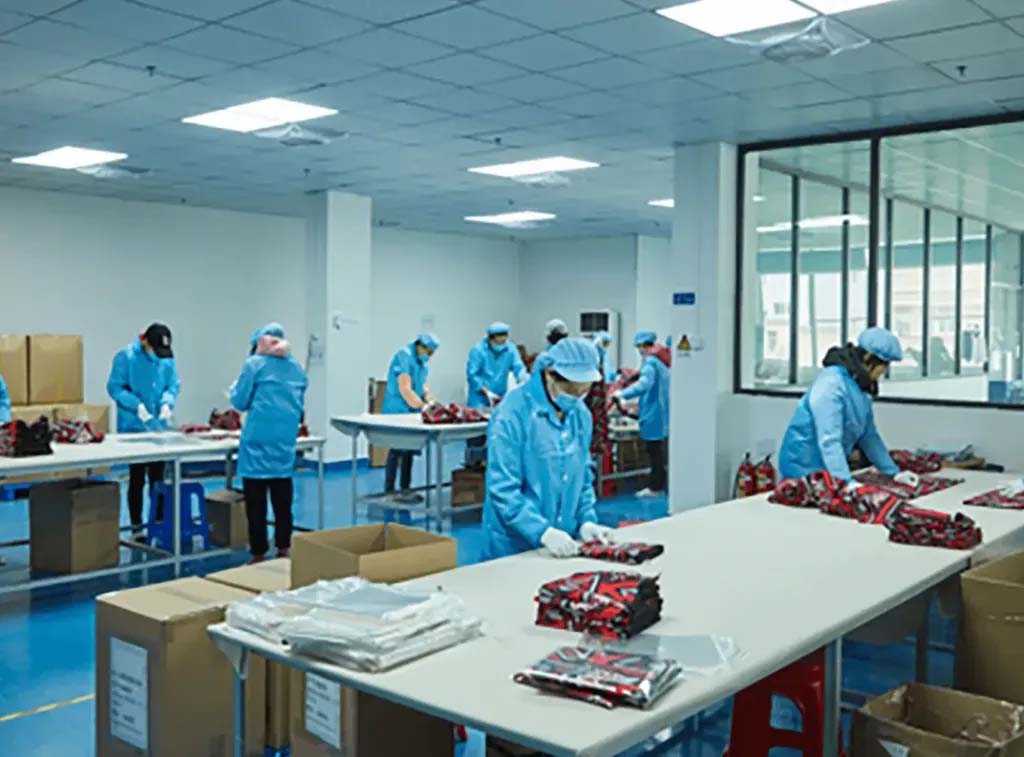
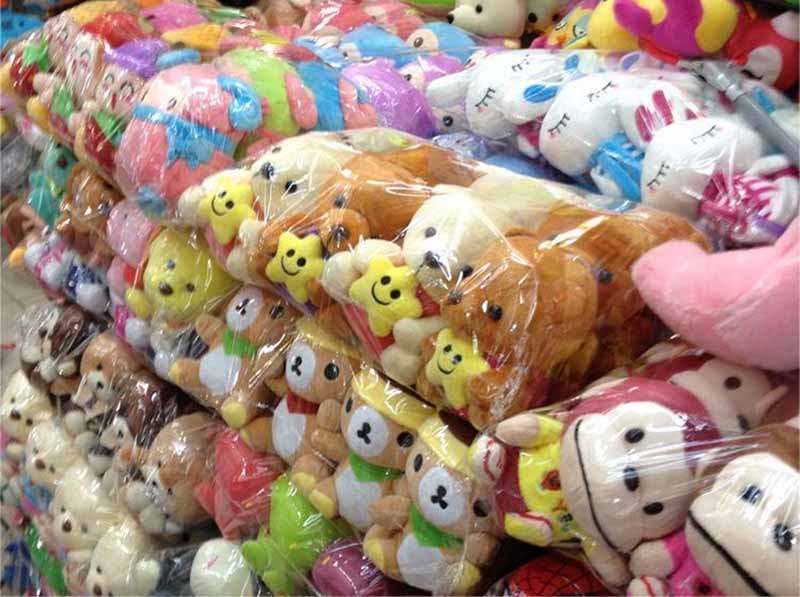
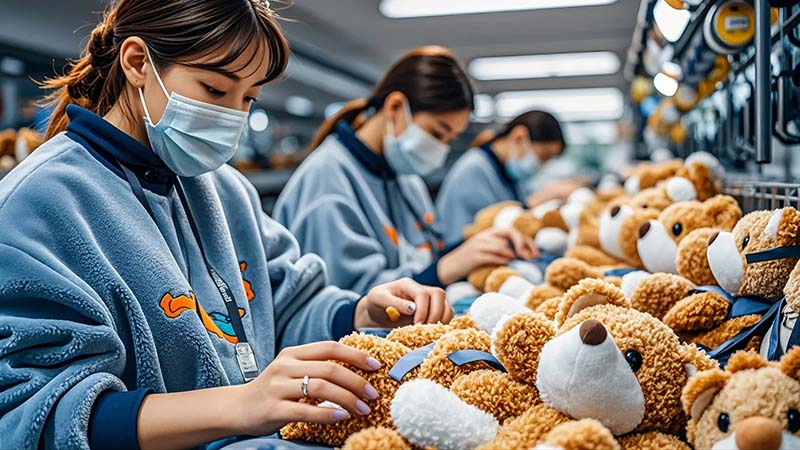
Once approved, we move to production planning. We book materials, run PP (pre-production) meeting, and set inline QC checkpoints for seams, embroidery, and stuffing weight. Operators specialize by operation (ears line, body line, closing line) to keep quality stable. Finished plush undergo final inspection against the golden sample, then we pack according to your channel: polybag + swing tag for e-commerce, window box for retail, or vacuum pack for large sizes to cut freight. Cartons are optimized for cube efficiency and drop-tested when needed. For shipping, we plan EXW/FOB/CIF/DDP as required, book ocean or air, and prepare commercial invoice, packing list, HS codes, and certificates. Tracking and photo reports keep you informed until delivery.
From line to logistics
| Step | What happens | Why it matters | Your choices |
|---|---|---|---|
| Production run | Material check → sewing → stuffing → closing → QC | Consistent quality at scale | Approve PP sample |
| Final QC | AQL sampling vs golden sample | Catch deviations before ship | Add retailer checklist |
| Packaging | Polybag/box/hangtag + carton plan | Shelf & freight efficiency | Custom art, eco options |
| Freight | Ocean/air/courier + documents | On-time global delivery | Incoterms & timelines |
Conclusion
Turning drawings into stuffed animals is a precise but friendly process: clear files, smart patterning, the right fabrics, careful sewing, and iterative samples—finished with tested safety, clean packaging, and dependable delivery. When each step respects your original art, the final plush looks like the drawing and feels like a companion.
At Kinwin, my team and I guide creators and brands from sketch to shelf. If you’re ready to convert your character into a safe, huggable plush, email [email protected] or visit kinwintoys.com. We’ll translate your style into a production-ready design and ship it worldwide with confidence.