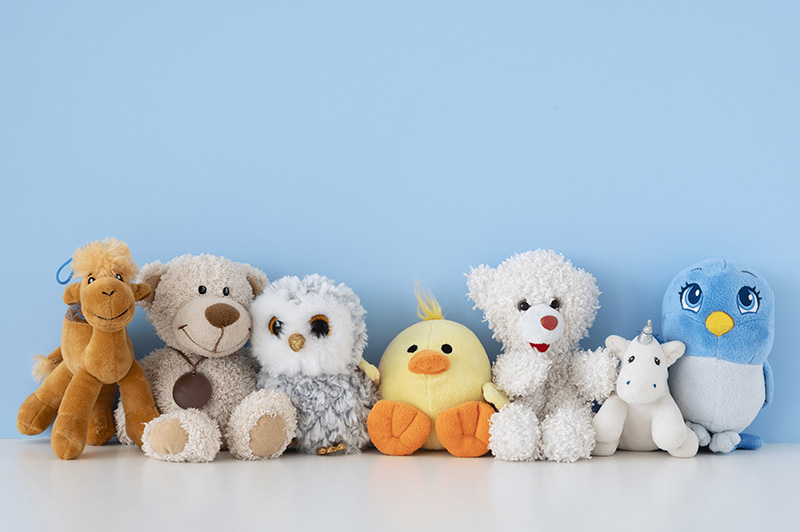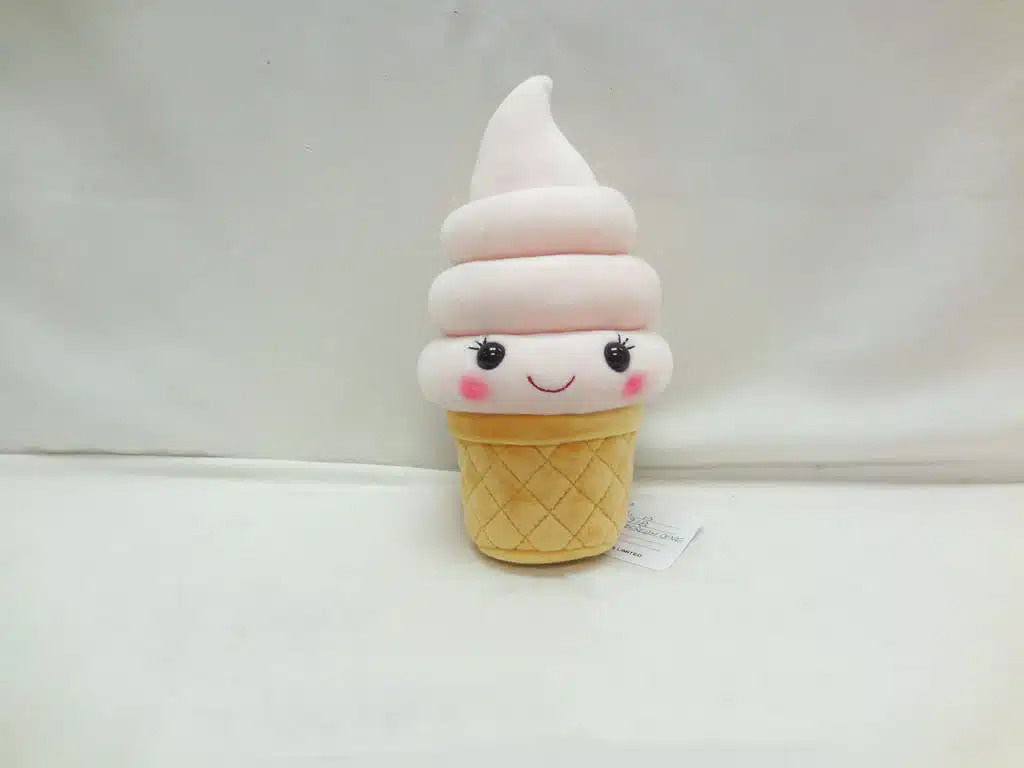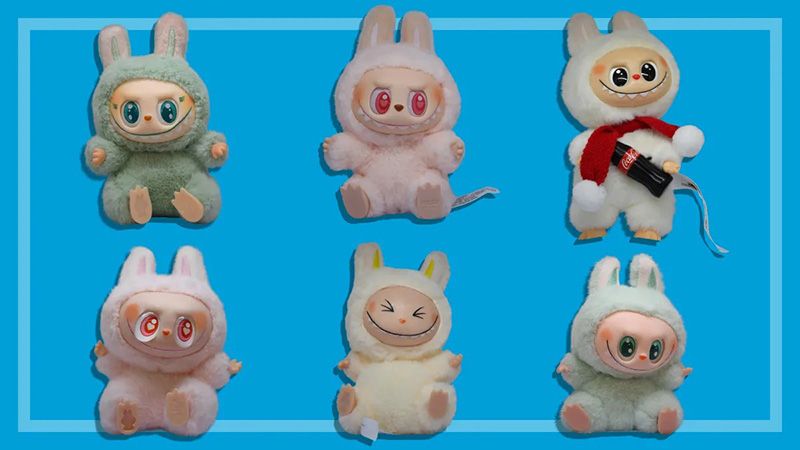
A premium plush sample set on a table with fabric swatches, stitching samples, and safety labels.
When B2B buyers ask me for “the best stuffed animals,” they rarely mean the cutest design. They usually mean: Which plush line will sell well, stay compliant, arrive on time, and avoid painful returns? In real sourcing, “best” is a balance of material quality, stable construction, safety proof, consistent production, and market fit.
I’m Amanda from Kinwin in China. I work with global buyers to turn plush concepts into scalable products for the USA, Europe, Japan, South Korea, and the Middle East. In this guide, I’ll explain how I evaluate “best” in professional sourcing terms—so you can choose products that earn strong reviews and repeat orders.
What criteria define “the best” stuffed animals in professional sourcing?
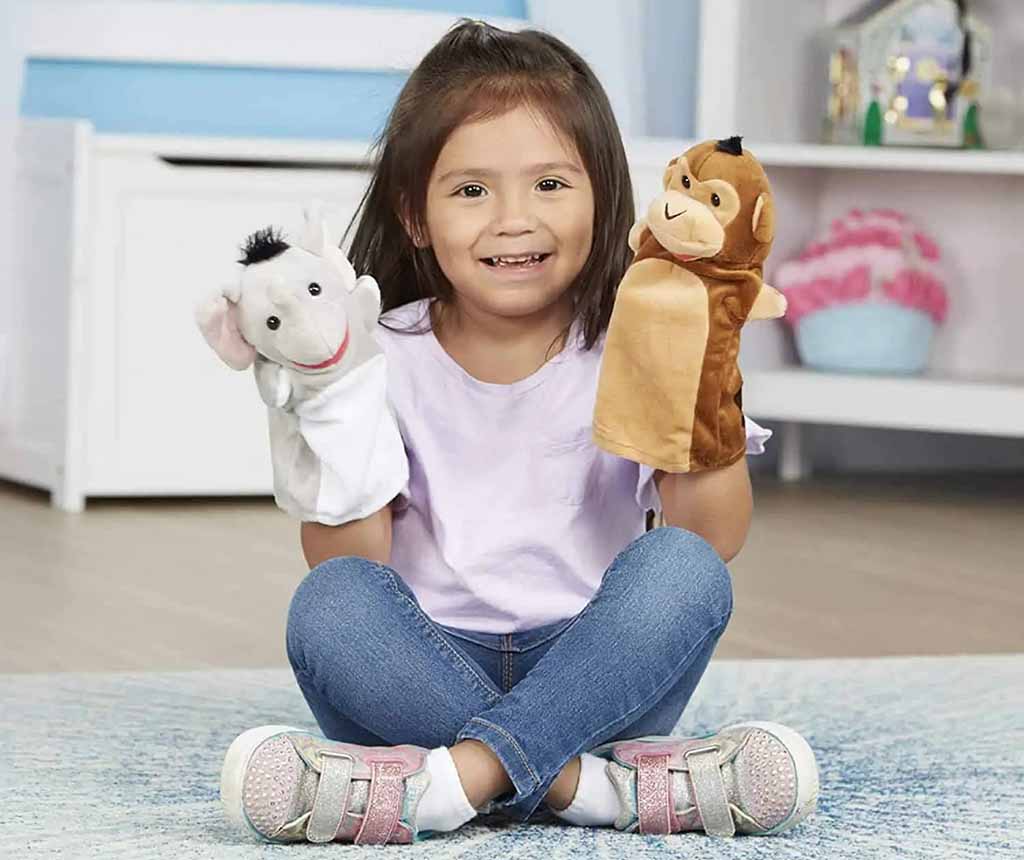
In professional sourcing, “best” means the product performs well in the full lifecycle: sampling, mass production, shipping, shelf display, customer use, and returns. A plush can look perfect in a photo, but if it loses shape in a carton, sheds fibers, or fails small-parts testing, it becomes an expensive problem.
When I evaluate a stuffed animal line for a buyer, I focus on five core criteria:
- Feel and comfort (hand-feel, softness, resilience)
- Durability (seams, abrasion resistance, shape retention)
- Safety readiness (age grading, small parts, material compliance)
- Production consistency (repeatable sewing, controlled stuffing weight)
- Market performance (design clarity, brand story, price acceptance)
Here’s a simple scoring framework I use with buyers during product selection:
| Criterion | What It Means in Sourcing | How to Check Fast | Why It Impacts Sales |
|---|---|---|---|
| Hand-feel consistency | Same softness across units | Compare 10 pcs from one batch | Reviews depend on touch reality |
| Shape retention | Returns to shape after hugs | Compression test + 1-hour rebound | Prevents “flat plush” complaints |
| Stitching strength | Seams survive pulling and stress | Pull test on limbs/ears | Reduces returns and safety claims |
| Clean finishing | No loose threads, neat seams | Visual check under bright light | Raises perceived value |
| Safety-readiness | Age-appropriate risk control | Small-parts risk review + design check | Protects listings and retail access |
| Packaging fit | Survives shipping without damage | Drop + vibration carton check | Reduces DOA and damage claims |
If you want a quick “best” shortcut: choose products that feel premium and are easy to manufacture consistently. Over-complicated designs often fail at scale.
Which materials and construction methods separate premium from standard plush?
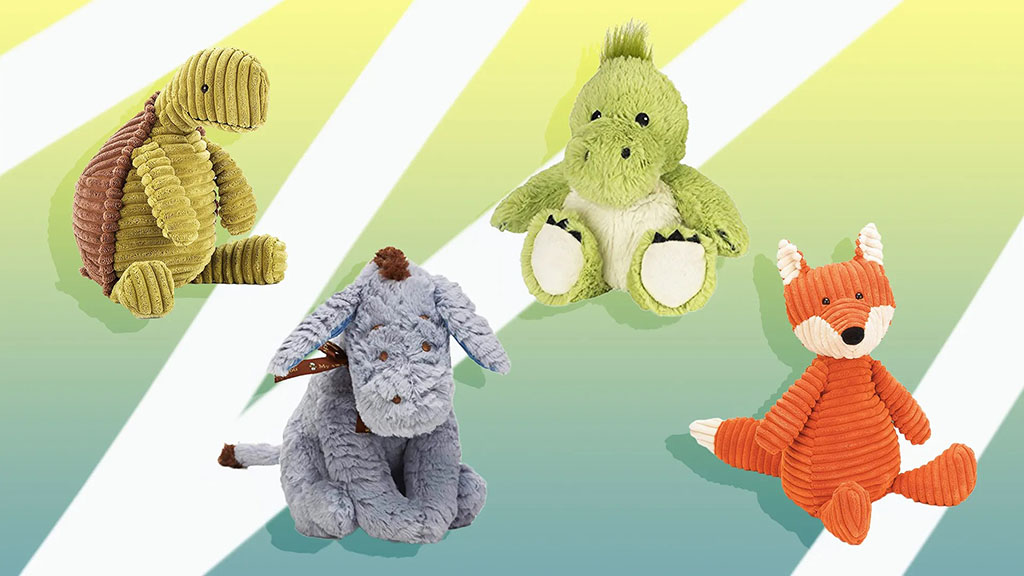
Premium plush is not one “magic fabric.” It is a material system: surface fabric, backing, thread, filling, and internal structure must work together. Many standard plush products use acceptable materials, but premium plush usually upgrades two things: surface hand-feel and long-term durability.
From my production experience, these material and method choices separate premium lines:
- Denser pile fabrics that feel smoother and resist flattening
- Better backing fabric that holds stitches and reduces seam tearing
- Resilient fiberfill that rebounds after compression
- Cleaner pattern engineering with fewer weak corners
- Reinforced stress points (neck, arms, ears, legs)
Premium construction is also about control. Two factories can use the same fabric, but one will still deliver better quality because their cutting, sewing tolerance, stuffing steps, and finishing inspection are stricter.
Here’s a practical “premium vs standard” breakdown you can use during sourcing:
| Component | Standard Plush Typical | Premium Plush Typical | Buyer Benefit |
|---|---|---|---|
| Surface fabric | Basic short pile | Dense short pile / smooth minky-style | Better comfort + higher price acceptance |
| Backing | Basic knit backing | Stronger backing with better stitch hold | Fewer seam failures |
| Filling | Basic fiberfill | Resilient fiberfill with controlled weight | Better rebound + consistent feel |
| Face details | Plastic eyes common | Embroidery or high-quality secured parts | Safer, cleaner premium look |
| Sewing | Normal stitch density | Higher stitch density at stress zones | Longer product life |
| Internal structure | Minimal | Pockets/cradles for shape control | Less shifting, better consistency |
If your customers sell online, material selection must also match photography. Some fabrics look great in photos but feel rough in real life. I always recommend sending a small “touch kit” to your internal team before finalizing.
How do safety certifications and lab testing impact product selection?
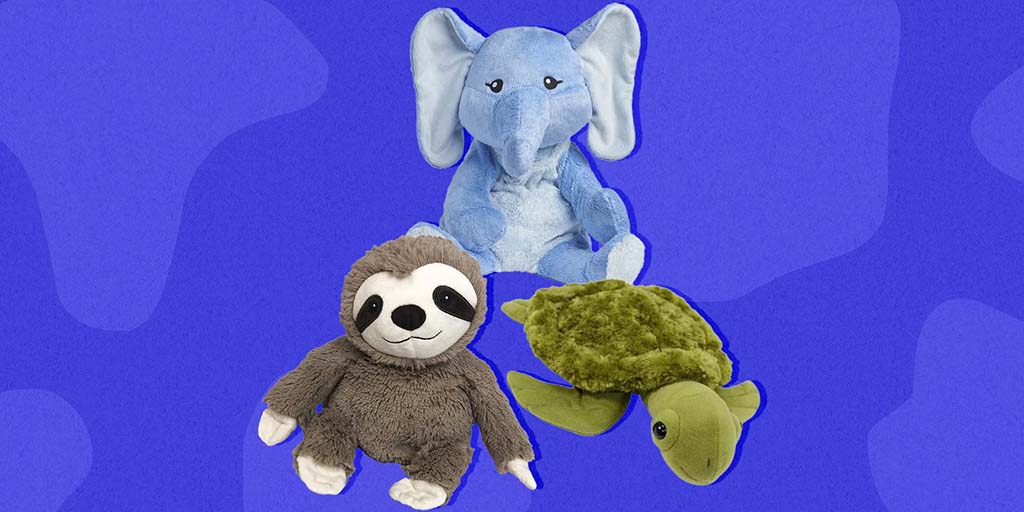
Safety testing is not only a compliance step. It should guide your design choices early—because redesigning after failed tests costs time, money, and momentum.
For most export markets, buyers typically prepare for:
- USA: ASTM F963 toy safety expectations, plus CPSIA requirements (lead, phthalates, tracking labels, etc.)
- EU/UK: EN71 series (mechanical, flammability, chemical) and CE/UKCA marking rules
- Other markets: Often align with ISO-style toy safety frameworks or local standards
The important sourcing mindset is this: test planning starts at design stage. If a plush is intended for under-3, you should design it to avoid small parts from the beginning (embroidered eyes, no beads, no loose accessories).
Here’s a buyer-friendly checklist that shows how testing changes product selection:
| Testing Area | What Labs Usually Evaluate | Common Risk Points | Best Design Response |
|---|---|---|---|
| Small parts & choking | Detachable parts under force | Plastic eyes, buttons, loose bows | Embroidery or secured components |
| Seam strength | Stuffing exposure risk | Weak seam allowance, low stitch density | Reinforce stress seams |
| Flammability | Material response to flame | Some furry fabrics, loose fibers | Select tested fabrics; control pile |
| Chemical limits | Restricted substances | Prints, dyes, coatings | Use compliant supply chain materials |
| Labeling & age grading | Correct warnings and age claims | Misleading “baby safe” claims | Clear age labeling and safe-use language |
| Battery safety (if electronic) | Access control and durability | Coin/button cell access | Screw-secured compartments, safer layouts |
In professional sourcing, the “best” stuffed animals are the ones that can pass testing without “hero effort.” If your product needs constant exception handling, it’s not scalable.
What quality-control checkpoints ensure consistency across large production runs?
Most B2B problems are not caused by the first sample. They happen later—batch 3, batch 5, after a fabric roll change, or when a new sewing team joins the line. That’s why “best” is strongly connected to a QC system that protects consistency.
At Kinwin, I build QC around repeatable checkpoints that catch issues early:
- Incoming material inspection (fabric, filling, trims)
- Cut panel accuracy (size and grain direction)
- Sewing control at stress points
- Stuffing weight control by SKU
- Final appearance + function check (shape symmetry, face alignment)
- Packaging verification (labels, cartons, protection)
This is the key buyer benefit: consistency protects reviews. Even a great design fails if customers receive different softness or face shapes across orders.
Here is a practical QC checkpoint table you can use with any supplier:
| QC Checkpoint | What to Measure | Typical Tools | Defects It Prevents |
|---|---|---|---|
| Fabric lot verification | Color, pile density, hand-feel | Light box, hand-feel board | “Batch feels different” complaints |
| Cutting accuracy | Panel size tolerance | Templates, ruler checks | Crooked shapes, poor symmetry |
| Stress seam check | Neck/arm/ear seam strength | Pull sampling | Seam splitting in use |
| Stuffing weight control | Fill grams per unit | Digital scale, control sheet | Flat or overstuffed plush |
| Face alignment audit | Eye/mouth placement consistency | Reference photo board | “Different expressions” across units |
| Final finishing check | Loose threads, stains | Visual station + light | Premium look loss |
| Packaging audit | Label, warning, barcode | Packing list + scan | Retail rejection, listing issues |
If you want “best” at scale, insist on: golden sample + tolerance range + batch sampling plan. That structure prevents surprises.
How do design, licensing, and branding influence market performance?

A stuffed animal is not only a product. It’s a story buyers can feel in one second. That is why design and branding matter as much as material quality.
In many markets, the winning plush lines have:
- A clear character identity (shape, expression, signature features)
- A consistent brand style (colors, tags, naming system)
- A “gift-ready” presentation (hangtags, story cards, packaging)
- Strong photo performance (cute silhouette, clean face, visible softness)
Licensing adds another layer. If you work with licensed characters, you must follow strict artwork control, approvals, and IP boundaries. That can increase sales potential, but it also increases development time and compliance discipline.
From a factory perspective, designs that sell best are often the ones that are simple to recognize and easy to reproduce. Ultra-complex shapes may look unique, but they often create inconsistent face results in mass production.
Here’s a market performance table I use with brand buyers:
| Market Driver | What It Looks Like in Plush | What It Does for Sales | What to Watch Out For |
|---|---|---|---|
| Strong silhouette | Recognizable shape from far away | Improves click-through and shelf pickup | Over-detail that disappears in photos |
| Facial expression clarity | Clean, friendly face | Increases emotional connection | Misaligned face parts at scale |
| Brand packaging | Story tag, gift-ready look | Higher perceived value | Over-cost packaging that hurts margin |
| Licensing power | Known IP character | Faster consumer trust | Approval time and strict rules |
| Seasonal themes | Holiday colors, limited drops | Creates urgency | Leftover stock risk if timing misses |
| Differentiation | Unique fabric/feature | Reduces price competition | Harder supply chain stability |
If you want a long-term plush line, build a design language you own. That protects you from copycats and gives you pricing power.
How should B2B buyers evaluate cost, MOQ, and lead time trade-offs?
This is where many buyers struggle. The “best” stuffed animals are not always the cheapest. They are the best business result after returns, shipping damage, and repeat orders.
I advise buyers to treat cost, MOQ, and lead time as a three-way trade:
- Lower MOQ often increases per-unit cost
- Faster lead time may reduce customization options
- Premium materials increase cost but reduce returns and boost reviews
The right decision depends on your channel:
- Amazon / e-commerce: consistency + fewer returns matter most
- Retail: packaging + shelf impact matters most
- Promotional: price and timeline often matter most
- Premium gifting: hand-feel and finishing matter most
Here’s a practical decision table you can use for sourcing planning:
| Sourcing Choice | What You Gain | What You Pay | Best For | My Practical Tip |
|---|---|---|---|---|
| Low MOQ trial | Faster market test | Higher unit cost | New SKUs, early validation | Choose 1–2 core fabrics to reduce complexity |
| Higher MOQ | Better unit price | Higher inventory risk | Proven sellers | Lock specs early to avoid rework |
| Premium fabric upgrade | Better reviews, higher price point | Higher material cost | Gift and premium lines | Use premium only on main touch zones |
| Faster lead time | Quick launch | Limited revisions | Seasonal drops | Freeze design earlier |
| More customization | Strong brand identity | More sampling time | Long-term brand building | Build a repeatable template first |
| Simplified design | More consistency | Less “wow” detail | High volume | Add brand value via packaging/story |
In my experience, the best B2B outcome usually comes from a “smart premium” strategy: keep the design manufacturable, upgrade key touch areas, enforce QC, and present the product with brand storytelling.
If you want help balancing these trade-offs, I can review your target price, channel, and design concept and suggest a cost-and-quality strategy that scales.
Conclusion
The best stuffed animals combine safe materials, premium feel, consistent QC, and strong brand market fit. At Kinwin, we help global buyers develop customized plush solutions that meet safety standards and stand out in competitive markets. Contact me at [email protected] or visit kinwintoys.com to discuss your next project and explore how our factory can support your success.