Developing a talking plush toy is very different from making a standard plush product. From my experience working with interactive plush programs, the real challenge is not adding sound—it is integrating electronics, safety, and user experience into a soft toy that must survive real use.
Sound modules affect almost every part of the product, from internal structure and material choice to compliance testing and after-sales risk. If these factors are not considered early, projects often face redesigns, safety issues, or unstable mass production.
Before discussing design or compliance, the first step is understanding what types of sound modules and voice chips are commonly used, and how their differences affect cost, function, and scalability.
What Types of Sound Modules and Voice Chips Are Commonly Used in Talking Plush Toys?
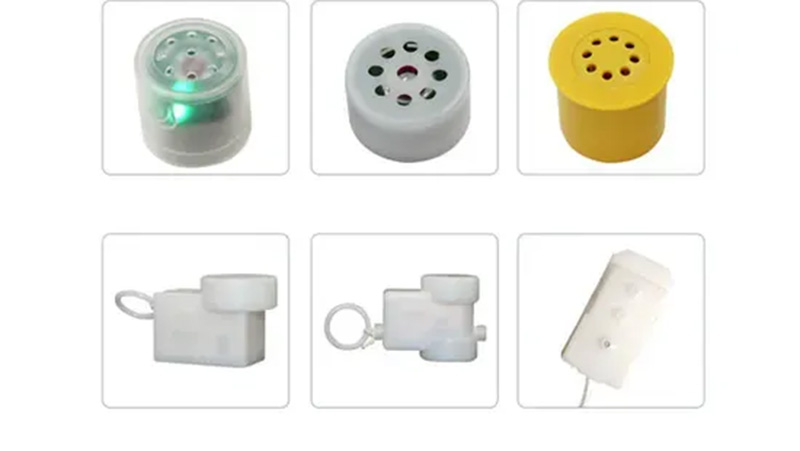
Sound modules are the core functional component of any talking plush toy. From my experience, selecting the right module at the beginning determines not only sound quality, but also design flexibility, safety complexity, and long-term reliability.
The most commonly used option is the basic push-button sound module. These modules play pre-recorded audio when a button is pressed, usually located in the hand, foot, or belly. They are simple, cost-effective, and widely used for promotional plush toys and entry-level retail products.
For more interactive designs, multi-sound or multi-track voice chips are used. These allow multiple phrases or songs to play in sequence or randomly. They are popular in character plush toys, educational products, and branded items where interaction depth adds value.
Some talking plush toys use motion- or squeeze-activated modules. These trigger sound when the toy is hugged, shaken, or tilted. While they enhance user experience, they also require more precise internal placement and stricter durability testing.
Advanced products may integrate recordable or programmable sound modules, allowing custom voice recording or language variation. These modules are more expensive and require careful control of memory, sound clarity, and battery consumption.
The key is matching the module type to the product’s purpose and market. Over-engineering increases cost and risk, while under-specification limits appeal.
| Sound Module Type | Core Function | Typical Use Case | Development Consideration |
|---|---|---|---|
| Push-button module | Single fixed sound | Promo & basic plush | Low cost, simple structure |
| Multi-sound module | Multiple phrases | Character & learning toys | Sound logic planning |
| Motion/squeeze module | Triggered by movement | Interactive plush | Placement & durability |
| Recordable module | Custom voice input | Personalized plush | Memory & sound clarity |
| Programmable chip | Language or content change | Multi-market products | Higher cost & testing |
For buyers and brands, understanding sound module options early helps avoid mismatches between design ambition and production reality. OEM factories that can clearly explain these differences provide a much stronger foundation for developing talking plush toys that scale successfully.
How Should Sound Functions Be Integrated into Plush Toy Design and Structure?
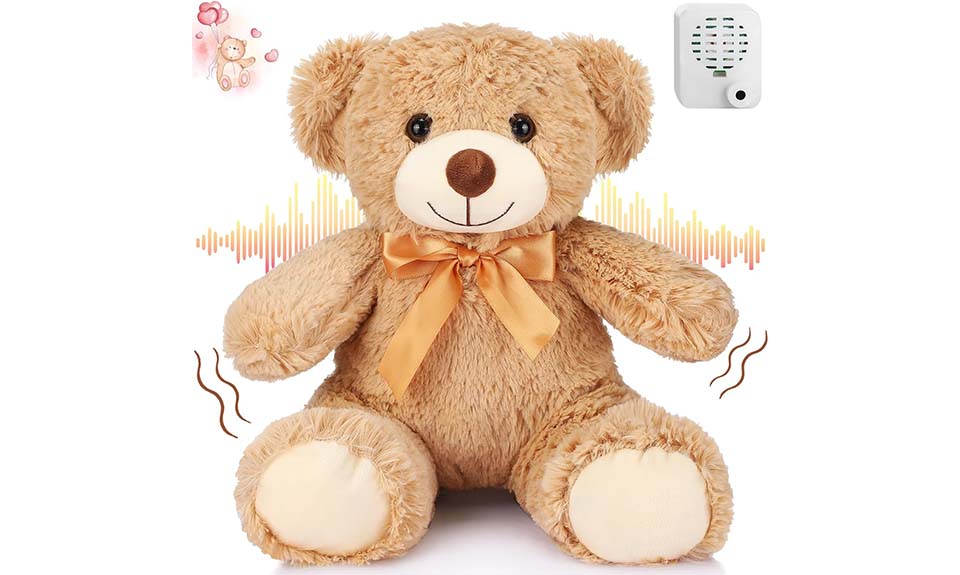
Integrating sound into a plush toy is not about placing a module inside and sewing it shut. From my experience, successful talking plush toys are designed from the inside out, with sound functions planned as part of the structure, not added later.
The first consideration is module placement. Sound modules must be positioned where users naturally interact—such as the belly, hand, or foot—while remaining secure and protected. Poor placement leads to weak sound output, uncomfortable touch, or premature failure. Professional designs allocate a dedicated internal pocket or housing that keeps the module stable without hard edges pressing through the fabric.
Sound outlet design is equally important. The fabric layers above the speaker must allow sound to pass clearly while maintaining softness and appearance. This often requires thinner fabric zones, mesh layers, or controlled embroidery density. Without this planning, sound may be muffled, reducing user satisfaction.
Structural reinforcement is another key factor. Areas holding sound modules experience repeated pressure. Reinforced stitching, internal lining, and load distribution help prevent seam splitting or module movement during use. This is especially important for squeeze-activated or motion-triggered modules.
Battery access must also be considered early. Whether batteries are sealed or replaceable affects safety classification, compliance requirements, and after-sales strategy. Designs that ignore battery access often require costly rework later.
| Integration Area | Poor Integration Risk | Professional Design Approach | User & Production Benefit |
|---|---|---|---|
| Module placement | Unstable, uncomfortable | Dedicated internal housing | Reliable activation |
| Sound outlet | Muffled audio | Sound-permeable layers | Clear voice output |
| Structural support | Seam stress & damage | Reinforced load zones | Longer product life |
| User interaction | Awkward activation | Natural touch points | Better experience |
| Battery access | Redesign required | Planned access strategy | Compliance readiness |
For buyers, sound integration quality is often invisible until problems appear. OEM factories that design structure and sound functions together help brands avoid failures, improve user experience, and move more confidently toward mass production.
What Safety, Battery, and Electronic Compliance Requirements Must Be Considered?
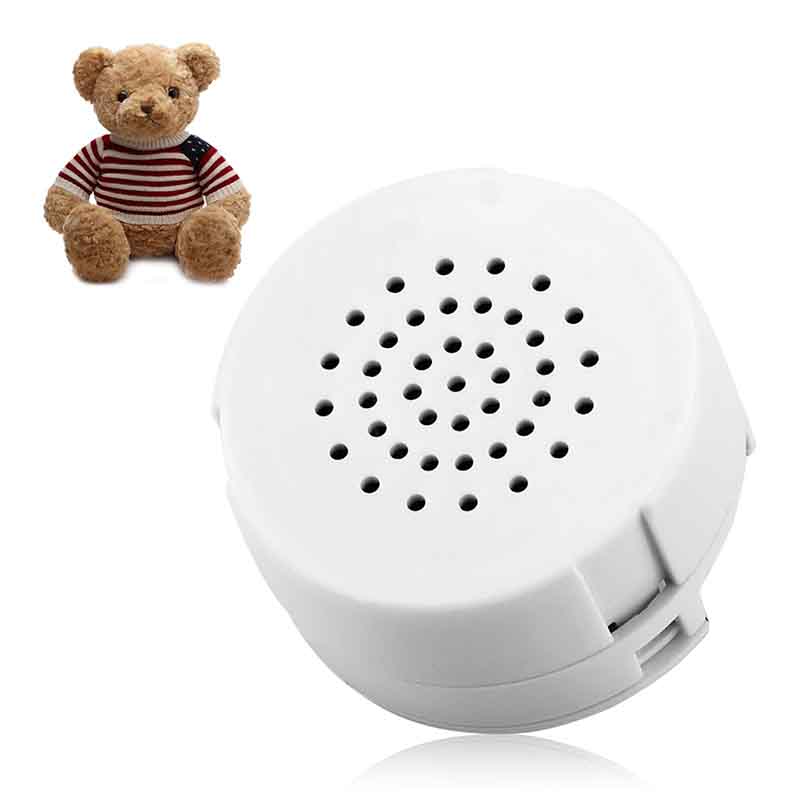
In talking plush toys, electronics introduce a completely different risk profile compared to traditional plush products. From my experience, many projects face delays or redesigns because electronic safety was considered too late, after design or sampling had already been approved.
The first layer is toy safety compliance. Talking plush toys must still meet all standard plush regulations, such as seam strength, stuffing security, and small-parts requirements. The addition of sound modules increases scrutiny, especially for products intended for children under three.
Battery safety is a critical focus. Most talking plush toys use button cells or AAA batteries, both of which are tightly regulated. Battery compartments must be secured with screws or sealed structures to prevent child access. The choice between replaceable and non-replaceable batteries affects product classification, testing scope, and after-sales expectations.
Electronic compliance is the next layer. Depending on target markets, talking plush toys may require testing for electrical safety, electromagnetic compatibility (EMC), and sometimes radio frequency interference. In the U.S. and EU, electronic components must comply with relevant consumer electronics directives in addition to toy standards.
Material interaction also matters. Wires, solder points, and electronic casings must be insulated and positioned to avoid wear-through during squeezing or washing. Professional factories plan internal routing carefully to prevent sharp edges or stress points.
Finally, labeling and documentation are part of compliance. Battery warnings, age grading, and disposal symbols must be included correctly for each market.
| Compliance Area | Common Risk | Professional Handling | Buyer Benefit |
|---|---|---|---|
| Toy safety standards | Ignored due to electronics | Plush + electronic standards combined | Market access |
| Battery compartment | Easy child access | Screw-secured or sealed | Child safety |
| Electronic testing | Late-stage surprises | Early compliance planning | Fewer delays |
| Internal wiring | Wear & breakage | Insulated & fixed routing | Product durability |
| Labeling & warnings | Missing or incorrect | Market-specific labels | Regulatory confidence |
For buyers, safety and compliance determine whether a talking plush toy can be sold at all. OEM factories that integrate electronic safety, battery control, and regulatory planning from the design stage help brands avoid costly redesigns and protect both consumers and brand reputation.
How Do Recording, Voice Quality, and Sound Trigger Methods Affect User Experience?

In talking plush toys, user experience is shaped less by how many sounds a toy has and more by how those sounds are recorded, triggered, and perceived in real use. From my experience, many products fail to delight users because sound design decisions were made for cost or speed, not for interaction quality.
Recording quality is the starting point. Clear, noise-free recordings with proper volume balance create a more natural and pleasant experience. Poor recordings—such as distorted voices or inconsistent volume—immediately reduce perceived product quality, even if the plush design itself is strong. Professional projects define recording standards early, including file format, bitrate, and volume range.
Voice tone and content also matter. For character or licensed plush toys, voice tone must match brand personality and emotional intent. For educational or baby products, softer and slower speech is often preferred. OEM factories with experience can advise on voice pacing, repetition length, and sound duration to match user age and usage context.
Sound trigger methods directly affect interaction. Push-button triggers are predictable and easy to control, while squeeze or motion triggers feel more “alive” but introduce variability. If triggers are too sensitive, sounds may play unintentionally; if not sensitive enough, users feel frustrated. Balancing trigger sensitivity is a key tuning step during prototyping.
Another important factor is sound logic. Randomized playback, sequential phrases, or single-repeat sounds each create different experiences. Clear logic prevents confusion and avoids repetitive or annoying behavior during repeated use.
| Sound Experience Factor | Weak Design Outcome | Optimized Approach | User Impact |
|---|---|---|---|
| Recording quality | Distortion or noise | Clean, balanced audio | Premium feel |
| Voice tone | Mismatched character | Brand-aligned voice | Emotional connection |
| Trigger sensitivity | Accidental or missed play | Calibrated activation | Smooth interaction |
| Sound logic | Repetitive or chaotic | Planned playback rules | Better engagement |
| Sound duration | Too long or abrupt | Age-appropriate length | User comfort |
For buyers, sound experience directly influences reviews, repeat purchases, and brand perception. OEM factories that treat recording, triggers, and sound logic as part of product design—not afterthoughts—help brands deliver talking plush toys that feel intuitive, engaging, and well-made.
How Can OEM Factories Support Prototyping, Testing, and Mass Production of Talking Plush Toys?
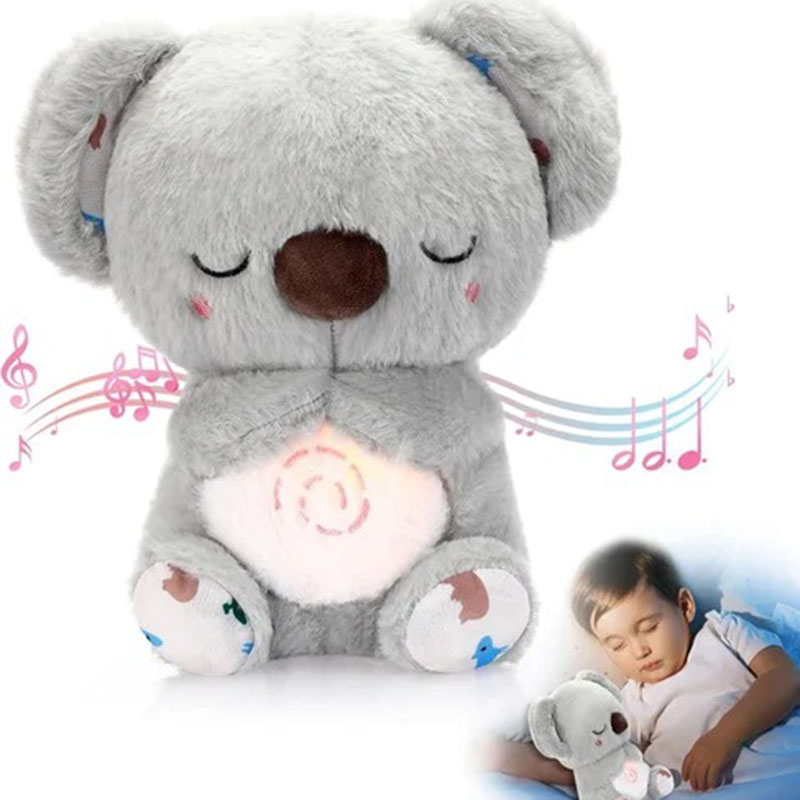
Talking plush toys move from idea to mass production only when OEM factories can manage electronics, soft goods, and testing as one system. From my experience, many projects stall because prototyping and production are treated as separate phases, handled by different teams with limited coordination.
Strong OEM support starts at the prototype stage. Experienced factories build functional prototypes that reflect real production conditions, not just appearance. This includes correct module placement, wiring paths, battery access, and fabric interaction. Early functional prototypes allow brands to test sound clarity, trigger behavior, and user comfort before investing in tooling or compliance testing.
Testing capability is another key factor. OEM factories with talking plush experience usually perform pre-tests internally, such as drop tests, squeeze cycle tests, battery endurance checks, and basic electronic stability checks. These tests help identify risks early, reducing failure during official lab testing.
When moving toward mass production, OEM coordination becomes even more critical. Factories must align electronic suppliers, sewing lines, and QC teams. Sound modules are often pre-tested before assembly, and finished toys are tested again after sewing to ensure functionality has not been compromised.
Process documentation also matters. Reliable OEMs create clear work instructions for module installation, wiring fixation, and functional testing. This ensures that output remains consistent even as production volume increases or operators change.
| Production Stage | Weak OEM Support | Strong OEM Support | Buyer Advantage |
|---|---|---|---|
| Prototyping | Visual-only samples | Fully functional prototypes | Early risk detection |
| Internal testing | No pre-checks | Functional & stress testing | Fewer lab failures |
| Supplier coordination | Disconnected vendors | Integrated electronics & plush sourcing | Stable supply |
| Assembly control | Inconsistent installation | Standardized work instructions | Reliable output |
| Scale-up readiness | Ad-hoc adjustments | Documented processes | Predictable mass production |
For buyers, OEM capability determines whether a talking plush toy can move smoothly from concept to scale. Factories that support prototyping, testing, and mass production as a unified process help brands reduce risk, control cost, and launch interactive plush products with confidence.
How Do Cost Control, Reliability, and After-Sales Considerations Impact Product Scalability?
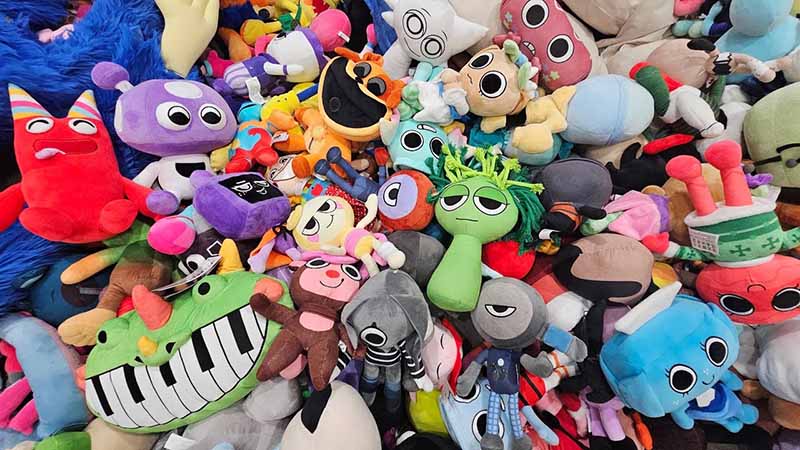
For talking plush toys, scalability is not decided by the first batch—it is decided by how well cost, reliability, and after-sales risk are managed over time. From my experience, many interactive plush projects succeed technically but struggle commercially because these factors were underestimated early on.
Cost control starts with realistic function selection. Each added sound feature increases module cost, testing scope, and assembly time. Professional OEM planning balances interaction value with component stability, helping brands avoid over-engineering that limits margins at scale.
Reliability is the next critical factor. Talking plush toys face repeated squeezing, dropping, and long storage periods. Weak solder joints, unstable switches, or low-grade batteries lead to high failure rates after shipment. Factories that prioritize component qualification, incoming inspection, and functional aging tests significantly reduce returns and complaints.
After-sales considerations must be designed in, not handled reactively. Clear battery strategies, simple troubleshooting guidance, and consistent module specifications across batches make it easier for brands to manage customer support. Some OEMs also plan spare module availability or batch-level traceability to support warranty handling.
Finally, scalability depends on predictability. When cost, reliability, and after-sales risks are controlled, brands can forecast confidently, place repeat orders, and expand distribution without fear of hidden issues emerging later.
| Scalability Factor | Common Risk | Professional OEM Approach | Long-Term Impact |
|---|---|---|---|
| Cost structure | Feature creep | Function-value balancing | Healthy margins |
| Component reliability | Early failure | Qualified & tested modules | Fewer returns |
| Assembly consistency | Operator variation | Standardized installation | Stable quality |
| After-sales handling | High complaint volume | Planned support strategy | Brand protection |
| Repeat production | Specification drift | Locked component specs | Predictable scaling |
For buyers, scalable success in talking plush toys comes from disciplined planning, not just creative ideas. OEM factories that address cost, reliability, and after-sales needs early help brands grow interactive plush lines sustainably and profitably.
Conclusion
Developing a talking plush toy requires early alignment of sound modules, structure, safety, user experience, and OEM execution. When electronics and plush production are planned as one system, brands can launch reliable, compliant, and scalable interactive toys with confidence.
📧 Contact: [email protected]
🌐 Visit: https://kinwintoys.com