When you see a finished plush toy, you rarely think about what the stuffing process is actually called. But for brands, retailers, and designers, the language around stuffing is important, because it connects to safety, quality, and manufacturing control.
In the toy and plush industry, we use a few key terms: stuffing, filling, and in more technical documents, fiber filling or polyfill filling. This guide will walk you through how professionals talk about stuffing, what materials they use, and how modern factories control this process so your products feel soft, safe, and consistent—order after order.
If you want to work with a factory and talk clearly about quality expectations, understanding the basics of plush stuffing will help you ask better questions and make better decisions.
What is the proper term for the process of stuffing animals?
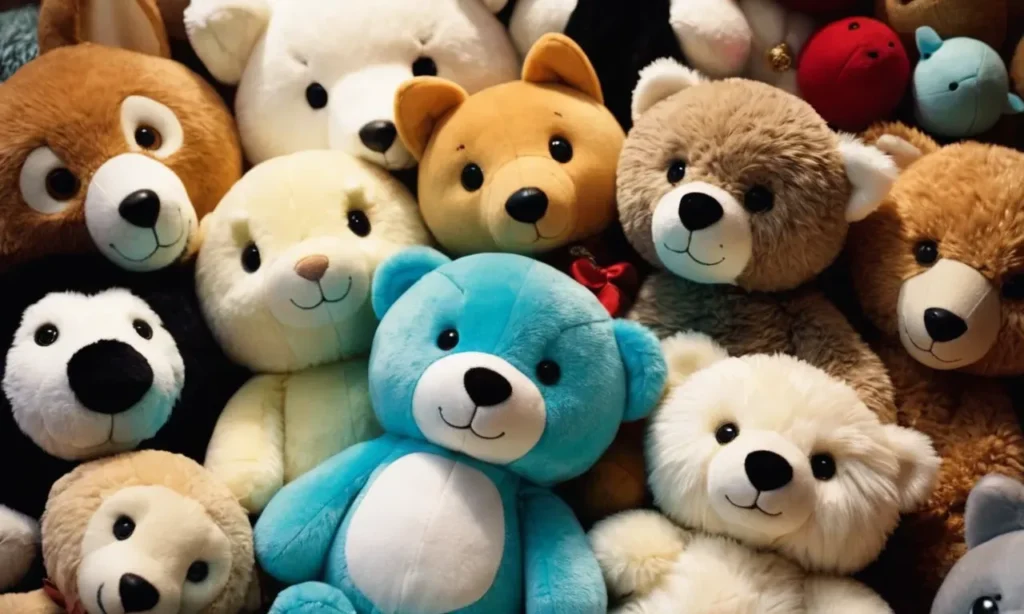
In modern plush toy manufacturing, the process of “putting the filling inside the toy” is usually called stuffing or filling. In technical discussions with factories, you may also hear:
- Fiber filling – focusing on synthetic fibers like polyester.
- Polyfill filling – referring specifically to polyester fiberfill.
- Weighting – a separate step when adding pellets or beads for weighted plush.
In the toy industry, when someone says “after stitching we go to stuffing,” they almost always mean the stage where workers or machines push fiberfill into the sewn shell. This is very different from taxidermy, which uses terms like “mounting” or “taxidermy work” and involves real animal skins. For plush toys and stuffed animals, we stay firmly in the world of soft, synthetic filling and safe, fabric-based shells.
H3 – Industry language you’ll hear from manufacturers
When you work with a factory, you might hear phrases such as:
- “We will do manual stuffing for the first sample.”
- “Mass production will use machine filling for more consistency.”
- “We will add weighted filling in the belly only.”
- “This design needs tighter stuffing control around the head and neck.”
All of these refer to how and where fiberfill and other fillings are placed inside the toy body.
Table 1 – Common terms used for plush stuffing
| Term Used in Industry | What It Usually Means | Where You’ll See It Used |
|---|---|---|
| Stuffing | General process of putting filling into the toy shell | Everyday factory conversation |
| Filling | Same as stuffing; sometimes used in spec sheets | Tech packs, QC reports, BOM lists |
| Fiber filling | Stuffing with loose fibers (usually polyester) | Material descriptions, lab reports |
| Polyfill filling | Filling specifically with polyester fiber | Product specs, marketing copy |
| Weighting | Adding pellets or beads to create weight | Weighted plush, sensory toys, therapy products |
| Internal filling control | Managing density and distribution of stuffing | OEM/ODM development discussions |
When you communicate with a manufacturer, using these terms clearly helps them understand your expectations for feel, structure, and performance.
What materials are commonly used in the stuffing process?
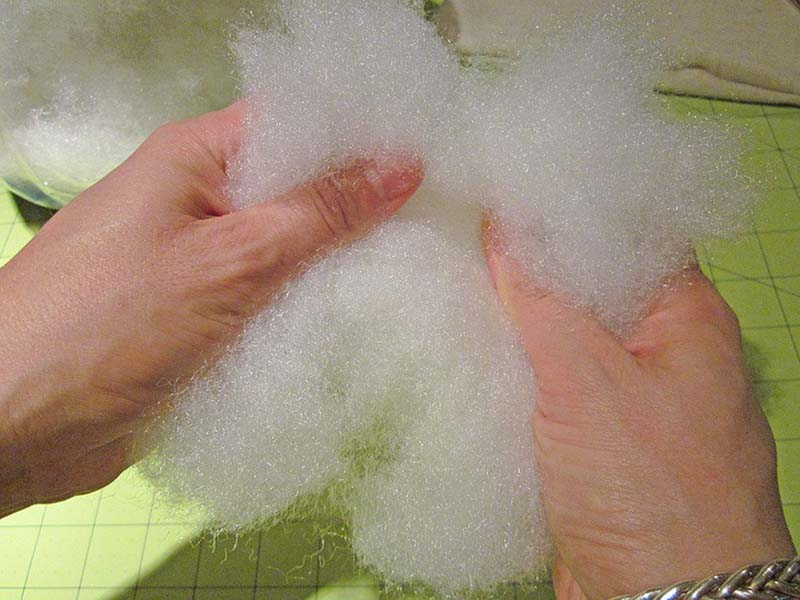
The “stuffing” inside a plush toy is more than something soft. It controls shape, softness, bounce, weight, and long-term durability. In most modern stuffed animals, the main filling is polyester fiberfill, but there are many variations and add-on materials.
H3 – Core filler materials
Most common fillers include:
- Polyester fiberfill (polyfill) – fluffy fibers made from polyester; the standard for most toys.
- High-resilience polyester fibers – better spring-back and long-term shape retention.
- Recycled polyester fiberfill (rPET) – made from recycled plastic bottles, popular in eco lines.
- Plastic pellets or glass beads – used in small pouches to add weight to certain areas.
- Foam pieces or blocks – sometimes used for mascots or parts that need a sharper structure.
Natural fillers like cotton, wool, buckwheat hulls, or beans are more common in small-batch or craft products, but they require very careful safety and moisture control, so large factories usually prefer poly-based fillings.
H3 – Combining fillers for performance
In many professional projects, we mix materials to achieve a certain feel:
- Soft fiberfill in the head and limbs.
- Slightly firmer stuffing in the torso for better sitting.
- Weighted pouches in the bottom or paws for grounding.
Table 2 – Typical stuffing materials and their main uses
| Stuffing Material | Main Characteristics | Typical Use in Plush Toys |
|---|---|---|
| Standard polyester fiberfill | Soft, light, low cost | General stuffed animals, pillows, cushions |
| High-resilience fiberfill | Better recovery, less clumping | Premium plush, long-term cuddle toys |
| Recycled polyester fiberfill | Eco story, similar feel to regular polyfill | Sustainable or “green” product lines |
| Plastic pellets | Medium weight, rounded shape | Weighted feet, paws, bottoms of plush |
| Glass beads | Denser weight, smooth movement | Weighted plush for calming or sensory use |
| Foam elements | Firm and structural | Mascot heads, sharp pattern details, props |
As a buyer or designer, when you specify stuffing materials clearly, you help your manufacturer hit the exact target feel and performance you want for your brand.
How do different stuffing techniques affect toy structure and feel?
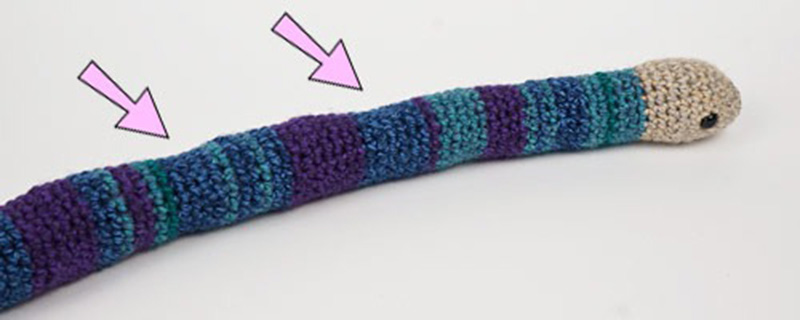
The way a toy is stuffed can completely change how it feels in the hand—even with the same materials. The technique and density determine whether a plush is floppy, firm, squishy, or structured.
H3 – Density: soft, medium, or firm
In our daily work, we usually think in three levels:
- Soft stuffing – good for baby plush, cuddle pillows, and huggable comfort toys.
- Medium stuffing – standard for most retail plush, with both softness and shape.
- Firm stuffing – better for mascots, display characters, or toys that must stand upright.
The same toy shape can look very different with a change in stuffing density. Too little stuffing, and you get wrinkles and sagging. Too much stuffing, and the plush becomes hard and loses its “cuddle” appeal.
H3 – Zone-based stuffing
Professional factories also use zone stuffing to control different parts separately:
- Head: slightly firmer to hold facial features.
- Body: softer or medium for hugging.
- Limbs: controlled so they hang naturally but don’t feel empty.
- Base: sometimes weighted or more densely stuffed for sitting stability.
Table 3 – Stuffing techniques and their structural effects
| Stuffing Approach | Description | Resulting Feel and Structure |
|---|---|---|
| Uniform soft stuffing | Light, even fiberfill throughout toy | Very huggable, but less defined shape |
| Medium-density stuffing | Moderate, controlled fill in each section | Balanced softness and structure |
| Firm stuffing | High-density fill | Stable form, more like a display or mascot |
| Zone-based stuffing | Different densities in head, body, limbs, base | Natural posture, better sitting and hugging |
| Weighted zone stuffing | Pellets or beads in targeted areas | Added grounding, improved sitting or tactile feel |
When you brief a factory, you can describe stuffing goals like “soft hug feel with a stable sitting base” to get the right combination of density and technique.
What tools and equipment support professional plush stuffing?
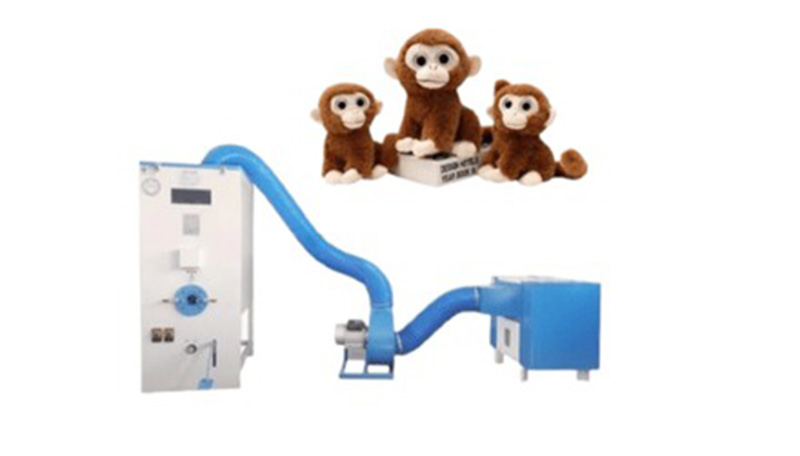
In small hand-made projects, stuffing is often done using only fiberfill and fingers. In a factory, we rely on special tools and equipment to speed up the process and keep results consistent across thousands of pieces.
H3 – Tools for sample-room and small-batch stuffing
For prototypes and small runs, we often use:
- Stuffing sticks or wooden tools – to push fiber into small parts like ears or tails.
- Tweezers – for tiny areas and corners.
- Hand scales – to weigh pellets or filling for weighted designs.
- Hand-held air stuffing tools – in some sample rooms.
H3 – Equipment for mass production stuffing
For large orders, factories invest in:
- Fiber opening machines – to loosen and fluff compressed fiberfill.
- Stuffing machines (pneumatic or mechanical) – to blow or push fiberfill into toy shells.
- Automatic weighing systems – to control the amount of fiber per piece.
- Pellet-filling systems – to load weighted pouches with consistent quantities.
These tools help your products feel the same from the first carton to the last, which is crucial for brand reputation and customer trust.
Table 4 – Tools and equipment used in professional stuffing
| Tool / Equipment | Function in Stuffing Process | Where It’s Typically Used |
|---|---|---|
| Stuffing sticks | Push fiber into small or narrow parts | Sample rooms, detail work |
| Tweezers / small tools | Adjust stuffing in tight spaces | Prototyping, complex character shapes |
| Fiber opening machine | Loosens and aerates fiberfill | Before mass stuffing in factory |
| Pneumatic stuffing machine | Blows fiber into toy shells at controlled pressure | Main production lines |
| Weighing system | Measures standard filling weight per toy | QC and production control |
| Pellet-filling station | Fills pouches with pellets or beads | Weighted plush and sensory products |
When you choose a manufacturer, you can ask what stuffing equipment they use. This gives you a good sense of their capacity and consistency level.
How do manufacturers ensure safety and consistency during stuffing?
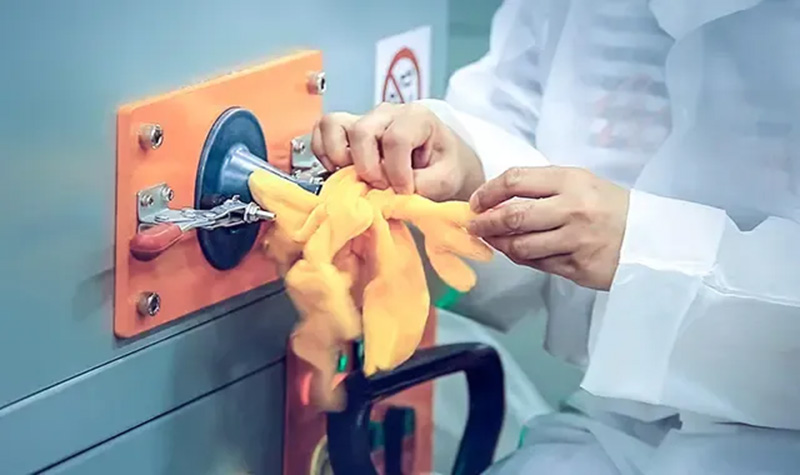
Stuffing is not only about feel. It also connects directly to safety, testing, and quality consistency. Poor stuffing can create weak points, leaking seams, or uneven weight that fails internal or external tests.
H3 – Safety-focused stuffing practices
To keep stuffed animals safe, good factories:
- Avoid loose pellets floating around inside the toy; pellets should be placed in sewn inner bags.
- Keep metal tools and broken needles out of the stuffing process and use needle detection machines after production.
- Check that stuffing does not push too hard on seams, especially at stress points like the neck or arm joints.
- Follow age-appropriate design rules (for example, extra care for baby plush).
H3 – Consistency and quality controls
For consistency, manufacturers use:
- Standard stuffing weight ranges for each model and size.
- In-line QC checks to inspect a sampled percentage of toys from each batch.
- Training for workers on how to recognize correct density by touch.
- Random checks after final packing to ensure there are no “understuffed” or “overstuffed” pieces.
Table 5 – Safety and consistency checks during stuffing
| Control Point | What the Factory Checks | Why It’s Important |
|---|---|---|
| Seam pressure | Stuffing does not overstress stitched areas | Reduces risk of seams bursting in use |
| Pellet containment | Pellets placed in sealed inner pouches | Prevents choking hazards and uneven weight |
| Weight consistency | Total fill weight within defined tolerance | Ensures similar feel from piece to piece |
| Visual appearance | No hollow spots, sagging, or unnatural bumps | Keeps brand image and product photos consistent |
| Needle detection | Finished toys scanned for broken needles or metal | Critical for safety and compliance |
| Age grading alignment | Stuffing level and feel appropriate for age label | Supports comfort and safety expectations |
As a buyer, you can ask your manufacturer how they control stuffing consistency. Their answer will tell you a lot about their overall quality culture.
How do modern innovations influence today’s plush stuffing methods?
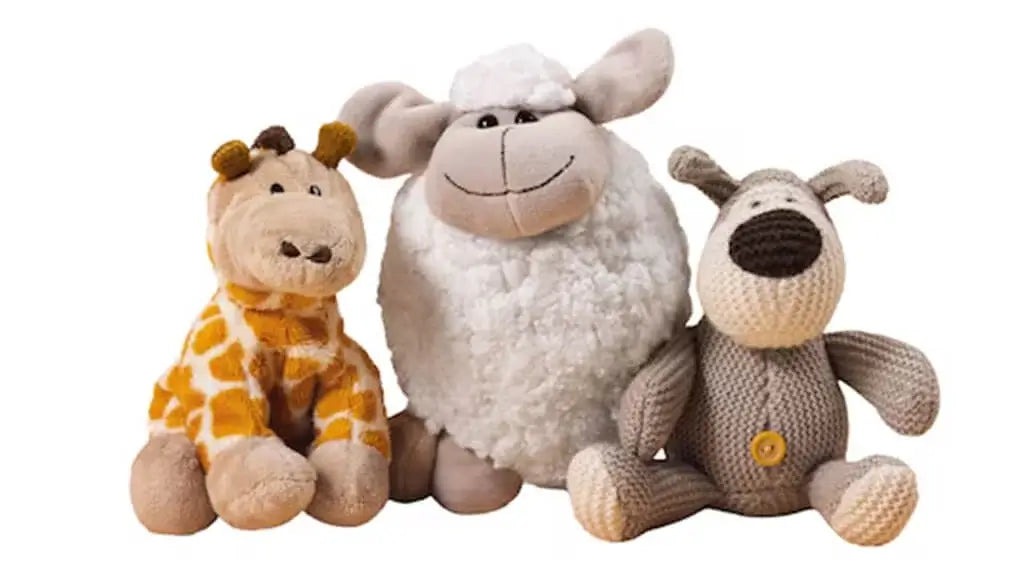
Plush stuffing today is changing because of new materials, new use cases, and new brand stories. Weighted plush, eco-friendly lines, and sensory-focused toys all push factories to evolve the classic stuffing process.
H3 – Innovations in stuffing materials
Some of the key trends include:
- Recycled fiberfill and fabrics – to support sustainable and eco-marketing narratives.
- Advanced weighted designs – more precise placement of pellets to create calming pressure in specific zones (chest, lap, shoulders).
- Hybrid fillings – combining foam, fiber, and weight to shape new forms like plush cushions, plush laptop stands, or ergonomic support toys.
H3 – Process and design innovations
On the process side, manufacturers now:
- Use more detailed stuffing maps in tech packs (diagrams showing where to stuff more or less).
- Adopt digital tools to simulate volume and shape before physical stuffing.
- Work closely with brands on sensory design, especially for adults and neurodiverse users.
For you as a buyer or brand owner, this means you have more choices than ever when specifying how your plush should feel, sit, and support the user.
Table 6 – Modern innovations in plush stuffing
| Innovation Area | Example Application | Benefit for Brands and End Users |
|---|---|---|
| Eco stuffing materials | Recycled fiberfill and rPET plush shells | Supports sustainability and ESG messaging |
| Advanced weighted zones | Weighted bellies, paws, or full-body weighted plush | Better calming effect and body interaction |
| Hybrid function designs | Plush cushions, laptop rests, travel neck plush | Expands plush into lifestyle and home goods |
| Stuffing maps in tech packs | Detailed density and zone diagrams | Reduces sampling rounds and miscommunication |
| Digital prototyping | 3D shape planning before sewing and stuffing | Faster development, more predictable results |
| Sensory-focused projects | Soft textures, deep pressure, specific size & weight | Better support for stress relief and comfort |
If you want to differentiate your plush products, you can work with your OEM/ODM partner to design a stuffing strategy, not just a cute outer shape. That strategy becomes part of your brand story.
Conclusion
In the plush world, stuffing is more than “filling the toy”. It is a controlled process that shapes softness, structure, safety, and long-term quality. We call it stuffing, filling, fiber filling, or polyfill filling—but behind those simple words is a whole system of material choices, density decisions, tools, and safety checks. When you understand this system, you can brief your factory more clearly, choose better combinations of fabrics and filling, and deliver stuffed animals that truly match your brand promise.
At Kinwin, my team and I help global buyers plan not only the outer design of their plush toys, but also the inner stuffing strategy—whether it’s standard cuddle plush, weighted sensory animals, or eco-focused lines. If you’d like to develop or upgrade your own stuffed animal range with professional stuffing control and international safety compliance, you’re very welcome to contact me at [email protected] or visit kinwintoys.com to explore how our factory can support your next project.