Skip to content
I’m Amanda from Kinwin in China. I help brands and retailers design soft toys that look premium on camera, feel great in hand, and pass global compliance. People often ask me: “Is there a real difference between a stuffed animal and a plushie?” In factories and e-commerce, the words overlap, but they are not identical. This guide explains the taxonomy, materials, construction, compliance, channel strategy, and naming/SEO choices so you can spec products correctly, set the right price, and match buyer intent in each market.
What definitions and industry taxonomy distinguish a “stuffed animal” from a “plushie”?
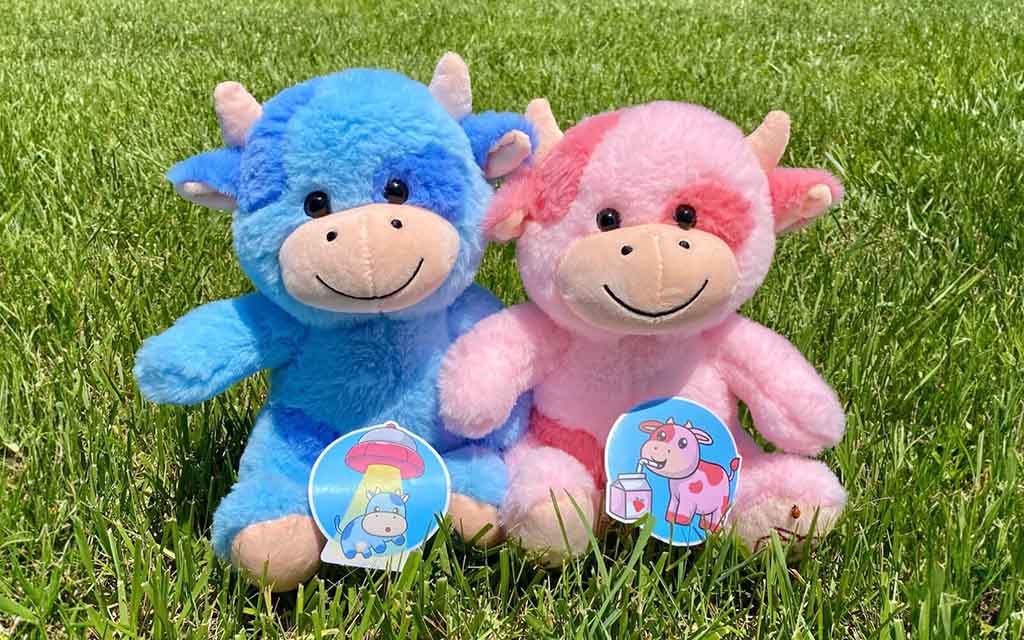
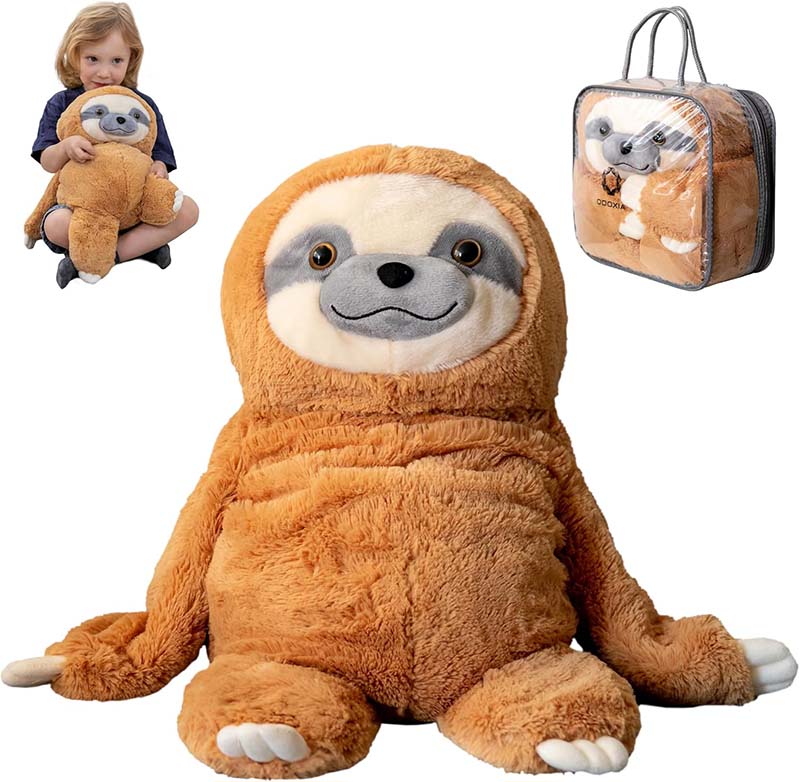
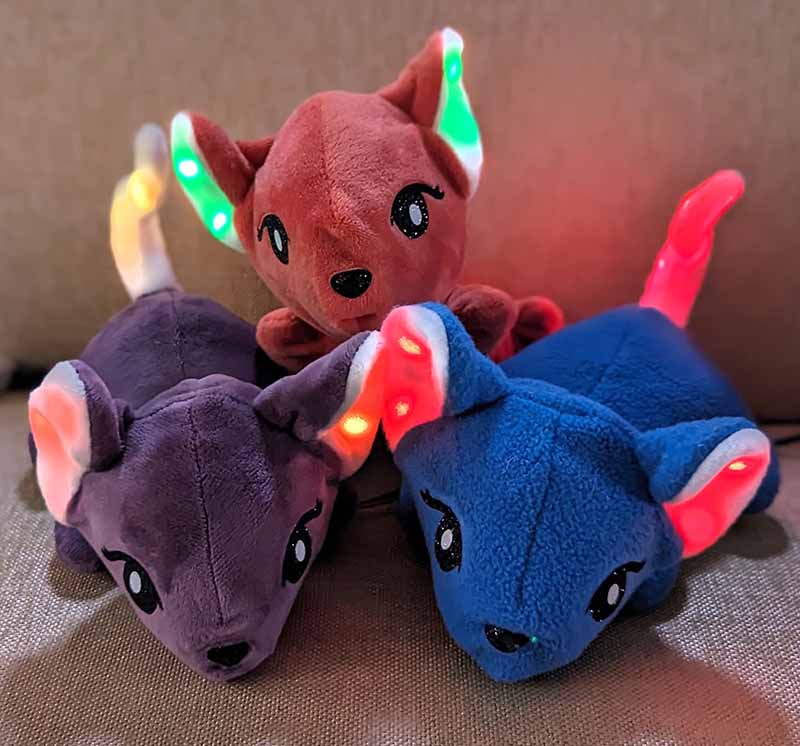
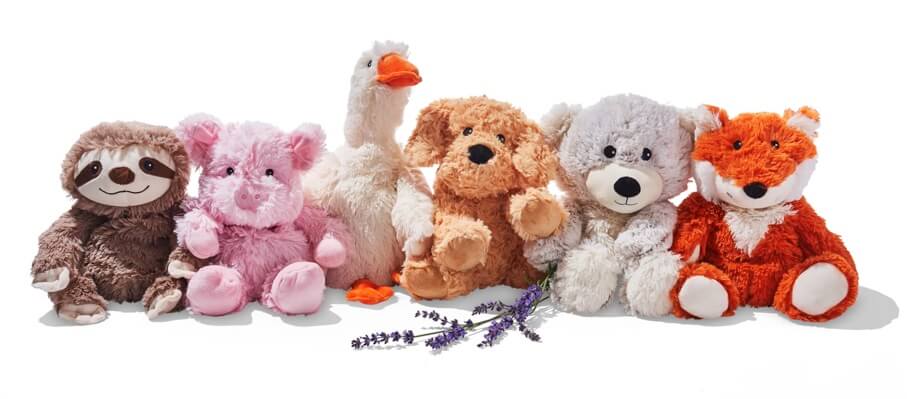
In everyday U.S. language, stuffed animal usually means any soft, animal-shaped toy filled with fiber or beads. In trade language, plushie (or plush toy) points to a pile-faced shell (minky, velboa, faux fur) plus soft filling; it can be an animal or a character, food, or shaped cushion. So, all plushies are soft toys, but not all soft toys are “plushies” if the shell is not pile (e.g., flat fleece or woven cotton softies). For titles and filters, I treat “stuffed animal” as a shape word and “plush/plushie” as a material word.
In retail taxonomies, “soft toy” is the umbrella (EU/UK term), “stuffed animal” is a common U.S. navigation term for animal shapes, and “plush” is both a material attribute and a subcategory. This small nuance helps your PDPs capture both shoppers: those who search by shape (“stuffed animal bear”) and those who search by material (“plush cat”).
Table 1 — Practical Definitions
| Term | Core idea | Examples | Where it fits best |
|---|---|---|---|
| Soft toy | Umbrella category | Dolls, animals, plush cushions | EU/UK merchandising |
| Stuffed animal | Animal-shaped soft toy (any shell) | Bear, fox, dinosaur | U.S. titles & nav |
| Plush / plushie | Pile-faced shell + soft fill | Animals, characters, pillows | Attributes, bullets, filters |
How do fabric systems (minky/velboa/faux fur) and pile parameters (GSM, pile height, denier) influence category and handfeel?
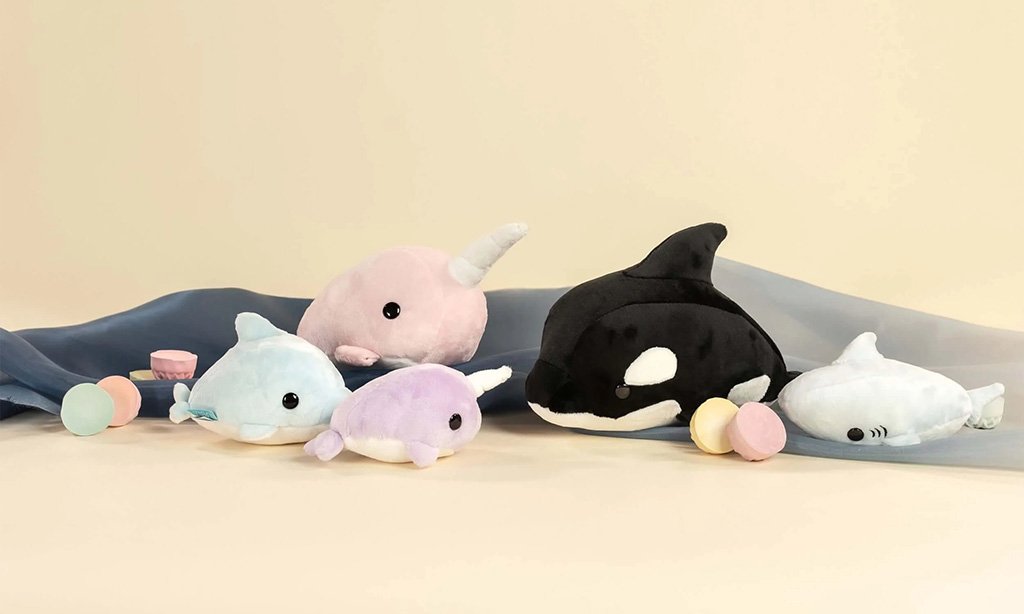
Plushie assumes a pile surface. Minky (2–3 mm pile) feels silky and washes well; velboa has a tight, clean face that makes logos and embroidery sharp; faux fur (6–12 mm) brings fluffy drama but needs trim zones around facial details. Key parameters: GSM (grams per square meter) for weight and coverage, pile height for visual plushness, and denier/stitch density for glide and recovery. If you want a “plushie” feel on camera, prioritize short-pile face panels (clarity) and use long pile only where it won’t blur features.
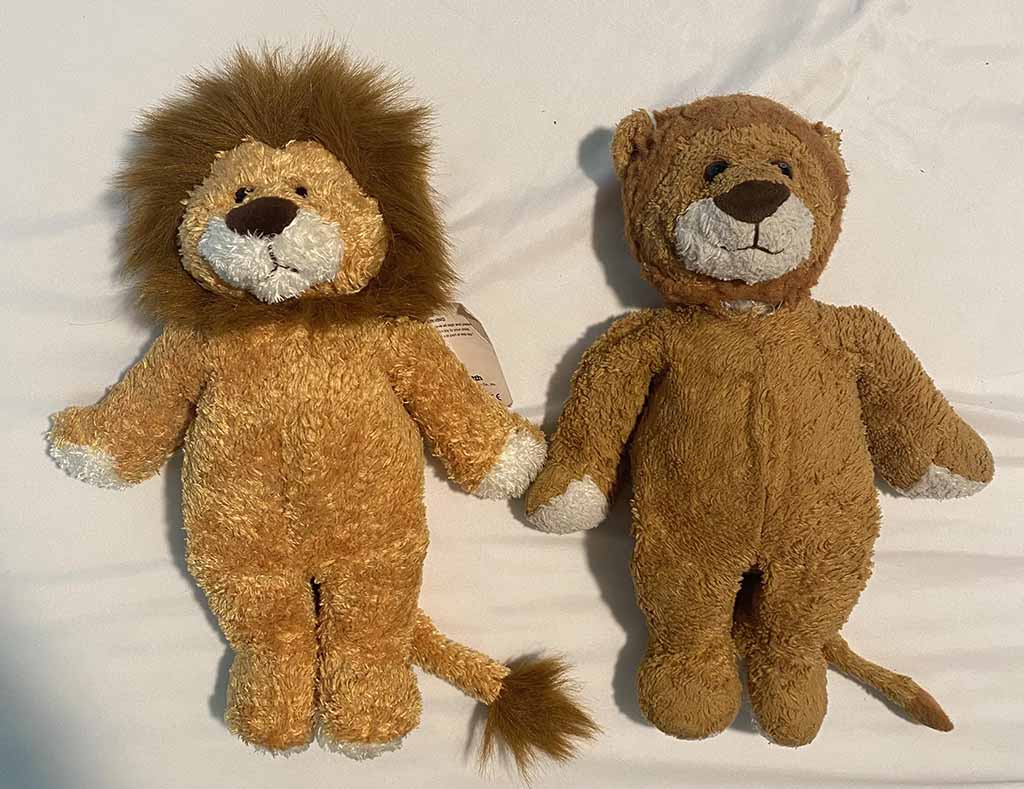
A “stuffed animal” can use the same fabrics, but the term itself does not require pile. You may see stuffed animals with fleece or knit jersey shells for value tiers. These will not feel as “luxury-soft” as a true plush shell and may read flatter in photos. When you brief factories, write the pile numbers, not just “soft.”
Table 2 — Fabric & Pile Cheat Sheet
| Fabric | Typical pile | Handfeel | Best for | Watch-outs |
|---|---|---|---|---|
| Minky | 2–3 mm | Silky, baby-soft | Infant/toddler, cuddle | Colorfastness, low spin wash |
| Velboa | 2–2.5 mm | Smooth, crisp | Minis, logos, mascots | Specify stitch density |
| Faux fur | 6–12 mm | Fluffy, premium | Wildlife, décor | Trim muzzle/eye ring, brush after wash |
| Fleece/knit (non-pile) | N/A | Flat soft | Value stuffed animals | Looks less plush on camera |
Which construction and prototyping differences—pattern count, embroidery vs. appliqué, trims—affect durability and risk profiles?

Construction is where “plushie” often carries higher expectations. Pile shells need clean seam maps, bar-tacks at stress points, and ladder-stitch closures that survive squeeze tests. For faces, embroidery is safest for 0+, while safety eyes/noses can be used for 3+ if you vendor-qualify and pass tensile/small-parts tests. Pattern count drives shape quality: more panels can achieve rounder forms and sit-stability, but they raise sewing minutes. Long pile demands trim masks on muzzles and eye rings to keep expressions sharp.
Prototype in two passes: Soft Sample #1 for silhouette and paneling; Soft Sample #2 for facial clarity, SPI (stitches per inch), fill grams per panel, and any weighted base with double-pouched pellets. A stuffed animal using non-pile fabric may look neat with fewer panels, but the handfeel and photo depth will be lower than a true plush build.
Table 3 — Build Choices That Influence Durability and Risk
| Build Element | Best Practice for Plushies | If Ignored (Potential Risk) |
|---|---|---|
| Facial construction | Use embroidery for 0+ age grades; apply safety eyes/noses only for 3+ with tensile and small-parts tests | Detachable trims → choking hazard or test failure |
| Stitching (SPI & bar-tacks) | Maintain balanced stitches per inch (SPI); add bar-tacks at high-stress zones (arms, neck, tail) | Weak seams → popped stitches, uneven tension, visible puckering |
| Filling plan (fill map) | Define grams per panel; add baffles in large bodies for even shape retention | Uneven stuffing → lumps, flat areas, collapsed cheeks |
| Weighted base system | Use double-pouched PP/TPE pellets sealed inside inner bags; verify leakage test | Pellet migration → weight shifting, leaks, safety non-compliance |
| Trim masking (for faux fur) | Apply short-pile trim masks around muzzles and eyes to maintain facial definition | Blurred features → “fuzzy” expressions, increased returns |
What compliance and labeling considerations (EN71, ASTM F963/CPSIA, REACH) apply differently across the two terms in practice?
Legally, the term (“stuffed animal” vs “plushie”) does not change the rules. Age grade, materials, and market do. For children’s products in the EU/UK, you need EN71-1/2/3 and a Declaration of Conformity (plus REACH where relevant). In the U.S., it’s ASTM F963 and CPSIA, with CPC and tracking labels. If you market to 0+, avoid detachable parts and stick to embroidery. For 3+, vendor-qualify safety eyes/noses and run tensile/small-parts tests. Weighted items require leakage validation; scented items need IFRA-aligned handling and clear on-pack disclosure.
Where “plushie” matters is retail documentation: some buyers add textile safety or OEKO-TEX expectations when you call out plush fabrics. If you claim rPET fill or shell, keep lot-level certificates and match the claim on hangtags to actual content.
Table 4 — Compliance Map (Copy-Ready)
| Destination | Required screens | Documents/labels | Notes |
|---|---|---|---|
| EU/UK | EN71-1/2/3; REACH as needed | CE/UKCA; DoC; age mark | Tie reports to actual lots |
| U.S. | ASTM F963; CPSIA | CPC; tracking label | Lead/phthalates as applicable |
| Weighted | Mechanical + leakage tests | Internal spec + test report | Double-pouch only |
| Scented | IFRA-aligned | Ingredient disclosure | Keep scent removable for kids |
| Textile claims | OEKO-TEX / RSL (retailer) | Certificates per lot | Only claim what you can prove |
How do buyer intent, age grading, and channel strategy (mass retail vs. collectible) shape positioning and pricing?
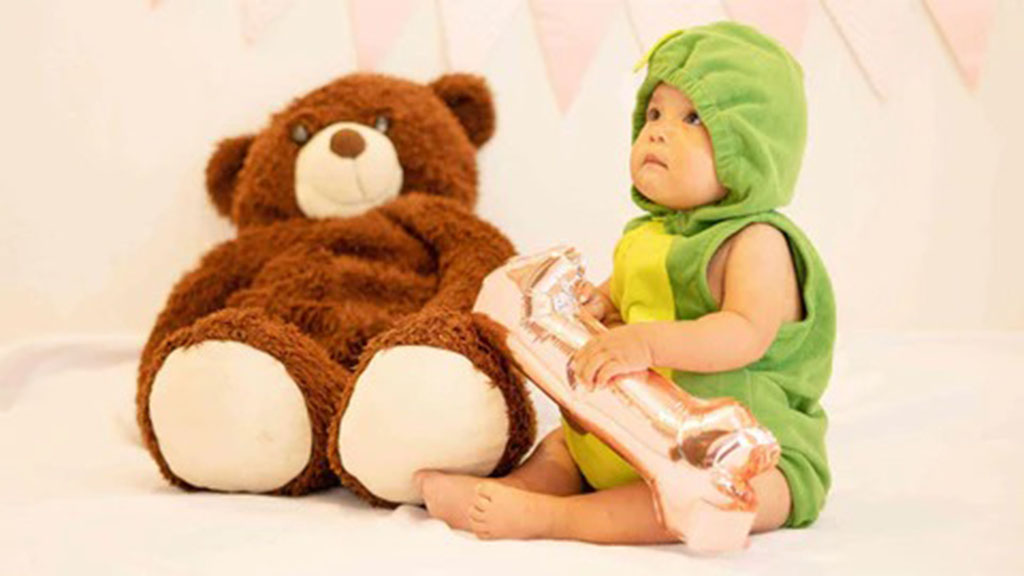
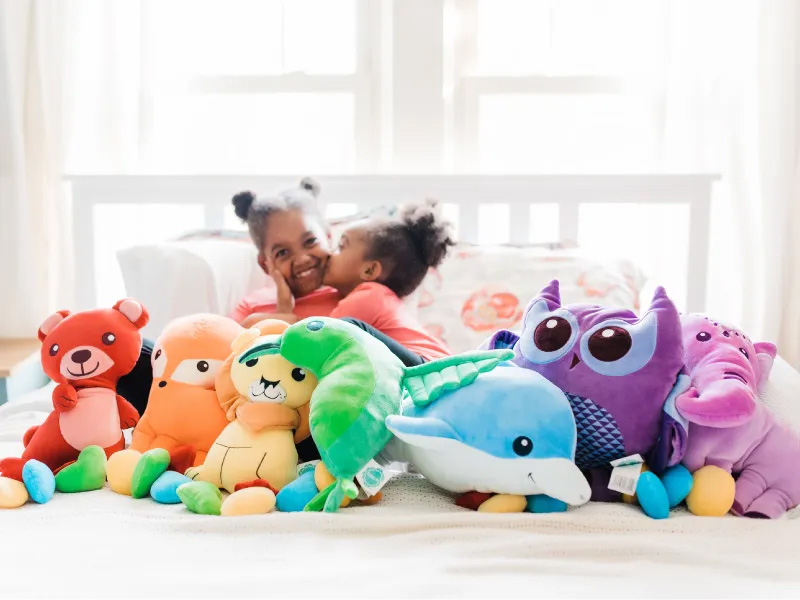
Buyer intent splits the field. Parents shopping for cuddle play focus on washability, soft face panels, and price tiers that work for birthday and holiday gifts. Teens and adults shopping for décor or collecting want tonal palettes, sit-stable silhouettes, edition tags, and tasteful packaging. Mass retail needs evergreen animals and simple care; collectible channels accept limited runs, artist collabs, and a higher price for faux-fur builds, edition cards, and gift boxes.
“Stuffed animal” in titles signals classic kids’ play and value tiers, especially in U.S. marketplaces. “Plush/plushie” leans material-led and can sit in both kid and adult worlds. If you add weighted bases (gently), the item reads “comfort/décor,” which supports higher perceived value without changing age grading—just keep the safety pouches and leakage tests in place.
Table 5 — Positioning Matrix
| Axis | Kids’ cuddle (mass) | Tween/teen décor | Adult collectible |
|---|---|---|---|
| Title cue | “Stuffed Animal” + size | “Plush” + décor tone | “Plush” + edition/collab |
| Materials | Short-pile minky/velboa | Velboa face + faux-fur body | Premium faux fur; mohair (14+) |
| Features | Washable; no pellets (0+) | Sit-stable; optional light weight | Edition tag; gift box |
| Price posture | Entry → mid | Mid → mid-premium | Premium/limited |
Which naming and SEO choices maximize discoverability without confusing shoppers?
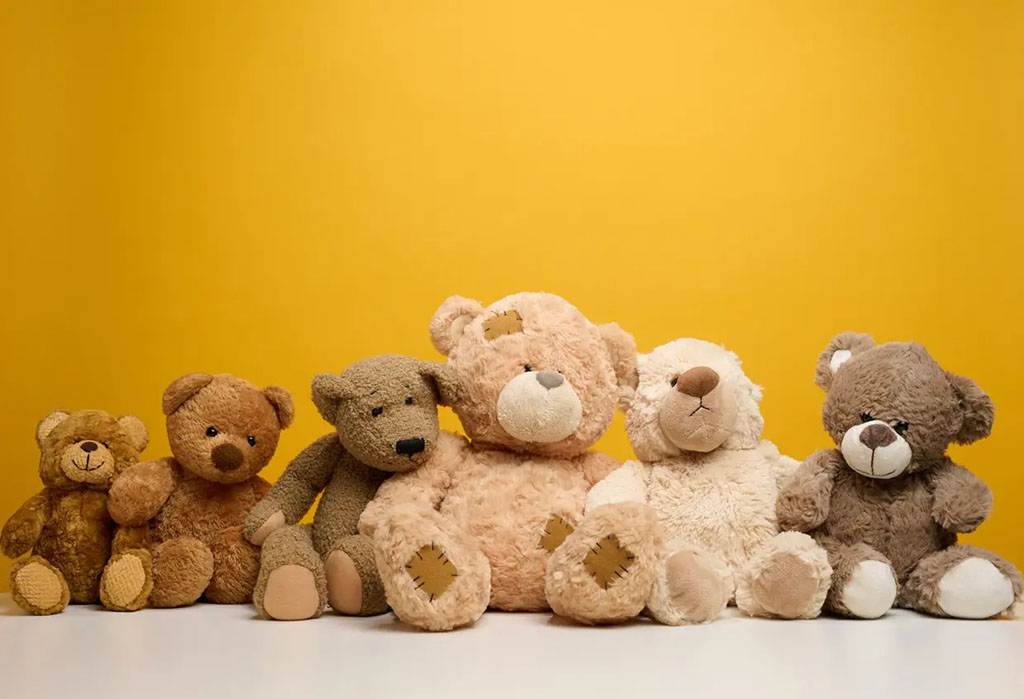
Use shape words in titles and material words in attributes. In the U.S., your safest title for animals is:12" Fox **Stuffed Animal (Plush Toy)** — Minky Shell, Embroidered Face
In the UK/EU, switch the noun and units:30 cm Fox **Soft Toy – Plush Fabric** — Embroidered Face
Keep plush in bullets, attributes, and alt text so filters catch it. Spread synonyms naturally through PDP copy: stuffed animal, plush toy, soft toy. Avoid keyword stuffing. Always include clear size (inches and centimeters), fabric type (minky/velboa/faux fur), and care (gentle machine or surface + brush note). For collectible runs, add edition tags and a short drop calendar on your brand site or socials.
Table 6 — Naming & SEO Playbook
| Element | U.S. | UK/EU | Why it works |
|---|---|---|---|
| Title noun | “Stuffed Animal” | “Soft Toy” | Matches local search |
| Material flag | “(Plush Toy)” + bullets | “Plush Fabric” + bullets | Captures material filters |
| Units | Inches (show cm too) | Centimeters (show in too) | Reduces returns |
| Alt text | “12 inch fox plush stuffed animal” | “30 cm fox soft toy plush” | Image SEO clarity |
| Content | Texture macro + scale-in-hand | Styled room + scale-in-hand | Sets expectations |
Implementation playbook (quick start)
- Decide audience: cuddle play (kids) vs décor/collectible (older users).
- Specify fabric by numbers: GSM, pile height, stitch density, backing type.
- Lock trims by age: embroidery for 0+; qualified eyes/nose for 3+; double-pouched pellets if weighted.
- Sample in two steps: Soft #1 (silhouette) → Soft #2 (face clarity, fill grams, SPI).
- Test by lots: EN71/ASTM/CPSIA with CPC/DoC + tracking labels; re-test after dye-lot or trim changes.
- Write titles region-wise; keep plush in bullets/attributes.
- Shoot truthfully: texture macro, scale-in-hand, seated stability, and a 10–15s squeeze video.
Conclusion
Here’s the bottom line: “stuffed animal” is a shape word; “plush/plushie” is a material word. Use both wisely. Build short-pile faces for clarity, add faux-fur where it helps the story, and keep trims aligned with age grading and tests. With clear titles, real specs, and honest photos, you’ll reach the right shopper without confusion—and you’ll pass audits the first time. If you want help turning these rules into retail-ready specs and photos, email [email protected] or visit kinwintoys.com. My team at Kinwin can take you from brief to PPS to on-time mass with plush that feels great and sells.