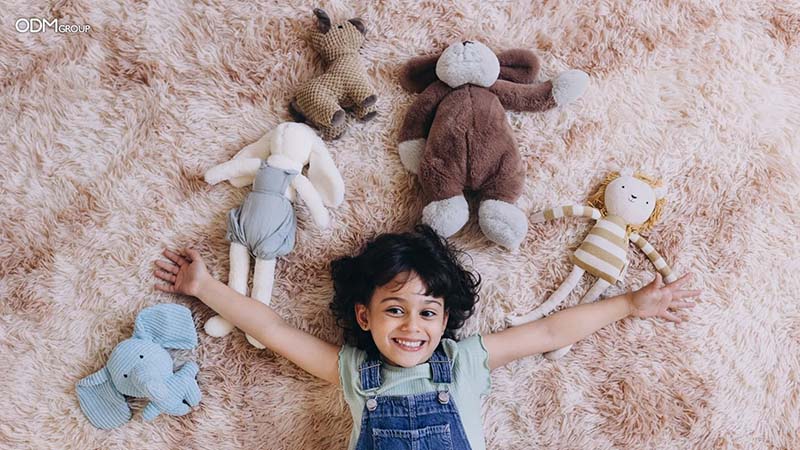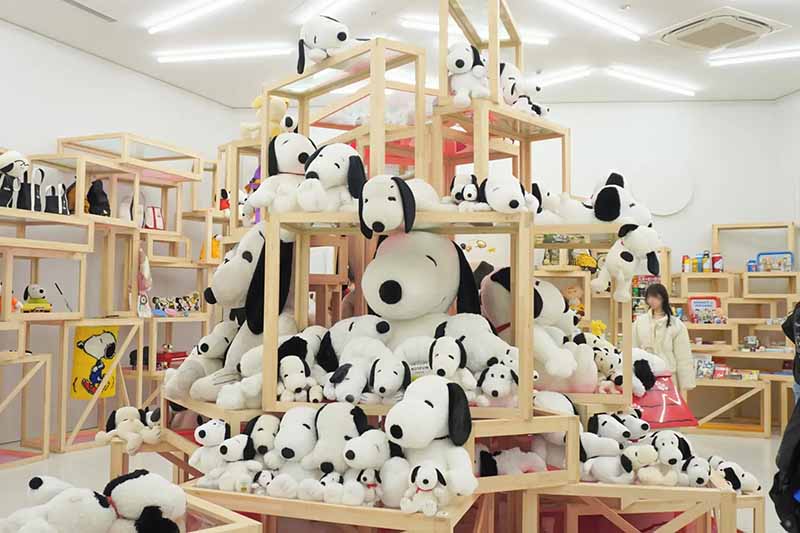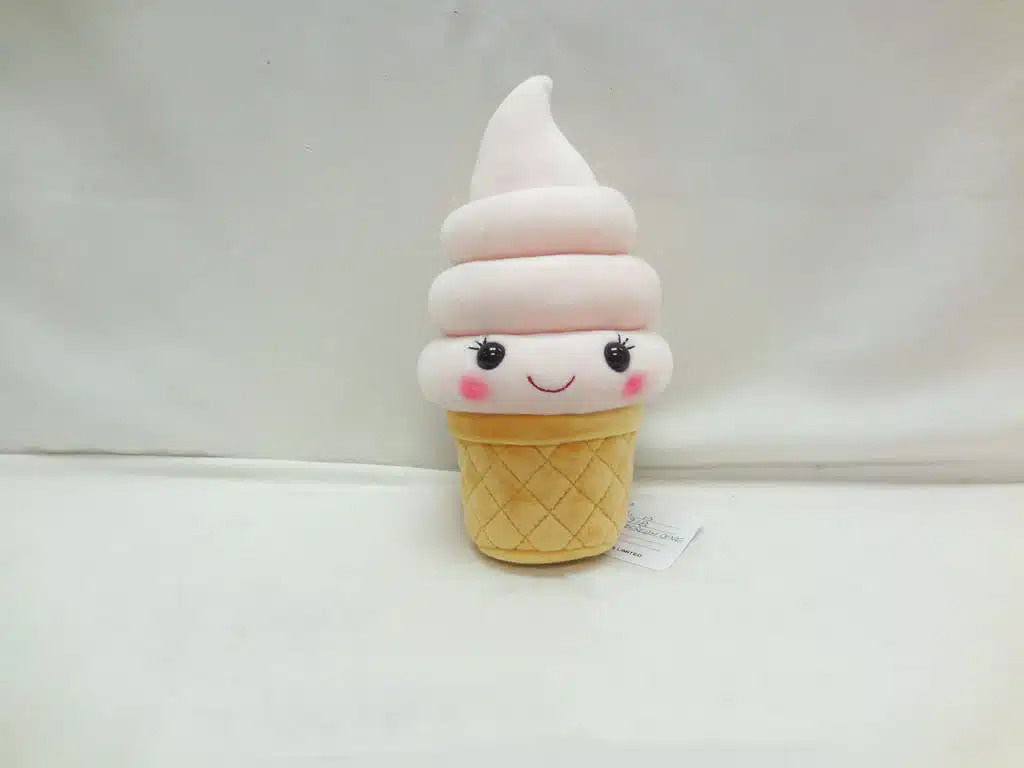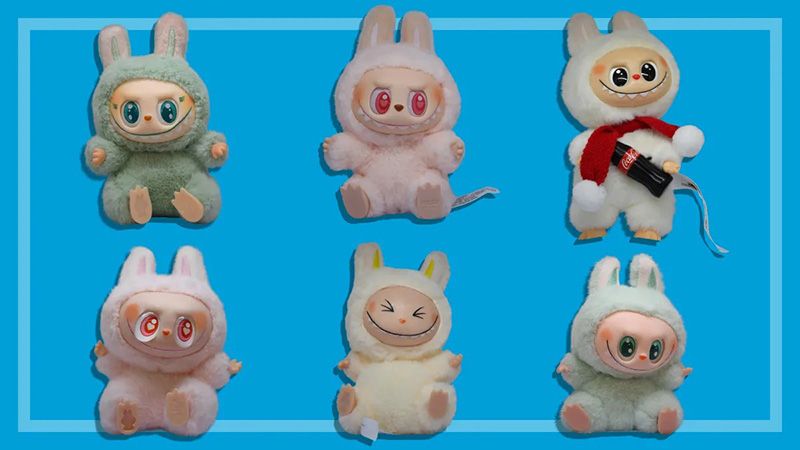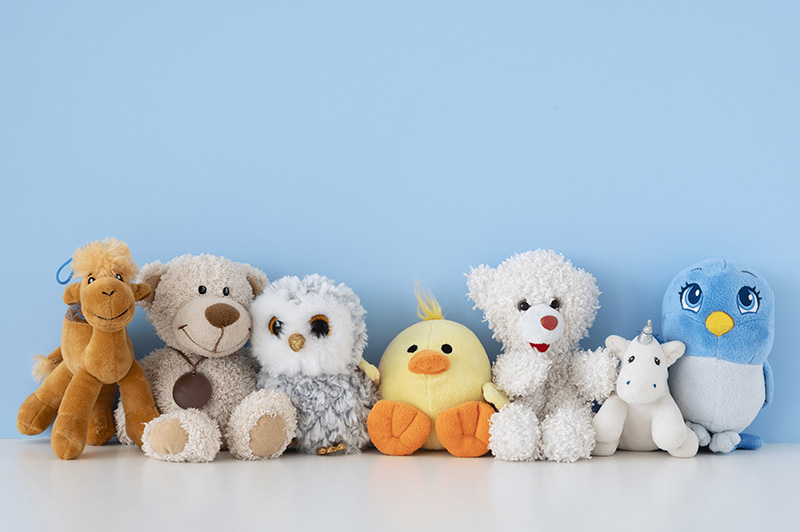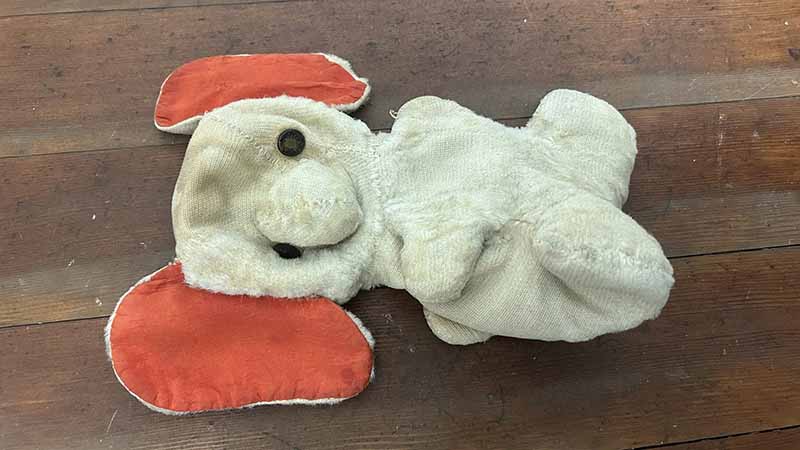
When buyers say “stuffed animals,” they are actually talking about many different product types: baby loveys, realistic dogs, kawaii characters, giant décor plush, weighted comfort toys, and more. Each category has its own materials, safety needs, and price logic.
The most successful plush ranges are not random mixes. They are smart portfolios: clear categories, clear users, and clear roles in your assortment. In this guide, I’ll walk you through the main stuffed animal types we see at Kinwin, and how you can use this structure to plan your next collection or sourcing strategy.
What major categories define today’s stuffed animal types?
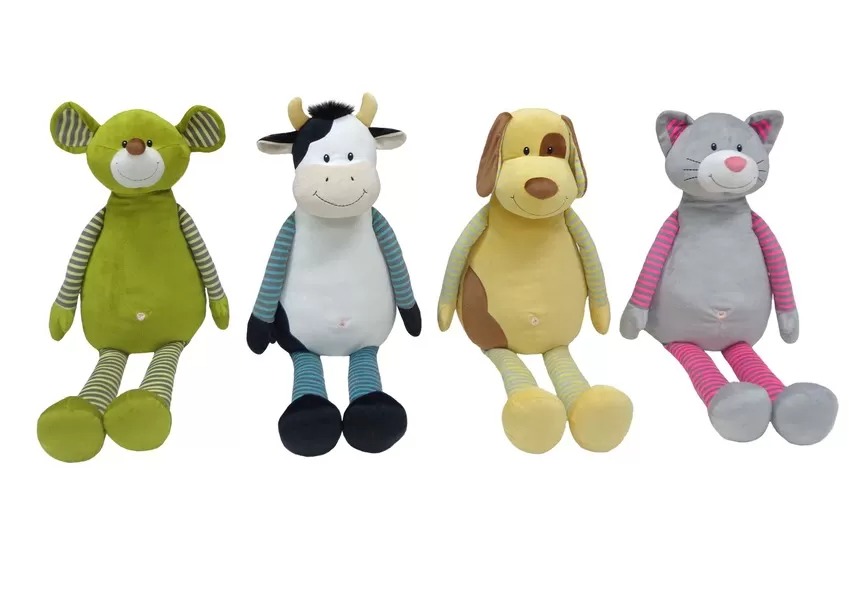
When we look at global orders, stuffed animals naturally fall into a few big families. Understanding these families helps you plan line-ups, choose price points, and avoid overlap on the shelf or online.
At a high level, we can group stuffed animals by purpose and user experience: baby-safe comfort, everyday huggable plush, realistic animals, décor and lifestyle plush, collectible and character lines, and specialized functional toys (like weighted or scented plush).
Main stuffed animal categories
| Category | Key Traits | Typical Users / Channels |
|---|---|---|
| Baby & toddler plush | Soft, embroidered features, strict safety focus | Nursery, baby gifts, early childhood retail |
| Classic huggable plush | Medium size, friendly shape, everyday play | Toy stores, gift shops, general e-commerce |
| Realistic & breed-specific plush | Detailed shapes, natural colors, lifelike proportions | Zoo shops, pet lovers, collectors |
| Kawaii / stylized characters | Big heads, simplified bodies, strong “cute” expression | Teens, young adults, fandom and lifestyle shops |
| Décor & cushion-style plush | Flat or oversized, interior-friendly colors | Home décor, lifestyle, stationery, bookshops |
| Specialty & functional plush | Weighted, scented, warming, storage or pillow hybrids | Wellness, sensory, gift and niche e-commerce |
| Licensed & IP-based plush | Movies, games, cartoons, brand mascots | Chain retailers, entertainment partners |
As a buyer, mapping your current assortment against these categories quickly shows you where you are strong, where you are crowded, and where you still have room to grow.
How do fabrics and fillings differentiate various plush constructions?
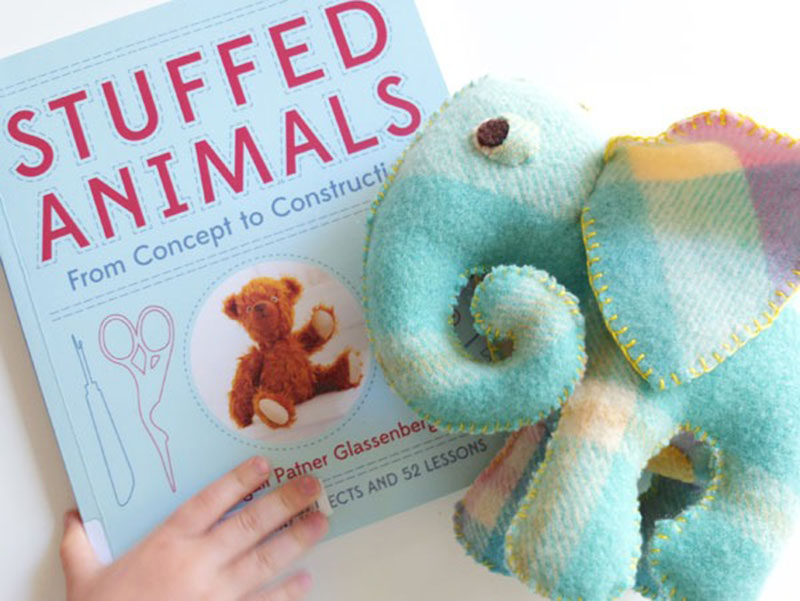
Two toys can look similar in photos but feel totally different in real life. A big part of that difference comes from fabric choice and stuffing design. These decisions define texture, weight, price level, and long-term durability.
For most projects, we start with a simple question: Is this plush meant to be ultra-soft and floppy, or more structured and realistic? From there, we choose pile length, fabric type, and stuffing density to match the goal.
Fabric and filling combinations by type
| Plush Type | Typical Fabric Choices | Common Filling Approach |
|---|---|---|
| Baby & toddler plush | Short-pile minky, velboa, soft fleece | Light-to-medium polyester fiberfill |
| Classic huggable plush | Medium plush, minky, velboa | Medium-density fiberfill for balanced softness |
| Realistic & breed-specific plush | Faux fur, short pile plush, printed fabrics | Structured filling, sometimes foam + fiber mix |
| Kawaii / stylized characters | Smooth minky, fleece, brushed plush | Softer filling, sometimes slightly under-stuffed |
| Décor & cushion-style plush | Plush + cotton blends, textured fabrics | Denser fiberfill or cushions with foam elements |
| Weighted / sensory plush | Strong-backed plush, reinforced seams | Fiberfill + inner bags of pellets or glass beads |
| Licensed & IP-based plush | Fabrics matched to character style | Filling tuned to stand, sit, or pose as required |
H3: How construction changes the feel
- Soft baby plush use very gentle, low-shedding fabrics and flexible stuffing so they feel safe and comforting in small hands.
- Realistic plush may use structured internal panels or slightly firmer stuffing in the legs and torso so the animal can stand or sit naturally.
- Weighted plush need carefully divided compartments inside, so pellets do not all fall to one corner; seams and inner bags must be reinforced.
When you brief a factory, explaining your target feel (“cloud-soft,” “structured but huggable,” “weighted and grounding”) helps us choose materials and stuffing layouts that match your market positioning.
Which design styles suit different age groups and user needs?
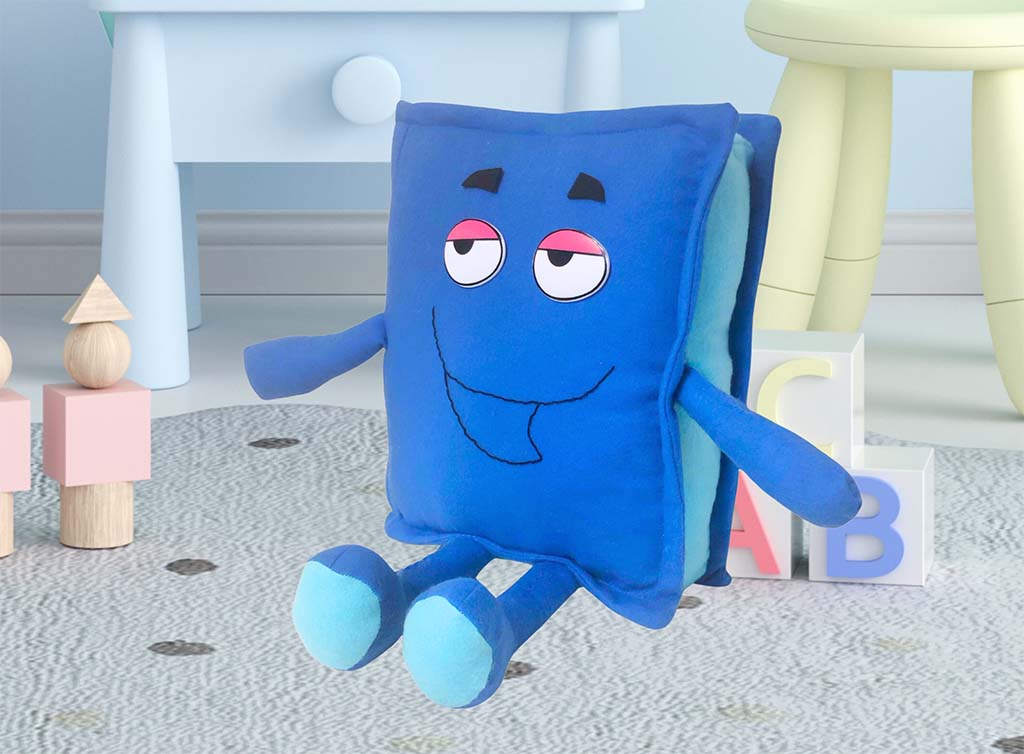
Age and use case strongly influence which stuffed animal types perform best. A baby, a six-year-old, a teen, and an adult collector do not want the same plush—even if all of them love cats or bears.
Design style includes proportions, facial expression, color palette, and complexity. Matching style to audience keeps returns lower and reviews stronger.
Design styles by age and need
| User Group / Need | Best-Fit Design Styles | Notes |
|---|---|---|
| Babies (0–3 years) | Simple faces, big soft shapes, low-contrast colors | No hard parts; strong focus on safety and washability |
| Young children (3–8) | Expressive animals, bright or friendly colors | Clear characters; easy to hold and carry |
| Tweens / Teens | Kawaii, trendy animals, fantasy creatures | Strong style identity; social-media friendly |
| Adult sleepers / comfort | Calm colors, minimal faces, ergonomic shapes | Hugging or body-pillow designs, sometimes weighted |
| Collectors | Realistic breeds, limited editions, detailed finishes | Display quality, story and packaging matter |
| Décor and lifestyle buyers | Neutral tones, stylized shapes, design-led forms | Must fit interior style as well as being cute |
H3: Matching style to emotional role
- For comfort and sleep, adults usually prefer softer palettes and simple, gentle faces.
- For play and imagination, children respond more to expressive eyes, clear smiles, and bold contrasts.
- For collecting and display, details like fur pattern, eye depth, and realistic posing become more important than soft “squish.”
When planning a line, it helps to write a one-line role for each style: “bedtime comfort bunny for toddlers,” “aesthetic cat for teen bedroom décor,” “realistic fox for zoo gift shop,” and so on.
How are stuffed animals grouped across retail, collectible, and promotional markets?
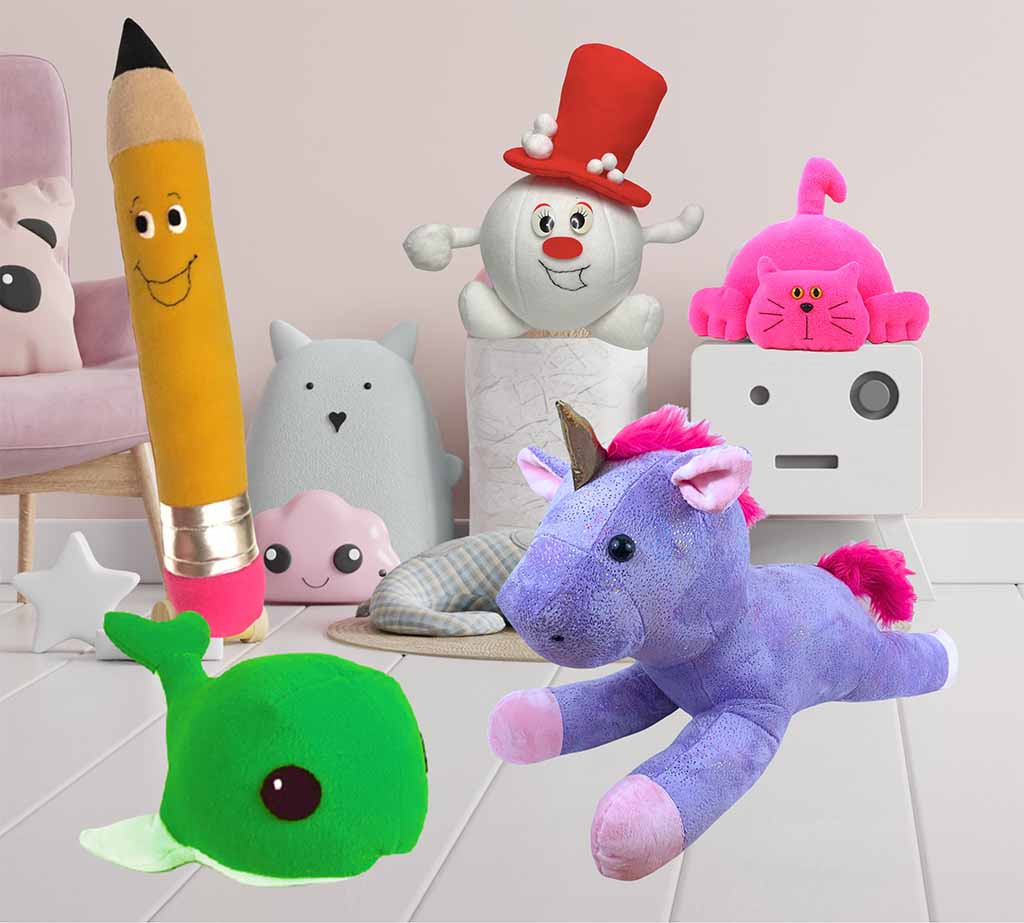
Stuffed animals move in very different “worlds”: toy aisles, gift shops, museum stores, theme parks, online drops, corporate promotions. Each world groups plush types differently and expects different price points, branding, and packaging.
If you know your main channel, you can design both product and story around that channel’s habits.
Market segments and their plush focus
| Market Segment | Typical Plush Role | Key Priorities |
|---|---|---|
| Mass toy retail | Core animal characters, licensed IP | Price ladder, safety, strong shelf impact |
| Specialty toy & gift | Unique animals, high-cute or artisanal styles | Differentiation, softness, storytelling |
| Collectible / hobby | Limited runs, special editions, signed pieces | Detail, rarity, packaging, fan engagement |
| Museum / zoo / aquarium | Realistic local animals, educational plush | Species accuracy, quality, sustainable story |
| Lifestyle & décor | Minimalist or aesthetic animals, cushions | Interior fit, texture, packaging as home goods |
| Corporate & promotional | Mascot plush, logo placement, campaign themes | Brand colors, simple shapes, cost control |
| Online-only DTC brands | Bold stylized ranges, strong brand narrative | Social media appeal, unboxing experience |
H3: Adapting one design for multiple segments
A single base animal design can be adapted:
- Soft, simple version for mass toy retail.
- Premium fabric and details for a collectible or lifestyle line.
- Logo-branded version for promotional gifting or events.
Working with one factory across these variants helps keep shape consistent while allowing you to adjust fabrics, trims, and packaging per segment.
What features distinguish basic plush toys from specialty or functional types?
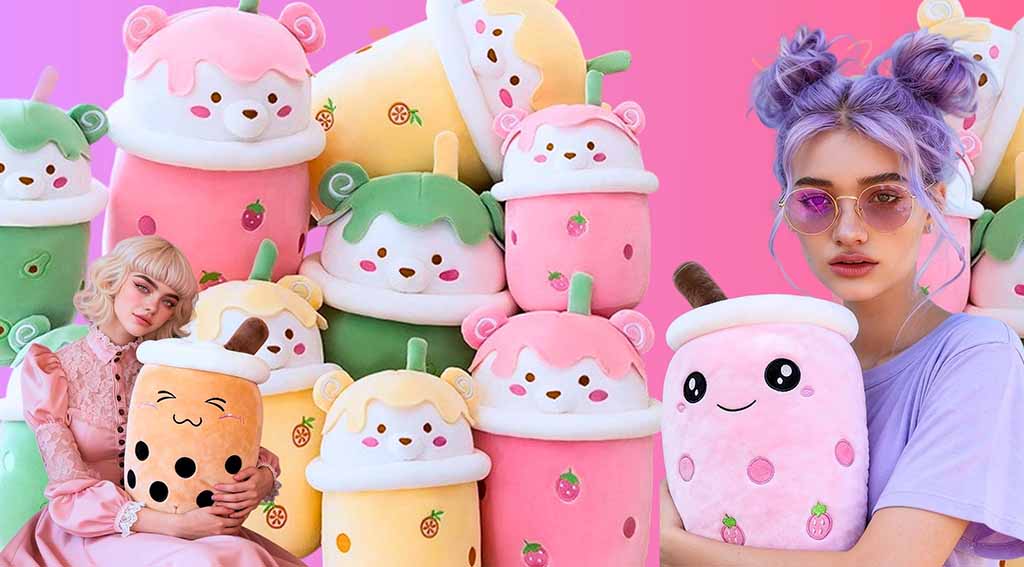
Not all stuffed animals are just for hugging. In recent years, we have seen strong growth in specialty plush: weighted plush, sensory-friendly plush, plush with pockets or blankets, and plush that double as décor or storage.
Basic plush toys focus on softness, cuteness, and price. Specialty plush adds extra function: emotional regulation, sensory input, ergonomic support, or multi-use design. These extra features change both construction and testing requirements.
Basic vs. specialty stuffed animals
| Type | Core Features | Extra Requirements |
|---|---|---|
| Basic plush toy | Soft body, simple stuffing, standard shape | Standard safety testing, general retail use |
| Weighted plush | Inner pellet bags, mapped weight distribution | Strong seams, compartment tests, age labeling |
| Sensory plush | Different textures, tags, crinkle or sound | Additional component testing, durability |
| Plush + blanket / pillow | Built-in blanket, foldable design, zipper/velcro | Hardware safety checks, functional testing |
| Light or music plush | Electronics module, battery compartment | Electrical safety, secure screw closure |
| Storage plush (plush bags, organizers) | Zippers, pockets, larger internal volume | Hardware & stitching reinforcement |
H3: When to upgrade from basic to specialty
You might choose specialty features when:
- Your brand wants to enter wellness or sensory markets with weighted or calming plush.
- You want to turn plush into a higher-value gift item (plush-with-blanket sets, plush cushions).
- Your customer base is already saturated with standard teddy bears and animals, and you need a more distinct selling point.
Each step up adds design and testing complexity. The key is to be very clear on the functional promise: “weighted bunny for anxiety relief,” “folding plush pillow for travel,” etc. That promise will drive both design and marketing.
How do trends, licensing, and culture influence modern stuffed animal categories?
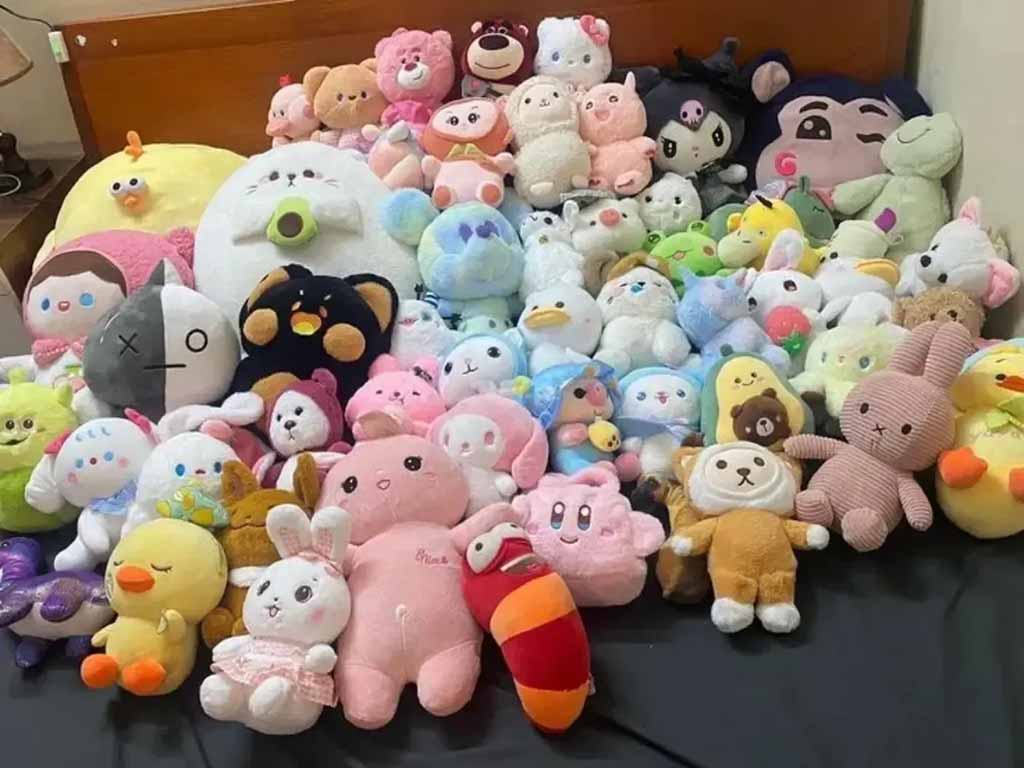
Stuffed animal types do not live in a vacuum. They are heavily influenced by media, fashion, internet culture, and regional traditions. What sells in Tokyo or Seoul is not always the same as what sells in midwestern USA or in European design shops.
Trends can reshape categories: kawaii plush made teen and adult plush normal. Weighted plush connected plush with mental health and sensory support. Social media made “shelfie-ready” and “Instagrammable” designs a category by itself.
Influence factors on stuffed animal types
| Influence Source | How It Shapes Categories |
|---|---|
| Film, TV, games, IP | Creates licensed plush families and fan-driven demand |
| K-pop / J-pop / kawaii | Boosts big-head, stylized, pastel plush for all ages |
| Social media | Drives demand for photogenic, “aesthetic” animals |
| Wellness & mental health | Strengthens weighted, calming, sensory plush segments |
| Local culture & holidays | Regional animals, festival mascots, seasonal themes |
H3: Planning around trends without losing core identity
As a brand or retailer, it is easy to chase every trend and lose your own character. My suggestion is:
- Choose 1–2 core categories that express your brand (for example, kawaii cats and minimalist décor bears).
- Layer trends on top of these cores, rather than starting from zero each time.
- Use limited colorways, seasonal accessories, or special fabrics to “touch” a trend (like a pastel wave or a certain meme style) without rebuilding all patterns.
Working with the same factory over time lets you reuse proven bodies and patterns, and simply update surfaces and accessories to follow trends in a controlled way.
Conclusion
Today’s stuffed animal world is much more than “a teddy bear and a bunny.” As soon as you start to map categories—by purpose, fabric, audience, channel, and trend—you see clear families: baby comfort, classic play, realistic animals, kawaii styles, décor plush, weighted and functional plush, and licensed characters.
At Kinwin, we help buyers structure their plush plans around these families, then design or adapt products so each category is clear, safe, and profitable. If you’re planning a new stuffed animal line or want to reorganize your current assortment into a sharper, more strategic range, you’re very welcome to contact me at [email protected] or visit kinwintoys.com to explore how our factory can support your next project.