Most plush sourcing disasters don’t happen because the buyer “didn’t know plush.” They happen because the supplier looked fine online… and the buyer missed early warning signs that were actually very clear.
An unreliable supplier usually creates the same pattern: low transparency, weak process, inconsistent samples, and vague communication. The earlier you spot it, the cheaper it is to fix—because once you pay a deposit and production starts, your options shrink fast.
In this guide, we’ll go through the clearest red flags buyers use to filter suppliers before they become problems. We’ll start with the most common warning signs overall.
What are the most common warning signs of an unreliable plush supplier?
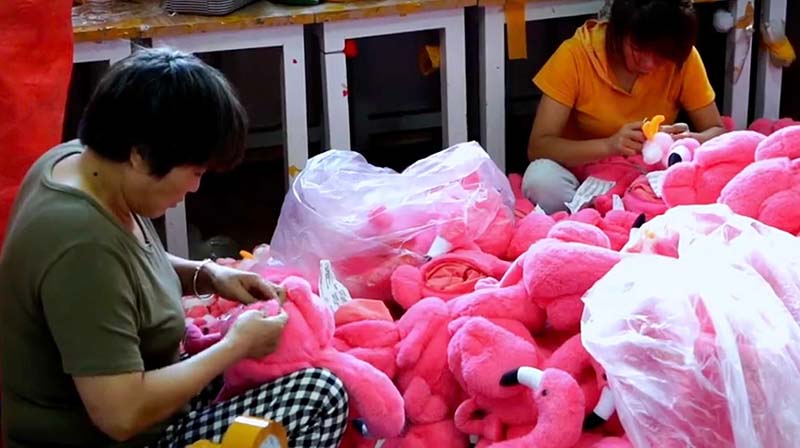
Unreliable suppliers often don’t fail in one dramatic way. They fail in lots of small ways that add up: unclear answers, missing proof, rushed payment requests, and “yes, yes, yes” promises that don’t match reality.
Which early behaviors usually mean the supplier will cause problems later?
These are the red flags that show up early—often in the first few days:
- They rush you to pay before confirming specs
If they push for deposit/sample payment without clearly confirming size, materials, logo method, accessories, packaging, and target market, they’re likely guessing—and guessing causes defects. - They avoid showing real factory proof
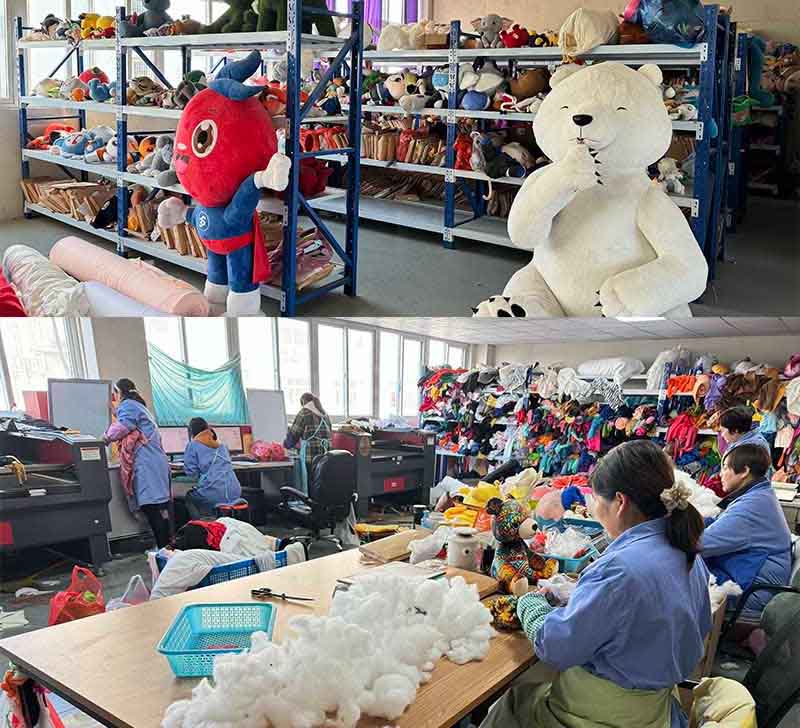
No workshop walkthrough video, no WIP photos, no production floor—just pretty finished product images. That’s not proof. - They overpromise on everything
“Any MOQ, any timeline, any certification, any complexity, no problem.”
Real factories talk about tradeoffs. Unreliable ones talk like sales ads. - Their company identity feels inconsistent
Different names on WhatsApp, invoice, and bank account. This is one of the biggest risk signals, especially for overseas buyers. - They can’t explain basic manufacturing logic
Ask something specific like:- “How do you control face embroidery placement in bulk?”
- “Do you provide a pre-production sample (PPS)?”
Reliable suppliers answer with process. Unreliable ones answer with “don’t worry.”
What “fast verification tests” expose unreliable suppliers quickly?
You can test reliability without spending a lot of time. Here are quick requests that reveal the truth:
- Ask them to summarize your specs back to you
Size, fabric, logo method, accessories, packaging, target market.
Reliable suppliers can do this cleanly. Unreliable ones miss details. - Request a short workshop video
Cutting → sewing → stuffing → packing.
Unreliable suppliers often avoid it or send unrelated footage. - Ask for a milestone timeline
Sampling → materials → production → QC → packing → ship.
Unreliable suppliers give vague answers like “about 20–30 days.” - Ask how they classify defects
Critical / major / minor, and what happens if defects exceed the standard.
Unreliable suppliers don’t like measurable standards.
Quick Table: Common Unreliable Supplier Signals
| What you check | Reliable supplier behavior | Unreliable supplier behavior |
|---|---|---|
| Spec confirmation | Clear written summary | Vague, missing key details |
| Factory proof | Workshop video + WIP photos | Only finished product photos |
| Timeline | Milestones + realistic steps | One vague total number |
| Technical answers | Explains tradeoffs | “No problem” with no details |
| Company identity | Names match across docs | Different names everywhere |
| Defect/QC thinking | Clear defect rules | Avoids measurable standards |
If you’re currently comparing suppliers and want to reduce risk fast, you can send Kinwin your design reference and requirements—we can point out the most common risk areas and suggest the safest production approach.
Which quote and MOQ behaviors usually signal hidden risk?

Pricing and MOQ are where unreliable suppliers “look best” on paper—because it’s easy to win a quote war by hiding costs, skipping quality steps, or making promises they can’t keep.
A trustworthy supplier explains why the price is what it is. An unreliable one throws out a low number and hopes you won’t ask questions until it’s too late.
What quote patterns usually mean the price is not real?
Watch for these common “hidden risk” patterns:
- A quote that’s much lower than everyone else
If 4 suppliers quote around $3.20–$3.80 and one quotes $2.10, that doesn’t mean they’re a genius. It often means:- cheaper fabric/filling will be substituted later
- embroidery density will be reduced
- accessories/packaging are not included
- QC is minimal
- the quote is a “hook” to get your deposit
- No breakdown at all
A reliable supplier can explain the cost drivers:
fabric, embroidery/printing, accessories, packaging, sample cost, testing support.
Unreliable suppliers avoid breakdowns because the quote isn’t stable. - Price changes after sampling
It’s normal for price to adjust slightly if you change materials or details.
It’s risky when the supplier suddenly says:
“Price is higher now” without clear reasons or written change logic. - “All-in” pricing that hides important exclusions
Example: “Price includes everything” but later you learn hangtags, polybags, or carton packing are extra.
Which MOQ behaviors are the biggest warning signs?
MOQ itself isn’t bad—every factory has production realities. The problem is unstable or manipulative MOQ behavior.
Red flags include:
- MOQ changes after you approve the sample
Example: sample done, then they say MOQ is higher because “fabric is special” or “accessory is hard.”
A reliable supplier should clarify MOQ logic before sampling. - MOQ used as pressure
“You must order 5,000 or we cannot do it”—but they still claim they can do any design and any timeline.
Sometimes this is real, sometimes it’s a tactic. - Very low MOQ for complex custom plush
If your plush has clothing, accessories, special printing, and many colors, an extremely low MOQ can mean:- they’re outsourcing to unknown workshops
- quality control will be weak
- they may not prioritize your order
Quick Table: Quote & MOQ Red Flags
| What you see | What it often means | What to do |
|---|---|---|
| Quote far below market | Hidden cost or lower materials | Ask for breakdown + material list |
| No cost explanation | Quote not stable | Request itemized quote |
| Price jumps later | Poor planning or bait tactic | Require written change-control rule |
| “Includes everything” but vague | Exclusions coming later | Confirm packaging, tags, cartons in writing |
| MOQ changes after sample | Weak transparency | Lock MOQ to material list in contract |
| Unrealistically low MOQ | Outsourcing / weak control | Ask who produces + request factory proof |
How do inconsistent samples reveal weak manufacturing control?
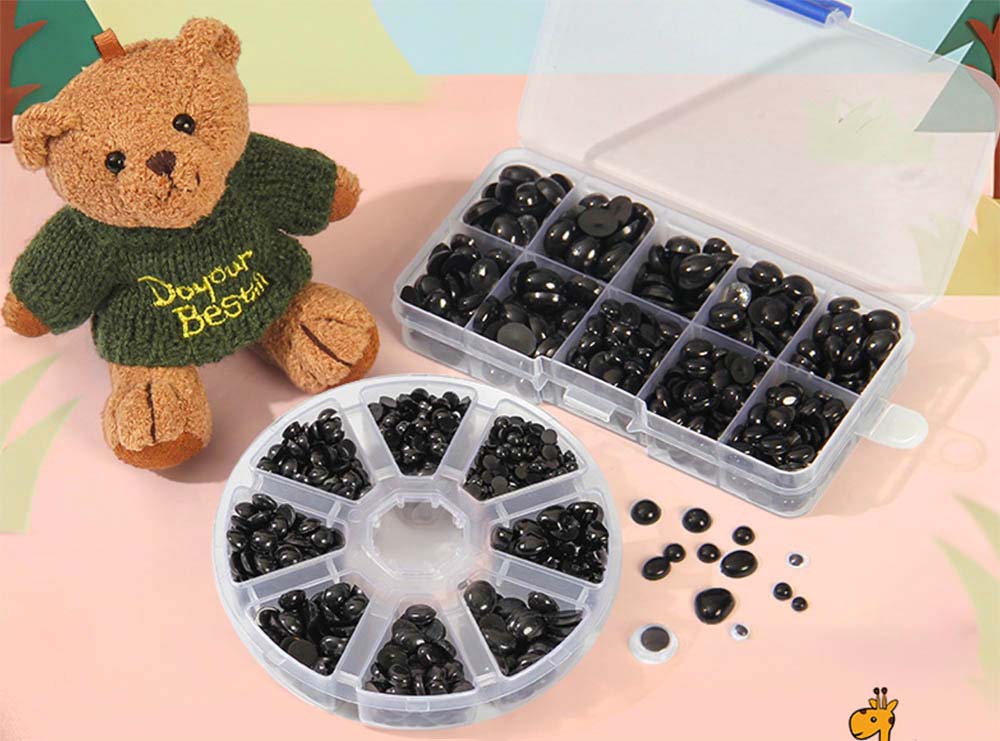
Sampling is the fastest way to see if a supplier has real control—or if they’re “making it up as they go.” In plush manufacturing, the sample stage should feel like a controlled process: you give feedback, they implement changes, and quality improves in a measurable way.
With unreliable suppliers, sampling often looks chaotic:
- Sample 1 is off
- Sample 2 is still off (but in different ways)
- They can’t explain what changed
- Timelines slip with no clear reason
That’s not “normal sampling.” That’s weak control.
What sample problems predict even worse bulk production?
If you see these issues in samples, they usually get worse in mass production:
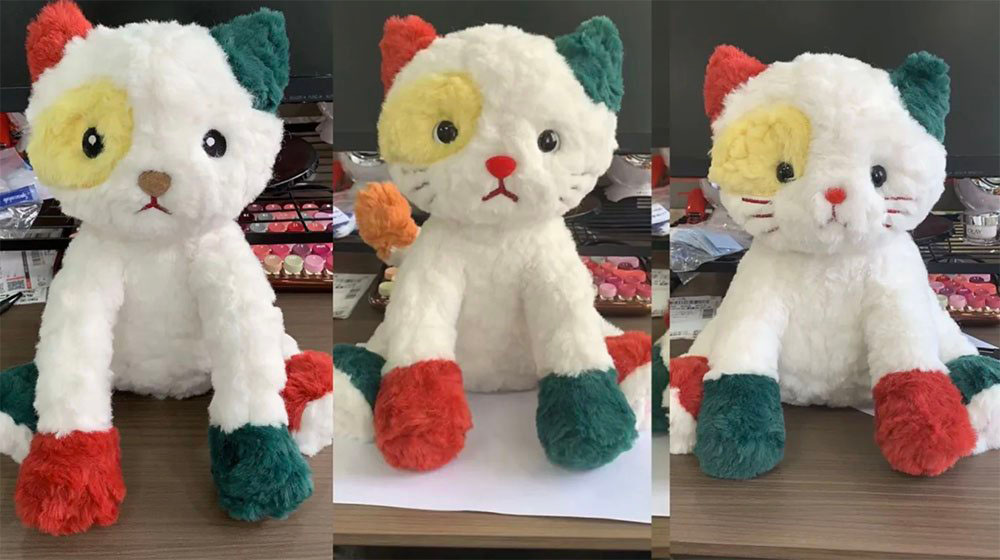
- Face inconsistency
Crooked eyes, drifting embroidery, different facial expressions between samples.
If they can’t control the face on one sample, they won’t control it on 1,000 pieces. - Shape and measurement instability
Sample sizes that change without explanation, uneven limb lengths, twisted bodies.
Good factories track patterns and measurement points. Weak factories “eyeball it.” - Stuffing inconsistency
Lumps, hard spots, uneven firmness.
This usually means poor stuffing standards and weak in-line QC. - Material substitutions without permission
If the sample uses one fabric and the next sample quietly uses another (“similar fabric”), you should be very careful—this often continues into bulk.
What sampling behavior shows the supplier has no real process?
A good supplier runs sampling like a mini project. An unreliable supplier treats sampling like “try again.”
Red flags include:
- No clear revision notes
You ask: “What changed from Sample 1 to Sample 2?”
They answer: “We adjusted it.”
That’s not acceptable. You need written change points. - They keep blaming you
“Your design is impossible,” “You are too picky,” “This is handmade so cannot be consistent.”
Real factories propose solutions and tradeoffs instead of blaming. - They don’t offer a pre-production sample (PPS)
PPS matters because it’s the closest to real bulk conditions.
If they don’t understand PPS, they may not have a stable bulk workflow. - Sampling timeline feels random
“Tomorrow” becomes “next week,” with no milestone explanation.
Quick Table: Sample Inconsistency Red Flags
| What you notice | What it likely means | Why it’s risky |
|---|---|---|
| Face changes each sample | No placement control | Bulk will be inconsistent |
| Sizes drift | Pattern not standardized | Reorders won’t match |
| Stuffing varies | No stuffing standard | Customer complaints/returns |
| Fabric changes quietly | No material control | “Cheap substitution” risk |
| No revision notes | Weak project management | Endless sampling loop |
| No PPS stage | Weak bulk consistency system | Bulk won’t match sample |
What compliance and testing gaps should make you walk away?

If you’re selling plush as a product (especially for kids), compliance is not “extra.” It’s the difference between a smooth import and a nightmare: customs holds, marketplace takedowns, returns, or legal exposure.
Unreliable suppliers often treat compliance like a marketing word—“Yes, we can pass”—but they can’t explain what actually needs to be tested, or they try to avoid documentation completely.
Which compliance behaviors show the supplier doesn’t understand real safety requirements?
These are the biggest warning signs:
- They can’t ask you basic compliance questions
A supplier who understands compliance will ask:- Where will you sell? (US/EU/UK)
- What is the age grade? (0+, 3+, 8+)
- Is it a toy or promotional gift?
If they never ask these, they’re likely guessing.
- They promise “any certificate” without details
Real compliance is SKU-specific and depends on materials, construction, and market.
If they say “We can do all certifications” but can’t explain scope or process, that’s a red flag. - They push you to reuse old reports that don’t match your product
Test reports should match your actual plush design, material set, and production batch.
If they try to sell you a random EN71/ASTM “paper,” that’s risky. - They don’t understand safety-driven construction
For example, if you’re selling for young children, the supplier should naturally discuss:- embroidered eyes vs plastic eyes
- reinforcement for accessories and seams
- safer attachment methods
If they ignore these topics, your test failure risk goes up.
What specific testing and documentation gaps are “hard stop” red flags?
Here are the compliance gaps that usually justify walking away:
- Refusing to support third-party testing
Even if you pay for the test, a good supplier will support material info and test-ready production samples. - No material traceability at all
They can’t tell you what fabric and filling they used, or they won’t share basic component specs. - No willingness to follow labeling/packaging requirements
If your market requires warnings or specific labeling, and the supplier treats it as “not important,” they will create problems later. - Dodging written confirmation
If they won’t put compliance-related commitments in writing (materials, construction method, sample standard), it’s usually because they can’t control it.
Quick Table: Compliance “Walk Away” Signals
| Red flag | What it suggests | Why it’s dangerous |
|---|---|---|
| Doesn’t ask market/age grade | Compliance ignorance | Wrong build for your market |
| “Any certificate” promises | Paper-focused, not product-focused | Fake confidence, high risk |
| Offers mismatched old reports | Possible document misuse | Customs/platform trouble |
| No safety construction thinking | Weak technical capability | Higher test failure risk |
| Refuses testing support | Low accountability | No compliance pathway |
| Won’t confirm materials in writing | Substitution risk | Reports won’t match product |
How do communication delays and vague answers predict problems?
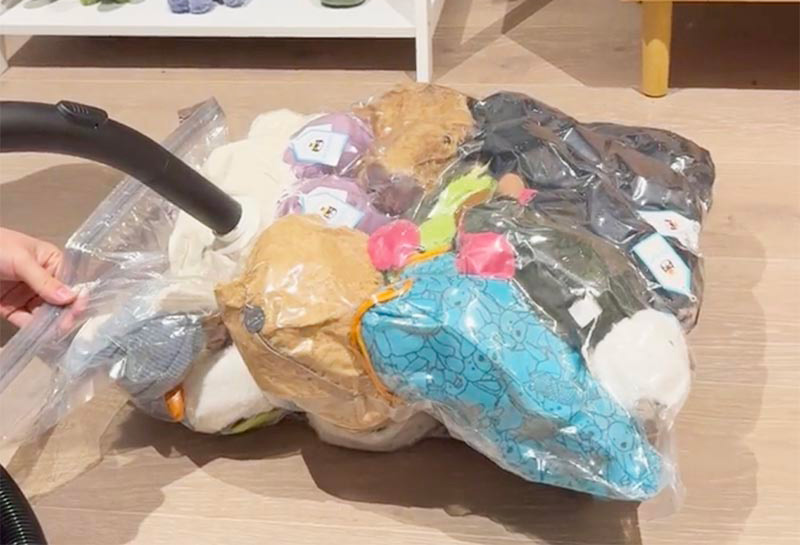
In plush manufacturing, communication isn’t just “nice service.” It’s part of quality control. If a supplier can’t communicate clearly before production, they usually can’t manage details during production—and that’s how you end up with wrong fabrics, wrong face placement, missed timelines, and stressful rework.
Think of communication as an early warning system. The patterns you see during inquiry and sampling usually get worse once they’re busy.
What communication patterns usually lead to quality and timeline failures?
These are the most common “predictor” patterns:
- Slow replies only when questions get specific
They answer quickly to “price?” but become slow when you ask:- material specs
- sample revision notes
- QC checkpoints
- defect standards
This often means they don’t have real answers.
- Vague “yes/no problem” responses
If every answer is “ok” without details, it’s a sign they’re not controlling the process. Plush projects need specifics: size tolerance, embroidery files, accessory methods, packaging specs. - They don’t confirm your requirements back to you
A reliable supplier summarizes specs in writing.
If they refuse or ignore that, misunderstandings will happen. - They change the answer depending on who you talk to
One day they say “minky,” next day they say “velboa,” and nobody explains the change. That’s weak internal coordination. - No proactive updates
If you have to chase for every update, production will be stressful—and late surprises become more likely.
What questions expose “vague supplier” risk quickly?
If you want to test reliability fast, ask questions that require process answers:
- “Please summarize our specs in one message.”
(Size, fabric, logo method, accessories, packaging, target market) - “What are the sampling steps and timeline milestones?”
(Prototype → revisions → PPS, with days) - “What QC checkpoints do you have?”
(Incoming, in-line, final) - “How do you define and handle defects?”
(Critical/major/minor + remedy)
Reliable suppliers answer clearly. Unreliable ones dodge, delay, or reply with one-line “don’t worry” messages.
Quick Table: Communication Red Flags
| What you see | What it usually means | What happens later |
|---|---|---|
| Slow replies to technical questions | Weak capability or hiding info | Wrong specs, delays |
| Only “ok/no problem” answers | No process control | Quality drift in bulk |
| No written spec summary | High misunderstanding risk | “Not what we agreed” disputes |
| Different answers from different people | Poor internal coordination | File/version mistakes |
| You must chase updates | Weak project management | Late surprises and stress |
What contract and payment red flags increase fraud risk?
This is the part where unreliable suppliers can become truly dangerous—because money moves faster than proof. A supplier might look “okay” until they start pushing risky payment requests or refusing basic contract protections.
Fraud risk doesn’t always look like a scam. Sometimes it looks like “normal business” with one or two details that don’t match. Those details matter.
Which payment behaviors are the biggest fraud warnings?
These are the payment red flags buyers should treat as high-risk:
- Bank beneficiary name doesn’t match the contract company
If the invoice/contract is Company A, but they ask you to pay Company B (or a person), pause and verify. This is one of the most common fraud patterns. - They pressure you to pay quickly “to lock price”
Urgency is a classic tactic. Reliable suppliers can hold a quote for a reasonable period and will confirm specs first. - They demand full payment upfront
For custom manufacturing, a staged payment structure is normal. If they refuse any milestone-based approach, risk increases. - They refuse secure payment options
Depending on your business context, using safer methods (like staged payments, inspection-based balance, or platform protections when available) reduces risk. If they push only irreversible methods, be cautious. - They keep changing the payment details
“New bank account,” “different beneficiary,” “use this personal account today.”
Multiple changes is a major warning sign.
Which contract red flags predict disputes (even if it’s not fraud)?
Even if the supplier is not “stealing,” a weak contract sets you up for expensive conflict.
Watch for:
- No binding production standard
If the contract doesn’t state that bulk must match the approved PPS/golden sample + spec sheet, you’ll have no strong leverage when bulk differs from sample. - No change-control rule
If changes after sample approval aren’t controlled in writing, you’ll get surprise costs and timeline shifts. - No defect definition or remedy
If “quality problems” are not defined, every defect becomes an argument. - No inspection window
You need a simple claim window after receipt and a clear reporting method (photos, carton/batch info).
Quick Table: Payment + Contract Red Flags
| Red flag | Why it’s risky | What to do instead |
|---|---|---|
| Payee name mismatch | High fraud/payment dispute risk | Only pay the contract entity |
| Rush pressure | Forces decisions without proof | Confirm specs + proof first |
| Full payment upfront | Removes your leverage | Use deposit + balance after QC |
| Changing bank details | Common scam signal | Verify by official channels |
| No PPS/spec binding | Bulk may not match sample | Contract: PPS is standard |
| No change control | Surprise cost/time | Written approval required |
| No defect/remedy rule | Disputes become endless | Define critical/major/minor + remedy |
Conclusion
Unreliable plush suppliers usually show themselves early—through quote tricks, unstable MOQ, inconsistent samples, compliance gaps, vague communication, and risky contract/payment behavior. The smartest buyers don’t “hope it works out.” They use a checklist and walk away fast when red flags appear.
If you want the safest rule of thumb, it’s this:
A reliable supplier can prove what they claim, explain their process, and put key terms in writing.
An unreliable supplier relies on promises, urgency, and vague answers.
If you’re screening suppliers right now and want a more stable path for custom plush, you can contact Kinwin. Share your design reference, target market, and quantity plan—we’ll give you honest feasibility feedback, a clear sampling and QC plan, and buyer-friendly order terms that reduce risk from the start.