When developing a custom plush toy, many brands want the sampling process to move as quickly as possible. Faster samples mean faster feedback, shorter development cycles, and earlier product launches. However, speed should never come at the cost of accuracy or product quality.
In plush toy manufacturing, sampling is the stage where the design is transformed into a physical prototype. It involves technical evaluation, pattern making, material preparation, sewing, stuffing, and inspection. If any of these steps are rushed without proper preparation, the result may be inaccurate samples that require additional revisions—ironically slowing the process down.
The key to speeding up plush toy sampling is not rushing the work, but preparing the project correctly before development begins. When designs are clear, materials are confirmed, and technical details are organized early, manufacturers can move through sampling efficiently while maintaining high quality.
In this guide, we will explore practical ways to accelerate plush toy sampling without sacrificing design accuracy or production standards.
What preparation should be completed before sampling begins?
The most effective way to speed up plush toy sampling is to complete key preparations before the factory begins development. Many sampling delays occur not during manufacturing, but during the early stages when details are unclear or missing.
When buyers and manufacturers align on the design, materials, and technical requirements in advance, the sampling process becomes much smoother. Engineers can begin pattern development immediately instead of spending time clarifying design questions.
A well-prepared project often moves through sampling much faster than a project that requires frequent clarification.
Confirm the Core Design Concept Before Development
Before sampling starts, the overall design concept should be clearly defined. This includes the character style, proportions, color scheme, and key visual features of the plush toy.
When the core design concept is still evolving during sampling, engineers may need to adjust patterns repeatedly. This can lead to unnecessary revisions and extended development timelines.
By confirming the main design direction early, both the buyer and the manufacturer can focus on refining the prototype instead of redefining the concept.
Provide Reference Images and Multiple Design Angles
Another important preparation step is providing detailed visual references. Plush toys are three-dimensional products, so a single front-view illustration is usually not enough for accurate pattern development.
Providing multiple views—such as front, side, and back—helps engineers understand how the toy should be constructed. Additional reference images, mood boards, or similar product examples can also help clarify the intended style.
These references allow pattern makers to translate the design into a physical structure more quickly and accurately.
Pre-Sampling Preparation Checklist
| Preparation Item | Why It Matters | Impact on Sampling |
|---|---|---|
| Clear Design Concept | Defines product direction | Prevents major revisions |
| Multi-Angle Artwork | Helps engineers understand structure | Improves pattern accuracy |
| Reference Product Images | Clarifies design style | Reduces interpretation errors |
| Size Specifications | Confirms toy proportions | Supports precise pattern making |
| Early Communication | Aligns expectations | Shortens development time |
How detailed should the design artwork and specifications be?
Detailed design artwork and clear specifications play a critical role in speeding up plush toy sampling. When engineers receive precise visual and technical information, they can convert the design into a sewing pattern much more efficiently.
Incomplete or overly simplified artwork often forces manufacturers to make assumptions during development. These assumptions may later require corrections, resulting in additional revision rounds.
Providing clear design documentation helps the sampling team work faster while maintaining accuracy.
Artwork Should Clearly Show Structure and Proportions
Plush toy artwork should not only represent the character visually but also communicate how the toy should be constructed. Important structural elements such as limb proportions, head shape, and body balance should be clearly visible.
Designers can support this by including:
- Front, side, and back views
- Clear outlines of major shapes
- Proportional guides for body parts
These visual details allow pattern makers to convert the artwork into a 3D structure with fewer adjustments.
Specifications Help Engineers Understand Technical Details
In addition to artwork, written specifications can significantly improve sampling efficiency. These specifications help manufacturers understand the intended materials, finishing methods, and construction requirements.
For example, specifications may include:
- Fabric types and colors
- Embroidery locations and sizes
- Stuffing firmness preferences
- Special construction features
When these details are provided early, engineers can incorporate them into the prototype without needing additional clarification.
Design Information That Speeds Up Sampling
| Design Detail | Why It Helps | Result |
|---|---|---|
| Multi-View Artwork | Clarifies structure | Faster pattern development |
| Size and Proportion Guides | Defines toy dimensions | Improved accuracy |
| Material Preferences | Helps prepare fabrics | Faster material preparation |
| Facial Detail References | Guides embroidery design | Reduced revisions |
| Construction Notes | Clarifies special features | More efficient development |
How can material selection be confirmed early?
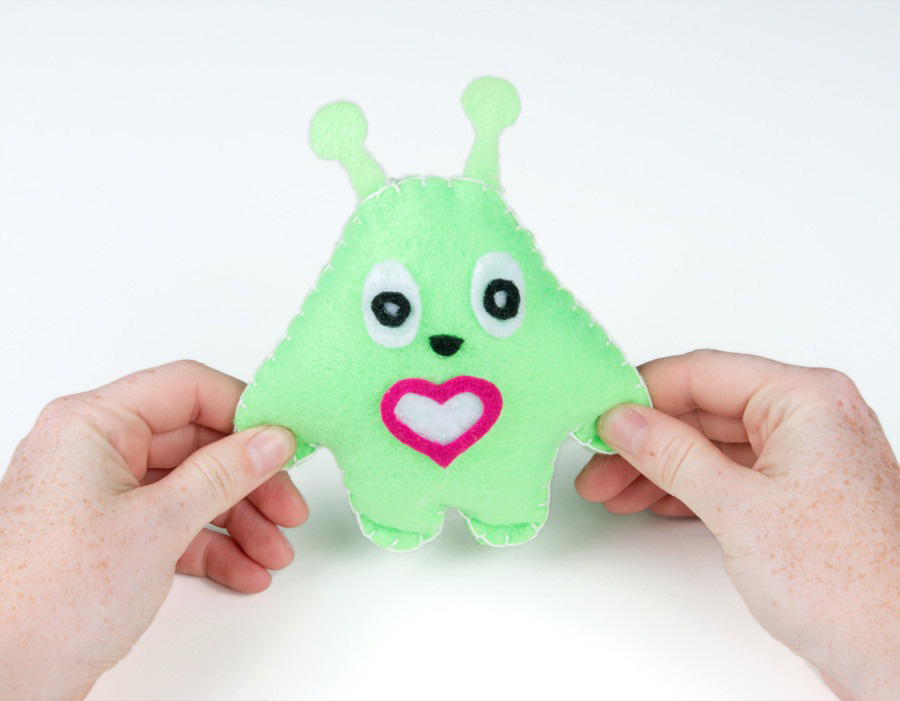
Material selection is another important factor that influences the speed of plush toy sampling. Even if the design is ready, sampling cannot begin until the appropriate fabrics and materials are confirmed.
By selecting and confirming materials early in the development process, buyers can prevent delays that often occur when fabrics need to be sourced or tested during sampling.
Early material confirmation allows manufacturers to prepare fabrics, embroidery threads, and accessories before pattern making begins.
Choose Suitable Fabrics During the Design Stage
Different plush fabrics create different visual and tactile effects. Short plush fabrics, velboa, long pile plush, and specialty textures each influence how the toy will look and feel.
When fabric decisions are postponed until later in development, engineers may need to modify patterns after materials are chosen. This can add unnecessary time to the sampling process.
Selecting appropriate fabrics during the design stage allows pattern makers to develop the prototype using the correct materials from the beginning.
Confirm Colors and Textures With the Manufacturer
Color matching is another important step that should be addressed early. Plush toy fabrics may vary slightly depending on the supplier or dyeing process.
By discussing color requirements with the manufacturer early, buyers can ensure that the correct materials are prepared before sampling begins. In some cases, manufacturers may recommend alternative fabrics that achieve similar visual results while being easier to source.
Early communication about materials helps reduce delays later in the development process.
How Early Material Confirmation Speeds Up Sampling
| Material Factor | Early Confirmation Benefit | Impact |
|---|---|---|
| Fabric Type | Supports correct pattern development | Faster sampling |
| Fabric Color | Ensures material availability | Avoids sourcing delays |
| Texture Selection | Matches design intent | Improves visual accuracy |
| Embroidery Threads | Prepared before sewing | Reduces development time |
| Accessories | Ready for assembly | Smoother prototype construction |
Do clear technical development sheets reduce sampling errors?
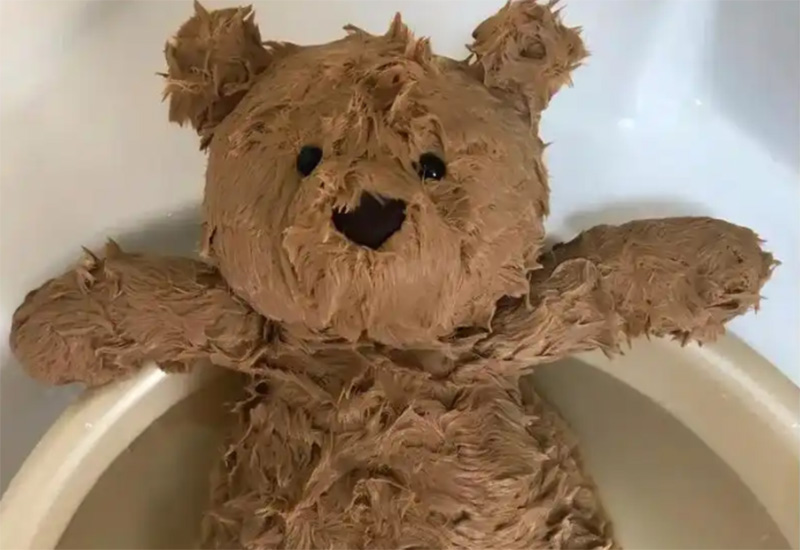
In professional plush toy development, technical development sheets play a very important role. These documents translate the visual design into clear technical instructions that engineers, pattern makers, and sewing technicians can follow during sampling.
When technical information is incomplete or scattered across emails and messages, misunderstandings can easily occur. These misunderstandings often lead to incorrect samples, which then require additional revisions and extend the development timeline.
By organizing all product details into a structured technical development sheet, both the buyer and the manufacturer can work with the same reference information. This significantly reduces sampling errors and helps speed up the development process.
Technical Sheets Organize All Key Product Information
A well-prepared plush toy development sheet includes all essential product details in one document. Instead of searching through multiple design files or communication threads, engineers can quickly understand the requirements of the project.
Typical information included in a plush toy technical sheet may include:
- Final product size and proportions
- Fabric types and colors
- Embroidery or printing specifications
- Construction notes for special parts
- Accessory placement and attachment methods
With this structured information, the development team can begin sampling with greater confidence and accuracy.
Clear Technical Documentation Reduces Miscommunication
Many sampling delays happen when important details are misunderstood. For example, the placement of embroidery might be interpreted differently, or the fabric choice may not match the intended texture.
Technical sheets help avoid these issues by providing clear instructions that guide the development process. Engineers can refer to the document throughout pattern making and sewing to ensure the sample matches the intended design.
This clarity improves both efficiency and product accuracy.
Benefits of Using Technical Development Sheets
| Technical Element | Purpose | Benefit |
|---|---|---|
| Size Specifications | Defines toy dimensions | Accurate proportions |
| Fabric Information | Specifies materials | Correct texture and appearance |
| Embroidery Placement | Shows exact position | Prevents misalignment |
| Construction Notes | Guides sewing methods | Stronger structure |
| Accessory Details | Clarifies attachments | Consistent assembly |
How can factories streamline pattern making and prototype construction?
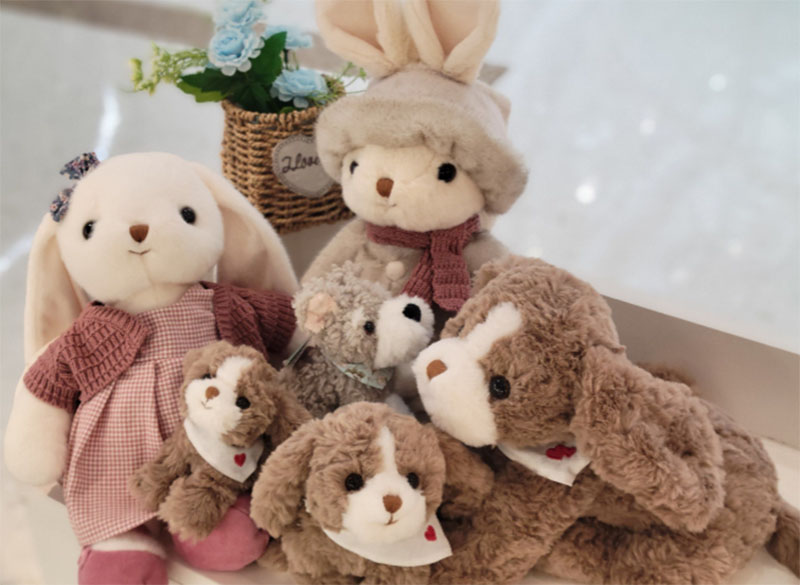
Efficient factories use structured workflows to ensure that pattern making and prototype construction are completed quickly without sacrificing quality. Because plush toy sampling involves multiple technical steps, organized production processes help reduce unnecessary delays.
Experienced manufacturers often divide sampling tasks among specialized teams. Pattern makers focus on structural design, while sewing technicians concentrate on assembling the prototype. This division of work improves both speed and precision.
A streamlined sampling workflow allows manufacturers to complete prototypes efficiently while maintaining high standards.
Experienced Pattern Makers Improve Development Efficiency
Pattern making is one of the most technical stages of plush toy sampling. Skilled pattern makers understand how to convert flat artwork into a three-dimensional structure using fabric panels.
Their experience allows them to anticipate how stuffing, seams, and fabric thickness will affect the final shape of the toy. As a result, they can create more accurate patterns with fewer revisions.
When pattern development is done efficiently, the entire sampling process becomes faster.
Organized Sampling Teams Reduce Production Delays
Professional plush toy factories typically organize sampling work into clear stages. Each stage is handled by team members who specialize in specific tasks.
A typical workflow may include:
- Technical evaluation and pattern drafting
- Fabric cutting and embroidery preparation
- Sewing and structural assembly
- Stuffing and finishing
Because each step is clearly defined, prototypes can move through the process smoothly without unnecessary interruptions.
How Structured Sampling Workflows Improve Efficiency
| Sampling Step | Team Responsibility | Efficiency Benefit |
|---|---|---|
| Design Evaluation | Engineering team | Confirms feasibility |
| Pattern Making | Pattern specialists | Accurate structure |
| Fabric Cutting | Preparation team | Faster material handling |
| Sewing & Assembly | Skilled technicians | Efficient construction |
| Final Inspection | Quality control team | Reliable prototypes |
Should embroidery, printing, and accessory details be finalized in advance?
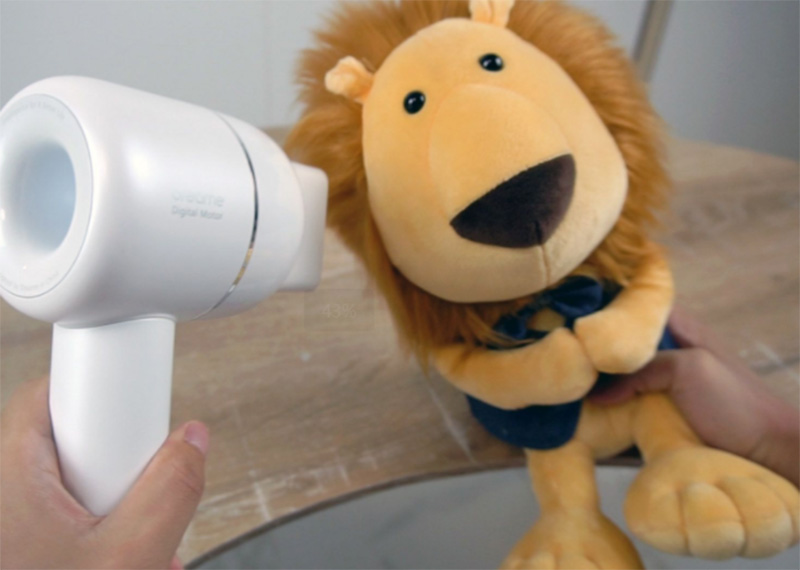
Finalizing decorative details before sampling begins is another effective way to speed up the plush toy development process. Elements such as embroidery patterns, printed graphics, and accessories often require additional preparation before they can be integrated into the prototype.
If these details are still being decided during sampling, the development team may need to pause while waiting for design confirmation. This can slow down the entire process.
By confirming these decorative elements early, manufacturers can prepare embroidery files, printing templates, and accessory components in advance.
Embroidery and Printing Require Technical Preparation
Embroidery and printing are not simply visual details—they also involve technical setup. For example, embroidery designs must be converted into machine-readable files that determine stitch patterns, density, and thread colors.
Similarly, printed elements may require color matching, artwork preparation, and testing to ensure the design appears correctly on fabric.
When these preparations are completed before sampling begins, the development team can integrate the decorative details seamlessly into the prototype.
Accessories Should Be Confirmed Early
Some plush toys include additional accessories such as clothing, hats, ribbons, or decorative attachments. These elements often require separate materials and construction steps.
If accessory designs are finalized early, manufacturers can prepare these components in advance. This ensures that the first prototype accurately reflects the complete product.
Early confirmation of accessories also helps engineers design the internal structure of the toy to support these additional elements.
Decorative Elements That Should Be Finalized Before Sampling
| Decorative Element | Why It Should Be Confirmed Early | Result |
|---|---|---|
| Embroidery Artwork | Requires machine programming | Accurate facial details |
| Printed Graphics | Needs color and file preparation | Consistent design appearance |
| Clothing Pieces | Requires pattern development | Proper fit and structure |
| Decorative Accessories | Needs sourcing and preparation | Complete prototype |
| Labels & Tags | Determines placement and attachment | Production-ready design |
Conclusion
Speeding up plush toy sampling does not mean rushing the development process. In fact, the most effective way to accelerate sampling while maintaining quality is through better preparation, clearer design communication, and organized manufacturing workflows.
By confirming design concepts early, providing detailed artwork and specifications, selecting materials in advance, and organizing technical development documents, brands can significantly reduce delays during sampling. When factories also use structured workflows for pattern making and prototype construction, the entire development process becomes more efficient.
At KINWIN, we focus on helping clients move from concept to prototype quickly while maintaining high product accuracy. Our engineering and sampling teams work closely with clients to review designs, confirm materials, and develop structured technical sheets before sampling begins. This preparation allows us to produce high-quality prototypes efficiently and reduce unnecessary revision cycles.
If you are planning a custom plush toy project and want to speed up your sampling process without compromising quality, our team would be happy to review your design and discuss the best development approach.