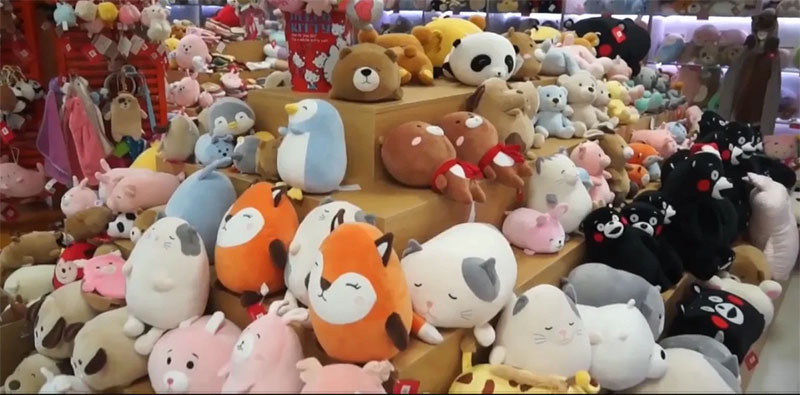
Choosing a plush manufacturer for long-term cooperation is very different from placing a one-time order.
Short-term suppliers focus on closing deals. Long-term partners focus on stability, alignment, and growth over time. As your products evolve, volumes change, and markets expand, the right manufacturer should grow with you—not become a bottleneck.
This guide explains how to evaluate plush manufacturers through a long-term lens, helping you identify partners who can support consistent quality, ongoing development, and sustainable collaboration—not just the next shipment.
What Defines a Long-Term Partnership in Plush Toy Manufacturing?

A long-term partnership is not defined by contract length—it’s defined by behavior over time.
The right manufacturer demonstrates reliability, accountability, and alignment well before large volumes are involved.
Is the Relationship Based on Mutual Growth, Not One-Off Orders?
In long-term cooperation, both sides think beyond the current order.
Signs of a partnership mindset include:
- Willingness to discuss future scaling, not just current MOQ
- Honest conversations about cost structures and constraints
- Suggestions that balance your growth with production reality
Be cautious if a supplier:
- Focuses only on the immediate order
- Avoids discussions about future capacity or development
- Pushes volume without understanding your roadmap
A manufacturer who sees you as a long-term partner invests time in understanding where your business is going—not just what you need today.
Do They Take Ownership of Outcomes, Not Just Tasks?
Long-term partners don’t hide behind “that’s not our responsibility.”
Instead, they:
- Flag risks early, even if it complicates discussions
- Help troubleshoot problems rather than deflect blame
- Treat your product quality as part of their reputation
Manufacturers with a partnership mindset—such as Kinwin—tend to focus on outcomes and continuity, not just executing instructions.
Long-Term Partnership Definition Table
| Partnership Aspect | Long-Term Partner | Short-Term Supplier |
|---|---|---|
| Relationship focus | Mutual growth | Single transactions |
| Future planning | Discusses scaling & roadmap | Avoids long-term talk |
| Problem ownership | Shares responsibility | Deflects issues |
| Risk awareness | Raises concerns early | Mentions problems late |
| Decision mindset | Sustainable outcomes | Fast closure |
Does the Manufacturer Show Stable Quality and Consistency Over Time?
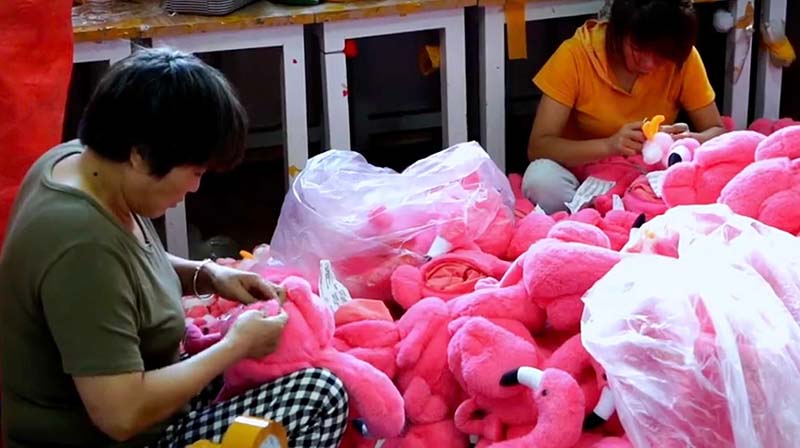
For long-term cooperation, quality is not about one perfect sample—it’s about repeatability.
A reliable partner delivers the same standard month after month, even as quantities grow or timelines tighten.
Do Samples, Pilot Runs, and Bulk Orders Match Each Other?
Consistency should be visible across stages:
- Sample quality aligns with pilot production
- Pilot results align with bulk shipments
- Minor variations are explained and controlled
Red flags include:
- Great samples followed by weaker bulk quality
- “Sample-only” materials or workmanship
- Quality drifting as order size increases
A long-term partner designs processes so quality does not depend on luck or individual workers.
Are Quality Standards Documented and Applied Systematically?
Stable quality comes from systems, not promises.
Look for whether the manufacturer:
- Uses defined workmanship standards
- Applies the same inspection criteria each batch
- Records defects and corrective actions
- Trains teams consistently
If quality is described as “our workers are experienced,” without documentation, consistency will likely suffer over time—especially as volume increases.
Quality Stability Evaluation Table
| What to Evaluate | Long-Term Ready | Risk Indicator |
|---|---|---|
| Sample-to-bulk match | Consistent | Noticeable drop |
| Process control | Documented standards | Ad hoc decisions |
| Defect handling | Root-cause & fixes | Rework only |
| Volume scaling | Quality holds | Quality degrades |
| Repeat orders | Same result each time | Variability appears |
How Transparent Are Pricing, Cost Changes, and Capacity Planning?
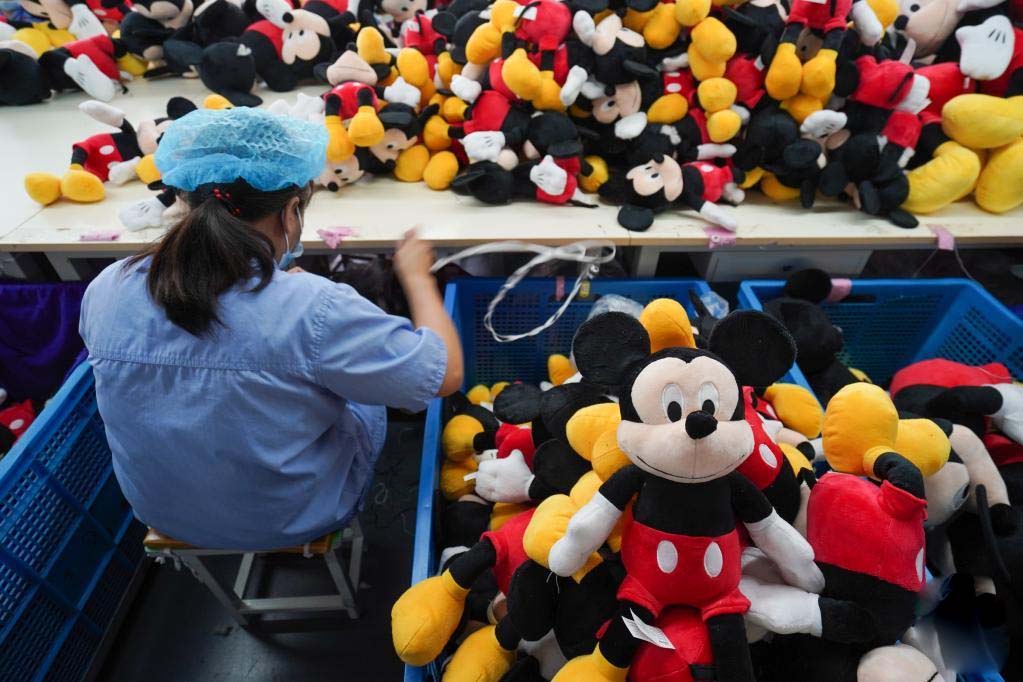
In long-term cooperation, pricing is not just a number—it’s a communication system.
Partners who are transparent about costs and capacity help you plan confidently instead of reacting to surprises.
Do They Explain Pricing Structure and Cost Drivers Clearly?
A long-term partner should be able to explain:
- What drives unit cost (materials, labor, complexity)
- Which costs are fixed vs. variable
- How quantity, timing, or design changes affect pricing
Be cautious if:
- Prices change without explanation
- Quotes are given without breakdowns
- Cost increases are communicated late or vaguely
Transparent manufacturers don’t promise the lowest price—they explain the real price logic so you can make informed decisions.
Are Cost Changes and Capacity Constraints Communicated in Advance?
In long-term cooperation, changes are inevitable. What matters is when and how they’re communicated.
Reliable partners:
- Flag material or labor cost changes early
- Discuss peak-season capacity constraints in advance
- Suggest timing or volume adjustments to reduce impact
Suppliers who wait until the last minute to mention price increases or capacity issues often create unnecessary pressure and erode trust.
Manufacturers with a long-term mindset—such as Kinwin—typically treat cost and capacity planning as shared information, not leverage.
Pricing & Capacity Transparency Evaluation Table
| What to Check | Long-Term Partner | Short-Term Risk |
|---|---|---|
| Pricing logic | Clear cost drivers | “Market price” only |
| Quote consistency | Stable & explained | Frequent unexplained changes |
| Cost change timing | Communicated early | Last-minute notice |
| Capacity planning | Shares peak schedules | Hides constraints |
| Buyer support | Suggests alternatives | Leaves buyer to react |
Do They Support Product Iteration and Ongoing Development?

Long-term cooperation only works when a manufacturer can support change over time.
Products evolve, markets shift, and customer feedback accumulates. A true partner helps you improve—not just repeat.
Do They Encourage Iteration Instead of Resisting Changes?
Manufacturers ready for long-term cooperation usually:
- Welcome feedback after each production run
- Help analyze defects, returns, or complaints
- Suggest incremental improvements instead of full redesigns
Be cautious if a supplier:
- Pushes back on any design change
- Treats revisions as disruptions rather than progress
- Insists on “keeping it the same” to avoid effort
Iteration doesn’t mean chaos—it means controlled improvement. Long-term partners understand that small changes compound into better products.
Can They Support Development Beyond the First Version?
Ongoing development may include:
- Material upgrades for durability or feel
- Construction tweaks to improve shape retention
- Cost optimization without quality loss
- New size or color variations
Manufacturers with dedicated development capability—such as Kinwin—often treat development as a continuous process, aligning technical changes with your brand and market goals.
Product Iteration & Development Evaluation Table
| What to Evaluate | Long-Term Partner | Short-Term Supplier |
|---|---|---|
| Attitude to changes | Welcomes iteration | Resists revisions |
| Feedback handling | Analyzes & improves | Dismisses issues |
| Development support | Suggests enhancements | Executes only |
| Cost optimization | Explains trade-offs | Cuts quality silently |
| Growth mindset | Thinks in versions | One-off mentality |
How Strong Is Their Quality Control and Risk Management System?
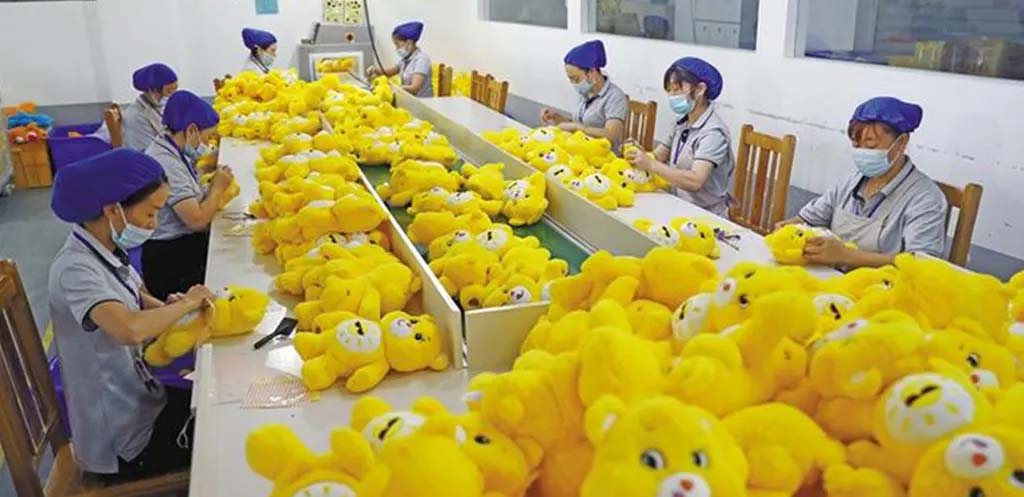
For long-term cooperation, quality control is not just about catching defects—it’s about preventing repeat problems and managing risks before they escalate.
A manufacturer without a mature QC and risk system may perform well once, but struggle to stay consistent as orders increase.
Do They Have Preventive QC, Not Just Final Inspection?
Long-term partners focus on prevention, not damage control.
Strong manufacturers typically:
- Inspect incoming materials (fabric, filling, accessories)
- Monitor key stages during sewing, assembly, and stuffing
- Identify high-risk areas specific to each design
- Apply corrective actions when issues repeat
If QC only happens at the final stage, problems are more likely to spread across large quantities—raising costs and tensions over time.
How Do They Handle Risks, Errors, and Recurring Issues?
Risk management shows up when things go wrong.
Ask how the manufacturer:
- Tracks defect patterns across orders
- Investigates root causes instead of fixing symptoms
- Adjusts processes to prevent recurrence
Be cautious if:
- Issues are blamed on workers without process review
- The same problems appear in multiple orders
- There is no clear escalation or corrective process
Manufacturers with long-term cooperation in mind—such as Kinwin—usually treat quality incidents as shared learning opportunities, not isolated mistakes.
QC & Risk Management Evaluation Table
| What to Check | Long-Term Ready | Risk Indicator |
|---|---|---|
| QC stages | Multi-stage control | Final check only |
| Risk awareness | Identifies weak points | Assumes “no risk” |
| Issue handling | Root-cause analysis | Quick fixes only |
| Repeat prevention | Process adjustments | Same issues recur |
| Accountability | Shared responsibility | Blame shifting |
Is Their Communication Reliable as Order Volume Increases?
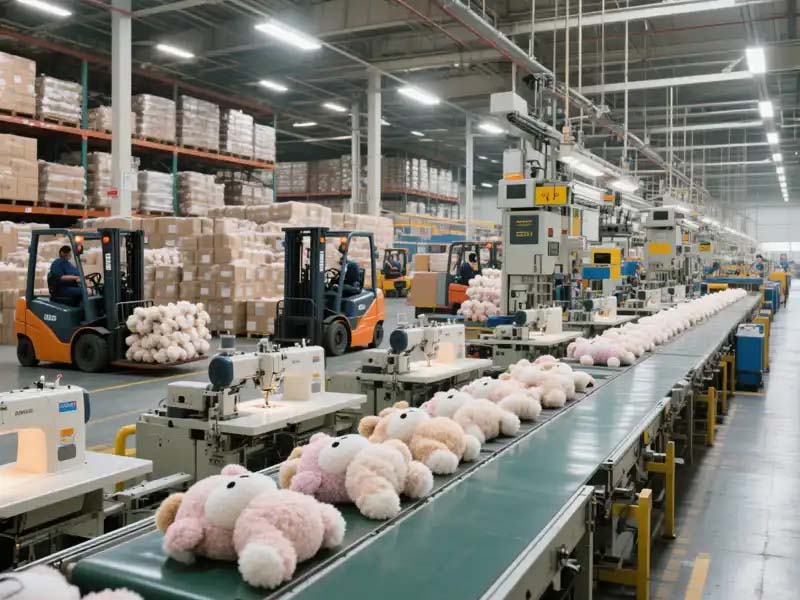
Many manufacturers communicate well when orders are small.
The real test of a long-term partner is whether communication remains clear, responsive, and accountable as volumes grow.
Does Communication Stay Consistent as Orders Become More Complex?
As order volume increases, communication naturally becomes more complex:
- More SKUs, colors, or sizes
- Tighter delivery schedules
- Higher financial exposure
A long-term-ready manufacturer maintains:
- Similar response speed as volume grows
- Clear written confirmations of changes
- Consistent explanations across teams
Warning signs include:
- Slower replies after larger deposits
- Different answers from different team members
- Missed details that were previously handled well
Consistency under pressure is a strong indicator of internal stability.
Is There Clear Ownership and Structured Communication?
Reliable long-term communication depends on clear responsibility.
Strong partners usually:
- Assign stable project owners
- Maintain documented agreements and revisions
- Ensure smooth handover between sales, sampling, and production
If communication relies heavily on one individual without systems behind them, risks increase as order volume grows.
Manufacturers with structured internal workflows—such as Kinwin—typically keep communication stable because processes support people, not the other way around.
Communication Scalability Evaluation Table
| What to Evaluate | Long-Term Partner | Scaling Risk |
|---|---|---|
| Response consistency | Stable as volume grows | Slows significantly |
| Information accuracy | Details remain correct | Errors increase |
| Team alignment | Clear ownership | Conflicting messages |
| Change tracking | Documented & confirmed | Verbal only |
| Reliability under pressure | Predictable | Chaotic |
Conclusion
Selecting a plush manufacturer for long-term cooperation is ultimately about trust built through consistency, transparency, and shared growth.
A true long-term partner demonstrates stable quality over time, communicates pricing and capacity changes honestly, supports ongoing product iteration, manages risks proactively, and maintains reliable communication even as order volume increases. These qualities don’t appear overnight—they reveal themselves through behavior across multiple stages and cycles.
Rather than chasing the lowest price or the fastest promise, brands that succeed long term choose manufacturers who think beyond single orders and invest in sustainable collaboration.
If you’re looking for a plush manufacturing partner who prioritizes long-term alignment, operational stability, and continuous improvement, Kinwin welcomes open discussions to help you evaluate fit and build a partnership designed to grow with your business.