Across different markets, global buyers rarely recommend plush manufacturers based on price alone. From my experience working with international brands, retailers, and sourcing teams, recommendations are usually built on repeated cooperation results, not first impressions.
When buyers share supplier recommendations with peers, they are often reflecting on long-term performance: whether the factory delivered consistently, handled problems responsibly, and supported business growth without creating hidden risks. These insights are especially valuable because they come from real purchasing experience, not marketing claims.
Before looking at specific factories or regions, it is important to understand what criteria global buyers actually use when deciding which plush manufacturers are worth recommending.
What Criteria Global Buyers Use to Recommend Plush Manufacturers
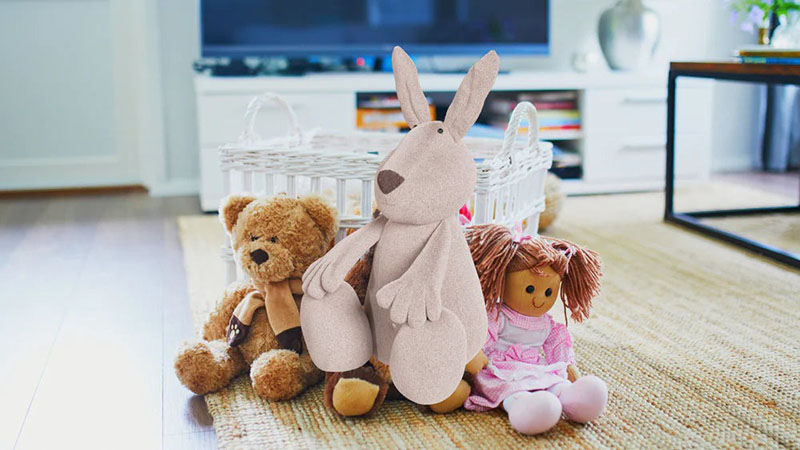
Global buyers tend to recommend plush manufacturers only after a factory has proven itself across multiple orders. In my experience, these recommendations are rarely emotional. They are based on practical evaluation of how well a manufacturer performs under real commercial pressure.
One of the most important criteria is consistency. Buyers value factories that deliver the same quality, workmanship, and packing standards across repeat orders. A manufacturer that performs well once but fails to repeat results is rarely recommended, regardless of how competitive the initial pricing was.
Another key factor is risk control. Buyers are more likely to recommend manufacturers that help reduce uncertainty—factories that identify issues early, communicate clearly, and prevent small problems from becoming large ones. This includes transparency around production limits, lead times, and compliance requirements.
Buyers also look closely at cooperation mindset. Recommended manufacturers tend to think beyond single transactions. They support forecasting, suggest process improvements, and adjust production planning to fit the buyer’s business rhythm. This behavior builds confidence over time.
Finally, execution under pressure plays a major role. When deadlines are tight or order volumes increase, buyers remember which factories stayed reliable and which ones became unstable. Strong performance during challenging periods often leads directly to recommendations within buyer networks.
| Buyer Evaluation Criterion | What Buyers Look For | Why It Leads to Recommendations |
|---|---|---|
| Consistent output | Stable quality across repeat orders | Builds long-term confidence |
| Risk awareness | Early issue identification & prevention | Reduces operational surprises |
| Cooperation mindset | Support beyond single orders | Encourages partnership |
| Transparency | Honest limits & clear communication | Improves planning trust |
| Pressure performance | Reliability during peak demand | Proven real-world capability |
From a global buyer’s perspective, recommendations are earned through reliability over time, not through aggressive sales promises. Manufacturers that align with these criteria naturally become the suppliers buyers are willing to stand behind when advising others.
Which Manufacturing Capabilities Are Most Valued by International Brands
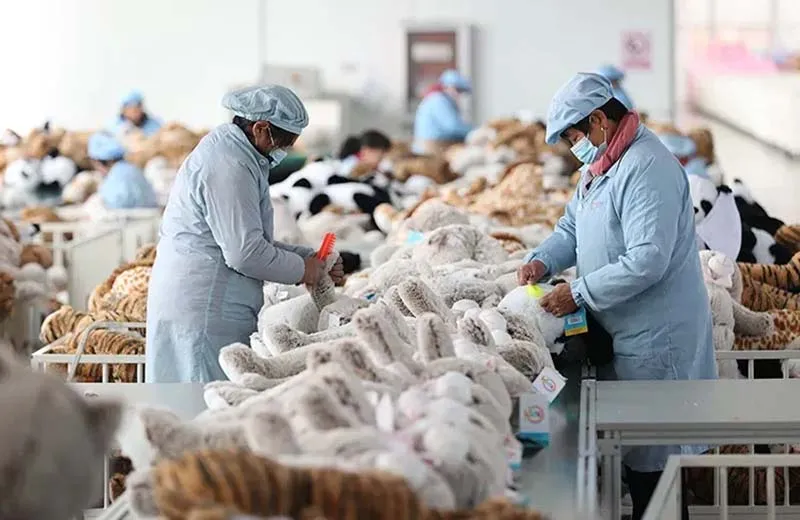
When international brands recommend plush manufacturers, they are usually responding to capabilities that reduce uncertainty at scale. From my experience working with global buyers, the most valued capabilities are not flashy features, but those that consistently protect product quality, timelines, and brand standards across different markets.
One of the first capabilities brands look for is strong pattern-making and engineering support. Brands often provide design concepts rather than production-ready files. Manufacturers that can translate these concepts into balanced, repeatable plush structures help brands move faster from idea to market while avoiding costly revisions.
Another highly valued capability is material expertise. International brands care deeply about how fabrics feel, how colors hold, and how materials behave over time. Factories that understand fabric performance, filling density, and accessory durability can guide brands toward safer and more reliable design decisions.
Scalability is also critical. Brands prefer manufacturers that can support growth without disruption. This includes the ability to manage multiple SKUs, increase order volumes, and maintain consistency across different production batches and timelines.
Finally, brands value manufacturers that integrate OEM execution with selective ODM support. Even when brands control design direction, they appreciate factories that can suggest manufacturability improvements, cost optimizations, or alternative materials without compromising brand identity.
| Manufacturing Capability | Why Brands Value It | Impact on Buyer Recommendation |
|---|---|---|
| Pattern making & engineering | Turns concepts into stable products | Faster development cycles |
| Material expertise | Ensures feel, safety, and durability | Stronger product acceptance |
| Scalable production | Supports brand growth smoothly | Long-term cooperation |
| Multi-SKU management | Handles complex assortments | Operational reliability |
| OEM + ODM balance | Adds value beyond execution | Higher trust & loyalty |
From an international brand’s perspective, strong manufacturing capability is about predictable execution, not just technical skill. Factories that consistently demonstrate these capabilities become preferred partners—and are far more likely to be recommended within global buyer networks.
How Quality Consistency Influences Long-Term Buyer Recommendations
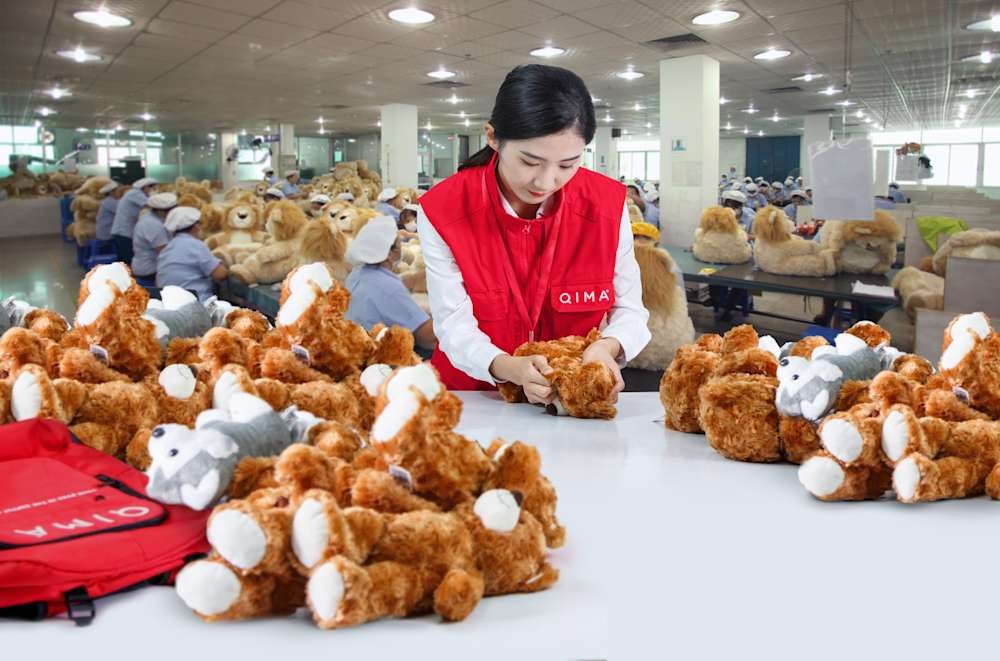
From global buyers’ perspectives, quality consistency is often the deciding factor behind long-term recommendations. In my experience, buyers may tolerate minor issues in early cooperation, but they rarely recommend manufacturers who cannot repeat the same quality level across multiple orders.
What buyers value most is not perfection, but predictability. A manufacturer that delivers stable stitching, uniform stuffing, accurate sizing, and consistent finishing allows buyers to plan inventory, marketing, and replenishment with confidence. In contrast, fluctuating quality forces buyers to spend extra time on inspections, rework, and damage control—something they are unlikely to recommend to peers.
Consistency also affects internal trust within the buyer’s organization. When product quality remains stable, sourcing teams gain credibility with sales, compliance, and management teams. This internal confidence often translates into external recommendations, as buyers feel safe attaching their reputation to the supplier.
Another important aspect is how factories handle small deviations. Manufacturers that identify quality drift early and correct it quickly demonstrate process control maturity. Buyers notice this behavior and view it as a sign of long-term reliability rather than short-term luck.
Ultimately, quality consistency signals whether a factory is system-driven or dependent on individual effort. Global buyers tend to recommend manufacturers that rely on process discipline, because these suppliers are more likely to remain stable as volumes, SKUs, and markets expand.
| Quality Performance Area | Inconsistent Manufacturer | Consistent Manufacturer | Effect on Buyer Recommendation |
|---|---|---|---|
| Repeat order quality | Varies between batches | Stable across orders | Buyer confidence |
| Stitching & finishing | Operator-dependent | Process-controlled | Lower inspection cost |
| Stuffing & sizing | Uneven feel & shape | Uniform hand-feel | Better market acceptance |
| Issue correction | Reactive, delayed | Early detection & correction | Trust building |
| Long-term stability | Unpredictable results | Reliable performance | Strong peer recommendation |
For global buyers, recommending a manufacturer is a reputational decision. Factories that prove they can deliver the same quality today, next season, and next year naturally become the suppliers buyers are willing to stand behind.
Why Compliance, Certifications, and Ethical Standards Matter to Global Buyers
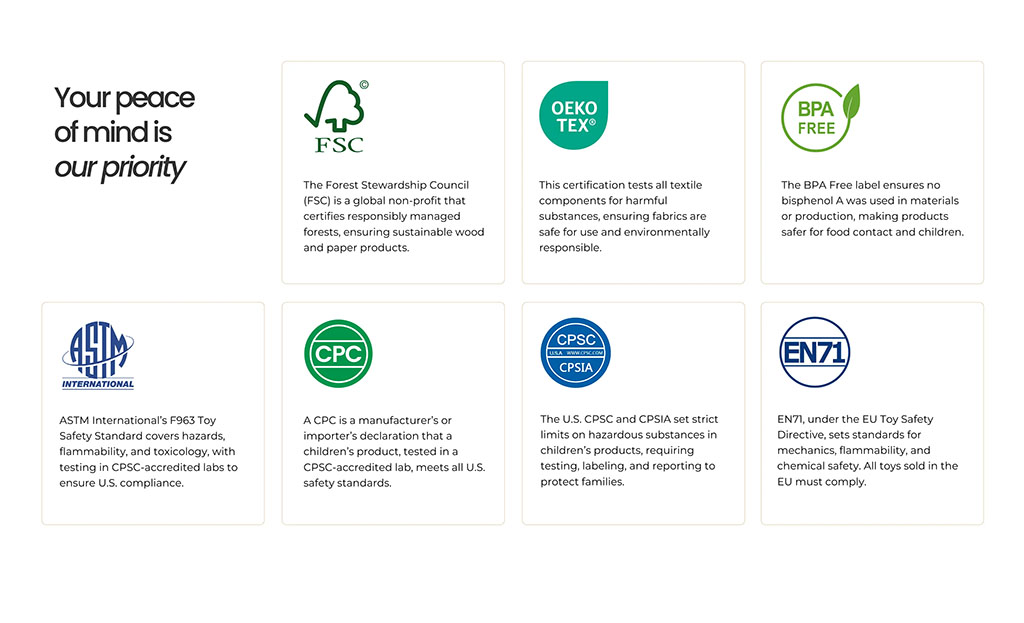
For global buyers, compliance is not a checkbox—it is a baseline requirement for trust. From my experience, manufacturers that receive frequent recommendations are those that treat compliance, certifications, and ethical standards as part of daily operations, not as documents prepared only when buyers ask.
International buyers operate under strict regulatory and reputational pressure. Markets such as the USA, EU, Japan, and South Korea require clear alignment with safety standards, chemical regulations, and labeling rules. Manufacturers that understand these requirements reduce compliance risk for buyers and prevent costly delays at customs or retail audits.
Certifications matter, but how factories manage them matters more. Buyers value manufacturers who can explain which standards apply to which products, how often tests are updated, and how materials are controlled to ensure test validity. This level of clarity signals that compliance is embedded in the process, not handled reactively.
Ethical standards are also increasingly important. Global buyers are cautious about labor practices, workplace safety, and audit readiness. Factories that maintain clean production environments, stable workforces, and transparent management systems are easier to recommend because they align with buyers’ ESG expectations and brand values.
Manufacturers that consistently meet compliance and ethical standards protect buyers from hidden risks. This protection is a major reason why they are repeatedly recommended across global sourcing networks.
| Compliance & Ethics Area | Weak Manufacturer Approach | Recommended Manufacturer Approach | Buyer Value |
|---|---|---|---|
| Safety standards | Test only when requested | Built-in compliance planning | Lower recall risk |
| Certification management | Generic or outdated reports | Product-specific, current tests | Audit readiness |
| Regulatory knowledge | Limited market awareness | Market-specific expertise | Faster market entry |
| Ethical practices | Minimal documentation | Transparent labor systems | Brand reputation protection |
| Audit response | Defensive or unprepared | Cooperative and organized | Long-term trust |
For global buyers, recommending a plush manufacturer means standing behind their compliance performance. Factories that manage certifications and ethics proactively make that decision easier—and safer—for buyers.
How Communication, Reliability, and Problem-Solving Shape Buyer Trust

Among global buyers, trust is not built through promises—it is built through day-to-day communication and real problem handling. From my experience, many manufacturers have similar technical capabilities, but only a few earn strong recommendations because of how they communicate and respond when things do not go as planned.
Clear communication is the foundation. Buyers value manufacturers who provide structured updates, confirm decisions in writing, and explain changes clearly. This reduces internal confusion on the buyer’s side and helps sourcing teams coordinate with design, compliance, and logistics departments. Factories that communicate casually or inconsistently often create unnecessary friction, even when product quality is acceptable.
Reliability shows most clearly under pressure. When timelines tighten, materials change, or approvals are delayed, buyers observe how manufacturers react. Recommended factories acknowledge issues early, explain the impact honestly, and propose practical solutions. This behavior allows buyers to adjust plans proactively instead of reacting to surprises.
Problem-solving ability is another critical factor. Strong manufacturers do not simply ask buyers what to do when issues arise. They analyze root causes, suggest corrective actions, and explain how similar problems will be prevented in future orders. Buyers remember this level of ownership and associate it with long-term stability.
Over time, these behaviors create trust. Buyers feel confident that the manufacturer will protect their interests even when challenges occur. This confidence is a key reason why certain plush manufacturers are consistently recommended within global sourcing networks.
| Trust-Building Factor | Weak Manufacturer Behavior | Recommended Manufacturer Behavior | Buyer Impact |
|---|---|---|---|
| Communication clarity | Fragmented, informal updates | Structured, documented messages | Fewer misunderstandings |
| Response reliability | Slow or inconsistent replies | Predictable response timing | Better planning |
| Issue transparency | Delayed or defensive | Early disclosure & explanation | Risk reduction |
| Problem-solving | Waits for buyer instructions | Proactive solution proposals | Operational confidence |
| Long-term mindset | Transaction-focused | Partnership-oriented | Strong buyer trust |
For global buyers, trust is cumulative. Manufacturers that communicate clearly, stay reliable under pressure, and solve problems responsibly are the ones buyers feel comfortable recommending to peers.
What Common Traits Appear Across the Most Frequently Recommended Manufacturers
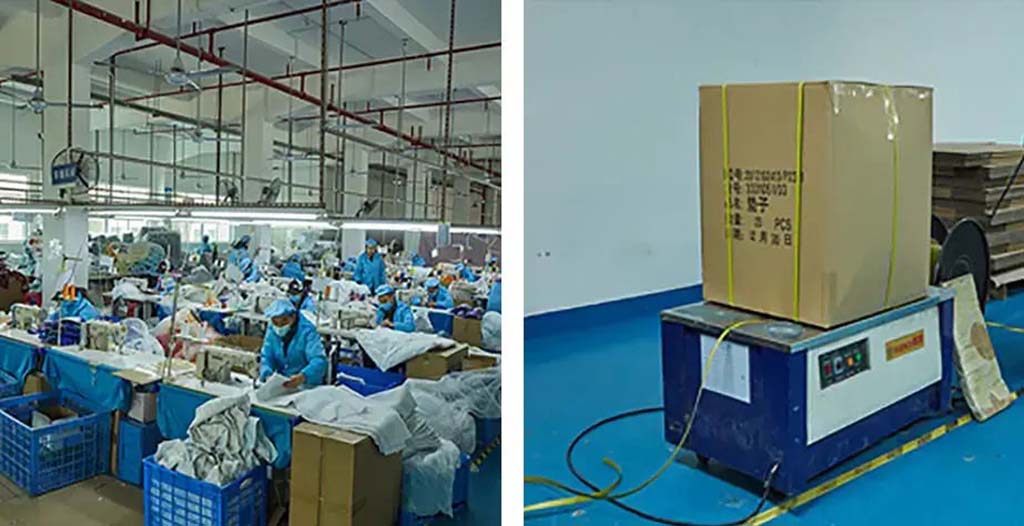
When I compare feedback from global buyers across different markets, a clear pattern emerges. The most frequently recommended plush manufacturers do not rely on one single strength. Instead, they share a combination of disciplined behaviors and structural advantages that consistently reduce risk for buyers.
One common trait is process maturity. Recommended manufacturers operate with clear workflows, documented standards, and stable execution. They do not depend on individual workers to “make it work.” Instead, results come from systems that can be repeated across orders, teams, and seasons.
Another shared trait is predictability. These manufacturers set realistic expectations, meet agreed timelines, and deliver products that match approved samples. Buyers value this predictability because it allows them to plan launches, inventory, and promotions with confidence.
Recommended manufacturers also show a strong buyer-oriented mindset. They understand that buyers are accountable to their own customers, regulators, and internal teams. As a result, they communicate clearly, flag risks early, and support decision-making rather than shifting responsibility.
Continuous improvement is another defining characteristic. The most trusted factories review defects, analyze root causes, and refine processes over time. Buyers notice when issues decrease from order to order, and this improvement trend often leads to stronger recommendations.
Finally, these manufacturers demonstrate long-term stability. Stable teams, consistent supplier relationships, and disciplined management practices create continuity. Buyers are far more likely to recommend factories they believe will still perform reliably next year, not just today.
| Shared Trait | How It Appears in Practice | Why Buyers Recommend |
|---|---|---|
| Process maturity | Documented workflows & standards | Consistent execution |
| Predictability | Stable timelines & repeat quality | Planning confidence |
| Buyer-oriented mindset | Early risk disclosure & support | Lower operational stress |
| Continuous improvement | Fewer recurring issues | Growing trust over time |
| Long-term stability | Stable teams & systems | Reliable future cooperation |
From a global buyer’s perspective, recommendations are not based on isolated successes. They are based on patterns of dependable behavior. Manufacturers that consistently demonstrate these traits naturally become the names buyers are willing to share within their professional networks.
Conclusion
Insights from global buyers show that the most recommended plush manufacturers earn trust through consistency, transparency, compliance discipline, and reliable problem-solving. When these elements align, cooperation becomes stable, scalable, and strategically valuable—allowing brands to grow with confidence in quality, ethics, and delivery performance.
📧 Contact: [email protected]
🌐 Visit: https://kinwintoys.com