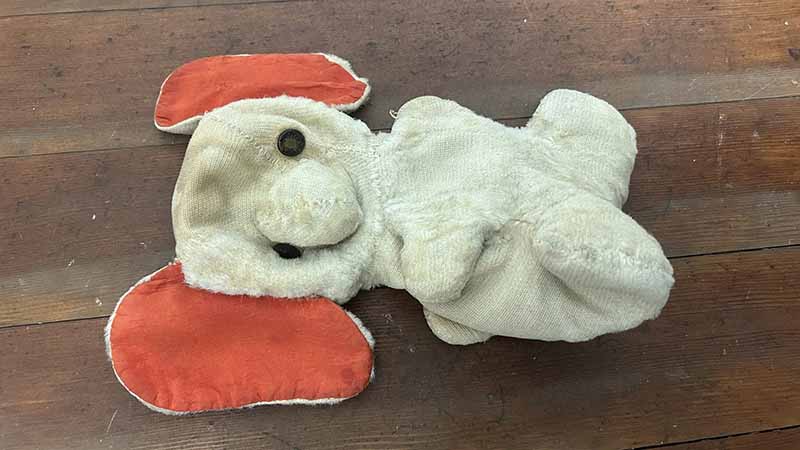
Purchasing stuffed animals in bulk is where many buyers feel the strongest tension between cost and quality. From my experience working with retail brands, distributors, and promotional buyers, quality problems rarely come from a single bad decision—they come from unclear standards amplified by large volume.
When order quantities increase, every small deviation in materials, workmanship, or process becomes more visible. What looks acceptable at 500 units may damage a brand at 20,000 units. That is why bulk purchasing without sacrificing quality starts before contacting suppliers, not during inspection.
The foundation of quality control in bulk orders is clear, measurable standards. Buyers who define quality only as “same as sample” leave too much room for interpretation. The first step is setting quality expectations that suppliers can consistently execute at scale.
What Quality Standards and Specifications Should Be Defined Before Bulk Purchasing?

Before placing any bulk order, buyers must translate “good quality” into specific, enforceable requirements. From my experience, most bulk quality disputes happen because expectations were never clearly defined in technical terms.
The first standard is material specification. Buyers should define fabric type, pile length, weight, hand feel, and acceptable variation ranges. Vague terms like “soft plush” are not sufficient for bulk production. Clear material specs ensure consistency across batches and prevent silent substitutions.
Workmanship standards are equally important. Stitch density, seam allowance, edge finishing, and attachment methods for accessories should be documented. At scale, small workmanship differences accumulate quickly and affect durability and appearance.
Filling standards must also be clarified. Buyers should specify filling type, density, resilience, and distribution—not just “PP cotton.” Overfilling or underfilling changes shape, touch, and perceived quality dramatically in bulk orders.
Dimensional tolerance is another critical factor. Plush toys are handmade products with natural variation, but acceptable size and symmetry ranges must be defined. This prevents excessive variation between units.
Finally, compliance-related standards should be included even at this stage. Safety requirements, labeling rules, and restricted substance limits guide material and process decisions from the start, avoiding rework later.
| Quality Area | Vague Requirement | Clear Bulk Standard | Quality Outcome |
|---|---|---|---|
| Fabric | “Soft plush” | Defined type & weight | Consistent feel |
| Workmanship | “Well stitched” | Stitch density & seam rules | Better durability |
| Filling | “PP cotton” | Density & resilience defined | Stable shape |
| Dimensions | Visual check only | Tolerance range set | Uniform size |
| Compliance | Checked later | Built into specs | Lower risk |
For buyers, defining quality standards upfront is the most cost-effective quality control step. Clear specifications allow suppliers to plan correctly, reduce misunderstandings, and deliver consistent quality even at high volumes.
How Can Buyers Evaluate Bulk Suppliers’ Quality Capabilities Beyond Price Quotes?
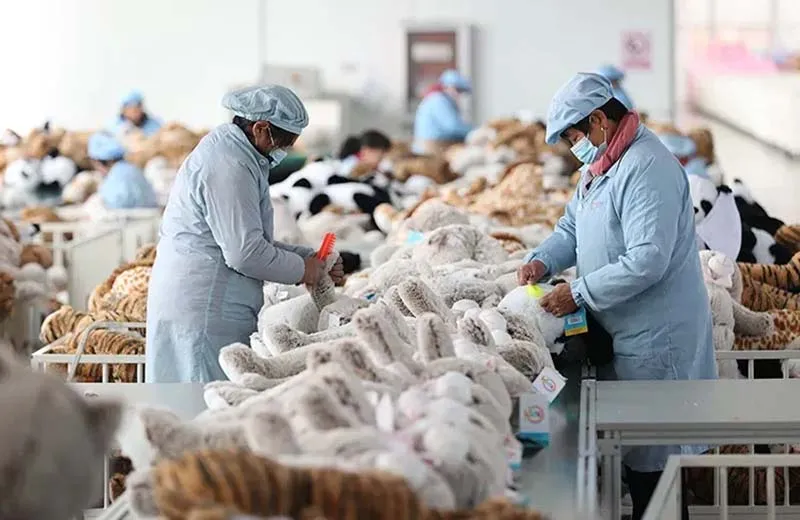
Price quotes reveal very little about a supplier’s ability to deliver quality at scale. From my experience, bulk quality problems often come from suppliers who quote competitively but lack system-level quality capability. Buyers must look beyond numbers to evaluate how quality is actually controlled.
The first evaluation point is process explanation, not promises. Reliable bulk suppliers can clearly explain their production flow, QC checkpoints, and quality responsibilities at each stage. If a supplier cannot describe how quality is maintained during cutting, sewing, stuffing, and finishing, price becomes irrelevant.
Next is sample-to-bulk logic. Buyers should ask how a supplier ensures that bulk production matches approved samples. Strong suppliers reference golden samples, tolerance rules, and internal controls. Weak suppliers rely on “worker experience,” which does not scale.
Another key indicator is problem-handling capability. Buyers should ask how defects are tracked, analyzed, and corrected. Suppliers with mature systems discuss root-cause analysis and preventive actions, not just rework.
Capacity and quality are also linked. Suppliers who overload lines or rely heavily on temporary labor during peak seasons often sacrifice consistency. Understanding how labor is trained and stabilized helps predict bulk quality outcomes.
Finally, transparency matters. Reliable suppliers share QC data, inspection findings, and improvement actions proactively. Silence around quality is a risk signal, not reassurance.
| Evaluation Focus | Weak Quality Signal | Strong Quality Signal | Buyer Insight |
|---|---|---|---|
| Process clarity | Generic promises | Step-by-step explanation | Execution confidence |
| Sample control | “Same as sample” | Golden sample system | Repeatability |
| Issue handling | Fix per order | Root-cause prevention | Fewer repeats |
| Capacity management | Overloaded lines | Planned capacity | Stable output |
| QC transparency | Limited visibility | Shared QC data | Predictability |
For buyers, evaluating quality capability is about how suppliers think and operate, not what they quote. Suppliers who can explain systems, controls, and improvements are far more likely to protect quality when volumes increase.
What Role Do Sampling, Golden Samples, and PPS Play in Bulk Order Quality Control?
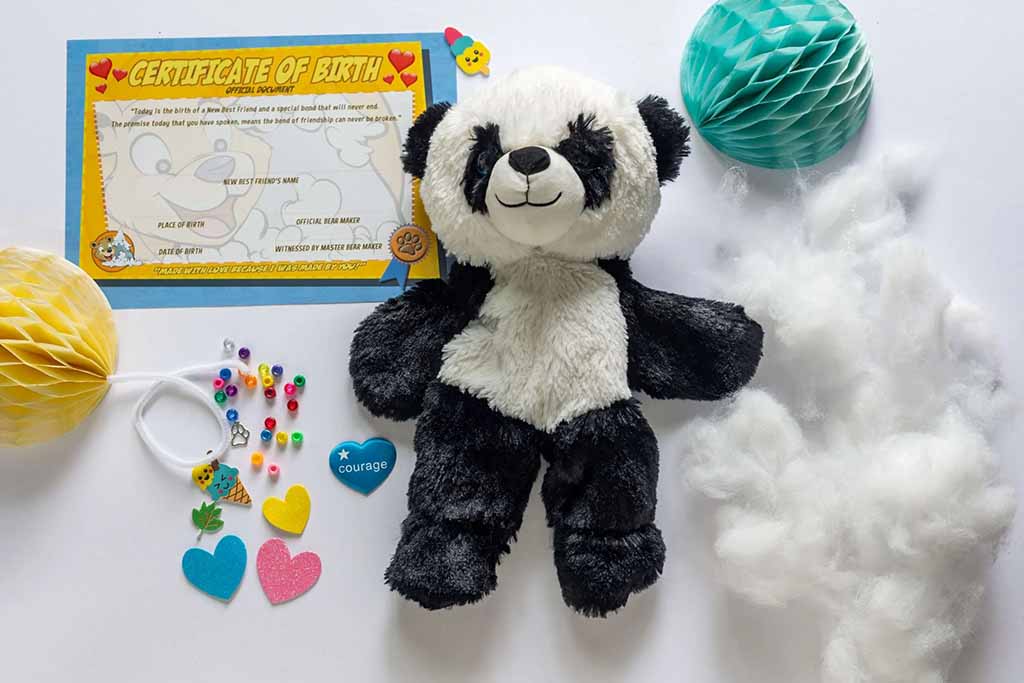
In bulk purchasing, quality is locked before mass production begins. From my experience, sampling discipline—not final inspection—is what determines whether bulk orders stay consistent or slowly drift out of control.
The first layer is development sampling. This stage validates design feasibility, material choices, and basic workmanship. Buyers should use development samples to refine specs and eliminate risk points, not to approve appearance alone.
Once a sample is approved, it must become a golden sample—a physical reference that defines acceptable quality. Reliable suppliers store golden samples properly and use them on the production floor as a constant benchmark. Without a golden sample, “same as last time” becomes subjective and unreliable.
PPS (Pre-Production Sample) is the most critical control point for bulk orders. A proper PPS must be produced using actual bulk materials, standard production lines, and regular operators. This confirms that approved quality is repeatable under real production conditions—not just by skilled sample makers.
Sampling also defines tolerance boundaries. Buyers and suppliers should agree on acceptable variation for size, weight, stitching, and filling at the PPS stage. This prevents disputes during final inspection when handmade variation is inevitable.
Finally, sampling establishes change control. Once PPS is approved, any change—material batch, accessory source, or process adjustment—must trigger review or re-approval. Uncontrolled changes are one of the most common causes of bulk quality failure.
| Control Element | Weak Practice | Strong Bulk Practice | Quality Impact |
|---|---|---|---|
| Development sample | Visual approval only | Spec & risk validation | Fewer surprises |
| Golden sample | Not maintained | Floor reference standard | Consistency |
| PPS production | Sample-room only | Real-line PPS | Scale readiness |
| Tolerance setting | Not discussed | Defined at PPS | Fewer disputes |
| Change control | Silent changes | Approved changes only | Quality stability |
For buyers, sampling is not a formality—it is quality insurance. When golden samples and PPS approvals are treated as binding references, bulk production becomes predictable and controllable, even at high volumes.
How Do Materials, Workmanship, and Filling Choices Affect Quality at High Volumes?

At high production volumes, quality issues rarely come from design—they come from material behavior and workmanship consistency under repetition. From my experience, choices that work well for small runs can become failure points when thousands of units move through multiple lines and shifts.
Material selection is the first multiplier. Plush fabrics vary in pile density, backing strength, and color stability. At scale, slight differences between fabric batches become visible across cartons. Reliable suppliers lock approved fabric specifications and manage batch consistency, instead of sourcing opportunistically to chase short-term cost savings.
Workmanship standards are the second multiplier. Stitch density, seam reinforcement, and attachment methods must be designed for repetition. Techniques that rely on individual skill rather than standardized methods lead to variation as volume increases. Strong suppliers simplify construction where possible and train teams to follow the same workmanship rules consistently.
Filling choices have an outsized impact at scale. The same filling type can feel very different depending on fiber length, elasticity, and compression recovery. Over time, inconsistent filling density creates shape collapse, uneven touch, or visible defects. At high volumes, suppliers must control filling weight, distribution method, and compression tolerance—not just filling type.
Another factor is process interaction. Materials, stitching, and filling interact. For example, softer fabrics require adjusted stitch tension, and higher-density filling requires reinforced seams. Reliable bulk suppliers understand these interactions and adjust processes holistically, not in isolation.
Finally, operator fatigue and repetition risk increase with volume. Simplified construction and material stability reduce human error and protect quality over long production runs.
| Quality Driver | Small-Run Risk | High-Volume Control | Bulk Quality Benefit |
|---|---|---|---|
| Fabric sourcing | Visual match only | Batch-controlled specs | Uniform appearance |
| Stitching method | Skill-dependent | Standardized rules | Durable seams |
| Filling type | Generic PP cotton | Defined fiber & density | Stable shape |
| Process interaction | Not evaluated | Holistic adjustment | Fewer defects |
| Production fatigue | Ignored | Simplified construction | Consistency at scale |
For buyers, protecting quality at high volumes means choosing materials and construction methods designed for repetition, not just appearance. Suppliers who understand how materials, workmanship, and filling behave at scale are far more reliable partners for bulk purchasing.
What Inspection Methods Help Maintain Consistency Across Large Production Batches?

In bulk production, inspection is not about catching every defect—it is about preventing quality drift across time, lines, and batches. From my experience, consistency problems usually appear gradually, not suddenly, which is why inspection methods must be layered and continuous.
The first effective method is in-process inspection (IPQC). Instead of waiting until cartons are sealed, reliable suppliers inspect at fixed intervals during cutting, sewing, stuffing, and finishing. This stops deviations early, before they spread across thousands of units.
Golden sample comparison is another critical tool. Inspectors should physically compare units from each line and shift against the same approved reference. Visual memory is unreliable at scale; physical comparison keeps judgment consistent across teams.
Line-to-line and shift-to-shift checks help detect variation caused by different operators or working hours. Strong suppliers rotate inspectors and compare outputs regularly to ensure uniformity, especially during long production runs.
AQL inspection remains important, but only as a verification layer, not the primary control. For large batches, AQL should be combined with internal QC data and adjusted based on risk, order size, and defect history.
Finally, data tracking and feedback loops make inspection effective. Recording defect types, locations, and frequency allows suppliers to correct root causes instead of repeating the same fixes each order.
| Inspection Method | Weak Practice | Effective Bulk Practice | Consistency Result |
|---|---|---|---|
| In-process checks | Final inspection only | Stage-based IPQC | Early correction |
| Reference control | Visual judgment | Golden sample comparison | Uniform appearance |
| Cross-line checks | Independent lines | Line & shift comparison | Reduced variation |
| AQL usage | Standalone check | Verification layer | Reliable outcomes |
| Data feedback | No trend tracking | Defect analysis loop | Continuous improvement |
For buyers, the right inspection methods turn quality control into process control. Suppliers who inspect continuously, compare objectively, and learn from data are far better at maintaining consistency across large production batches.
How Can Long-Term Supplier Management Prevent Quality Decline in Repeat Bulk Orders?

Quality decline in repeat bulk orders rarely happens overnight. From my experience, it usually appears gradually—after suppliers become familiar, orders feel routine, and attention to detail starts to loosen. Preventing this requires active, structured supplier management, not trust alone.
The first control is reference discipline over time. Golden samples, approved specs, and tolerance rules must remain active references, not archived files. Reliable suppliers revisit references before each new bulk run to reset expectations, especially when there are gaps between orders.
Regular performance reviews also matter. Buyers should review quality metrics, defect trends, delivery performance, and corrective actions on a periodic basis. These reviews do not need to be complex, but they must be consistent. What gets reviewed regularly stays under control.
Another key factor is change management. Over time, materials, operators, or processes may change. Strong supplier management requires formal notification and approval for any change that could affect quality. Silent changes are one of the most common causes of repeat-order quality decline.
Relationship balance is equally important. Long-term partnerships work best when buyers reward stability—through forecast sharing, repeat orders, or process collaboration—not just price pressure. Suppliers are more likely to maintain high standards when cooperation feels sustainable.
Finally, continuity of communication prevents complacency. Clear expectations, documented decisions, and ongoing dialogue remind both sides that quality is an ongoing commitment, not a one-time achievement.
| Management Practice | Passive Approach | Active Long-Term Control | Quality Outcome |
|---|---|---|---|
| Reference usage | Archived samples | Reconfirmed each run | Stable standards |
| Performance review | Issue-driven only | Regular evaluations | Early correction |
| Change control | Informal changes | Approval-based process | Consistency |
| Relationship signals | Price-focused | Stability-focused | Sustained quality |
| Communication rhythm | Sporadic | Ongoing & structured | Reduced drift |
For buyers, long-term supplier management is the final safeguard against quality erosion. When expectations remain visible and engagement stays active, bulk purchasing can grow without sacrificing product quality.
Conclusion
Buying stuffed animals in bulk without losing quality depends on clear standards, disciplined sampling, scalable inspection, and proactive supplier management. When quality is managed as a system, volume becomes an advantage—not a risk.
📧 Contact: [email protected]
🌐 Visit: https://kinwintoys.com