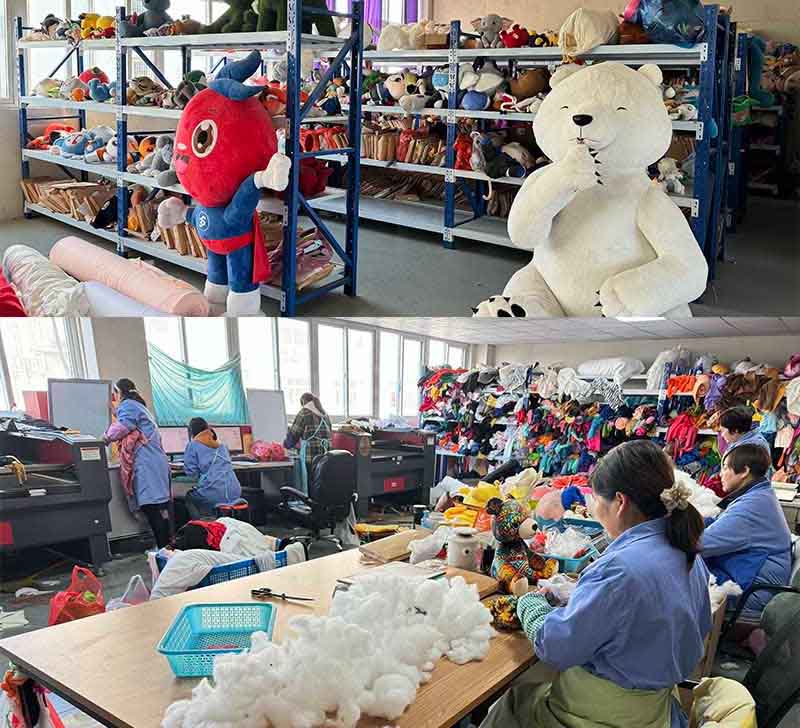
When brands enter OEM production for licensed plush toys, the biggest risk is often not quality or cost—but control. Licensed designs carry legal value, brand equity, and long-term commercial potential. Once design files leave the brand’s internal system and enter a factory environment, the risk profile changes immediately.
From my experience working on licensed plush projects, IP protection is not achieved by trust alone. It requires clear agreements, controlled processes, traceable production systems, and enforceable responses. Effective protection must be designed into the OEM workflow from day one, not added after problems appear.
What Legal Agreements and IP Clauses Should Be in Place Before OEM Production Starts?
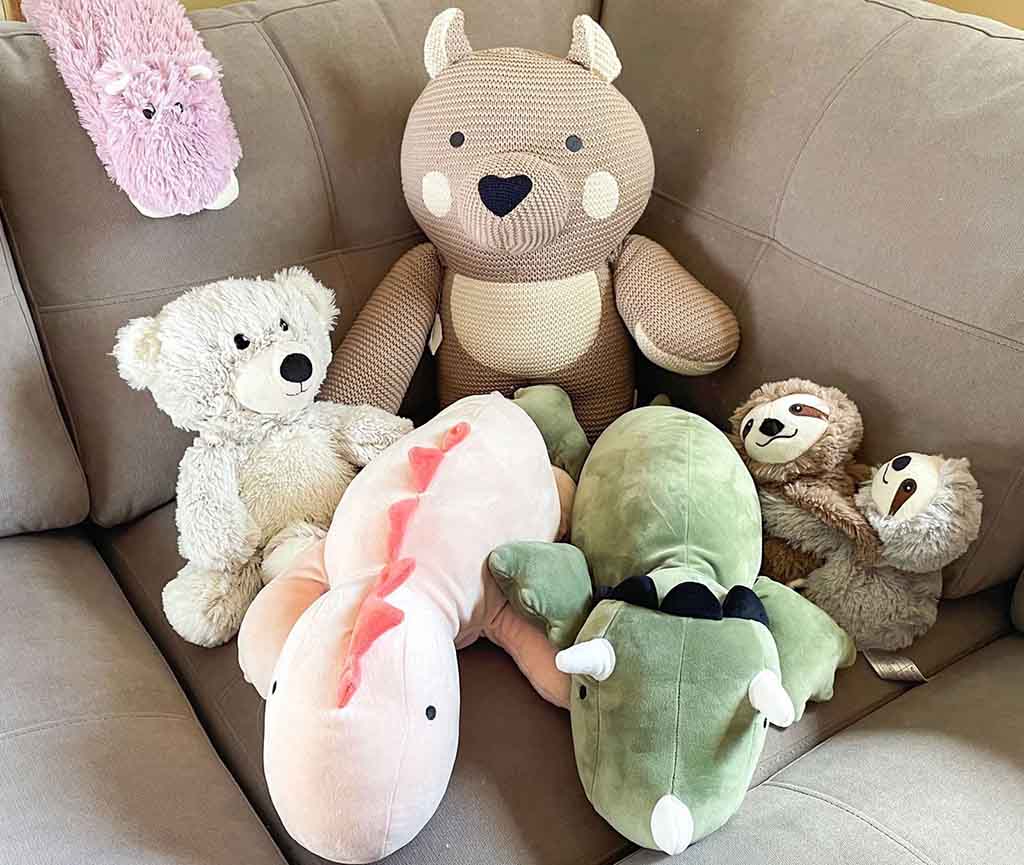
Legal preparation is the first and most critical layer of licensed design protection. Before OEM production begins, brands must ensure that all agreements clearly define ownership, permitted use, and liability related to the licensed design.
At a minimum, contracts should state that all character designs, derivatives, patterns, and molds remain the property of the brand or licensor. The factory’s role must be explicitly defined as manufacturing-only, with no rights to reuse, modify, or display the design beyond the agreed scope.
Without precise IP clauses, enforcement becomes difficult even if misuse is obvious. Strong contracts do not signal distrust—they create clarity and prevent misunderstandings before they escalate.
| Legal Element | Purpose | Risk If Missing |
|---|---|---|
| IP ownership clause | Confirms design ownership | Disputed rights |
| Manufacturing-only use | Limits factory role | Unauthorized reuse |
| Derivative restriction | Protects variations | Copycat products |
| Liability definition | Assigns responsibility | Legal ambiguity |
| Jurisdiction & remedies | Enables enforcement | Weak legal position |
How Can NDAs, Licensing Scope, and Usage Limits Be Clearly Defined with Factories?
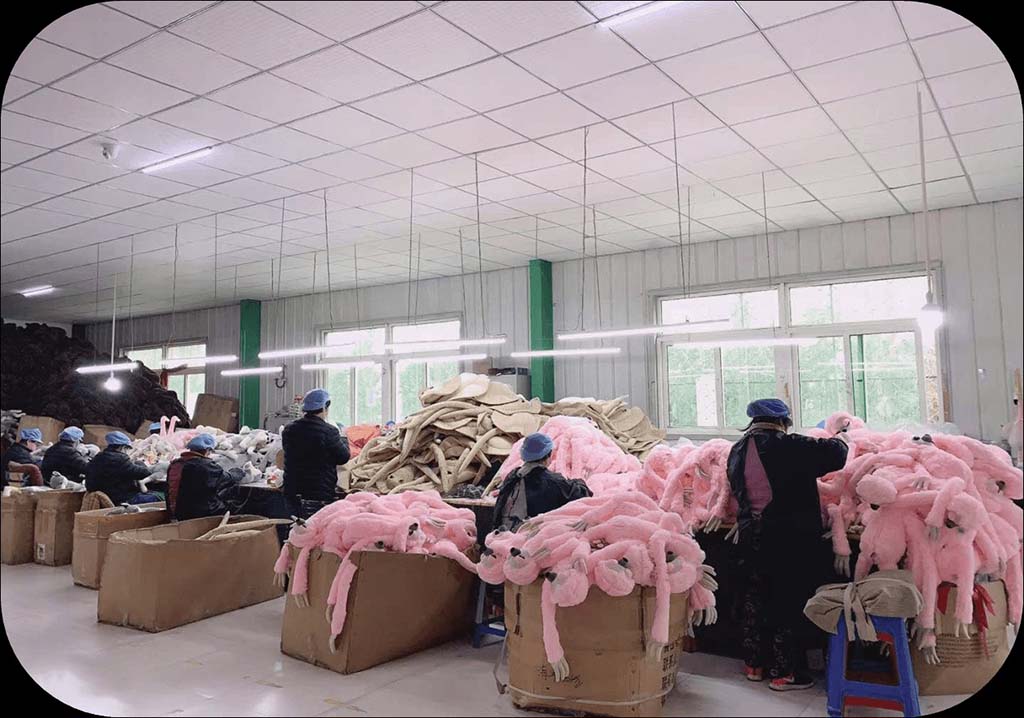
Non-disclosure agreements (NDAs) are essential, but their effectiveness depends on scope clarity. A generic NDA is not sufficient for licensed OEM projects.
NDAs must specify which assets are confidential, who within the factory may access them, and how long confidentiality obligations remain in effect. Equally important is defining the licensing scope—including product categories, quantities, territories, and time frames.
Factories should understand not only what they can do, but also what they are explicitly prohibited from doing. Clear limits reduce accidental misuse and strengthen accountability.
| Control Area | Key Definition | Practical Outcome |
|---|---|---|
| Confidential assets | Files, samples, molds | Controlled access |
| Authorized users | Named departments | Reduced exposure |
| Product scope | Specific SKUs | No overproduction |
| Territory limits | Market boundaries | Prevent grey sales |
| Time validity | License duration | No post-license use |
What Internal Factory Controls Help Prevent Unauthorized Use of Licensed Designs?

IP protection does not stop at contracts—it must be supported by internal factory controls. Experienced OEM factories handling licensed projects implement structured safeguards that limit who can see, copy, or reuse designs.
These controls include access-restricted design rooms, separated production lines for licensed items, and internal policies prohibiting photography or external sharing. Staff training is also critical; workers must understand that licensed products are not interchangeable with generic orders.
Factories lacking internal controls may unintentionally expose designs through casual handling or undocumented subcontracting.
| Factory Control | Function | Protection Benefit |
|---|---|---|
| Restricted access areas | Limit exposure | Fewer leak points |
| Design file permissions | Control visibility | Prevent copying |
| Licensed-only production lines | Isolate projects | Clear separation |
| No-photo policy | Visual IP protection | Reduce leaks |
| Staff IP training | Awareness | Compliance culture |
How Should Design Files, Samples, and Molds Be Managed to Reduce IP Leakage Risks?
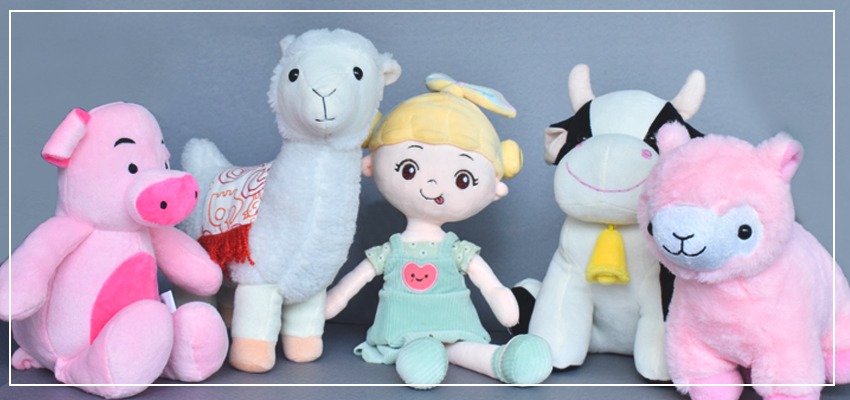
Design assets are most vulnerable during file transfer, sampling, and mold storage. Each physical or digital handoff introduces risk if not managed carefully.
Best practice is centralized file control, where factories access designs only through designated channels and versions. Samples should be numbered, logged, and returned or destroyed after approval. Molds and patterns should be clearly labeled as licensed assets and stored separately from general tooling.
Brands should never assume assets will “disappear naturally” after production. Formal asset lifecycle management is essential.
| Asset Type | Risk Point | Best Practice |
|---|---|---|
| Digital files | Copy & reuse | Controlled access |
| Physical samples | Unauthorized display | Sample logging |
| Patterns | Reproduction | License labeling |
| Molds | Long-term misuse | Secure storage |
| Archive data | Future leakage | Defined destruction |
How Do Audits, Production Tracking, and Third-Party Oversight Protect Licensed Assets?
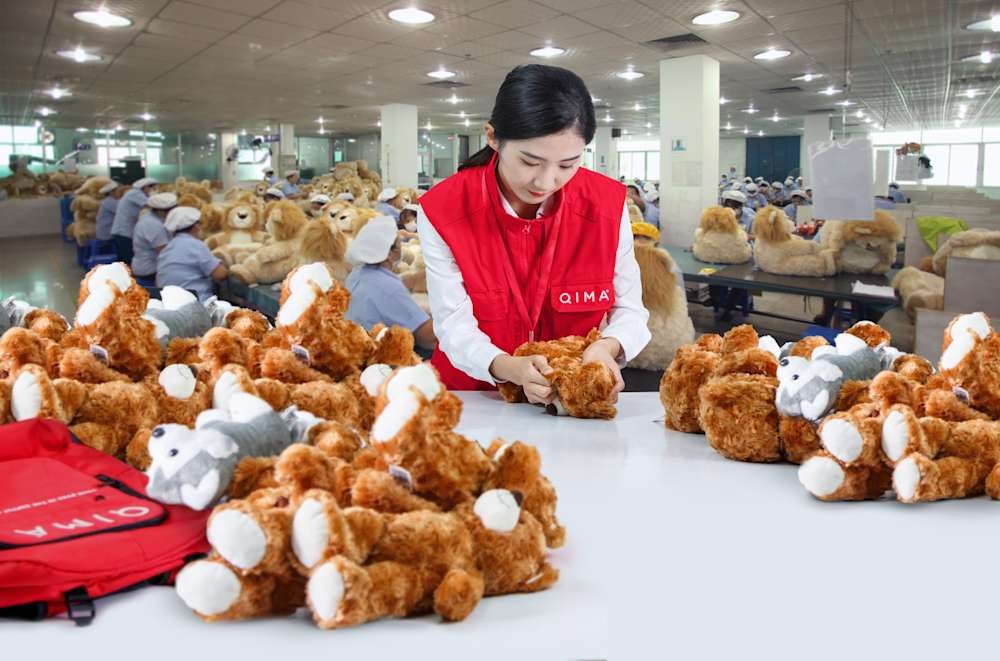
Oversight transforms agreements into enforceable reality. Regular audits—either by the brand or a trusted third party—help verify that IP controls are followed in practice.
Production tracking systems ensure that quantities match licensed approvals, reducing the risk of overproduction or diversion. In high-value projects, third-party inspectors or compliance partners can add an additional layer of accountability.
The goal is not constant surveillance, but predictable transparency.
| Oversight Tool | Purpose | Value |
|---|---|---|
| Factory audits | Verify compliance | Early detection |
| Production logs | Quantity control | Prevent excess |
| Sample reconciliation | Asset tracking | Accountability |
| Third-party checks | Independent review | Neutral validation |
| Reporting cadence | Ongoing visibility | Trust reinforcement |
What Actions Can Brands Take If Licensed Designs Are Misused During OEM Production?
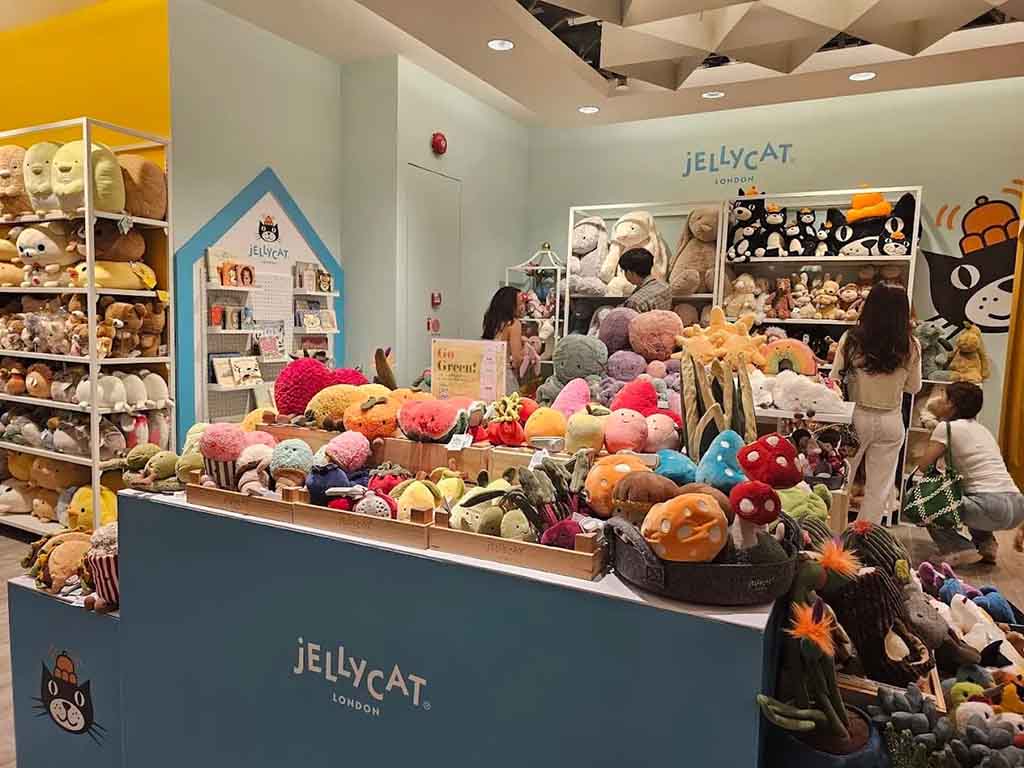
Despite precautions, misuse can still occur. Brands must be prepared with clear response protocols.
Immediate steps include evidence collection, production suspension, and formal notice to the factory. Depending on severity, actions may escalate to contract termination, compensation claims, or legal enforcement.
Importantly, brands should act decisively but proportionally. Delayed or inconsistent responses weaken future protection.
| Response Step | Purpose | Outcome |
|---|---|---|
| Evidence documentation | Proof | Legal strength |
| Production halt | Risk containment | Prevent spread |
| Formal notice | Record breach | Contract leverage |
| Corrective action | Damage control | Restore compliance |
| Legal escalation | Enforcement | IP protection |
Conclusion
Protecting licensed designs during OEM production requires more than trust—it demands structure, clarity, and disciplined execution. By combining strong legal agreements, clearly defined usage limits, internal factory controls, secure asset management, transparent oversight, and decisive response mechanisms, brands can safeguard their licensed plush designs while scaling production with confidence.
📧 Contact: [email protected]
🌐 Visit: https://kinwintoys.com