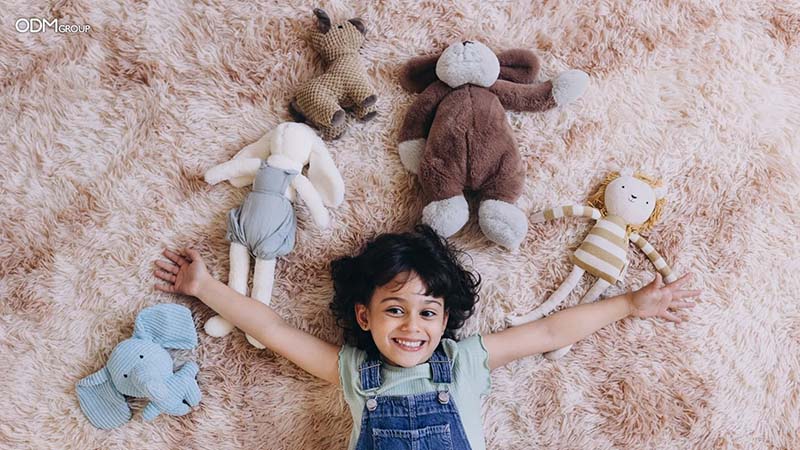
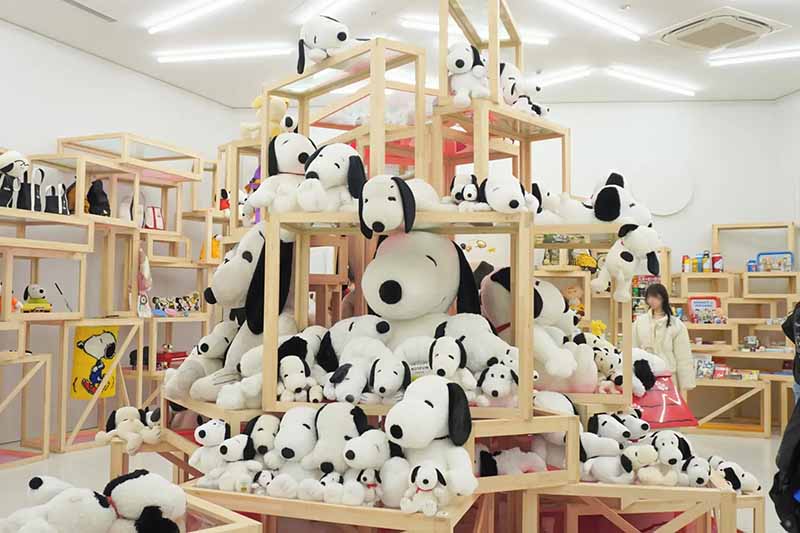
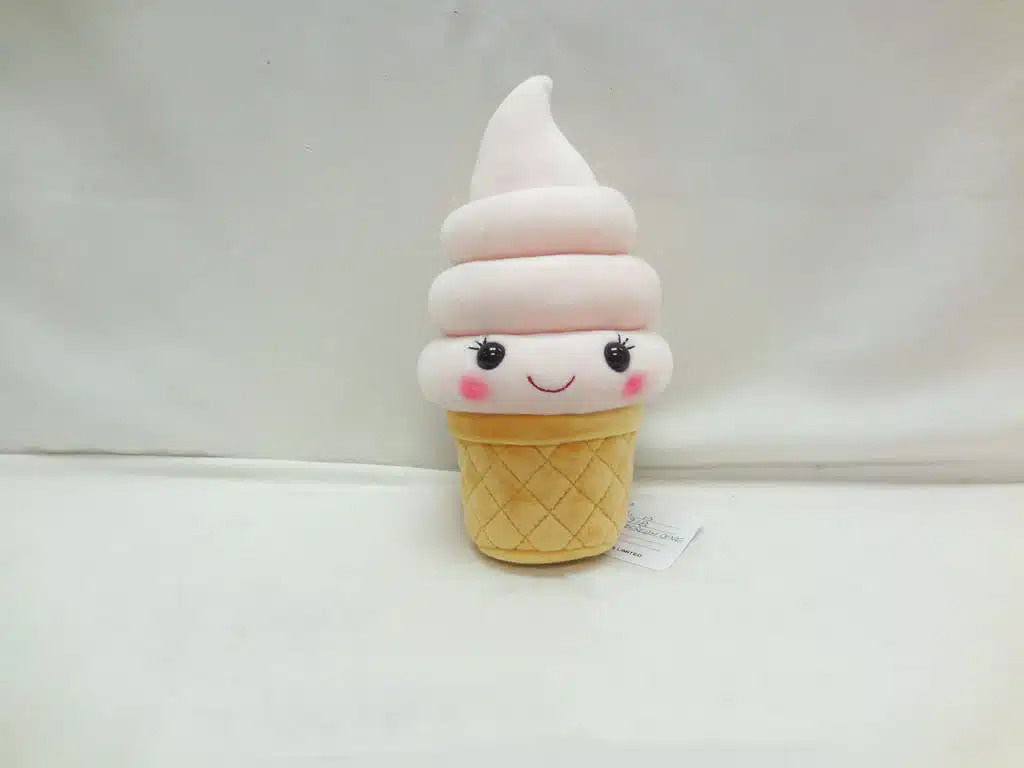
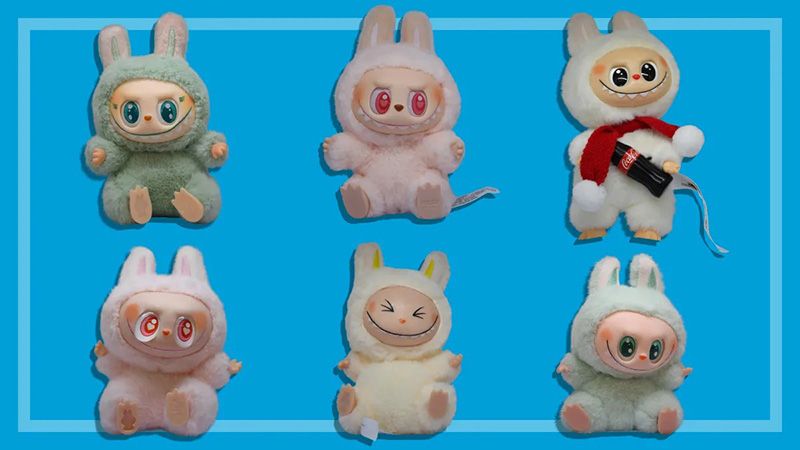
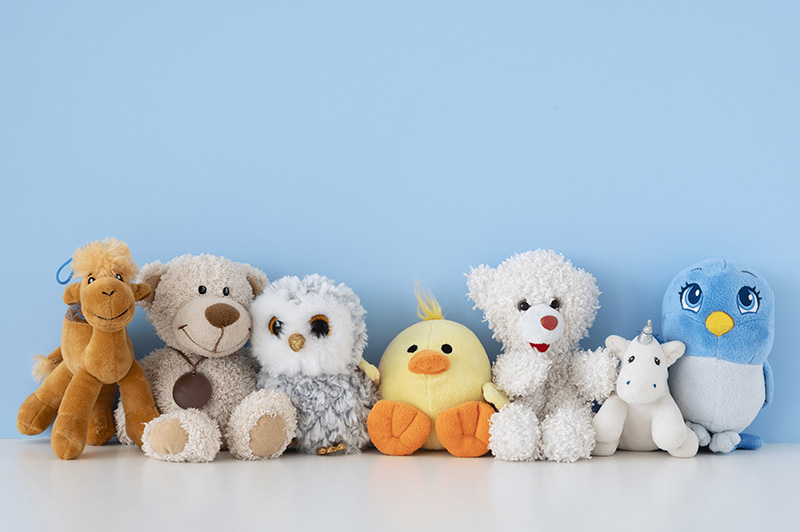
In hospital environments, plush toys play a role far beyond decoration or entertainment. They serve as emotional anchors, especially for children, elderly patients, and individuals experiencing anxiety, isolation, or long recovery periods. Soft textures, friendly forms, and calming visual cues help reduce stress, create a sense of familiarity, and provide psychological comfort in otherwise clinical spaces.
For healthcare programs, charities, hospital gift shops, and brand-supported care initiatives, selecting the right plush toys means balancing emotional impact, hygiene considerations, safety compliance, and visual appropriateness. The following plush categories are widely used because they align naturally with hospital needs and patient emotional states.
Teddy Bear Plush Toy for Emotional Comfort and Reassurance
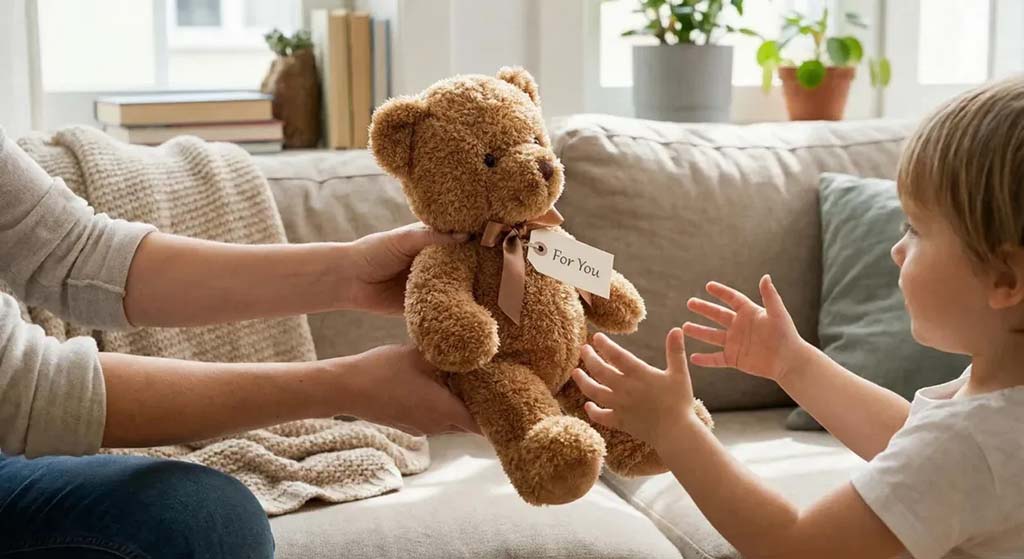
Teddy bears are one of the most universally accepted comfort objects in hospital settings. Their familiarity transcends age, culture, and language, making them especially effective for first-time hospital visits, post-surgery recovery, and long-term inpatient care. The rounded shape, soft limbs, and gentle facial expressions help patients feel less intimidated by medical environments.
In pediatric wards, teddy bear plush toys are often introduced during admission or medical procedures to reduce fear and create a sense of companionship. For adult and elderly patients, teddy bears can evoke nostalgia and emotional grounding, offering reassurance during vulnerable moments. Neutral or warm color tones—such as beige, light brown, or cream—are preferred to avoid overstimulation.
From a production standpoint, hospital teddy bears are typically designed with short-pile fabrics that are easy to clean and resistant to excessive lint shedding. Seams are reinforced to withstand frequent handling, and facial details are embroidered rather than using plastic parts, aligning with hospital safety standards.
| Aspect | Hospital Comfort Value | Practical Consideration |
|---|---|---|
| Emotional role | Familiar reassurance | Reduces anxiety |
| Age suitability | All age groups | Universal acceptance |
| Design preference | Soft, neutral tones | Non-stimulating |
| Safety focus | No hard accessories | Embroidered features |
| Usage scenario | Bedside & procedural support | Repeated handling |
Soft Bunny Plush Toy for Pediatric Hospital Patients
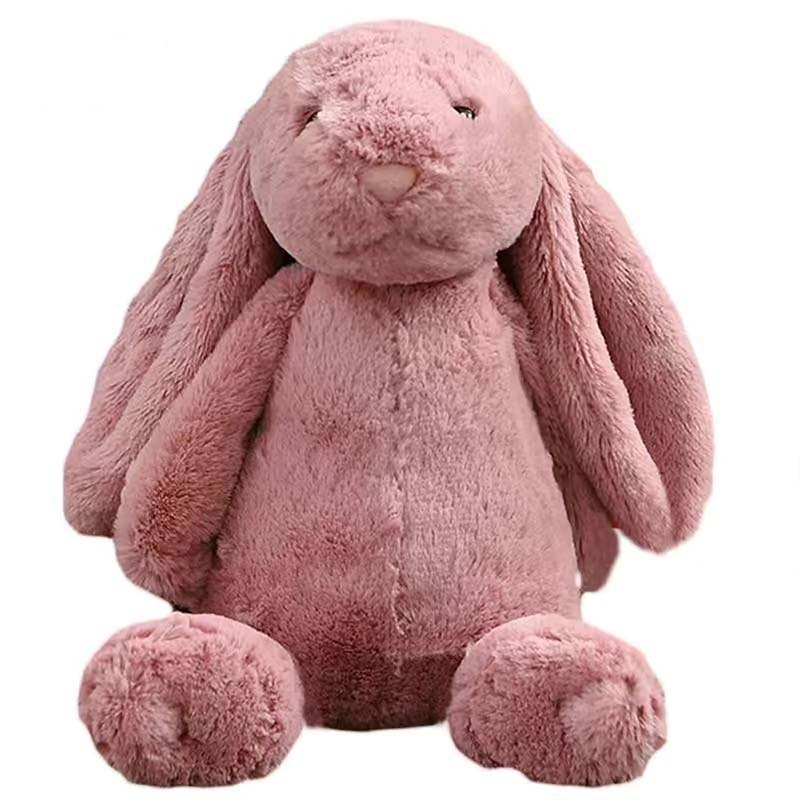
Soft bunny plush toys are particularly effective in pediatric hospital settings due to their gentle appearance and approachable character. Long ears, rounded bodies, and friendly expressions naturally convey warmth and innocence, helping young patients feel safer and more relaxed during treatment or recovery.
Bunny plush toys are often used in children’s wards, oncology units, and vaccination programs, where emotional reassurance is critical. Their soft silhouette makes them easy to hold, cuddle, or place beside a pillow, supporting self-soothing behaviors in stressful situations. Pastel colors—such as light pink, mint green, or soft gray—are commonly chosen to maintain a calm atmosphere.
From a sourcing perspective, hospital-grade bunny plush toys focus on hypoallergenic fabrics and lightweight fillings. Many programs prefer smaller-to-medium sizes that are easy for children to carry between rooms without burden. Designs avoid detachable elements to meet strict pediatric safety requirements.
| Aspect | Pediatric Benefit | Practical Consideration |
|---|---|---|
| Emotional tone | Gentle & comforting | Reduces fear |
| Design feature | Long ears & soft body | Easy to hug |
| Color choice | Pastel & light shades | Calm visual impact |
| Safety standard | Hypoallergenic materials | Child-safe use |
| Usage scenario | Pediatric wards & clinics | Daily interaction |
Gentle Elephant Plush Toy with Calm and Friendly Presence

Elephant plush toys are valued in hospitals for their symbolic association with strength, calmness, and protection. Their large ears, rounded bodies, and slow-moving animal identity create a reassuring presence that helps patients feel supported rather than overwhelmed.
Elephant plush toys are frequently used in recovery rooms, therapy sessions, and long-stay wards where patients benefit from a steady, grounding companion. The visual weight of the elephant form conveys stability, while softened proportions ensure the design remains friendly rather than imposing.
In hospital environments, elephant plush toys are usually produced in muted tones such as light gray, soft blue, or beige. The emphasis is placed on smooth textures and balanced weight, making them suitable for resting against the body or using as a supportive pillow during rest periods.
| Aspect | Comfort Function | Practical Consideration |
|---|---|---|
| Symbolism | Strength & protection | Emotional reassurance |
| Visual impact | Calm, grounded presence | Non-threatening |
| Fabric choice | Smooth, low-lint plush | Easy maintenance |
| Size preference | Medium, balanced form | Bedside friendly |
| Usage scenario | Recovery & therapy rooms | Long-term comfort |
Cat Plush Toy for Quiet Companionship in Recovery Rooms
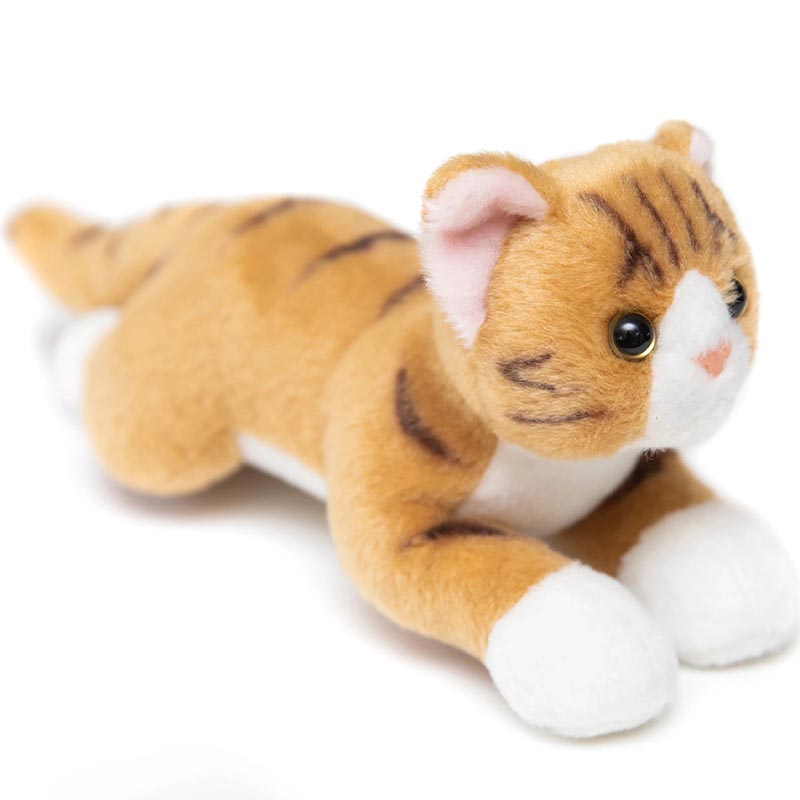
Cat plush toys are especially suitable for hospital recovery rooms where patients need quiet, non-intrusive emotional companionship. Unlike more energetic animal designs, cats naturally convey calmness, independence, and gentle presence—qualities that align well with healing environments.
For patients recovering from surgery or undergoing long-term treatment, cat plush toys provide comfort without demanding interaction. Their curled or seated poses visually reinforce rest and stillness, helping patients feel less pressured to engage while still benefiting from emotional support. Neutral color palettes—such as soft gray, cream, or muted brown—are preferred to maintain a tranquil atmosphere.
From a design and sourcing perspective, hospital-appropriate cat plush toys emphasize simple silhouettes and smooth surfaces. Facial expressions are minimal and friendly, avoiding exaggerated features that could feel overstimulating. Compact-to-medium sizing ensures easy placement on beds, chairs, or side tables without cluttering medical spaces.
| Aspect | Recovery Room Value | Practical Consideration |
|---|---|---|
| Emotional role | Quiet companionship | Low stimulation |
| Visual language | Calm, curled poses | Supports rest |
| Color selection | Neutral & soft tones | Healing-friendly |
| Design focus | Minimal facial detail | Emotional neutrality |
| Usage scenario | Recovery & rest rooms | Long-duration stays |
Dog Plush Toy for Familiar and Supportive Comfort
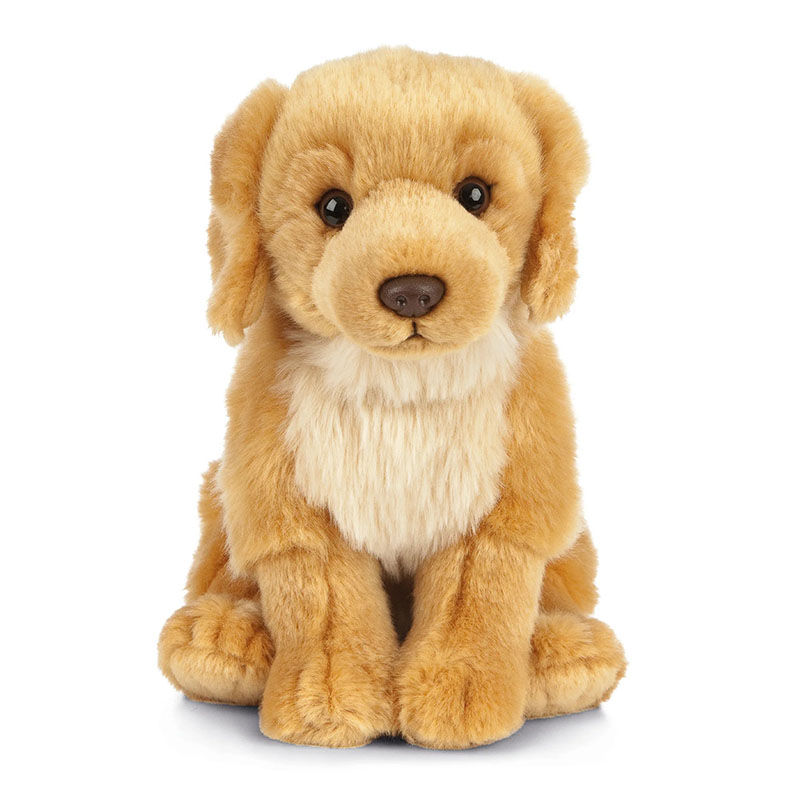
Dog plush toys offer a strong sense of familiarity and loyalty, making them particularly comforting in hospital environments where patients may feel isolated from home and loved ones. Dogs are widely associated with emotional support, trust, and companionship, which translates effectively into plush form.
In hospitals, dog plush toys are often used in pediatric care, rehabilitation wards, and elderly care units. For children, dog plush toys can act as brave “protectors” during medical procedures. For adults and seniors, they can evoke memories of pets at home, providing emotional grounding during stressful or lonely periods.
Manufacturing considerations focus on balanced proportions and soft, durable fabrics that withstand repeated handling. Designs typically avoid overly realistic detailing in favor of approachable, friendly expressions. Medium-sized dog plush toys are ideal, offering a comforting presence without becoming cumbersome in shared patient spaces.
| Aspect | Emotional Benefit | Practical Consideration |
|---|---|---|
| Symbolism | Loyalty & support | Emotional reassurance |
| Familiarity | Pet-like connection | Reduces loneliness |
| Design approach | Friendly, approachable | Wide age appeal |
| Fabric choice | Durable, soft-touch | Frequent handling |
| Usage scenario | Pediatric & elder care | Emotional grounding |
Cloud-Shaped Plush Toy for Stress Relief and Calm Atmosphere
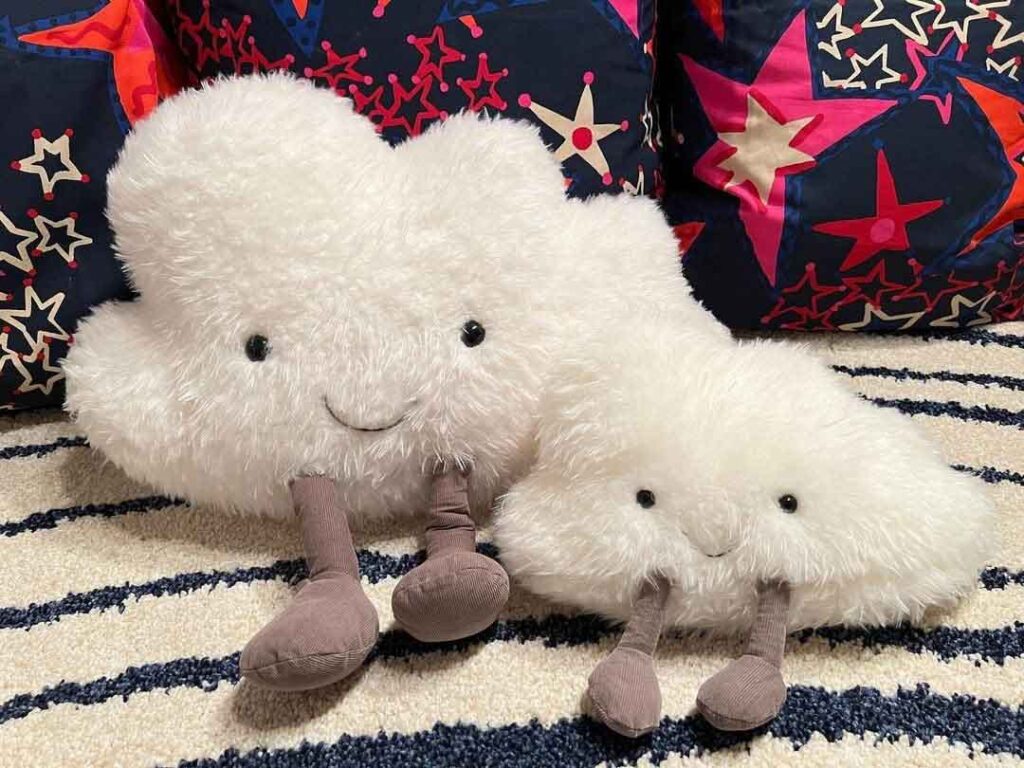
Cloud-shaped plush toys are increasingly used in hospitals because they are emotionally neutral yet deeply calming. Unlike animal characters that may carry cultural or personal associations, cloud designs offer a universal symbol of softness, peace, and lightness—ideal for clinical settings.
These plush toys are often placed in waiting areas, therapy rooms, and patient bedsides to reduce visual stress. Their rounded, abstract forms help soften the sharp lines of hospital furniture and equipment, subtly improving the emotional tone of the environment. White, ivory, or pale blue shades are commonly used to reinforce cleanliness and serenity.
From a sourcing standpoint, cloud plush toys are typically made with ultra-soft microfiber or short-pile fabrics that resist lint and are easy to maintain. They are frequently produced as pillow-style plush items, allowing them to serve both decorative and functional comfort roles.
| Aspect | Environmental Impact | Practical Consideration |
|---|---|---|
| Emotional tone | Calm & neutral | Universally accepted |
| Visual function | Softens clinical spaces | Stress reduction |
| Design style | Abstract, rounded form | Non-stimulating |
| Material choice | Microfiber / short-pile | Easy care |
| Usage scenario | Waiting & therapy areas | Ambient comfort |
Heart Plush Toy for Emotional Support and Encouragement

Heart-shaped plush toys play a unique role in hospital environments by delivering direct emotional affirmation. Unlike animal plush toys that provide companionship through character, heart plush toys communicate care, love, and encouragement in a universal and immediately recognizable way. This makes them especially effective in wards where emotional reassurance is a priority, such as oncology, post-operative recovery, and long-term care units.
For patients experiencing anxiety, loneliness, or uncertainty, heart plush toys act as silent emotional messengers. They are often given by hospitals, charities, or family members to symbolize support when words feel insufficient. Their simple shape avoids overstimulation while still conveying warmth and empathy.
From a design standpoint, hospital-grade heart plush toys favor soft contours, moderate firmness, and skin-friendly fabrics. Colors are typically muted reds, pinks, or neutral tones rather than bright, saturated hues. Some designs incorporate subtle stitched messages or textures, but excessive text or branding is avoided to maintain emotional neutrality.
| Aspect | Emotional Value | Practical Consideration |
|---|---|---|
| Core message | Care & encouragement | Universal symbolism |
| Emotional impact | Reduces anxiety | Non-verbal reassurance |
| Design language | Simple heart silhouette | Calm & inclusive |
| Color usage | Soft reds / neutrals | Healing-friendly |
| Usage scenario | Oncology & recovery wards | Emotional gifting |
Pillow-Style Plush Toy for Resting and Relaxation
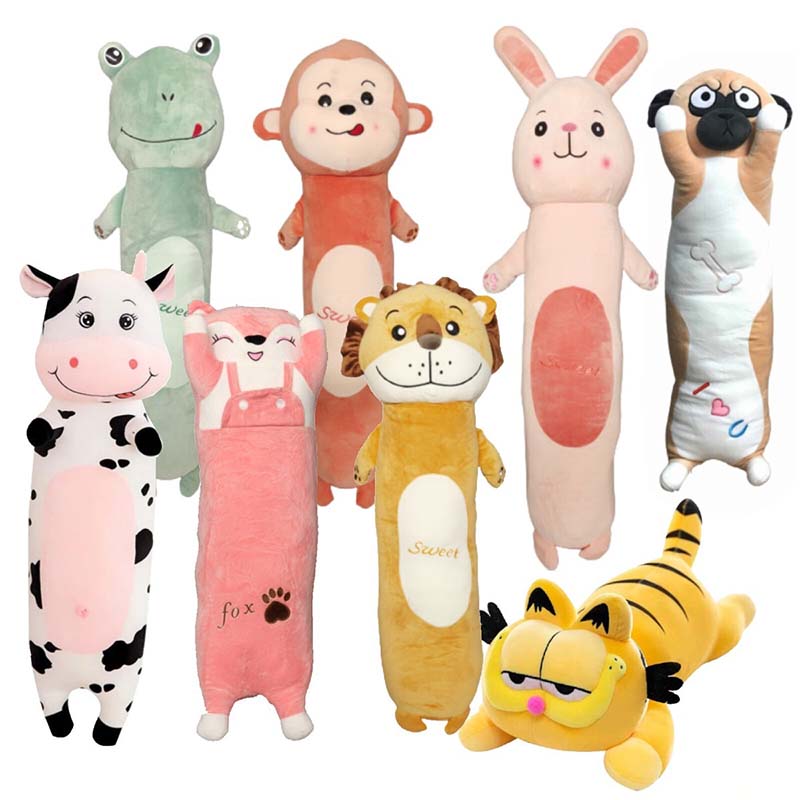
Pillow-style plush toys combine emotional comfort with physical support, making them one of the most practical plush options for hospital use. These plush toys are designed not just to be held, but to actively assist with resting, positioning, and relaxation during long hospital stays.
Patients often use pillow-style plush toys to support arms, necks, or lower backs, especially during extended bed rest. The soft yet structured filling helps relieve pressure points while maintaining a comforting tactile experience. For pediatric patients, these plush pillows also provide a sense of familiarity and safety during sleep or medical procedures.
Manufacturing considerations emphasize balanced density and durability. Fillings must retain shape after repeated compression, while outer fabrics should be breathable, hypoallergenic, and easy to clean. Neutral shapes—such as rounded rectangles or soft animal silhouettes—are preferred to ensure broad age suitability.
| Aspect | Functional Benefit | Practical Consideration |
|---|---|---|
| Primary role | Physical + emotional comfort | Dual-purpose use |
| Support function | Neck & arm support | Rest facilitation |
| Filling choice | Medium-density fiber | Shape retention |
| Fabric selection | Breathable & hypoallergenic | Hospital-friendly |
| Usage scenario | Bed rest & recovery | Extended stays |
Whale Plush Toy for Soothing, Ocean-Inspired Comfort
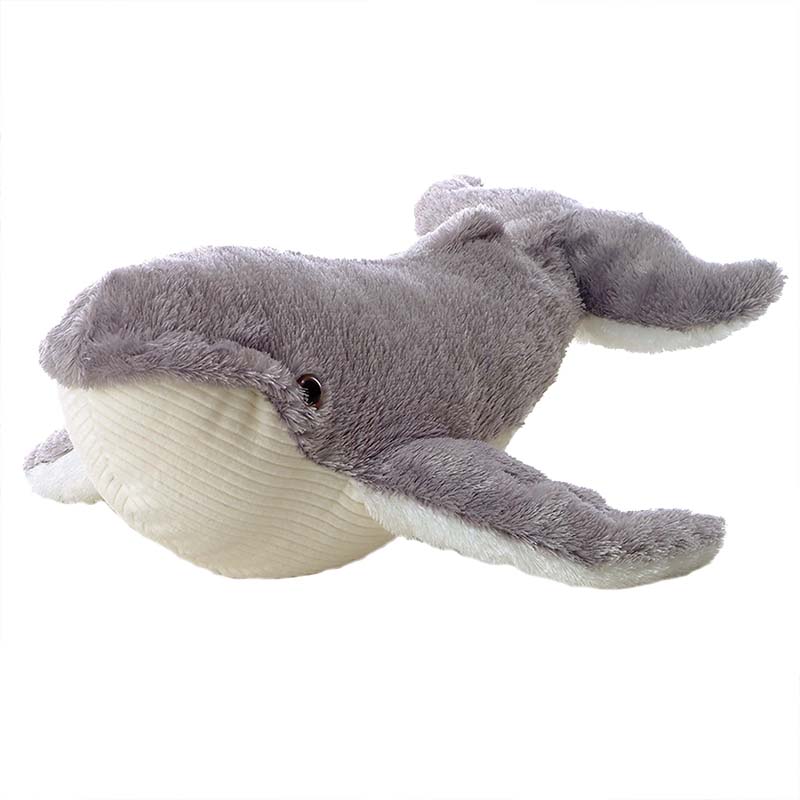
Whale plush toys bring a sense of gentle scale and emotional calm that is particularly effective in hospital settings. Whales are commonly associated with peace, depth, and slow, steady movement—qualities that subconsciously encourage relaxation and emotional grounding.
In patient rooms and pediatric wards, whale plush toys often serve as comforting companions that feel substantial without being overwhelming. Their elongated bodies make them easy to hug or rest against, while their calm facial expressions support a tranquil atmosphere. Ocean-inspired themes are also frequently used in hospitals to reduce stress and promote a sense of escape from clinical surroundings.
From a production perspective, whale plush toys prioritize smooth surface textures, elongated proportions, and soft color gradients. Blues, grays, and pastel tones dominate, reinforcing the calming visual effect. Designs intentionally avoid sharp fins or aggressive expressions to maintain a soothing presence.
| Aspect | Emotional Effect | Practical Consideration |
|---|---|---|
| Symbolism | Calm & stability | Stress reduction |
| Shape advantage | Long, huggable form | Comfort positioning |
| Visual theme | Ocean-inspired | Relaxing association |
| Color palette | Soft blues & neutrals | Emotional cooling |
| Usage scenario | Pediatric & therapy rooms | Emotional grounding |
Sloth Plush Toy for Slow, Relaxing Visual Comfort
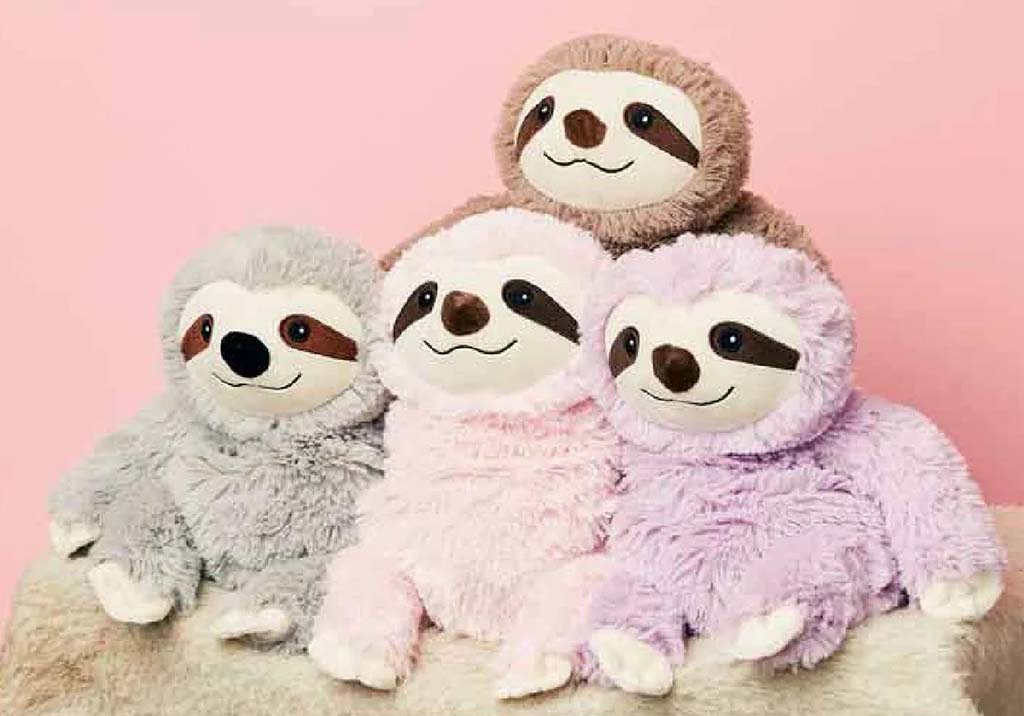
Sloth plush toys are increasingly used in hospital environments because they visually communicate slowness, patience, and rest—qualities that align closely with recovery and healing. Unlike energetic or expressive characters, sloths encourage patients to slow down mentally, which can be particularly beneficial during long recovery periods or high-stress treatments.
For both children and adults, sloth plush toys help normalize rest. Their relaxed posture and gentle facial expressions reinforce the idea that it is okay to pause and recover at one’s own pace. This subtle psychological reassurance can reduce feelings of guilt or frustration often associated with prolonged hospital stays.
Design-wise, sloth plush toys emphasize soft limbs, drooping poses, and muted earth tones. The plush is often lightweight but visually “relaxed,” allowing patients to hold or position it easily without effort. Materials are chosen for tactile softness rather than firmness, reinforcing comfort over structure.
| Aspect | Emotional Benefit | Practical Consideration |
|---|---|---|
| Core symbolism | Rest & patience | Recovery alignment |
| Visual impact | Low stimulation | Stress reduction |
| Pose design | Relaxed & drooping | Emotional signaling |
| Color palette | Soft browns & neutrals | Calming tone |
| Usage scenario | Long-term recovery wards | Emotional normalization |
Star-Shaped Plush Toy for Hope and Positive Feelings

Star-shaped plush toys carry strong symbolic meaning in hospital settings, representing hope, guidance, and positivity. Their abstract, non-animal form makes them suitable for a wide range of patients regardless of age, culture, or personal preferences.
In pediatric wards, star plush toys are often used as rewards or encouragement items after procedures. For adult patients, they function more subtly—placed on beds or chairs as a visual reminder of progress, care, and emotional support. Their gentle shapes and rounded points avoid sharp visual contrast, keeping the design soothing rather than stimulating.
From a manufacturing perspective, star plush toys require careful pattern balance to maintain symmetry while preserving softness. Fill density is usually moderate to ensure the plush holds its shape without feeling rigid. Colors range from warm yellows and creams to soft pastels, supporting optimism without visual overload.
| Aspect | Emotional Role | Practical Consideration |
|---|---|---|
| Symbolism | Hope & encouragement | Universal meaning |
| Design form | Abstract & inclusive | Age-neutral |
| Shape handling | Rounded points | Safety-focused |
| Color usage | Soft yellow / pastel | Positive emotion |
| Usage scenario | Pediatric & recovery wards | Motivational gifting |
Soft Doll Plush Toy for Nurturing and Emotional Connection
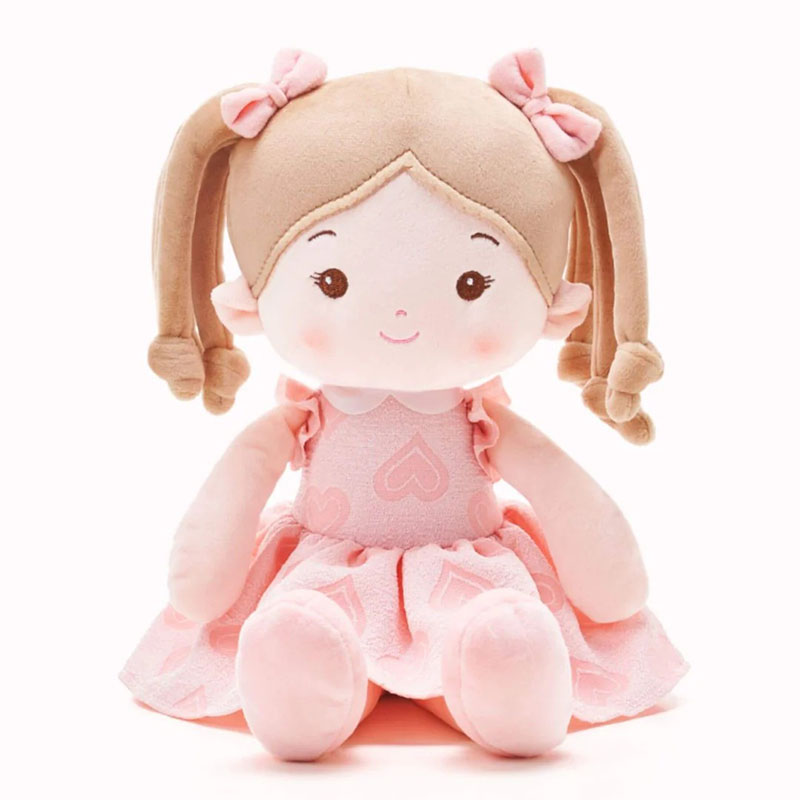
Soft doll plush toys play a deeply nurturing role in hospital environments, especially for pediatric patients and individuals experiencing emotional vulnerability. Unlike animal plush toys, dolls allow patients to project care, empathy, and relational comfort, creating a two-way emotional interaction.
For children, doll plush toys often become transitional objects that provide stability in unfamiliar clinical settings. They may be hugged, talked to, or used in imaginative play, helping children process medical experiences through role-play. For adults, especially elderly patients, soft doll plush toys can evoke comfort, familiarity, and emotional grounding.
Design considerations focus on gentle facial expressions, soft body structure, and non-detailed features to avoid overstimulation or fear. Clothing, if included, is typically sewn-in to prevent detachment risks. Fabrics are selected for skin sensitivity and emotional warmth rather than decorative complexity.
| Aspect | Emotional Function | Practical Consideration |
|---|---|---|
| Emotional role | Nurturing & bonding | Two-way comfort |
| Target users | Pediatric & elderly | Emotional care |
| Facial design | Simple & gentle | Non-threatening |
| Construction | Soft body, sewn-in details | Safety compliance |
| Usage scenario | Pediatric & long-stay wards | Emotional anchoring |
Minimalist Animal Plush Toy for Neutral Hospital Environments
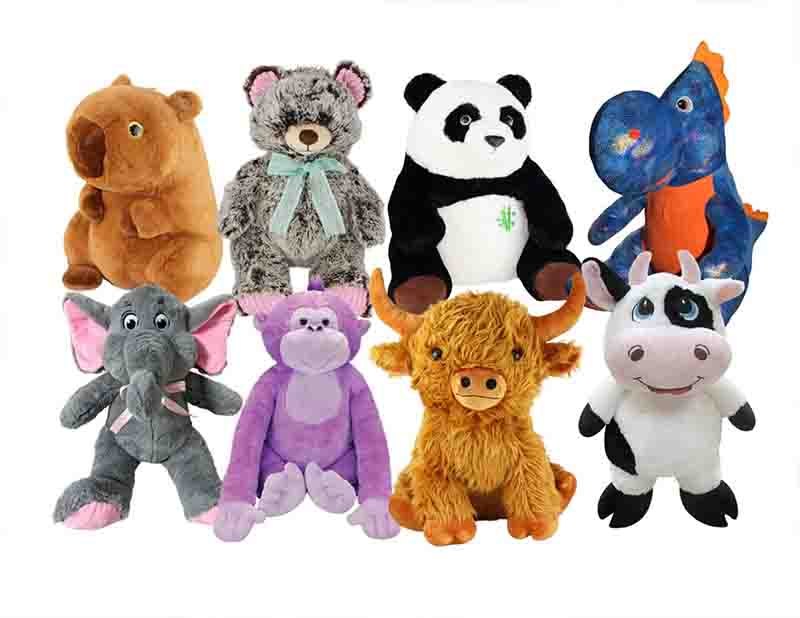
Minimalist animal plush toys are especially suitable for hospitals that prioritize calm, neutrality, and visual order. In shared rooms, ICUs, and adult recovery wards, overly expressive or colorful plush toys can feel distracting or inappropriate. Minimalist designs solve this by offering emotional comfort without visual noise.
These plush toys typically use simplified animal forms—such as bears, rabbits, or cats—with reduced facial details and clean silhouettes. The absence of exaggerated expressions allows patients to emotionally engage at their own pace, without feeling overwhelmed. This makes minimalist plush toys particularly effective for adult patients, elderly individuals, and environments focused on rest and stability.
From a production standpoint, minimalist plush toys emphasize fabric quality, stitching precision, and proportion balance rather than decorative complexity. Neutral tones like beige, gray, ivory, or soft taupe are commonly used to blend naturally into hospital interiors.
| Aspect | Emotional Benefit | Practical Consideration |
|---|---|---|
| Design approach | Calm & understated | Visual neutrality |
| Emotional impact | Gentle reassurance | Low stimulation |
| Color palette | Beige, gray, ivory | Interior harmony |
| Detailing | Minimal facial features | Inclusive design |
| Usage scenario | Adult & shared wards | Environmental fit |
Small Plush Companion Toy for Easy Carry and Bedside Comfort
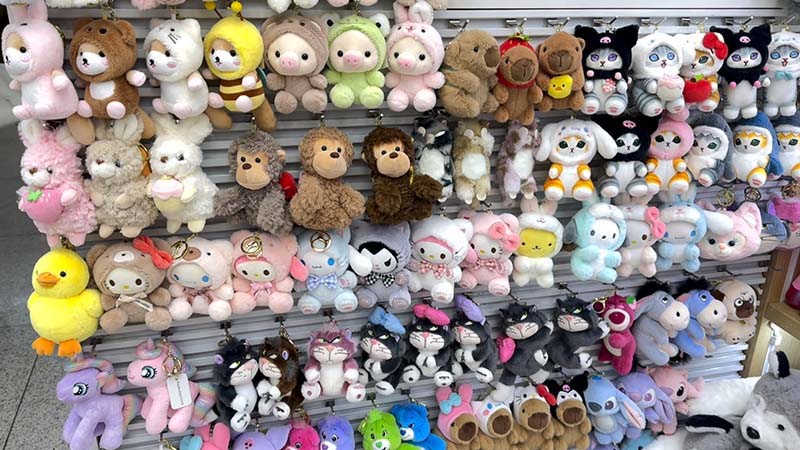
Small plush companion toys offer comfort through portability and personal closeness. Their compact size makes them easy for patients to keep nearby—on a bed, in a bag, or even held during transport between rooms. This constant presence can significantly reduce anxiety, especially for patients undergoing frequent movement or procedures.
In pediatric hospitals, small plush toys often become “travel companions” that move with the child, creating a sense of continuity. For adults, they serve as discreet emotional anchors that do not attract attention or take up space.
Manufacturing considerations focus on lightweight construction, reinforced seams, and simplified shapes to ensure durability despite frequent handling. Because these toys are often carried and touched repeatedly, fabric choice prioritizes softness combined with abrasion resistance.
| Aspect | Emotional Value | Practical Consideration |
|---|---|---|
| Key benefit | Portability | Constant comfort |
| Emotional role | Anxiety reduction | Transitional support |
| Size advantage | Easy bedside placement | Space-efficient |
| Durability need | Frequent handling | Reinforced stitching |
| Usage scenario | Transport & bedside | Daily companionship |
Weighted-Feel Plush Toy for Gentle Calming Support
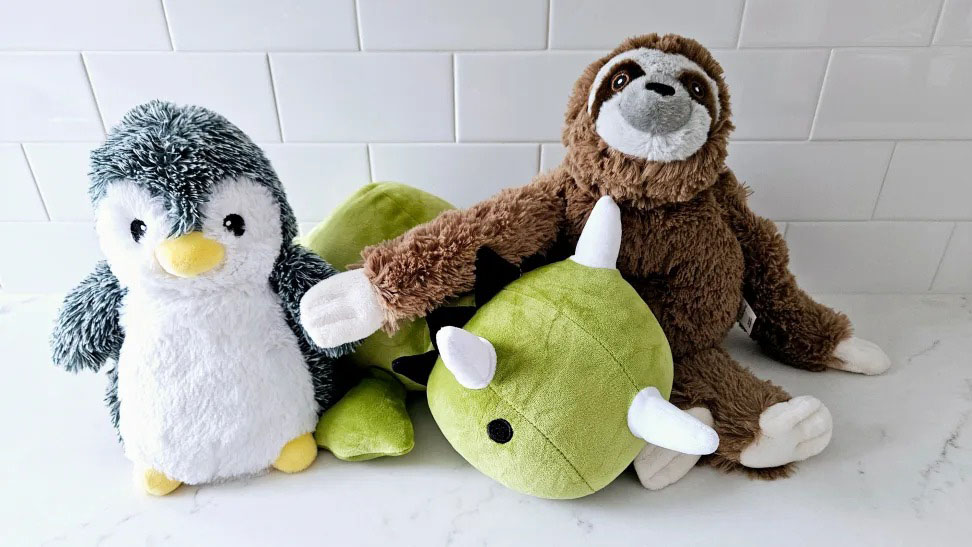
Weighted-feel plush toys are increasingly recognized for their ability to provide deep pressure stimulation, which helps calm the nervous system. In hospital settings, this gentle weight can reduce restlessness, anxiety, and sensory overload without requiring medical intervention.
Unlike traditional weighted blankets, weighted-feel plush toys offer targeted comfort that feels personal and emotionally engaging. Patients can place them on the chest, lap, or arms, creating a sense of grounding and stability. These plush toys are particularly beneficial for pediatric patients, individuals with anxiety disorders, or those experiencing sensory sensitivity.
Design and safety are critical. Hospital-appropriate weighted plush toys use evenly distributed internal weights, fully enclosed within secure inner pouches. Weight levels are carefully controlled to remain safe for different age groups and physical conditions.
| Aspect | Therapeutic Effect | Practical Consideration |
|---|---|---|
| Core function | Nervous system calming | Deep pressure comfort |
| Emotional impact | Reduced anxiety | Grounding sensation |
| Weight control | Even distribution | Safety compliance |
| Construction | Enclosed weight pouches | No leakage risk |
| Usage scenario | Anxiety & sensory support | Supervised hospital use |
Conclusion
Plush toys play a meaningful role in hospital environments by offering emotional reassurance, sensory comfort, and psychological stability during vulnerable moments. From symbolic heart and star designs to functional pillow-style and weighted-feel plush toys, each category serves a specific emotional or physical need. When thoughtfully designed with safety, material choice, and patient experience in mind, plush toys become more than gifts—they become quiet companions that support healing, calm anxiety, and restore a sense of comfort in clinical spaces.
📧 Contact: [email protected]
🌐 Visit: https://kinwintoys.com