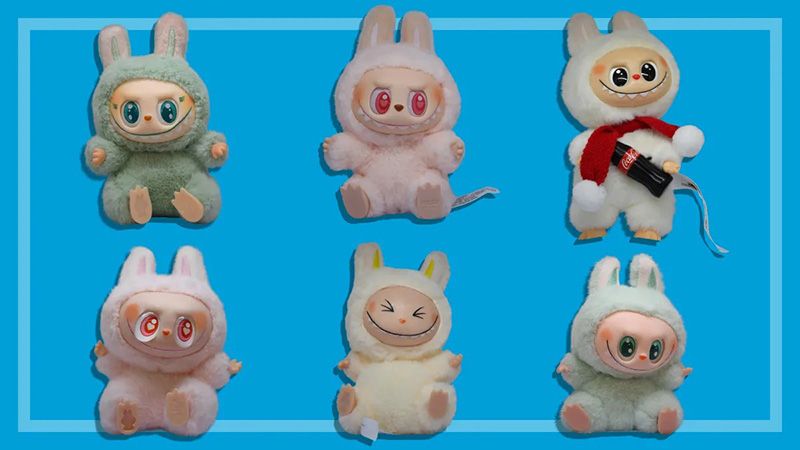
In the FMCG sector, brands compete in one of the most crowded and price-sensitive environments in the market. Products are often similar in function, quickly consumed, and frequently replaced. In this context, emotional branding becomes a primary differentiator, not a secondary one.
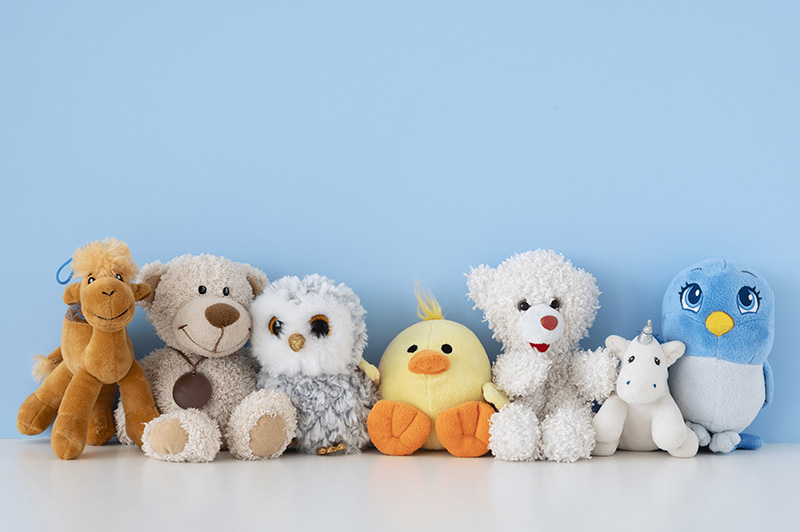
From my experience working with FMCG brands across promotions, mascots, and licensed merchandise, plush toys play a unique role in transforming fast-moving products into emotionally remembered brands. Plush does something packaging, discounts, and digital ads cannot do on their own—it creates a lasting emotional relationship through physical presence.
Why Emotional Branding Plays a Critical Role in FMCG Consumer Decisions
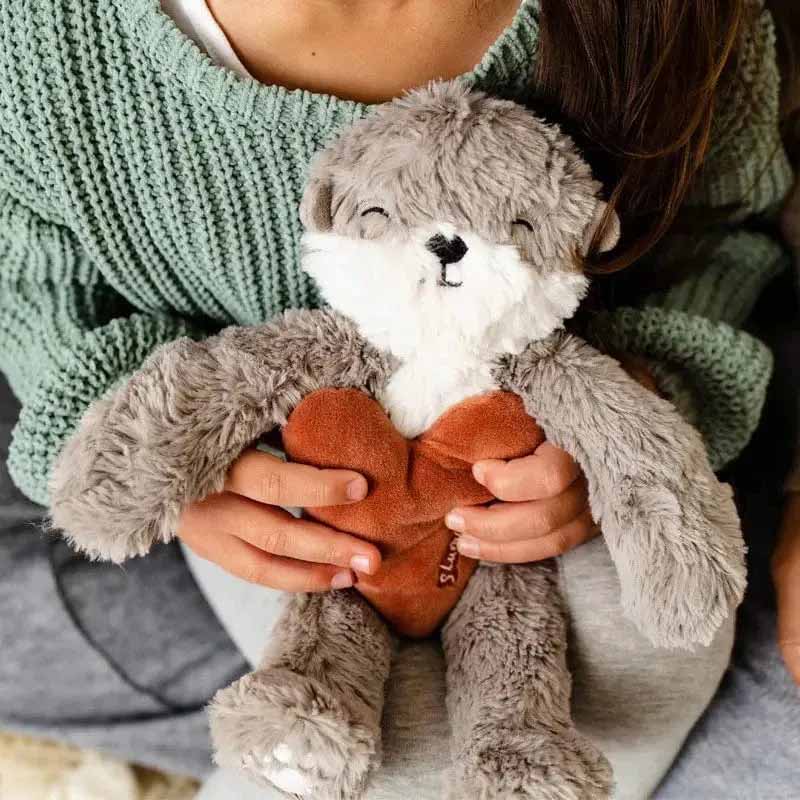
FMCG purchase decisions are often made quickly and repeatedly. Consumers rely on familiarity, trust, and emotional comfort rather than detailed evaluation. Emotional branding fills this gap by creating subconscious preferences that guide repeat purchases.
In categories such as food, beverages, personal care, and household goods, emotional cues help reduce decision fatigue. Brands that feel friendly, caring, or familiar are more likely to be chosen again, even when price differences are minimal.
Emotional branding also increases tolerance. Consumers are more forgiving of price increases or minor product changes when they feel emotionally connected to a brand. This is why FMCG brands invest heavily in mascots, characters, and experiential marketing elements.
| FMCG Reality | Emotional Branding Role | Brand Benefit |
|---|---|---|
| Fast decisions | Emotional shortcuts | Faster choice |
| Low differentiation | Personality creation | Stronger identity |
| High competition | Memory anchoring | Repeat purchase |
| Price sensitivity | Emotional value | Reduced churn |
How Plush Toys Create Tangible Emotional Touchpoints for Everyday Brands

Plush toys turn abstract brand values into something consumers can physically hold. In FMCG, where products are often disposable, plush creates permanence. It stays in homes, offices, and personal spaces long after the original purchase is consumed.
This physical presence reinforces emotional attachment. A plush mascot on a shelf or desk quietly reminds consumers of the brand every day. Unlike digital impressions, this exposure is continuous and voluntary.
For everyday brands, plush acts as an emotional bridge between consumption cycles. It keeps the brand visible even when the product itself is gone, strengthening long-term recall.
| Touchpoint Type | Plush Advantage | Emotional Impact |
|---|---|---|
| Physical presence | Long-lasting | Daily reinforcement |
| Sensory engagement | Touch & comfort | Emotional warmth |
| Brand visibility | Passive | Non-intrusive |
| Usage context | Home & work | Personal connection |
How Brand Mascot Plush Reinforces Identity and Memory in FMCG Campaigns
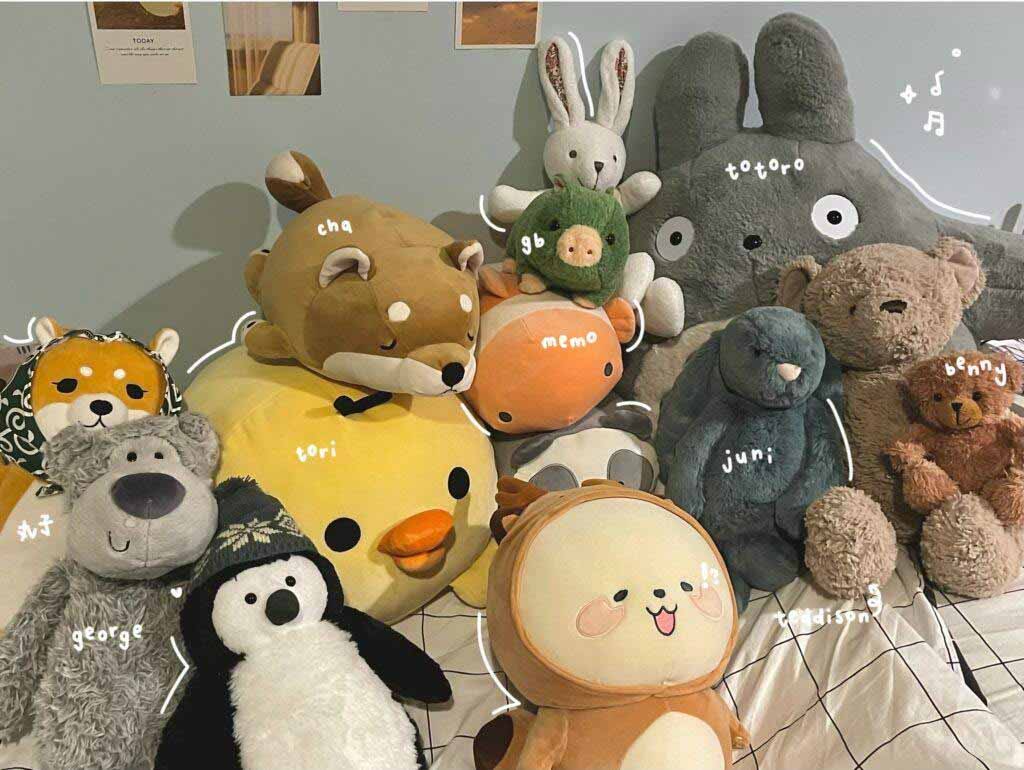
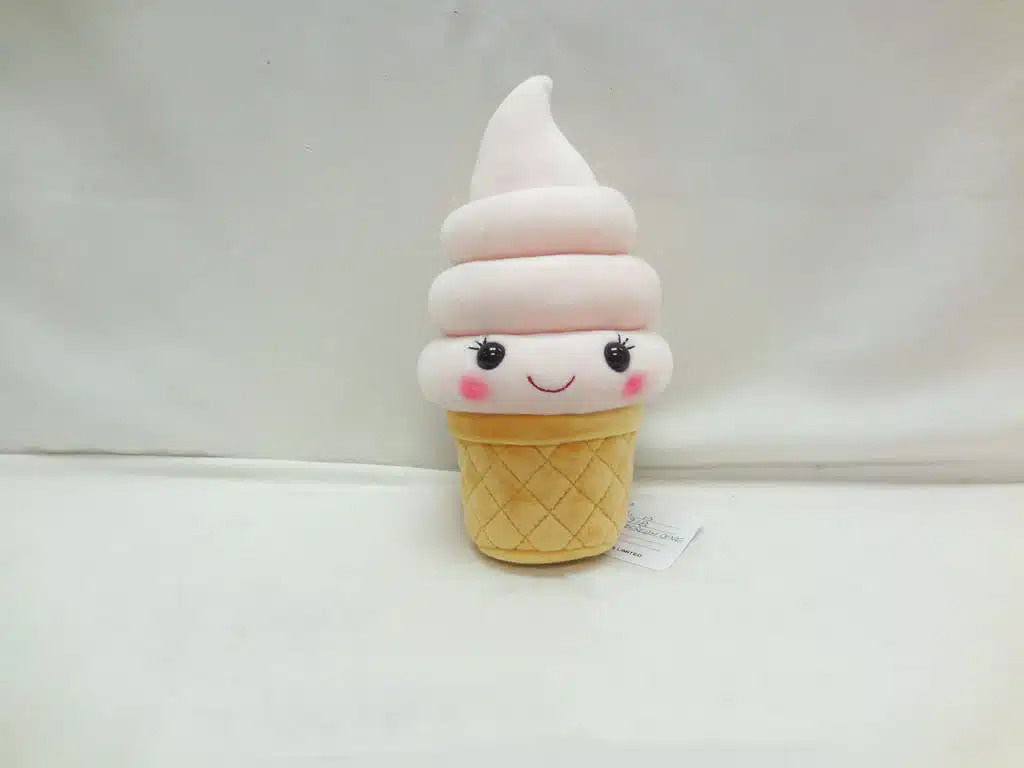
Brand mascots already play a central role in FMCG marketing. When transformed into plush toys, mascots move from being visual symbols to emotional companions.
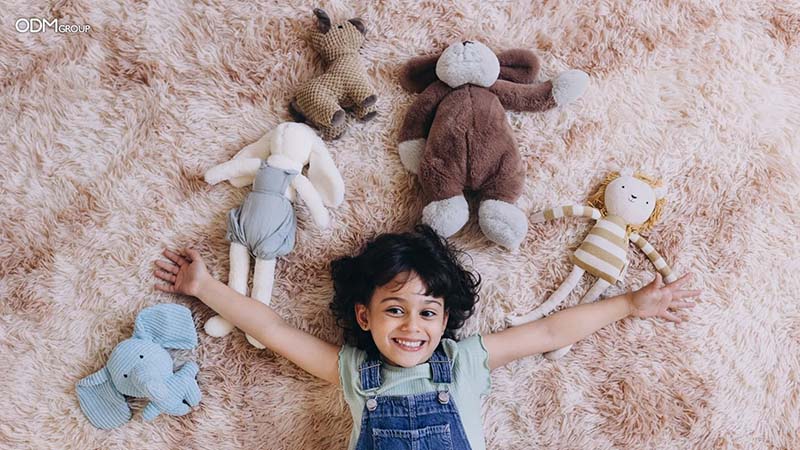
Plush mascots give consumers a way to interact with the brand beyond screens and packaging. Children bond with them. Adults associate them with comfort or nostalgia. Over time, the mascot becomes a memory trigger tied to positive experiences.
From a campaign perspective, plush mascots unify messaging across channels. The same character appears in ads, packaging, social media, and physical form, creating a consistent brand narrative.
| Mascot Role | Plush Effect | Campaign Outcome |
|---|---|---|
| Visual symbol | Becomes tangible | Stronger recall |
| Emotional anchor | Companion feeling | Deeper attachment |
| Cross-channel asset | Unified identity | Brand consistency |
| Longevity | Keepsake | Long-term presence |
What Makes Plush Toys More Effective Than Traditional Promotional Items
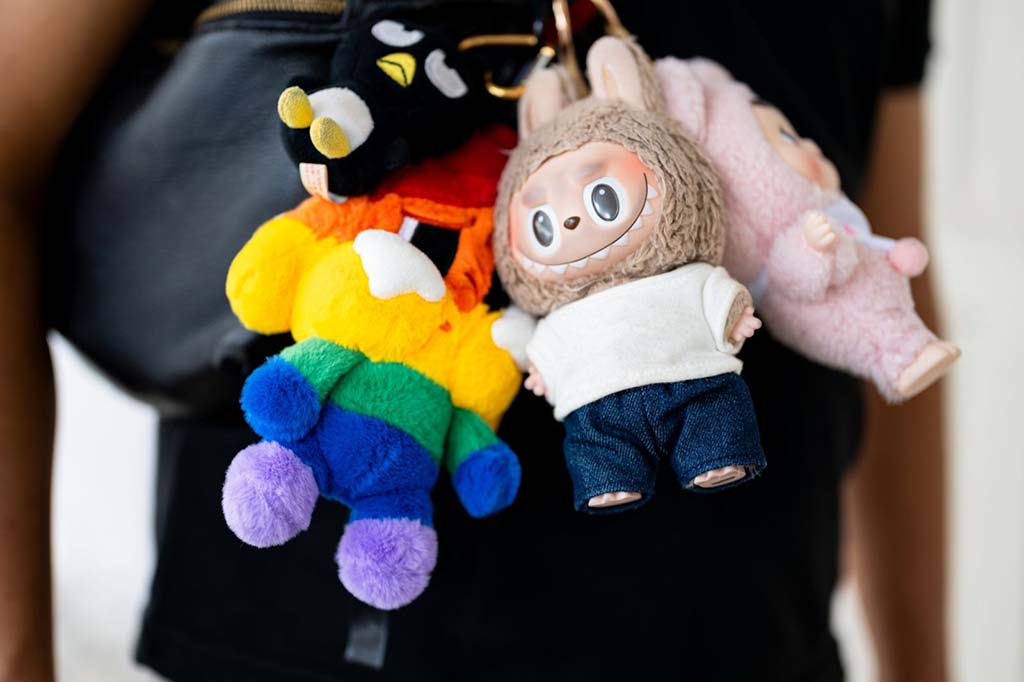
Traditional promotional items—such as pens, bags, or plastic giveaways—often lack emotional value. They are functional, interchangeable, and easily discarded. Plush toys, by contrast, are emotion-first objects.
Plush is perceived as a gift rather than a free item. This shifts consumer mindset from transactional to relational. Plush also appeals across age groups and cultures, making it more versatile for global FMCG campaigns.
Additionally, plush toys avoid many sustainability and safety concerns associated with plastic giveaways when designed responsibly.
| Promotion Type | Emotional Value | Consumer Behavior |
|---|---|---|
| Plastic giveaways | Low | Easily discarded |
| Functional items | Neutral | Short-term use |
| Plush toys | High | Kept & displayed |
| Mascot plush | Very high | Emotional bonding |
How Plush-Based Promotions Drive Repeat Engagement and Brand Affinity
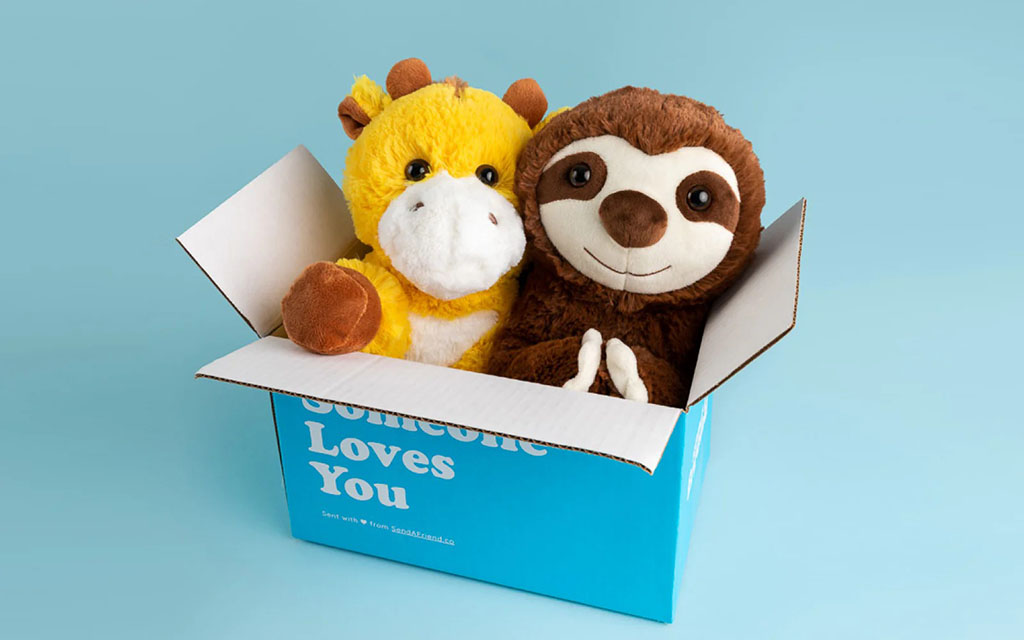
Plush-based promotions are effective because they reward emotional engagement rather than simple purchase volume. Consumers who receive plush items are more likely to remember the promotion and participate again in future campaigns.
Plush also encourages social sharing. Consumers post photos of plush mascots, display them publicly, and associate them with positive moments. This creates organic brand exposure and community engagement.
Over time, plush-based promotions build familiarity. Consumers begin to expect and look forward to plush releases, turning promotions into collectible experiences.
| Engagement Metric | Plush Impact | Brand Result |
|---|---|---|
| Recall | Strong | Higher repeat participation |
| Social sharing | Natural | Organic reach |
| Emotional loyalty | Deep | Brand affinity |
| Promotion lifespan | Extended | Ongoing engagement |
How FMCG Brands Integrate Plush Toys into Long-Term Emotional Branding Strategies

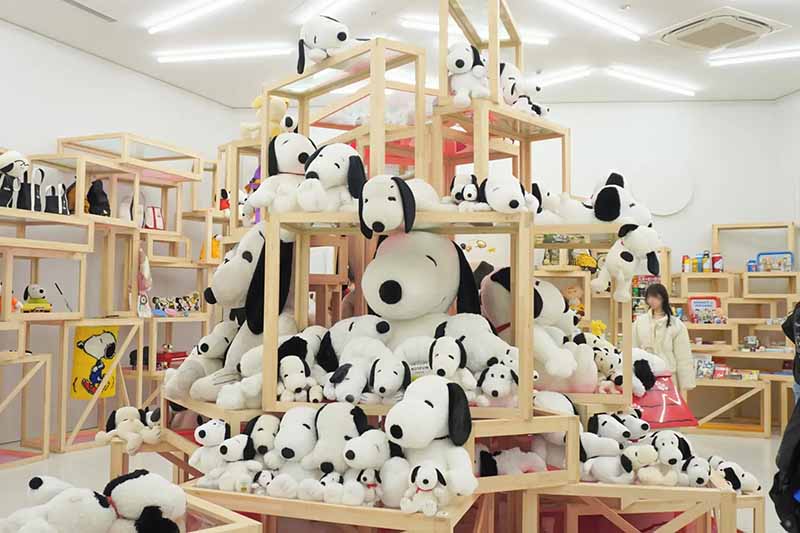
Successful FMCG brands treat plush toys not as one-off giveaways, but as long-term brand assets. Plush mascots evolve over time, appear in seasonal editions, or become part of loyalty programs.
Integration works best when plush design aligns with brand values and visual identity. Consistency in materials, colors, and character expression is critical for building recognition.
From a sourcing perspective, scalability and quality control are essential. Plush must be safe, durable, and emotionally consistent across campaigns and markets.
| Strategic Element | Plush Role | Long-Term Value |
|---|---|---|
| Brand continuity | Visual consistency | Strong identity |
| Campaign layering | Seasonal releases | Renewed interest |
| Loyalty programs | Emotional reward | Retention |
| Global scalability | Standardized design | Market expansion |
Conclusion
In the FMCG sector, emotional branding determines which brands are remembered and repeatedly chosen. Plush toys strengthen emotional branding by creating tangible, lasting connections that transform everyday products into emotionally meaningful brands.
📧 Contact: [email protected]
🌐 Visit: https://kinwintoys.com