Skip to content
Ethical and social responsibility is now a fundamental expectation in the plush toy industry. Major retailers, licensing partners, and global buyers expect suppliers to meet strict labor, environmental, and governance standards. Compliance is no longer simply a box to check—it directly impacts a brand’s reputation, legal risk, and long-term supply chain stability. Plush toy manufacturing often involves complex labor environments, subcontracting risks, and material traceability challenges, making robust verification essential. This guide explores how procurement managers can evaluate factories thoroughly, uncover hidden issues, and ensure ethical performance that aligns with global expectations.
What Global Ethical and Social Standards Apply to Plush Toy Manufacturing?
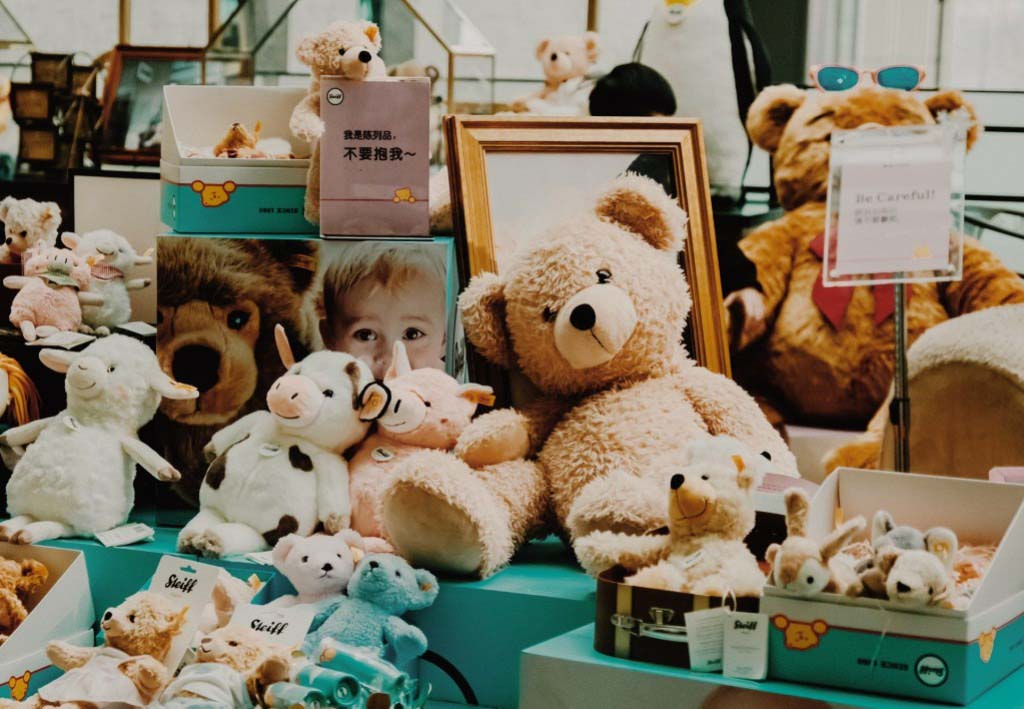
Plush toy manufacturers operate under a broad framework of international ethical standards, and understanding these systems is essential before evaluating any supplier. Ethical manufacturing involves more than avoiding child labor or unsafe working conditions—it requires transparent management, responsible hiring, fair wages, regulated working hours, strong HR practices, and environmental responsibility. For factories exporting to the EU and North America, standards such as BSCI, SMETA, ICTI Ethical Toy Program, and WRAP provide structured frameworks for social responsibility. These standards evaluate labor contracts, wage systems, overtime rules, grievance channels, emergency preparedness, dormitory conditions, discrimination prevention, and ethical employment of migrant workers.
Many licensed plush toy programs (Disney, Universal, Hasbro, Mattel) add their own audit standards, often stricter than global guidelines, requiring factories to pass proprietary compliance assessments before production begins. These licensing audits often include deeper checks on security, IP protection, and subcontracting restrictions. Beyond social responsibility, factories must also comply with ISO 45001 for occupational health and safety and ISO 14001 for environmental management. Local labor laws in China, Vietnam, India, and Indonesia also play a critical role, especially regarding minimum wage, working hours, and legally permitted factory operations. Together, these standards form a multilayered compliance landscape, and procurement teams must ensure that a factory not only “passes audits” but actually practices these standards consistently.
| Standard | Primary Focus | Relevance for Plush Manufacturing |
|---|---|---|
| BSCI | Social responsibility & worker rights | Required by many EU retailers |
| SMETA | Labor, health & safety, environment | Broad ethical responsibility |
| ICTI ETP | Fair labor in toy industry | Industry-specific compliance |
| WRAP | Safe, lawful, humane production | Apparel & soft goods factories |
| SA8000 | Human rights & fair treatment | High-level ethical certification |
How Do Audits, Certifications, and Third-Party Assessments Validate Compliance?
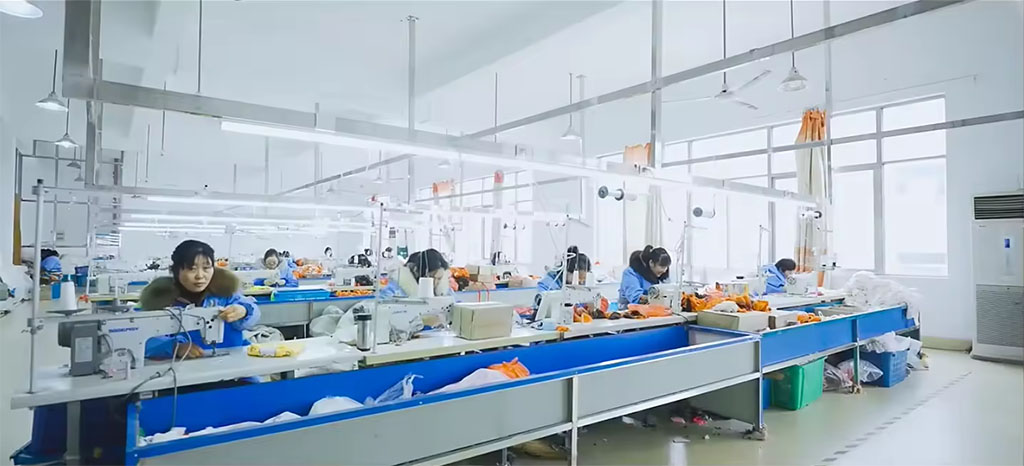
Audits and certifications serve as critical verification tools, but procurement managers must understand how to interpret them correctly. Ethical audits—whether BSCI, SMETA, or ICTI ETP—are conducted by impartial third-party bodies who evaluate a factory’s real conditions through interviews, document reviews, facility inspections, and worker discussions. These audits cover everything from fire safety systems to overtime records, chemical storage, emergency exits, and payroll transparency. A strong audit result indicates that the factory has established systems to maintain compliance, not just prepare for inspection day.
However, procurement teams should not rely solely on a certificate’s presence. They must check the audit date, rating, corrective actions, and most importantly, whether the factory has maintained improvements over time. A factory may have passed an audit three years ago but now struggles with labor shortages, excessive overtime, or changes in management that affect compliance. Buyers should also request the Corrective Action Plan (CAP) issued after each audit and verify whether issues—like blocked fire exits or insufficient PPE—have been fixed. Factories that provide transparent audit trails, open communication, and timely CAP updates demonstrate mature compliance systems. Those that refuse to share reports or only present incomplete summaries are typically high-risk partners.
| Audit Type | What It Reviews | Why It Matters |
|---|---|---|
| Social Audits | Labor, wages, hours, child labor | Ensures ethical treatment |
| Health & Safety | Fire exits, PPE, training | Reduces workplace accidents |
| Environmental Audits | Waste, emissions, materials | Supports sustainability goals |
| Security Audits | Facility access, shipment integrity | Required by major retailers |
| Follow-up Audits | Issue correction | Confirms continuous improvement |
What Workplace Practices and Labor Policies Should Procurement Teams Examine?
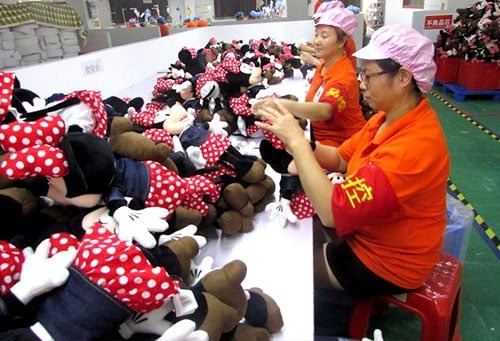
Evaluating workplace practices requires more than reading documents—it demands understanding the daily reality of factory operations. Ethical plush toy manufacturing requires structured systems for fair wages, legal working hours, safe workstations, protective equipment, clear HR procedures, and humane treatment of all workers. Procurement managers should assess how the factory calculates wages, whether overtime is voluntary and compensated properly, and whether workers have copies of their contracts. Real compliance is reflected in transparent timekeeping systems, not in fabricated attendance records.
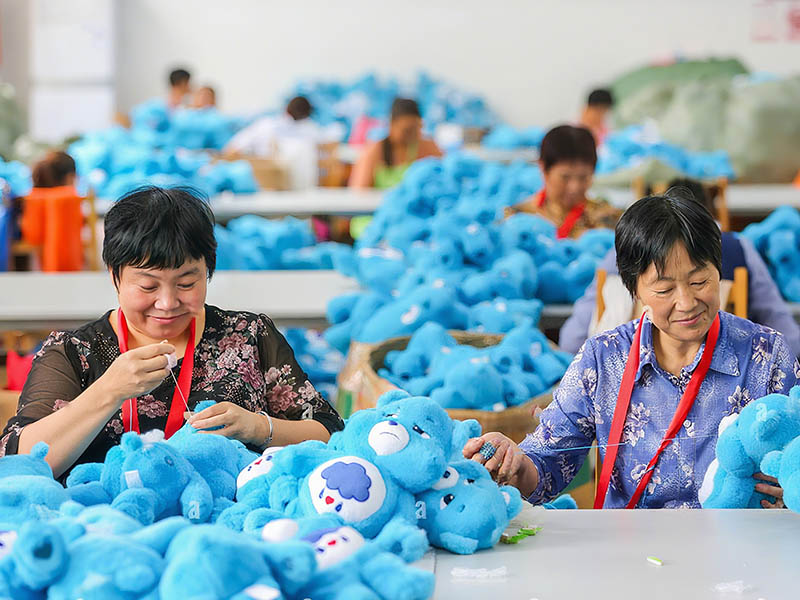
Safe working environments go beyond fire extinguishers—they require proper machine guard installation, well-lit walkways, emergency drills, ergonomic sewing stations, and availability of PPE (masks, gloves, anti-static gear). Factories should also foster healthy working conditions for women and migrant workers, provide accessible grievance channels without retaliation, and maintain clean dormitories and cafeterias. When evaluating a supplier, procurement teams should prioritize factories that treat workers as long-term partners rather than disposable labor. Factories with low turnover, active training programs, and open worker communication often demonstrate stronger ethical commitment.
| Labor Practice | Compliance Requirement | Red Flags to Watch For |
|---|---|---|
| Wages | Legal minimum + full pay records | Cash payments, fake records |
| Working Hours | ≤ 60 hours/week | Excessive overtime |
| Hiring | Legal age verification | Missing IDs, recruitment fees |
| Safety Training | Mandatory annual training | No drills or safety logs |
| Grievance Handling | Anonymous reporting allowed | Fear of retaliation |
How Can Environmental and Sustainability Metrics Strengthen Supply Chain Integrity?
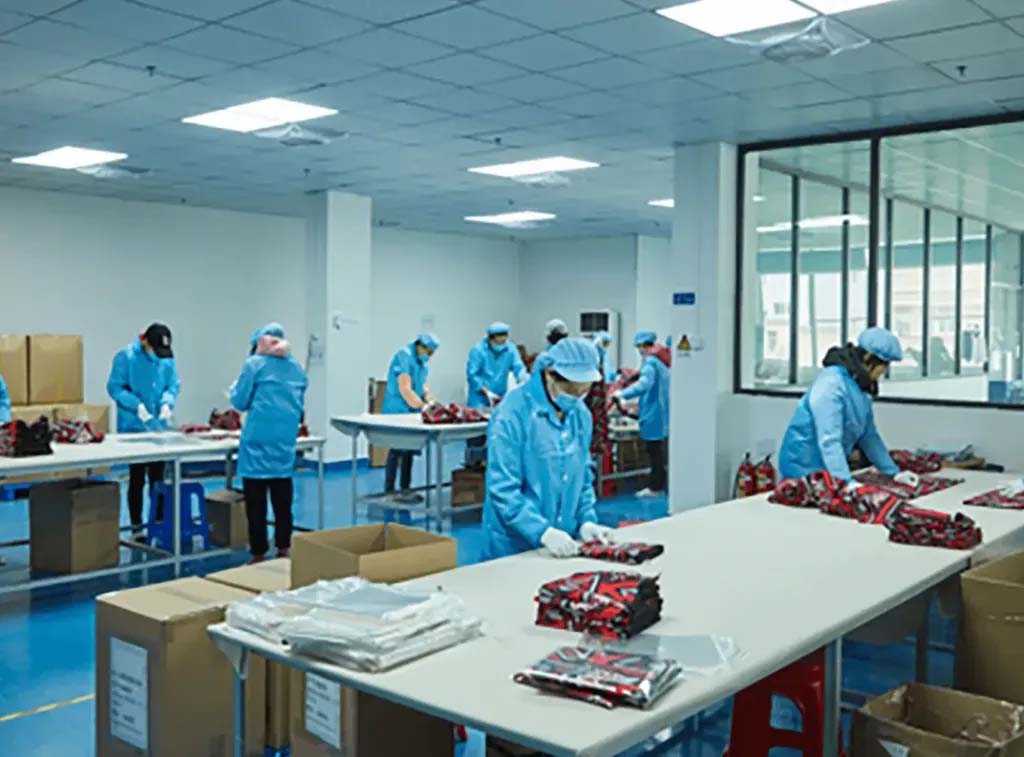
Environmental responsibility has become a pillar of modern plush toy supply chains. Plush toys often rely on textiles, dyes, trims, and synthetic materials that generate environmental impact during production. Buyers increasingly expect suppliers to adopt eco-friendly practices such as sourcing recycled fabrics (RPET), reducing water usage, implementing waste segregation, and managing chemicals responsibly. Environmental compliance now influences brand reputation, retail approval, and even cross-border acceptance in markets with strict environmental regulations.
Factories with strong sustainability programs typically implement structured waste management systems, invest in high-efficiency machinery, use solar or energy-efficient lighting, and maintain documented hazardous chemical handling processes. Some participate in the GRS (Global Recycled Standard) for recycled materials or OEKO-TEX Standard 100 for safe fabrics. Procurers should evaluate how factories track their energy consumption, what water treatment systems they use, how they store dyes and adhesives, and whether they maintain updated MSDS documentation. A factory with measurable sustainability KPIs and transparent environmental reporting demonstrates long-term resilience and strong alignment with global ESG expectations.
| Environmental Metric | Supplier Expectation | Benefit to Buyer |
|---|---|---|
| Waste Reduction | Proper sorting & recycling | Cleaner production |
| Eco Materials | RPET, organic cotton | Strong sustainability claims |
| Water/Energy Control | Efficiency monitoring | Cost & impact reduction |
| Chemical Safety | MSDS, restricted list compliance | Avoid regulatory violations |
| Emission Reporting | Carbon-tracking | Supports ESG initiatives |
What On-Site Inspection Methods Reveal Real Conditions Behind Factory Reports?
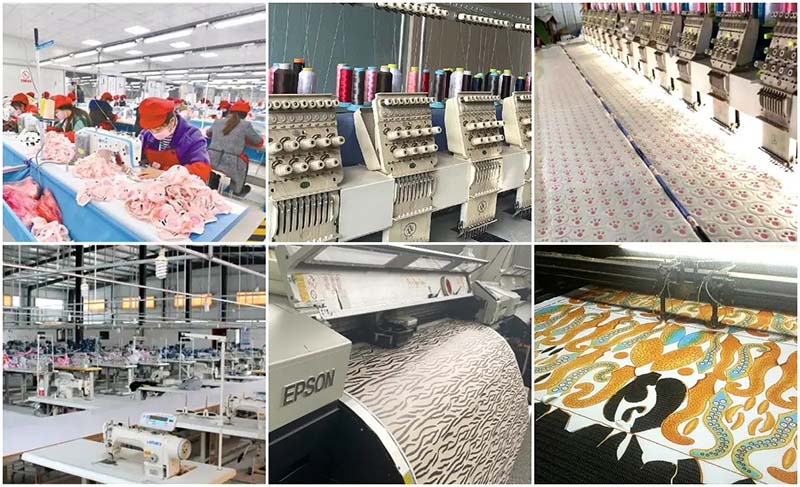
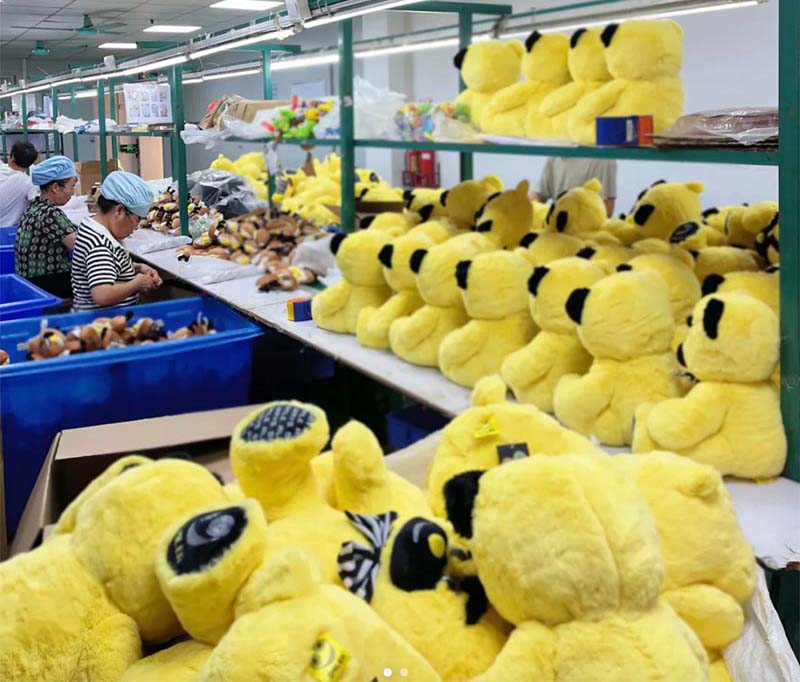
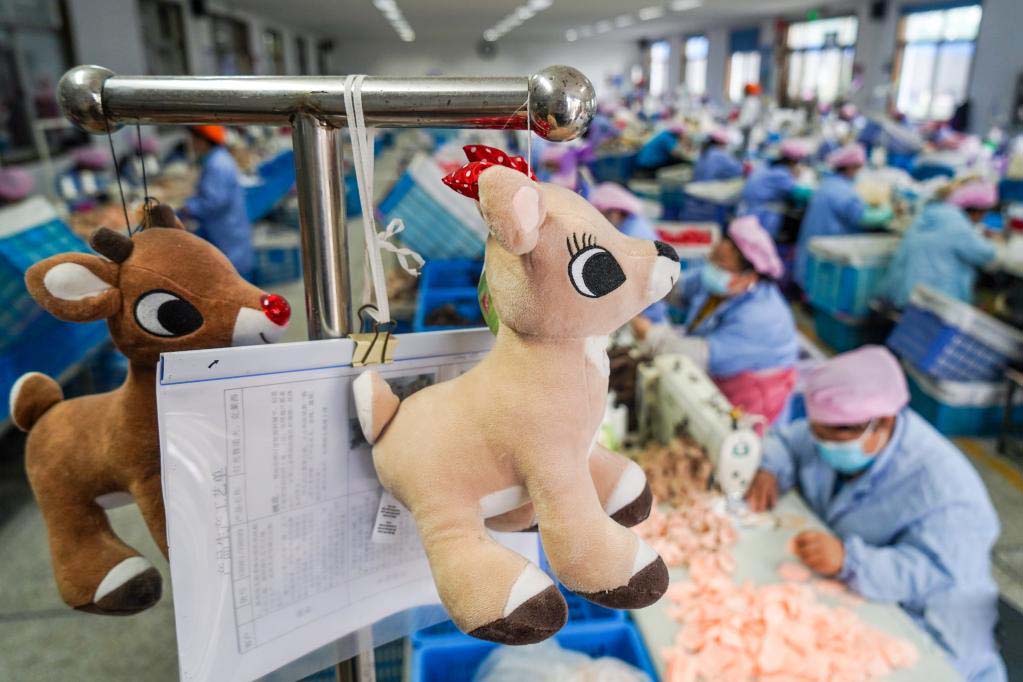
On-site inspections allow procurement teams to see beyond polished documents and observe actual daily conditions. Factories may prepare for audits in advance, but unannounced or buyer-led inspections reveal the truth. Procurement personnel should walk through sewing lines, embroidery rooms, stuffing areas, cutting sections, and storage rooms to assess whether safety equipment is functional and processes are truly compliant. Observing worker behavior—whether they wear PPE, operate machines safely, and have sufficient rest—provides insight into real working conditions.
Inspectors should also check for locked emergency exits, overloaded electrical panels, chemical handling practices, and the state of fire extinguishers. Reviewing attendance records, payroll logs, and worker IDs helps identify discrepancies between documented and actual working hours. Discreet worker interviews often uncover hidden issues like excessive overtime, unsafe dormitories, or withheld wages. Ethical suppliers willingly provide access to facilities, records, and workers. Factories that restrict access, limit photography, or fail to answer straightforward compliance questions may be concealing issues that could escalate into serious supply chain risks.
| Inspection Area | What to Check | Risk Indicator |
|---|---|---|
| Production Floor | Machine safety, PPE use | Unsafe conditions |
| Fire Exits | Accessibility, unlocked status | Non-compliance |
| Worker Interviews | Honest feedback | Hidden overtime |
| Document Review | Payroll, ID records | Fake documentation |
| Storage Areas | Chemical handling | Environmental violations |
How Do Long-Term Monitoring and Corrective Action Plans Maintain Ethical Performance?
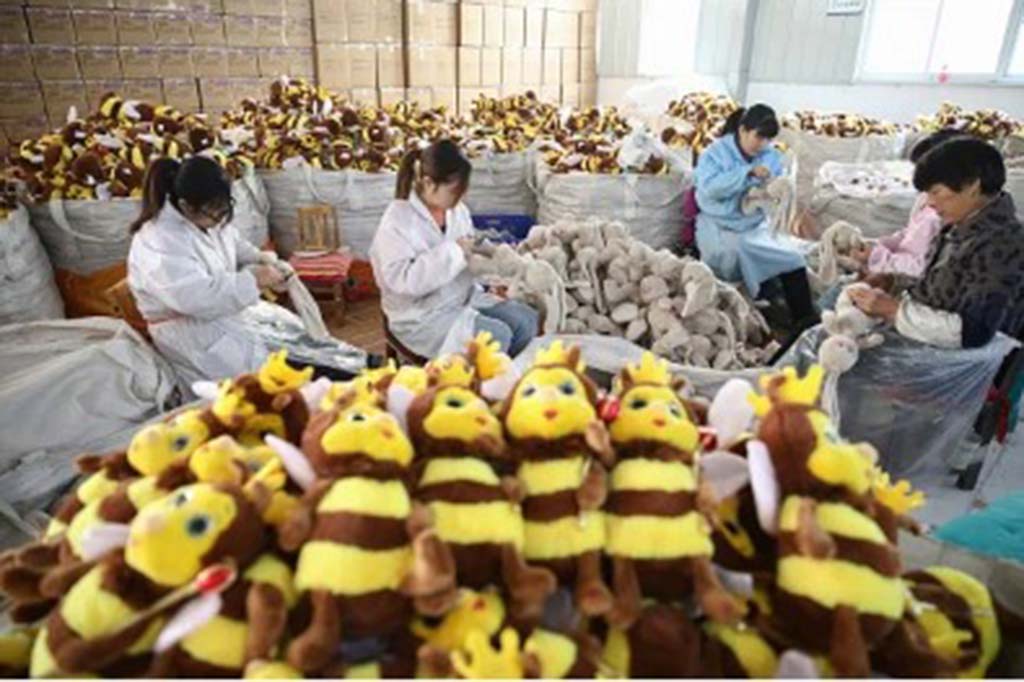
Ethical compliance is an ongoing commitment requiring continuous monitoring, structured improvement, and transparent reporting. A factory may initially pass an audit but regress without ongoing guidance and accountability. Procurement teams must establish systematic long-term monitoring mechanisms such as annual audits, periodic worker interviews, document sampling, and regular CAP (Corrective Action Plan) reviews. CAPs are particularly important: they specify issues identified in an audit, define corrective measures, and outline timelines for completion. A compliant and responsible supplier will treat CAPs as a roadmap for improvement, not a compliance burden.
Long-term ethical partnerships are built on continuous communication. Buyers should request quarterly ethical compliance reports, environmental performance updates, and evidence of worker training. High-performing factories maintain their own internal compliance teams who conduct weekly inspections, fire drills, safety trainings, and environmental monitoring. The use of supplier scorecards—tracking labor conditions, safety behaviors, audit scores, and responsiveness—helps procurement teams evaluate supplier trends over time. Factories that show consistent improvement, invest in staff welfare, and demonstrate transparency in the corrective process are far more reliable long-term partners than those who merely attempt to “pass audits.”
| Monitoring Method | Frequency | Purpose |
|---|---|---|
| Ethical Audits | 1–2 times per year | Compliance verification |
| Corrective Action Plans | As needed | Issue resolution |
| Supplier Scorecards | Quarterly | Track long-term performance |
| Worker Training | Annual | Improve safety & awareness |
| CAP Follow-Ups | Monthly | Ensure sustainable improvement |
Conclusion
Ethical and social compliance is a vital pillar of a responsible plush toy supply chain. By evaluating global standards, auditing results, workplace conditions, environmental performance, on-site conditions, and improvement systems, procurement teams can identify trustworthy partners and minimize long-term risk.
Factories like Kinwin operate with transparency, ethical labor systems, and ongoing sustainability initiatives—helping global buyers source plush toys responsibly, securely, and confidently.
📧 Contact: [email protected]
🌐 Visit: https://kinwintoys.com