In plush toy manufacturing, safety risks are rarely caused by one obvious mistake. Most issues come from small design decisions that seem harmless at the early stage but turn into serious compliance problems after testing or market inspection. For brands selling into the USA, Europe, and other regulated markets, safety must be built into the design process—not corrected at the end.
From my experience working with global buyers, licensors, and testing labs, many failed tests could have been avoided if risks were identified earlier. Plush toy safety is not only about passing standards like ASTM F963 or EN71. It is about understanding how children interact with toys, how materials behave over time, and how design details translate into real-world use.
This article breaks down the most common safety risks in plush toy design and explains how brands can avoid them through better design decisions, material choices, and early-stage review.
What Choking and Detachment Risks Commonly Occur in Plush Toy Components?

Choking and detachment risks are among the most frequent causes of plush toy test failures, especially for products intended for children under 36 months. These risks usually come from components that detach during pulling, twisting, or long-term use, rather than from the plush body itself. Designers often underestimate how much force a child can apply during normal play.
Common risk components include plastic eyes and noses, ribbons, bows, decorative buttons, hang tags, and internal sound modules. Even embroidered features can become hazards if stitching density is too low or backing materials are weak. In many cases, accessories pass visual inspection but fail mechanical pull tests required by ASTM F963 or EN71.
Another overlooked risk is component aging. Adhesives can weaken over time, and repeated washing or compression can loosen attachments. What feels secure during sampling may not remain secure after months of use.
To reduce choking risks, designers should minimize detachable parts, use embroidery instead of plastic accessories for infant toys, and specify higher pull-force requirements than the minimum standard. Safety should be evaluated based on real child behavior, not ideal usage assumptions.
| Risk Component | Common Failure Cause | Prevention Strategy |
|---|---|---|
| Plastic eyes/noses | Weak fixation | Embroidery or safety-lock systems |
| Ribbons & bows | Low stitch strength | Reinforced stitching |
| Decorative buttons | Detachment under pull | Avoid in 0–3 toys |
| Internal modules | Poor housing design | Secure internal pockets |
How Can Poor Sewing and Weak Seams Lead to Safety Hazards?
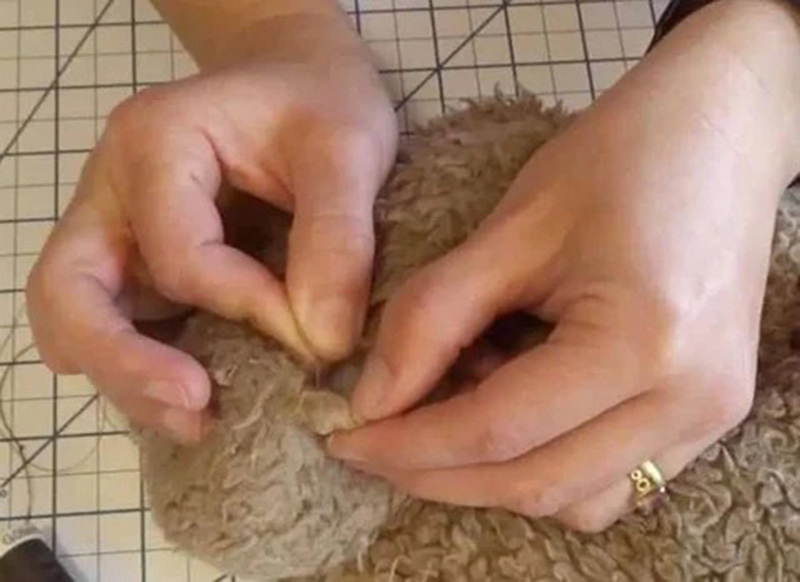
Sewing quality is a core safety factor in plush toys, not just an aesthetic or durability issue. Weak seams can lead to filling exposure, component detachment, and even choking risks when fibers or internal materials become accessible. Many seam-related failures occur because sewing specifications are not clearly defined at the design stage.
Designers often focus on shape and appearance but overlook seam stress points. Areas such as neck joints, limb connections, ears, and tails experience repeated pulling and twisting during play. If stitch density, thread strength, or seam allowance is insufficient, these areas will fail under mechanical testing.
Another risk comes from inconsistent production sewing. Even a well-designed seam can fail if production tolerances are too loose or quality checks are insufficient. This is why seam design must consider both ideal construction and real manufacturing variability.
To reduce seam-related hazards, designers should specify stitch density, thread type, and seam reinforcement methods early. Stress-point reinforcement and internal binding can significantly improve safety without changing the toy’s appearance.
| Seam Risk Area | Typical Issue | Design Improvement |
|---|---|---|
| Neck & limb joints | Seam tearing | Higher stitch density |
| Ear & tail bases | Stress concentration | Reinforced seams |
| Back openings | Filling leakage | Double stitching |
| Decorative seams | Cosmetic-only sewing | Structural stitching |
What Material and Filling Choices May Cause Chemical or Allergy Risks?
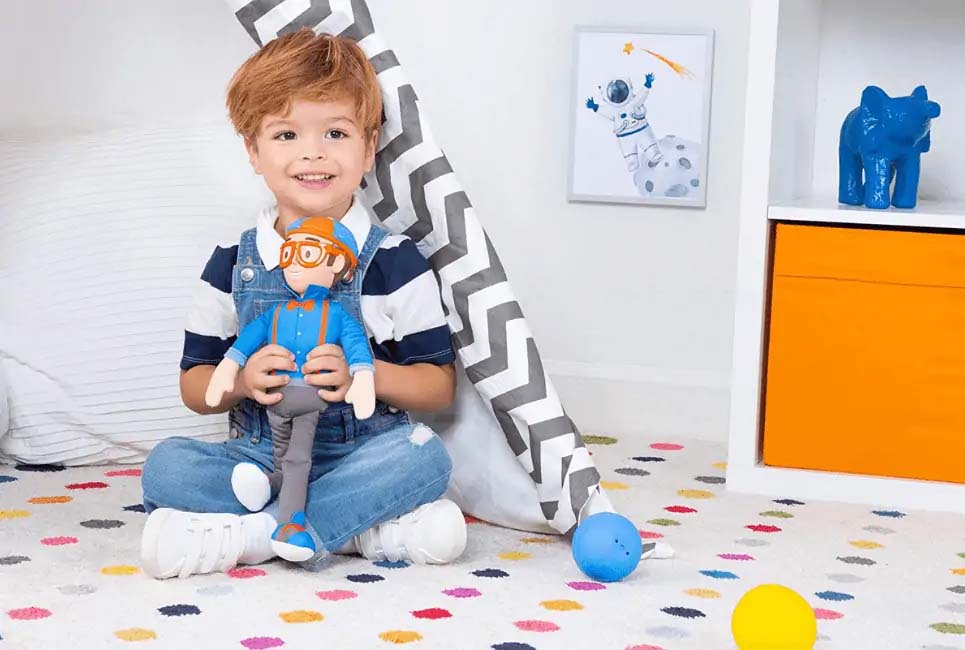
Material and filling selection directly affects chemical safety and allergy risk in plush toys. While plush toys are generally perceived as “soft and safe,” many compliance failures come from restricted substances found in fabrics, dyes, inks, or fillings. These risks often originate upstream, long before the toy is assembled.
Common chemical risks include heavy metals in dyes, azo dyes in colored fabrics, phthalates in plastic components, and residual chemicals in recycled or untreated fillings. Allergy risks can arise from natural fibers, scented additives, or poorly processed recycled materials.
Designers sometimes choose materials based on feel or cost without confirming compliance documentation. This can lead to failures under CPSIA, EN71 Part 3, or REACH testing. Fillings are especially critical because they are enclosed and harder to replace after production.
To reduce chemical and allergy risks, designers should work with certified materials, require traceability documents, and avoid unnecessary additives. Early material review is far more effective than post-production correction.
| Material Risk | Potential Issue | Risk Control Method |
|---|---|---|
| Dyed fabrics | Heavy metals | Certified dye systems |
| Recycled fillings | Unknown residues | GRS-certified suppliers |
| Plastic parts | Phthalates | CPSIA-compliant plastics |
| Scented fillings | Allergy reactions | Avoid for children |
How Do Sharp Edges, Hard Parts, and Internal Structures Create Hidden Dangers?
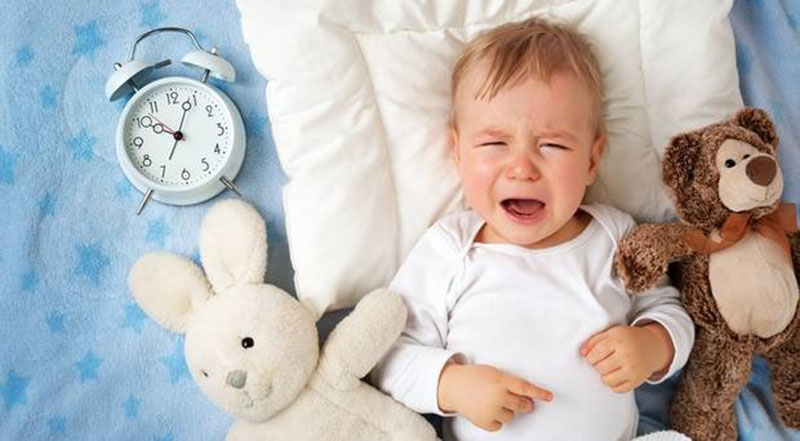
Hidden hazards inside plush toys are often overlooked because they are not visible during normal inspection. However, testing labs and regulators evaluate toys based on foreseeable misuse, including squeezing, biting, and throwing. Hard or sharp internal structures can become dangerous if outer layers fail.
Common hidden risks include internal wire frames, rigid sound modules, battery compartments, and poorly finished plastic parts. Even soft toys can contain hard edges if internal components are not properly padded or enclosed. Over time, fabric wear or seam failure can expose these hazards.
Designers sometimes add internal structures to maintain shape or add functionality without fully considering safety implications. Internal rigidity should never compromise softness or flexibility in areas accessible to children.
To prevent hidden dangers, all internal components must be fully enclosed, rounded, and padded. Internal structures should be reviewed with worst-case failure scenarios in mind, not just ideal conditions.
| Hidden Risk Source | Safety Concern | Design Solution |
|---|---|---|
| Wire frames | Puncture risk | Flexible alternatives |
| Sound modules | Hard edges | Soft housing |
| Battery units | Sharp corners | Fully padded enclosure |
| Structural plastics | Exposure after wear | Internal shielding |
What Design Mistakes Increase Risks in Baby and Toddler Plush Toys?

Plush toys designed for babies and toddlers face the strictest safety requirements. Many design mistakes occur when products intended for older children are simply resized or relabeled for younger age groups. Infant toys must be designed specifically for their developmental behavior.
Common mistakes include using detachable accessories, long ribbons, or textured elements that encourage chewing. Babies explore toys with their mouths, increasing choking and chemical exposure risks. Filling firmness, fabric pile length, and overall weight also matter more for infant safety.
Another frequent issue is incorrect age grading. Overestimating the acceptable age range to reduce testing requirements often leads to regulatory conflict or product removal. Age grading must be realistic and defensible.
Designers should prioritize simplicity, softness, and minimal components for baby plush toys. Fewer parts usually mean fewer risks.
| Baby Toy Risk | Why It Matters | Safer Alternative |
|---|---|---|
| Detachable accessories | Choking risk | Embroidered features |
| Long ribbons | Strangulation risk | Short, fixed loops |
| Firm fillings | Limited compressibility | Soft, low-density fill |
| Misleading age labels | Compliance failure | Conservative grading |
How Can Early Design Reviews and Testing Prevent Safety Issues Before Production?
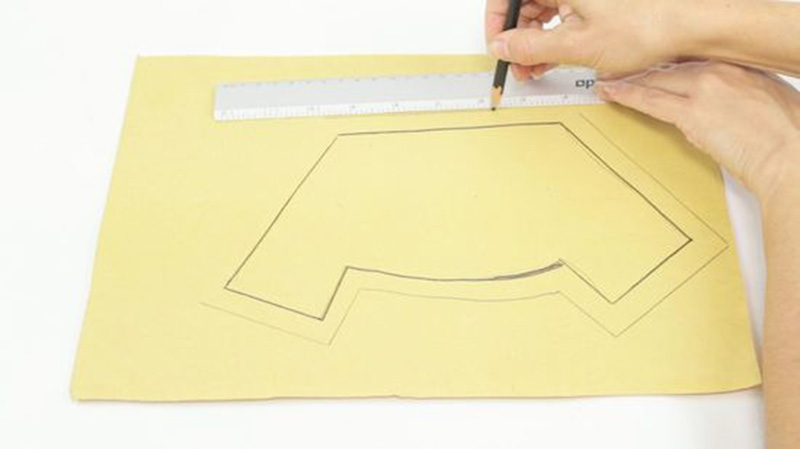
The most effective way to manage plush toy safety risks is to identify them before production begins. Early design reviews allow brands to correct risks when changes are still low-cost and flexible. Waiting until final testing often means expensive redesign or scrapped inventory.
Early reviews should involve design, sourcing, quality, and compliance perspectives. This includes reviewing materials, components, construction methods, and intended age grading. Pre-testing or internal stress testing can reveal weak points before formal lab submission.
Brands that integrate safety reviews into design workflows experience fewer test failures and shorter launch timelines. Safety becomes a built-in feature rather than a corrective action.
| Early Review Stage | Focus Area | Risk Reduced |
|---|---|---|
| Design review | Structure & components | Design flaws |
| Material review | Chemical compliance | Test failure |
| Sample stress tests | Durability | Retesting |
| Pre-compliance checks | Standards alignment | Launch delays |
Conclusion
Safety risks in plush toy design are rarely accidental—they are usually the result of overlooked details and late-stage decisions. By identifying common risk areas early, making informed material and structural choices, and integrating safety reviews into the design process, brands can reduce compliance failures, protect children, and bring safer plush toys to market with confidence.
📧 Contact: [email protected]
🌐 Visit: https://kinwintoys.com