Skip to content
Logistics is one of the most overlooked yet critical components of plush toy procurement. Even if sampling is perfect, materials are compliant, and production is smooth, poor logistics planning can delay shipments, inflate freight costs, and disrupt retail timelines. Plush toys involve unique logistics considerations due to their volume, compressibility, packaging needs, safety documentation, and sensitivity to storage conditions.
This guide provides procurement managers with a detailed framework to understand the logistics risks, cost-saving opportunities, and operational best practices that ensure on-time, damage-free, and cost-efficient delivery of plush toys worldwide.
What Logistics Factors Most Commonly Impact Plush Toy Delivery Timelines?
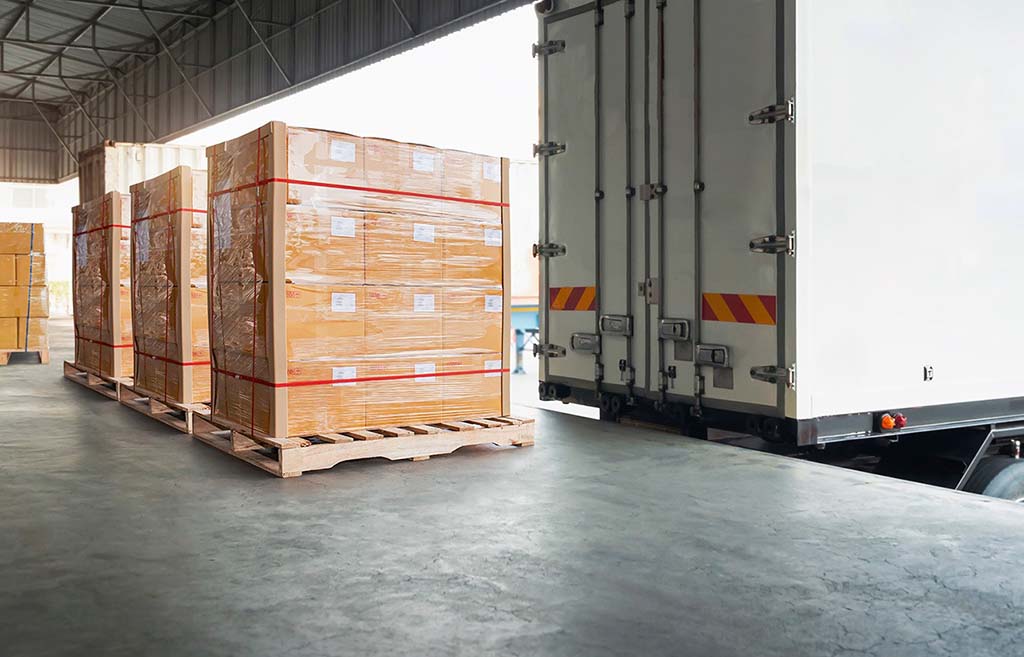
Several logistics factors can delay plush toy shipments, and procurement managers must monitor each of them proactively. Plush toys are lightweight but highly space-consuming, meaning container capacity, consolidation efficiency, warehouse scheduling, and packing density dramatically affect shipping timelines.
Common causes of delays include port congestion, limited container availability, regional holidays, factory bottlenecks, customs holds, and unpredictable global events like typhoons, strikes, or geopolitical changes. Seasonal peaks—especially before Christmas, Halloween, Easter, or licensing launches—amplify the risk of delays if production and freight are not booked early.
Procurement teams must closely track factory readiness, booking schedules, forwarder capacity, and documentation accuracy. A single missing document, incorrect HS code, or late booking can push shipments by days or even weeks.
| Delay Factor | Description | Impact Level |
|---|---|---|
| Port Congestion | Too many vessels, not enough berths | High |
| Peak Seasons | Christmas, back-to-school, licensing launches | High |
| Container Shortages | Limited availability increases wait time | Medium–High |
| Production Delays | Late approvals or QC issues | High |
| Customs Errors | Missing certificates or wrong codes | Very High |
| Weather Events | Storms, typhoons, extreme heat | Medium |
Managing timelines requires careful coordination between procurement, production, and logistics teams—especially in months leading up to major retail seasons.
How Do Packaging Specifications and Carton Optimization Reduce Freight Costs?

For plush toys, carton optimization is one of the most powerful ways to reduce freight costs without compromising product quality. Plush toys take up large volume relative to weight, so freight is usually charged based on CBM (cubic meter) instead of weight. Even minor changes in packing density can significantly lower costs.
Factories can compress plush toys safely (unless restricted by design or packaging rules), use vacuum packing for selected SKUs, or adjust carton size to increase container efficiency. Strong carton structure and consistent internal dividers reduce damage while maximizing loading density. Packaging engineers often redesign inner polybags, folding techniques, or hangtag placements to fit more pieces per carton.
Procurement managers should collaborate closely with factories to optimize the packaging structure during pilot packing tests. A 10–12% improvement in carton utilization can translate to major annual savings.
| Optimization Method | Description | Cost Benefit |
|---|---|---|
| Vacuum Packing | Reduce plush volume temporarily | 15–40% freight reduction |
| Custom Carton Size | Tailored to product shape | Higher container utilization |
| Folding Technique | Fold limbs or bodies strategically | More pieces per carton |
| Polybag Re-Design | Compact but protective | Less wasted volume |
| Carton Strength Testing | Ensure durability | Reduces damage claims |
Better packaging = lower freight = more efficient inventory flow.
What Shipping Modes Best Balance Speed, Cost, and Risk for Plush Toys?
Choosing the correct shipping mode is essential for balancing cost, delivery speed, and risk. Different project types—licensed launches, e-commerce restocks, wholesale replenishment, or promotional gifts—require different logistics strategies.
Sea freight is the most common choice for plush toys due to low cost and large volume suitability. However, it has longer transit times and is more vulnerable to weather and port congestion. Air freight is suitable for urgent launches or limited-edition drops but significantly increases cost. Rail freight (China–EU routes) offers middle-ground solutions. Express couriers are ideal for small sample shipments or emergency restocks.
Risk tolerance also matters. For example, plush toys with electronic modules or weighted materials may require special handling during air transport. Licensing deadlines may push buyers toward faster shipping modes.
| Shipping Mode | Transit Speed | Cost Level | Best Use Case |
|---|---|---|---|
| Sea Freight | Slow (20–40 days) | Low | Bulk orders, stable demand |
| Air Freight | Fast (3–7 days) | High | Urgent launches |
| Rail Freight | Moderate (12–18 days) | Medium | EU markets, mid-tier urgency |
| Express Courier | Very Fast (2–5 days) | Highest | Samples, emergency restock |
Choosing the right mode protects your timeline while balancing freight budgets.
How Do Customs Regulations and Safety Documentation Affect Cross-Border Movement?
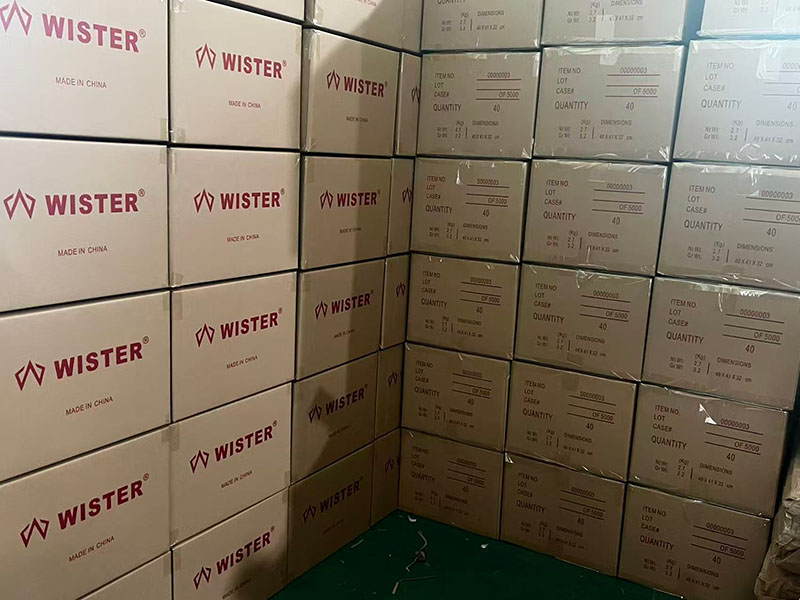
Customs processing is a major milestone in plush toy logistics. Plush toys fall under specific HS codes that require strict documentation, including children’s product safety certificates, test reports, factory audits, and labeling compliance. Customs delays often occur when factories or buyers fail to provide correct documents.
Procurement managers must ensure the factory can consistently supply:
- Test reports (ASTM F963, EN71, CPSIA)
- Material certification (fiber content, stuffing composition)
- Country-of-origin labeling
- Phthalate and heavy metal reports
- Packaging compliance (e.g., choking hazard warnings)
- Commercial invoices with correct HS codes
- Packing lists in correct format
Missing or inaccurate documentation leads to immediate customs holds, additional inspections, fines, or shipment returns. Markets such as the U.S. (CPSIA), EU (CE, EN71), and Middle East have particularly strict compliance requirements.
| Document Type | Purpose | Risk if Missing |
|---|---|---|
| Safety Test Reports | Prove compliance | Customs rejection |
| CO (Certificate of Origin) | Verify country of manufacture | Delays or duty issues |
| Commercial Invoice | Declare product value | Customs inquiry |
| Packing List | Confirm shipment contents | Misclassification |
| CPSIA / EN71 Certs | Children’s safety compliance | Fines or seizure |
Strong documentation management prevents the majority of customs-related delays.
What Quality and Damage-Prevention Measures Are Essential During Transit?
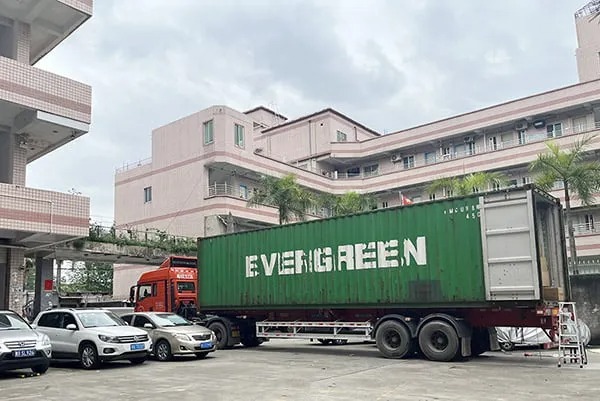
Plush toys may seem soft and resilient, but improper handling during transit can cause irreversible damage: deformation, contamination, odor absorption, mold growth, or crushed packaging. A robust pre-transit quality strategy is essential.
Factory QC teams should confirm:
- Correct stuffing density (to prevent crushing)
- Approved packaging methods
- Moisture control (desiccants, clean storage)
- Carton drop-test compliance
- Needle detection + metal scanning
- Polybag sealing quality
- Mold-prevention procedures (especially for humid climates)
During shipping, cartons should stay on pallets to avoid compression damage. For long sea journeys, humidity control is vital—especially during rainy seasons in China or Southeast Asia.
For licensed products or premium plush lines, additional protective measures (double-wall cartons, belly bands, corner protectors) are recommended.
| Damage Prevention Method | How It Works | Benefit |
|---|---|---|
| Desiccant Packs | Absorb moisture | Prevent mold & odors |
| Reinforced Cartons | Better stacking strength | Prevent deformation |
| Polybag Sealing | Protects from dust & moisture | Clean customer experience |
| Palletization | Avoids weight pressure | Fewer crushed cartons |
| Drop Test | Ensures durability | Reduces returns |
Good transit protection ensures plush toys arrive shelf-ready.
How Can Real-Time Tracking and Supplier Coordination Strengthen End-to-End Logistics Control?
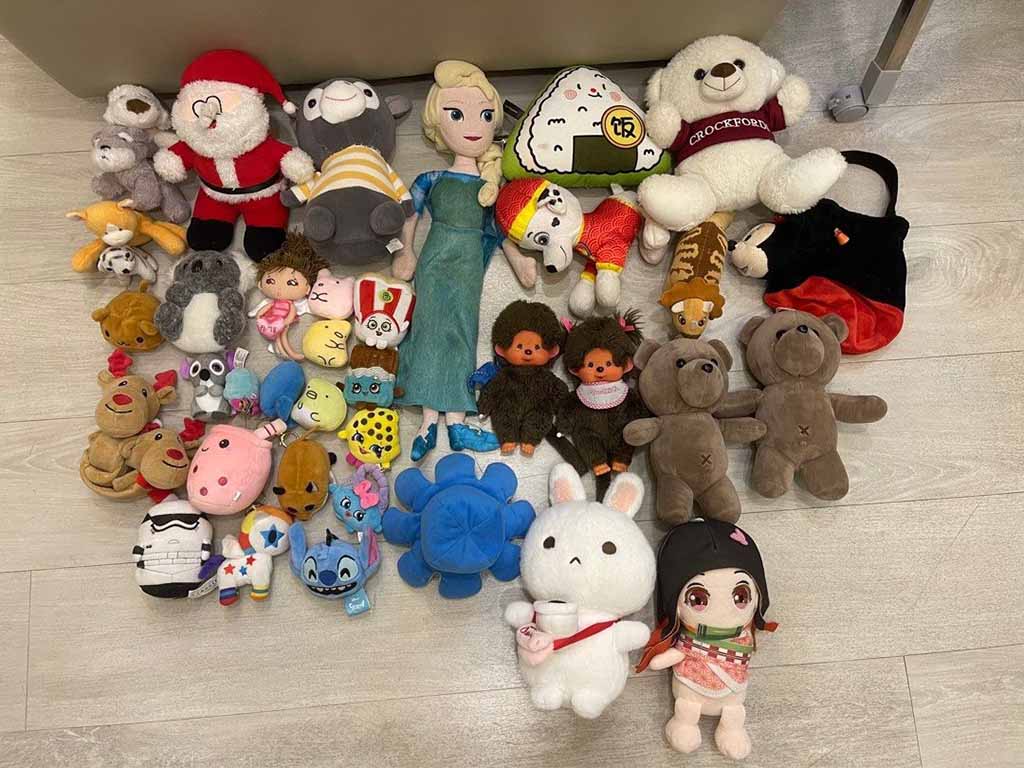
Real-time visibility is essential for modern supply chains. Procurement managers should work with suppliers and freight forwarders who provide digital tracking systems, milestone alerts, and proactive communication regarding risks.
Factories must notify buyers when:
- Goods are finished and ready for inspection
- Booking confirmations are issued
- Containers are loaded
- Vessel ETDs/ETAs change
- Customs clearance is completed
- Delays or route changes occur
Advanced suppliers may use digital dashboards for shipment tracking, integrate with forwarder systems, or provide automated documentation updates. Transparent logistics communication gives procurement teams time to adjust inventory plans, update retailers, and avoid stockouts.
| Coordination Tool | Purpose | Supply Chain Benefit |
|---|---|---|
| Real-Time Tracking | Monitor shipment progress | Better planning |
| Pre-Shipment Alerts | QC & packing updates | Reduce last-minute risk |
| Digital Documentation | Faster customs processing | Shorter delays |
| Weekly Logistics Reports | Overview of all shipments | Stronger control |
| Direct Forwarder–Buyer–Factory Group | Clear communication flow | Fewer mistakes |
Strong coordination prevents disruptions and strengthens long-term supplier relationships.
Conclusion
Plush toy logistics require specialized planning, robust documentation management, and proactive coordination across production, warehousing, and international shipping. By understanding key logistics risks—delay factors, packaging optimization, customs procedures, and tracking systems—procurement managers can ensure on-time, damage-free, and cost-effective deliveries.
Factories like Kinwin support global buyers with optimized logistics planning, efficient packaging design, and transparent shipment communication to ensure every plush toy arrives safely and on schedule.
📧 Contact: [email protected]
🌐 Visit: https://kinwintoys.com