IP licensing plush projects are very different from standard custom orders. From my experience working with licensed characters, brand mascots, and entertainment IPs, success is not driven by speed or cost alone—it depends on how well a manufacturer understands and executes IP control requirements.
Licensors care deeply about character integrity, visual accuracy, and brand consistency. Even small deviations can lead to rejection, delays, or long approval cycles. For buyers and brands, this means choosing a manufacturer who can translate creative IP guidelines into manufacturable, repeatable plush products without compromising the original design intent.
Before talking about sampling timelines or production capacity, the first question is always the same: can the factory correctly adapt licensed IP guidelines into real, scalable plush designs?
How Do Plush Toy Manufacturers Adapt Licensed IP Guidelines into Manufacturable Designs?
Licensed IP guidelines are usually created for creative control, not for manufacturing efficiency. From my experience, one of the biggest challenges in IP plush projects is turning strict visual rules into designs that can be sewn, stuffed, and repeated at scale without distortion.
Professional plush manufacturers start by breaking down IP guidelines into non-negotiable elements and adjustable elements. Non-negotiable elements typically include character proportions, facial expression, color placement, and signature features. These aspects must remain visually consistent with the licensor’s reference, regardless of production complexity.
At the same time, manufacturers assess manufacturability risks. Certain shapes, angles, or graphic details may look good in illustrations but require technical adjustment in plush form. Experienced factories propose controlled modifications—such as stitch direction changes, embroidery layering, or internal structure support—while keeping the visual outcome aligned with IP requirements.
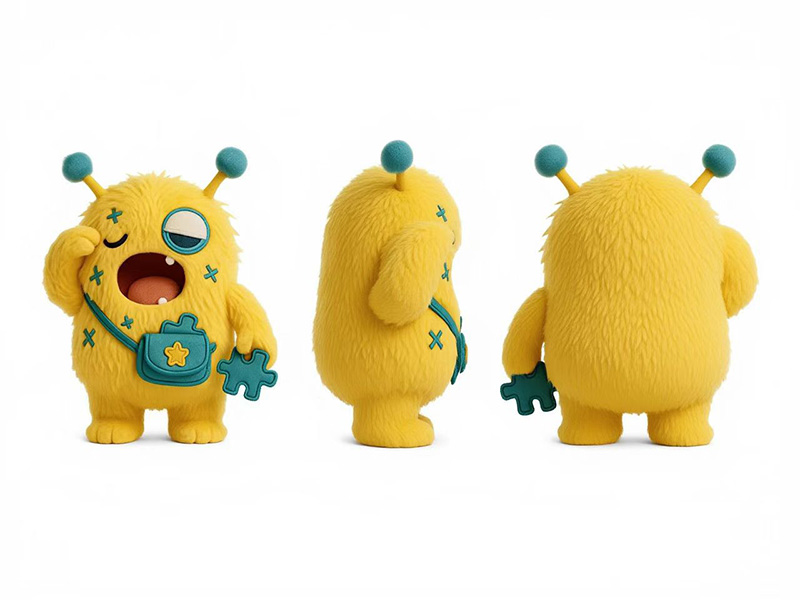
Pattern engineering plays a key role here. Skilled pattern makers understand how 2D guidelines translate into 3D plush form. They account for fabric pile, stuffing expansion, and seam behavior so that the finished product matches the licensed character from all angles, not just the front view.
Material selection is also adapted carefully. Colors are matched against approved Pantone or color references, and fabric textures are chosen to reflect the character’s intended look and feel. Any substitution is usually documented and submitted for licensor approval before sampling.
The goal is not to “simplify” the IP, but to engineer it responsibly for production.
| IP Design Area | Manufacturer Adaptation Method | Why It Matters | Buyer Benefit |
|---|---|---|---|
| Character proportions | Engineered pattern balance | Visual accuracy | Faster approvals |
| Facial features | Embroidery & stitch planning | Expression consistency | IP integrity |
| Color placement | Controlled fabric & thread matching | Brand recognition | Reduced rejection |
| Complex shapes | Internal structure optimization | Manufacturability | Stable mass production |
| Guideline interpretation | Clear fixed vs flexible elements | Approval efficiency | Lower revision cost |
For buyers working on licensed plush projects, the ability to adapt IP guidelines correctly is a foundational capability. Manufacturers who understand both creative intent and production reality help brands move through approvals smoothly and protect the value of licensed IP from the very first sample.
What Role Do Sampling Accuracy and Approval Processes Play in IP Licensing Projects?
In IP licensing projects, sampling accuracy is not just a quality goal—it is a commercial requirement. From my experience, most delays and cost overruns in licensed plush programs happen during the sampling and approval stage, not during mass production.
Licensors expect samples to reflect the approved design with very limited tolerance. Small deviations in eye placement, color tone, or proportion can trigger rejection and restart the approval cycle. For this reason, professional plush manufacturers treat sampling as a controlled engineering process, not a trial-and-error exercise.
High-accuracy sampling starts with clear internal alignment. Pattern makers, embroidery technicians, and sampling supervisors work from the same reference files and approval notes. Changes are documented precisely so that licensors can see what has been adjusted and why. This transparency reduces misunderstandings and speeds up approvals.
Another critical factor is version control. In IP projects, multiple sample rounds are common. Reliable factories label and track each version carefully, ensuring that feedback is applied correctly and that no approved detail is accidentally reversed in later samples.
Approval process management is equally important. Experienced manufacturers understand how to prepare samples for licensor review, including photo angles, comparison layouts, and change summaries. This helps licensors evaluate quickly and make decisions without repeated clarification.
| Sampling & Approval Factor | Weak Handling | Professional Handling | Impact on IP Projects |
|---|---|---|---|
| Sample accuracy | Visual gaps from references | High match to guidelines | Faster approvals |
| Internal alignment | Isolated sampling work | Cross-team coordination | Fewer revisions |
| Change documentation | Informal or missing | Clear version records | Approval clarity |
| Version control | Confusing sample history | Structured sample tracking | Reduced errors |
| Review presentation | Unclear comparison | Organized approval packages | Shorter cycles |
For buyers and brands, sampling accuracy determines how smoothly an IP project moves forward. Manufacturers that control sampling and approvals professionally help protect timelines, reduce licensor friction, and move licensed plush products into production with confidence.
How Do Factories Protect Licensed Designs and Confidential IP Assets During Production?
In IP licensing partnerships, design accuracy is only half of the responsibility. From my experience, IP protection during production is just as critical for licensors, brands, and buyers. Any leak, misuse, or unauthorized replication of licensed designs can cause serious legal and reputational damage.
Professional plush toy manufacturers treat licensed IP as restricted assets, not ordinary custom designs. Access to design files, patterns, and samples is limited to authorized teams only. Digital files are stored in controlled systems, and physical samples are clearly labeled and tracked to prevent misuse or accidental exposure.
Production floor control is another key layer of protection. Reliable factories separate licensed IP projects from general production whenever possible. This includes dedicated production lines, controlled sample rooms, and restricted photography policies. Visitors, including third-party suppliers or non-project staff, are not allowed to access licensed project areas without approval.
Confidentiality agreements also play an important role. Factories that regularly work on IP projects require NDAs from relevant staff and suppliers. These agreements clarify responsibility and reinforce awareness of IP sensitivity across the production chain.
Equally important is how factories manage leftover materials, rejected samples, and production overruns. Professional manufacturers have clear procedures for disposal or controlled storage, ensuring that licensed components do not enter unauthorized channels.
| IP Protection Area | Weak Protection Practice | Professional Protection Practice | Buyer Assurance |
|---|---|---|---|
| Design file access | Open or shared folders | Restricted digital access | Reduced leak risk |
| Sample control | Poor tracking | Logged & labeled samples | IP accountability |
| Production access | Open workshop | Controlled production zones | Confidentiality |
| Staff agreements | Informal awareness | Signed NDAs | Legal protection |
| Material handling | Uncontrolled leftovers | Secure disposal/storage | Brand safety |
For buyers managing licensed plush programs, IP protection is a trust issue. Factories that demonstrate structured controls and disciplined handling of confidential assets give licensors and brands the confidence to scale production without exposing their IP to unnecessary risk.
How Do Quality Control Systems Ensure Brand and Character Consistency at Scale?
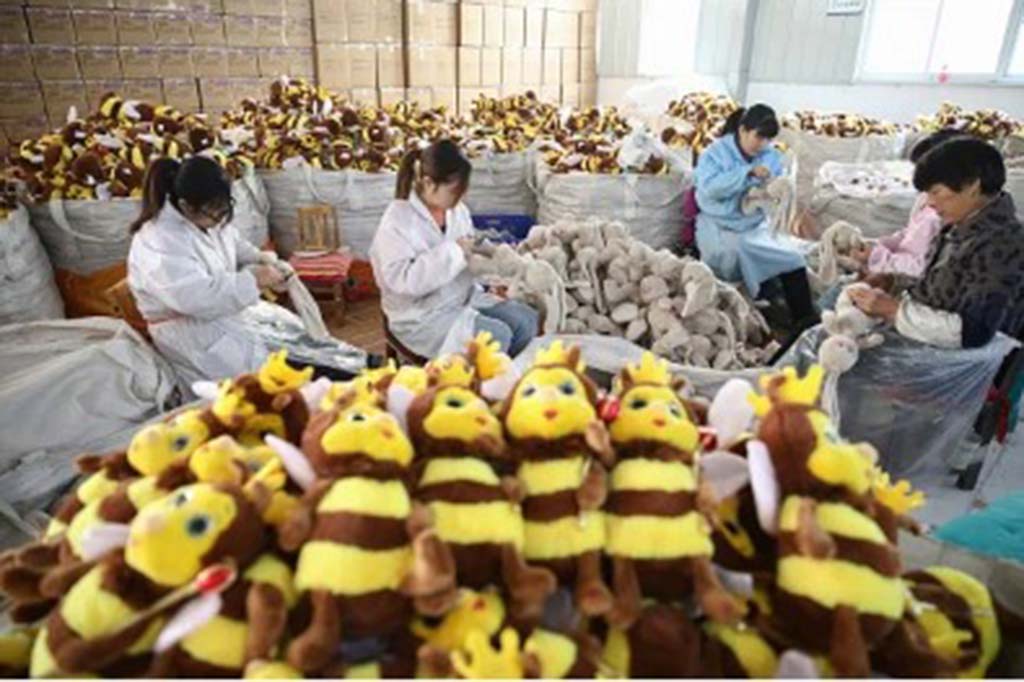
In licensed plush production, quality control is not only about defects—it is about protecting brand identity at scale. From my experience, licensors and global brands are far more sensitive to consistency issues than to minor production imperfections. A plush toy that is well made but visually inconsistent can still fail approval.
Professional manufacturers build quality control systems around reference accuracy. Approved samples, color swatches, embroidery files, and measurement specs are treated as locked standards. Every production batch is checked against these references, not against subjective judgment.
In-process quality control plays a critical role. Inspectors monitor facial alignment, expression balance, color placement, and proportion during production—not just at the final stage. This prevents visual drift from spreading across hundreds or thousands of units before it is detected.
Batch control is another key factor. Licensed projects often require tighter batch separation, especially when multiple SKUs, sizes, or regional versions are produced simultaneously. Reliable factories label batches clearly and prevent mixing, ensuring that each market receives the correct version.
Equally important is feedback integration. When licensors or buyers flag issues, professional factories trace the root cause, adjust processes, and document corrective actions. This continuous loop helps maintain consistency across future runs.
| QC Focus Area | Weak Control | Strong IP-Focused Control | Brand Impact |
|---|---|---|---|
| Reference standards | Informal visual checks | Locked approved samples | Visual consistency |
| In-process inspection | End-only checks | Continuous monitoring | Early correction |
| Batch management | Mixed production | Clear batch separation | Version accuracy |
| Defect analysis | Fix only current issue | Root-cause correction | Long-term stability |
| Feedback handling | Reactive | Documented & integrated | Brand trust |
For licensed plush programs, consistency is credibility. Manufacturers that control quality against brand references—not just general standards—help licensors and buyers protect character integrity across every unit produced.
How Do Compliance, Testing, and Certifications Support Licensed Product Requirements?
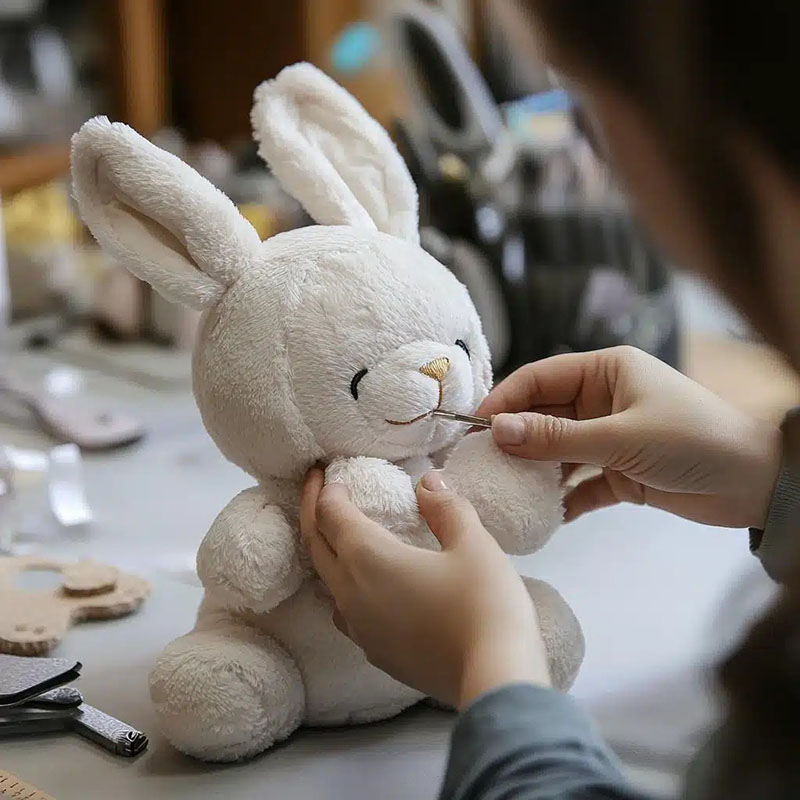
In licensed plush projects, compliance is not just a legal requirement—it is part of the licensing agreement itself. From my experience, licensors and major brands often apply standards that go beyond local regulations, making compliance a shared responsibility between the brand and the manufacturer.
Licensed products are usually sold across multiple regions, which means they must meet the strictest applicable safety standards. This often includes ASTM F963 and CPSIA for the U.S. market, EN71 and CE for Europe, and additional market-specific rules for Japan, South Korea, or the Middle East. Professional manufacturers design and test licensed plush toys to a unified high standard rather than adjusting compliance market by market.
Testing discipline is especially important. Licensed programs typically require pre-production testing, not just random batch checks. Materials, components, and finished products are tested against approved specifications, and test reports are shared transparently with buyers and licensors. Any material or process change usually triggers re-testing.
Certifications also play a supporting role. While certifications such as OEKO-TEX or GRS may not be mandatory for all licensed products, many licensors prefer or require them to reduce chemical, sustainability, or reputational risk. Factories that already manage these certifications simplify approval workflows for brands.
Another critical factor is documentation control. Licensed projects often involve audits, product recalls simulations, or retailer compliance checks. Manufacturers that maintain organized test records, certificates, and traceability logs make these processes smoother and faster.
| Compliance Area | Weak Handling | Licensed-Project Standard | Buyer & Licensor Benefit |
|---|---|---|---|
| Safety standards | Market-by-market fixes | Unified high-standard design | Faster approvals |
| Testing approach | Post-production only | Pre-production & batch testing | Risk prevention |
| Material changes | Informal substitutions | Controlled & re-tested | Compliance stability |
| Certifications | Ad-hoc or missing | Proactively managed | Audit readiness |
| Documentation | Scattered records | Centralized traceability | Brand protection |
For buyers and licensors, strong compliance systems reduce uncertainty. Manufacturers that integrate testing, certification, and documentation into daily operations help licensed plush programs move forward without compliance-related delays or surprises.
How Do Manufacturers Coordinate Communication Between Licensors, Brands, and Buyers?
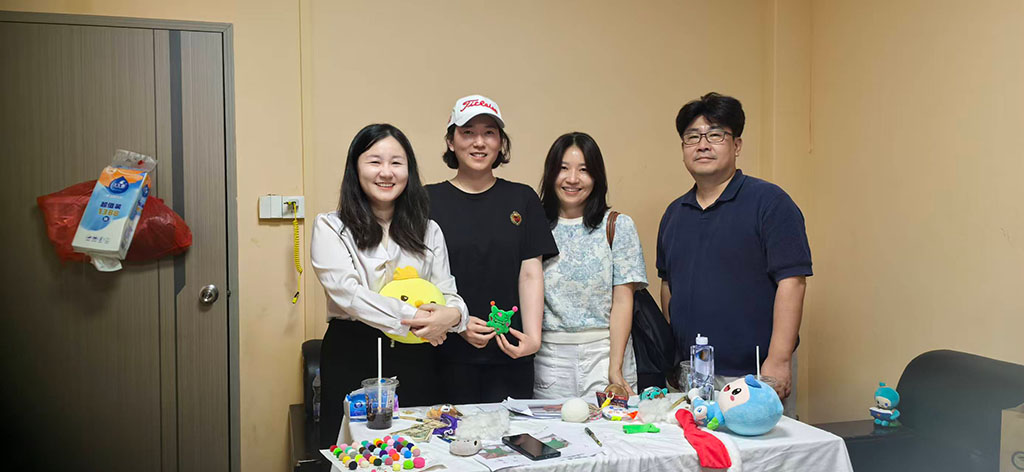
In IP licensing projects, communication is not linear. From my experience, plush toy manufacturers often sit at the center of a three-party coordination structure involving licensors, brand owners, and buyers. How well this communication is managed directly affects approval speed, production stability, and overall project success.
Professional manufacturers act as information translators. Licensors usually communicate in creative or brand language, while buyers focus on timelines, cost, and logistics. Factories that understand both sides can convert creative feedback into clear production instructions without losing intent or accuracy.
One key role manufacturers play is feedback consolidation. Instead of passing fragmented comments back and forth, experienced factories summarize licensor feedback, clarify priorities, and confirm which changes are mandatory versus optional. This prevents confusion and reduces repeated revision cycles.
Documentation and communication rhythm are equally important. Structured update schedules, written confirmations, and visual comparison materials help all parties stay aligned. Reliable factories avoid informal verbal changes and instead maintain written records that protect both the brand and the manufacturer.
When conflicts arise—such as timeline pressure versus design changes—professional manufacturers propose balanced solutions. They explain production impact clearly and offer alternatives that respect IP requirements while protecting delivery commitments.
| Communication Area | Weak Coordination | Professional Coordination | Project Benefit |
|---|---|---|---|
| Feedback handling | Fragmented messages | Consolidated summaries | Faster approvals |
| Language alignment | Creative vs technical gap | Translational communication | Fewer misunderstandings |
| Change confirmation | Verbal or informal | Written & documented | Reduced disputes |
| Update rhythm | Irregular updates | Structured reporting | Timeline control |
| Conflict resolution | Reactive responses | Solution-oriented proposals | Partnership stability |
For licensed plush programs, communication quality often determines whether a project feels controlled or chaotic. Manufacturers that coordinate clearly between licensors, brands, and buyers become trusted partners—not just production vendors—in long-term IP licensing relationships.
Conclusion
Strong IP licensing partnerships rely on manufacturers who combine design translation, sampling accuracy, IP protection, quality control, compliance discipline, and structured communication. When these capabilities align, licensed plush programs move faster, scale safely, and protect brand value across every market.
📧 Contact: [email protected]
🌐 Visit: https://kinwintoys.com