Finding a plush toy factory is easy. Finding one that can actually deliver what it promises—consistently, at the right quality, on time, and at scale—is a different challenge entirely.
Most buyers discover production capability problems only after something goes wrong. The sample was perfect, but the bulk order looks different. The factory confirmed the timeline, but shipment is three weeks late. Quality is acceptable on the first order but drops on the second. These are not random failures. They are symptoms of capability gaps that existed before the order was placed—gaps that could have been identified with the right evaluation process.
Checking a factory’s production capability before committing to an order is one of the most valuable things a buyer can do. It reduces risk, sets realistic expectations, and helps you build sourcing relationships that support your business long-term rather than creating problems that cost far more to fix than they would have cost to prevent.
This guide walks through exactly what to look for, what to ask, and how to interpret what you find when evaluating a plush toy factory’s true production capability.
What Does “Production Capability” Actually Mean for a Plush Toy Factory?
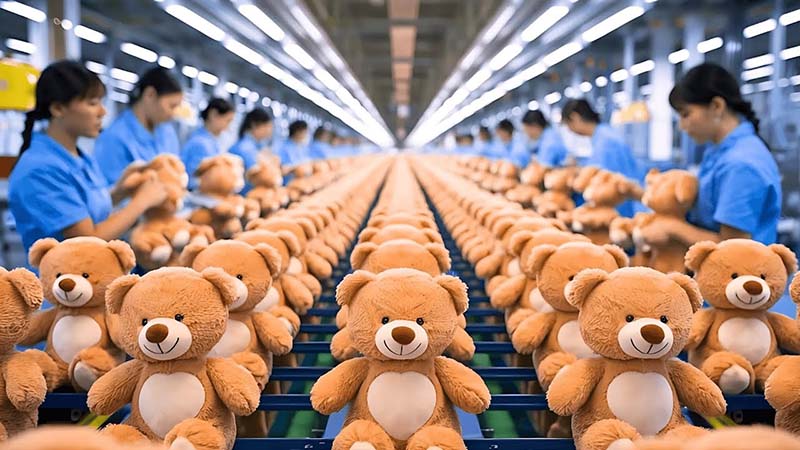
When buyers talk about production capability, they often mean one thing: can this factory make my product? But genuine production capability is a much broader concept than that. A factory can technically make almost any plush toy design given enough time. The real question is whether it can make your product to your standard, in your required quantity, within your timeline, and maintain that performance consistently across repeat orders.
Production capability in a plush toy factory refers to the combination of physical resources, technical expertise, workforce skill, quality systems, and operational capacity that determines what a factory can reliably produce. It is not a single metric but a multi-dimensional assessment that covers equipment, people, processes, and systems working together to deliver consistent output.
Here is a framework for understanding the core dimensions of production capability:
| Capability Dimension | What It Covers | Why It Matters to Buyers |
|---|---|---|
| Output capacity | Daily and monthly unit production volume | Determines if factory can meet your order size |
| Technical expertise | Complexity of products the factory can produce | Affects design accuracy and sampling quality |
| Equipment standards | Machines, tools, and technology in use | Influences production efficiency and consistency |
| Workforce skill | Operator training and experience level | Directly affects product quality and defect rate |
| Quality systems | IQC, IPQC, FQC processes and documentation | Determines reliability across production runs |
| Development capability | Pattern making, sampling, and ODM capacity | Important for custom and new product development |
| Compliance readiness | Certifications, testing capability, regulatory knowledge | Critical for US and EU market entry |
| Flexibility | Ability to handle rush orders, design changes, mixed SKUs | Affects how well factory adapts to your business needs |
One of the most common mistakes buyers make is evaluating production capability based on a factory’s capacity alone—how many units they can produce per day. A high-volume factory with poor quality systems can produce thousands of defective units just as easily as it produces good ones. Equally, a smaller factory with excellent technical expertise and rigorous quality control may be a more reliable partner for complex custom products than a large factory that primarily handles simple, standardized designs.
The goal of a capability assessment is to match the factory’s actual strengths with the specific requirements of your product and your business. A factory that is excellent at high-volume, standardized production may not be the right partner for a brand that needs frequent small-batch custom designs. Understanding this match—or mismatch—before placing an order saves significant time, money, and frustration.
Which Key Metrics Should Buyers Use to Assess a Factory’s Output Capacity?
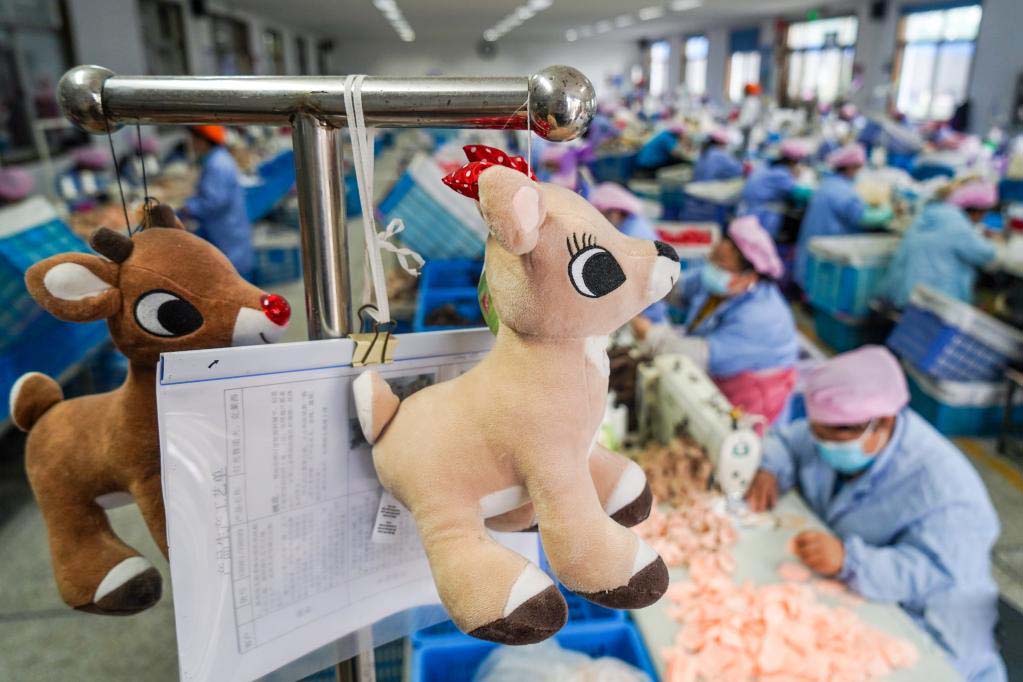
Output capacity is the most straightforward dimension of production capability to evaluate, and it is usually the first thing buyers ask about. However, understanding capacity requires going beyond the headline number a factory provides and examining what that number actually means in the context of your specific order requirements.
Buyers should assess a plush toy factory’s output capacity by examining its daily production volume, monthly maximum capacity, current utilization rate, lead time under different order sizes, and flexibility to accommodate seasonal peaks or rush orders. These metrics together give a realistic picture of whether the factory can deliver your order on time without compromising quality.
Here is a practical guide to the key capacity metrics buyers should request and evaluate:
| Capacity Metric | What to Ask | Strong Response | Weak Response |
|---|---|---|---|
| Daily output | How many units can you produce per day? | Specific number by product type | Vague range without context |
| Monthly capacity | What is your maximum monthly output? | Clear figure with seasonal notes | Inflated number without verification |
| Current utilization | How full is your production schedule now? | Honest percentage with timeline | Claims to always have capacity |
| Lead time | What is your standard lead time for my order size? | Specific days with breakdown by stage | Fixed number regardless of complexity |
| Rush order capability | Can you handle urgent production if needed? | Conditional yes with realistic timeline | Unconditional yes without explanation |
| Peak season impact | How does capacity change during Q3 and Q4? | Acknowledges constraints and plans ahead | Claims no impact from peak season |
Daily output figures need to be interpreted in context. A factory that claims to produce 10,000 units per day is likely referring to simple, standardized products on well-established production lines. If your product is a complex custom design that requires more sewing steps, multiple fabric types, and detailed embroidery, the actual output for your specific product may be significantly lower. Always ask factories to provide capacity estimates based on a product similar in complexity to yours.
Current utilization rate is one of the most informative—and least commonly asked—capacity questions. A factory running at 95% utilization has very little room to absorb your order without either pushing your timeline or displacing another client’s production. A factory at 60 to 70% utilization has more flexibility and is more likely to give your order the attention it needs. Factories that claim to always have capacity available regardless of timing should be viewed with some skepticism—it is either not true, or it indicates they are not a busy, in-demand manufacturer.
Lead time should always be discussed in relation to your specific order size and product complexity, not as a generic standard. A factory’s quoted lead time for a simple, 1,000-unit order of a standard design will be meaningfully shorter than for a complex, 5,000-unit order of a new custom character. Requesting a stage-by-stage timeline breakdown—covering material sourcing, production, quality control, and shipment preparation—gives you a much more reliable picture than a single delivery date.
How Do Equipment Standards and Production Line Setup Reflect Manufacturing Capability?
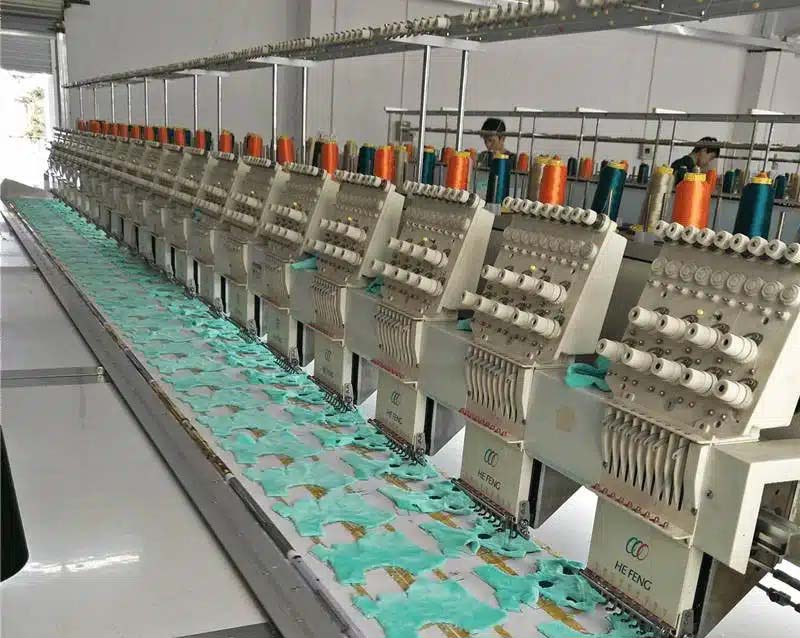
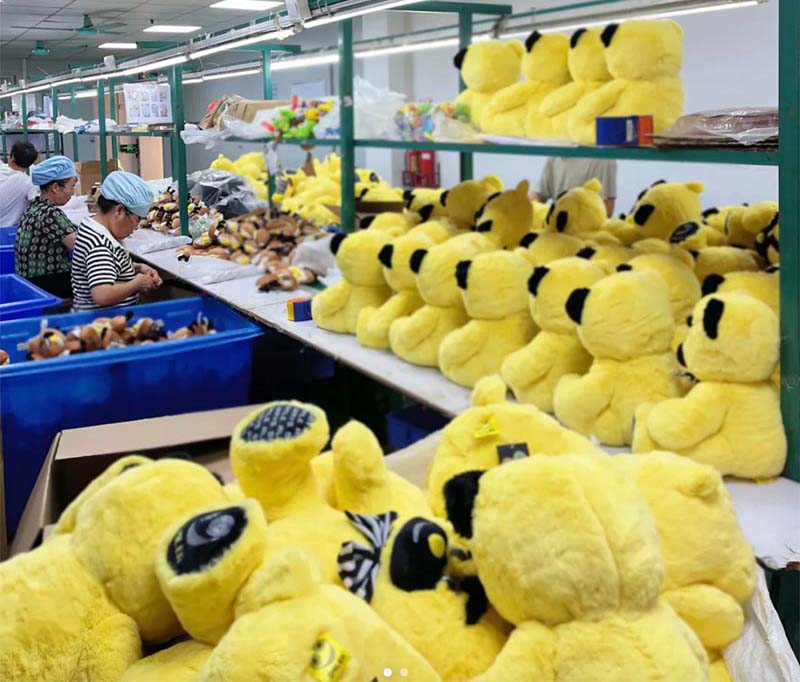
The equipment a plush toy factory uses tells you a great deal about the level of product complexity it can handle, the consistency of its output, and the efficiency of its operations. Factories with outdated or limited equipment are restricted in what they can produce reliably, while those with modern, well-maintained machinery have a broader capability range and more consistent quality output.
Equipment standards and production line setup in a plush toy factory directly reflect its manufacturing capability by determining what types of products can be made, at what level of precision, and at what production speed. A factory with specialized sewing machines, embroidery systems, and automated cutting equipment can handle a wider range of product types with greater consistency than one relying primarily on general-purpose manual machinery.
Here is an overview of key equipment categories and what they indicate about factory capability:
| Equipment Type | Function | Capability Indicator | What to Look For |
|---|---|---|---|
| Industrial sewing machines | Core assembly of all plush products | General production capacity | Volume, maintenance condition |
| Embroidery machines | Facial features, logos, decorative detail | Design accuracy capability | Number of heads, programming software |
| Cutting machines | Fabric panel preparation | Consistency and waste control | Automated vs manual cutting |
| Stuffing machines | Filling insertion | Density consistency | Adjustable density settings |
| Safety testing equipment | Pull-force, seam strength testing | In-house QC capability | Calibration records |
| Pattern making tools | CAD software or manual pattern systems | Development capability | Accuracy and efficiency |
| Washing and testing units | Colorfastness and durability testing | Material verification capability | Test standards supported |
Embroidery capability deserves particular attention for buyers developing products with detailed facial features, logos, or decorative elements. The quality of embroidery output depends on both the machine specifications and the skill of the technician programming and operating it. A factory with high-quality embroidery machines but undertrained operators will produce inconsistent results. Requesting embroidery samples—either from the factory’s existing product portfolio or as part of your sampling process—is the most reliable way to assess this capability directly.
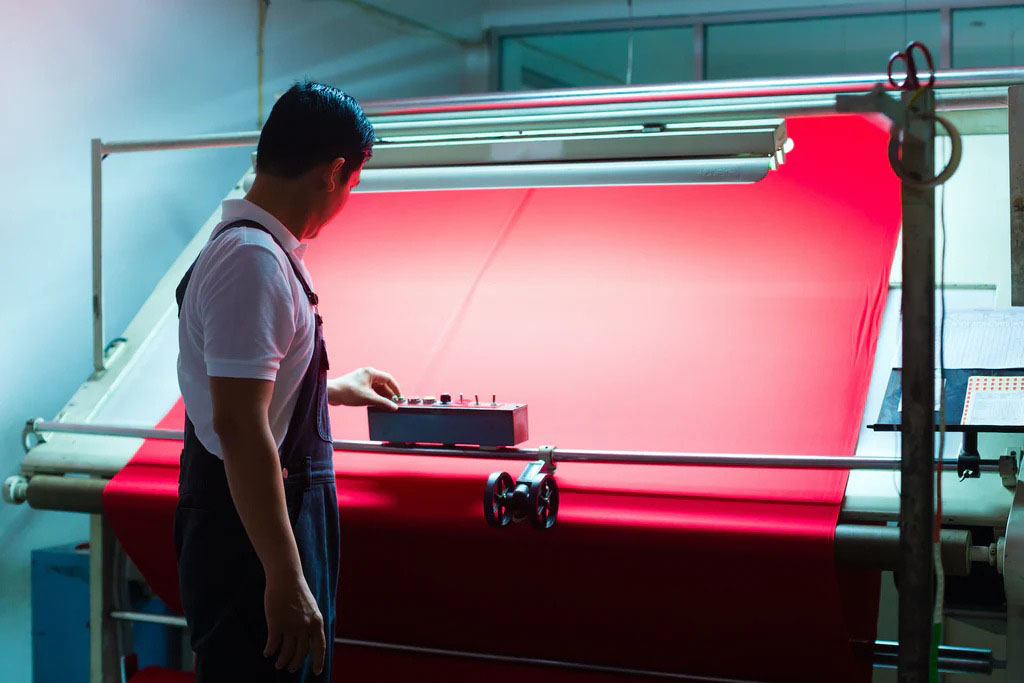
Cutting equipment is another area where the gap between factories becomes visible at scale. Manual fabric cutting introduces variability—slightly different panel sizes, inconsistent grain alignment—that becomes more pronounced as order volumes increase. Factories using computer-controlled cutting systems produce panels with much higher dimensional consistency, which translates directly into more uniform finished products across the entire production run.
Stuffing machines with adjustable density settings are particularly important for weighted plush toys or products where consistent firmness and shape are critical quality attributes. Factories that stuff entirely by hand have difficulty maintaining consistent filling density across thousands of units, which leads to variation in product feel and shape that becomes apparent to end customers.
How Does a Factory’s Sampling Capability Indicate Its Overall Development Strength?
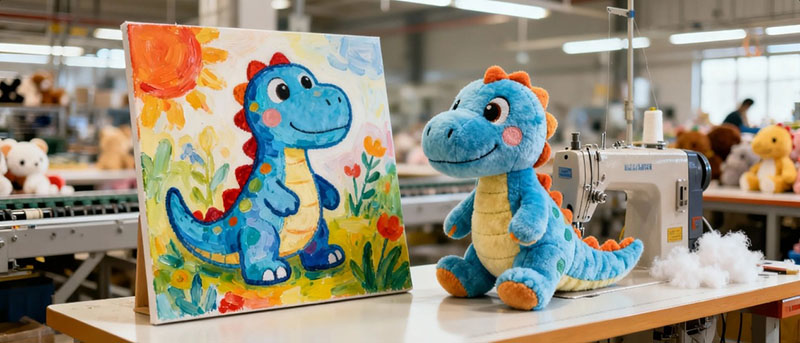
Sampling capability is one of the most revealing indicators of a plush toy factory’s overall development strength. The way a factory handles the sampling process—from how quickly it interprets a brief to how accurately it reproduces a design in three dimensions—reflects the quality of its pattern makers, technical team, and internal communication systems.
A factory’s sampling capability reflects its development strength through its ability to accurately interpret design briefs, create precise patterns, construct high-quality prototypes, and incorporate revision feedback efficiently. Factories with strong sampling capability typically have dedicated development teams, experienced pattern makers, and structured revision processes that minimize the number of rounds needed before production approval.
Here is a comparison of strong versus weak sampling capability indicators:
| Sampling Indicator | Strong Capability | Weak Capability |
|---|---|---|
| Brief interpretation | Asks clarifying questions, identifies risks early | Proceeds without clarification, errors appear in sample |
| First sample accuracy | High similarity to brief | Significant deviations requiring multiple revisions |
| Sample turnaround time | 7–14 days for standard complexity | 3+ weeks with no clear explanation |
| Revision management | Structured feedback process, tracks changes | Informal, revisions are sometimes missed |
| Pattern quality | Clean, reproducible patterns filed systematically | Patterns recreated each time, inconsistent results |
| Development team | Dedicated pattern makers and sample sewers | Production workers handle sampling alongside bulk orders |
The first sample accuracy rate is particularly telling. A factory with strong development capability should be able to achieve a high degree of similarity to the approved brief on the first sample—not perfect, because some adjustment is always expected, but close enough that the revision rounds focus on refinement rather than fundamental reconstruction. A first sample that requires complete rebuilding of shape, proportion, or material selection suggests that the factory’s brief interpretation process is weak, which will create ongoing challenges throughout the development relationship.
Asking a factory about its dedicated sampling team is a valuable qualification question. Professional manufacturers maintain a separate sampling team that works exclusively on prototype development, independent from the main production line. This separation ensures that sampling receives focused attention from skilled specialists rather than being treated as a lower priority task handled by general production workers. Factories that do not have a dedicated sampling function typically produce slower, less accurate prototypes and have more difficulty maintaining development timelines.
What Role Does the Workforce and Skill Level Play in Plush Toy Production Quality?
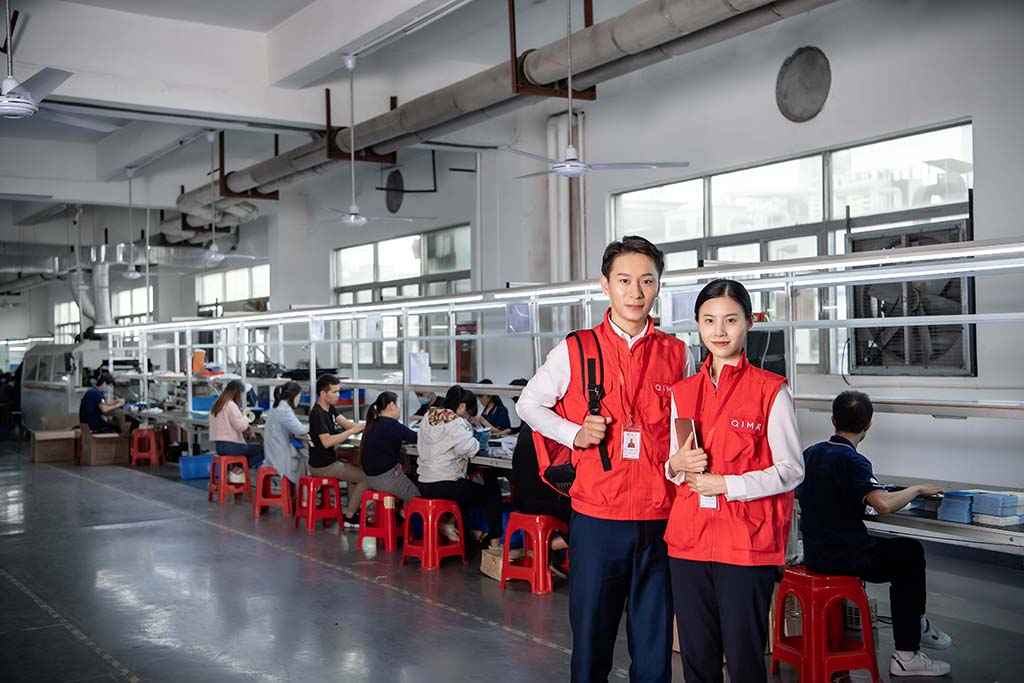
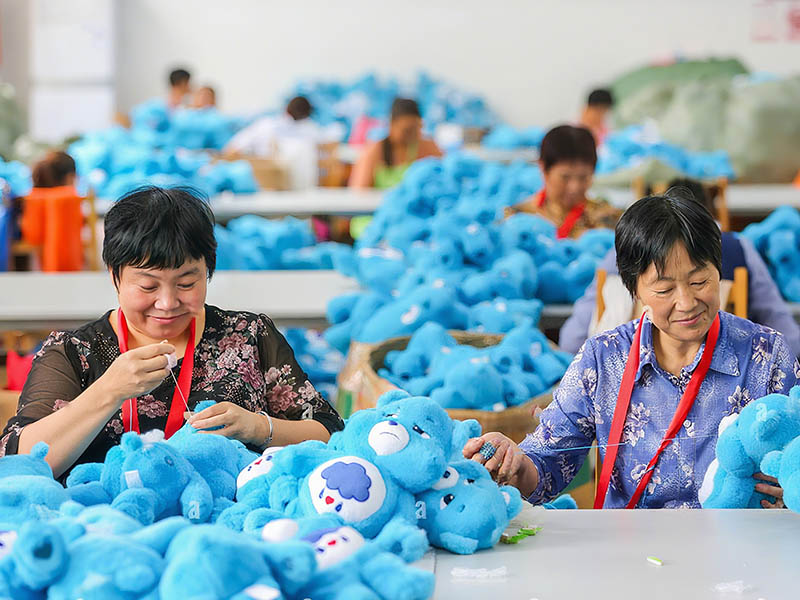
Equipment and processes are only as effective as the people operating them. In plush toy manufacturing, where significant portions of the production process rely on skilled hand sewing, fabric handling, and quality judgment, the experience and training of the workforce is a direct determinant of product quality and production consistency.
The skill level and stability of a plush toy factory’s workforce directly affects product quality, defect rates, production consistency, and the factory’s ability to handle complex or technical designs. Factories with experienced, well-trained, and stable workforces produce more consistent output, manage quality more effectively, and adapt more reliably to new product requirements than those with high turnover and undertrained operators.
Here is how workforce factors connect to production outcomes:
| Workforce Factor | Impact on Production | What to Ask or Observe |
|---|---|---|
| Average operator experience | Higher experience reduces defect rate | Ask average years of service |
| Staff turnover rate | High turnover increases inconsistency | Ask about annual retention rate |
| Training programs | Structured training improves skill consistency | Ask about onboarding and ongoing training |
| Specialization | Dedicated roles produce better results | Ask if workers specialize by production stage |
| Supervisor ratio | More supervision improves quality monitoring | Observe production floor during factory visit |
| Workforce size | Determines scalability of production | Compare to claimed output capacity |
Workforce stability is one of the most underappreciated quality indicators in manufacturing. Factories with high employee turnover—common in regions where labor competition is intense—constantly onboard new operators who lack the muscle memory and judgment that experienced sewers develop over years of work. This creates quality variability that is difficult to control through process alone. Factories that invest in employee retention, fair wages, and working conditions tend to have more experienced workforces and more consistent output.
Specialization within the production workforce is another strong quality indicator. In a well-organized factory, different workers specialize in specific production stages—cutting, sewing, stuffing, embroidery, accessory attachment, finishing. This division of labor allows workers to develop deep expertise in their specific function, producing higher quality and greater efficiency than a generalist approach where workers rotate through all tasks.
How Should Buyers Evaluate a Factory’s Quality Control Infrastructure?
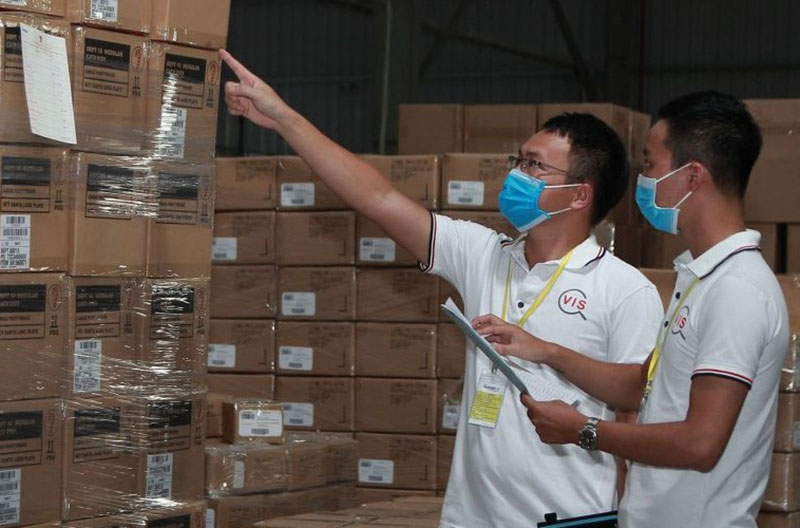
A factory’s quality control infrastructure is the system of processes, personnel, and tools that prevents defective products from reaching buyers. Evaluating this infrastructure is one of the most important steps in assessing production capability, because a factory that cannot reliably control quality will create problems regardless of how good its equipment or how skilled its workers are.
Buyers should evaluate a plush toy factory’s quality control infrastructure by assessing the completeness of its three-stage QC system—IQC, IPQC, and FQC—the qualifications and independence of its QC team, the testing equipment available in-house, and the documentation and reporting processes used to track and resolve quality issues. A factory with a comprehensive, well-documented QC system gives buyers significantly more confidence in production consistency.
Here is a structured evaluation framework for quality control infrastructure:
| QC Infrastructure Element | What to Assess | Strong Indicator | Weak Indicator |
|---|---|---|---|
| IQC process | Incoming material inspection | Documented criteria, dedicated personnel | Visual check only, no records |
| IPQC process | In-line production monitoring | Regular checks at defined intervals | End-of-day checks only |
| FQC process | Final goods inspection | AQL sampling with full documentation | Spot check without records |
| QC team structure | Independence from production | Separate QC department reporting to management | QC done by production supervisors |
| Testing equipment | In-house testing capability | Pull testers, colorimeters, measurement tools | Relies entirely on external labs |
| Non-conformance process | Response to quality failures | Documented process with corrective action | Informal, case-by-case response |
| QC records | Documentation and traceability | Complete batch records available | Records incomplete or unavailable |
The independence of the QC team from the production team is a particularly important structural indicator. In factories where quality control is performed by production supervisors or line managers, there is an inherent conflict of interest—these individuals are measured on output volume, which can create pressure to pass marginal products rather than hold production for quality issues. A genuinely independent QC department, reporting separately from production management, is more likely to make objective quality decisions.
Requesting to see QC records from previous production runs—with client information redacted if necessary—gives buyers direct evidence of how the factory documents and manages quality. A factory with mature QC infrastructure will have organized, complete records that show inspection results, defect rates, and corrective actions taken. A factory with weak QC infrastructure will struggle to produce these records or will present them in an inconsistent, incomplete format.
Are Factory Certifications and Audit Reports Reliable Indicators of Capability?
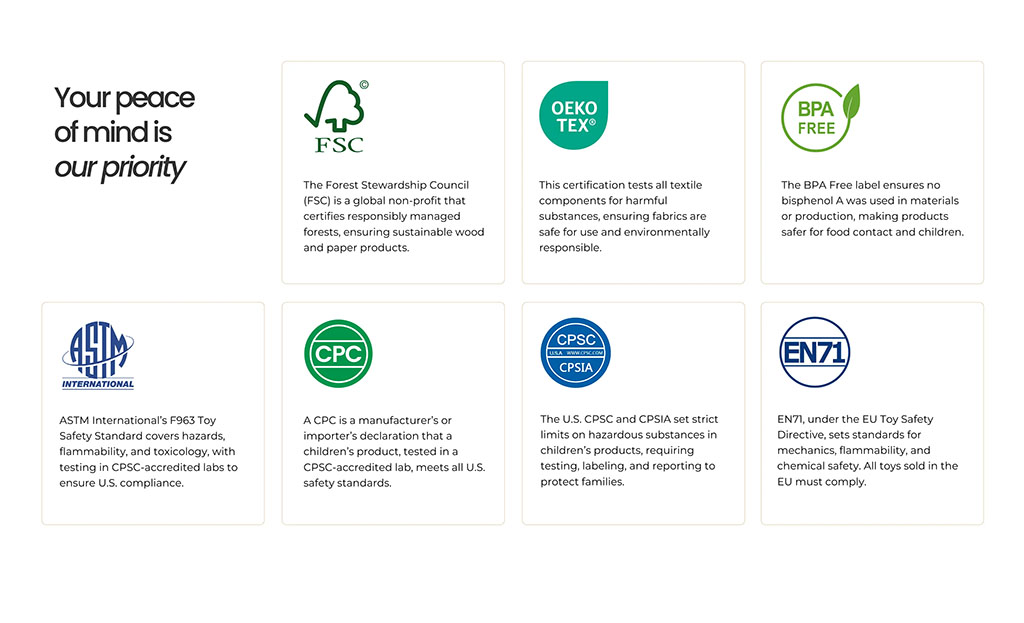
Factory certifications and audit reports are valuable tools for evaluating production capability, but they need to be interpreted correctly. A certification is not a guarantee of current performance—it is evidence that the factory met a defined standard at a specific point in time. Understanding what different certifications and audits actually measure helps buyers use them effectively as part of a broader assessment process.
Factory certifications and third-party audit reports are useful but incomplete indicators of production capability. They provide objective, independently verified evidence of a factory’s compliance with defined standards at the time of assessment. However, they do not capture all dimensions of capability, and their value depends on the credibility of the issuing body, the recency of the assessment, and the specific scope of what was evaluated.
Here is a guide to common certifications and audit types relevant to plush toy factories:
| Certification / Audit Type | What It Assesses | Issuing Body | Reliability Level |
|---|---|---|---|
| ISO 9001 | Quality management system | Third-party certifier | High — systematic QMS assessment |
| BSCI audit | Social compliance and labor standards | Business Social Compliance Initiative | High — covers workforce conditions |
| SEDEX / SMETA audit | Ethical trade and labor practices | Sedex | High — widely recognized in EU |
| SGS / Intertek factory audit | General production capability and QC | SGS, Intertek | High — comprehensive assessment |
| ASTM / EN71 product test reports | Product safety compliance | Accredited laboratories | High for product, limited for factory |
| Supplier self-assessment | Factory’s own evaluation | Factory | Low — no independent verification |
ISO 9001 certification is one of the most comprehensive indicators of a factory’s quality management maturity. It requires the factory to demonstrate documented quality processes, systematic non-conformance management, continuous improvement practices, and regular internal audits. A factory that maintains ISO 9001 certification has been independently verified to have a functioning quality management system—though it does not guarantee that every product will meet your specific requirements.
BSCI and SEDEX audits are particularly relevant for buyers selling to European retailers or brands with ethical sourcing commitments. These audits assess labor conditions, workplace safety, environmental practices, and management systems. A factory that has passed a recent BSCI or SEDEX audit has been verified by an independent auditor against a comprehensive social compliance framework.
One important caveat: always check the date of any certification or audit report. Certifications that are more than one to two years old may not reflect current factory conditions, especially if the factory has undergone significant changes in management, ownership, or production scale. Requesting the most recent available documents and asking when the next scheduled audit is due gives you a more accurate picture of current status.
How Can Buyers Verify a Plush Toy Factory’s Capability Before Placing an Order?
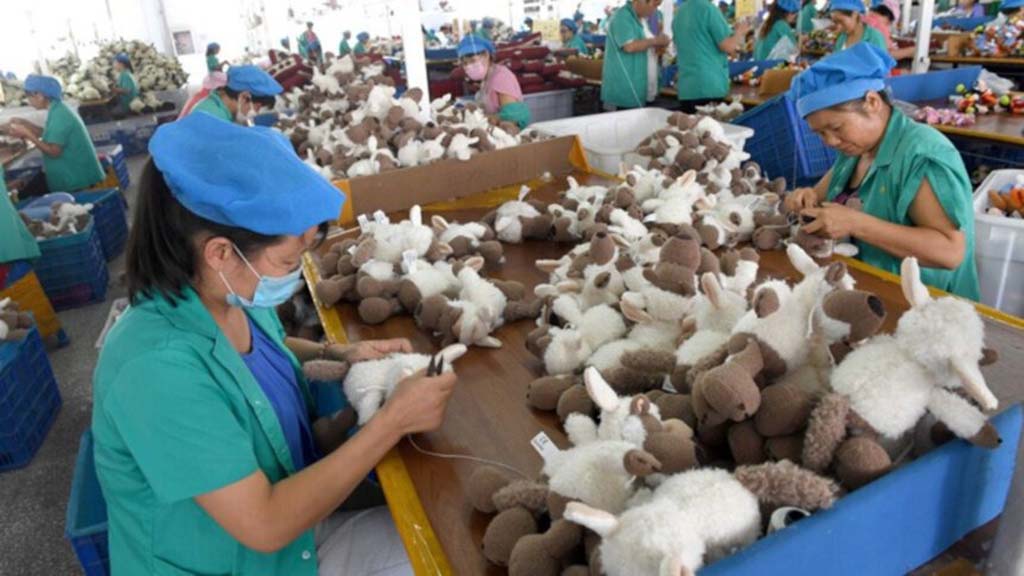
All of the evaluation frameworks in this guide are most effective when combined with direct verification methods. Reading a factory’s website, reviewing their catalog, and exchanging emails gives you a starting point—but it is not sufficient to establish genuine confidence in production capability. Direct verification closes the gap between what a factory claims and what it can actually deliver.
Buyers can verify a plush toy factory’s production capability before placing an order through a combination of factory visits or video audits, sample evaluation, reference checks, third-party audit reports, and targeted capability questions. Using multiple verification methods together provides a much more reliable assessment than relying on any single source of information.
Here is a practical verification plan for buyers at different stages of supplier evaluation:
| Verification Method | What It Reveals | Practical for Remote Buyers? | Recommended Timing |
|---|---|---|---|
| Factory visit | Comprehensive view of all capability dimensions | No — requires travel | Before large or long-term orders |
| Video audit | Visual overview of facility and processes | Yes — via video call | Before first order |
| Sample evaluation | Direct evidence of development and production quality | Yes — sample shipped | Before confirming production |
| Reference checks | Feedback from existing clients | Yes — email or call | During supplier shortlisting |
| Third-party audit report | Independent capability and compliance assessment | Yes — report provided | Before large orders |
| Targeted questions | Reveals process maturity and transparency | Yes — written or call | At start of evaluation |
| Production update requests | Ongoing capability during active orders | Yes — photos and reports | During production |
For buyers who cannot visit the factory in person, a structured video audit is the most effective remote verification tool. During a video call, ask the factory to show you the production floor, the sampling area, the quality control station, incoming material storage, and finished goods inspection area. Pay attention to how organized and clean the facility is, whether QC documentation is visibly in use, and how confidently the factory representative can answer questions about specific processes.
Sample evaluation is the most direct form of capability verification available to every buyer. Requesting a sample of an existing product from the factory’s portfolio—ideally one similar in complexity to your intended product—gives you direct physical evidence of the factory’s current production quality. Evaluate the sample against the dimensions discussed in this guide: fabric quality, stitching consistency, shape accuracy, accessory attachment strength, and finishing standard.
Reference checks are underused by most buyers but can be extremely valuable. Asking a factory for contact information of existing clients—particularly those in your target market—and speaking directly with those buyers gives you real-world feedback that no factory presentation can replicate. A factory that is reluctant to provide references, or that can only offer references from many years ago, may have reasons for not wanting current clients contacted.
At Kinwin, we welcome capability assessments from buyers at every stage of the evaluation process. We are prepared to provide factory video tours, existing product samples, audit documentation, and direct reference contacts because we are confident that what buyers find reflects the quality and professionalism we bring to every project. If you are evaluating plush toy manufacturers and want to see exactly what our production capability looks like in practice, we would be glad to walk you through it in detail.
Conclusion
Evaluating a plush toy factory’s production capability is not a single conversation or a quick review of a supplier profile. It is a structured assessment process that examines output capacity, equipment standards, workforce skill, development capability, quality control infrastructure, certifications, and direct verification—all working together to give you a complete and reliable picture of what a factory can actually deliver.
The buyers who get this right consistently source better products, encounter fewer quality surprises, and build manufacturing relationships that support long-term business growth. Those who skip the evaluation process and select suppliers based primarily on price or presentation often spend far more in rework costs, shipment delays, and quality disputes than they saved on the original quote.
Taking the time to verify capability before placing an order is not due diligence for its own sake. It is the foundation of every successful sourcing decision.
At Kinwin, we have built our manufacturing capability around the standards that serious B2B buyers expect—rigorous quality systems, experienced development teams, certified materials, and transparent communication at every stage of production. Whether you are sourcing your first custom plush order or looking to replace an underperforming supplier, we are ready to demonstrate exactly what our capability looks like and how it translates into reliable results for your business.