Plush toy exhibitions in China, Germany, and the USA all attract global buyers—but they serve very different sourcing purposes. From my experience supporting buyers across these regions, many sourcing mistakes happen because exhibitions are chosen based on reputation, not on actual fit with sourcing goals.
Each region reflects its own industry structure. China emphasizes manufacturing depth and customization. Germany focuses on brand, licensing, and compliance leadership. The U.S. centers on retail trends, storytelling, and market validation. Understanding these differences helps buyers invest time and travel budget wisely.
Before comparing exhibitors or trends, the first step is to understand how scale and focus differ between Chinese, German, and U.S. toy exhibitions, because scale shapes what kind of opportunities buyers can realistically expect.
What Are the Key Differences in Scale and Focus Between China, Germany, and U.S. Toy Exhibitions?
The most visible difference between these regions is scale, but the deeper difference is purpose. From my experience, buyers who align exhibition scale with sourcing intent gain clarity much faster.
Chinese toy exhibitions are production-driven and large in scale. Events in China often feature thousands of booths, many of which are actual manufacturers. The focus is on OEM, ODM, customization, and cost-efficient production. Buyers come to compare factories, materials, and execution capability rather than finished brand concepts.
German toy exhibitions, especially those held in Europe’s core markets, are more curated. Scale is smaller, but exhibitor quality is highly controlled. The focus is on brands, licensed products, design originality, sustainability, and strict compliance. These exhibitions are ideal for trend validation and brand-level partnerships, not factory price comparison.
U.S. toy exhibitions sit between the two. They emphasize retail readiness, storytelling, and market response. Scale varies, but exhibitors often include brand owners, distributors, and innovation-driven suppliers. Manufacturing depth is less visible, but insight into consumer preference and retail positioning is strong.
The key is understanding that bigger does not always mean better—it means different.
| Region | Exhibition Scale | Primary Focus | Best For Buyers Who Want |
|---|---|---|---|
| China | Very large | Manufacturing & OEM | Factory sourcing & customization |
| Germany | Medium, curated | Brand, design, compliance | Trend & licensing insight |
| USA | Medium to large | Retail & storytelling | Market validation |
| China | High booth density | Cost & capacity | Supplier comparison |
| Germany | Selective exhibitors | Quality leadership | Brand positioning |
For buyers, choosing the right region is about intent, not prestige. Those seeking plush toy manufacturing partners benefit most from China’s scale, while buyers focused on brand alignment or retail strategy gain more value from Germany or the USA.
How Do Exhibitor Profiles and Manufacturer Types Vary Across These Regions?
Exhibitor profiles reveal what buyers can realistically achieve at each exhibition. From my experience, the biggest difference is who is actually standing behind the booth—a factory, a brand owner, or a market-facing distributor. This directly affects how deep sourcing conversations can go.
In China, exhibitors are predominantly direct manufacturers. Many operate their own production lines and handle OEM/ODM projects daily. Buyers can speak directly with teams responsible for pattern making, sampling, materials, and production planning. This makes Chinese exhibitions ideal for evaluating execution capability, customization depth, and production scalability.
In Germany, exhibitors are mainly brand owners, licensors, and design-led companies. Manufacturing is often outsourced, so conversations focus on concept, brand alignment, sustainability positioning, and compliance philosophy. Buyers gain strategic insight, but rarely access factory-level decision makers.
In the USA, exhibitor profiles are mixed. Buyers encounter brands, distributors, importers, and some solution-oriented suppliers. Manufacturing discussions exist, but they are usually framed around retail programs, packaging, pricing tiers, and delivery readiness rather than production mechanics.
Understanding exhibitor type helps buyers set the right expectations and ask the right questions on-site.
| Region | Main Exhibitor Type | Manufacturing Access | Buyer Conversation Focus |
|---|---|---|---|
| China | Direct factories | High | OEM, ODM, cost, capacity |
| China | Integrated suppliers | High | Materials & processes |
| Germany | Brand owners | Low | Design & licensing |
| Germany | Licensors | Low | IP & compliance |
| USA | Brands & distributors | Medium | Retail programs |
| USA | Importers | Medium | Pricing & delivery |
For buyers, exhibitor profiles determine how actionable the exhibition is. Those seeking plush toy manufacturing partners benefit most from China’s factory-driven landscape, while buyers focused on brand strategy, licensing, or retail alignment gain more value in Germany or the USA.
What Plush Toy Categories and Trends Are Most Prominent in Each Market?
Plush toy trends vary by region because consumer demand, retail structure, and regulatory pressure are different. From my experience, exhibitions in China, Germany, and the USA showcase not just products, but where each market is investing next.
In China, plush categories are driven by manufacturing innovation and speed. Buyers will see a wide range of custom plush animals, IP-adaptable designs, interactive plush, and promotional items. Trends often focus on production feasibility—such as modular designs, material substitutions, and fast-sampling concepts—rather than finished retail storytelling.
In Germany, trends are more design- and value-driven. Prominent categories include eco-friendly plush, sustainably sourced materials, minimalist design aesthetics, and licensed character products. German exhibitions emphasize longevity, safety, and educational value. Plush toys are often positioned as premium or responsible products rather than impulse items.
In the USA, plush trends align closely with retail performance. Popular categories include character plush, seasonal plush, interactive plush, and gift-oriented designs. Storytelling, packaging, and shelf impact are central. Trends are often validated by retail response rather than manufacturing novelty.
Across all regions, interactive plush and sustainability appear consistently—but with different priorities and execution depth.
| Region | Dominant Plush Categories | Key Trend Focus | Buyer Takeaway |
|---|---|---|---|
| China | Custom & OEM plush | Speed & flexibility | Production readiness |
| China | Interactive plush | Cost-effective tech | Scalable concepts |
| Germany | Eco & premium plush | Sustainability & safety | Brand credibility |
| Germany | Licensed characters | Design integrity | Long-term value |
| USA | Character & gift plush | Retail storytelling | Sell-through focus |
| USA | Seasonal plush | Fast market response | Trend validation |
For buyers, understanding regional trend emphasis helps avoid misalignment. China excels at execution, Germany leads in values and design, and the USA reflects what sells today. Choosing exhibitions based on trend insight needs—not just location—leads to better sourcing decisions.
How Do Compliance, Safety Standards, and Certification Expectations Differ by Region?
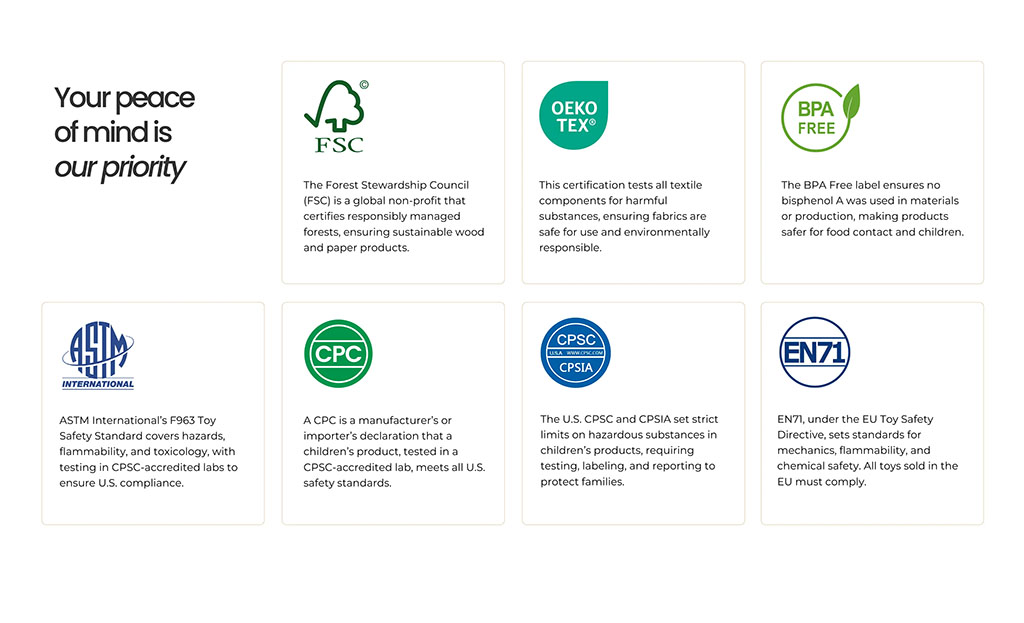
Compliance expectations vary significantly across China, Germany, and the USA—not only in which standards apply, but in how seriously exhibitors expect buyers to engage with them. From my experience, misunderstanding these differences often leads to sourcing delays or re-testing later.
In China, compliance discussions are usually market-driven. Manufacturers are familiar with CE, EN71, ASTM F963, and CPSIA because they export globally. However, expectations differ by factory. Strong manufacturers proactively explain testing scope and documentation, while weaker suppliers wait for buyers to define requirements. Buyers must lead compliance conversations clearly.
In Germany, compliance is foundational. Exhibitors assume products will meet EU Toy Safety Directive requirements, REACH chemical restrictions, and EN 71 standards. Sustainability certifications (such as OEKO-TEX or GRS) are frequently discussed. Compliance is not treated as an add-on—it is part of brand identity and product value.
In the USA, compliance is enforcement-oriented. Discussions focus on ASTM F963, CPSIA testing, CPC documentation, and retailer-specific requirements. Buyers and exhibitors often talk about liability, recalls, and insurance. Products are evaluated based on readiness for large retail chains rather than theoretical compliance.
Understanding these regional mindsets helps buyers adjust questions and expectations during exhibitions.
| Region | Compliance Mindset | Key Standards Emphasized | Buyer Responsibility |
|---|---|---|---|
| China | Buyer-led | CE, EN71, ASTM, CPSIA | Define requirements clearly |
| Germany | Brand-integrated | EN71, REACH, EU Directive | Align with values & safety |
| USA | Enforcement-driven | ASTM F963, CPSIA | Ensure documentation |
| China | Flexible execution | Market-specific testing | Clarify target markets |
| Germany | Preventive control | Chemical & sustainability | Verify substance control |
For buyers, compliance is not just about certificates—it is about how suppliers think about risk. Exhibitions reveal this mindset quickly. Manufacturers aligned with regional expectations reduce friction when projects move from discussion to execution.
What Networking and OEM Sourcing Opportunities Can Buyers Expect at Each Exhibition?
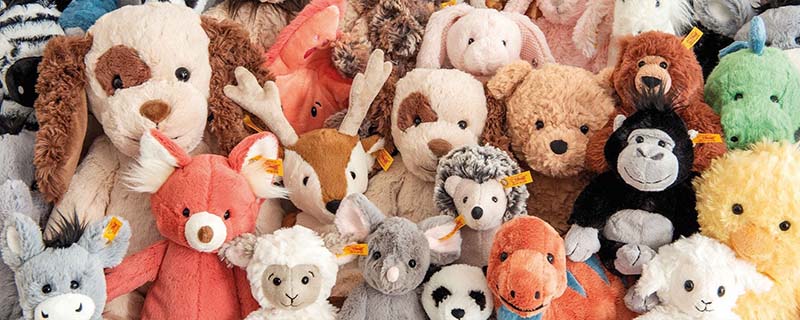
Networking value differs by region because exhibitions are designed to serve different stages of the supply chain. From my experience, buyers gain the most when they approach networking with realistic expectations about who they can meet and what decisions can be made on-site.
In China, networking is highly transactional and execution-oriented. Buyers can meet factory owners, production managers, and sampling teams directly. OEM discussions move fast—technical feasibility, materials, MOQs, and timelines are discussed at the booth. It is common to move from first contact to sampling within days after the show.
In Germany, networking is more strategic and relationship-driven. Conversations focus on long-term brand alignment, licensing opportunities, sustainability positioning, and future product directions. Decision cycles are longer, but partnerships formed here often carry higher brand value and stability.
In the USA, networking sits between the two. Buyers meet brand owners, retail buyers, distributors, and solution providers. OEM sourcing happens, but it is usually framed within retail programs, seasonal planning, and go-to-market strategy rather than factory mechanics.
Each region offers value—but only if buyers use the exhibition for what it does best.
| Region | Networking Style | Typical Contacts | OEM Sourcing Outcome |
|---|---|---|---|
| China | Direct & fast | Factory owners, engineers | Immediate sampling |
| China | Technical focus | Production teams | Feasibility clarity |
| Germany | Strategic | Brand & licensors | Long-term alignment |
| Germany | Value-driven | Sustainability leaders | Brand credibility |
| USA | Market-oriented | Retail & distributors | Program validation |
| USA | Relationship mix | Importers & partners | Go-to-market insight |
For buyers, networking success is not about collecting contacts—it is about meeting the right decision-makers. China excels in OEM execution access, Germany in brand and licensing depth, and the USA in retail and market connection.
How Should Buyers Choose the Right Exhibition Based on Sourcing Goals and Target Markets?
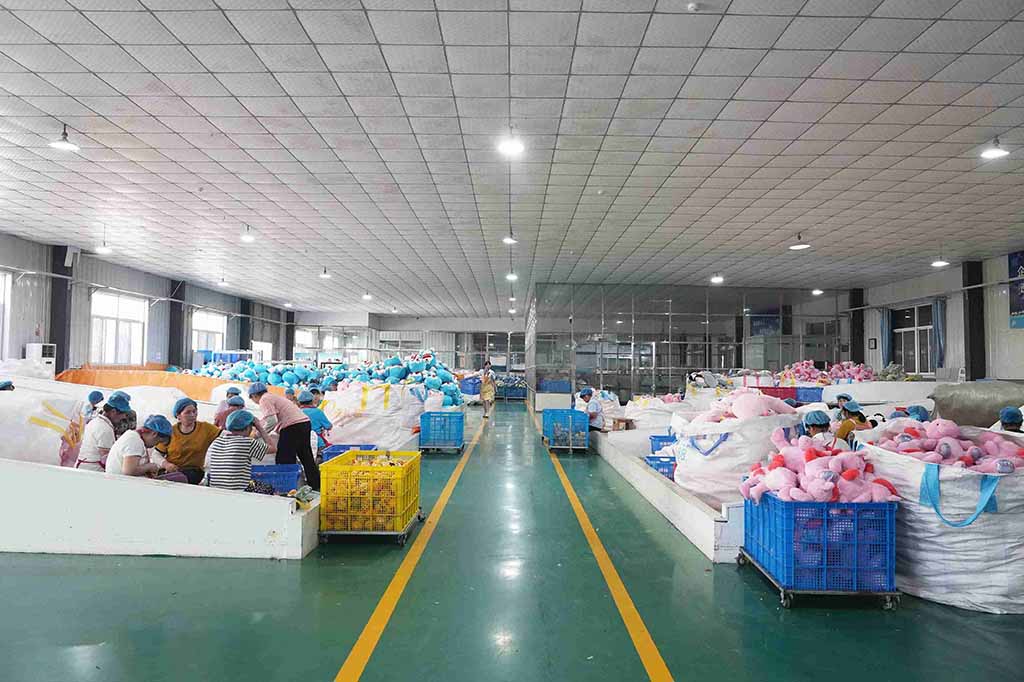
Choosing the right toy exhibition is a strategic decision, not a routine trip. From my experience, buyers get the best results when exhibitions are selected based on clear sourcing goals and target market priorities, not habit or popularity.
If the primary goal is OEM sourcing, cost comparison, or customization, China is the most efficient choice. Chinese exhibitions offer unmatched access to manufacturers, materials, and production processes. Buyers targeting private label plush, promotional items, or scalable OEM programs benefit most from China’s manufacturing density and speed.
When the goal shifts to brand positioning, licensing, or sustainability-led products, Germany becomes more valuable. German exhibitions help buyers understand where premium markets are heading and how compliance, eco-values, and design integrity influence long-term brand acceptance in Europe.
For buyers focused on retail validation and consumer response, U.S. exhibitions provide critical insight. These shows reveal what retailers are buying now, how products are positioned on shelves, and which plush concepts resonate with American consumers. This is especially useful for seasonal planning and market entry strategies.
Many experienced buyers use a combination approach—sourcing in China, validating in the USA, and aligning brand strategy in Germany. The key is knowing what decision you want to make at each exhibition.
| Buyer Goal | Best Region | Why It Fits | Strategic Result |
|---|---|---|---|
| OEM & customization | China | Factory access & speed | Cost-effective execution |
| Brand & licensing | Germany | Design & compliance leadership | Market credibility |
| Retail validation | USA | Consumer & retailer insight | Sell-through confidence |
| Cost benchmarking | China | Supplier comparison | Margin control |
| Trend direction | Germany / USA | Design & retail signals | Smarter planning |
For buyers, the “best” exhibition is the one that moves your sourcing decision forward. When exhibitions are chosen intentionally, travel budgets turn into competitive advantage rather than routine expense.
Conclusion
China, Germany, and the USA each offer distinct plush toy exhibition value. Buyers who align exhibition choice with sourcing goals gain clearer insight, stronger partners, and faster decisions across global markets.
📧 Contact: [email protected]
🌐 Visit: https://kinwintoys.com