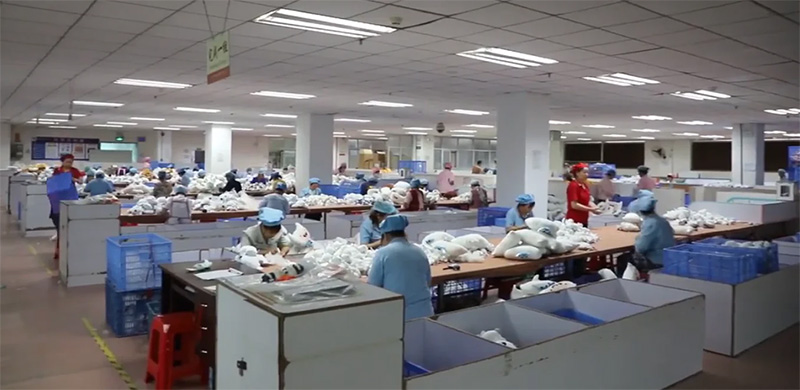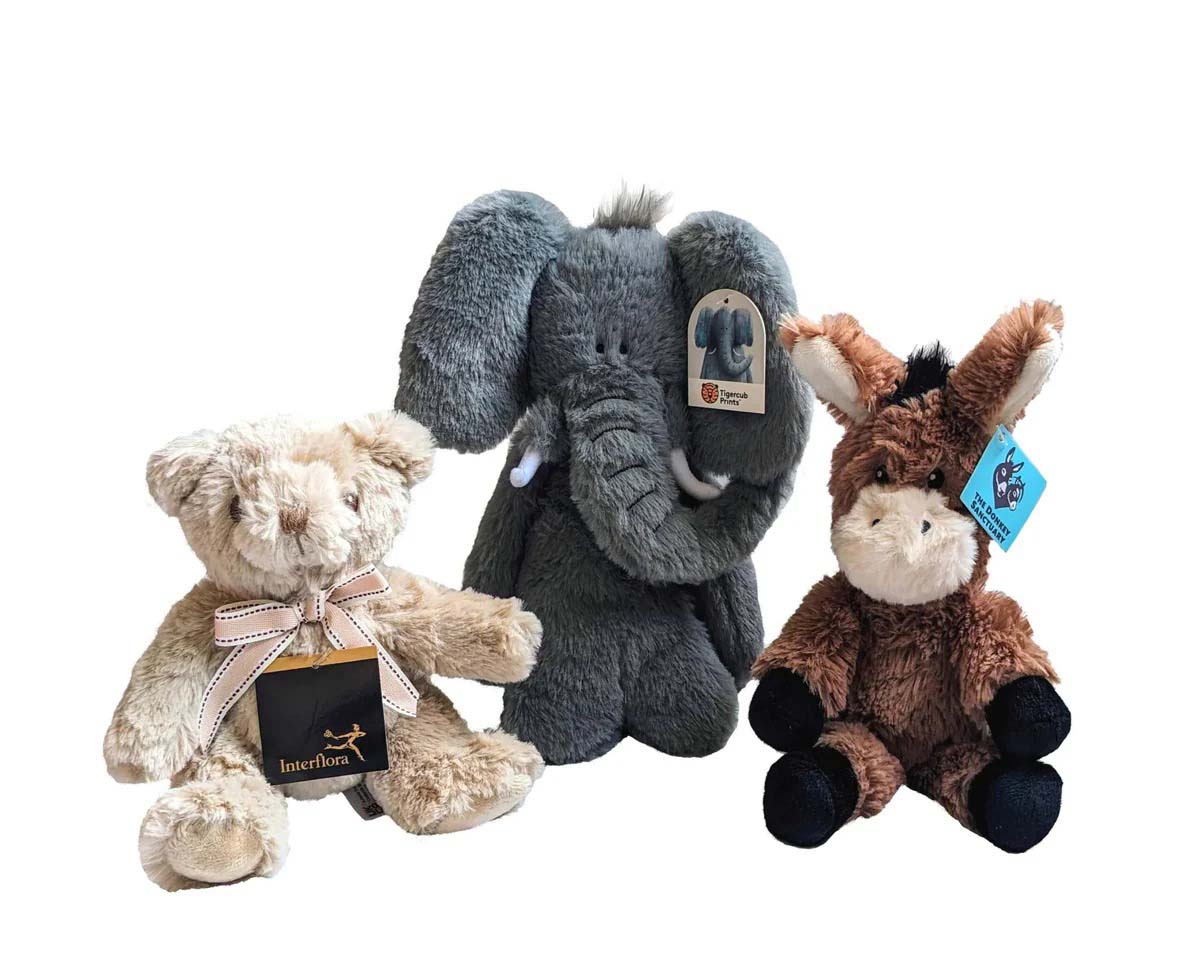
For plush toy brands, creativity is the foundation of success—but it also exposes your business to imitation and idea theft. In a globalized supply chain where manufacturers, traders, and subcontractors may all handle parts of your project, the risk of design leakage increases dramatically. Many companies underestimate the importance of intellectual property (IP) protection until they see replicas of their products flooding online marketplaces.
Protecting your IP is not just a legal formality—it’s a business survival strategy. By combining international registration, contractual safeguards, and strong supplier selection, brands can maintain ownership over their creations while outsourcing production safely. This guide explores practical ways to safeguard plush toy designs from concept to commercialization.
What Types of Intellectual Property Apply to Plush Toy Designs?
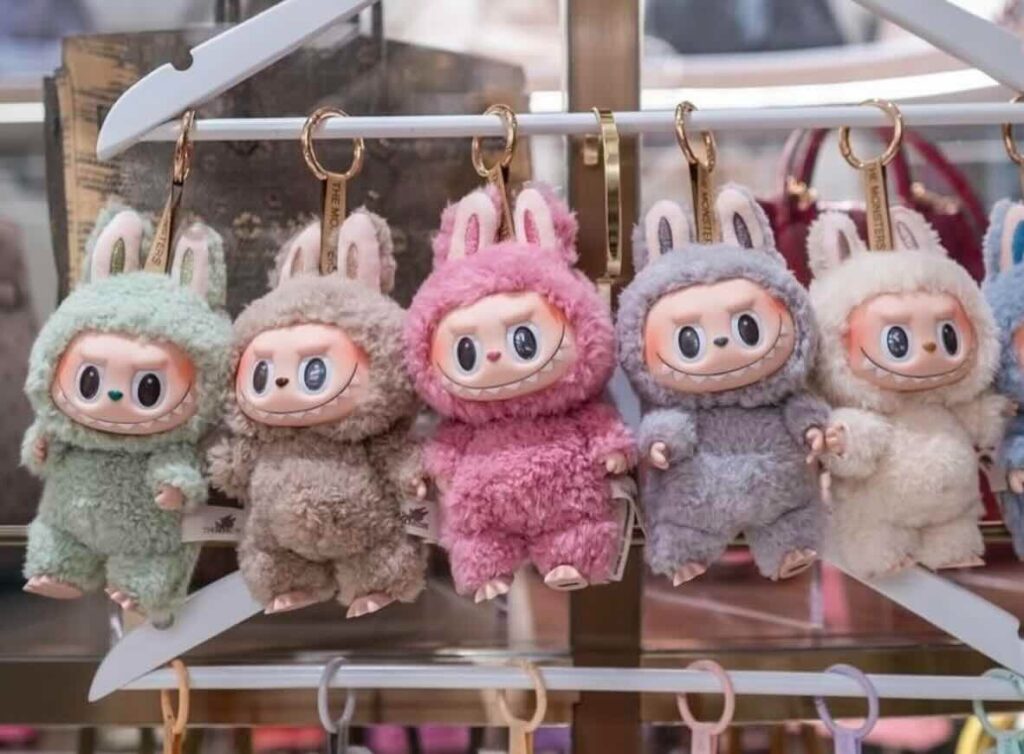
Plush toys are complex creative products that blend art, engineering, and branding—and each of these dimensions is protected by a different form of intellectual property. Understanding how these protections interact is the first step in building a defensive wall around your designs.
1. Copyrights – Protecting Creative Expression
Copyright covers original artistic and illustrative elements—such as character sketches, digital renderings, embroidery patterns, packaging artwork, and promotional graphics. It ensures others cannot legally reproduce, adapt, or display your designs without permission. Although many countries automatically grant copyright upon creation, formal registration strengthens your legal standing in case of disputes. For example, a registered copyright can support DMCA takedowns on online marketplaces or serve as evidence in infringement litigation.
2. Design Patents (or Industrial Designs) – Protecting the Look and Feel
Design patents protect the toy’s shape, surface texture, and ornamental features, rather than its function. In plush toys, this might include the silhouette of a bear, the stitching patterns, or a unique color gradient. Design patents are powerful deterrents against copycats producing “lookalike” products. However, registration must occur before public disclosure (e.g., trade shows, websites, or catalogs), otherwise you may lose novelty rights.
3. Trademarks – Protecting Brand Identity
A trademark protects brand elements—logos, labels, taglines, or even signature packaging. It ensures that no one else can sell similar toys under your name or confuse consumers with a deceptively similar mark. For global brands, registering trademarks both in the country of manufacture (e.g., China) and key export markets (e.g., U.S., EU) prevents counterfeits from being exported under your brand identity.
4. Trade Secrets – Protecting Confidential Know-How
Trade secrets cover proprietary information that gives your brand a technical or creative edge: fabric blends, scent infusion formulas, or special assembly methods. Protecting trade secrets depends entirely on confidentiality practices—such as signed NDAs, restricted access, and encrypted file management systems.
| IP Type | Protects | Duration | Best Practice |
|---|---|---|---|
| Copyright | Illustrations, artwork, character designs | Lifetime + 50–70 years | Register for international enforceability |
| Design Patent | Shape, structure, and surface pattern | 10–15 years | File before public disclosure |
| Trademark | Brand name, logo, packaging | Renewable indefinitely | Register in both sales & production countries |
| Trade Secret | Materials, processes, design data | As long as kept confidential | Use NDAs & internal security controls |
In practice, a plush toy brand should implement multi-layered IP protection—for example, a unique toy character (copyright), its physical design (patent), and its logo (trademark)—to form a robust legal shield across global markets.
How Can You Legally Register and Enforce Your Design Rights Internationally?
Global IP protection may seem daunting, but modern international systems make it achievable. Registering your IP ensures enforceability not only in your home country but also where your toys are produced or sold.
1. Use International Treaties for Broader Coverage
The Madrid Protocol (for trademarks) and the Hague System (for industrial designs) allow you to file one centralized application through the World Intellectual Property Organization (WIPO), automatically extending protection to multiple countries. This saves both time and money compared to filing separate applications.
2. File Early—Before Public Exposure
Many brands lose design rights by showcasing their plush toys at exhibitions before filing for registration. Always submit patent or design applications before public release. Once a design is disclosed, competitors can legally copy it in jurisdictions without “grace periods.”
3. Register in Both Manufacturing and Selling Markets
If your production occurs in China or Vietnam but your primary markets are in Europe and the U.S., you must register in all of those territories. Without registration in the manufacturing country, you’ll face challenges enforcing IP violations locally.
4. Manage Renewals and Enforcement Strategically
IP rights expire if not renewed on time. Create a centralized IP calendar to track expiry dates and renew registrations early. In case of infringement, coordinate with local IP attorneys to issue cease-and-desist letters, file customs registration for border enforcement, or pursue civil action against counterfeiters.
| Registration Type | System / Agency | Jurisdiction | Processing Time |
|---|---|---|---|
| Trademark | WIPO Madrid Protocol / USPTO / EUIPO | Global / U.S. / EU | 6–12 months |
| Design Patent | WIPO Hague / CNIPA / USPTO | Global / China / U.S. | 6–18 months |
| Copyright | National IP Offices | Country-specific | Immediate to 6 months |
Finally, register your IP with customs agencies such as the U.S. CBP or EU Enforcement Database. This allows customs officers to block infringing shipments automatically, protecting your supply chain from unauthorized exports.
What Clauses Should Be Included in NDAs and OEM/ODM Agreements?
Contracts are the first and most enforceable line of defense when collaborating with overseas factories. A well-drafted Non-Disclosure Agreement (NDA) and OEM/ODM contract clearly define ownership, restrict misuse, and establish penalties for breaches.
1. Non-Disclosure Agreement (NDA):
NDAs must specify the scope of confidential information (e.g., design sketches, material data, 3D models, sample photos) and explicitly prohibit disclosure to third parties. Effective NDAs also include the duration of confidentiality and what happens if the project ends or transitions to another supplier.
2. OEM/ODM Contract Clauses:
An OEM/ODM agreement goes beyond confidentiality—it defines the relationship structure, ownership of molds and samples, exclusivity rights, and legal jurisdiction.
Essential Clauses to Include:
- Ownership of Intellectual Property: All designs, patterns, and molds remain the buyer’s property—even after project completion.
- Non-Use Clause: The factory cannot reuse or display your designs, even as “portfolio samples.”
- Subcontracting Restrictions: No third-party subcontracting without written approval.
- Penalty Provisions: Pre-determined compensation for breach or misuse.
- Jurisdiction Clause: Specifies the governing law and arbitration venue (e.g., Hong Kong or Singapore).
| Clause Type | Purpose | Example / Note |
|---|---|---|
| Confidentiality | Prevent unauthorized sharing | Applies to all media & prototypes |
| Ownership | Define IP holder clearly | “All designs remain property of the client.” |
| Non-Competition | Restrict factory from duplication | Prevents sale to other buyers |
| Enforcement | Set penalties & jurisdiction | Ensures accountability and deterrence |
Combining NDAs with OEM/ODM agreements forms a double layer of protection—the NDA governs communication, while the contract governs production and post-delivery obligations.
How Do You Select a Supplier with a Proven Record of IP Protection?
The safest legal agreements mean little if the supplier itself lacks integrity. Choosing a factory with a verifiable reputation for IP protection is one of the most effective risk management strategies.
What to Look For:
- Reputation and Client Portfolio: Suppliers who have worked with licensed brands (like Disney, Sanrio, or Universal) are accustomed to strict confidentiality and compliance audits.
- Compliance Certifications: ISO 9001, BSCI, SEDEX, and SMETA certifications demonstrate organized documentation and traceable workflow management.
- Information Security Practices: Internal NDAs, restricted access to digital files, and controlled entry into design or sampling rooms.
- Factory Transparency: Willingness to show facilities, share workflow documentation, and disclose subcontracting arrangements.
- Dedicated Project Managers: English-speaking staff trained to manage confidential materials securely and communicate consistently.
| Evaluation Criteria | Verification Method | Why It Matters |
|---|---|---|
| Client References | Request brand cooperation history | Proves trustworthiness and professionalism |
| Compliance Documents | Review ISO/BSCI certificates | Ensures ethical management |
| Internal Security | Ask about file storage and access | Prevents accidental data leakage |
| Production Transparency | Inspect or request video tours | Confirms no hidden subcontracting |
Conduct audits regularly and avoid factories that hesitate to provide references or documentation. A truly reliable supplier will welcome such due diligence—it shows you value professionalism and mutual protection.
What Steps Should You Take Before Sharing Design Files and Prototypes?
Many IP thefts occur before production even begins—during the quotation or sampling stage. To protect your concepts, you must control both how and what you share.
1. Gradual Information Disclosure:
Share only essential design details during early discussions. Avoid sending full blueprints until you’ve signed an NDA and verified the factory’s credentials.
2. Watermark All Files and Images:
Add visible ownership marks, file version codes, and project names. Watermarked designs discourage misuse and help trace leaks.
3. Use Secure File Transfer Tools:
Employ password-protected cloud platforms or encrypted transfer systems instead of unsecured email attachments. Limit access to specific individuals only.
4. Track and Label Prototypes:
Every prototype should carry a unique code or label. Maintain a distribution log to record who received which version, and require all pre-production samples to be returned or destroyed after project completion.
5. Keep a Record of Communications:
Save all emails, chat logs, and shipping documents related to design sharing. These serve as evidence in case of infringement disputes.
| Protection Step | Implementation | Purpose |
|---|---|---|
| Watermark Files | Visible ownership marks | Prevents unauthorized reproduction |
| Controlled Access | Password or encryption | Limits exposure risk |
| Phased Disclosure | Step-by-step file sharing | Avoids early leaks |
| Prototype Logging | Tracking distribution records | Ensures traceability |
Taking these precautions establishes traceable accountability and demonstrates due diligence, giving you stronger legal standing should IP misuse occur.
How Can You Monitor and Detect Unauthorized Replication in the Market?
IP protection doesn’t end after production—it must continue long after your toys hit the market. Counterfeit plush toys can appear online within weeks, especially on large platforms and cross-border e-commerce sites.
1. Continuous Online Monitoring:
Set automated alerts on platforms such as Alibaba, Taobao, Amazon, and Etsy using your product names and image keywords. Tools like Google Lens, TinEye, or Copytrack can scan the web for visual duplicates.
2. Register IP with Customs Agencies:
Submit your registered trademarks and designs to customs enforcement programs (like U.S. CBP or EUIPO Enforcement Database). Customs officers can seize counterfeit shipments at borders before they reach retailers.
3. Conduct Market Audits and Mystery Purchases:
Regularly buy samples from suspicious listings to confirm if they’re replicas. Use purchase evidence for legal actions or takedown requests.
4. Build Relationships with Marketplaces:
Platforms often cooperate with verified IP owners. Submit official ownership certificates to access faster takedown channels.
5. Engage Investigators or IP Law Firms:
For high-value cases, professional investigators can trace manufacturers behind counterfeit products and support cross-border enforcement.
| Monitoring Method | Frequency | Benefit |
|---|---|---|
| Online Marketplace Scans | Monthly | Identifies unauthorized sellers early |
| Image Recognition Tools | Ongoing | Detects copied visuals automatically |
| Customs Registration | Once per product line | Enables proactive border control |
| Mystery Audits | Quarterly | Confirms market-level authenticity |
Active IP monitoring is both preventive and strategic. By acting swiftly when infringements occur, brands send a strong deterrent message to potential copycats.
Conclusion
Protecting your plush toy design IP is a long-term commitment—one that begins before sharing a single sketch and continues after your product reaches the market. Legal registrations, robust contracts, supplier audits, and continuous monitoring form a complete defense system against counterfeiting and unauthorized duplication.
Factories like Kinwin exemplify how responsible manufacturing can coexist with creative innovation. With strict NDA compliance, transparent project handling, and ethical sourcing practices, Kinwin helps global brands turn unique ideas into successful products—safely and securely.
📧 Contact: [email protected]
🌐 Visit: https://kinwintoys.com