In the plush toy industry, sampling speed is more than just a measure of efficiency—it directly shapes how quickly a brand can validate designs, begin production, prepare marketing assets, and ultimately bring a product to market. Every delay at the sampling stage has a ripple effect across your entire project, affecting launch timing, inventory planning, and revenue opportunities. For brands operating in fast-moving categories—seasonal drops, influencer collaborations, limited collections, licensed IP releases—sampling speed often determines whether you launch on schedule or miss a critical sales window.
This guide explains how sampling timelines influence every downstream stage of your plush toy development process, and why choosing a responsive, professional factory can make the difference between success and costly delays.
How Sampling Speed Influences Overall Product Development and Market Readiness?

Sampling is the first tangible checkpoint in plush toy development. A fast sampling cycle allows you to validate the core concept early, align cross-functional teams, and build momentum toward a predictable launch. Conversely, long sampling cycles slow decision-making, push back approvals, and create a bottleneck that is difficult to recover from once marketing and production timelines are already set.
When samples arrive quickly, teams can finalize sizing, proportions, materials, logos, packaging needs, cost estimates, and target retail positioning much earlier. This allows marketing to start asset creation—photoshoots, lifestyle visuals, social media teasers—while procurement teams begin preparing for mass production. Slow samples, however, delay every one of these steps and can leave teams waiting with no ability to progress.
Sampling Speed Impact Overview
| Area Affected | Fast Sampling Benefit | Slow Sampling Consequence |
|---|---|---|
| Product Development | Quick validation & iteration | Design freeze delayed |
| Team Alignment | Earlier cross-department sync | Marketing & sourcing blocked |
| Costing Accuracy | Faster price confirmation | Budget revisions pushed back |
| Launch Windows | Higher readiness | Risk of missing seasonal timing |
How Rapid Prototyping Reduces Delays in Design Validation and Revisions?
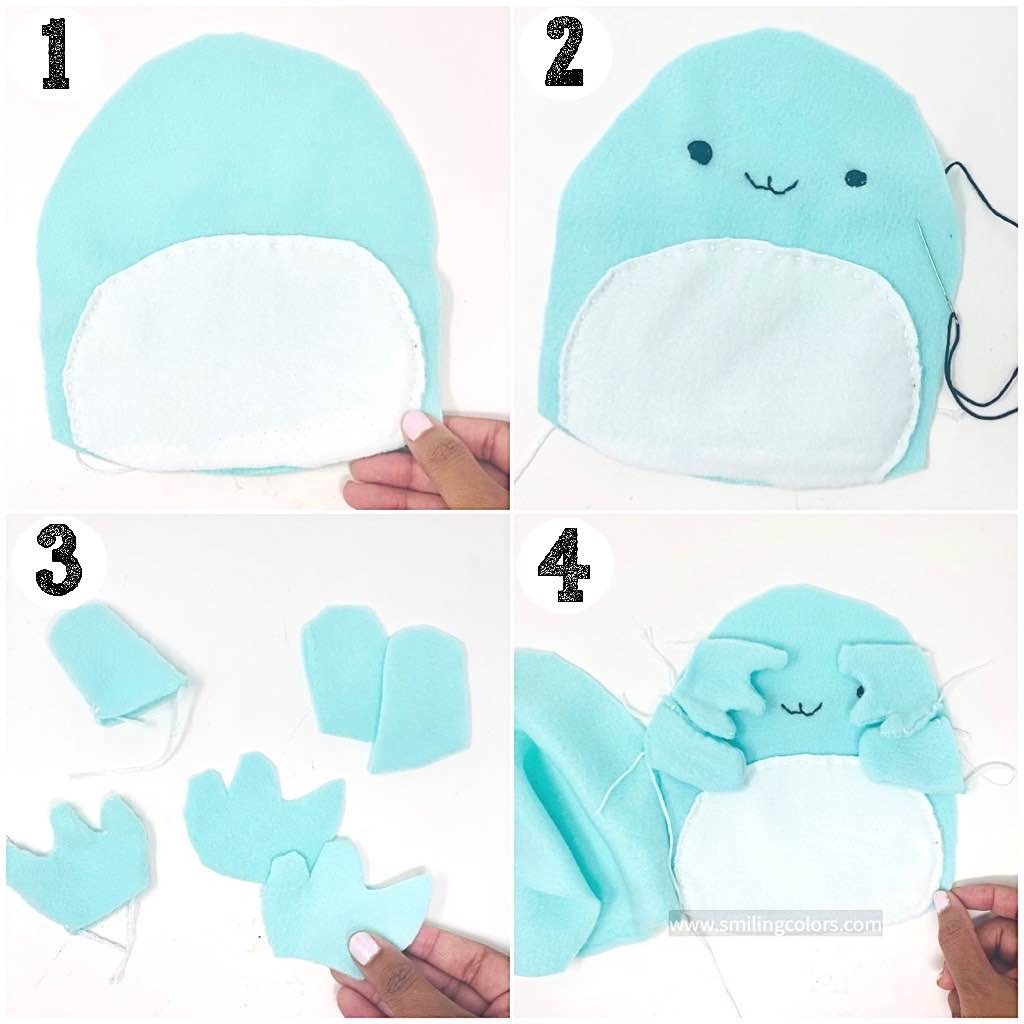
Most plush toy designs require 1–3 revision rounds before the sample matches the designer’s intent. Rapid prototyping accelerates this iterative loop—factories that can revise patterns, adjust stuffing density, refine proportions, or re-embroider features quickly dramatically shorten the time between concept and approval.
When revisions take too long, even minor corrections snowball into major delays. A single slow iteration cycle can add weeks to a project, especially if communication is slow or differences between the design brief and the sample are not clearly addressed.
Rapid prototyping also gives your team more opportunity to refine details such as hand-feel, stability, softness, color matching, and structural integrity without jeopardizing the launch timeline.
Prototype Revision Efficiency
| Factor | Fast Prototype Cycle Result | Slow Cycle Result |
|---|---|---|
| Revision speed | Multiple rounds completed quickly | Each round adds weeks |
| Detail refinement | Higher accuracy before production | Risk of rushed approvals |
| Design accuracy | Near-perfect final sample | Compromised quality due to time pressure |
How Slow Sampling Cycles Can Disrupt Marketing, Packaging, and Pre-Launch Planning?
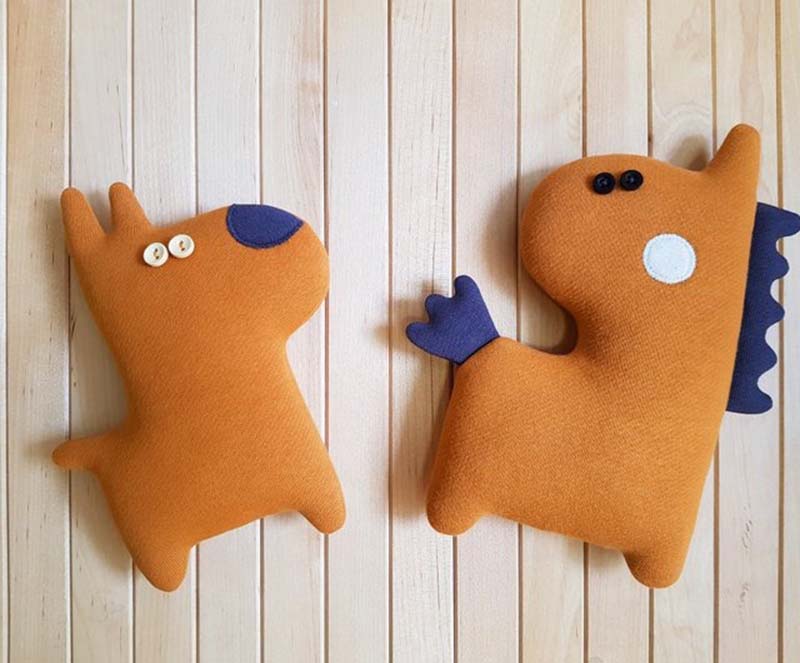
Marketing cannot begin without a sample. Delays create a chain reaction across photography, video production, website listings, influencer partnerships, retail presentations, and packaging mockups. Many brands underestimate how much of their launch preparation depends on having a physical prototype ready.
Even packaging design—hangtags, inserts, box structures, dielines—relies on accurate dimensions from the approved sample. Licensing or retail partners also require sample approval before giving final sign-off or production authorization.
For seasonal products like Christmas, Valentine’s Day, Easter, and Halloween plush lines, missing internal marketing deadlines often means the entire product becomes irrelevant until the next year.
Marketing Dependency Table
| Pre-Launch Task | Requires Approved Sample? | Impact of Delay |
|---|---|---|
| Photography & video | Yes | Missing content deadlines |
| Packaging design | Yes | Inaccurate sizing & reprints |
| Retail presentations | Yes | Loss of buyer confidence |
| Influencer campaigns | Yes | Inability to pre-promote |
| Website preparation | Yes | Late listings & loss of traffic |
How Sampling Timelines Affect Mass Production Scheduling and Capacity Booking?
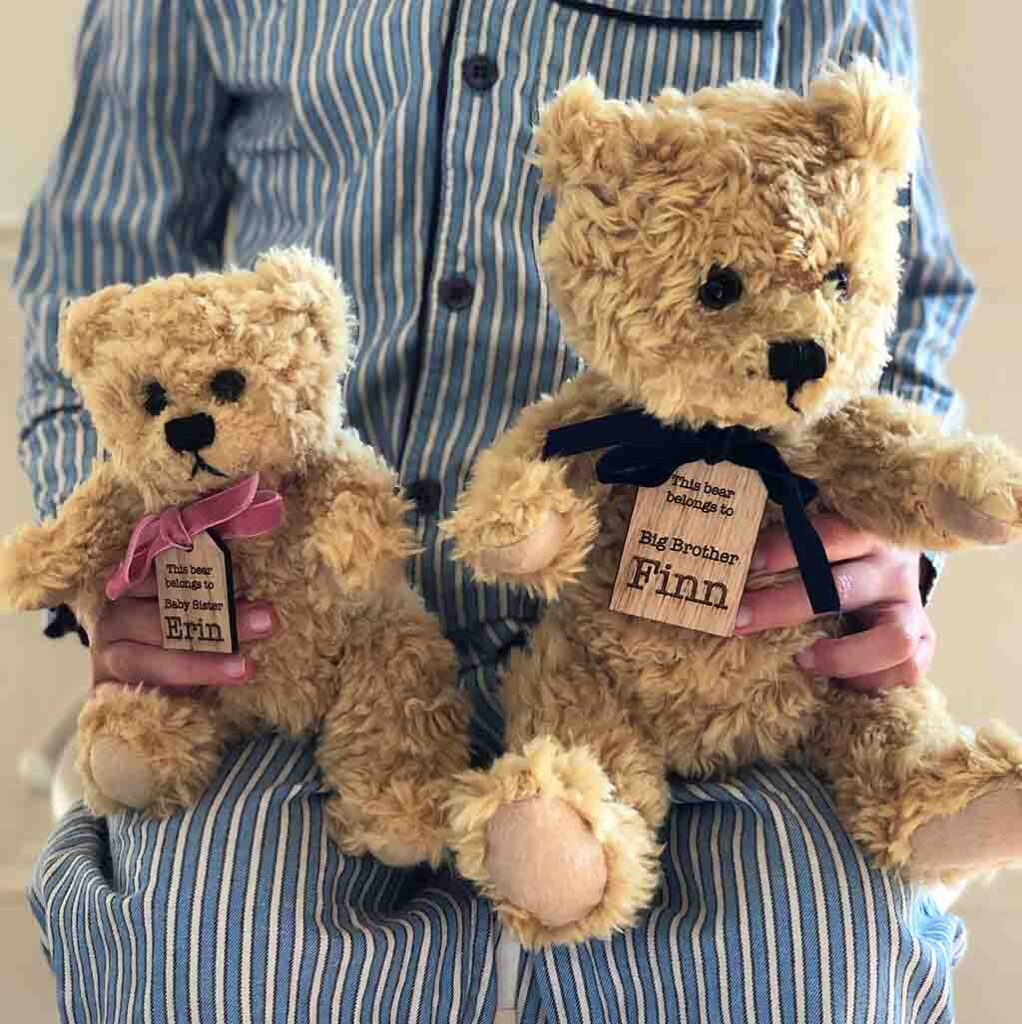
Factories operate on tight production calendars. If sampling takes too long, your production slot may be pushed back, forcing your order to wait behind earlier bookings. A delay of just one week in sample approval can result in a multi-week shift in mass production timing during peak seasons.
Additionally, material procurement, dyeing, sewing line allocation, and quality inspection schedules all depend on the confirmed Golden Sample. Without a timely sample approval, factories cannot lock in fabric orders, reserve cutting tables, or assign sewing teams.
This becomes especially critical for large-volume orders or licensed plush where compliance testing, pre-shipment inspections, and packaging coordination add several additional steps.
Production Scheduling Impact
| Task Dependent on Sample Approval | Effect of Fast Approval | Effect of Slow Approval |
|---|---|---|
| Material booking | Immediate start | Material shortages or higher cost |
| Production line allocation | Secured slot | Slot moved or lost |
| Capacity planning | On track | Delayed order sequence |
| Shipping timeline | Predictable | Shifted, compressed, or rushed |
How Faster Sample Approval Accelerates Compliance Testing and Certification?
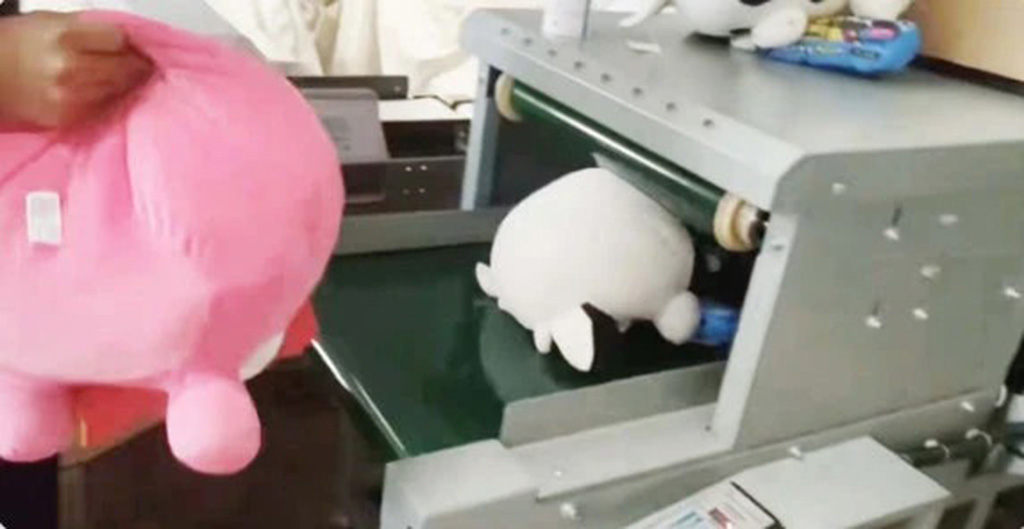
Before mass production, plush toys must pass safety compliance testing (EN71, ASTM F963, CPSIA, etc.). These tests cannot begin until the Golden Sample is approved. Faster sampling means earlier submission to testing labs, preventing downstream bottlenecks.
Compliance tests require lead time—typically 7–14 days, longer for chemical testing or failure retesting. Slow sampling reduces buffer time, increasing the risk that a failed test pushes production beyond the intended launch date.
Compliance Timing Breakdown
| Compliance Stage | Fast Sampling Advantage | Slow Sampling Risk |
|---|---|---|
| Safety testing | Early lab submission | Late start or test backlog |
| Retesting (if needed) | Still within timeline | Pushes production further |
| Certification | Prepared before production | Certification delays shipment |
How Choosing a Responsive Factory Minimizes Risk in Time-Sensitive Launches?
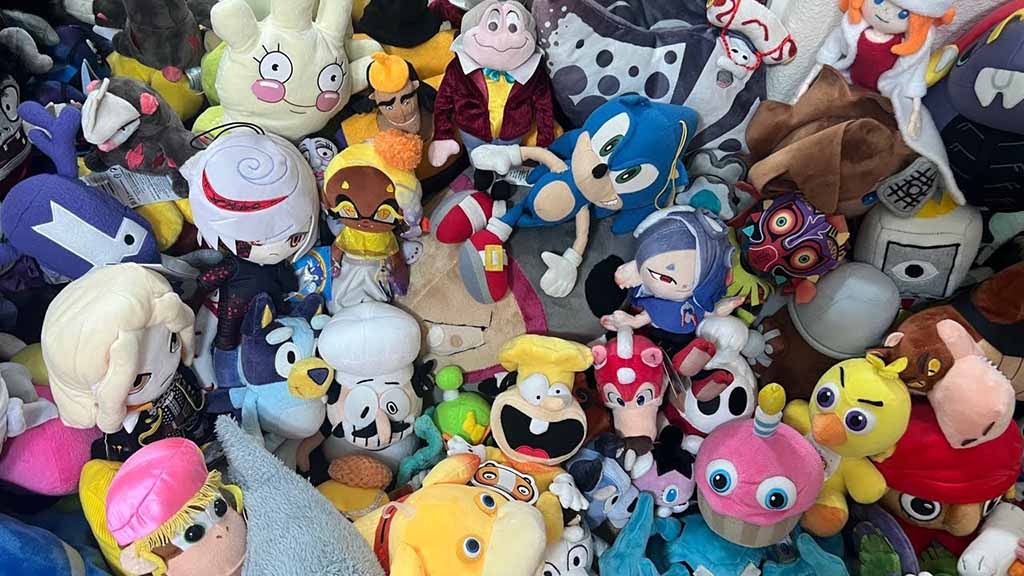
The responsiveness of your factory—how quickly they communicate, adjust patterns, revise samples, and explain technical issues—plays a crucial role in meeting launch deadlines. A factory with a dedicated sampling department, experienced pattern makers, and efficient workflow systems can consistently deliver samples within 7–15 days.
Responsiveness is not only about speed but also proactive problem-solving. A strong factory partner alerts you to potential issues early—fabric availability, structural challenges, safety risks—allowing timely decisions and preventing last-minute surprises.
For time-sensitive launches such as seasonal drops, influencer collaborations, or licensed IP releases, the difference between a proactive and reactive factory often determines whether your product reaches the market on time.
Responsive Factory Evaluation Table
| Indicator | What It Means | Benefit to Launch Timeline |
|---|---|---|
| Fast sampling department | Dedicated workflow | Predictable sample output |
| Clear communication | Quick revisions | Avoid misunderstandings |
| Pattern expertise | Fewer revision cycles | Faster approvals |
| Production transparency | Early risk alerts | Better planning |
| Proven track record | Reliability | Reduced launch risk |
Conclusion
Sampling speed shapes every aspect of a plush toy launch—from design validation and marketing readiness to production scheduling and compliance testing. A delay early in the process becomes increasingly expensive and difficult to recover later. By partnering with a factory that offers fast prototyping, experienced pattern makers, efficient workflows, and transparent communication, brands can significantly reduce risk and accelerate their path to market.
📧 Contact: [email protected]
🌐 Visit: https://kinwintoys.com