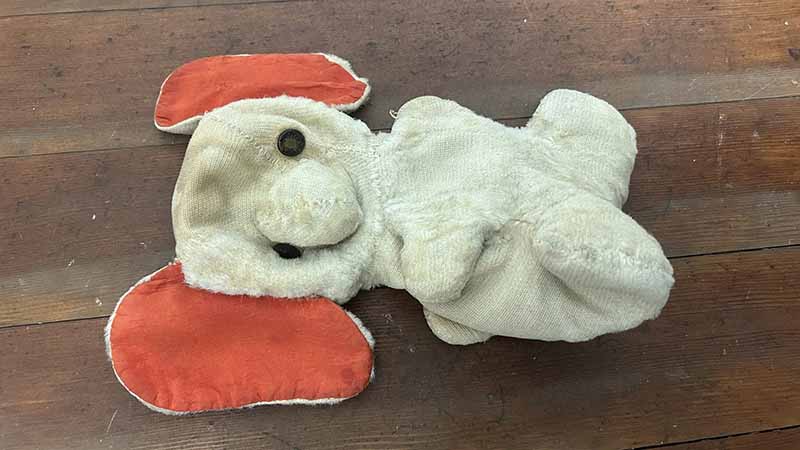
Approving a plush toy sample is a big milestone—but it’s not the finish line. The real challenge begins after approval: how to ensure every unit in mass production matches that approved sample.
In professional manufacturing, the approved sample becomes the “golden sample”—the benchmark that defines design accuracy, materials, construction, and quality standards for the entire production run.
Without a clear process to translate this sample into production standards, even a perfect prototype can lead to inconsistent bulk production.
In this guide, we’ll walk through how to turn your plush sample into a reliable mass production standard, so your final products stay consistent, scalable, and high quality.
What defines a “golden sample” in plush toy manufacturing?
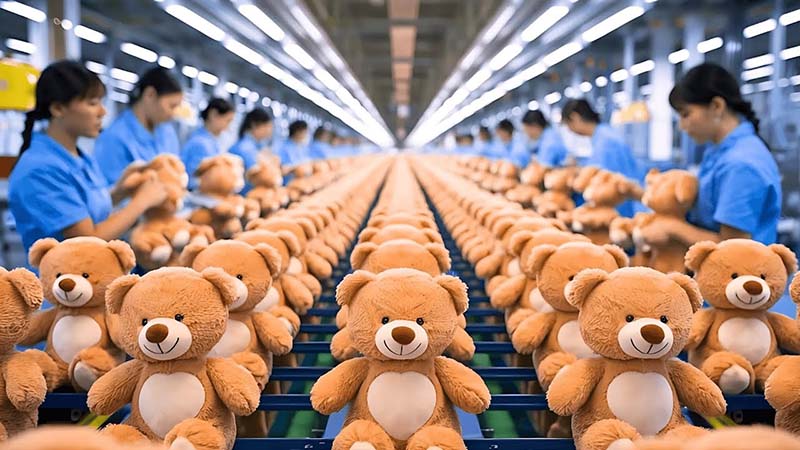
A “golden sample” is the officially approved prototype that serves as the reference standard for all production units. It is not just a visual reference—it is a technical and quality benchmark that defines exactly how the final product should look and perform.
Once a sample is confirmed as the golden standard, all departments—from pattern making to sewing to quality control—must follow it closely during production.
A Golden Sample Represents the Final Approved Design
The golden sample reflects the final version of the plush toy after all revisions have been completed. It includes the confirmed:
- Shape and proportions
- Fabric and color selection
- Embroidery and printing details
- Construction methods
- Accessories and attachments
This version should fully match the buyer’s expectations and be approved for production without further changes.
It Serves as the Physical Reference for All Teams
During mass production, different teams rely on the golden sample as a visual and physical guide.
For example:
- Pattern makers refer to it for size and structure
- Sewing teams use it to follow construction details
- Quality inspectors compare finished products against it
Having a clear physical reference helps maintain consistency across all production stages.
Key Characteristics of a Golden Sample
| Element | Description | Importance |
|---|---|---|
| Fully Approved Design | No further changes required | Stable production base |
| Confirmed Materials | Fabric and components finalized | Consistent quality |
| Accurate Construction | Correct stitching and structure | Reliable durability |
| Clear Visual Standard | Matches design artwork | Maintain brand identity |
| Production Reference | Used by all teams | Ensure consistency |
What documents should be created from the approved sample?
After the golden sample is confirmed, the next critical step is documentation. Without proper documentation, the details of the sample may be interpreted differently during production, leading to inconsistencies.
Professional manufacturers convert the approved sample into a set of technical documents that guide mass production.
Create a Technical Specification Sheet
A technical specification sheet translates the physical sample into clear, written instructions. This document includes all the key production details needed by different teams.
Typical content includes:
- Product dimensions and proportions
- Fabric types and color codes
- Embroidery and printing specifications
- Construction methods
- Accessory details
This document ensures that all production teams follow the same standards.
Develop a Bill of Materials (BOM)
The BOM lists all materials and components required to produce the plush toy. It includes detailed information such as:
- Fabric types and quantities
- Thread colors
- Accessories (buttons, labels, packaging)
A well-defined BOM ensures that the correct materials are used consistently across all production units.
Essential Documents for Mass Production
| Document | Purpose | Benefit |
|---|---|---|
| Technical Specification Sheet | Define production details | Clear instructions |
| Bill of Materials (BOM) | List all materials and components | Consistent sourcing |
| Approved Artwork Files | Reference for design details | Accurate replication |
| Construction Guidelines | Define assembly methods | Stable production |
| Quality Standards Document | Set inspection criteria | Reliable quality |
How can technical specifications be standardized for production?
Standardizing technical specifications is essential to ensure that every unit produced matches the golden sample. Without standardization, small variations can occur during production, leading to inconsistent quality.
Clear and detailed specifications allow factories to replicate the sample accurately across large quantities.
Define Measurable Production Standards
All key aspects of the plush toy should be defined using measurable standards. This reduces ambiguity and ensures consistency.
Examples include:
- Exact size dimensions with tolerance ranges
- Stitch density and seam strength requirements
- Embroidery size and placement measurements
- Fabric type and color codes
Measurable standards make it easier for production teams and quality inspectors to verify accuracy.
Ensure Consistency Across All Production Steps
Standardization should apply to every stage of production, including:
- Pattern making
- Fabric cutting
- Sewing and assembly
- Stuffing and finishing
Each step should follow the same technical guidelines to maintain consistency from start to finish.
Technical Standardization Checklist
| Specification Area | What to Define | Result |
|---|---|---|
| Size & Dimensions | Exact measurements and tolerance | Consistent proportions |
| Materials | Fabric types and color codes | Uniform appearance |
| Embroidery | Position and size | Accurate details |
| Construction | Sewing methods and structure | Reliable quality |
| Finishing | Stuffing and shaping standards | Consistent feel |
How should materials, colors, and components be locked?
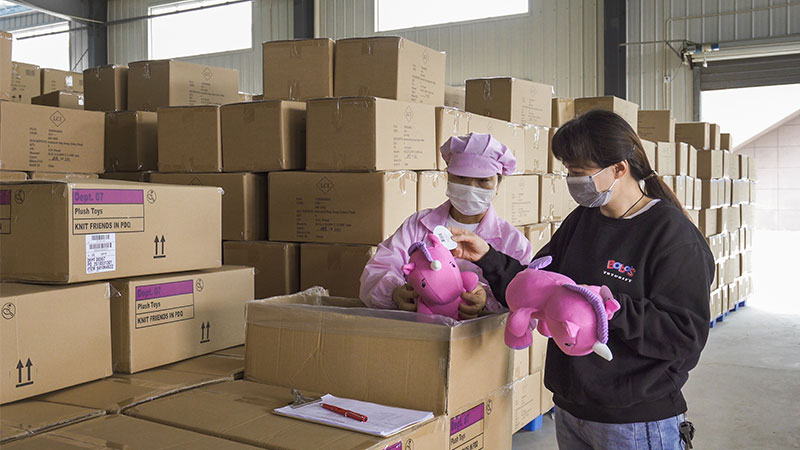
Once the golden sample is approved, one of the most important steps is locking all materials and components. This means no further changes should be made to fabrics, colors, or accessories during production unless officially approved.
If materials are not locked properly, factories may substitute similar fabrics or components due to availability or cost changes. This can lead to inconsistencies between the sample and bulk production.
Locking materials ensures that every production unit matches the approved standard.
Confirm Fabric Codes and Supplier Sources
Each fabric used in the plush toy should be clearly defined with specific codes or supplier references. Instead of general descriptions like “soft pink fabric,” the specification should include:
- Exact fabric type (e.g., short plush, velboa)
- Color code or Pantone reference
- Approved supplier or material sample
This level of detail prevents confusion and ensures that the same materials are used consistently during production.
Fix Accessories and Component Details
Accessories such as labels, tags, clothing, and decorative elements should also be locked before production begins.
Buyers should confirm:
- Size and placement of labels
- Type and color of threads
- Attachment methods for accessories
Even small variations in accessories can affect the overall appearance of the product, so these details must be clearly defined.
Material Locking Checklist
| Element | What to Lock | Purpose |
|---|---|---|
| Fabric Type | Exact material specification | Ensure consistency |
| Color Code | Pantone or approved sample | Maintain color accuracy |
| Supplier Source | Approved material supplier | Stable sourcing |
| Accessories | Labels, tags, decorations | Complete product standard |
| Threads & Trims | Color and type | Uniform finishing |
How can pattern, size, and tolerance be clearly defined?
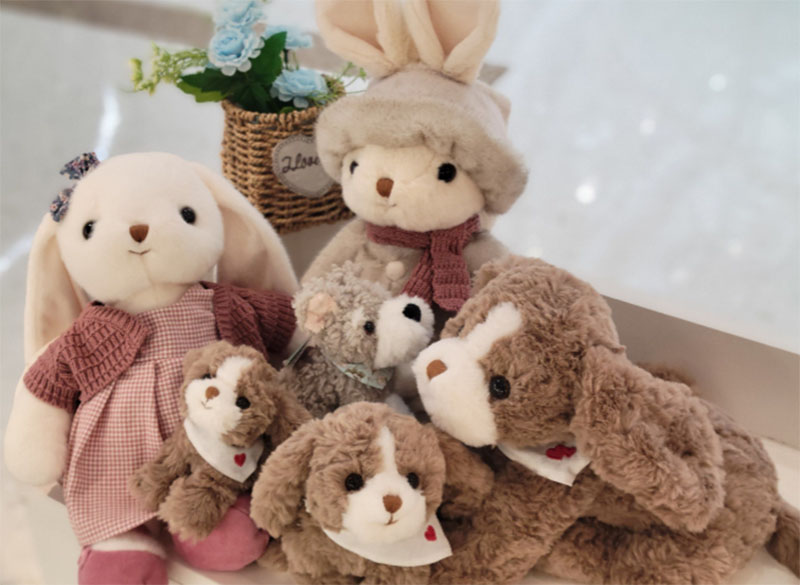
To ensure consistency in mass production, pattern dimensions and size tolerances must be clearly defined. Even with a perfect sample, slight variations can occur during cutting, sewing, and stuffing.
By setting clear tolerances and pattern standards, factories can control these variations and maintain product consistency.
Standardize Patterns Based on the Approved Sample
The pattern used for production should be finalized based on the golden sample. This pattern defines the exact shape and structure of the plush toy.
All production units should follow the same pattern specifications, including:
- Panel shapes and dimensions
- Seam allowances
- Construction alignment
A stable pattern is the foundation for consistent production.
Define Acceptable Tolerance Ranges
In manufacturing, small variations are unavoidable. Instead of aiming for absolute perfection, factories define acceptable tolerance ranges for key measurements.
For example:
- Size tolerance: ±0.5–1 cm
- Embroidery position tolerance: ±1–2 mm
These tolerances help quality control teams determine whether a product meets the required standard.
Pattern and Tolerance Control Checklist
| Factor | What to Define | Result |
|---|---|---|
| Pattern Dimensions | Exact panel sizes | Consistent shape |
| Seam Allowance | Stitch margins | Accurate assembly |
| Size Tolerance | Acceptable variation range | Controlled production |
| Embroidery Position | Placement tolerance | Consistent details |
| Structural Alignment | Balance and symmetry | Stable appearance |
What quality checkpoints should be set for mass production?
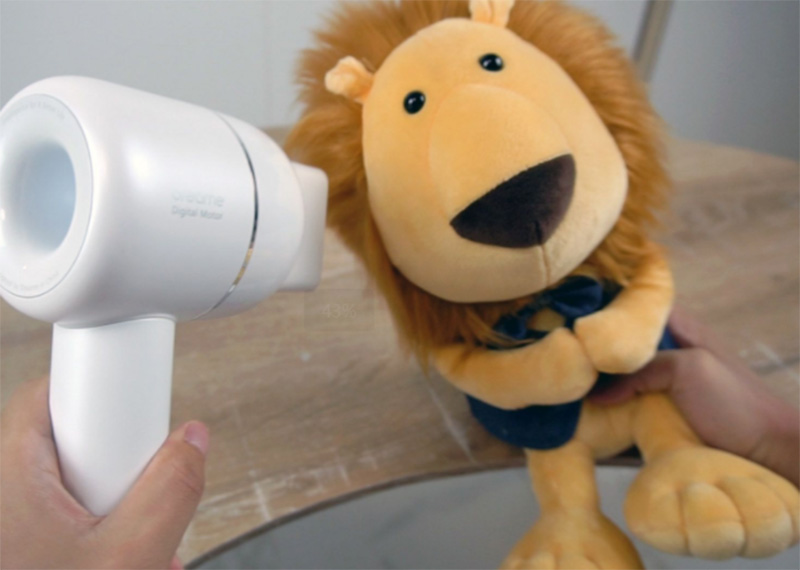
Setting clear quality checkpoints is essential to ensure that mass production stays aligned with the golden sample. Without proper quality control, small deviations can accumulate and lead to inconsistent products.
Quality checkpoints allow factories to monitor production at different stages and correct issues early.
Establish Multi-Stage Quality Inspections
Quality control should not be limited to the final inspection. Instead, checkpoints should be set throughout the production process, including:
- Incoming material inspection
- In-line production checks
- Final product inspection
By checking quality at multiple stages, factories can identify and correct issues before they affect the entire batch.
Use the Golden Sample as the Reference Standard
During inspections, all products should be compared directly with the golden sample. This ensures that visual appearance, materials, and construction remain consistent.
Quality control teams typically check:
- Shape and proportions
- Fabric and color consistency
- Embroidery and printing accuracy
- Stitching and construction quality
Using the golden sample as a reference helps maintain alignment across all units.
Key Quality Control Checkpoints
| Inspection Stage | What to Check | Purpose |
|---|---|---|
| Material Inspection | Fabric and components | Ensure correct materials |
| In-Line Inspection | Sewing and assembly | Detect early issues |
| Mid-Production Check | Consistency across batch | Maintain uniformity |
| Final Inspection | Finished product quality | Approve shipment |
| Pre-Shipment Check | Packaging and labeling | Ensure readiness |
Conclusion
Turning a plush toy sample into a mass production standard requires more than just approving a prototype. It involves creating clear documentation, locking materials and components, standardizing technical specifications, and establishing strong quality control processes.
By defining patterns, tolerances, and production guidelines, buyers can ensure that every unit produced matches the golden sample as closely as possible. This structured approach helps reduce risks, improve consistency, and maintain product quality at scale.
At KINWIN, we support our clients throughout this transition—from sample approval to full-scale production. With structured technical documentation, experienced production teams, and strict quality control systems, we help ensure that your plush toy is produced accurately and consistently.
If you are preparing to move your plush toy project into mass production, our team is ready to help you turn your approved sample into a reliable production standard.