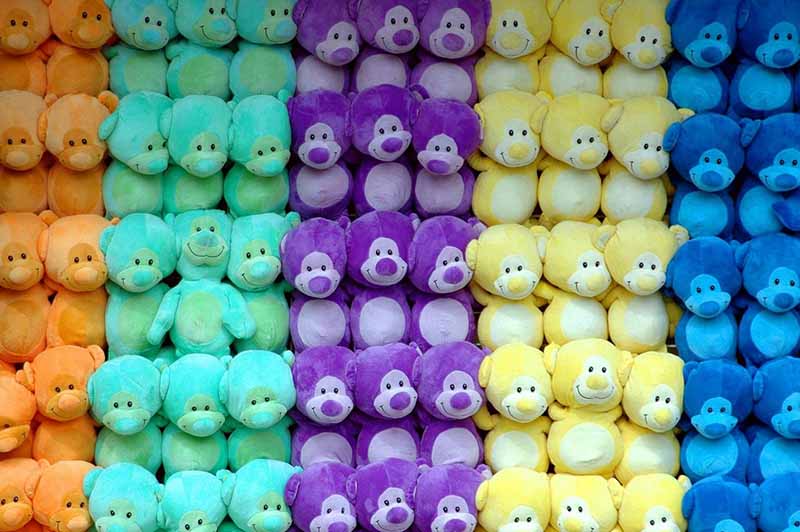
In recent years, more companies have moved beyond generic corporate gifts and started using plush gifts as engagement tools. From my experience working with brands and organizations across different markets, this shift is not about novelty—it is about impact.
Traditional corporate gifts often serve a functional purpose but rarely create emotional memory. Plush gifts work differently. They are tactile, expressive, and easy to associate with people, moments, and shared values. When used thoughtfully, plush gifts become symbols rather than items.
To understand why companies are investing in plush gift programs, it is important to first look at how emotional connection differs between plush and standard corporate merchandise.
Why Plush Gifts Create Stronger Emotional Connections Than Standard Corporate Gifts
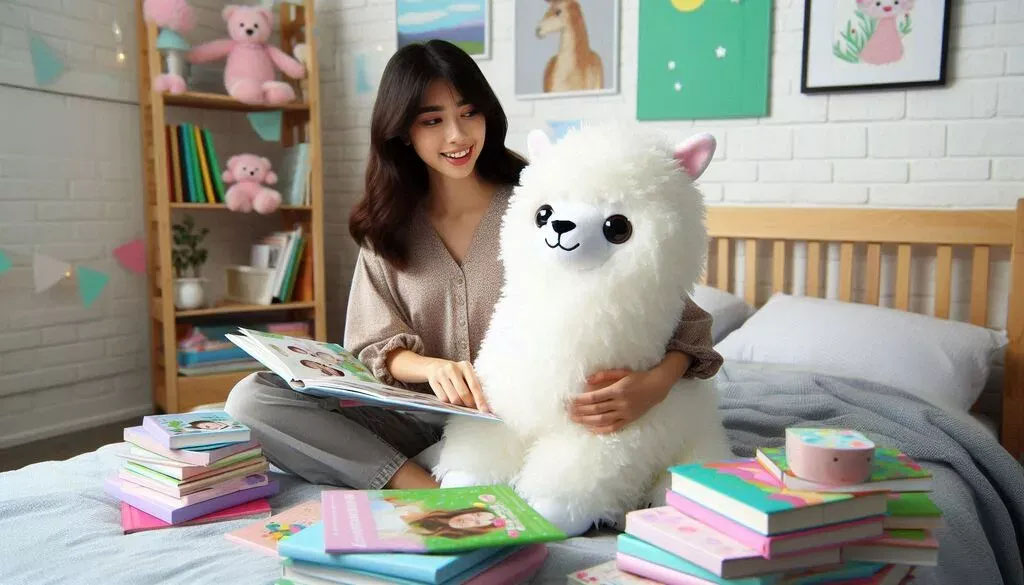
Plush gifts create stronger emotional connections because they engage emotion, touch, and memory at the same time. From my experience, this multi-sensory impact is what makes plush far more effective than standard corporate gifts such as mugs, notebooks, or electronic accessories.
First, plush is naturally associated with comfort and care. When employees or clients receive a plush gift, the emotional response is often immediate and positive. This reaction is difficult to achieve with functional items that feel transactional.
Second, plush gifts are personified. Even simple designs are often perceived as characters rather than objects. This allows recipients to associate the gift with a feeling, a moment, or a relationship—strengthening emotional recall over time.
Plush also has a longer emotional lifespan. While many corporate gifts are used briefly and then forgotten, plush items are often kept on desks, shelves, or at home. This creates repeated brand exposure without feeling promotional.
Another key factor is inclusivity. Plush gifts are universally understood and appreciated across age groups, cultures, and job roles. This makes them especially effective for diverse teams and global client bases.
Finally, plush communicates intention. Recipients often interpret plush gifts as more thoughtful and personal, even when distributed at scale. This perceived effort strengthens trust and goodwill.
| Gift Attribute | Standard Corporate Gifts | Plush Gifts | Emotional Impact |
|---|---|---|---|
| Emotional response | Neutral | Warm & positive | Strong connection |
| Memorability | Short-term | Long-lasting | High recall |
| Personal perception | Functional | Character-driven | Humanized |
| Display tendency | Low | High | Repeated exposure |
| Cultural adaptability | Limited | Universal | Broad acceptance |
For companies, the value of plush gifts lies not in cost, but in how they make people feel. When emotional connection matters—whether internally or externally—plush consistently outperforms standard corporate gifting options.
How Companies Use Custom Plush to Strengthen Internal Culture and Employee Belonging
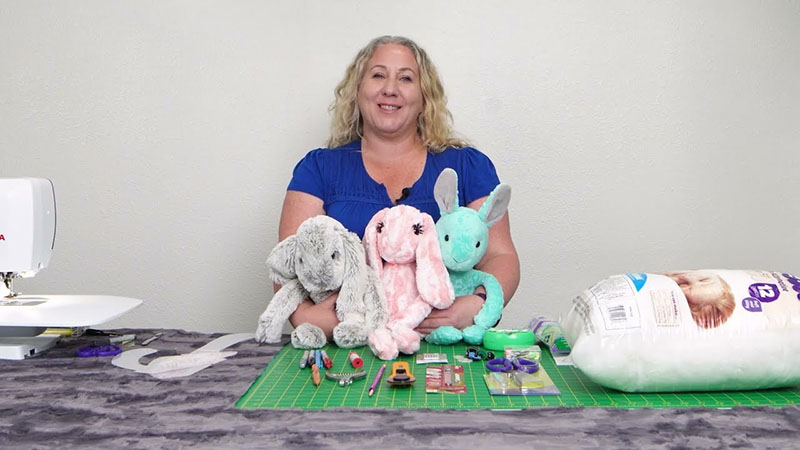
Custom plush gifts are increasingly used as internal culture carriers, not just welcome or holiday items. From my experience, companies that design plush specifically for employees see stronger emotional attachment and a clearer sense of belonging.
One common use is onboarding and milestone recognition. When new hires receive a branded plush that represents the company’s values or mascot, it creates an immediate emotional anchor. Unlike standard onboarding kits, plush items signal warmth and inclusion from day one.
Plush is also effective for company anniversaries, team achievements, and internal campaigns. Limited-edition plush designs tied to specific events help employees associate shared success with a tangible object. This reinforces collective memory and pride.
Another important role is bridging remote and hybrid teams. For distributed workforces, sending the same plush gift to employees across regions creates a sense of unity. Everyone receives the same symbol, reducing distance and reinforcing shared identity.
Customization plays a key role. Small details—department colors, internal slogans, or themed accessories—make employees feel seen without creating complexity. These touches turn a generic gift into a personal one.
Finally, plush gifts support informal culture visibility. Employees often display plush items on desks or in home offices, subtly reinforcing culture every day without formal messaging.
| Internal Use Case | Standard Practice | Plush-Based Approach | Cultural Effect |
|---|---|---|---|
| New hire onboarding | Branded stationery | Welcome plush | Immediate belonging |
| Team milestones | Certificates | Event-themed plush | Shared pride |
| Remote teams | Emails & swag | Unified plush gift | Stronger unity |
| Employee recognition | Gift cards | Character-based plush | Emotional reward |
| Daily culture presence | Posters | Desk-display plush | Ongoing connection |
For companies, custom plush transforms internal programs from procedural to emotional. When employees feel emotionally connected, culture becomes lived—not just stated.
How Branded Plush Gifts Enhance Client Loyalty and Relationship Management
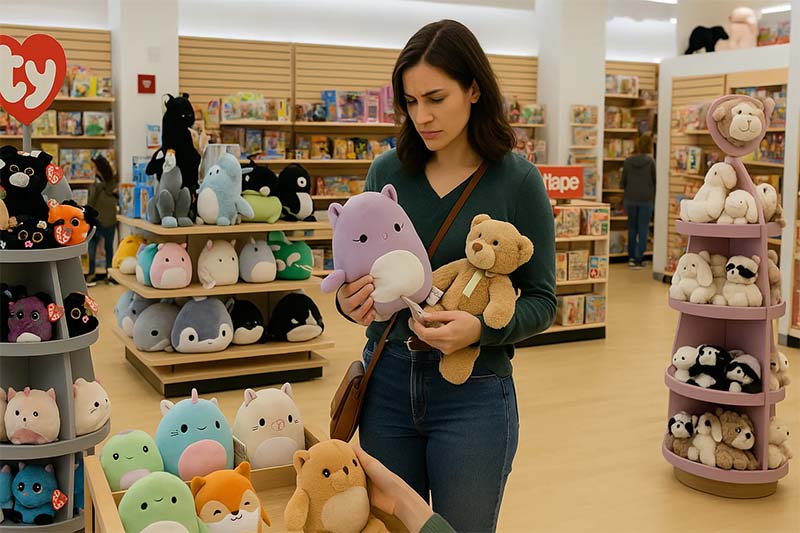
Branded plush gifts work best in client relationships when they are used as relationship markers, not promotional giveaways. From my experience, plush is most effective when it acknowledges a moment, a milestone, or a shared success between companies.
One key use is relationship reinforcement after meaningful interactions—such as contract signings, project completions, store openings, or partnership anniversaries. A plush gift tied to the event creates a physical reminder of cooperation, not just a logo impression.
Plush also performs well in account-based relationship management. For key clients, customized plush designs—aligned with the client’s brand, industry, or audience—signal effort and understanding. This helps differentiate relationships in markets where pricing and products are often similar.
Another advantage is emotional neutrality. Plush gifts are friendly and non-intrusive. Unlike luxury items that may raise compliance concerns, plush is widely accepted and perceived as thoughtful rather than transactional—especially in regulated industries.
Plush gifts also extend brand presence beyond the office. Clients often place plush items in showrooms, offices, or even take them home. This creates repeated, positive brand exposure without sales pressure.
Importantly, plush supports long-term recall. Clients may forget brochures or emails, but a plush associated with a positive interaction often remains visible for years—reinforcing memory and goodwill.
| Client Engagement Scenario | Typical Gift | Plush-Based Alternative | Relationship Effect |
|---|---|---|---|
| Project completion | Wine / gift box | Event-themed plush | Emotional closure |
| Key account nurturing | Branded items | Custom character plush | Differentiation |
| Compliance-sensitive clients | Limited gifting | Neutral plush | Safe appreciation |
| Brand recall | Print materials | Displayed plush | Long-term visibility |
| Partnership milestones | Plaques | Co-branded plush | Shared identity |
For companies, branded plush shifts client engagement from transactional acknowledgment to emotional reinforcement. When relationships matter long-term, plush gifts help keep connections warm and memorable.
What Types of Corporate Scenarios Benefit Most from Plush Gift Programs
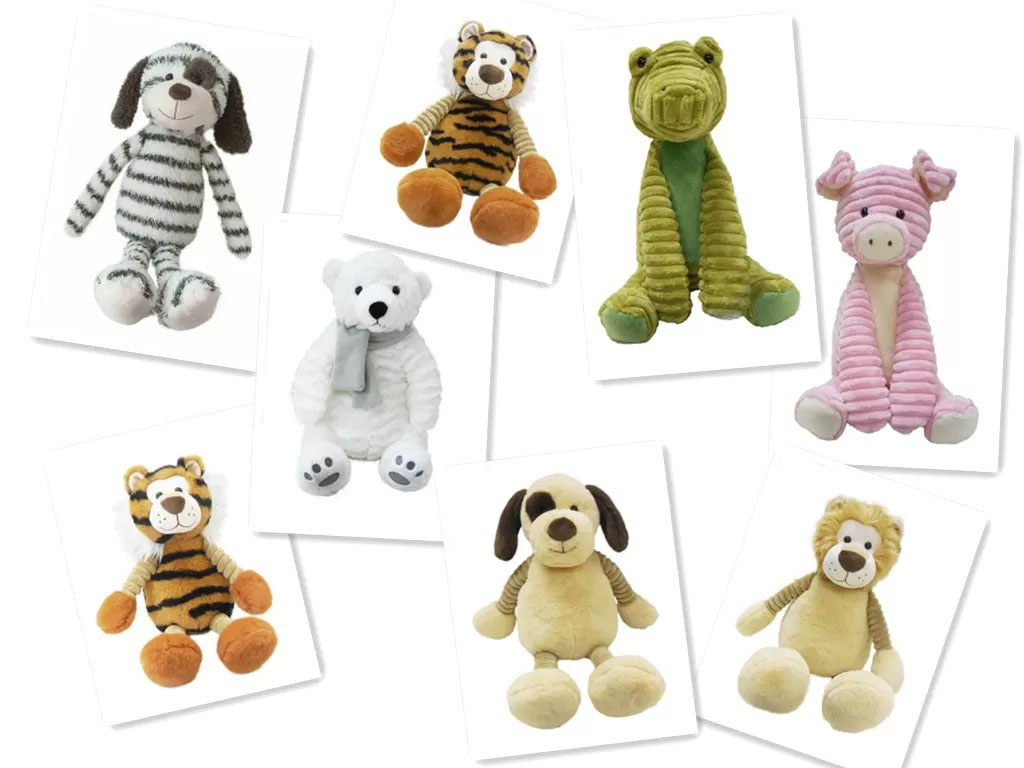
Plush gift programs deliver the most value when they are applied to emotion-driven corporate moments, not routine transactions. From my experience, companies see the strongest results when plush is used where memory, identity, and human connection matter.
One high-impact scenario is employee lifecycle events. Onboarding, anniversaries, promotions, and internal celebrations all benefit from plush gifts because they mark personal milestones. These moments shape how employees remember their relationship with the company.
Another effective scenario is brand storytelling campaigns. When companies launch new initiatives, values programs, or internal themes, plush characters can act as visual anchors. This helps abstract ideas become tangible and easier to remember.
Client-facing milestones are also ideal. Plush gifts work well for long-term partnerships, not one-off sales. Events such as partnership anniversaries, joint achievements, or flagship store launches benefit from gifts that symbolize continuity.
Plush is particularly effective in family-friendly or people-centric industries—such as retail, education, healthcare, hospitality, and entertainment—where warmth and approachability align with brand tone.
Finally, plush performs well in distributed or global programs. When teams or clients are spread across regions, sending the same plush gift creates shared experience without cultural barriers.
| Corporate Scenario | Suitability for Plush | Reason |
|---|---|---|
| Employee onboarding | High | Creates immediate belonging |
| Internal milestones | High | Reinforces shared memory |
| Brand campaigns | Medium–High | Visual storytelling support |
| Key client relationships | High | Symbolizes long-term value |
| One-off sales promotions | Low | Emotion not sustained |
| Global team engagement | High | Culturally universal |
For companies, the key is intentional placement. Plush gifts work best when they mark moments that people remember—not when they are treated as routine giveaways.
How Customization and Storytelling Increase the Perceived Value of Plush Gifts
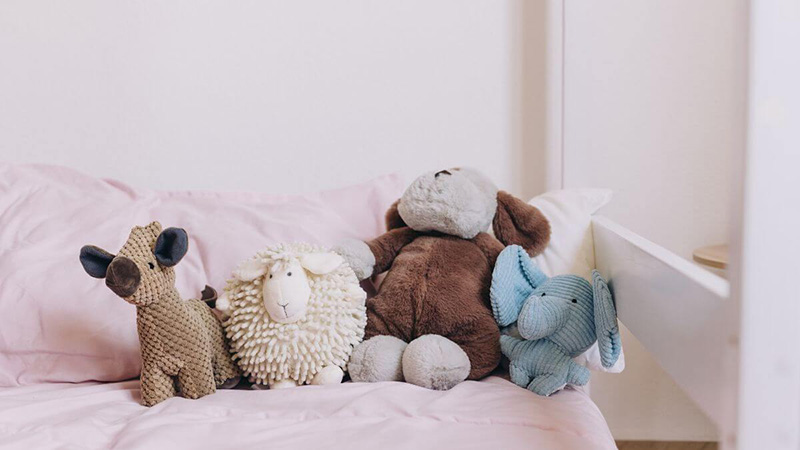
The perceived value of a plush gift is shaped less by cost and more by meaning. From my experience, customization and storytelling are the two factors that most effectively turn a simple plush into a memorable corporate asset.
Customization creates relevance. When a plush reflects company values, internal language, or a shared moment, recipients recognize that the gift was made for them, not selected from a catalog. Even small custom elements—colors, accessories, tags, or short messages—can significantly raise perceived effort and care.
Storytelling gives context. A plush without a story is an object; a plush with a story becomes a symbol. Companies that attach a short narrative—why this character exists, what it represents, or which moment it celebrates—help recipients emotionally anchor the gift.
Characters work especially well. Mascots or themed plush figures can represent culture, values, or roles within the organization. Over time, these characters gain familiarity and recognition, increasing emotional attachment with each interaction.
Limited editions also add value. Plush gifts tied to specific campaigns, years, or milestones feel special because they are time-bound. Recipients are more likely to keep and display items that cannot be easily replaced.
Finally, consistency matters. When plush storytelling aligns with other internal or external messaging, it reinforces brand identity instead of competing with it.
| Value Driver | Low-Impact Approach | High-Impact Approach | Perceived Value |
|---|---|---|---|
| Custom elements | Logo only | Design-linked details | Personal relevance |
| Narrative | None | Clear story attached | Emotional meaning |
| Character use | Generic shape | Brand-aligned mascot | Recognition |
| Edition strategy | Mass generic | Limited or themed | Exclusivity |
| Brand alignment | Isolated gift | Integrated messaging | Cohesive identity |
For companies, customization and storytelling turn plush gifts from nice items into meaningful symbols. When recipients understand why a plush exists, its value lasts far beyond the moment it is received.
How Companies Measure the Long-Term Impact of Plush Gifts on Engagement and Retention
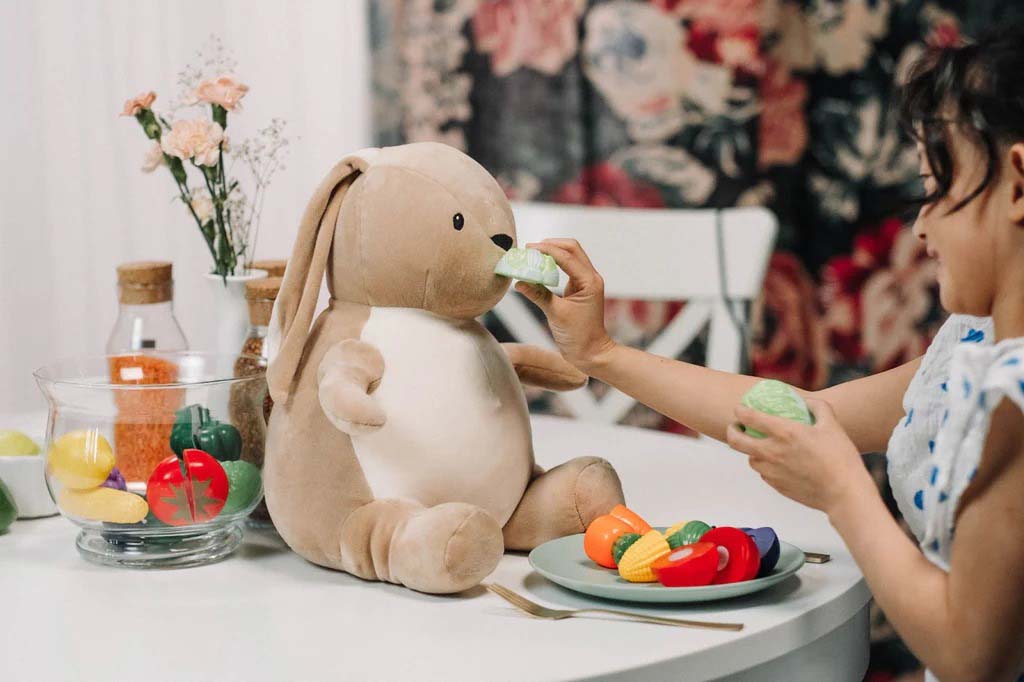
The impact of plush gifts is often misunderstood because it is emotional first and measurable second. From my experience, companies that treat plush gifting as part of an engagement system—not a one-time expense—are able to track real, long-term value.
The most direct signal is engagement behavior. Internally, companies observe participation rates in onboarding programs, internal campaigns, or milestone events where plush gifts are used. Higher participation and voluntary sharing often indicate stronger emotional resonance.
Retention-related indicators follow over time. While plush gifts alone do not determine retention, they contribute to emotional memory—how employees or clients feel about key moments. Companies track turnover trends, employee feedback, and qualitative comments tied to cultural initiatives that include plush elements.
For client engagement, recall and continuity matter. Sales and account teams note whether plush gifts remain visible during follow-up visits, appear in client offices, or are referenced in conversations. These signals indicate long-term presence rather than short-term novelty.
Feedback collection adds clarity. Short surveys, informal comments, or internal discussions often reveal how plush gifts are perceived compared to traditional merchandise. This qualitative data helps refine future designs and use cases.
Finally, repeat usage is a strong indicator. When companies choose to reuse or evolve plush characters across multiple programs, it reflects internal confirmation that the asset is working. Reorders and expansions signal value more clearly than any single metric.
| Measurement Area | Short-Term Signal | Long-Term Indicator | Engagement Insight |
|---|---|---|---|
| Employee participation | Event involvement | Cultural attachment | Internal alignment |
| Retention perception | Initial reactions | Emotional memory | Belonging |
| Client recall | Immediate thanks | Ongoing visibility | Relationship strength |
| Feedback quality | Comments | Patterned responses | Value clarity |
| Reuse & reorders | One-time use | Program continuity | Proven impact |
For companies, measuring plush gift impact is about observing behavior over time. When plush becomes part of shared memory, culture, or relationship language, its value extends far beyond the original gifting moment.
Conclusion
Plush gifts succeed when they are designed as emotional tools, not generic giveaways. When aligned with culture, storytelling, and intent, they strengthen engagement, belonging, and long-term relationships.
📧 Contact: [email protected]
🌐 Visit: https://kinwintoys.com