When buyers ask me about plush toys, the first serious question is usually: “Which plush fabric should we use?” The fabric decides how soft the toy feels, how long it lasts, how it behaves in testing, and even how difficult it is to sew in the factory.
As a plush manufacturer in China, I spend a lot of time helping brands compare plush fabric types before we even touch the pattern or accessories. In this guide, I’ll walk you through the main categories, fiber choices, pile structures, testing methods, sourcing tips, and new sustainability directions—using simple English, so you can easily discuss these topics with your own team or customers.
What main categories define modern plush fabric types?
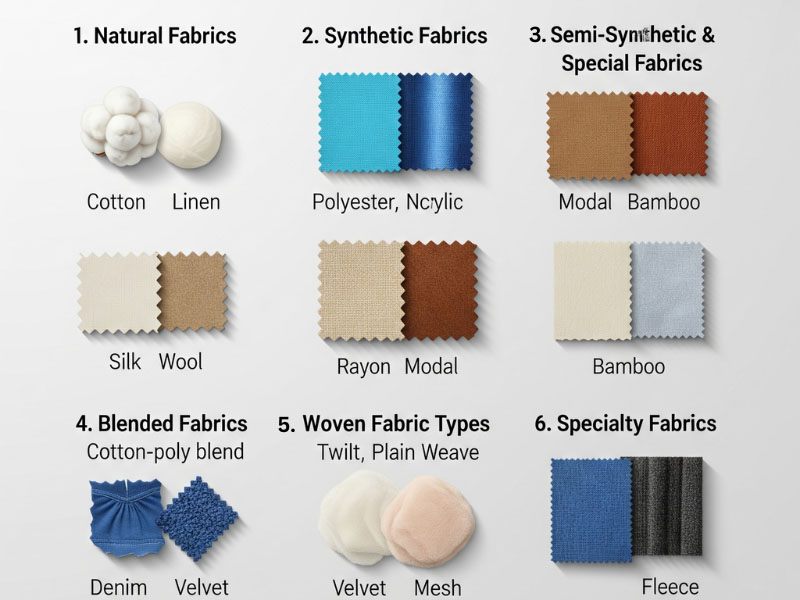
Modern plush fabrics are basically pile fabrics: they have a base (usually knit) and a raised surface made of tiny fibers. But in everyday sourcing, we group them into a few practical categories.
For plush toys and related products, most projects use:
- Short plush / velboa – neat, low pile, good for clear shapes and printing.
- Minky / micro plush – very soft, slightly higher pile, often used for baby or cuddle toys.
- Faux fur – medium to long pile, for animals, fantasy designs, or high-volume textures.
- Fleece-type plush – brushed surfaces, used sometimes for simple plush parts or accessories.
Each category has its own balance of softness, stability, and price. The “best” type depends on your product style and target market.
Table 1 – Main modern plush fabric categories
| Plush Fabric Category | Typical Use Cases | Key Characteristics |
|---|---|---|
| Short plush / velboa | Mascots, standard stuffed animals, logo plush | Short pile, clean look, good for embroidery/printing |
| Minky / micro plush | Baby toys, cuddle plush, blankets, pillows | Very soft, slightly higher pile, smooth and cozy |
| Faux fur (short/long) | Bears, animal fur, fantasy creatures, trims | Medium–long pile, fluffy, high visual impact |
| Fleece-type plush | Simple plush parts, accessories, home items | Brushed surface, less pile, more casual look |
| Sherpa / “sheep” plush | Lambs, winter themes, cozy cushions, hoodies | Loop or curly surface, warm and textured |
| Specialty textured plush | Embossed, printed, or patterned plush | Unique surface, used for signature or premium lines |
Most plush toy collections mix two or more categories—for example, a soft minky body with short plush details on the face, or faux fur for the mane and tail only.
How do fiber compositions differentiate plush fabric performance?
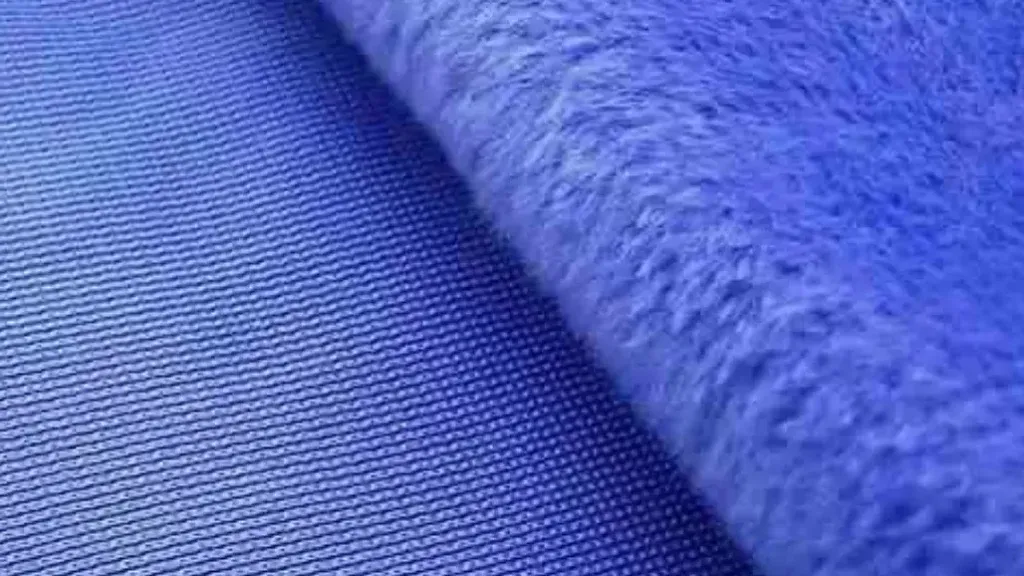
Under the surface, plush fabric types are defined not only by pile length but also by fiber composition. The fiber type affects softness, durability, color fastness, and even how the fabric behaves in safety and chemical tests.
For modern plush toys, the most common fiber is polyester. It offers:
- Reliable softness.
- Strong resistance to shrinking and wrinkling.
- Good color fastness under normal care.
- Stable behavior in testing when properly controlled.
In some projects, buyers are also interested in recycled polyester or blends with other fibers (like cotton) for marketing or functional reasons.
Table 2 – Fiber compositions and their typical performance
| Fiber Composition | Common Uses in Plush Toys | Performance Notes |
|---|---|---|
| 100% polyester | Most short plush, minky, faux fur fabrics | Soft, durable, cost-effective, easy to dye |
| Recycled polyester (rPET) | Eco or “green story” plush lines | Similar feel to normal polyester, supports sustainability claims |
| Polyester–cotton blends | Some fleece or fabric parts on plush | Slightly different touch, may wrinkle more |
| Acrylic / modacrylic mixes | Certain faux furs (less common in toys now) | Can give special textures, but chemical profile needs care |
| Nylon blends | Some specialty fabrics, reinforcement zones | Higher strength, may be used in limited areas |
| Natural fibers (cotton, wool) | Small accents or clothes | Less common for main plush pile, more for trims or outfits |
For toys, plastic-based fibers like polyester are still the main choice because they are easier to control for washability, color fastness, and stability in mass production. When using blends or less common fibers, you need tighter testing and more communication with your supplier.
Which pile heights and structures characterize key plush fabrics?
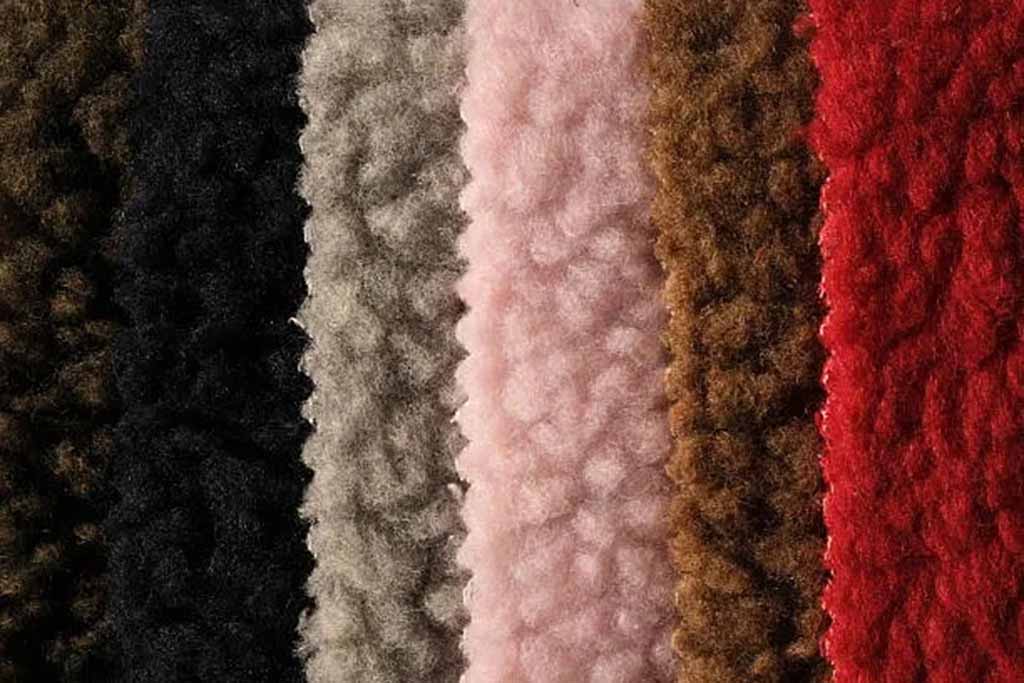
Pile height and structure are what give plush fabrics their visual depth and touch feeling. Even with the same fiber, changing the pile height or density can make a fabric feel completely different.
For plush toys, we usually talk about:
- Short pile (around 1–3 mm) – clean and graphic, for mascots, logos, and baby-safe faces.
- Medium pile (around 3–6 mm) – classic “soft plush” feeling, very common for cuddle toys.
- Long pile (above 10 mm) – dramatic fur looks, special animals, or premium accent areas.
Structure also matters:
- Straight pile – smooth, directional, easy to brush.
- Curly or crimped pile – for lamb, sheep, or textured looks.
- Embossed or printed pile – where patterns appear in the surface itself.
Table 3 – Pile height and structure in main plush fabric types
| Plush Type | Typical Pile Height | Pile Structure | Visual & Tactile Effect |
|---|---|---|---|
| Short plush / velboa | 1–3 mm | Straight, dense | Neat, graphic, good for details and logos |
| Standard minky | 3–4 mm | Straight, very soft | Classic “super soft” feeling |
| Long minky / baby minky | 4–6 mm | Straight, extra soft | Deeper plush feel, ideal for cuddle surfaces |
| Faux fur (medium) | 10–20 mm | Straight or lightly crimped | Fluffy, rich volume, hides seam lines |
| Faux fur (long) | 25 mm+ | Straight / wavy | Very fluffy and dramatic, higher maintenance |
| Sherpa / sheep plush | 3–6 mm (loop/curl) | Curly or loop pile | Cozy, “wool-like” texture, strong winter feel |
| Embossed plush | 2–4 mm | Raised pattern shapes | Adds subtle visual interest and branding |
When choosing pile height, think about:
- Age group: longer pile can be less ideal for very young babies.
- Design style: clean mascots usually prefer shorter pile; fluffy animals love medium to long.
- Sewing difficulty: longer pile is harder to manage on small parts and tight seams.
How do testing methods compare durability across plush fabric types?
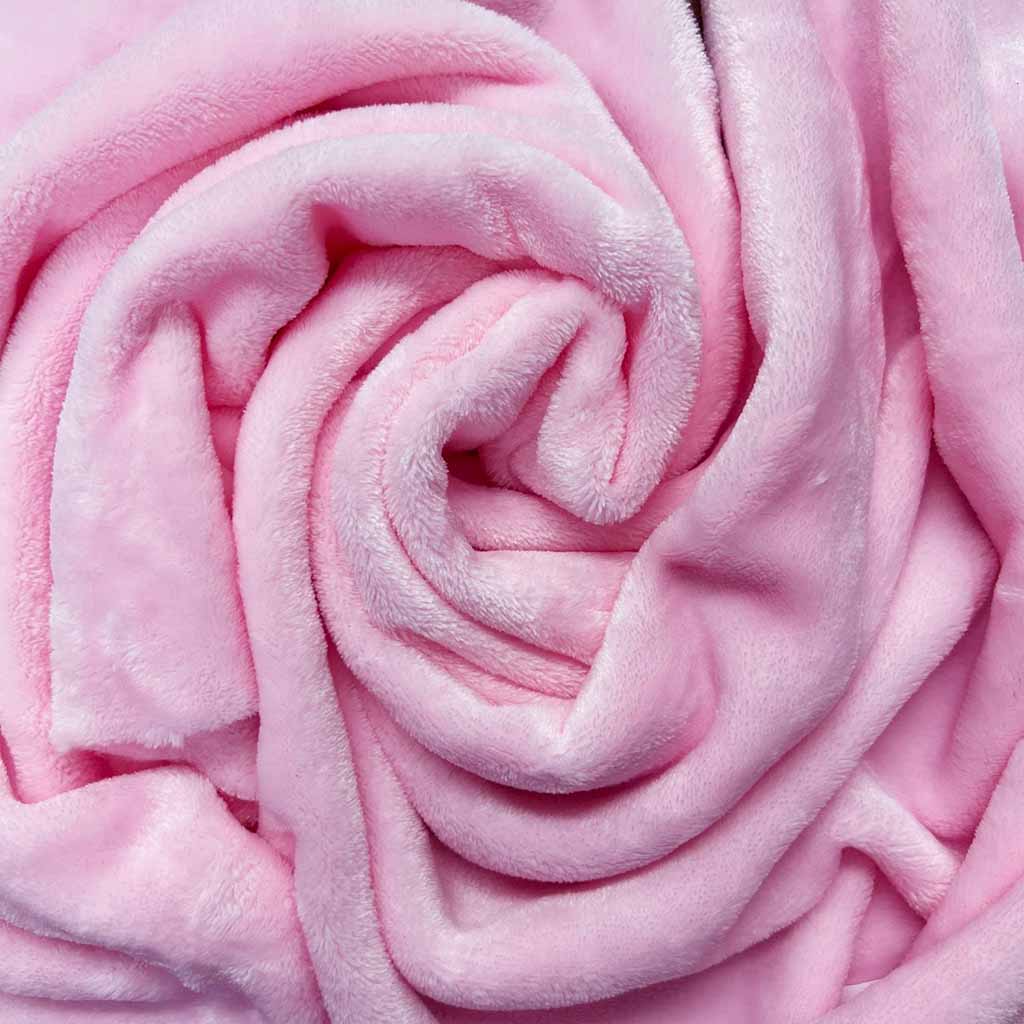
Durability is not only about how thick the fabric feels. It’s also about how it behaves in rubbing, pulling, washing, and real-life use. To compare plush fabrics fairly, we use standard tests in the textile and toy world.
As a manufacturer, I pay most attention to:
- Abrasion resistance – how well the fabric surface keeps its appearance under rubbing.
- Tensile and seam strength – how easily the fabric or seams tear under force.
- Pilling resistance – how likely small balls of fiber (pills) form on the surface.
- Color fastness – how well the color holds under rubbing, saliva, sweat, or washing (according to toy standards).
Different plush fabric types can perform differently in these tests. For example, a dense short plush may handle abrasion better than very long faux fur, but faux fur may hide small surface changes more easily because of its volume.
Table 4 – Typical durability considerations by plush fabric type
| Fabric Type | Durability Strengths | Points to Watch |
|---|---|---|
| Short plush / velboa | Good abrasion resistance, strong surface | Needs correct cutting direction to avoid streaks |
| Minky / micro plush | Soft and resilient, good for repeated hugging | Check pilling and snag resistance for certain designs |
| Faux fur | Hides small marks due to volume | Long pile can mat or tangle if poorly maintained |
| Fleece-type plush | Generally robust for casual use | May pill more easily if low quality |
| Sherpa / sheep plush | Cozy and forgiving surface | Curly structure can trap lint; quality varies a lot |
| Embossed/printed plush | Visual durability depends on print quality | Need to confirm color fastness and impact of embossing |
Good factories will test fabrics before mass production or use mills with known performance history. As a buyer, you can request test summaries or send independent samples to your own lab if your brand has strict internal standards.
What sourcing factors guide selection of suitable plush materials?
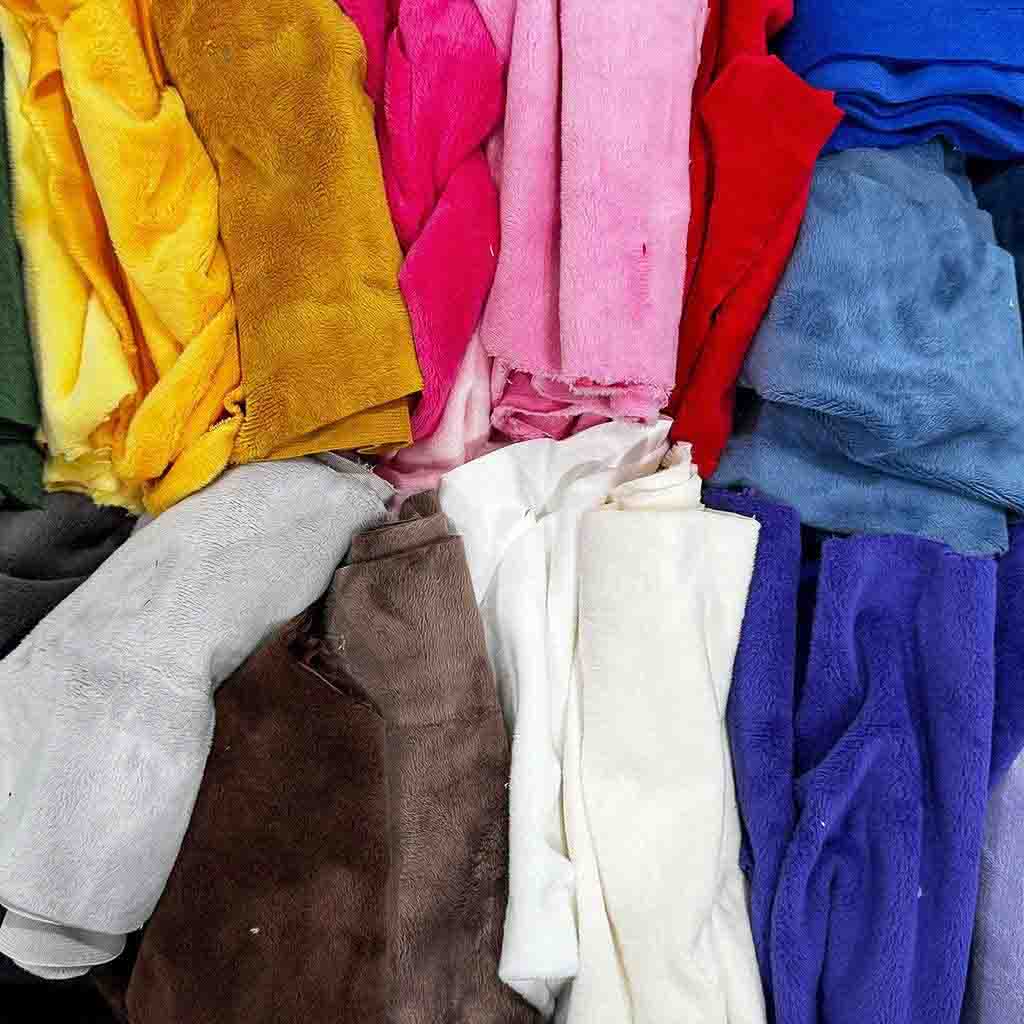
Choosing a plush fabric is not only a technical decision. It is a sourcing decision that touches cost, lead time, supplier stability, and brand image. When I advise buyers, we walk through a few key questions:
- Who is the end user? (Baby, child, teen, adult decor, collector?)
- What is the price level and retail channel? (Mass retail, e-commerce, specialty store, premium gift?)
- What is the required safety level? (EN71 / ASTM / CPSIA / other.)
- What is the target look and feel? (Fluffy, minimal, aesthetic, realistic animal, etc.)
- What lead time and re-order potential do we need? (Seasonal vs. evergreen.)
Balancing these points guides the final selection. A baby comforter will usually choose soft, short-to-medium minky, while a fashion-themed cushion might use textured or embossed plush with more visual drama.
Table 5 – Sourcing decision matrix for plush fabrics
| Sourcing Factor | Practical Questions to Ask | Typical Direction for Fabric Choice |
|---|---|---|
| Target user & age | Is this for babies, kids, or adults? | Babies → softer, safer surfaces; adults → style-driven |
| Design style | Clean mascot, realistic animal, fantasy, or decor item? | Clean mascot → short plush; animals → faux fur / minky |
| Retail positioning | Budget, mid-range, or premium? | Budget → stable standard plush; premium → denser, finer plush |
| Safety requirements | Which markets and standards do we need to pass? | Choose tested, known fabrics from stable mills |
| MOQ and lead time | How many pieces per design? How fast do we need fabric? | Select fabrics that are regularly in stock where possible |
| Brand story | Do we promote sustainability, comfort, or fashion? | Eco focus → recycled polyester; comfort → ultra-soft minky; fashion → textured/embossed plush |
A good manufacturer will not simply say “We use plush.” They will specify which type, from which mill, and why it fits your project.
How do sustainability trends influence new plush fabric developments?
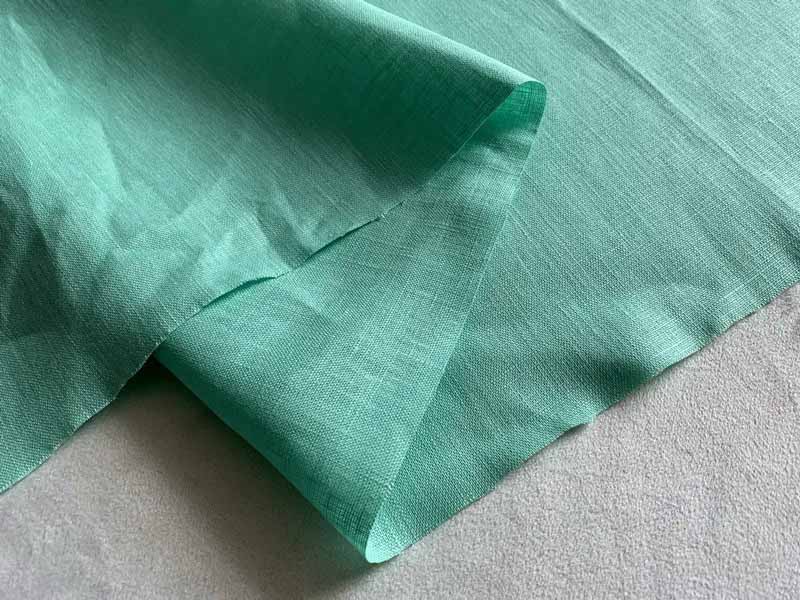
Sustainability is a growing topic in the plush world. Most traditional plush fabrics are made from virgin polyester, which comes from petrochemicals. Many brands are now exploring recycled and lower-impact options without losing softness or safety.
Key sustainability directions I see in real projects include:
- Recycled polyester plush – pile and sometimes backing made from recycled PET bottles (rPET).
- Recycled stuffing – using recycled fiberfill inside toys.
- More durable fabric choices – improving longevity to reduce waste.
- Traceability and certifications – using certified yarns or mills to support marketing claims.
There are also experiments with bio-based fibers, but for toys these must always pass strict safety and performance standards, so adoption is gradual.
Table 6 – Sustainability trends in plush fabric sourcing
| Sustainability Approach | How It Appears in Plush Projects | Points to Consider for Buyers |
|---|---|---|
| Recycled polyester plush | “rPET” or recycled-fiber plush fabrics for outer shell | Check certifications and consistency over runs |
| Recycled fiberfill | Filling made from recycled polyester | Combine with clear communication on labels |
| Long-life design | Denser, more durable fabrics; better stitching | Extends product lifespan, supports eco story |
| Reduced waste in cutting | Better pattern layout, less fabric waste | Managed mainly by factory; helps overall impact |
| Certified supply chain | Using mills with relevant eco or quality certifications | Good support for marketing and ESG reporting |
| Transparent communication | Honest claims on “recycled” or “eco” features | Avoid greenwashing; keep info simple and clear |
From my side at Kinwin, I see more and more buyers asking: “Can we do a recycled plush version?” The answer is often yes, but we must align materials, testing, cost, and marketing claims carefully.
Conclusion
Understanding plush fabric types is one of the most powerful tools you can bring into plush development and sourcing. When you know how categories, fibers, pile heights, durability tests, sourcing factors, and sustainability trends work together, you can choose materials that fit your brand, your budget, and your end user—without guessing.
At Kinwin, my team and I help global buyers compare short plush, minky, faux fur, fleece, and more, then turn those choices into real products that pass safety tests and feel good in the customer’s hands. If you are planning a new plush line or want to upgrade fabric quality in your existing range, you are very welcome to contact me at [email protected] or visit kinwintoys.com to explore how our factory can support your next project.