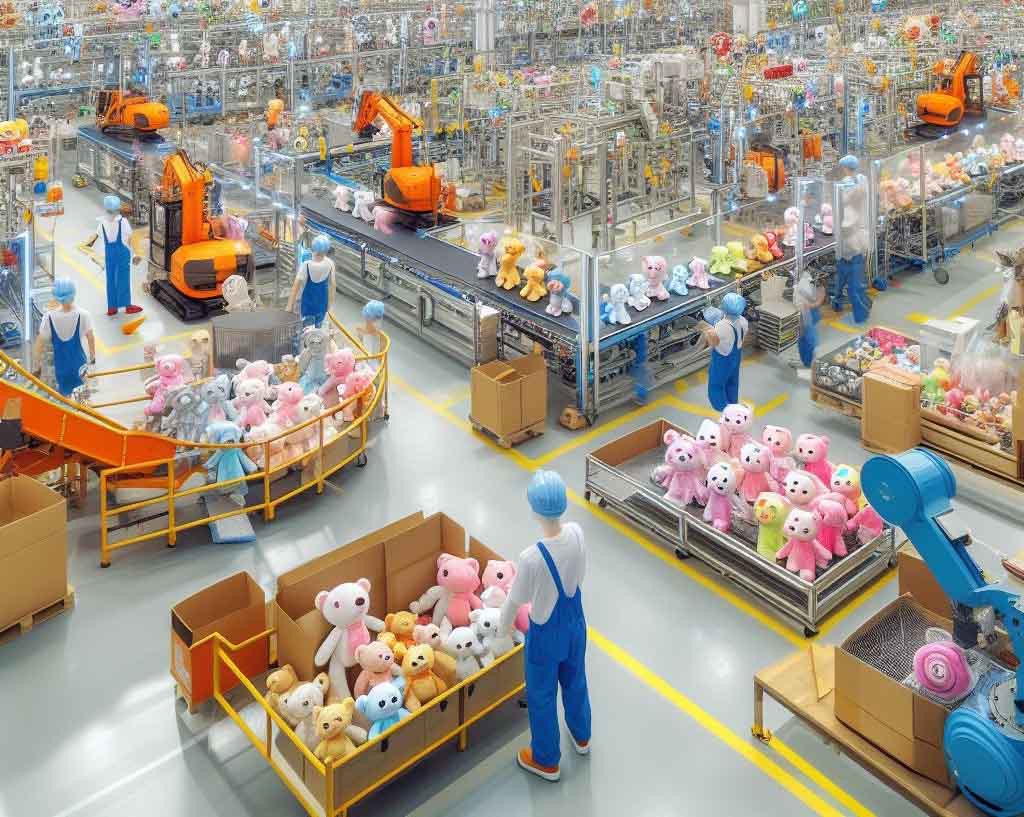
Many pet owners search for “indestructible” plush dog toys, hoping to find something soft, cute, and tough enough for aggressive chewers. As a plush manufacturer, I need to start with one honest truth: no plush dog toy is 100% indestructible. A strong, motivated dog can eventually damage almost any soft toy.
But with the right materials, construction, and testing, you can get plush dog toys that last much longer, resist tearing better, and stay safer even under heavy use. In this guide, I’ll share how I look at “indestructible” plush dog toys from a manufacturing point of view, so you can make smarter choices as a brand, retailer, or pet parent.
What materials make plush dog toys more resistant to damage?
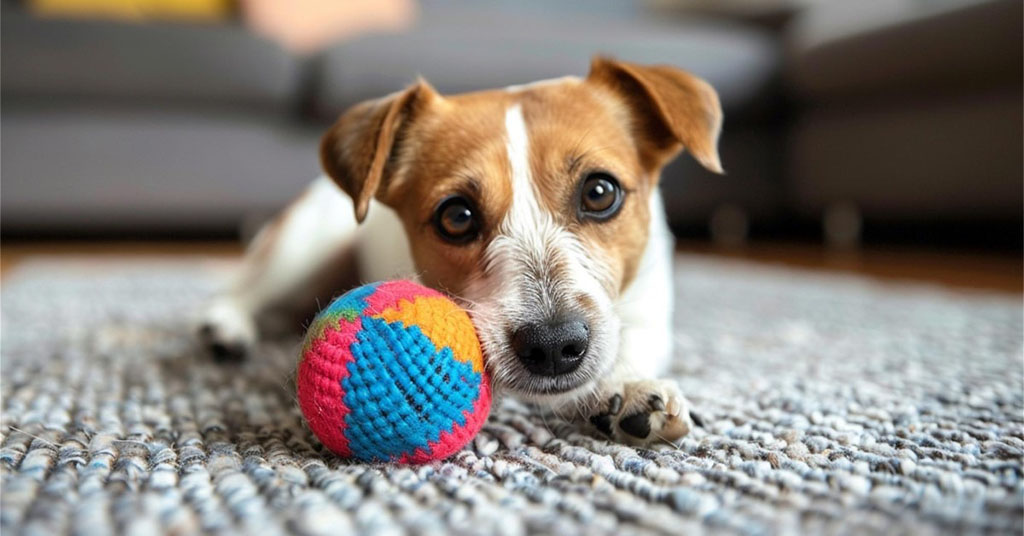
For tough chewers, the fabric and internal materials decide how long a plush dog toy survives before seams open or filling spills out. Compared to human plush toys, dog toys need stronger outer fabrics, tougher threads, and more controlled stuffing.
For heavy-duty plush dog toys, many brands use:
- Reinforced outer fabrics – heavy polyester, ballistic nylon, canvas, or tightly woven plush.
- Layered constructions – soft plush outside, strong woven or mesh layers inside.
- Durable threads – high-tenacity polyester or nylon thread instead of weak cotton.
- Controlled stuffing – polyester fiberfill, sometimes combined with very securely contained squeakers or crinkle material.
Some “indestructible” lines also avoid any loose ribbons, plastic eyes, or flimsy decorations. Less is more when you want durability.
Common materials used in durable plush dog toys
Table 1 – Key materials that improve plush dog toy toughness
| Component | Typical Material Choices | Role in Durability |
|---|---|---|
| Outer fabric | Heavy polyester plush, canvas, ballistic nylon | Resists tearing and abrasion better than light fabrics |
| Inner reinforcement | Woven polyester lining, ripstop, mesh layers | Adds hidden strength under the plush surface |
| Stuffing | Polyester fiberfill, sometimes dense fiber rolls | Keeps shape; more compact stuffing reduces easy tearing |
| Thread | High-tenacity polyester or nylon | Strong seams under pulling and shaking |
| Extras (squeaker etc.) | Encased squeakers, securely sewn pockets | Reduces risk of loose parts if outer layer fails |
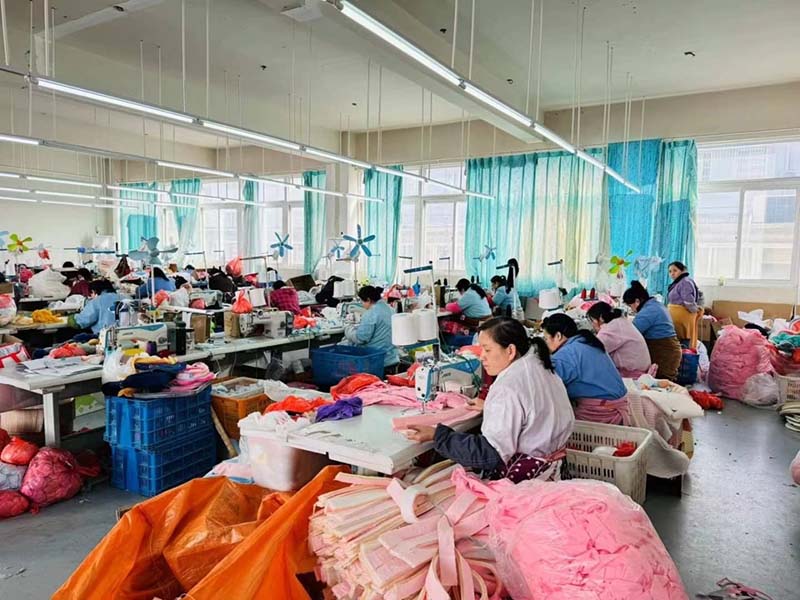
As a factory, when we design plush for pets, we start by choosing stronger fabric + strong lining, then adjust softness by changing the outer plush pile and stuffing method. This way the toy still feels soft but has a “skeleton” inside.
How do construction techniques enhance a toy’s durability for aggressive chewers?
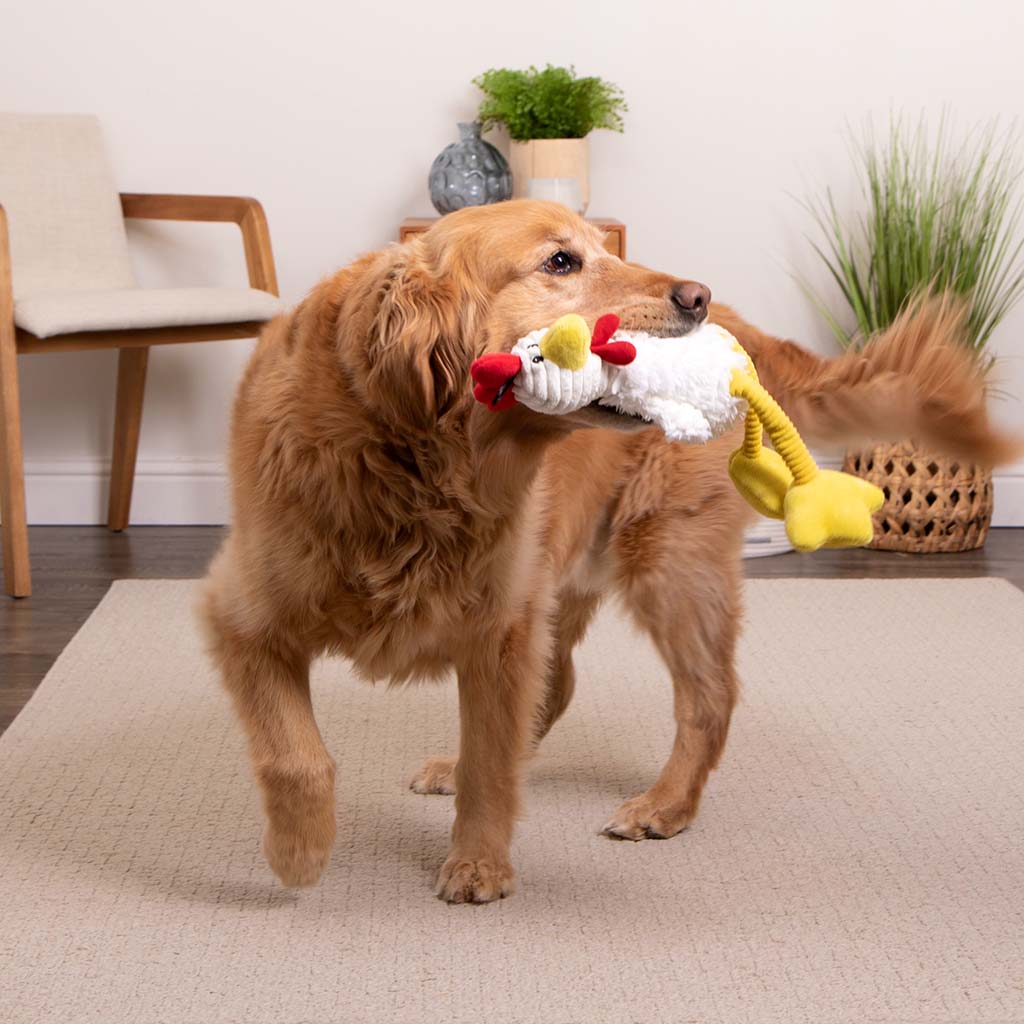
Even the best materials will fail if the sewing is weak or the pattern is poorly planned. Aggressive chewers are experts at finding weak points: narrow necks, thin legs, badly aligned seams, or sharp corners.
To stand up to this abuse, we focus on:
- Seam design – avoid long, exposed seams that sit right on bite zones.
- Stitch type and density – tighter stitches with strong thread, sometimes double or triple stitched in high-stress areas.
- Reinforced layers – internal panels that spread bite force across a bigger area.
- Simplified shapes – fewer narrow parts that are easy to grab and tear.
Construction techniques that strengthen plush dog toys
Table 2 – How construction choices improve durability
| Construction Area | Stronger Technique | Benefit for Tough Chewers |
|---|---|---|
| Seams | Double or triple stitching along main seams | Seams hold when dog pulls and shakes |
| Stress points | Bar-tacks or extra stitching at ears, limbs, tails | Reduces tearing at common “grab points” |
| Fabric layering | Plush + inner woven layer + sometimes mesh | Dog teeth must pass several layers before reaching stuffing |
| Pattern design | Thicker necks, shorter limbs, rounded shapes | Fewer weak “handles” to rip off |
| Internal components | Squeakers in reinforced pockets or pouches | Less chance of loose parts if outer fabric breaks |
Aggressive chewers will focus on edges and corners. When we design for durability, we change patterns to reduce those obvious chewing “handles” and use reinforced stitching wherever we know a dog will tug the hardest.
Which safety standards apply to heavy-duty plush dog toys?
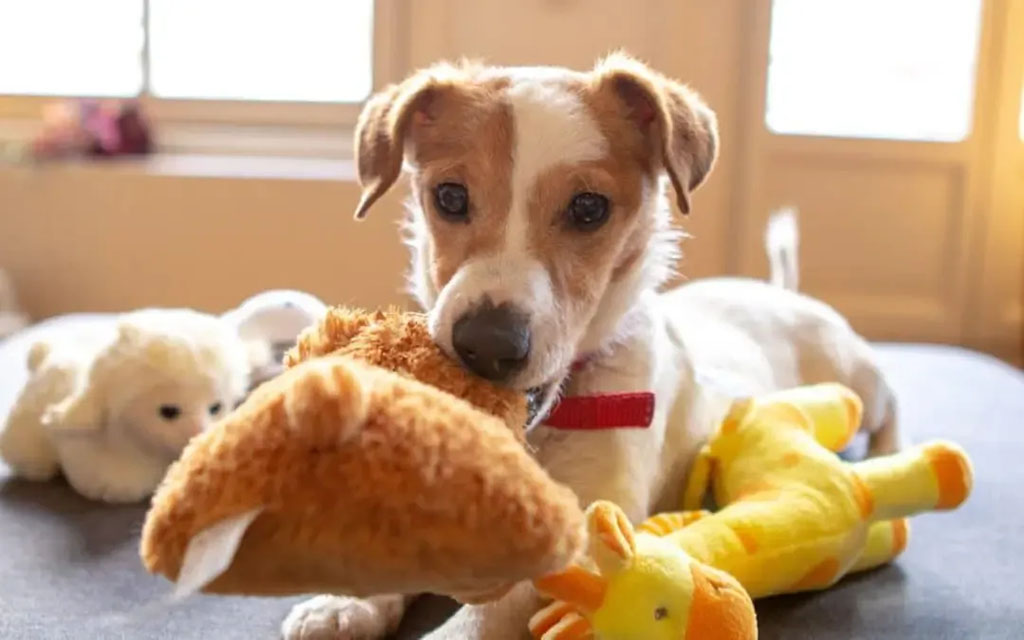
Here is an important point that many people do not realize: in most countries, pet toys do not have the same clear, mandatory safety standards as children’s toys.americanpetproducts.org+1
In the US and EU, children’s toys must follow strict rules like ASTM F963, EN71, CPSIA, and more, which limit mechanical hazards and chemicals.維基百科+3QIMA+3chengjitoy.com+3 Pet toys, however, are often treated as general consumer products with very few pet-specific regulations.americanpetproducts.org+1
Responsible pet brands still choose to test their plush dog toys against children’s toy standards and chemical regulations such as:
- ASTM F963 (toy safety) and EN71 (mechanical and chemical tests).QIMA+2chengjitoy.com+2
- CPSIA requirements in the USA (lead, phthalates, labeling).SGSCorp+1
- California Proposition 65 for certain chemicals and heavy metals.Gembah+2Friends of the Dog+2
Some testing labs even promote pet toy testing based on these standards because pet owners treat dogs like family and expect similar safety.asiaqualityfocus.com+1
Practical safety expectations for harsh-use plush dog toys
Table 3 – Safety and compliance considerations for durable pet plush
| Area | Good Practice for Serious Brands | Why It Matters |
|---|---|---|
| Mechanical safety | Strong seams, reinforced squeaker pockets, no sharp parts | Reduces risk of choking or injury |
| Chemical safety | Tests for lead, phthalates, and other harmful substances | Safer if dogs chew or mouth toys |
| Cleanability | Washable or easy-to-clean fabrics and designs | Reduces bacteria and odor build-up |
| Labeling | Clear warnings (not indestructible, supervised play), care instructions | Sets realistic expectations and safe use |
| Testing approach | Voluntary testing to toy-like standards (ASTM, EN71, Prop 65) | Builds trust with retailers and consumers |
As a manufacturer, I always encourage pet brands to treat pet toys as carefully as children’s toys, even if the law does not require it yet. It is better for animals, owners, and long-term brand reputation.
How do design features reduce tearing and extend toy lifespan?
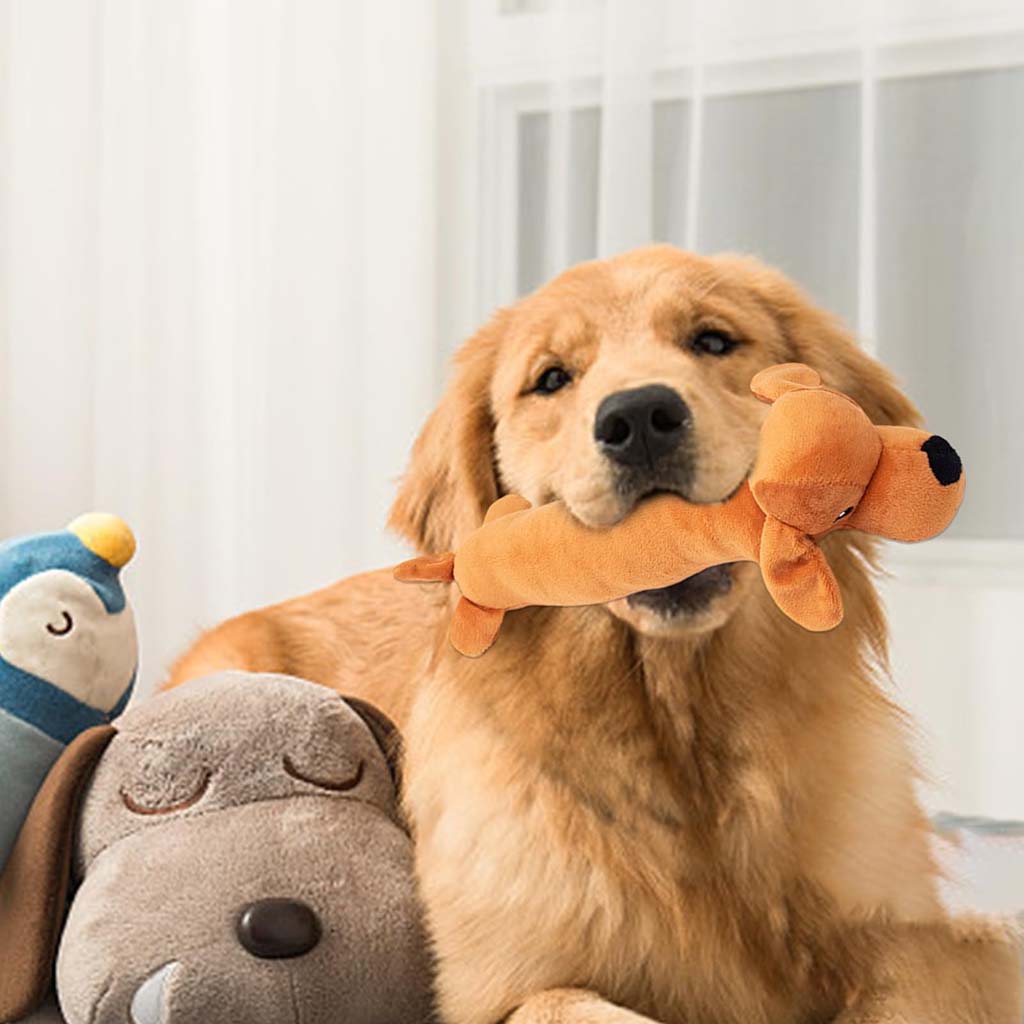
Design is your first line of defense against destruction. Aggressive chewers tend to target:
- Ears, tails, and long legs.
- Very thin “necks” between head and body.
- Areas with big, raised facial parts or loose decorations.
If you want a plush dog toy that survives, you must simplify: fewer fragile details, more compact shapes, and safer textures.
Design choices that make plush dog toys tougher
Table 4 – Durability-driven design features
| Design Feature | Durable Approach | Why It Helps |
|---|---|---|
| Overall silhouette | Compact, rounded shape; thicker neck | Fewer weak zones to rip off |
| Limbs and tail | Shorter, thicker, or integrated into body | Harder to use them as “handles” |
| Facial details | Embroidered eyes/nose, low-profile muzzle | Less chance of chewing off hard plastic parts |
| Layers | Soft plush outside, tough inner shell or “armor” | Dog must work through more layers to reach stuffing |
| Squeaker design | Either no squeaker or squeaker in heavy-duty pocket | Lower risk if toy eventually breaks |
| Surface texture | Moderate texture, no long loose piles | Long fur can encourage nibbling and pulling |
You still want personality and fun, but you design it with your dog’s teeth in mind. The result is a toy that looks appealing on the shelf yet holds up better through real play.
What factors help pet owners choose truly indestructible plush dog toys?
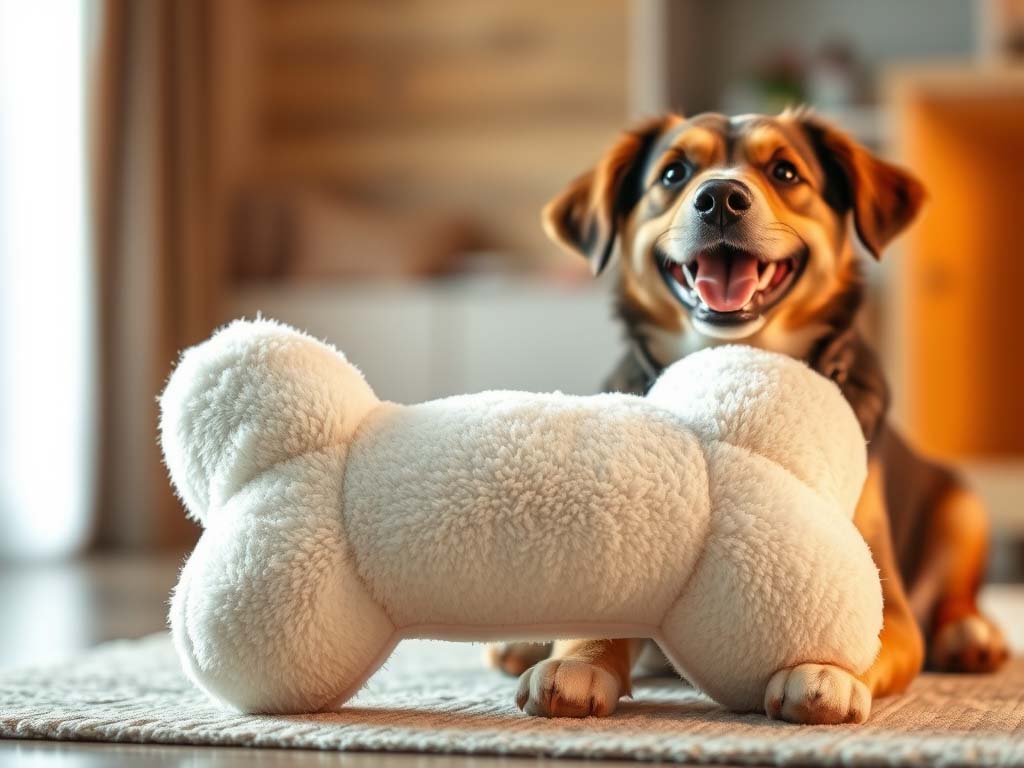
From a pet owner’s side, choosing “indestructible” plush toys is not only about brand slogans. It’s about matching toy design to your dog’s size, chewing style, and habits, and understanding that supervision and replacement are always part of safe play.
When I talk with buyers who sell to pet owners, I suggest they help customers look at:
- Dog size and jaw strength – A toy that is fine for a small dog may fail instantly with a large power chewer.
- Chewing style – Some dogs nibble; others shake and “kill” toys by pulling seams apart.
- Toy construction – Layers, stitching, and fabric type.
- Realistic claims – “Extra durable” and “reinforced” are more honest than “indestructible forever.”
A simple checklist for choosing tougher plush dog toys
Table 5 – Buyer checklist for heavy-duty plush dog toys
| Question to Ask | What to Look For in the Product |
|---|---|
| Is the toy sized for my dog? | Toy should not be tiny for large dogs or giant for small ones |
| Does the shape avoid thin “necks”? | More compact, rounded shapes; no long skinny parts |
| What fabric and layers are used? | Mention of ballistic, canvas, reinforced seams, multi-layer designs |
| How are details attached? | Embroidered faces, minimal loose add-ons |
| What does the label say? | Honest claims, clear supervision advice, no “100% indestructible” promises |
| Can I inspect stitching in person? | Tight, even seams; no gaps or loose threads |
No plush toy should be left with a dog unsupervised for long periods, especially heavy chewers. A “tough” plush toy gives you more safe play time, not infinite life. When the cover is torn or stuffing starts to come out, it is time to replace the toy.
How do leading pet brands innovate durable plush toys for tough chewers?
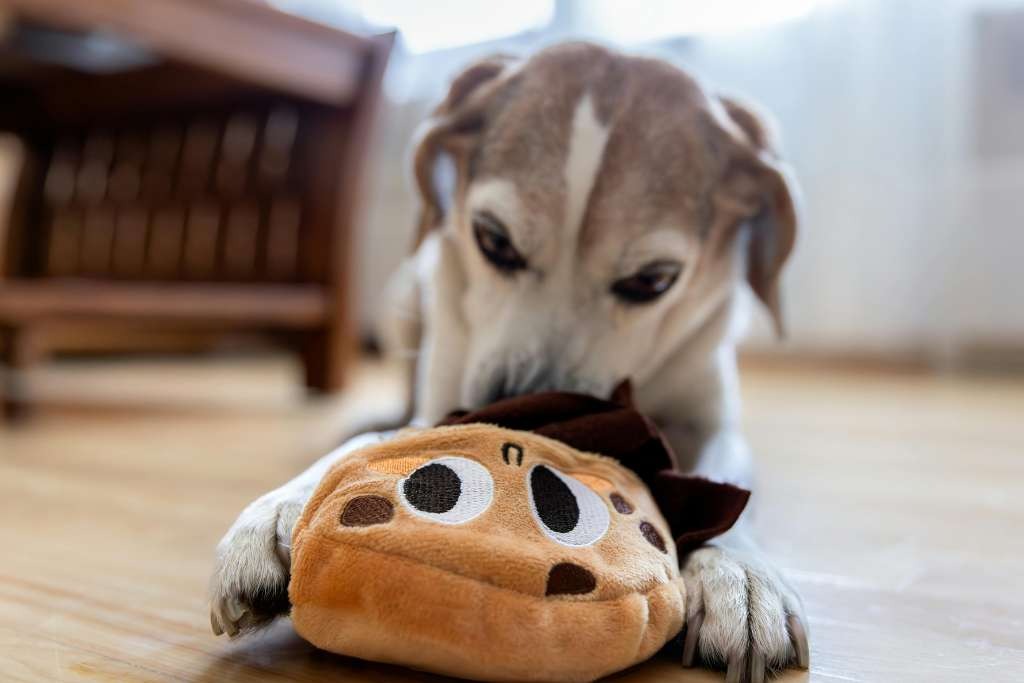
Leading pet brands know that customers want soft + tough + safe + fun in one product. To achieve this, they combine stronger materials and construction with clever design and clear communication.
Some key innovation paths I see in the pet space:
- Multi-layer “armor” designs – soft plush outside, durable inner fabric, and reinforced seams.
- Hybrid toys – plush combined with rubber, rope, or tough fabric zones to spread chewing stress.
- Textile innovation – higher-denier yarns, ripstop weaves, stronger backing fabrics.
- Testing programs – in-house “tough chewer” test dogs and extended cycle testing.
- Honest branding – explaining that toys are “designed for tough chewers” but still need supervision.
How serious brands balance softness, fun, and strength
Table 6 – Innovation strategies for “indestructible” plush dog toy lines
| Innovation Area | What Leading Brands Typically Do | Benefit for Dogs and Owners |
|---|---|---|
| Materials & layers | Use ballistic/cordura-style fabrics + inner mesh | Significantly slows down tearing |
| Construction | Multi-stitched seams, reinforced stress points | Toys last longer for tugging and shaking |
| Product range | Offer toughness “levels” matched to chewing style | Pet owners can select the right level |
| Testing & validation | Real-dog testing, lab tests for safety and durability | Stronger claims and better real-world performance |
| Communications | Share clear usage, replacement, and safety guidance | Sets correct expectations, reduces frustration |
As a manufacturer, I also see more brands asking for private-label durable plush lines. They want custom characters or shapes with built-in reinforcement so they can sell something unique but still tough.
At Kinwin, our main focus is plush for humans, but many of the same principles apply when clients explore pet-focused lines: stronger fabrics, extra stitching, and clear testing plans. When design, materials, and safety work together, “indestructible” becomes more than a marketing word—it becomes a realistic promise of better-than-normal durability and more satisfying play.
Conclusion
Truly “indestructible” plush dog toys do not exist—but well-designed, heavy-duty plush toys can survive much longer, stay safer, and give dogs more satisfying play time. When you combine reinforced fabrics, smarter construction, safety-minded testing, and honest communication, your plush dog toys earn trust from pet owners and stand out in a crowded market.
If you are considering developing your own durable plush line—whether for children, families, or pet lovers—and you want factory support on materials, construction, and compliance, you are welcome to contact me at [email protected] or visit kinwintoys.com to explore how our OEM & ODM team at Kinwin can support your next plush project.