When developing a custom plush toy, one of the most practical questions buyers ask is: What is a reasonable sampling timeline? Whether you are launching a new toy brand, creating a mascot product, or preparing merchandise for an event, understanding how long sampling takes helps you plan production schedules more effectively.
Unlike standard retail products, plush toys are fully customized. Each design requires engineering work, material preparation, pattern development, and manual craftsmanship. Because of this, the sampling stage cannot be rushed without risking inaccuracies in the final product.
For brands and product developers, knowing the typical timeline for plush toy sampling allows better coordination between design teams, marketing schedules, and manufacturing partners. In this guide, we will walk through the typical sampling timeline for custom plush toys and explain what factors influence how long each stage takes.
What is the typical sampling timeline for custom plush toys?
For most custom plush toy projects, the full sampling process usually takes two to four weeks from the moment the design details are confirmed. This timeline includes several stages such as technical evaluation, pattern development, material preparation, prototype construction, and internal quality inspection.
However, the exact timeline may vary depending on the complexity of the design, the availability of materials, and the number of revisions required during development. Simpler designs can move through sampling more quickly, while more complex projects may require additional engineering adjustments.
Understanding this general timeline helps buyers plan product development schedules and avoid unrealistic expectations during the sampling phase.
Sampling Begins With Technical Design Evaluation
Before the first plush toy prototype is created, manufacturers usually conduct a technical evaluation of the design. During this stage, engineers review the artwork and determine how the toy will be constructed.
This evaluation often includes:
- Reviewing the character proportions
- Determining suitable fabrics and materials
- Planning embroidery or printing techniques
- Identifying potential structural challenges
This stage typically takes one to two working days. Although it may seem brief, it is an important step because it helps ensure the design can be translated into a manufacturable plush structure.
Skipping this step may lead to unnecessary revisions later in the sampling process.
Prototype Development Follows After Design Confirmation
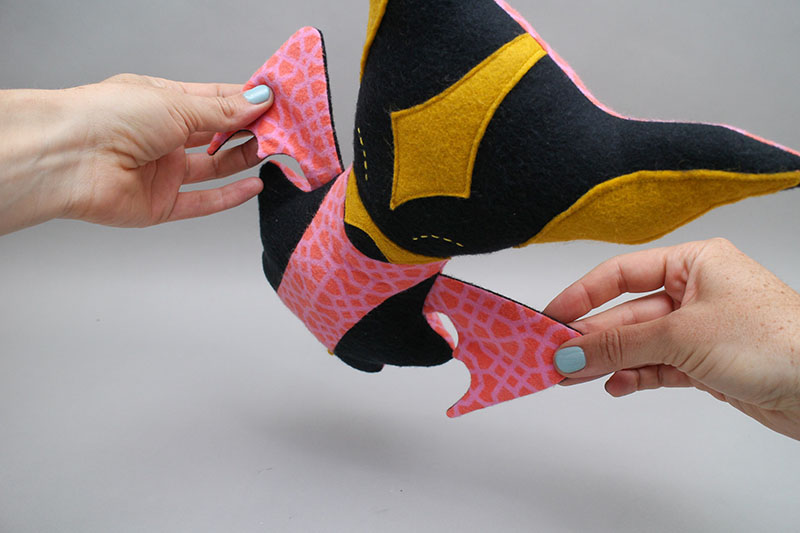
Once the design evaluation is complete and materials are prepared, the development team begins creating the first prototype. This stage includes pattern making, cutting fabrics, sewing the structure, and filling the toy with stuffing.
For most plush toys, this development process typically requires 7 to 15 working days. During this period, pattern makers and sewing technicians work together to transform the design into a physical product.
The prototype is then reviewed internally before being shared with the client for evaluation. This structured process helps ensure the sample accurately reflects the intended design.
Typical Plush Toy Sampling Timeline Overview
| Sampling Stage | Typical Time | Purpose |
|---|---|---|
| Design Evaluation | 1–2 days | Confirm feasibility and construction method |
| Pattern Making | 2–3 days | Convert artwork into sewing templates |
| Material Preparation | 1–2 days | Prepare fabrics and accessories |
| Prototype Construction | 3–5 days | Assemble and stuff the plush toy |
| Internal Inspection | 1 day | Verify structure and appearance |
How long does the first prototype usually take to develop?
The first plush toy prototype is the most important milestone in the sampling process. It is the first physical representation of the design and allows both the buyer and the manufacturer to evaluate whether the concept works well as a plush product.
In most custom plush toy projects, the first prototype takes approximately 7 to 15 working days to complete. This timeframe allows enough time for pattern development, fabric cutting, sewing, stuffing, and finishing.
Although some simple designs may be completed more quickly, it is generally better to allow sufficient development time so that the prototype accurately represents the intended design.
Simple Designs Can Be Developed Faster
For plush toys with relatively simple shapes and limited decorative elements, prototype development can move quite quickly. A basic character with minimal accessories and straightforward embroidery may require fewer pattern pieces and fewer construction steps.
These designs often involve:
- Simple body shapes
- Limited color changes
- Minimal embroidery details
Because fewer structural adjustments are needed, these projects can often be completed closer to the lower end of the sampling timeline.
Complex Designs Require More Engineering Work
More complex plush toys naturally require additional development time. Designs that include layered fabrics, clothing accessories, detailed embroidery, or unusual shapes often need more engineering adjustments.
For example, characters with large heads, thin limbs, or multiple accessories may require reinforcement or structural modifications to maintain balance and durability.
Although this extra time may extend the prototype timeline slightly, it ensures the final plush toy remains visually accurate and structurally stable.
Factors That Influence First Prototype Development Time
| Factor | Complexity Level | Impact on Development |
|---|---|---|
| Simple Character Shapes | Low | Faster sampling |
| Multiple Fabric Colors | Medium | Additional cutting and sewing |
| Detailed Embroidery | Medium | Requires embroidery programming |
| Clothing or Accessories | Medium–High | Additional construction steps |
| Complex Structures | High | Requires engineering adjustments |
How much time should be allowed for pattern making and structure testing?
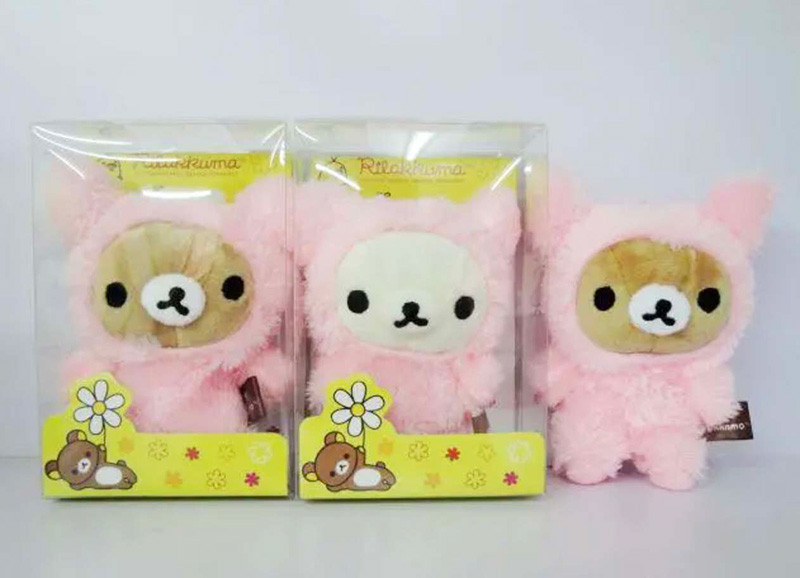
Pattern making is one of the most technical stages of plush toy development. This process involves converting the original artwork into a set of fabric templates that can be sewn together to create a three-dimensional plush structure.
Because plush toys are made from multiple fabric panels, pattern makers must carefully determine how each part of the toy should be shaped and assembled. The accuracy of the pattern directly affects how closely the final toy matches the original design.
For most projects, the pattern-making and structural testing stage typically requires two to five working days, depending on the complexity of the design.
Pattern Makers Translate Artwork Into Fabric Panels
During pattern development, engineers analyze the artwork and determine how the plush toy will be constructed. Each part of the toy—such as the head, body, arms, and legs—must be divided into fabric panels that can be cut and sewn together.
This process involves deciding:
- The number of pattern pieces required
- Where seams should be placed
- How curved shapes will be formed
- How stuffing will affect the final structure
Because fabric behaves differently from flat illustrations, pattern makers often adjust shapes slightly to maintain accurate proportions.
Structural Testing Ensures the Toy Holds Its Shape
After the initial pattern is created, the development team may test whether the structure works well when the toy is sewn and filled with stuffing.
In some cases, adjustments may be needed to improve balance or durability. For example, thin limbs may require reinforcement, or the neck area may need strengthening to support the head.
These structural adjustments help ensure that the plush toy remains stable and visually balanced during everyday use.
Pattern Making and Structural Development Timeline
| Development Step | Typical Time | Purpose |
|---|---|---|
| Artwork Analysis | 1 day | Understand structure and proportions |
| Pattern Drafting | 1–2 days | Create sewing templates |
| Structural Testing | 1–2 days | Verify shape stability |
| Pattern Adjustment | 1 day | Refine proportions and balance |
Do fabric sourcing and material preparation affect sampling speed?
Fabric sourcing and material preparation are often underestimated factors in the plush toy sampling timeline. Even when the design and pattern development are ready, sampling cannot begin until the required materials are available and prepared.
Plush toys typically involve a combination of fabrics, embroidery threads, filling materials, and sometimes accessories such as clothing, plastic parts, or decorative elements. If these materials are already available in the manufacturer’s inventory, sampling can begin quickly. However, if the design requires special fabrics, uncommon colors, or customized accessories, additional sourcing time may be necessary.
Understanding how material preparation affects the sampling timeline helps buyers plan more realistic development schedules.
In-Stock Fabrics Can Speed Up the Sampling Process
Many plush toy manufacturers keep commonly used materials in stock to support faster sampling. Standard fabrics such as short plush, velboa, crystal super soft fabric, and typical embroidery threads are widely used across the industry.
When a design uses these standard materials, development teams can immediately move forward with cutting fabrics and preparing embroidery files. This significantly shortens the preparation phase and allows engineers to focus on building the prototype.
For projects with tight deadlines, choosing commonly available fabrics is often the most efficient approach.
Custom Materials May Require Additional Preparation Time
Some plush toy designs require unique materials that are not always available in stock. For example, a design might need a specific Pantone color fabric, a rare texture, or a custom accessory.
In these cases, manufacturers may need to source materials from suppliers before sampling begins. This sourcing process may take several additional days depending on the availability of the materials.
Although this step adds a little time to the sampling timeline, it ensures that the prototype accurately represents the final product. Using the correct materials during sampling also reduces the risk of changes later in production.
Material Preparation Factors That Influence Sampling Time
| Material Factor | Impact on Timeline | Explanation |
|---|---|---|
| Standard Fabrics in Stock | Faster sampling | Materials are ready for immediate use |
| Custom Fabric Colors | Moderate delay | Fabrics may require dyeing or sourcing |
| Unique Textures | Additional preparation | Special materials may not be readily available |
| Custom Accessories | Extra preparation time | Parts must be produced or ordered |
| Color Matching | Short verification stage | Ensures fabric matches artwork |
How many revision rounds are normally required before approval?
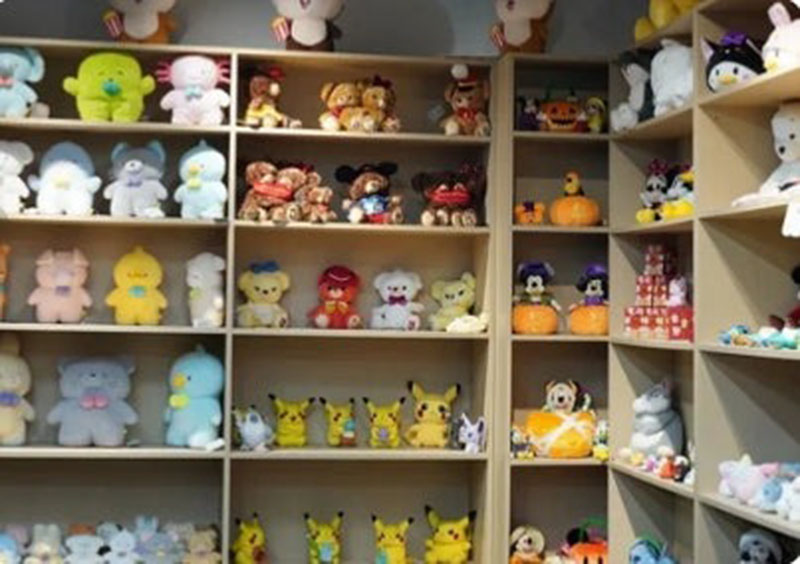
Plush toy sampling is usually an iterative process rather than a single-step development. The first prototype allows both the manufacturer and the buyer to evaluate the design and identify any areas that need improvement.
For most custom plush toy projects, one to two revision rounds are typically required before the sample is finalized. These revisions help refine details such as facial expressions, proportions, materials, and embroidery placement.
Rather than being a delay, these revision stages are a normal and valuable part of product development.
The First Sample Focuses on Structure and Proportion
The initial prototype is mainly used to verify the structural foundation of the plush toy. Engineers and designers evaluate whether the overall shape, proportions, and construction method match the original concept.
At this stage, the sample helps answer questions such as:
- Does the toy maintain the intended character shape?
- Are the proportions balanced once the toy is stuffed?
- Are seams and structural connections stable?
While some visual details may still require adjustment, confirming the structural integrity of the toy is the primary goal of the first sample.
The Second Sample Refines Visual Details
After reviewing the first prototype, buyers typically provide feedback regarding visual elements such as facial expression, embroidery size, fabric texture, or color matching.
The second prototype usually focuses on refining these details. By this stage, the structure of the toy is already confirmed, so the development team can concentrate on improving the visual accuracy.
Once the buyer approves the revised sample, the design is considered ready for final confirmation before production.
Typical Sampling Revision Workflow
| Sampling Stage | Main Purpose | Result |
|---|---|---|
| First Prototype | Verify structure and proportions | Identify improvements |
| Client Feedback | Provide design adjustments | Align expectations |
| Second Prototype | Refine visual details | Nearly final design |
| Final Approval | Confirm production sample | Ready for mass production |
How long does it take to finalize the “golden sample”?

The “golden sample” is the final approved version of the plush toy that serves as the reference standard for mass production. Once this sample is confirmed, all production units must match its appearance, materials, and construction details.
The process of finalizing the golden sample usually occurs after one or two rounds of revisions. This stage typically takes three to seven additional days, depending on how quickly feedback is provided and how many final adjustments are required.
Establishing a golden sample is essential because it ensures that both the buyer and the manufacturer share the same expectations before mass production begins.
Final Adjustments Are Made Before Approval
Before the golden sample is confirmed, the development team reviews the toy carefully to ensure that all design specifications have been implemented correctly.
This may include:
- Confirming embroidery placement and size
- Checking fabric color consistency
- Verifying stuffing firmness
- Inspecting seam quality and structural stability
These checks help ensure that the sample represents the exact standard that will be used during mass production.
The Golden Sample Becomes the Production Reference
Once approved, the golden sample is kept as a reference for the manufacturing team. Production workers use this sample to verify that each batch of toys matches the approved design.
This step is critical for maintaining consistency during large production runs.
Having a clearly defined golden sample helps prevent misunderstandings and ensures that the final products meet the buyer’s expectations.
Golden Sample Finalization Timeline
| Step | Typical Time | Purpose |
|---|---|---|
| Final Review | 1–2 days | Confirm design accuracy |
| Final Adjustments | 1–3 days | Apply small improvements |
| Client Confirmation | 1–2 days | Obtain official approval |
| Golden Sample Approval | Final stage | Establish production reference |
Conclusion
A reasonable sampling timeline for custom plush toys typically ranges from two to four weeks, depending on factors such as design complexity, material availability, and the number of revision rounds required.
The sampling process includes several important stages, including design evaluation, pattern making, material preparation, prototype development, and sample refinement. Each stage contributes to ensuring that the final plush toy accurately reflects the original concept while remaining structurally stable and suitable for mass production.
For brands, retailers, and product developers, understanding this timeline helps set realistic expectations and improves collaboration with manufacturing partners.
At KINWIN, we follow a structured sampling workflow that helps clients move smoothly from concept to approved prototype. Our team supports every stage of development—from technical design evaluation and pattern making to material sourcing and prototype refinement.
If you are planning to develop a custom plush toy and want to discuss a realistic sampling timeline for your project, our team would be happy to review your design and provide professional guidance.