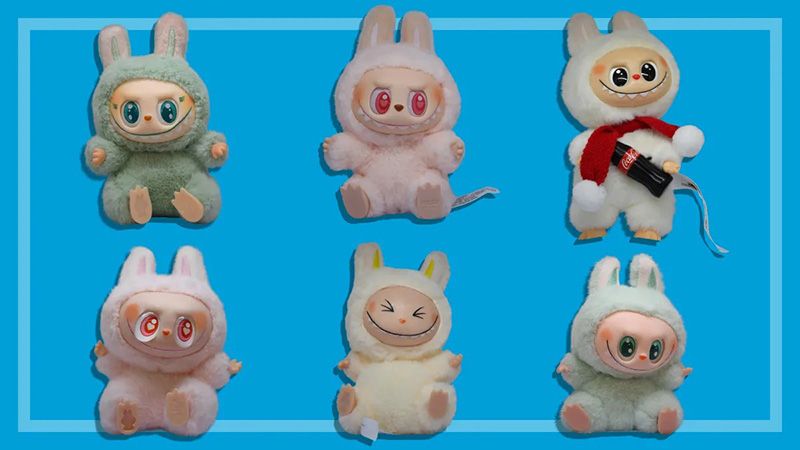
As sustainability becomes a defining priority in the global plush toy industry, brands are increasingly evaluating which materials best balance environmental responsibility, product performance, safety, and consumer expectations. Two of the most widely discussed options—organic cotton and recycled polyester (rPET)—represent different approaches to sustainability. Organic cotton focuses on natural, chemical-free farming, while rPET transforms waste plastic into new textile fibers, supporting circular material systems.
This guide takes an in-depth look at how these two materials differ in origin, performance, environmental impact, safety considerations, and brand perception—helping manufacturers and brand owners choose the ideal option for their plush toy collections.
How Organic Cotton and Recycled Polyester Differ in Origin, Composition, and Sustainability?
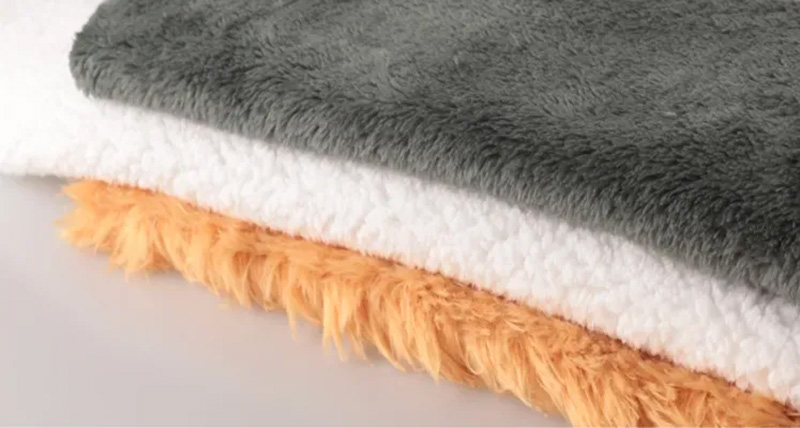
Organic cotton and recycled polyester emerge from fundamentally different material ecosystems. Organic cotton is grown naturally without pesticides, GMOs, or harmful fertilizers, following certification standards such as GOTS (Global Organic Textile Standard). Its sustainability impact lies in soil preservation, biodiversity protection, and reduced chemical exposure for workers and consumers.
Recycled polyester (rPET), on the other hand, is not grown—it is manufactured from post-consumer plastic bottles, industrial waste, or textile scraps. Its sustainability advantage lies in diverting plastic from landfills and oceans, lowering fossil fuel dependence, and reducing greenhouse gas emissions associated with virgin polyester production.
While both materials contribute to sustainability, their environmental benefits originate from different points in the supply chain—organic agriculture vs. recycling and circularity.
Material Origin Comparison
| Aspect | Organic Cotton | Recycled Polyester (rPET) |
|---|---|---|
| Source | Natural plant fiber | Recycled PET plastics (bottles, waste) |
| Certification | GOTS, OEKO-TEX | GRS, OEKO-TEX |
| Sustainability Focus | Chemical-free farming, soil health | Plastic waste reduction, circular economy |
| Biodegradability | Fully biodegradable | Not biodegradable but highly recyclable |
| Environmental Benefit | Reduces toxins and water pollution | Reduces landfill waste and carbon footprint |
How Material Performance Varies in Softness, Durability, and Long-Term Shape Retention?

While both materials can produce high-quality plush toys, their physical performance characteristics differ, making each suitable for different product types.
Organic cotton is naturally soft, breathable, and gentle to the touch—qualities that make it ideal for baby plush toys, cuddle toys, and premium soft lines. However, cotton fibers can break down faster over time, and the material tends to lose shape after extended washing or heavy use if not engineered with internal structural support.
Recycled polyester, by contrast, excels in durability, elasticity, and long-term shape retention. Plush toys made from rPET fabrics (such as recycled minky or velboa) maintain fluffiness, resist pilling, and keep their structure even after repeated washes. This makes rPET the preferred choice for mass-produced plush toys, character-based toys, and high-volume retail lines.
Performance Comparison
| Feature | Organic Cotton | Recycled Polyester (rPET) |
|---|---|---|
| Softness | Very soft, natural feel | Ultra-soft in plush form (minky/velboa) |
| Durability | Moderate; may wear over time | High durability and resilience |
| Shape Retention | Moderate | Excellent |
| Washability | Good but may shrink | Very high; maintains structure |
| Ideal Use Cases | Baby toys, natural collections | Character plush, mass retail, detailed designs |
How Each Material Impacts Safety, Allergen Concerns, and Child-Friendly Compliance?
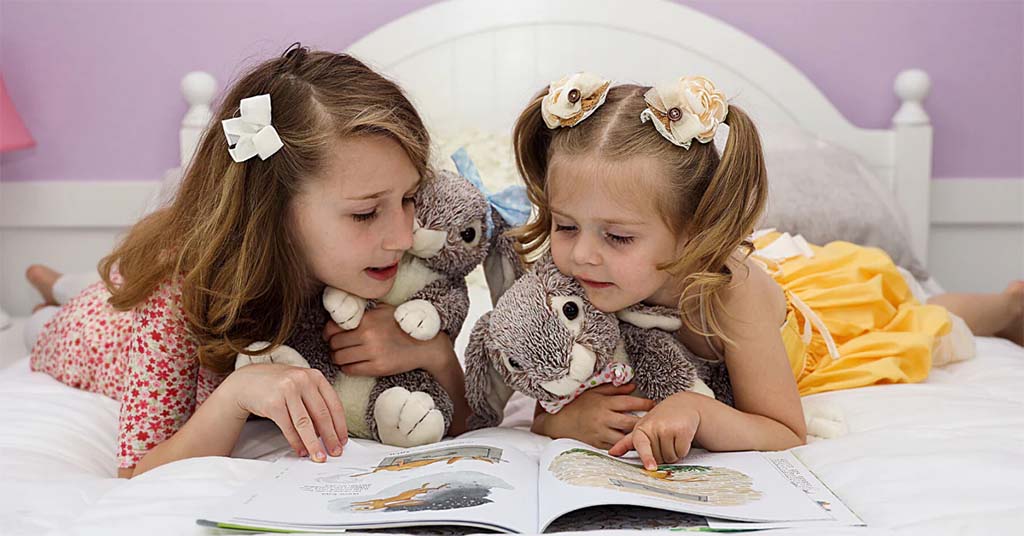
Safety is a top priority in plush toy manufacturing, particularly when products are intended for infants or young children. Organic cotton is widely recognized as one of the safest textile materials for sensitive skin. Because it is produced without pesticides, chemical dyes, or toxic finishing agents, it minimizes risk of irritation or allergic reactions. It aligns well with standards such as CPSIA, EN71, and OEKO-TEX Standard 100.
Recycled polyester is also considered safe for plush toys when certified under GRS and OEKO-TEX, ensuring that no harmful chemicals remain in the final fabric. However, because it is a synthetic fiber, some consumers perceive it as less “natural” than cotton—despite its strong safety record.
Both materials can be compliant and child-safe, but organic cotton is often preferred for newborn and baby products due to its natural purity.
Safety Comparison
| Safety Factor | Organic Cotton | Recycled Polyester (rPET) |
|---|---|---|
| Allergy Risk | Very low | Low |
| Chemical Exposure | Minimal | Depends on certification |
| Baby-Friendly | Excellent | Very good |
| Compliance Readiness | High | High when certified |
How Production Footprint and Environmental Impact Compare Across Both Materials?
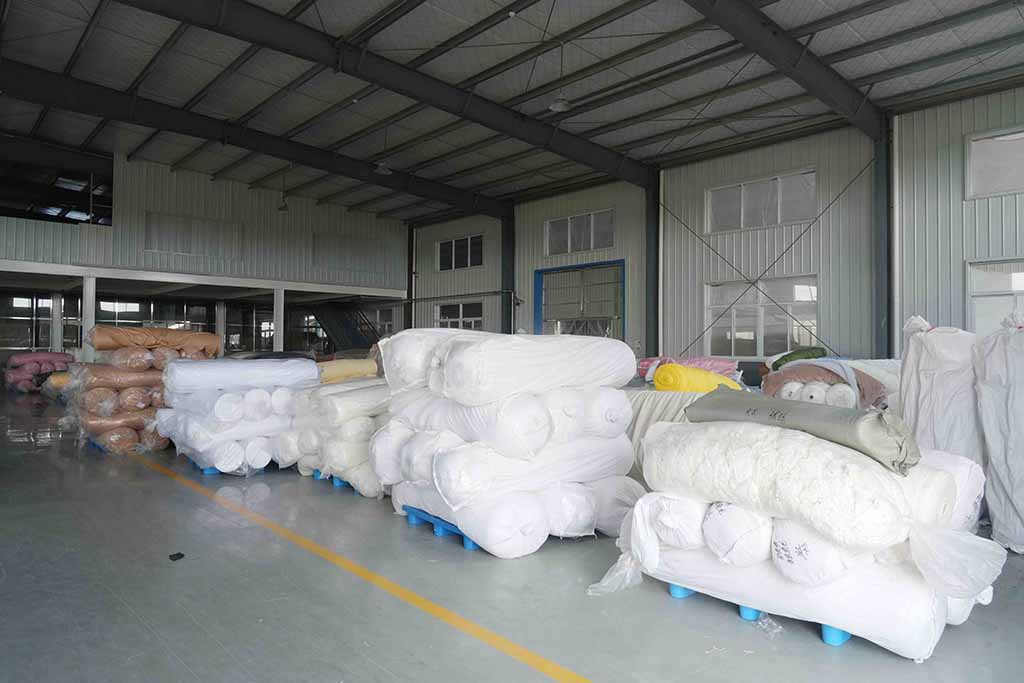
Understanding environmental impact requires a full lifecycle perspective.
Organic cotton farming reduces chemical pollution but uses large amounts of water, especially in arid regions. Water-efficient farms and rain-fed agriculture dramatically improve its sustainability profile, but cotton remains resource-intensive compared to synthetics.
Recycled polyester avoids the high carbon emissions associated with virgin polyester and reduces plastic waste. However, it still sheds microfibers during washing, which can contribute to microplastic pollution unless proper filtration systems are used.
Both materials offer sustainability advantages, but they solve different environmental problems:
- Organic cotton: focuses on safer agriculture and biodegradability.
- rPET: fights plastic waste and reduces dependence on fossil fuels.
Environmental Impact Comparison
| Impact Category | Organic Cotton | Recycled Polyester (rPET) |
|---|---|---|
| Water Usage | High | Very low |
| Carbon Footprint | Moderate | Very low compared to virgin polyester |
| Pollution Reduction | Eliminates pesticides | Reduces plastic waste |
| Biodegradability | Yes | No |
| Recycling Potential | Low | High |
How Cost, Availability, and Supply Chain Stability Influence Material Selection?
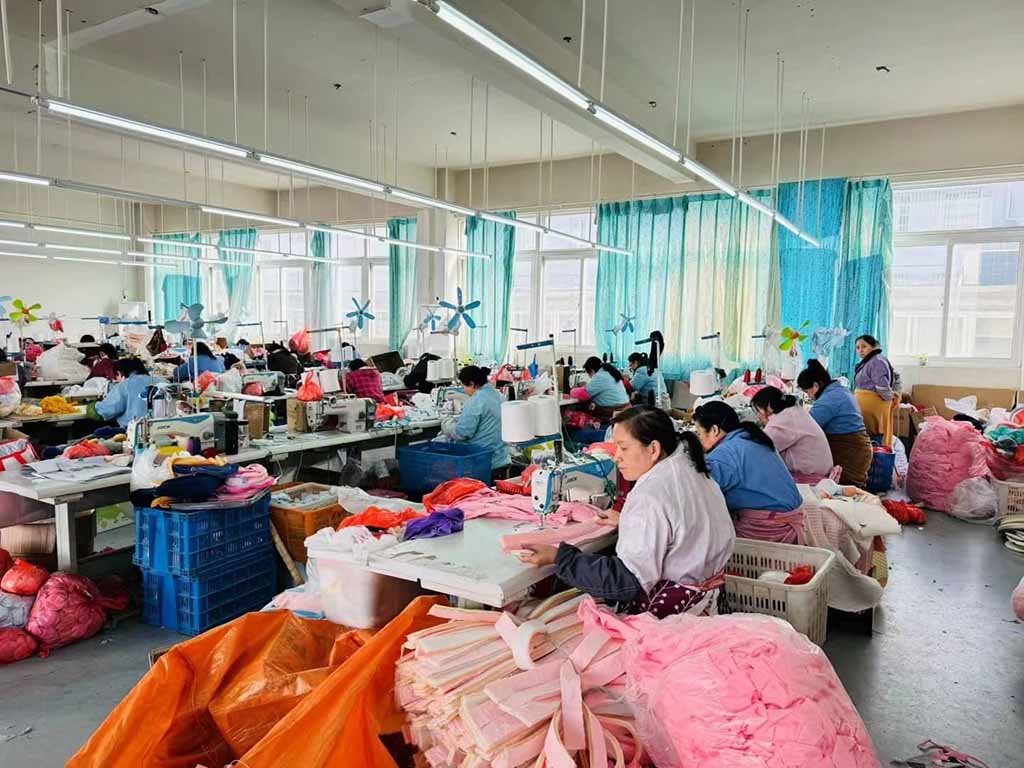
Cost remains one of the most decisive factors in plush toy production. Organic cotton is significantly more expensive due to labor-intensive farming, certification requirements, and limited production volumes. Availability can fluctuate, especially during droughts or harvest disruptions.
Recycled polyester benefits from a scalable global recycling ecosystem and stable industrial supply chains. It offers high cost-efficiency, especially for large-volume plush manufacturing.
For brands needing consistent production at competitive prices, rPET provides more predictable supply, whereas organic cotton is often used in specialty or premium product lines.
Supply Chain Comparison
| Category | Organic Cotton | Recycled Polyester (rPET) |
|---|---|---|
| Cost per Unit | Higher | Lower |
| Availability | Moderate, seasonal | High, year-round |
| Scalability | Limited | Excellent |
| Price Stability | Moderate | Stable |
How Brand Positioning and Consumer Expectations Shape Preference Between the Two?
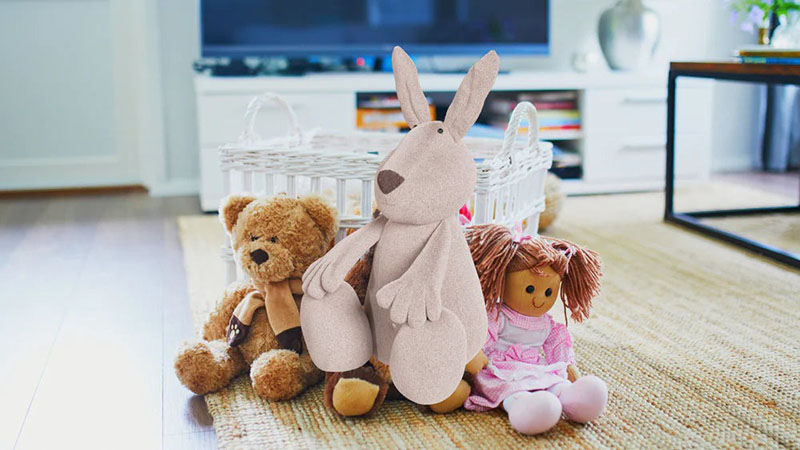
Material choice is heavily influenced by brand identity and consumer values.
Brands targeting eco-conscious parents, natural living advocates, or premium infant markets often choose organic cotton due to its natural purity and strong emotional appeal.
Brands focused on sustainability through innovation, circular practices, and modern aesthetics gravitate toward rPET because of its recycled origin story and superior performance characteristics.
Both materials support strong sustainability narratives—just different ones:
- Organic cotton → nature, purity, safety
- Recycled polyester → innovation, recycling, environmental impact reduction
Choosing the right material depends on how a brand wishes to position its plush line and what story it wants consumers to remember.
Brand Positioning Overview
| Brand Goal | Preferred Material | Rationale |
|---|---|---|
| Natural & baby-safe | Organic cotton | Pure, chemical-free |
| Eco-innovation | rPET | Circular economy value |
| High durability | rPET | Strong performance |
| Premium artisan plush | Organic cotton | Natural texture & feel |
Conclusion
Both organic cotton and recycled polyester offer meaningful sustainability advantages, but they serve different product needs and market expectations. Organic cotton excels in natural softness, hypoallergenic properties, and baby-friendly appeal. Recycled polyester outperforms in durability, cost-efficiency, shape retention, and scalability—making it a top choice for mainstream plush toy manufacturing.
The “better” material ultimately depends on your brand identity, design requirements, budget, and sustainability priorities. Many leading brands even blend both materials across different product lines to create a holistic, environmentally responsible offering.
📧 Contact: [email protected]
🌐 Visit: https://kinwintoys.com