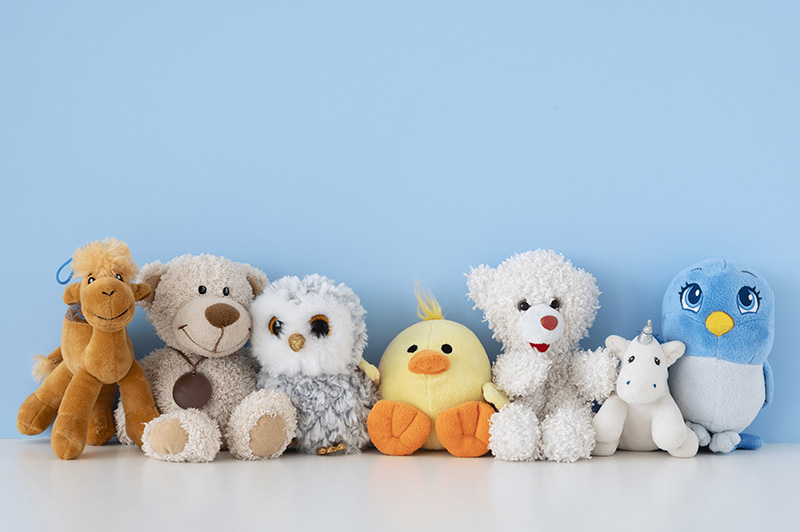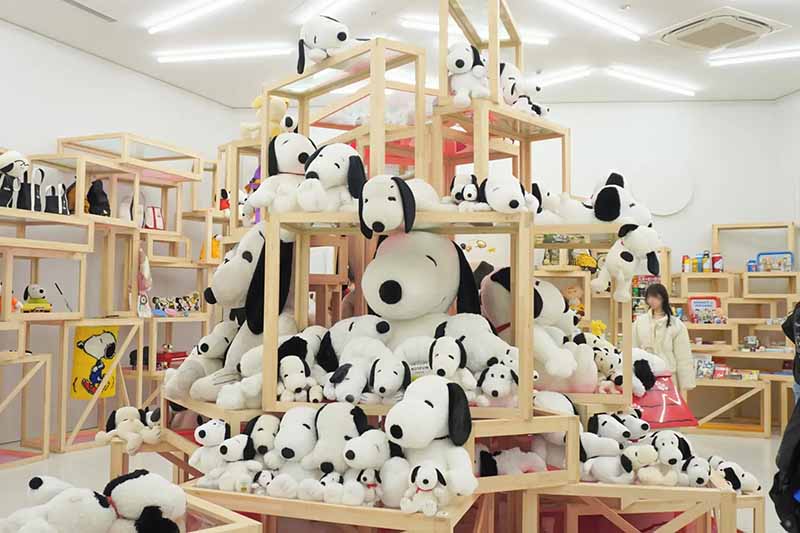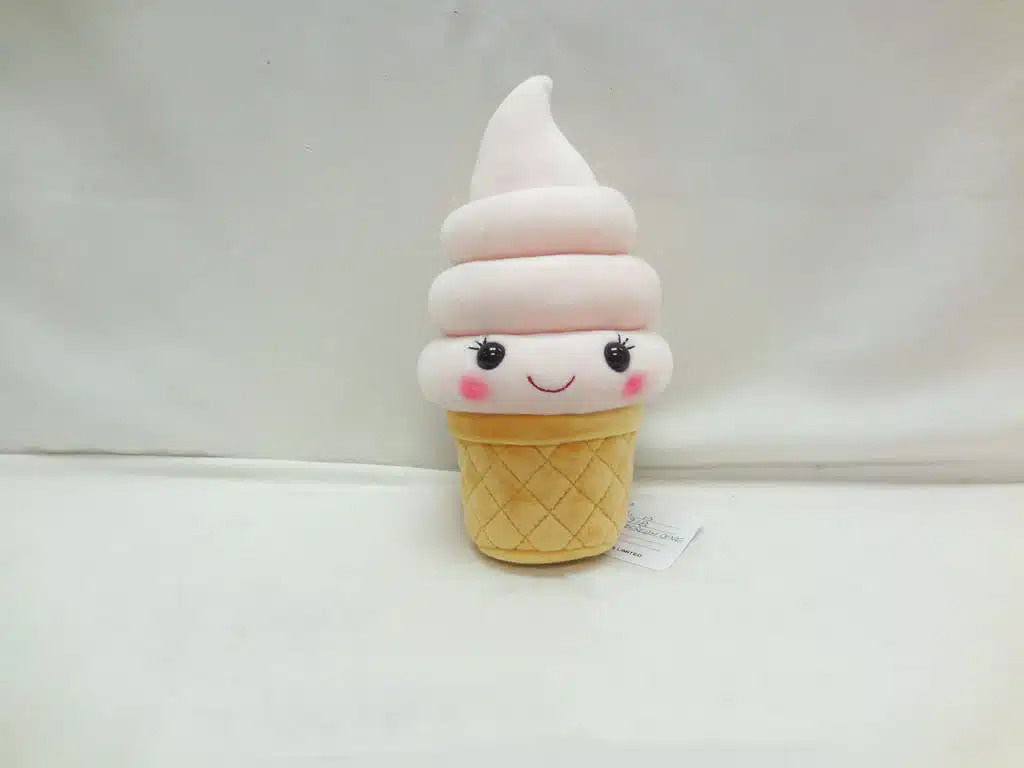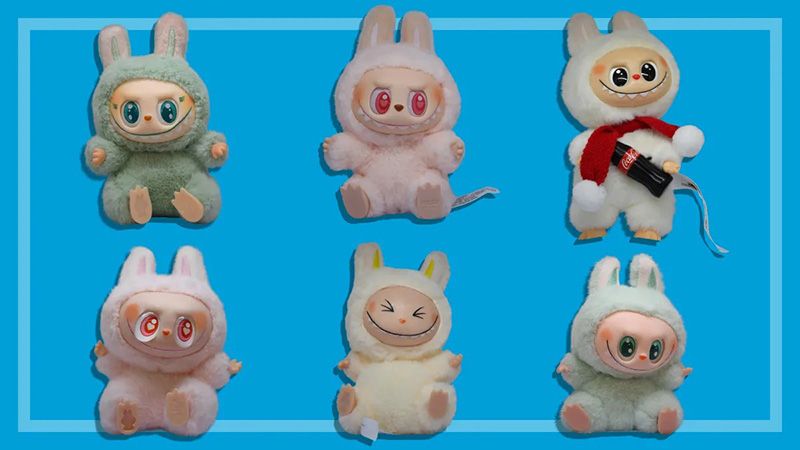
For global brands, plush merchandising is no longer a side product—it is a strategic tool for emotional branding, customer engagement, and long-term visibility. From retail displays and promotional campaigns to licensed characters and seasonal collections, plush products help brands translate identity into something tangible and memorable. OEM plush manufacturers play a critical role in this process, offering cost control, customization depth, production scalability, and compliance reliability that branded in-house or ad-hoc sourcing models often cannot match.
Why OEM Plush Manufacturing Offers Greater Cost Control and Scalability for Global Brands
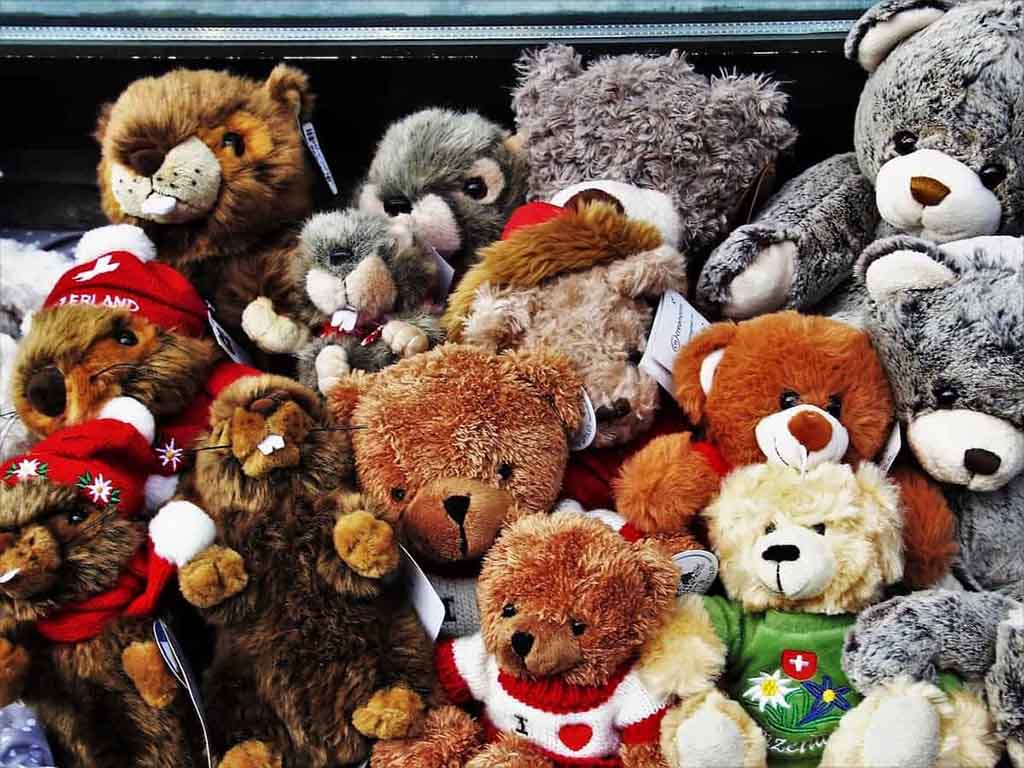
OEM plush manufacturing gives global brands a clear cost advantage because it is built around standardized processes, shared resources, and scalable production systems. Instead of developing unique infrastructure for every product, OEM factories optimize materials, labor, and workflows across multiple clients and programs. This allows brands to benefit from economies of scale without carrying fixed manufacturing costs.
Cost control is not only about low unit price. OEM partners help brands manage cost predictability across sampling, tooling, testing, and mass production. By using proven materials, existing supply chains, and repeatable production lines, OEM manufacturers reduce cost volatility—an important factor for global merchandising programs with long planning cycles.
Scalability is equally important. Global brands often start with pilot launches and then scale quickly across regions. OEM plush factories are designed to handle volume shifts without compromising delivery schedules or quality standards. This flexibility allows brands to respond to market demand without redesigning their supply chain.
| Cost & Scale Factor | OEM Advantage | Brand Benefit |
|---|---|---|
| Unit cost control | Shared production resources | Predictable pricing |
| Volume scalability | Multi-line production capacity | Faster global rollout |
| Cost forecasting | Stable material sourcing | Budget accuracy |
| Fixed cost avoidance | No in-house factory | Lower financial risk |
How Customization Flexibility Makes OEM Plush Ideal for Brand Merchandising Programs
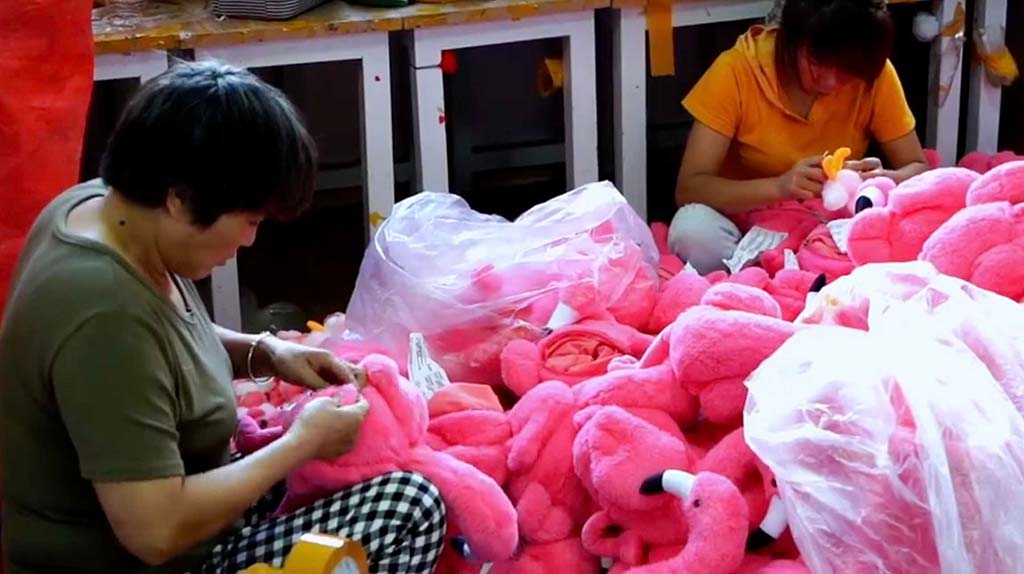
Plush merchandising is effective only when the product clearly reflects the brand. OEM plush manufacturers are built to support deep customization, allowing brands to control character design, proportions, materials, colors, embroidery, accessories, and packaging without sacrificing production efficiency.
Customization in OEM settings is modular rather than chaotic. Factories maintain base structures—pattern templates, fabric libraries, embroidery standards—that can be adjusted to match brand requirements. This allows brands to achieve differentiation while keeping production manageable and repeatable.
For merchandising programs, flexibility also means adaptability across channels. The same plush design can be customized into different sizes, trims, or packaging formats for retail, e-commerce, events, or promotions. OEM partners enable this without rebuilding the product from scratch.
| Customization Area | OEM Capability | Merchandising Impact |
|---|---|---|
| Character accuracy | Advanced pattern making | Strong brand recognition |
| Material selection | Wide certified options | Brand positioning alignment |
| Size & format | Multi-size development | Channel-specific SKUs |
| Packaging | Custom retail-ready solutions | Merchandising consistency |
Why OEM Partners Enable Faster Product Development and Market Response
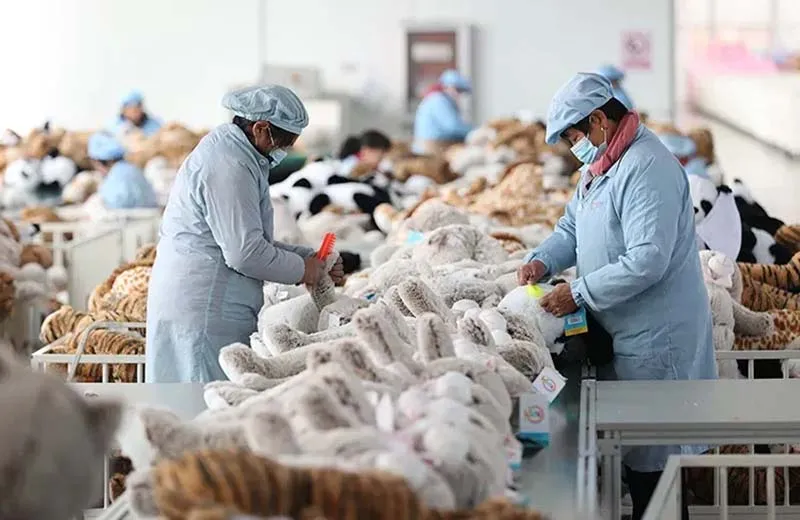
Speed matters in merchandising. Trends shift quickly, campaigns have fixed launch dates, and delays can erase market opportunities. OEM plush manufacturers streamline development by using existing technical frameworks and experienced sampling teams.
Instead of starting from zero, OEM partners adapt proven construction methods to new designs. Pattern makers understand how to translate 2D artwork into plush structures efficiently, reducing trial-and-error cycles. Sampling timelines are shorter, and revisions are more targeted.
OEM speed also comes from internal coordination. Design, sourcing, sampling, and production teams work under one system, which reduces communication gaps. This is critical when brands need to respond quickly to seasonal demand, influencer collaborations, or licensing opportunities.
| Development Stage | OEM Efficiency | Brand Advantage |
|---|---|---|
| Sampling | Experienced plush engineers | Faster approvals |
| Revisions | Structured feedback loops | Reduced delays |
| Material sourcing | In-house supply networks | Shorter lead times |
| Production ramp-up | Ready production lines | On-time launches |
How Quality Control and Compliance Standards Support Global Brand Requirements
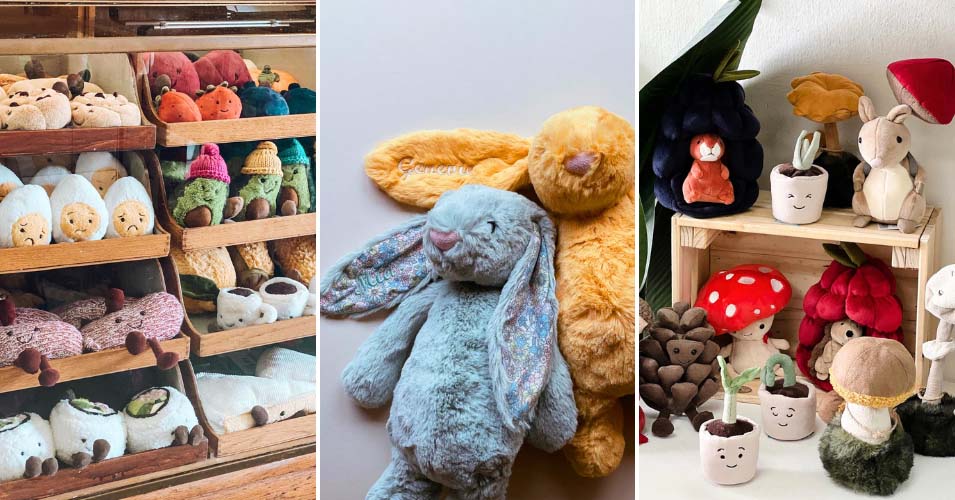
Global brands operate across markets with different safety and compliance standards. OEM plush manufacturers are equipped to manage this complexity by integrating quality control systems and compliance testing into daily operations.
OEM factories typically follow layered QC processes—from incoming material inspection to in-line checks and final audits. This reduces defect rates and ensures consistency across large production volumes. More importantly, OEM partners understand international toy safety regulations such as ASTM F963, EN71, CPSIA, and REACH.
By working with OEM manufacturers, brands avoid fragmented compliance management. Testing coordination, documentation preparation, and corrective actions are handled systematically, reducing regulatory risk and protecting brand reputation.
| Quality & Compliance Area | OEM Strength | Brand Protection |
|---|---|---|
| In-line QC | Multi-stage inspections | Stable product quality |
| Safety standards | Familiarity with global rules | Market access assurance |
| Testing coordination | Third-party lab experience | Compliance efficiency |
| Documentation | Standardized reports | Audit readiness |
Why OEM Plush Manufacturers Provide End-to-End Support Beyond Production
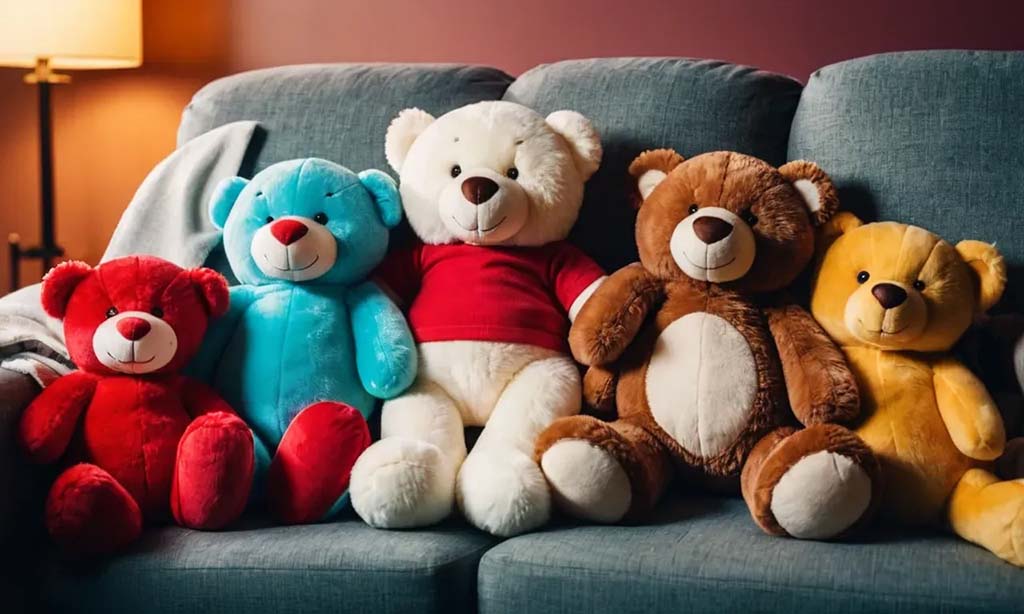
OEM plush manufacturing extends far beyond sewing and stuffing. Strong OEM partners support brands throughout the entire merchandising lifecycle, from early concept validation to post-production logistics.
This includes material consultation, cost engineering, packaging development, testing coordination, and export documentation. OEM factories also advise brands on how design decisions affect cost, durability, and compliance—helping avoid expensive mistakes later.
For merchandising programs, this end-to-end support is critical. Plush products often involve tight deadlines and cross-functional coordination. OEM partners act as operational extensions of the brand team, reducing internal workload and improving execution reliability.
| Support Area | OEM Role | Brand Value |
|---|---|---|
| Design feasibility | Early technical input | Fewer redesigns |
| Cost engineering | Material & process advice | Margin protection |
| Packaging & logistics | Export-ready solutions | Smoother delivery |
| Post-production | Issue resolution support | Risk reduction |
How Long-Term OEM Partnerships Strengthen Brand Consistency and Merchandising Strategy
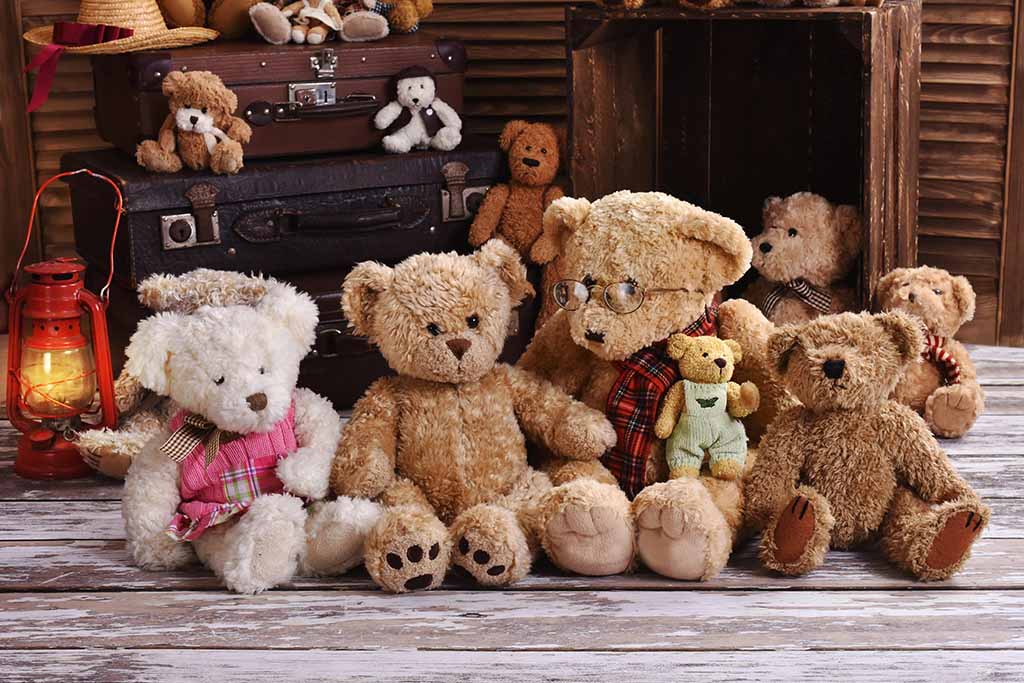
The strongest merchandising programs are built on long-term OEM partnerships, not transactional sourcing. Over time, OEM manufacturers gain deep understanding of a brand’s visual language, quality expectations, and approval standards.
This familiarity leads to better consistency across collections. Facial expressions, fabric hand-feel, stitching quality, and packaging details remain aligned even as new designs are introduced. For global brands, this consistency is essential for maintaining trust across regions and channels.
Long-term partnerships also improve efficiency. Sampling becomes faster, communication smoother, and risk lower. OEM partners can proactively suggest improvements, anticipate challenges, and support strategic planning rather than just executing orders.
| Partnership Value | OEM Contribution | Strategic Impact |
|---|---|---|
| Brand consistency | Knowledge retention | Strong identity |
| Operational efficiency | Reduced onboarding | Faster execution |
| Strategic input | Proactive suggestions | Better product planning |
| Risk management | Shared accountability | Long-term stability |
Conclusion
Global brands choose OEM plush manufacturers because they deliver more than production. They provide cost control, customization depth, speed, compliance assurance, and long-term consistency—making plush merchandising scalable, reliable, and strategically powerful across global markets.
📧 Contact: [email protected]
🌐 Visit: https://kinwintoys.com