Negotiating with a plush toy manufacturer is about far more than chasing lower prices. It requires strategy, preparation, relationship building, and a deep understanding of how factories operate. When done correctly, negotiation is not a one-time conversation—it becomes an ongoing partnership that improves cost stability, production speed, and product quality over time.
This guide breaks down the essential elements buyers need to negotiate effectively, strengthen their position, and secure long-term win-win agreements with reliable plush toy manufacturers.
What Pre-Negotiation Data Should Buyers Prepare to Strengthen Their Position?
Successful negotiation begins long before a buyer speaks with a manufacturer. Preparation gives you leverage, reduces uncertainty, and enables more structured discussions. Plush toy procurement involves many variables—materials, artwork, stitching complexity, stuffing density, embroidery areas, printing techniques, accessories, packaging, and testing—so entering negotiations without data puts you at a significant disadvantage.
Buyers should prepare detailed documentation that includes projected order quantities, target price ranges, preferred materials, competitive market benchmarks, historical defect rates, and examples of comparable products. Clear tech packs, measurement charts, and design briefs demonstrate professional readiness and show the factory you understand production realities.
Factories respond positively to well-prepared buyers because it reduces back-and-forth sampling, minimizes errors, and helps factories accurately estimate cost, labor hours, and lead time. Preparation also indicates long-term potential, making suppliers more open to favorable terms.
| Preparation Item | Why It Matters | Negotiation Impact |
|---|---|---|
| Detailed Tech Pack | Provides clarity for costing | Prevents inflated “risk-based” quotes |
| Competitor Pricing Analysis | Understands market range | Helps define realistic targets |
| Forecast & Order Plan | Shows long-term potential | Strengthens buyer leverage |
| Quality Requirements | Clarifies expectations | Avoids costly misunderstandings |
| Historical Data | Benchmark performance | Supports requests for better terms |
Prepared buyers negotiate from a position of knowledge—not guesswork.
How Do Order Volume, Forecasting, and Long-Term Potential Influence Negotiation Power?
Factories prioritize customers who are stable, predictable, and willing to scale. Order volume plays a decisive role because it influences material purchasing, labor planning, and production line allocation. Even if you start small, a supplier will offer better terms if you demonstrate credible growth potential.
Forecasting communicates future opportunities clearly. When factories know upcoming seasonal volumes, major campaign dates, or annual purchasing patterns, they can pre-book raw materials, allocate floor space, and schedule workers efficiently. This lowers the factory’s cost structure—and those savings can be passed to you through better pricing or lower MOQs.
Long-term partnerships reduce risk for manufacturers. If they trust your future business, they may offer:
- Lower sample fees
- More flexible MOQs
- Priority during peak seasons
- Better payment terms
- Discounted pricing for repeated styles
| Negotiation Lever | Supplier Expectation | Potential Buyer Benefit |
|---|---|---|
| Order Volume | Larger or stable quantities | Lower unit price |
| Forecasting | Clear seasonal planning | Faster lead times |
| Long-Term Potential | Multi-season collaboration | Better payment terms |
| Product Line Expansion | More SKU coverage | Bundle pricing advantages |
| Repeat Orders | Consistent cash flow | Reduced MOQs |
Volume is not the only factor—but it is one of the strongest drivers of negotiation power.
What Pricing Structures and Cost Breakdowns Should You Clarify Before Negotiating?
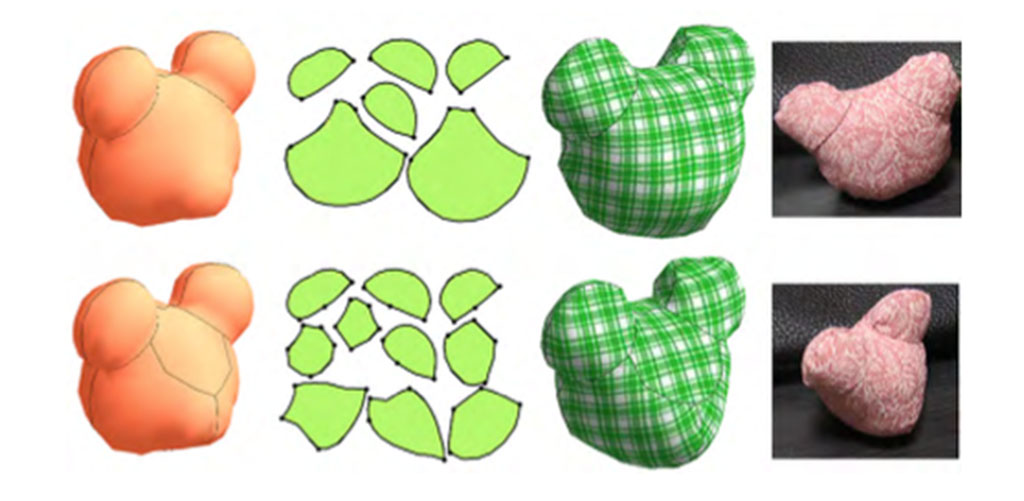
Understanding pricing structure is essential for negotiating effectively. Plush toy quotations typically include a combination of material cost, labor cost, embroidery/printing cost, stuffing amount, packaging, testing fees, and overhead. Without clarity, buyers cannot judge whether a quote is reasonable or inflated.
Always request a detailed BOM (Bill of Materials) and a clear labor breakdown. This prevents factories from hiding unnecessary markups under vague line items. It also allows you to evaluate where cost optimizations can be made without harming quality—for example, adjusting fabric pile length, simplifying embroidery, reducing accessory count, or improving yield layout.
Also clarify whether the quote includes:
- Packaging
- Testing & certification
- Shipping to port
- Inflation or seasonal surcharges
- Extra charges for rush orders
- Multi-size pricing differences
Nevet negotiate blindly; negotiate with structured cost visibility.
| Cost Component | What to Ask For | Negotiation Insight |
|---|---|---|
| Fabric Cost | Price per meter, yield consumption | Identify optimization opportunities |
| Labor Cost | Stitch time, handwork details | Reduce unnecessary complexity |
| Embroidery/Printing | Stitch count or print method | Evaluate cost vs visual value |
| Accessories | Eyes, labels, clothing cost | Detect markups |
| Packaging | Bags, tags, boxes | Compare supplier pricing |
| Testing Fees | EN71, ASTM, CPSIA | Avoid duplicate charges |
Transparent cost breakdowns make negotiations more objective and constructive.
How Can Lead Times, Payment Terms, and MOQs Be Optimized Without Sacrificing Quality?

Negotiation extends far beyond price. Lead time, payment structure, and minimum order quantity (MOQ) significantly affect your cash flow, inventory planning, and speed to market.
Factories usually set MOQs based on fabric purchasing requirements, production line efficiency, and labor planning. However, a supplier may offer lower MOQs in exchange for longer lead times, higher per-unit price, or combined batch production. Buyers should ask whether mixed SKUs, consolidated fabric orders, or shared component usage can help reduce MOQ thresholds without lowering quality.
Payment terms such as deposits, milestone payments, or 30–70 structures can also be negotiated. For strong buyers, factories may extend terms like:
- 20/80
- 30/70 after inspection
- 60-day or 90-day payment (for major retailers)
Lead times may also improve through early forecasting, raw material pre-booking, or dedicated production lines.
| Term | Negotiable Options | Buyer Benefit |
|---|---|---|
| Lead Time | Priority scheduling, pre-booking | Faster market readiness |
| MOQ | Mixed SKUs, shared fabrics | Lower inventory risk |
| Payment Terms | 30/70, extended terms | Better cash flow |
| Sample Fees | Waivers or rebates | Reduced development cost |
| Production Slots | Reserved capacity | Peak-season stability |
Optimizing these terms helps protect quality while improving financial flexibility.
What Communication Strategies Help Build Transparency and Win-Win Dialogue?
Negotiation succeeds when communication is structured, respectful, and transparent. A plush toy factory responds positively when they understand your brand values, expectations, and constraints clearly. Long-term tone and relationship dynamics influence the level of support you receive.
Effective strategies include:
- Using detailed tech packs and annotated revisions
- Providing priority lists (must-have vs nice-to-have features)
- Being upfront about deadlines and risk factors
- Asking factories to explain production challenges rather than hiding them
- Keeping communication friendly, patient, and fact-based
A blame-heavy or overly aggressive negotiation style often backfires. Factories become defensive, less cooperative, and unwilling to offer the buyer preferential treatment.
Communication should feel like partnership building, not adversarial bargaining.
| Communication Practice | Purpose | Result |
|---|---|---|
| Clear Priorities | Identify essential vs optional features | Faster agreement |
| Mutual Transparency | Share challenges honestly | Higher trust |
| Visual Feedback | Annotated images for clarity | Fewer sample errors |
| Regular Check-Ins | Weekly project updates | Prevents misalignment |
| Professional Tone | Respectful, solution-focused | Encourages flexibility |
Clear communication ensures a healthier and more cooperative negotiation process.
How Do Relationship Building and Supplier Incentives Lead to More Favorable Terms?
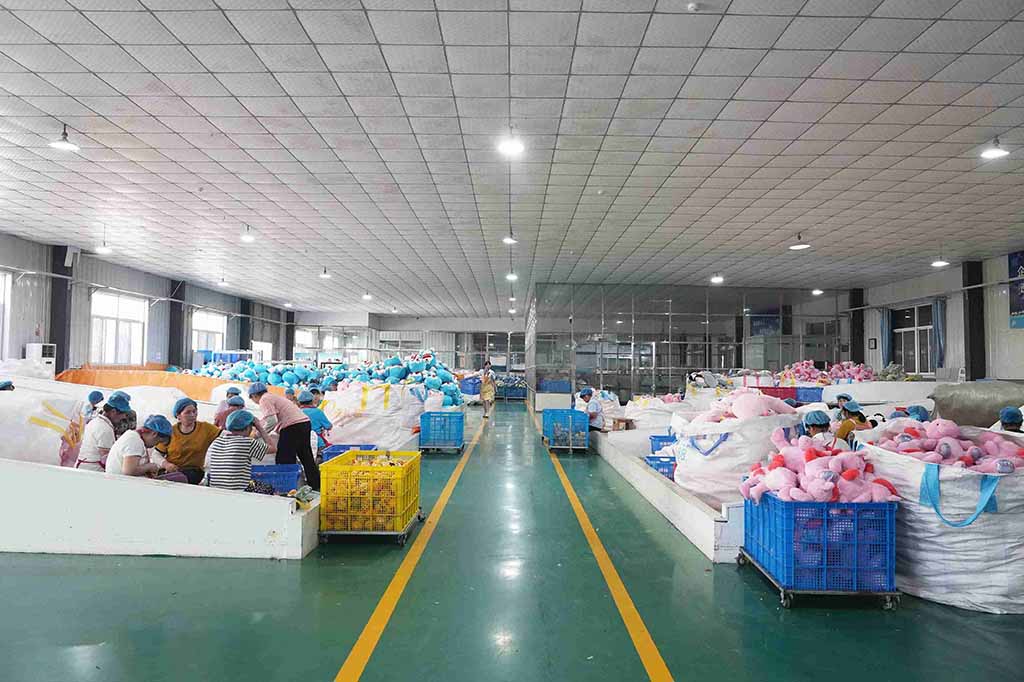
Strong buyer–supplier relationships are the ultimate negotiation advantage. When factories trust your brand’s stability and growth potential, they offer better pricing, more flexible MOQs, priority scheduling, and faster sampling. Relationship building shows the factory that supporting you is beneficial for their long-term business.
Buyers can build trust by:
- Paying on time
- Sharing real forecasts
- Providing constructive feedback
- Avoiding sudden cancellations
- Increasing volume gradually
- Visiting the factory when possible
- Featuring the factory in brand stories (with permission)
Factories appreciate partners who treat them as collaborators, not simply vendors. Small gestures—like early holiday thank-you messages or consistent professional courtesy—create goodwill that influences negotiation outcomes.
Some buyers also use structured incentives such as:
- Seasonal volume commitments
- Multi-SKU bundling
- Exclusive designs
- Loyalty agreements
These create mutual benefit and motivate factories to offer better terms in return.
| Incentive | How It Works | Supplier Response |
|---|---|---|
| Volume Commitment | Secure annual quantity | Lower unit cost |
| Long-Term Contract | Multi-year cooperation | Priority scheduling |
| SKU Bundling | Multi-style orders | Better bundled pricing |
| Payment Reliability | On-time payments | Flexible terms |
| Partnership Engagement | Regular visits & updates | Higher service level |
Strong relationships lead to more favorable terms than aggressive negotiation alone.
Conclusion
Negotiating better terms with a plush toy manufacturer requires understanding cost structures, preparing detailed data, managing forecasting, and communicating transparently. When both sides approach negotiation as a long-term partnership, buyers gain stable pricing, improved lead times, better MOQs, and consistent production quality.
Factories like Kinwin work collaboratively with global brands to build win-win sourcing strategies that deliver competitive value and long-term reliability.
📧 Contact: [email protected]
🌐 Visit: https://kinwintoys.com