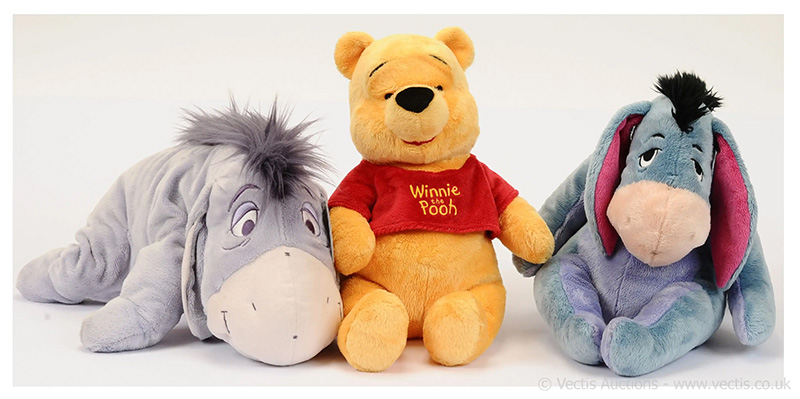
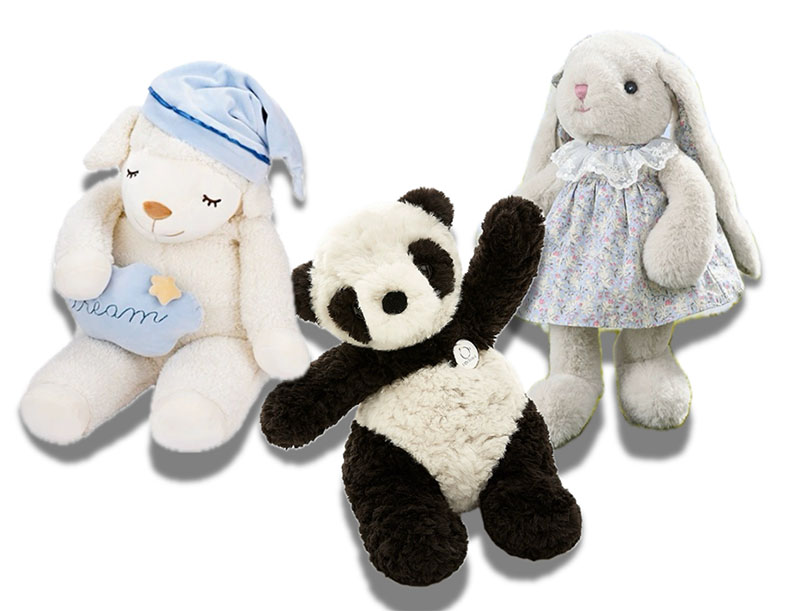
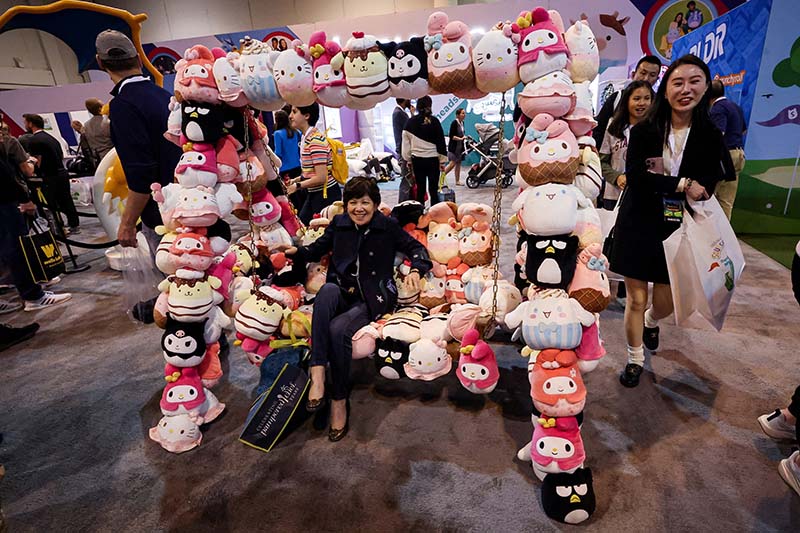
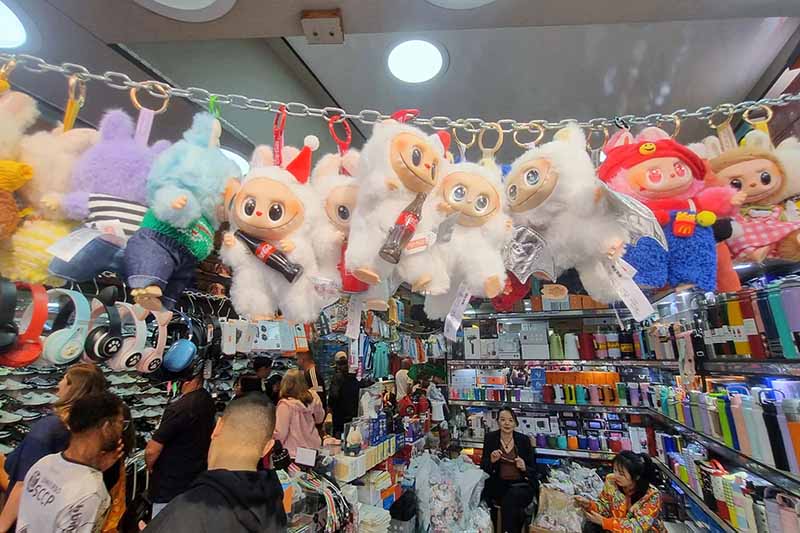
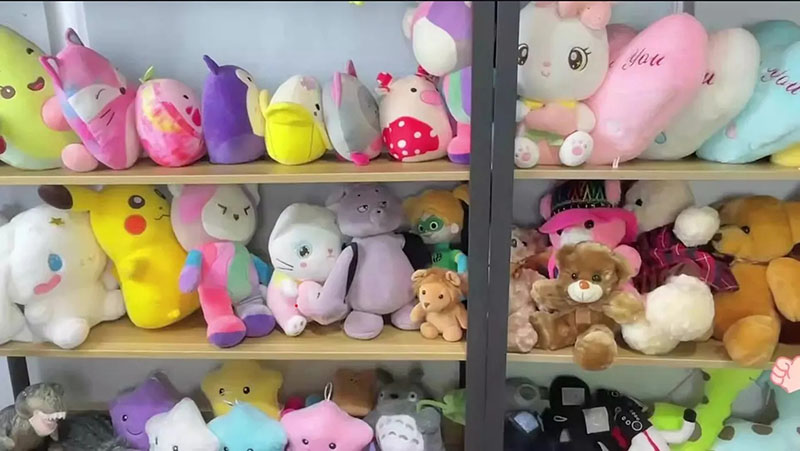
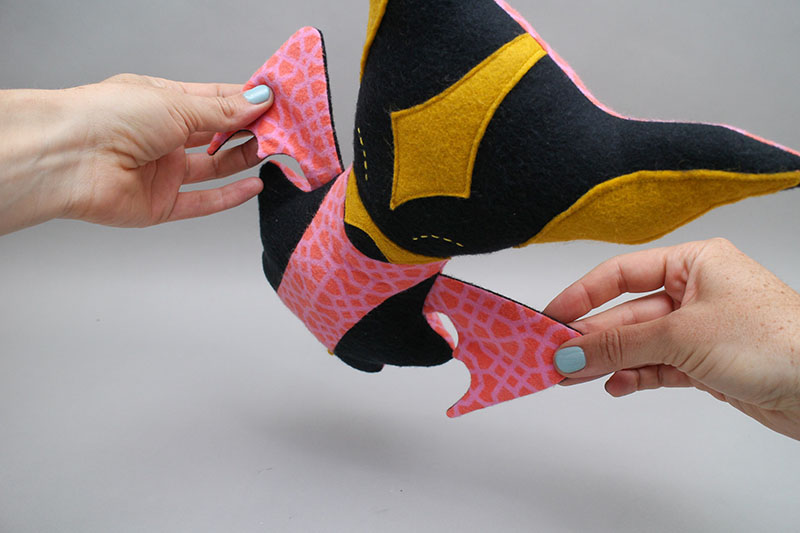
Matching stuffed animals for best friends are popular because they turn a simple plush into a shared symbol. But “matching” should feel intentional, not copy-paste. I’m Amanda from Kinwin, and in this guide I’ll explain how to design and source paired plush sets that look consistent, feel premium, and stay scalable for retail and e-commerce.
If you want a pair that sells well, focus on three things first: a clear matching concept, consistent materials and colors, and repeatable size and construction rules. The best sets feel connected at first glance, yet each plush still has its own personality. For gifting, small custom touches and good packaging often matter as much as the plush itself.
Below, I break down the design logic, material selection, customization, packaging strategy, and QC methods that help brands build best-friend plush pairs with fewer returns and stronger emotional appeal.
What design concepts make stuffed animals feel meaningfully “matching”?
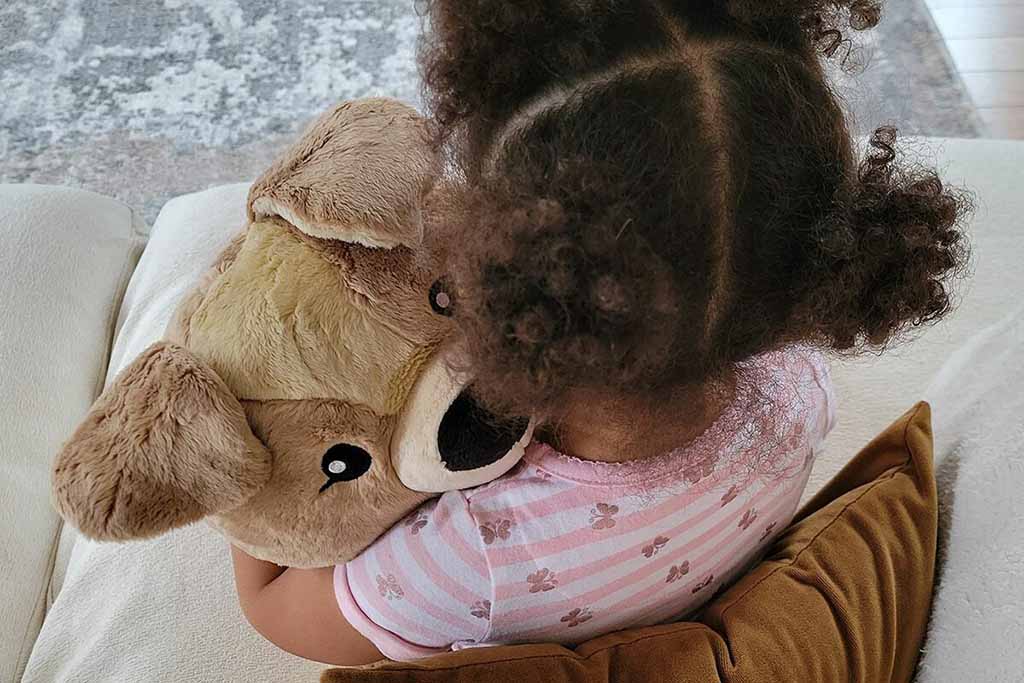
A meaningful matching pair is not only “same color, same shape.” It’s a relationship story built into design. The fastest way to make a pair feel connected is to share one strong visual language—then add one small difference that makes each plush feel like an individual.
In product development, I recommend choosing one primary matching anchor, then using two secondary anchors. This creates a set that looks coordinated in photos and on shelves, while still feeling special in hand.
Common matching anchors that work well:
- Shared character type (two bunnies, two cats, two dinosaurs)
- Shared signature feature (same heart patch, same scarf style)
- Shared expression style (same eye shape and smile style)
Good secondary anchors:
- Complementary colors (not identical)
- Mirror details (left/right “best friend” patches)
- Theme pairing (sun/moon, salt/pepper, strawberry/chocolate)
| Design anchor | How it creates “matching” | What makes it feel premium | Typical mistake | Better approach |
|---|---|---|---|---|
| Shared character base | Instant recognition as a set | Clean, consistent silhouette | Two fully identical toys | Add one clear personality difference |
| Signature shared detail | Builds a “pair story” | Looks intentional in photos | Too many shared details | Keep 1–2 strong shared points |
| Complementary theme | Emotional meaning | Gift-ready storytelling | Theme unclear to customers | Use simple icons or labels |
| Mirrored elements | “Together” feeling | Feels designed as a pair | Mirror becomes confusing | Keep mirrored details minimal |
| Matching expressions | Visual harmony | Looks cohesive in product images | Expressions mismatched | Standardize eye and mouth style |
Which plush materials and colorways work best for coordinated toy sets?
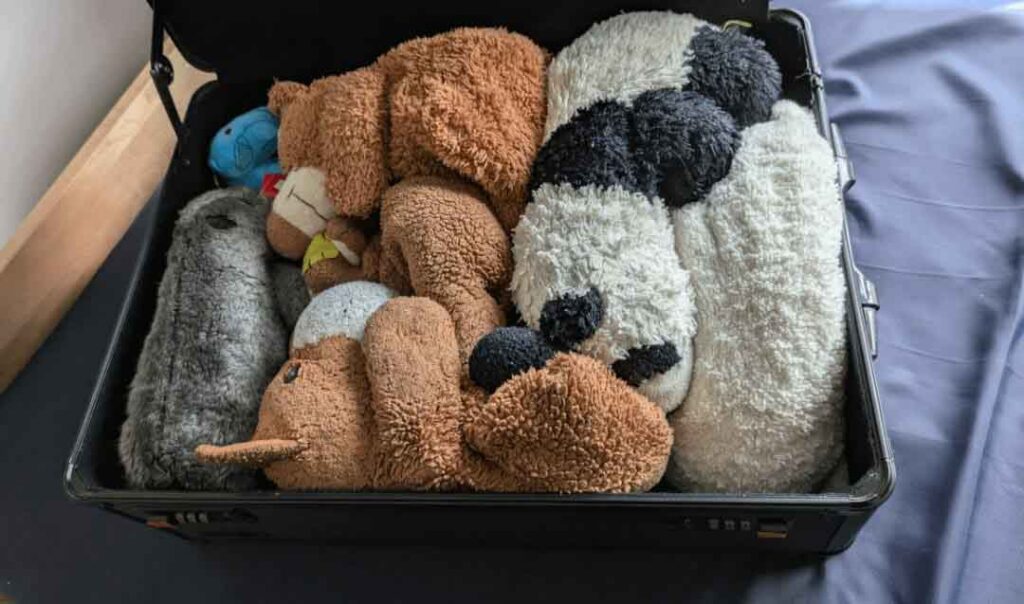
Material consistency is the foundation of a matching set. Even if your pattern is perfect, different fabric batches can change the look and feel, and customers notice it immediately when two toys sit side by side.
For coordinated plush pairs, I recommend using the same fabric type and pile direction for both toys whenever possible. If you want contrast, change colorways—not fabric behavior. In most B2B projects, stable polyester plush fabrics are preferred because they support consistent color, durability, and supply continuity.
For colorways, the best approach is to choose one “core family color” plus one accent. This makes the set coordinated without looking boring.
Examples that sell well:
- Soft neutrals + one bright accent (cream + sky blue)
- Two complementary pastels (mint + pink)
- Same base color, different accessory colors (both beige bears, different scarves)
| Material choice | Why it works for pairs | Best colorway strategy | Risk to control | My production suggestion |
|---|---|---|---|---|
| Same plush fabric (same pile) | Consistent touch and sheen | Same base, different accents | Batch shade variation | Lock fabric supplier and dye lots |
| Mixed textures (controlled) | Adds premium contrast | Neutral body + textured accessory | “Not matching” feeling | Keep texture change small (scarf, belly patch) |
| Short pile plush | Clean, modern look | Strong pastel and bright colors | Shows stitching lines more | Increase seam neatness and trimming QC |
| Long pile plush | Cozy, gift feel | Soft neutral tones | Pile direction mismatch | Standardize pile direction control |
| Printed plush panels | Strong design identity | Matching icons or patterns | Ink stability issues | Test colorfastness on key colors |
How do size, shape, and symmetry impact perceived pair consistency?
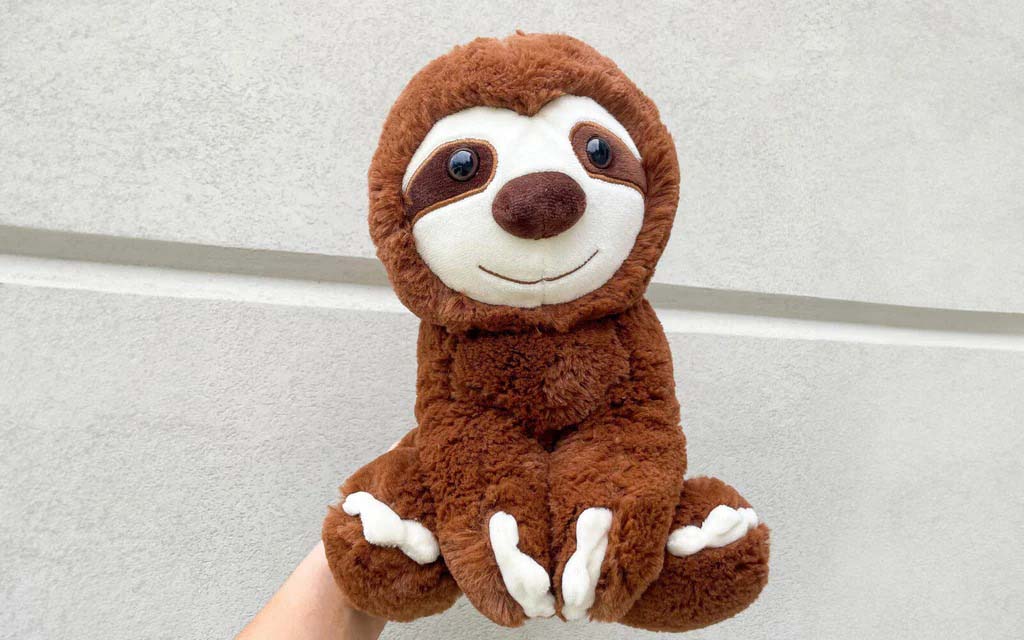
Customers judge a pair within one second. If heights look different, faces feel off, or proportions vary, the set loses trust—especially for gifts. Pair consistency is mostly controlled by size rules, pattern symmetry, and stuffing distribution.
In manufacturing, I focus on three measurable controls:
- Consistent finished height range
- Consistent head-to-body proportion
- Consistent facial placement zones (eyes, mouth, cheeks)
Even small shifts in eye position can make one plush look “cuter” and the other look “strange.” So for paired sets, facial symmetry is a priority.
| Consistency factor | What customers notice | What causes mismatch | How to control it | Benefit for brands |
|---|---|---|---|---|
| Overall size | One looks “bigger” | Cutting tolerance, stuffing weight | Size spec + stuffing weight range | Better gifting reviews |
| Body proportions | One looks “fatter” | Pattern drift, uneven stuffing | Pattern lock + zoning stuffing | More premium appearance |
| Face placement | One looks “different” | Eye/mouth placement variance | Placement template + QC photos | Stronger emotional appeal |
| Left-right symmetry | Toy looks “crooked” | Sewing tension, fabric stretch | Sewing method standardization | Lower defect rate |
| Pair alignment | Set looks inconsistent in photos | Mixed batches | Pairing rules in packing | Fewer returns |
What customization options strengthen emotional and gifting value for best friends?
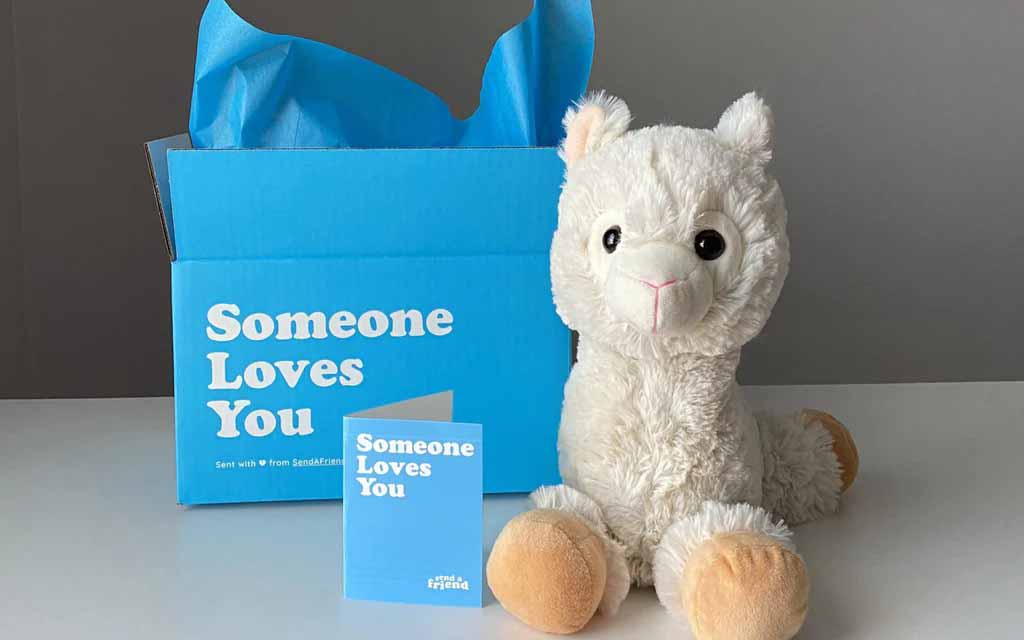
Customization is where best-friend plush sets become “personal,” and personal products get shared online. But the safest customization is also the most repeatable: it should be visible, durable, and not add high-risk small parts.
For best-friend pairs, strong customization options include:
- Embroidered names or initials
- “Best Friends” text on foot pads
- Split message design (one plush says “Best,” the other says “Friends”)
- Matching or complementary accessories (two scarves in different colors)
- Custom hang tags with a friendship message
From a B2B view, I recommend keeping customization in two layers: a standard base pair for scale, plus optional personalization for premium SKUs.
| Custom option | Emotional impact | Durability | Cost impact | Best use case |
|---|---|---|---|---|
| Name/initial embroidery | Very high | Very high | Medium | Premium gifting programs |
| Split message (“Best” / “Friends”) | High | High | Low–Medium | Retail-friendly, easy story |
| Matching accessories (scarves) | High | Medium–High | Medium | Seasonal drops and bundles |
| Photo or message hang tag | Medium–High | High | Low | Great for online gifting |
| Custom packaging insert card | High | High | Low | Boosts perceived value cheaply |
| Complex add-ons | Medium | Medium | High | Use only if necessary, increases risk |
How do packaging and presentation influence paired plush product appeal?
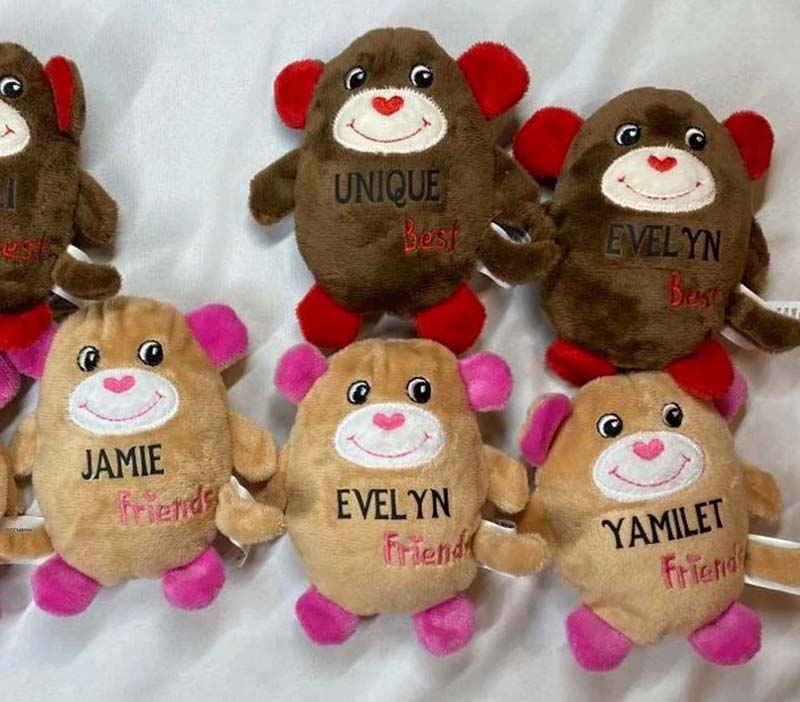
For best-friend sets, packaging is not an afterthought—it is part of the product. Many customers buy these sets as gifts, and gifting buyers want a ready-to-present experience. Good packaging can raise perceived value without changing the plush cost too much.
Packaging also solves a practical problem: it keeps pairs together and prevents mixed pairing in warehouses. For e-commerce, packaging should protect shape and avoid crushing faces during shipping.
I recommend simple, photogenic packaging solutions:
- Window gift box that shows both plush faces
- Belly band or sleeve that connects the pair
- Insert card explaining the matching story
- Clear labeling: “Pair Set” and key features
| Packaging format | Why it sells paired plush | Best for channels | Risk to control | My recommendation |
|---|---|---|---|---|
| Window gift box | Looks premium, gift-ready | Retail, gifting | Cost and shipping volume | Use for high-margin SKUs |
| Belly band / sleeve | Keeps pair together | E-commerce bundles | Less protection | Add inner support and polybag |
| Insert story card | Adds emotional meaning | All channels | Poor print quality | Use thick paper and clean design |
| Matching hang tags | Reinforces set identity | Retail | Tag detachment | Strong attachment stitching |
| Two-pack polybag + label | Cost-effective bundling | Wholesale | Lower perceived value | Improve with branded sticker and card |
How can manufacturers scale matching plush designs while maintaining quality control?
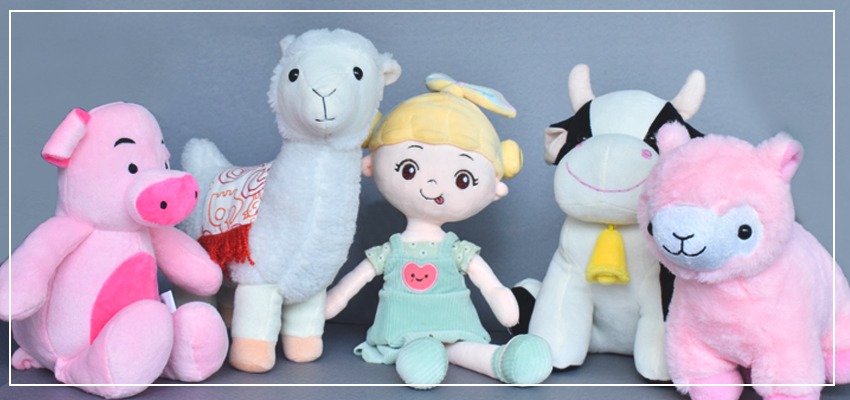
Scaling matching plush sets is about controlling variation. When customers buy a pair, they compare two units directly. That means tolerance must be tighter than single plush products. If your supplier treats pairs like regular toys, mismatch complaints will rise.
In factory production, I scale pairs using a “locked system”:
- One approved pattern set (no silent changes)
- One approved fabric and color standard
- A defined stuffing weight range for each piece
- A face placement template
- Pairing rules during packing to keep sets consistent
At Kinwin, this approach reduces mismatch defects and supports stable reorders for brands selling through Amazon, Etsy, retail chains, and gift shops.
| QC control step | What to standardize | Why it matters for pairs | How to apply it | Buyer benefit |
|---|---|---|---|---|
| Golden sample | One approved pair set | Controls “matching feel” | Photo + measurements + sign-off | Consistent reorders |
| Color standard | Fabric lot + color tolerance | Prevents shade mismatch | Lab dip or reference swatch | Strong brand look |
| Stuffing control | Weight range per plush | Prevents size difference | Weigh stuffing per unit | Fewer returns |
| Face placement control | Eye/mouth position zone | Prevents “different faces” | Placement template | Higher emotional appeal |
| Pair packing rule | Keep matched units together | Avoids mix-ups | Pair label + packing check | Better customer experience |
Conclusion
A great best-friend plush set should feel meaningfully connected, look consistently matched, and arrive gift-ready while staying safe and durable for everyday use. At Kinwin, we help global buyers develop matching plush collections with controlled materials, scalable customization, and reliable quality control. Contact me at [email protected] or visit kinwintoys.com to discuss your next project and explore how our factory can support your success.