Licensed plush toy projects are fundamentally different from generic custom plush development. They involve legal authorization, brand control, multi-party approvals, and higher reputational risk. A single misstep—missing documents, unclear approvals, or weak IP protection—can delay launches, trigger rework costs, or even violate licensing agreements.
From my experience working with licensed plush projects across entertainment, sports, and brand mascots, the success of these programs is decided before sampling even begins. Preparation is not paperwork—it is risk management, timeline control, and brand protection.
What Licensing Documents and Brand Guidelines Must Be Secured in Advance?
Before any design or sampling work begins, all licensing documentation must be formally secured and verified. This is not a formality. Factories cannot legally or practically proceed without clear authorization, because licensed projects expose manufacturers to legal liability if handled incorrectly.
At minimum, brands must secure written proof of licensing rights, scope of usage (territories, product categories), and validity periods. Equally important are brand guidelines, which define how the character may be visually represented. These guidelines often specify acceptable proportions, facial expressions, color values, logo placement, and forbidden design elements.
Without complete documentation, factories are forced to guess, which almost always leads to rejected samples and wasted time. Well-prepared brands provide a clear licensing package upfront, allowing development to move efficiently and compliantly.
| Preparation Item | Why It Matters | Risk If Missing |
|---|---|---|
| License agreement | Legal authorization | Project cannot proceed |
| Territory scope | Market limitation | Unauthorized sales risk |
| Brand guidelines | Design boundaries | Sample rejection |
| Usage duration | Time control | Contract violation |
| Approval authority | Decision clarity | Delays & disputes |
How Should Character Artwork, Turnarounds, and IP Assets Be Organized for Factories?
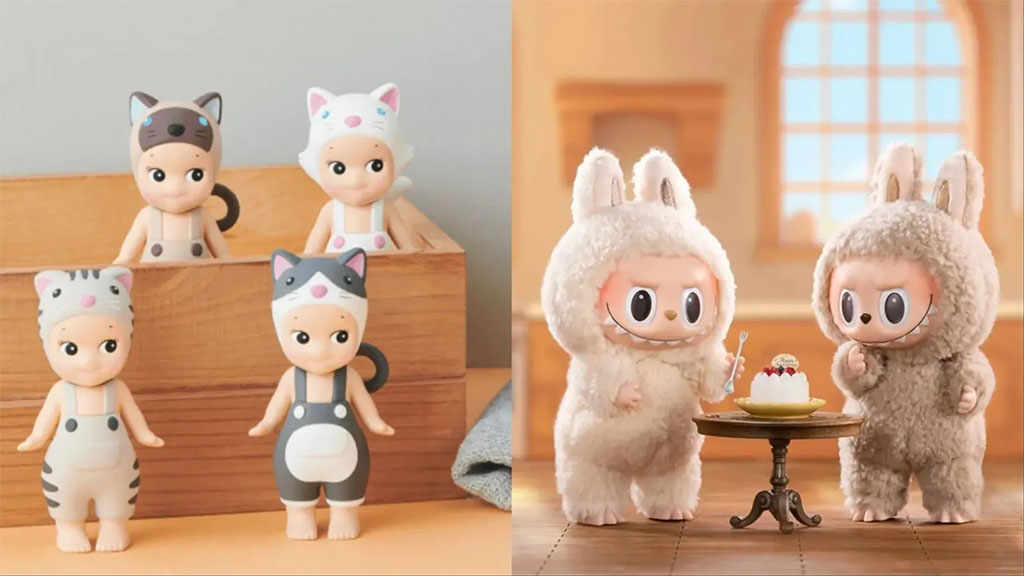
Factories cannot translate vague visuals into accurate plush toys. Licensed projects require structured, production-ready IP assets, not marketing graphics.
Essential assets include front, side, and back turnarounds, color callouts (preferably Pantone), expression references, and detail close-ups. If multiple versions of artwork exist, brands must clearly indicate which file is the master reference. Inconsistent or outdated files are one of the most common causes of low sample accuracy.
Assets should be organized into a single, clearly labeled package. Factories should never be asked to “figure it out” from scattered emails or links. When assets are clean and centralized, pattern makers can achieve far higher replication accuracy on the first sample.
| Asset Type | Factory Use | Best Practice |
|---|---|---|
| Turnarounds | Shape accuracy | Front / side / back views |
| Color references | Color matching | Pantone preferred |
| Expression guides | Face consistency | Approved emotion set |
| Detail close-ups | Construction clarity | Stitch & accessory focus |
| Master file version | Version control | One source of truth |
What Approval Processes and Stakeholders Need to Be Defined Before Development Begins?
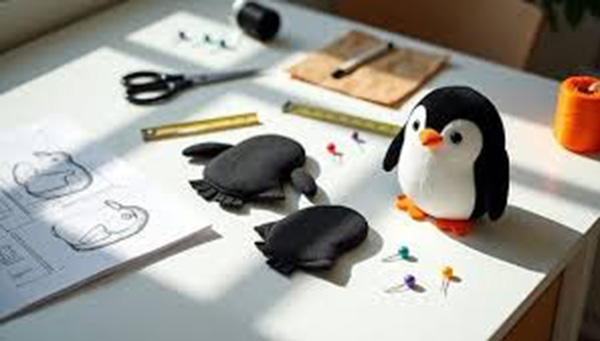
Licensed plush projects often involve multiple approval layers—brand owners, licensors, licensees, and sometimes retailers. If approval responsibility is unclear, development quickly becomes chaotic.
Before sampling starts, brands must define:
- Who approves design?
- Who approves samples?
- How many revision rounds are allowed?
- What is the response time for feedback?
Factories need one clear decision-maker, even if that person consolidates feedback from multiple stakeholders. Without this structure, conflicting feedback leads to endless revisions and missed deadlines.
Well-defined approval workflows reduce emotional friction and keep development predictable.
| Approval Element | Why It’s Critical | Common Failure |
|---|---|---|
| Final approver | Decision clarity | Conflicting feedback |
| Revision limits | Timeline control | Endless sample loops |
| Response timelines | Schedule stability | Production delays |
| Feedback format | Execution accuracy | Vague instructions |
| Escalation path | Issue resolution | Deadlock situations |
How Do Safety, Compliance, and Market-Specific Requirements Affect Licensed Projects?
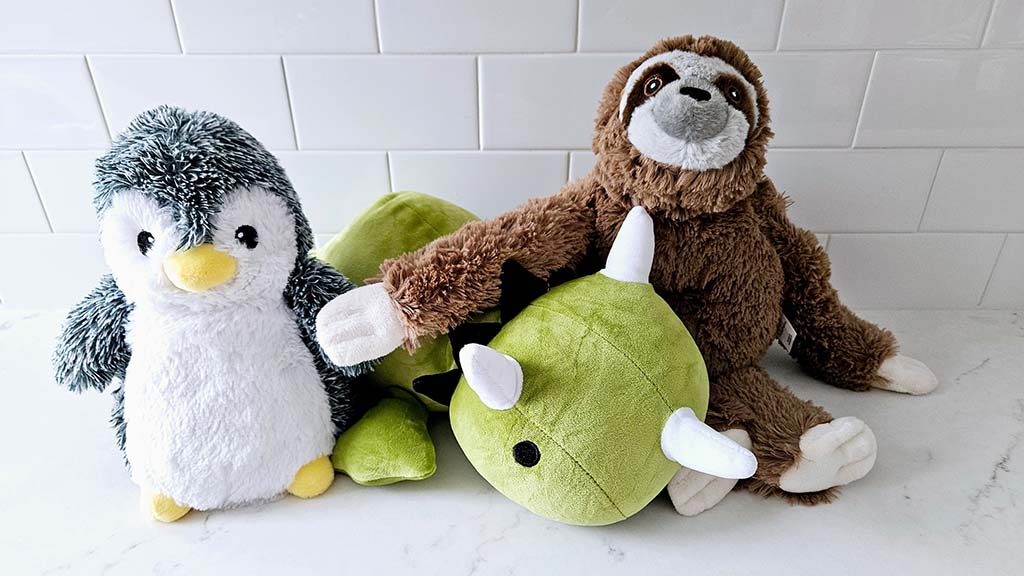
Licensed plush toys are often under higher regulatory scrutiny, especially when tied to well-known IPs. Any safety failure reflects directly on the brand and licensor.
Before development, brands must define:
- Target markets (USA, EU, Japan, etc.)
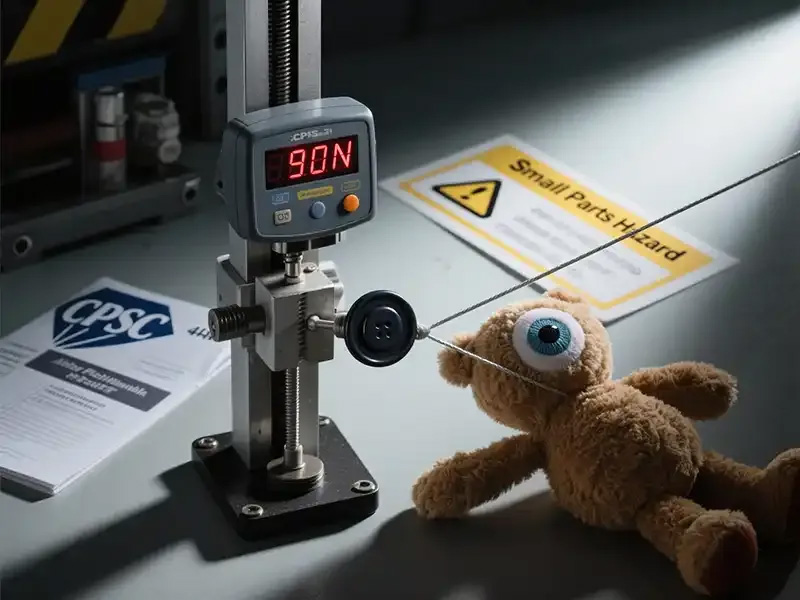
- Applicable safety standards (ASTM F963, EN71, CPSIA, etc.)
- Age grading and usage scenarios
These decisions affect material selection, construction methods, and testing scope. For example, a plush intended for under-3 use will require different eyes, seams, and fillings than a collectible plush for adults.
Early alignment prevents costly redesigns later in the process.
| Compliance Factor | Impact Area | Early Decision Needed |
|---|---|---|
| Target market | Applicable laws | Country-specific |
| Age grading | Construction rules | Under 3 vs 3+ |
| Material limits | Fabric & filling | Chemical compliance |
| Testing scope | Cost & timeline | Lab planning |
| Labeling rules | Packaging | Market accuracy |
What Production Timelines, MOQs, and Budget Frameworks Should Be Confirmed Early?
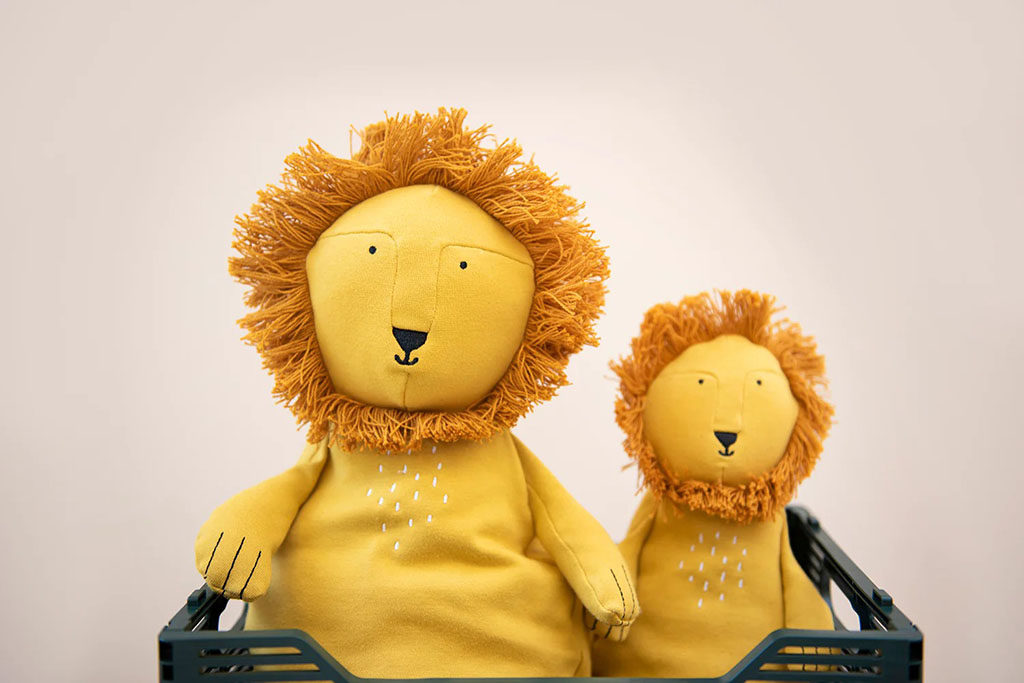
Licensed projects operate under fixed launch dates—movie releases, events, or seasonal campaigns. Missing these windows often means losing the commercial opportunity entirely.
Before sampling, brands should confirm:
- Desired launch date
- Backward timeline for sampling, testing, and production
- MOQ requirements per SKU
- Acceptable cost range
Factories can optimize production only when these parameters are known. Unclear budgets or unrealistic timelines force compromises in either quality or delivery reliability.
| Planning Element | Why It Matters | Risk If Unclear |
|---|---|---|
| Launch date | Schedule anchor | Missed market window |
| MOQ structure | Cost efficiency | Unit cost spikes |
| Budget range | Material choices | Rework cycles |
| Sample timeline | Approval flow | Production delay |
| Buffer time | Risk management | No margin for errors |
How Can IP Protection, Confidentiality, and File Security Be Ensured with Manufacturers?
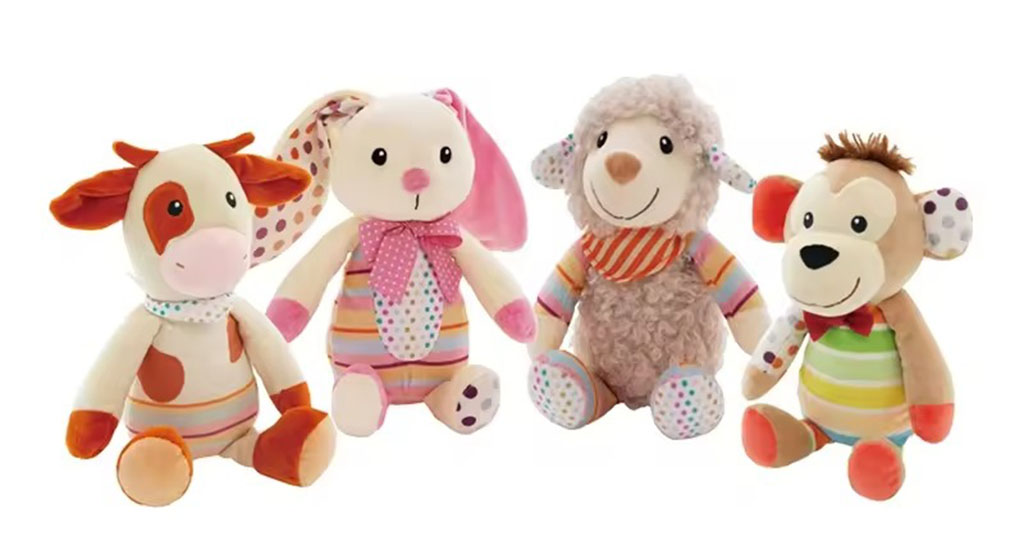
IP protection is non-negotiable in licensed plush projects. Brands must assume responsibility for protecting assets throughout the supply chain.
This starts with formal NDAs, but must extend further:
- Controlled file access
- Restricted internal sharing
- Clear rules on sample photography
- Secure storage of molds and patterns
Factories with licensed experience usually have internal IP protection protocols. Brands should verify these systems instead of assuming compliance.
| Protection Measure | Purpose | Best Practice |
|---|---|---|
| NDA agreements | Legal safeguard | Signed before sharing |
| File access control | Leak prevention | Limited recipients |
| Sample handling rules | Image security | No unauthorized photos |
| Pattern ownership | Asset control | Defined in contract |
| Audit rights | Long-term security | Periodic checks |
Conclusion
Licensed plush toy projects succeed when preparation is treated as a strategic phase, not a formality. By securing licensing documents, organizing IP assets, defining approvals, aligning compliance requirements, confirming timelines, and protecting confidential materials upfront, brands can reduce risk, improve sample accuracy, and build scalable licensed plush programs with confidence.
📧 Contact: [email protected]
🌐 Visit: https://kinwintoys.com