Producing licensed plush toys requires a far higher level of precision, compliance, confidentiality, and operational discipline than standard plush manufacturing. Whether you are working with entertainment studios, gaming brands, children’s IPs, influencers, or global franchises, the right factory must ensure accuracy, brand integrity, and legal compliance at every stage—from prototyping to mass production.
This guide explains the critical criteria for selecting a factory capable of handling licensed plush toy production professionally and securely, helping brands avoid costly mistakes and protect their valuable IP assets.
What Compliance and Certification Requirements Must Licensed Plush Manufacturers Meet?
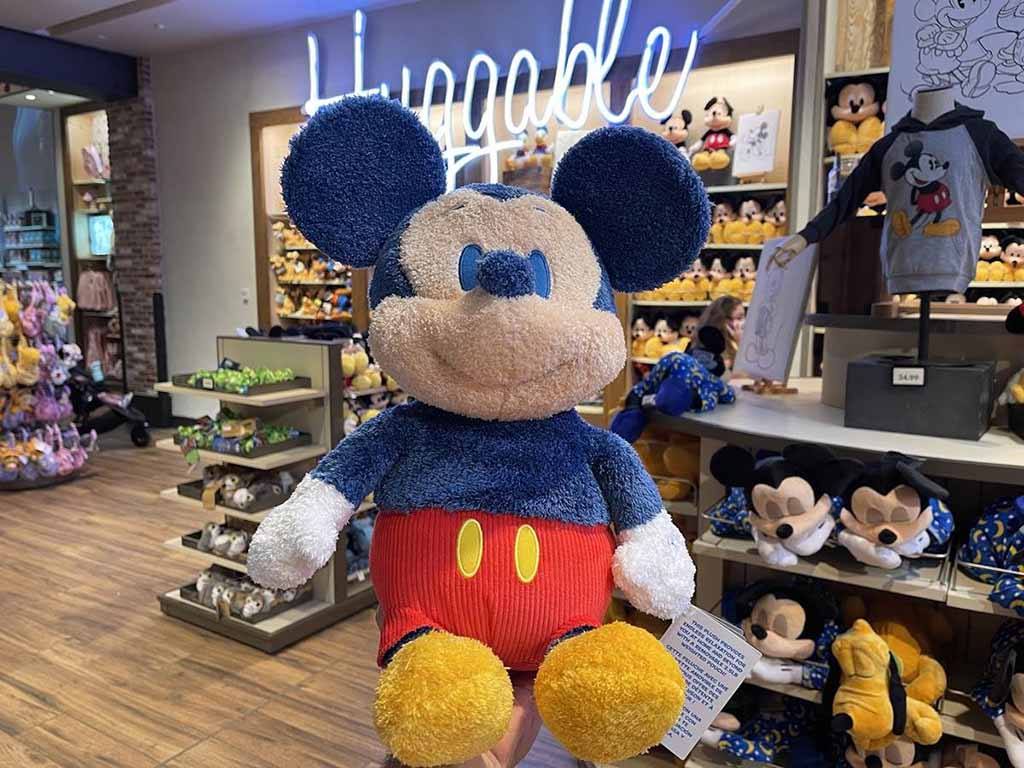
Licensed plush manufacturing is highly regulated. Unlike generic plush toys, licensed products come with strict audit requirements set by licensors, third-party testing bodies, and international safety authorities. A qualified factory must demonstrate compliance across safety, material sourcing, social responsibility, security, and environmental standards. This is non-negotiable.
In licensed projects, testing goes far beyond EN71 or ASTM. Factories must document every batch of fabric, ensure chemical compliance (phthalates, heavy metals, azo dyes), and maintain traceability so that any issue can be traced back to its origin within minutes. Many licensors—such as Disney, Marvel, Pokémon, Sanrio, Universal, and Hasbro—require specialized audits like Disney FAMA, Universal NBCU audits, or Hasbro QPS programs. Only a small percentage of plush factories can meet those requirements.
Beyond safety, many licensors require social compliance audits such as BSCI, SEDEX/SMETA, ICTI Care, or ISO certifications to ensure ethical labor practices. Environmental expectations also rise yearly, especially for brands with sustainability commitments. These audits affect whether a factory is even eligible to produce licensed products.
Working with a compliant factory protects your brand from recalls, lawsuits, penalties, and licensing violations. It also ensures that every product entering the market is safe, traceable, and manufactured under verified ethical conditions.
| Compliance Requirement | Why It Matters for Licensing | Factory Expectation |
|---|---|---|
| ASTM / EN71 / CPSIA | Ensures toys are safe for kids | Complete test reports & traceability |
| Social Compliance (BSCI, SMETA) | Protects brand reputation | Successful audit results |
| Material Testing | Prevents chemical or safety failures | Approved suppliers only |
| Security Audit | Prevent asset leaks | Controlled access & documentation |
| IP Handling Procedures | Legal protection | NDA + controlled sample rooms |
How Do Factories Demonstrate Proven Experience with IP-Based and Character-Driven Projects?
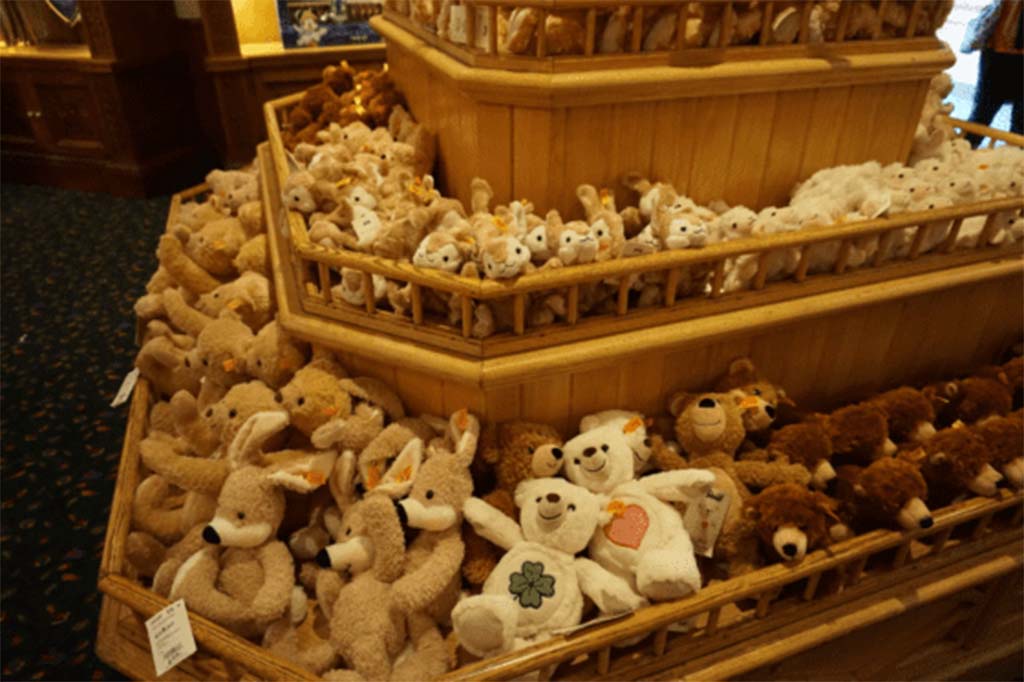
Experience is the most important differentiator between a standard plush factory and a licensed plush specialist. Licensed plush manufacturing requires the ability to interpret brand manuals, replicate key character features, and pass multi-stage approval rounds. A factory must show not only capability but a history of successfully producing IP-based projects.
Factories with licensed project experience typically maintain an internal “brand guideline library” covering embroidery rules, character proportions, fabric types, and color references for each IP they’ve worked with. Their pattern makers have experience with stylized shapes—chibi figures, gaming characters, hero mascots, fantasy creatures—and understand how to sculpt 3D plush forms that match 2D or 3D artwork.
Such factories also master the multi-stage approval workflow common in licensing:
- T1 sample
- T2 revised sample
- Pre-production sample
- Golden Sample locking
- Packaging sample
- Final audit sample
They know how to communicate necessary adjustments to clients and licensors—sometimes even proposing design modifications that preserve character identity while improving manufacturability.
Factories with licensed experience also understand the emotional weight behind character accuracy. A single difference in eye angle, embroidery thickness, or head-to-body ratio can dramatically alter brand perception. The right factory treats your character with the respect and precision it deserves.
| Experience Indicator | What It Shows | Buyer Benefit |
|---|---|---|
| Past Licensed Projects | Familiarity with IP workflows | Higher sampling accuracy |
| Skilled Pattern Team | Ability to replicate characters | Reduced revisions |
| Brand Manual Compliance | Detail control | Consistent brand representation |
| Advanced Sample Room | Professional prototyping | Faster approvals |
| Structured Revision System | T1 → T2 → Pre-Production | Efficient communication |
What Production Capabilities Ensure Accuracy in Character Replication and Brand Consistency?
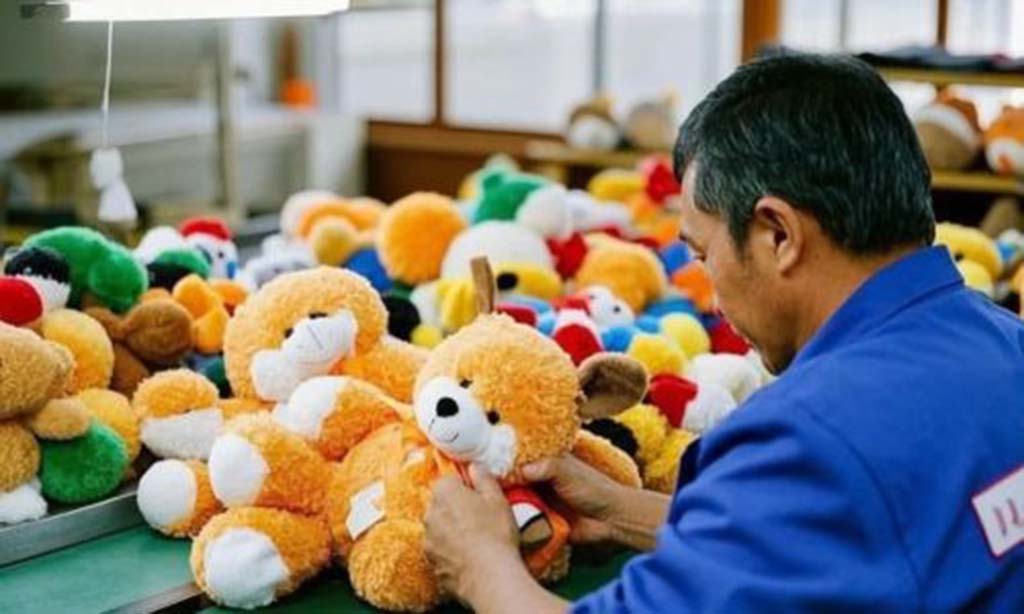
Production capability is not defined merely by machines—it is defined by experience, workflow, and cross-department coordination. Licensed plush toys demand the highest precision in character shaping, embroidery detailing, color matching, and stitching accuracy. Only factories with deep specialization can consistently achieve this.
A licensed plush factory should have:
- A dedicated sample room with expert pattern makers
- Digitally calibrated embroidery machines
- Laser-cutting tools for perfect symmetry
- Fabric color scanners to match Pantone codes
- Strict measurement and proportion tracking
- Consistency tooling for multi-part characters
- Specialized teams for plushes with clothing, props, or accessories
Accuracy does not happen by accident. It requires technical repetition and rigorous SOPs that guide every production stage.
Factories must also demonstrate the ability to replicate a Golden Sample at scale. Many factories can create a beautiful sample—but cannot recreate it accurately in bulk. Licensed producers must maintain consistency across thousands of units, ensuring no deviations in shape, softness, or character expression.
| Capability | Why It Matters | Outcome for Licensed Products |
|---|---|---|
| Advanced Pattern-Making | Accurate character shaping | Brand-faithful plush toys |
| Embroidery Precision | Detailed facial expression | True-to-character emotion |
| Color-Matching Tools | Exact Pantone matching | Visual consistency |
| Laser Cutting | Perfect symmetry | High-end finish |
| Controlled Stuffing | Uniform softness & firmness | Premium tactile experience |
How Do Quality Control Systems Protect Brand Reputation in Licensed Product Lines?
Quality control is the primary safeguard for licensed plush toys. Licensed products are scrutinized far more heavily than generic plush, and a single batch of defective products can threaten the integrity of an entire franchise.
Strong QC systems include:
- Incoming material inspection with fabric density, color, and texture checks
- In-process QC at every line checkpoint
- Embroidery alignment checks to ensure symmetrical facial expressions
- Strict stuffing calibration to maintain shape consistency
- Accessory pull testing for safety
- Final inspection with Golden Sample comparison
- AQL testing performed before shipment
- Batch traceability documentation
A licensed plush factory must have a dedicated QC manager who understands character-specific aesthetics—such as the exact shape of Pikachu’s ears, the curve of Hello Kitty’s bow, or the precise symmetry in a Sanrio mascot’s face. QC teams should be internally trained to detect character-specific errors.
| QC Stage | Check Focus | Protection Provided |
|---|---|---|
| Incoming Material Check | Fabric, stuffing, accessories | Prevents quality variation |
| Inline QC | Stitching, shape, proportion | Catches mistakes early |
| Final QC | Compare with Golden Sample | Ensures brand consistency |
| AQL Inspection | Random sampling test | Confirms batch reliability |
| Safety Testing | Physical & chemical tests | Meets licensing requirements |
What Security and Confidentiality Measures Safeguard Your Licensed Assets?
Confidentiality is critical in licensed plush manufacturing. Factories must safeguard sensitive assets such as unreleased characters, confidential artworks, color palettes, storyline-related items, and prototypes. Leaks can lead to financial penalties, contract termination, and brand damage.
A professional licensed factory must provide:
- Strict NDAs signed by management and key staff
- Secure sample rooms with employee access control
- No-photo zones for sensitive projects
- Digital file encryption and protected server storage
- No subcontracting policies
- CCTV monitoring in production and sampling areas
- Confidential disposal of rejected samples
Some factories also provide “closed production lines” reserved for licensed projects, ensuring the product cannot be photographed or accessed by unrelated teams.
| Security Measure | Purpose | Benefit to Brands |
|---|---|---|
| NDA & Legal Framework | Protect proprietary assets | Prevents leaks |
| Restricted Sample Access | Limited personnel involvement | Higher security |
| Digital File Protection | Encrypted or private servers | Avoids unauthorized access |
| No Subcontracting | Keep production in-house | Full control |
| Confidentiality Training | Educate workers | Reduces human error |
How Do Capacity, Lead Times, and Communication Practices Influence Long-Term Licensing Success?
Licensed plush projects usually follow strict launch schedules—often tied to movie premieres, game updates, holiday sales, influencer campaigns, or retail rollouts. Any delay in production or communication can disrupt retail timing and cause revenue loss.
A factory suited for licensed work must demonstrate:
- Enough capacity to handle fluctuating volumes
- Dedicated sample teams for fast turnarounds
- Ability to work under multi-stage approval pressure
- Clear project tracking systems
- Weekly update routines
- Transparency regarding risks and challenges
Licensed manufacturing requires seamless coordination. A factory that communicates proactively about material delays, sample revisions, or production bottlenecks will help you avoid costly surprises. Strong communication also ensures licensors can approve artwork, samples, and packaging on time.
| Operational Factor | What to Look For | Why It Matters |
|---|---|---|
| Production Capacity | Multiple lines, ability to scale | Supports big launches |
| Lead Time Reliability | Predictable timelines | Aligns with marketing cycles |
| Fast Sampling | Efficient revision rounds | Meets tight approval windows |
| PM Communication | Clear, responsive updates | Prevents misalignment |
| Risk Reporting | Early warnings of issues | Avoids last-minute crises |
Conclusion
Choosing the right factory for licensed plush toy production is essential for maintaining brand integrity, character accuracy, compliance, and product security. A qualified partner brings technical mastery, strict QC systems, and robust confidentiality procedures—ensuring every plush aligns with brand expectations and licensing requirements.
Factories like Kinwin specialize in secure, accurate, compliance-driven licensed plush manufacturing, providing brands with the professionalism and reliability needed to succeed globally.
📧 Contact: [email protected]
🌐 Visit: https://kinwintoys.com