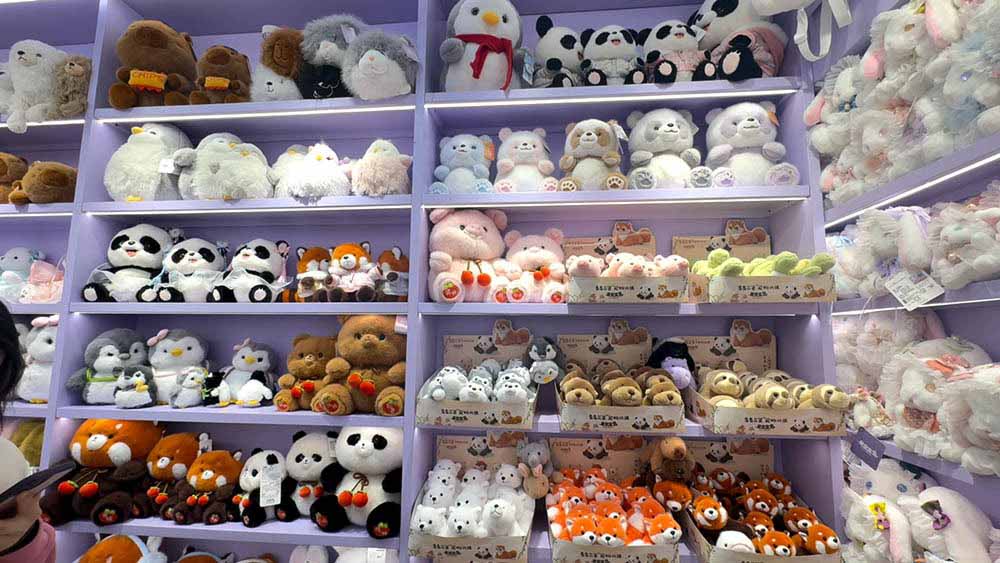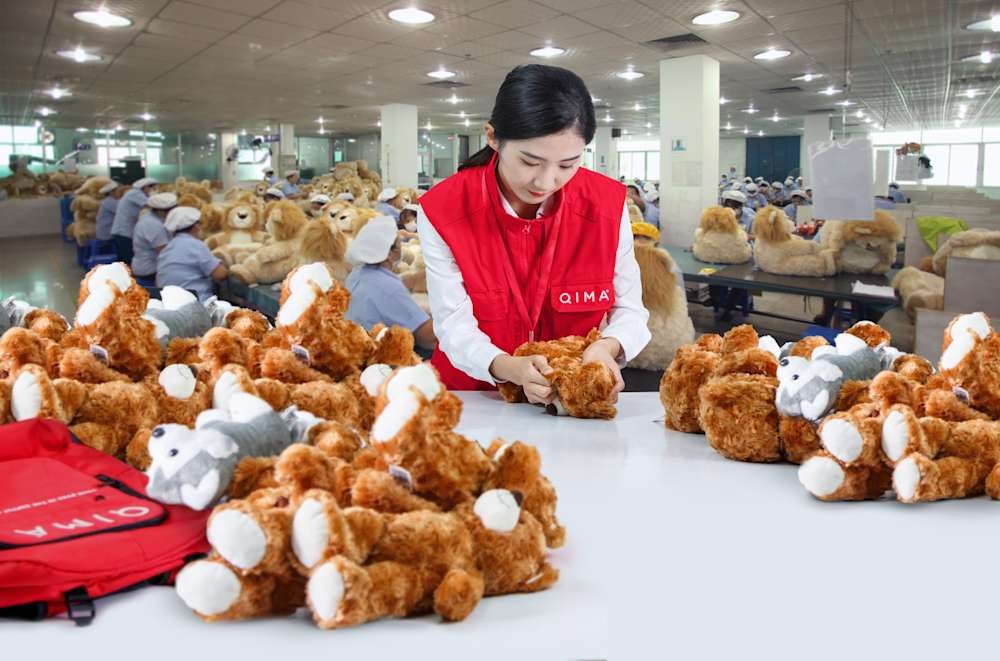
I’m Amanda from Kinwin in China. I help brands choose plush fabrics and build specs that feel right in hand, pass tests, and stay soft after months of use. People ask me all the time: “Is plush hard or soft?” The truth is: plush is a system. Softness—or firmness—comes from pile parameters, fill choice and density, construction details, test outcomes, use-case targets, and care habits. Below is a practical, factory-level guide in clear English so your sourcing, QC, and e-commerce teams can move fast and confidently.
What material and pile parameters (GSM, pile height, denier, fiber blend) determine plush softness versus firmness?
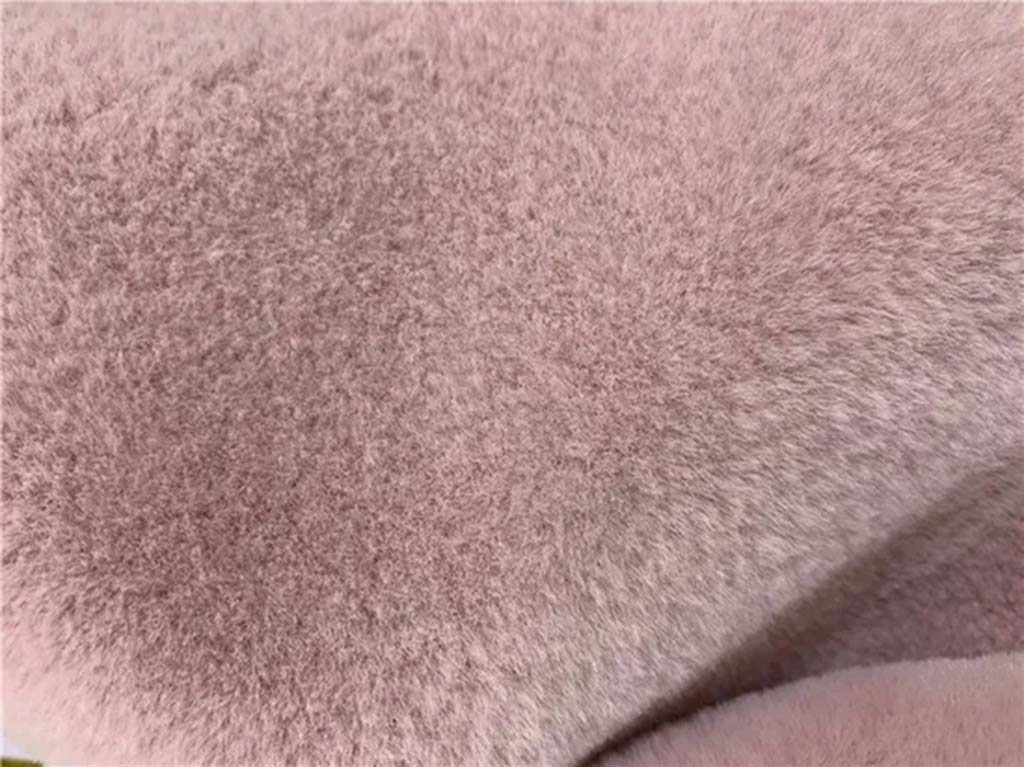
Softness starts at the surface. The pile is the touchpoint that tells the brain “soft” before your fingers even squeeze. Four variables control that first impression:
- GSM (fabric weight): Higher GSM usually means denser face and deeper cushion. It looks richer on camera but adds cost and freight weight.
- Pile height: Short pile (≈1–3 mm) reads silky and tidy; longer pile (≥4–12 mm) reads fluffy. Very long pile feels airy on top but may compress to a firmer base if the backing is stiff.
- Fiber denier & pile density: Finer denier and higher stitch density feel buttery and recover better after a squeeze.
- Fiber blend: Polyester dominates for washability and stable softness. Acrylic/modacrylic imitate animal fur (plusher look with firm base). Mohair gives heritage “spring” with boutique care.
Also check the backing. A stable warp-knit backing prevents laddering, but if it’s too rigid, the toy can feel firm under the fur. Good plush balances soft face with supportive but not rigid backing.
Table 1 — Pile & Material Settings That Drive Softness
| Parameter | Softer end | Firmer end | Notes |
|---|---|---|---|
| GSM | 220–280 GSM | 180–210 GSM (thinner hand) or 300+ (heavier, can feel dense) | Tune by SKU size |
| Pile height | 2–3 mm (silky) or 6–8 mm (fluffy) | 1–2 mm (crisp) or 10–12 mm (fluffy cap, firm base) | Trim around faces |
| Denier & density | Fine denier, high stitch density | Coarser denier, low density | Impacts shine and recovery |
| Fiber blend | Polyester (soft + washable) | Acrylic/mohair feel fuller/“springy” | Match to care claims |
| Backing | Flexible warp-knit | Stiff knit/woven base | Stiff = firmer squeeze feel |
How do filling systems (polyfiber, rPET, foam, PP pellets) and packing density affect perceived handfeel and resilience?
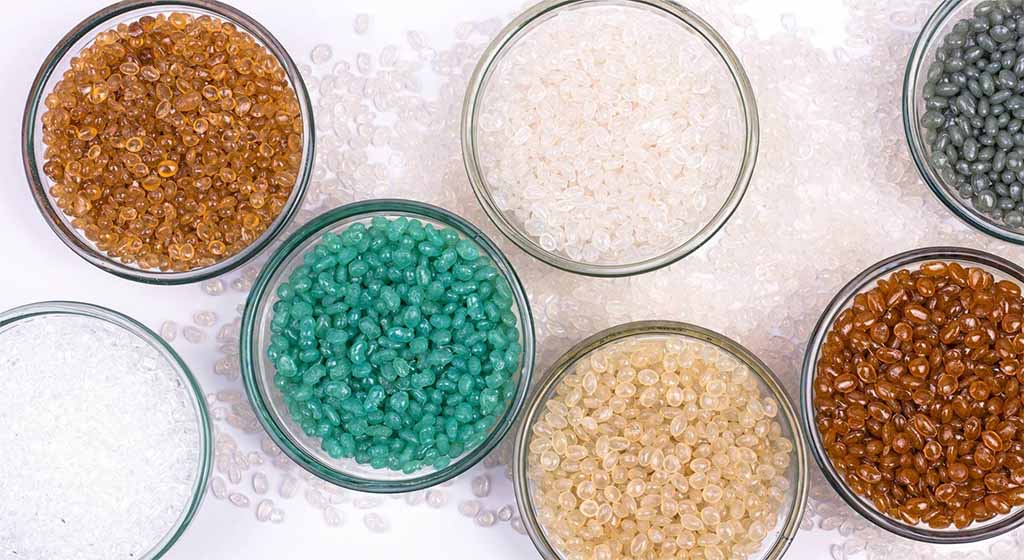
Surface can be soft but the squeeze feel is decided by the fill. Think of fill as the core cushion:
- Hollow polyester fiberfill: Classic “cloud” squeeze, light, quick rebound, easy wash.
- Solid fiberfill (less hollow): Holds shape better in faces and long limbs; feels slightly firmer.
- rPET fiberfill: Feels like standard poly if fiber quality is good; bring certificates if you claim recycled.
- Foam / memory foam inserts: Supportive, slow-recovery squeeze for cushions; not ideal for infant plush unless fully encapsulated and tested.
- PP/TPE pellets: Add weight and grounded feel. Without pouches, pellets migrate; with double inner pouches, they give stable, premium “hug weight.”
Packing density turns the dial from soft to firm. Over-stuffing a small body makes it feel board-hard; under-stuffing makes it slumpy and old fast. We specify grams per panel and sometimes add baffles to keep fill where it belongs (no cheek collapse, no lumpy snouts).
Table 2 — Fill Choices & Density: How the Squeeze Actually Feels
| Fill system | Softness feel | Recovery | Best use | Key controls |
|---|---|---|---|---|
| Hollow polyfiber | Cloud-soft | Fast | Baby, cuddle SKUs | Panel gram map; even distribution |
| Solid polyfiber | Soft-firm balance | Fast | Faces/limbs; shape retention | Mix with hollow for hybrid |
| rPET fiberfill | Like poly (if quality) | Fast | Eco lines | Lot certificates |
| Foam/Memory foam | Supportive, slow | Slow | Cushions/ergonomic | Encapsulation; spot clean |
| PP/TPE pellets | Weighted, grounded | N/A (weight) | Weighted bases/adult comfort | Double-pouch, leakage tests |
Which construction details—patterning, seam types, underlay, and quilting—change surface compression and plush recovery?
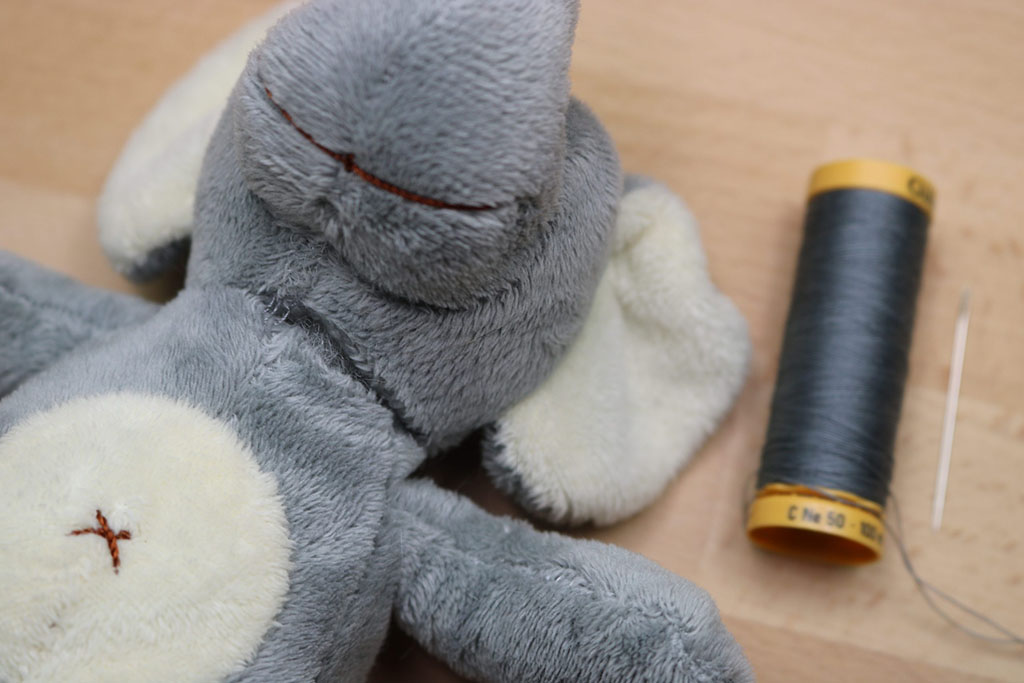
Construction can amplify or cancel your fabric and fill choices:
- Patterning: Rounder silhouettes feel softer because pressure spreads over a larger area. Sharp corners and thin limbs feel firmer.
- Seam types & SPI (stitches per inch): Over-tight seams compress edge zones and create hard ridges. We balance lockstitch/overlock with correct SPI and bar-tacks only at stress points.
- Underlay/stabilizers: Thin tricot under faces keeps embroidery crisp without turning the muzzle stiff.
- Quilting/tack points: Strategic tack stitches in big bodies prevent shifting and lumps, but too many tacks create “firm islands.”
- Trim zones (faux fur): Pre-defined muzzle/eye trims keep expressions clear while preserving fluff elsewhere.
Table 3 — Build Details That Influence Softness & Recovery
| Detail | Softer outcome | Firmer outcome | Practical tip |
|---|---|---|---|
| Silhouette | Rounded volumes | Thin limbs/sharp peaks | Add micro-baffles to round cheeks |
| SPI & seam map | Balanced SPI; minimal edge compression | Over-tight SPI; many bar-tacks | Use seam pull tests to set SPI |
| Underlay | Light tricot just under face | Full-panel stiffeners | Limit underlay to facial zone |
| Tack/quilting | Few, strategic tacks | Many tacks across body | Use baffles instead of heavy quilting |
| Trim zones | Localized face trims only | Deep trims across large areas | Keep pile depth elsewhere for softness |
How do compliance and performance tests (EN71 seam strength, ASTM stuffing integrity, pilling/abrasion) quantify “soft” vs. “firm”?
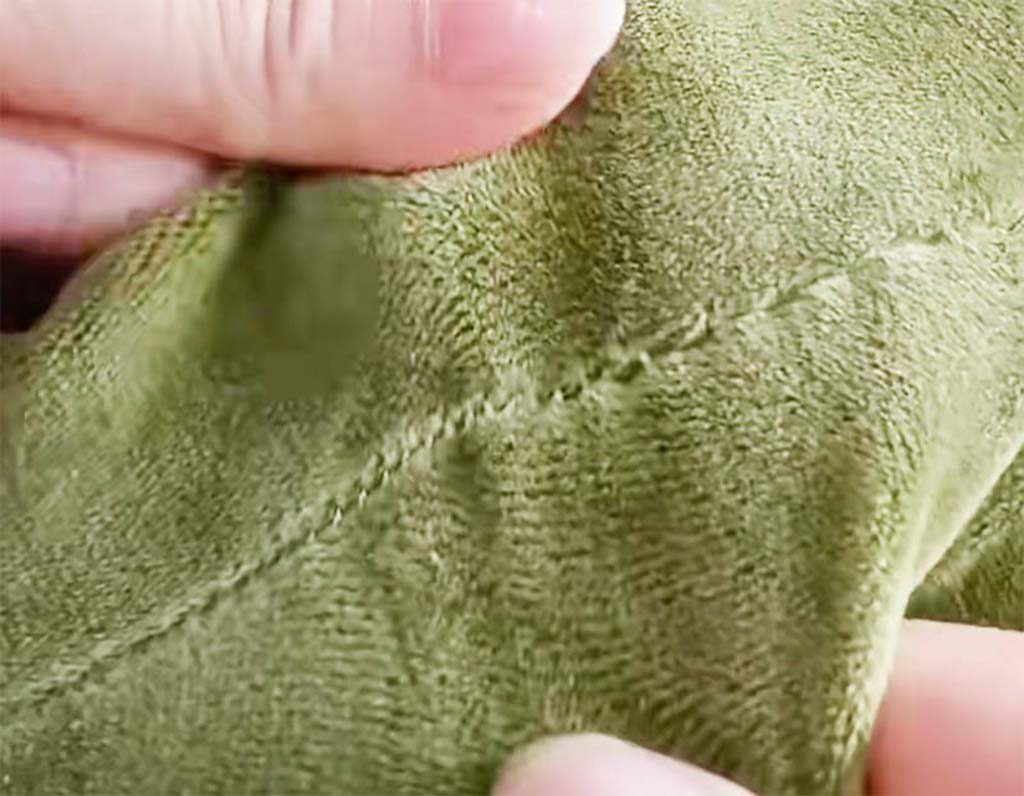
There is no single “softness score,” but tests confirm the build quality behind the feel:
- EN71-1 / ASTM F963 mechanical: Seam strength, tension on eyes/noses, and small-parts. “Soft” should not mean weak seams.
- Stuffing integrity / leakage: Ensures fiber or pellets do not escape. Weighted toys must pass pellet pouch checks.
- Pilling/abrasion (Martindale/Rub): High-pile fabrics can look rough if they pill; short pile velboa usually rates well.
- Compression set / recovery (in-house): We run 25–50% compression for a set time, then measure thickness recovery.
- Flammability: Long pile behaves differently from short pile—trim plans and finishing matter.
Table 4 — Tests & What They Tell You About a “Soft” Build
| Test | Confirms | Softness insight | Action if failing |
|---|---|---|---|
| EN71-1 / ASTM F963 seams | Structural integrity | Soft feel with strong seams | Adjust SPI, backing, thread |
| Small-parts / tension | Trim safety | Choose embroidery for 0+ | Vendor-qualify eyes/noses |
| Stuffing integrity | No leaks/lumps | Even fill at target density | Add baffles; change fill grams |
| Pilling/abrasion | Surface durability | Soft face stays tidy | Upgrade fabric grade/finish |
| Compression/recovery | Resilience after squeeze | Avoid “board-hard” stuffing | Rebalance fill; lighter underlay |
What use-case considerations (infant-safe, décor, collectible, therapeutic/weighted) drive target softness specifications?
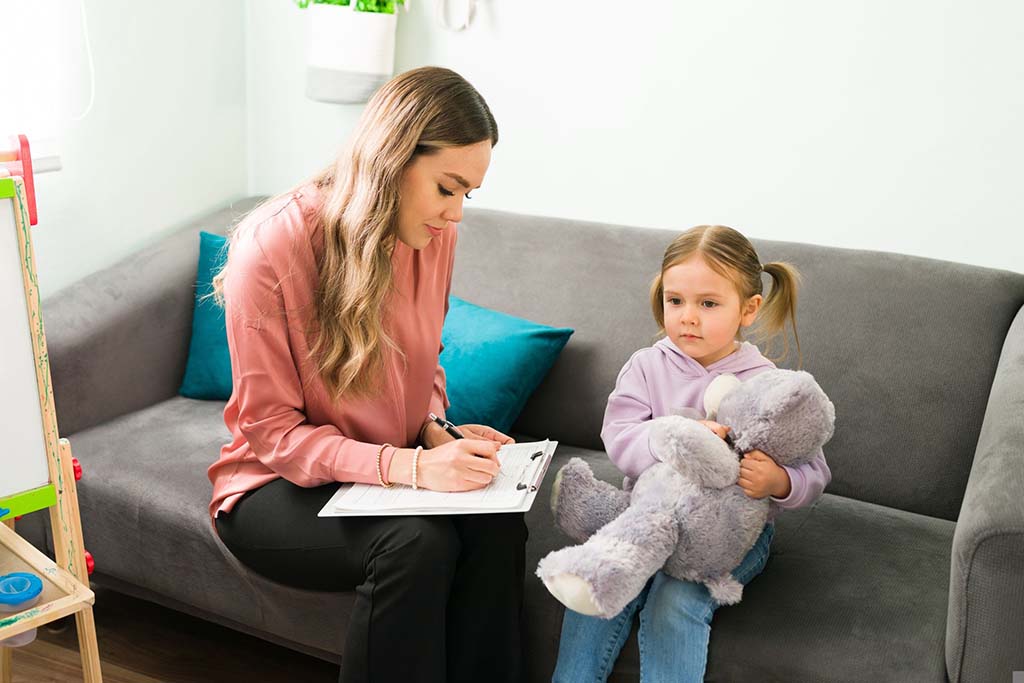
“Soft enough” is defined by who will hug it and where it will live:
- Infant-safe (0+): Short-pile minky/velboa; embroidered faces; light-to-medium fill; no pellets; gentle machine wash.
- General play (3+): Short-pile velboa or faux fur with trimmed muzzles; safety eyes/nose; medium fill; optional weighted base.
- Décor: Tonal palettes; mixed shell (faux fur body + velboa face); slightly firmer fill for shape on shelves; giftable box.
- Collectible (14+): Faux fur or mohair; poseable or couture trims; soft touch with firmer structure to hold display poses.
- Therapeutic/weighted: Soft face and grounded body; double-pouched pellets; balanced weight to avoid “stone” feeling.
Table 5 — Target Softness by Use Case (Copy-Ready Ranges)
| Use case | Shell & pile | Fill density | Weight | Notes |
|---|---|---|---|---|
| Infant 0+ | Minky/velboa, 2–3 mm pile | Light–medium | None | Embroidered face; easy wash |
| 3+ Play | Velboa/faux fur (trimmed face) | Medium | Base pellets 80–150 g | Safety eyes/nose with tests |
| Décor | Faux fur + velboa face | Medium–firm | Optional base | Holds shelf shape; gift box |
| Collectible 14+ | Faux fur/mohair | Medium–firm | Optional | Poseable; boutique care |
| Therapeutic | Short pile face + weighted body | Medium | Double-pouched pellets | Comfort copy; care card |
How do care and durability factors (wash cycles, flammability finishes, anti-pilling treatments) influence long-term softness?
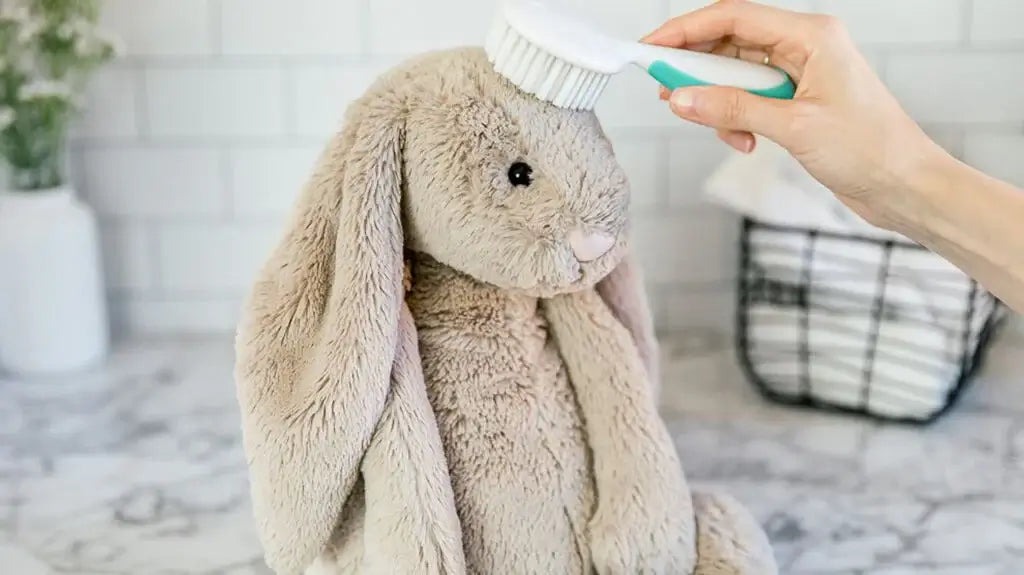
Long-term softness depends on care + finishing:
- Wash cycles: Short-pile minky/velboa tolerate gentle machine cycles well. Faux fur needs surface wash or gentle cycle plus brush-after-wash.
- Detergents & water: Harsh detergents and very hot water can flatten pile or fade dye.
- Drying: High heat can harden trims and warp pellets; air-dry or low heat is safer.
- Anti-pilling & shearing: Good finishes keep surfaces tidy; over-shearing can feel thin.
- Flammability finishes: Must be compliant; heavy treatments can change handfeel—test before approving claims.
- Storage: Dry, ventilated spaces keep plush from smelling musty; cartons must be dry before sealing.
Table 6 — Care & Finish: Protecting Softness Over Time
| Factor | Helpfulness | Risk to softness | Best practice |
|---|---|---|---|
| Gentle machine wash | High (short pile) | Low if cold/warm | Follow label; mesh bag |
| Surface wash (faux fur) | Medium | Low | Brush after dry to re-fluff |
| High heat dry | Low | Can harden trims/flatten pile | Low heat or air-dry |
| Anti-pilling finish | High | None if balanced | Approve with fabric-grade checks |
| Flammability finish | Needed for safety | Can change handfeel | Validate on actual fabric lot |
Implementation playbook (you can run this week)
- Write the feel goal in numbers: GSM, pile height, stitch density, backing type, and panel fill grams.
- Choose fill intentionally: Hollow for cloud-soft; mix with solid for face control; add double-pouched pellets for weight only where needed.
- Design for softness: Rounded silhouettes, balanced SPI, minimal tacks, light underlay only at the face.
- Prototype smart: Soft Sample #1 (silhouette) → Soft Sample #2 (face/weight) → PPS with labels and packaging.
- Test by lots: EN71/ASTM/CPSIA; stuffing integrity; pilling/abrasion; in-house compression/recovery.
- Document care honestly: Gentle machine vs surface wash; brush-after-wash note for faux fur; no off-label claims.
- Shoot clarity: Texture macro, scale-in-hand, face close-up, seated stability, and a 10–15 s squeeze video to show real softness online.
Quick RFQ snippets (paste-ready)
Baby Bunny (0+)
- Shell: minky GSM 240 ±10; pile 2.5–3.0 mm; warp-knit backing.
- Face: embroidery only; SPI per spec.
- Fill: hollow polyfiber; no pellets.
- Tests: EN71-1/2/3; ASTM F963; CPSIA; tracking label.
Weighted Fox (3+)
- Shell: velboa GSM 220 ±10; pile 2.0–2.5 mm.
- Base: PP pellets 120 g, double-pouched; leakage test plan.
- Face: embroidery + safety eyes (qualified vendor).
- Tests: EN71-1/2/3; ASTM F963; CPSIA.
Wildlife Wolf (Décor/Collectible)
- Shell: faux fur body; velboa face insert with trim mask.
- Fill: mixed hollow/solid for muzzle shape.
- Care: surface/gentle; brush-after-wash note.
Conclusion
Plush is soft by design—when you control the pile system, fill density, and construction. Short-pile minky/velboa gives silky, washable softness for kids. Faux fur brings visual drama with trimmed faces and smart care notes. Weighted builds feel grounded when double-pouched and seam-validated. Tie everything to lot-based tests and honest care labels, and that soft first impression lasts from PDP click to months of hugs. If you want help turning these targets into a sealed PPS and on-time mass run, email [email protected] or visit kinwintoys.com—my team at Kinwin can take you from brief to shelf.