Skip to content
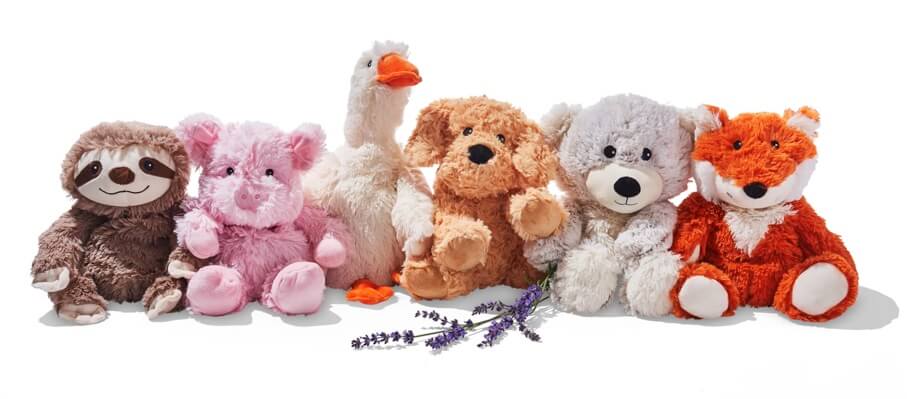
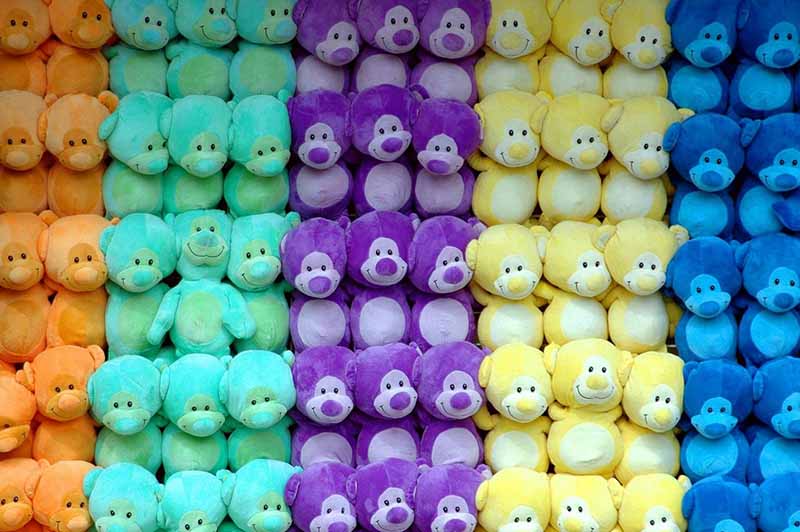
I’m Amanda from Kinwin in China. I help brands and retailers choose fabrics that feel premium, pass audits, and hold margin. When teams ask, “Is plush a good material for toys?” my answer is: yes—when the pile system, age grade, and supply chain fit your use case. Plush is not one fabric; it’s a family of pile-faced textiles (minky, velboa, faux fur, mohair) engineered for softness and visual depth. Whether plush is “good” depends on measurable properties (pile height, GSM, denier, density), knit or woven construction, safety rules, wash care, and cost/SKU strategy. Below I break this down in plain language so your sourcing, QC, and e-commerce teams can act immediately.
What performance properties (pile height, GSM, denier, fiber blend) determine whether plush is a “good” material for toys?
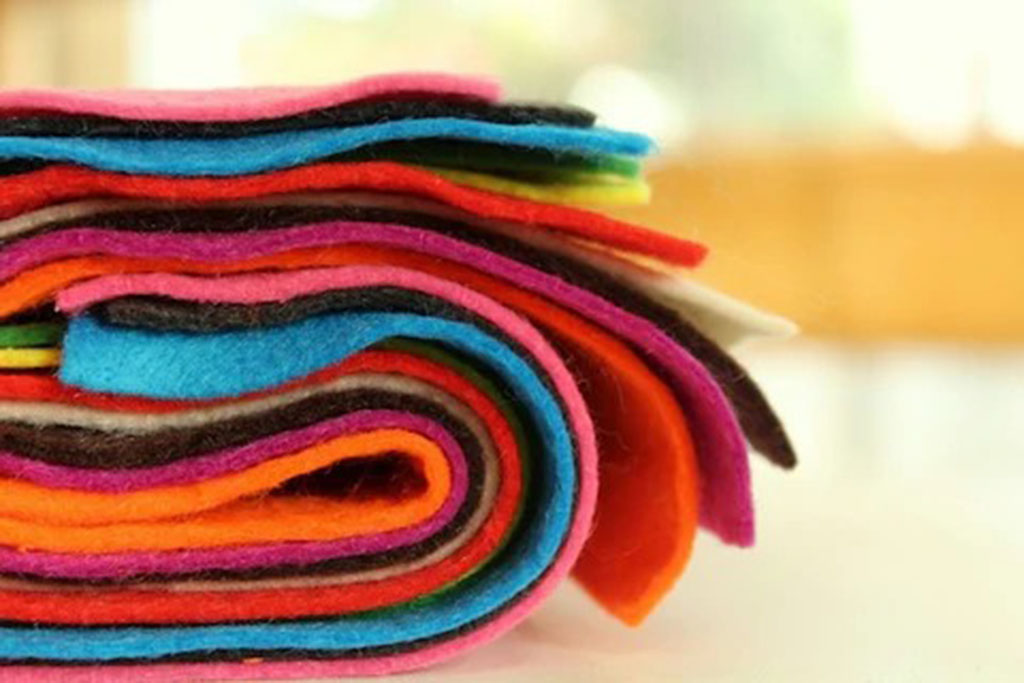
Plush quality lives in a few numbers you can write into any RFQ or tech pack. Pile height drives visual fluff and how much trimming you need around facial details. GSM (fabric weight) tells you density and drape; higher GSM often reads richer on camera but raises cost and freight. Fiber denier and stitch density decide how silky the face feels and whether embroidery looks crisp or sinks. Fiber blend (polyester, acrylic/modacrylic, mohair, alpaca) changes care, realism, and price tiers. A “good” plush for kids uses short-pile minky or velboa with stable backing so faces stay smooth after washing. For premium wildlife, faux fur with defined trim zones creates realism without muddying the eyes. For collectors, mohair adds heritage value, but you need boutique care and protective packaging.
When you benchmark fabrics, touch the face, pull on bias, and inspect the backing. If the backing ladders easily, seams may fail in production. If pile collapses and the backing shows through, the toy will look thin in photos and after squeezes. Good plush rebounds when pressed, holds embroidery lines, and keeps color after gentle washing.
Table 1 — Performance Properties That Predict “Good” Plush
| Property | What it controls | Target for kids’ plush | Target for premium/collector |
|---|---|---|---|
| Pile height | Fluff vs. face clarity | 1–3 mm (minky/velboa) | 4–12+ mm (faux fur/mohair) with trim zones |
| GSM (weight) | Heft, coverage, photo read | 200–260 GSM | 240–320+ GSM (selective) |
| Denier & stitch density | Silkiness, embroidery clarity | Fine denier, high density | Mix: finer denier at face, fuller body |
| Backing stability | Seam strength, cut cleanliness | Warp-knit with low ladder risk | Same, or woven pile with firm base |
| Fiber blend | Care, realism, cost | Polyester (washable) | Acrylic/modacrylic for fur realism; mohair for heritage |
How do plush fabric constructions (warp-knit, circular-knit, woven pile) affect durability, pilling resistance, and seam strength?
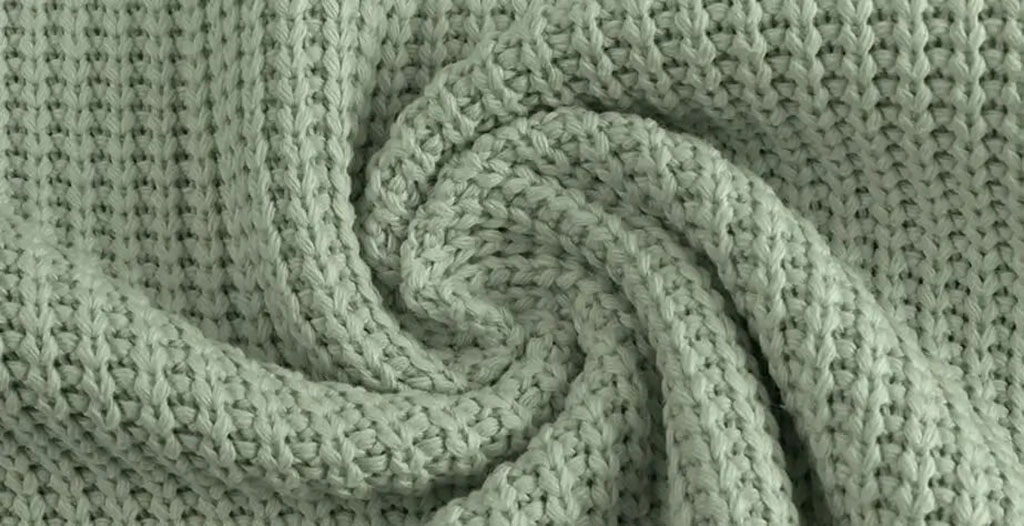
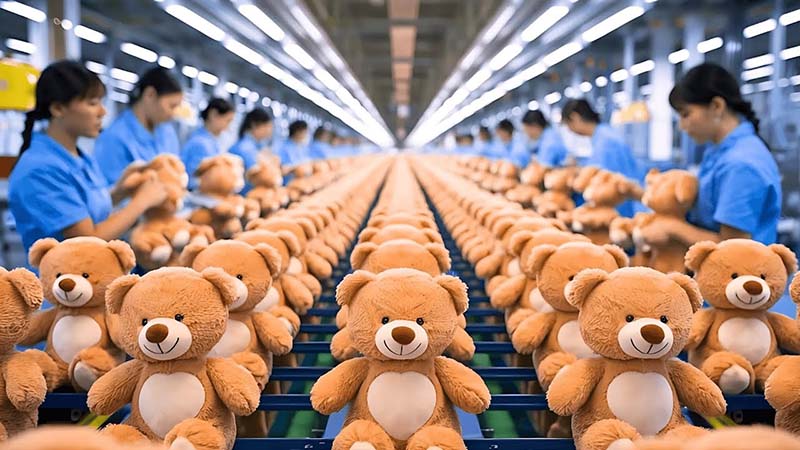
Construction defines how the fabric behaves under needles, cutters, and in the wash. Warp-knit plush (many velboa and faux furs) gives stable backings, clean cutting, and dependable seam strength; it’s the factory workhorse for toys. Circular-knit plush (some minky) feels extremely soft with elastic recovery; it’s great for baby lines but needs stitch control so seams don’t ripple. Woven pile (traditional velvet/mohair bases) offers heritage handfeel and crisp edges for boutique bears, yet requires slower sewing and experienced operators.
For pilling, short-pile velboa typically performs best because the surface is compact and less likely to catch. Faux fur resists pilling visually but can shed if the fiber or finishing is low grade. Durability is never just the face—it’s face + backing + SPI (stitches per inch) + bar-tacks. If you use weighted bases or bean fills, seam strength at stress points matters more than the raw fabric pilling score.
Table 2 — Construction Types vs. Durability & Sewing Behavior
| Construction | Feel & behavior | Strengths | Watch-outs | Best use cases |
|---|---|---|---|---|
| Warp-knit plush (velboa/faux fur) | Stable backing, clean cuts | Strong seams, low ladder risk | Trim face zones on long pile | Animals/characters, wildlife |
| Circular-knit plush (minky) | Extra-soft, elastic recovery | Baby-friendly handfeel | Control seam ripple; manage SPI | Infant plush, pillows |
| Woven pile (velvet/mohair) | Heritage texture, crisp edges | Premium look, low pilling | Slower sewing; boutique care | Collector bears, limited runs |
Which safety and compliance factors (EN71/ASTM F963/CPSIA, flammability, migration, small-parts risk) govern plush suitability by age grade?
The word plush doesn’t change the law—age grade and trims do. For children’s products you must pass mechanical/physical (seams, small parts), flammability, and chemical (heavy metals/migration) tests. In the U.S. that’s ASTM F963 + CPSIA (with CPC and tracking label). In the EU/UK it’s EN71-1/2/3 (plus REACH where relevant) and a Declaration of Conformity. For babies (0+), I design embroidered faces and avoid detachable parts. For 3+, safety eyes/noses are fine if you vendor-qualify and pass tension/small-parts tests. Weighted or bean-filled plush must use double-pouched pellets and pass leakage checks. Scented lines need IFRA-aligned fragrance handling and clear labeling.
Tie reports to actual fabric/fill lots. If you change a dye lot or trim vendor, re-test the affected components. It’s faster than fighting approvals later, and it protects sell-through if audits occur.
Table 3 — Age Grade, Risks, and Required Controls
| Age category | Common plush choice | Key risks | Controls & docs |
|---|---|---|---|
| 0+ Infant | Minky/velboa; embroidered face | Small parts, seam failure | EN71/ASTM/CPSIA; high SPI; no detachable trims |
| 3+ General play | Velboa/faux fur; safety eyes/nose | Small parts, pellet leaks | Vendor-qualified trims; double-pouch pellets; tension tests |
| 14+ Collectible | Faux fur/mohair; poseables | Magnets/wires, couture trims | Clear 14+ labeling; targeted screens; retailer policies |
How do handfeel, recovery, and wash care vary across common plush types (minky, velboa, faux fur, mohair, rPET) in real-world use?
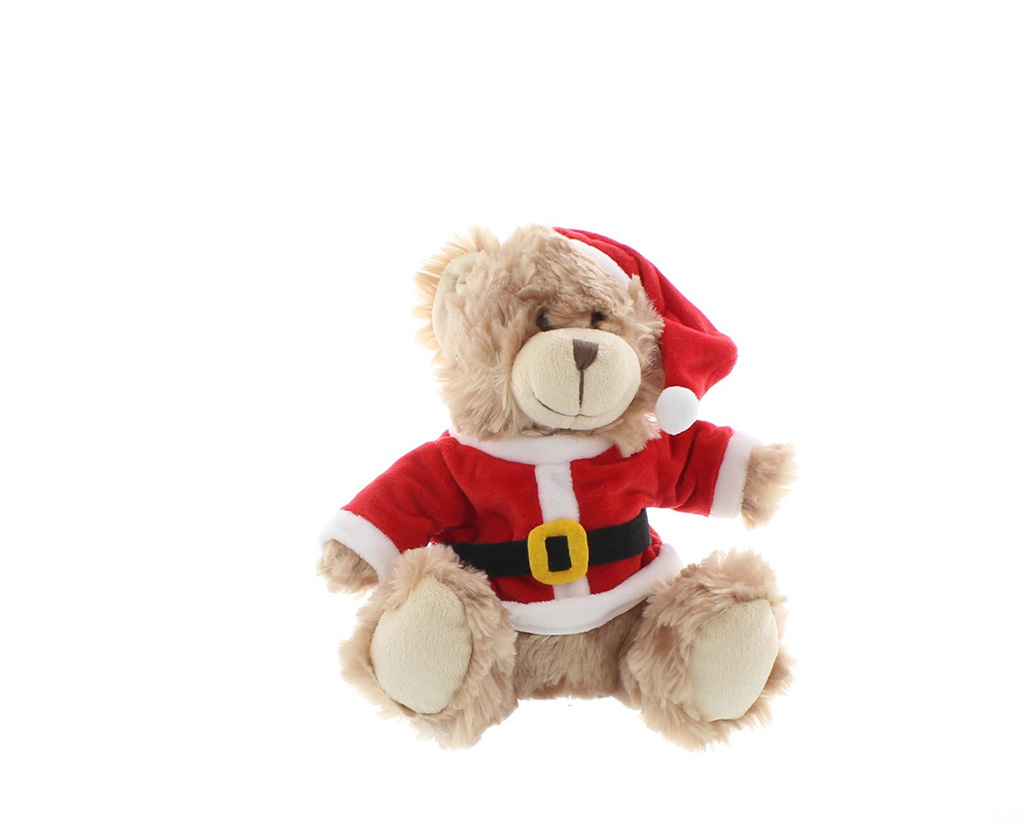
In the hand and after washing, plush types behave differently. Minky is silky and camera-friendly for baby lines; it responds well to gentle machine cycles. Velboa holds face embroidery crisply, resists lint in offices and school bags, and generally washes clean. Faux fur brings drama and realism; it needs trimmed muzzles and a brush-after-wash note so photos remain sharp. Mohair and alpaca feel luxurious but live best in collector segments; surface clean or very gentle care only. rPET fills feel like standard poly if sourced well; keep lot-level certificates if you claim recycled content.
When you plan content, pair textures wisely: a velboa face insert on a faux-fur body keeps expressions readable and reduces trimming minutes. To cut returns, add scale-in-hand and texture macro shots; visuals trump adjectives.
Table 4 — Real-World Use: Feel, Recovery, and Care
| Plush type | Handfeel | Recovery after squeeze | Wash care reality | Best fit |
|---|---|---|---|---|
| Minky (short pile) | Silky, baby-soft | Good resilience | Gentle machine; quick dry | Infant plush, pillows |
| Velboa (short pile) | Smooth, crisp faces | Very stable | Gentle machine or surface | Minis, mascots, 3+ animals |
| Faux fur (med/long) | Fluffy, realistic | Good if trimmed well | Surface/gentle; brush after wash | Wildlife, premium gifts |
| Mohair/Alpaca | Heritage luxury | Stable, dense | Boutique care only | Collector bears |
| rPET fiberfill (inside) | Like standard poly | Stable if quality | Same as shell | Eco story across lines |
What cost, MOQ, and supply-chain considerations influence plush selection versus alternatives like fleece or short-pile tricot?
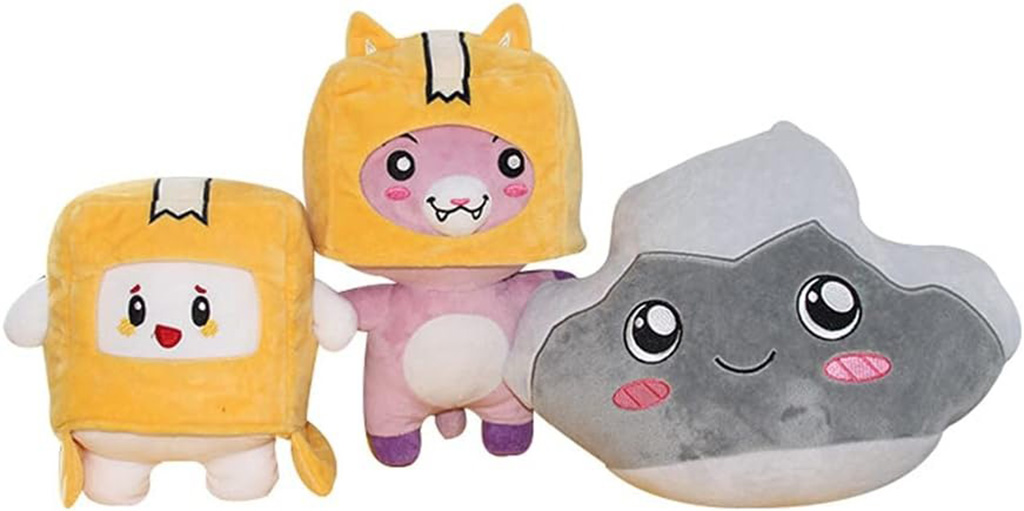
Plush usually costs more than flat fabrics because pile uses more fiber and extra finishing passes. Higher GSM and longer pile raise both material cost and volumetric weight in shipping. Velboa is a cost-efficient short-pile option that looks clean and embroiders well. Minky can be slightly higher depending on grade but sells the “soft” promise strongly online. Faux fur raises fabric and finishing minutes; use it on feature SKUs (wildlife, hero pieces) rather than the full line. Against fleece or short-pile tricot, plush wins on touch and camera impact but may need stronger carton planning and compression trials for cushions/jumbo.
Plan MOQs early: mills may require dye minimums per color; trim vendors set minimums for eyes, noses, labels, and boxes. Lock two or three core colors that cascade across SKUs to avoid MOQ traps. If you sell DTC, right-size cartons and consider vacuum or roll packing for short-pile items—only after recovery tests.
Table 5 — Plush vs. Alternatives: Cost & Operations Matrix
| Fabric route | Softness & photo impact | MOQ pressure | Freight note | Where it wins |
|---|---|---|---|---|
| Velboa (short pile) | High clarity, good softness | Medium (dye lots) | Compact | Minis, mascots, 3+ |
| Minky (short pile) | Very soft, baby appeal | Medium | Compact | Infant plush, pillows |
| Faux fur (long pile) | Premium realism | Higher (color/finish) | Bulky | Wildlife, hero SKUs |
| Mohair/Alpaca | Heritage luxe | Boutique | Small runs | Collector |
| Fleece/Tricot (non-pile) | Softer than wovens, less plushy | Low–med | Compact | Value tiers, lining |
| Mixed shell (fur body + velboa face) | Best of both | Medium | Manageable | Photo clarity + wow |
Are sustainability and audit signals (rPET content claims, OEKO-TEX/RSL adherence, BSCI/SEDEX) now baseline requirements for premium plush?
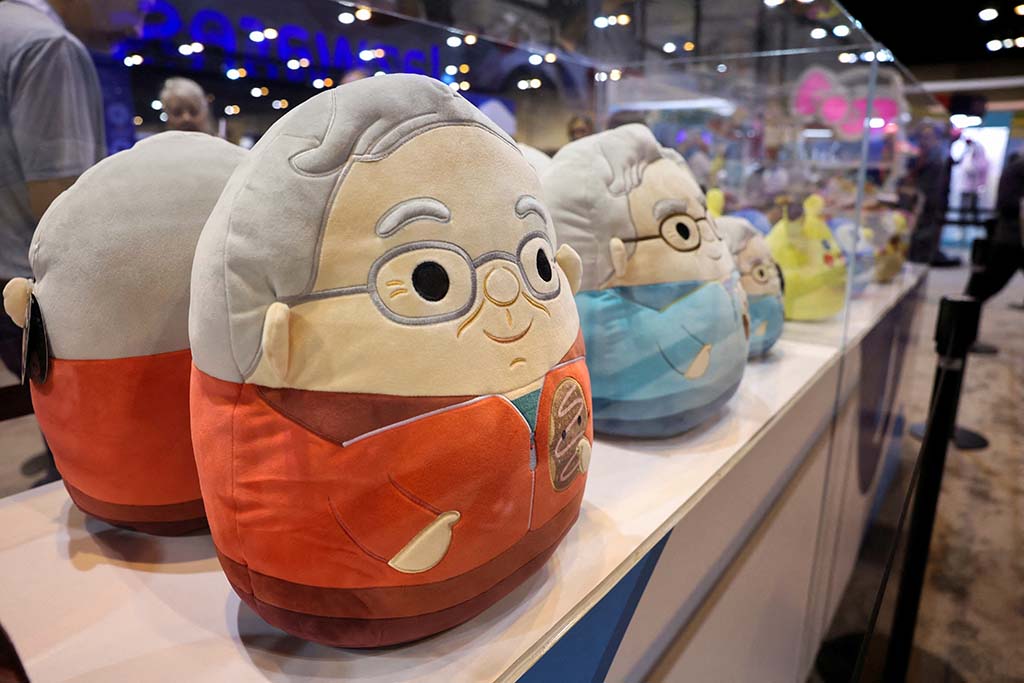
For premium plush, yes—buyers expect credible materials and social compliance. If you claim rPET, keep lot-level certificates and align hangtag numbers with actual content. Many retailers ask for OEKO-TEX textile safety or adherence to their RSL (Restricted Substances List). On the social side, BSCI/SEDEX or equivalent audits are common gatekeepers. None of this replaces EN71/ASTM/CPSIA; it adds confidence and speeds onboarding. Build a light evidence pack: test reports tied to lots, DoC/CPC, tracking labels, audit summaries, change logs, and a one-page sustainability statement with verifiable claims only.
Table 6 — Premium Plush “Baseline” Signals
| Signal | What to prepare | Why it matters |
|---|---|---|
| rPET content (if claimed) | Lot certificates; chain-of-custody | Honest eco claims; retailer trust |
| OEKO-TEX / RSL | Valid certificates; fabric lab data | Textile safety expectations |
| BSCI/SEDEX (or equivalent) | Current audit + CAP status | Corporate responsibility |
| Lot-tied safety tests | EN71/ASTM/CPSIA; REACH where needed | Legal access; faster approvals |
| Traceability | CPC/DoC; tracking labels; change log | Fewer holds, smoother reorders |
Implementation playbook (you can run this month)
- Decide the age grade first. For 0+, commit to minky/velboa + embroidery; for 3+, decide on safety eyes/nose and double-pouched weights.
- Pick one hero spec. Either a higher GSM short-pile for camera softness or a faux-fur body with velboa face for clarity. Keep the rest efficient.
- Lock tech packs. Record GSM, pile height, density/denier, backing type, fill grams per panel, pellet grams, and SPI.
- Sample in the right order. Soft Sample #1 = silhouette; Soft Sample #2 = face/trim/weight; then PPS with labels and packaging.
- Test by lots. EN71/ASTM/CPSIA tied to actual fabric/fill/trim lots; re-test on lot or vendor changes.
- Plan cartons early. Right-size case packs, set ECT/BCT, trial compression for cushions/jumbo (short pile only) and publish a recovery insert.
- Upgrade PDP content. Texture macro, scale-in-hand, seated stability shot, and a 10–15s squeeze video.
Quick RFQ templates (paste-ready)
Infant Bunny (0+)
- Shell: minky GSM 240 ±10, pile 2.5–3.0 mm; warp-knit backing.
- Face: embroidery only; SPI per spec.
- Fill: hollow fiberfill; no pellets.
- Tests: EN71-1/2/3, ASTM F963, CPSIA; tracking label.
- AQL: General II; Major 2.5 / Minor 4.0.
Weighted Fox (3+)
- Shell: velboa GSM 220 ±10, pile 2.0–2.5 mm.
- Base: pellets 120 g, double-pouched; leakage test plan.
- Face: embroidery + safety eyes (vendor-qualified).
- Tests: EN71-1/2/3; ASTM F963; CPSIA.
Wildlife Wolf (Premium)
- Shell: faux fur body; velboa face insert; trim mask defined.
- Wash: surface or gentle; brush-after-wash note.
- Age: 3+; flammability and seam pulls validated.
Conclusion
Plush is a good material when you treat it as a system: pile specs, construction, age grade, and supply chain must fit the product story. Short-pile minky/velboa give reliable softness, crisp faces, and washability for kids. Faux fur and mohair lift realism and perceived value for premium or collector pieces. With lot-tied tests, double-pouched weights, and clean documentation (plus smart photography), plush can deliver high conversion, low returns, and strong retailer confidence. At Kinwin, my team turns clear briefs into sealed PPS and on-time mass runs—softness you can feel, compliance you can prove. Email [email protected] or visit kinwintoys.com to plan your next plush program.