If you sell plush toys online, you’ve probably asked the same question I hear from buyers: should we write “plushy” or “plushie”? I’m Amanda from Kinwin, and I’ll answer this in a practical way—based on how the words originated, how shoppers actually use them, and how brands can choose terms that improve clarity, SEO, and catalog consistency.
In simple terms: “plushie” is the clearer noun for a soft toy, while “plushy” is often an adjective (meaning soft/luxurious) and is also used as a less common variant noun in some dictionaries. 梅里亞姆-韋伯斯特詞典+2字典.com+2
For product naming and SEO, using the right word in the right place can help you rank for more searches without confusing customers.
What is the linguistic and industry origin of “plushy” vs “plushie”?
“Plush” started as a material/texture word, and “plushy” developed as an adjective form (describing something that feels like plush, or feels luxurious). 字典.com+2Collins 辭典+2
“Plushie” evolved as a casual noun meaning a toy covered in plush fabric and filled with soft material—basically “a plush toy.” Merriam-Webster treats “plushy” (noun) as a less common variant of “plushie.” 梅里亞姆-韋伯斯特詞典
In the toy industry, “plush toy” and “stuffed animal” are still common in formal documents, but “plushie” is widely used in consumer-facing marketing, fandom products, and social media.
| Term | Part of speech (common use) | Meaning in plain English | Industry use | Best use in your content |
|---|---|---|---|---|
| plush | adjective/noun | soft fabric or soft feel | Very common | “plush fabric,” “plush toy” |
| plushy | adjective (common) | soft/luxurious feel 字典.com+1 | Common in descriptions | “plushy texture,” “plushy feel” |
| plushy | noun (less common) | variant of plushie 梅里亞姆-韋伯斯特詞典 | Occasional | Only if matching customer language |
| plushie | noun | soft toy covered in plush fabric 梅里亞姆-韋伯斯特詞典 | Common in consumer talk | Product titles, collections, social posts |
Which term is more widely used in the global plush toy market?
Based on general dictionary framing and how the words are positioned, “plushie” is the more standard noun for the toy, while “plushy” is more often used to describe texture. 梅里亞姆-韋伯斯特詞典+2字典.com+2
In real selling environments, I also see “plushie” appear heavily in collectible and community markets, while “plush toy” remains strong for mainstream retail and compliance documents.
A practical way to think about “global usage” is by channel:
- Retail and compliance: “plush toy,” “stuffed animal”
- Online fans/collectors: “plushie”
- General descriptions: “plushy” (as an adjective)
| Market context | Term that usually performs better | Why | Example phrasing |
|---|---|---|---|
| Big retailers | plush toy / stuffed animal | More formal and clear | “Plush Toy for Kids” |
| Collector drops | plushie | Community language | “Limited Plushie Series” |
| Product descriptions | plushy (adjective) | Describes feel | “Plushy, soft texture” |
| Wholesale catalogs | plush toy + plushie | Covers both audiences | “Plush Toys (Plushies)” |
| Global listings | mixed strategy | Regional differences | Title + bullets split terms |
How do consumer search behavior and regional usage differ between the two?
Shoppers often type what they hear in their community. That’s why “plushie” is strong in online culture, while “plushy” appears as:
- a texture word (“plushy blanket”), and
- a spelling some people use for the toy (especially in casual posts). 梅里亞姆-韋伯斯特詞典+2字典.com+2
Region also matters. In some English-speaking regions, “teddy,” “soft toy,” or “stuffed toy” can be more natural than both “plushie” and “plushy.” (This is why I never recommend relying on only one keyword for global SEO.)
What I do for B2B clients is treat this as a mapping problem: one product, multiple customer vocabularies.
| Region/channel | More common customer phrasing (often) | What it signals | How to write listings |
|---|---|---|---|
| US e-commerce | plushie + stuffed animal | Casual + product clarity | Title: “Plushie (Stuffed Animal)” |
| UK/AU | soft toy + teddy | Traditional phrasing | Use “soft toy” in headings |
| Anime/gaming fandom | plushie | Collector language | Use “plushie” in title + tags |
| Gift shops | plush toy | Retail clarity | “Plush Toy Gift” wording |
| B2B sourcing | plush toy | Spec and category focus | Use “plush toy” as main term |
Is “plushie” or “plushy” more appropriate for product naming and branding?
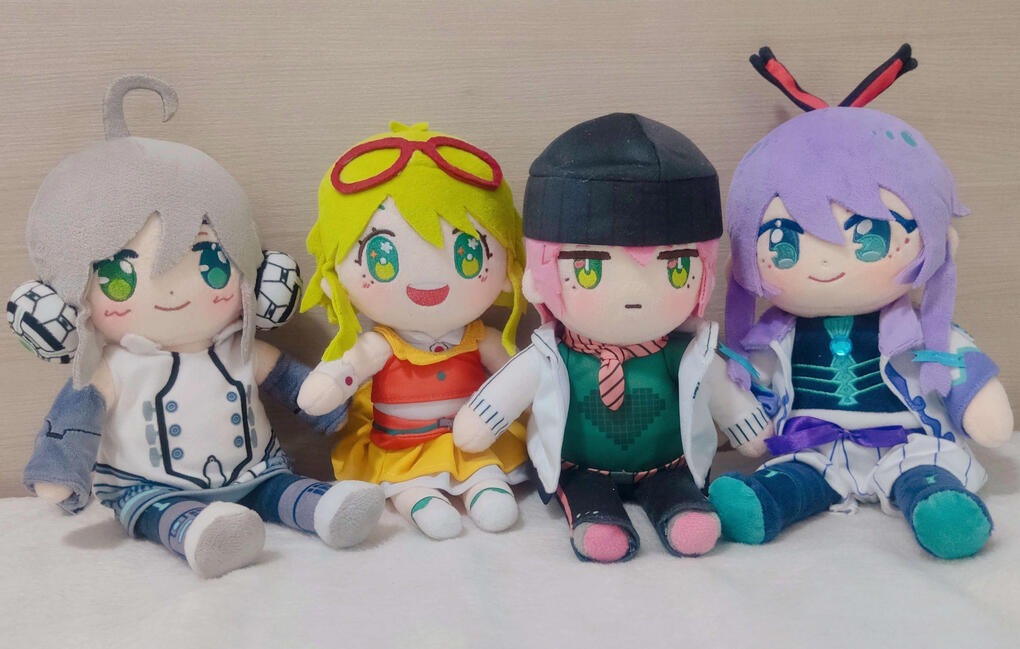
For naming, I recommend this simple rule:
- Use “plushie” when you want a friendly, modern, collectible feel (especially online).
- Use “plush toy” when you want maximum clarity and a more formal retail tone.
- Use “plushy” mainly as a descriptor, because many readers understand it as an adjective first. 字典.com+2Collins 辭典+2
If you sell character products, “plushie” often fits the brand voice. If you sell baby/toddler items, “plush toy” + “stuffed animal” can reduce confusion and feel more “parent-safe.”
| Brand goal | Best primary naming | Support wording to add | Why it works |
|---|---|---|---|
| Cute collectible brand | plushie | “collectible plush toy” | Matches community language |
| Baby & toddler line | plush toy | “stuffed animal” | Clear and trust-building |
| Premium gifting | plush toy | “plushy feel” | Sounds high quality |
| Mass retail SKU | plush toy | “soft stuffed animal” | Simple and universal |
| Trend/fandom drops | plushie | “official character plush” | Fits IP and fan talk |
How does keyword choice impact SEO performance for plush toy businesses?
Keyword choice impacts SEO in two main ways:
- Relevance: Google tries to match user intent. If someone searches “plushie,” they often want a toy, not a fabric texture.
- Coverage: Using only one term can leave traffic on the table, especially across regions and buyer types.
My practical SEO approach is: one primary term + a controlled set of secondary synonyms, used naturally across title, headings, image alt text, and FAQ sections.
Also, avoid overstuffing. A page that repeats “plushie” 30 times feels unnatural and can reduce conversions even if rankings improve.
| SEO placement | Best term choice | Why | Simple example |
|---|---|---|---|
| Title tag (SEO title) | plushie OR plush toy | Strong intent match | “Plushie vs Plushy: Which Term to Use?” |
| H2 headings | mix but consistent | Covers related searches | “Plushie naming for product pages” |
| Product title | plush toy + plushie | Clarity + reach | “Cat Plushie (Plush Toy)” |
| Bullets/features | plushy (adj) + plush | Describes feel | “Plushy texture, soft plush fabric” |
| FAQ | include both spellings | Captures long-tail | “Is it plushy or plushie?” |
What terminology should B2B manufacturers use in catalogs and listings?
For B2B, I recommend you lead with the most standard industry term, then add consumer terms as supportive language:
- Main category: Plush Toys / Stuffed Animals
- Consumer-friendly synonym: Plushies
- Descriptors: plushy, soft, premium feel (adjectives)
This keeps your catalog professional for retailers and importers, while still helping your pages rank for consumer searches.
At Kinwin, when I help buyers build product sheets and listings, I standardize vocabulary so reorders stay consistent and search coverage improves. If you want, I can also create a simple “keyword glossary” for your brand so every listing uses the same naming logic.
| Document type | Recommended primary wording | Secondary wording | Why this is safest |
|---|---|---|---|
| B2B catalog category | Plush Toys / Stuffed Animals | Plushies | Clear for buyers |
| Quotation & PO | Plush Toy | (optional) Plushie | Reduces disputes |
| Retail product page | Plush Toy + Plushie | Plushy (adj) | SEO + clarity |
| Packaging text | Plush Toy | character name | Simple for consumers |
| Alibaba/marketplace | Plush Toy / Plushie | Stuffed animal | Wider search coverage |
Conclusion
“Plushie” is usually the clearest toy noun, while “plushy” is mainly a texture adjective—use both strategically for branding and SEO. 梅里亞姆-韋伯斯特詞典+2字典.com+2
At Kinwin, I help global buyers standardize product terminology, improve listing clarity, and build plush lines that are easier to sell and reorder. Contact me at [email protected] or visit kinwintoys.com to discuss your next plush project.