When buyers ask me which fabric to choose—fleece or minky—they’re really choosing between two different stories of touch, care, and cost. I’m Amanda from Kinwin in China. Below I compare both fabrics the way a factory does: hand-feel, durability, pilling, seams, washability, baby safety, cost, sourcing, and sustainability—so you can brief your next plush project with confidence.
What are the key differences between fleece and minky?
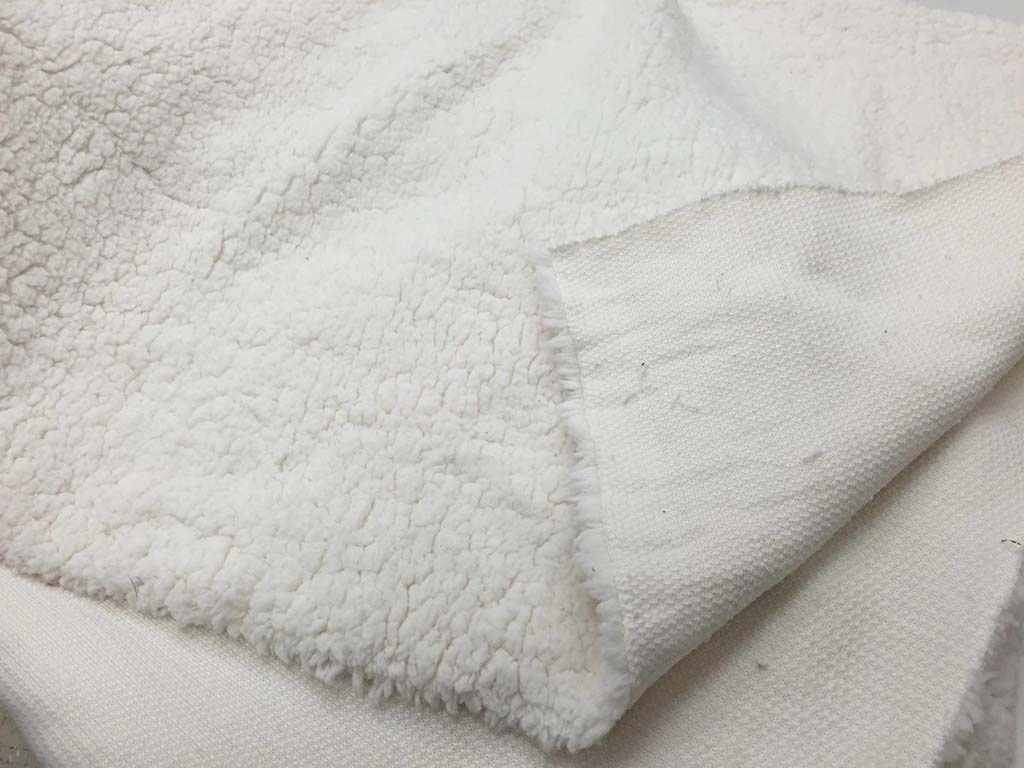
Minky is a micro-plush fabric with a silky surface and soft sheen. It signals premium quality at first touch and in photos. Fleece is a brushed knit with a matte, cozy hand—warm, forgiving, and friendly for everyday play. In production, minky demands closer control of pile direction, shearing, and density; fleece focuses more on anti-pilling grades and abrasion performance. For small details and crisp facial features, we often pair minky bodies with velboa (short-pile micro-plush) face panels to keep embroidery sharp.
At-a-glance comparison
| Aspect | Minky (micro-plush) | Fleece |
|---|---|---|
| Look & feel | Silky, slight sheen, “buttery” glide | Matte, cozy, sweatshirt-like warmth |
| Detail clarity | Best with short pile or velboa panels | Good stability under the needle |
| Typical GSM | ≈ 240–350 (toy-grade) | ≈ 200–320 (grade-dependent) |
| Use cases | Premium plush, baby cuddle toys, giftable SKUs | Budget lines, apparel parts on plush, soft books |
How do softness and hand-feel compare for plushies?
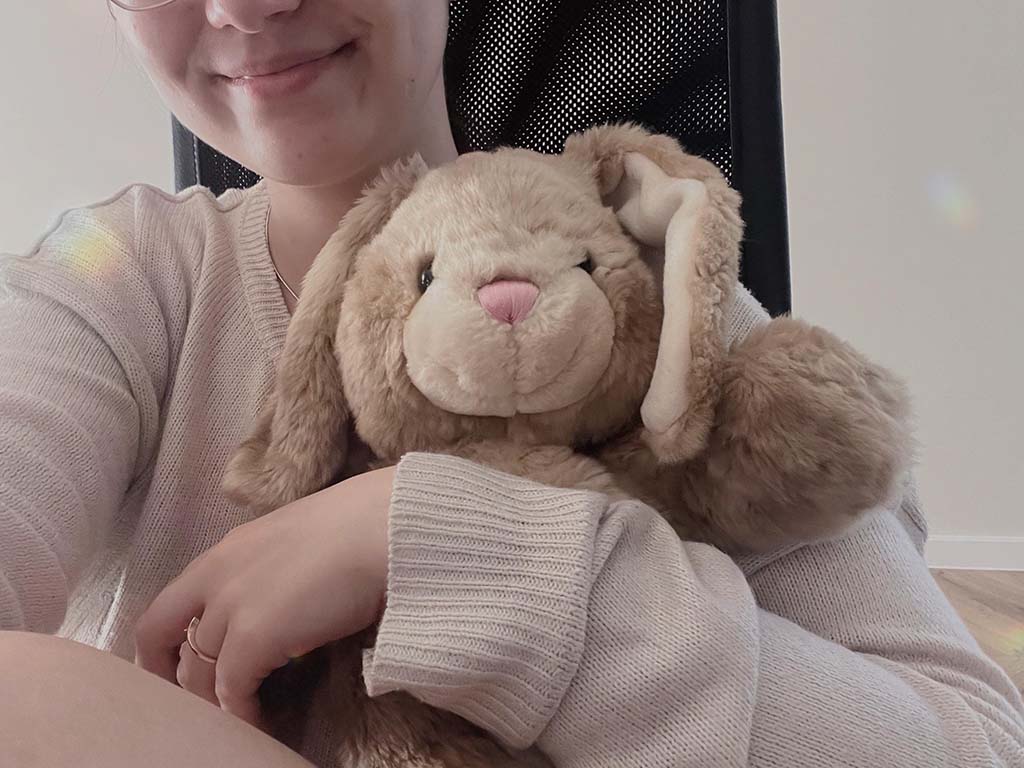
If your top priority is instant premium softness, choose minky. Its micro-denier filaments bend easily, producing a smooth glide customers describe as “cloud-soft.” It also photographs beautifully, adding visual value online. Fleece is comfort-soft—like your favorite hoodie—so it wins when you want a homely, warm vibe. For babies, short-pile minky gives the softest cheek contact; for toddlers and daily play, a good anti-pill fleece still feels very gentle. Many brands blend both: minky body for the hug; fleece scarves/hoodies for visual contrast and warmth.
Softness snapshot
| Priority | Better Choice | Why |
|---|---|---|
| Silky, premium hand | Minky | Micro-denier + brushing/shearing |
| Cozy, comforting feel | Fleece | Brushed knit loft feels warm |
| Photo “glow” effect | Minky | Soft sheen reflects light evenly |
Which fabric offers better durability, pilling, and seam strength?
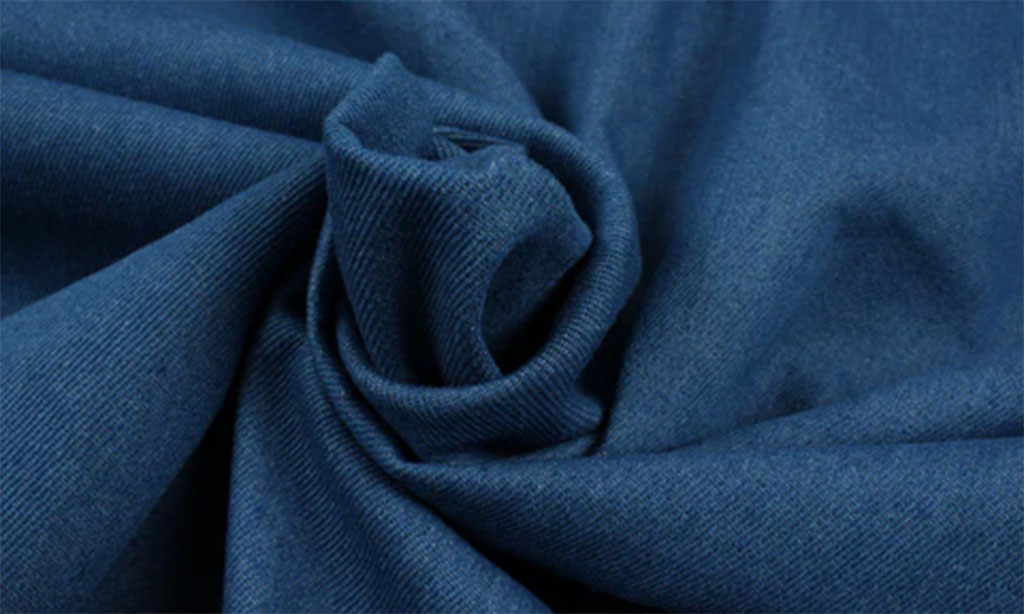
Durability depends on fabric grade and construction, not the name alone. A dense, short-pile minky with a stable backing keeps shape and surface smooth through squeezes and gentle washes. A quality anti-pill fleece resists fuzzing in high-rub zones and forgives rougher handling. Seam strength hinges on thread quality and stitch settings (typically 2.5–3.0 mm), plus backing stability. Minky’s backing (warp/circular knit) holds embroidery well when dense; fleece’s stretch means we add bar-tacks at stress points and avoid over-stretch during sewing.
Durability controls
| Risk | Minky Control | Fleece Control |
|---|---|---|
| Pilling | Dense, short pile + anti-pilling finish | Choose anti-pill grades; test Martindale |
| Seam stress | Stable knit backing + correct stitch | Bar-tacks at joints; manage stretch |
| Surface wear | Respect pile direction; avoid rough Velcro | Fleece hides scuffs better; still test abrasion |
How do washability and colorfastness differ between both fabrics?
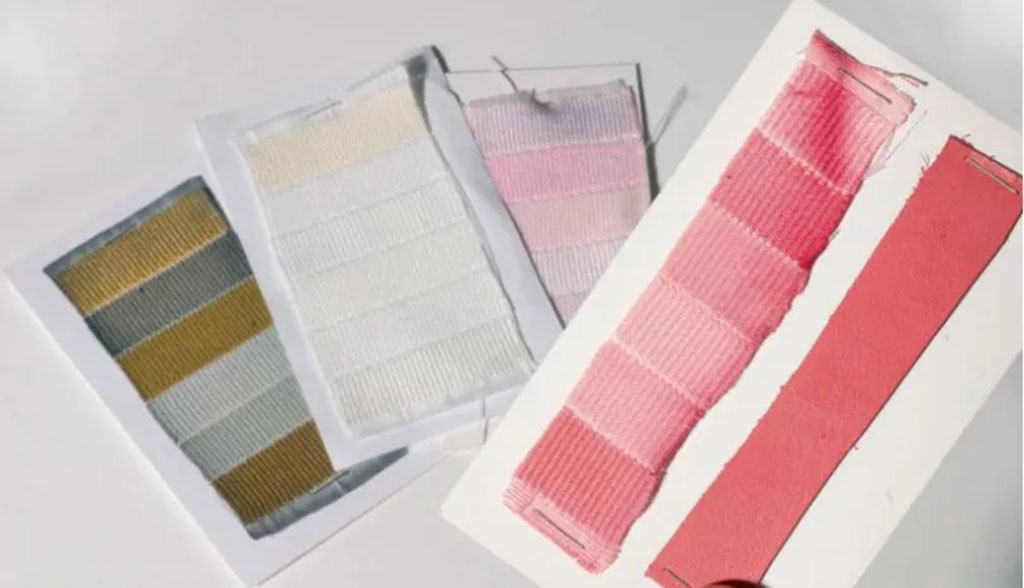
Both can be machine-washable on gentle cycles with air dry. Minky keeps its silky feel if the pile is short and finishing is toy-grade; avoid high heat (it can crush pile). Fleece dries faster and tolerates frequent washing but will pill if the grade is low. For baby lines, we run 5–10 wash tests and check saliva/sweat colorfastness. Minky may show water marks if wrung; fleece usually doesn’t. Put clear labels: cold wash, gentle cycle, no bleach, air dry.
Care performance
| Criterion | Minky | Fleece |
|---|---|---|
| Post-wash hand-feel | Remains silky if air-dried | Stays cozy; quick dry |
| Heat sensitivity | Higher—avoid hot dryer | Lower—still avoid high heat |
| Colorfastness | Strong with toy-grade dyes | Strong with apparel-grade systems |
Which material suits baby-safe, hypoallergenic plushie applications best?
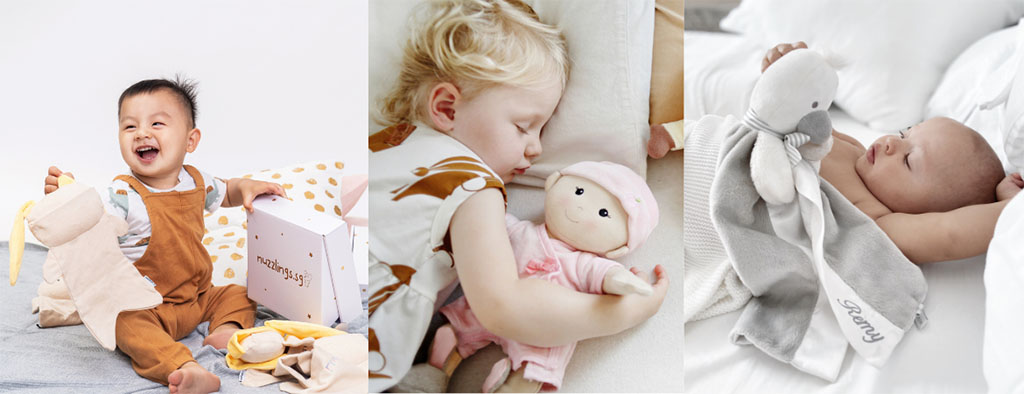
For babies, the winning spec is short-pile, dense, low-lint fabric with embroidered faces. Short-pile minky (or velboa) offers the softest first touch and—when properly sheared/brushed—very low lint. Fleece can also be baby-safe if it’s anti-pill and low-lint, but parents often prefer minky’s silky cheek contact. In both cases we pair with clean polyester (or rPET) fiberfill, avoid loose pellets for under-3, and verify EN71 / ASTM F963 / CPSIA.
Baby-safe pick guide
| Goal | Better First Choice | Notes |
|---|---|---|
| Ultimate soft touch | Short-pile minky / velboa | Very low lint; crisp embroidery on velboa |
| Easy hygiene | Either, keep pile short | Dense fabric, anti-pilling finish |
| “Natural” story | Cotton panels + short-pile minky | Test shrink & colorfastness for cotton |
How do cost, sourcing, and sustainability influence fabric choice?
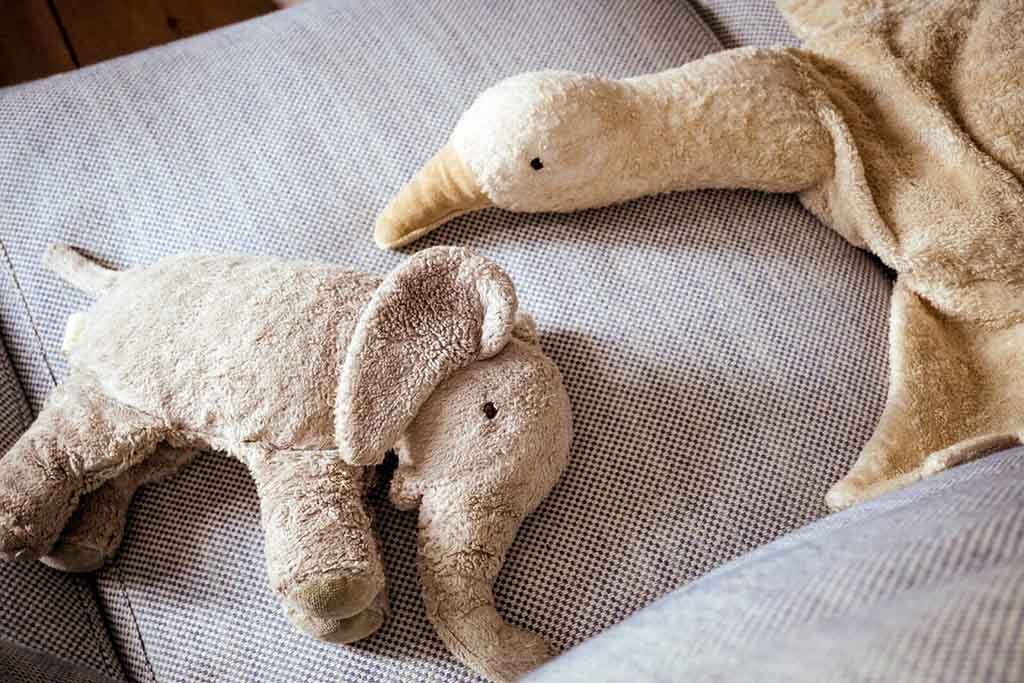
Fleece is usually more cost-effective and widely available—ideal for value lines and plush with apparel parts. Minky costs a bit more (premium micro minky more again) but lifts perceived value—great for gifting and hero SKUs. For sustainability, both have rPET versions (recycled polyester). Pair rPET fabric + rPET fiberfill and reduce packaging plastic to tell a coherent eco story. Always pilot for hand-feel consistency, pilling, and colorfastness—recycled content can vary by supplier.
Business lens
| Dimension | Minky | Fleece |
|---|---|---|
| Unit cost | (premium look/feel) | (value-to-mid) |
| Perceived value | High—giftable, photo-ready | Solid—homey, practical |
| rPET availability | Good (verify hand consistency) | Good (verify anti-pill performance) |
Conclusion
A good plush toy is safe, soft, durable, and appealing while also offering branding opportunities. At Kinwin, we help global buyers develop customized plush solutions that meet safety standards and stand out in competitive markets. Contact us at [email protected] or visit kinwintoys.com to discuss your next project and explore how our factory can support your success.