Turning a design into a real plush toy sounds simple, but in practice it requires careful coordination between artwork, materials, pattern making, and manufacturing techniques. Many buyers expect the final plush toy to look exactly like the original illustration, yet plush toys are soft three-dimensional products. Small details in the artwork, fabric choice, or structural design can significantly affect how accurately the toy replicates the original concept.
For brands, designers, and product developers, understanding how plush toy design replication works can greatly improve the final result. When the design files, material instructions, and technical details are clearly prepared, manufacturers can translate the concept into a plush toy much more accurately.
In this guide, we will explain several practical factors that help improve plush toy design replication—from providing the right design information to optimizing artwork for plush structure. These insights can help ensure your custom plush toys closely match the original concept while remaining suitable for stable production.
What information should be provided to improve design replication?
One of the most common reasons for inaccurate plush toy samples is incomplete design information. When manufacturers receive only a simple illustration without supporting details, they must make assumptions about size, materials, colors, and construction methods. These assumptions can lead to differences between the original design and the final plush toy.
Providing clear and structured information from the beginning helps the manufacturer understand the design intent and technical requirements. This makes it easier for engineers and pattern makers to convert the concept into a realistic plush structure.
In general, the more complete the project information is, the more accurate the final plush toy will be. Even small details—such as embroidery size, fabric texture, or the intended softness of the toy—can influence the final appearance.
Provide Clear Size, Proportions, and Viewing Angles
Size and proportions are fundamental elements in plush toy development. Without clear size references, it is difficult for pattern makers to determine the correct scaling of design details such as eyes, ears, limbs, or accessories.
Buyers should ideally provide the intended height or length of the plush toy along with the reference artwork. For example, a 20 cm plush toy may require very different design adjustments compared with a 40 cm version. Smaller toys often require simplified details to maintain clarity and structural stability.
Multiple viewing angles are also extremely helpful. A single front view rarely provides enough information for engineers to understand the complete shape of the character. Providing front, side, and back views allows the manufacturer to interpret the full structure of the toy.
When these references are available, pattern makers can better understand how different parts of the toy connect and how proportions should be maintained during production.
Specify Key Design Details and Functional Requirements
Beyond the visual appearance, certain design details should also be clearly specified. These details help manufacturers understand which elements are most important to the identity of the character or product.
For example, buyers may want to specify:
- Whether the eyes should be embroidered, printed, or made with plastic safety eyes
- Whether facial features should appear cute, neutral, or expressive
- Whether the toy should feel firm or very soft
- Whether accessories such as clothing or hats should be removable
Functional requirements may also influence construction methods. If the toy is intended for children under three years old, safety standards may require embroidered eyes instead of plastic parts. If the toy will be used as a keychain or promotional item, its structure may need reinforcement to maintain durability.
Providing this type of information early helps manufacturers choose the appropriate production techniques and maintain the design’s intended appearance.
Key Information That Helps Improve Design Replication
| Information Type | What to Provide | Why It Helps |
|---|---|---|
| Product Size | Target height or length of the plush toy | Determines scale of details and pattern design |
| Multi-Angle Artwork | Front, side, and back views | Helps engineers understand full structure |
| Color References | Pantone codes or clear color references | Ensures color accuracy in fabrics and embroidery |
| Facial Details | Eye style, mouth expression, nose design | Maintains character identity |
| Material Preferences | Preferred fabric texture or softness | Improves visual and tactile accuracy |
| Functional Requirements | Safety standards, removable parts, accessories | Guides construction decisions |
How detailed should the original artwork and reference images be?
The quality of the original artwork and reference images has a direct impact on how accurately a plush toy can be replicated. In many cases, design differences between the concept and the final toy occur simply because the original design files were not detailed enough.
Plush toy manufacturers rely heavily on visual references to interpret shapes, proportions, colors, and character expressions. When the artwork lacks clarity or only shows limited details, pattern makers must make assumptions about the missing information. These assumptions may lead to design changes that were never intended by the client.
For this reason, providing clear and detailed artwork is one of the most effective ways to improve plush toy design replication. High-quality reference materials help manufacturers fully understand the design concept before the sampling process begins.
Buyers who invest time in preparing detailed design files often see better results during sampling, fewer revisions, and faster development timelines.
Use High-Resolution Artwork and Clear Reference Images
High-resolution images make it easier for engineers and pattern makers to identify small design details. Elements such as embroidery lines, color boundaries, facial expressions, and accessory shapes are much easier to interpret when the artwork is clear.
Low-resolution images or compressed files may hide important details that affect the design. For example, small differences in eye shape, mouth curve, or ear placement can change the character’s personality when translated into a plush toy.
Whenever possible, design files should be provided in clear formats such as PNG, PDF, AI, or PSD. These formats allow manufacturers to zoom in on details and accurately measure proportions.
Reference images can also include photos of similar plush toys or materials that represent the desired texture or style. These visual references help the manufacturer better understand the intended appearance of the final product.
Provide Multi-Angle Character Views
A common challenge in plush toy design replication occurs when manufacturers receive only a single front-view illustration. While this may look complete from a design perspective, it does not provide enough information to build a three-dimensional plush structure.
Plush toys require engineers to understand the full shape of the character, including the depth of the head, the placement of limbs, and the structure of the back and sides. Without these references, pattern makers must estimate how the character should look from other angles.
Providing multi-angle views—such as front, side, and back—greatly improves the accuracy of the plush toy structure. These views help manufacturers understand body proportions, head shape, ear placement, and how different parts connect.
Even simple sketches or reference outlines for side and back views can significantly improve the design interpretation. When all angles are clearly defined, the pattern-making process becomes much more precise.
Artwork and Reference Materials That Improve Accuracy
| Artwork Element | What to Provide | Why It Matters |
|---|---|---|
| High-Resolution Artwork | Clear PNG, PDF, AI, or PSD files | Allows accurate interpretation of design details |
| Multi-Angle Views | Front, side, and back illustrations | Helps engineers build correct 3D structure |
| Color References | Pantone numbers or consistent color guides | Prevents color mismatch in fabrics and embroidery |
| Character Expression | Close-up details of eyes, mouth, and face | Maintains the character’s personality |
| Accessory Details | Clear drawings of clothing, hats, or props | Helps determine construction methods |
| Reference Photos | Images of similar plush styles or materials | Helps communicate texture and design expectations |
How can 2D artwork be optimized for 3D plush structure?
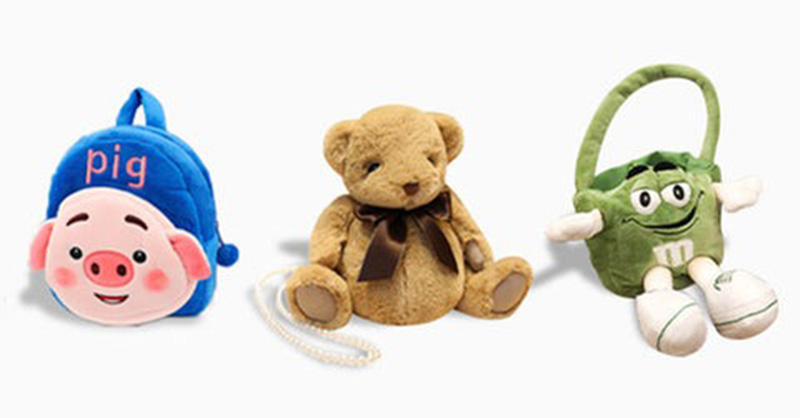
Many plush toy designs begin as flat illustrations, but plush toys are soft three-dimensional objects. This difference means that not every detail in a 2D drawing can be directly translated into a plush toy without adjustments.
Optimizing 2D artwork for 3D plush structure helps maintain the character’s personality while ensuring that the toy remains visually balanced and structurally stable. When artwork is designed with plush manufacturing in mind, the sampling process becomes much smoother.
Designers and buyers who understand a few basic structural principles can significantly improve how accurately their plush toys replicate the original design.
Simplify Small Details That Cannot Be Sewn
Illustrations often include many small decorative elements, such as thin lines, tiny shapes, or layered patterns. While these details may look attractive in artwork, they are sometimes too small to reproduce accurately using sewing techniques.
For smaller plush toys especially, complex design elements may need to be simplified. Instead of sewing tiny shapes, manufacturers may suggest using embroidery or printing to maintain visual clarity.
Simplifying certain elements does not necessarily reduce the design quality. In many cases, simplifying small details actually improves the overall appearance of the plush toy by making the design cleaner and easier to recognize.
A well-optimized plush design focuses on the most important character features while adapting smaller elements to suitable manufacturing methods.
Adjust Proportions for Plush Structure
Another important adjustment involves proportions. Characters drawn in 2D artwork may have proportions that look good on paper but require modification when converted into plush toys.
For example, very thin limbs or extremely narrow necks may not be structurally stable in plush form. Similarly, very small facial features may not be clearly visible once translated into embroidery.
During the development process, pattern makers often slightly adjust proportions to improve structural stability while preserving the overall character appearance. Heads may become slightly larger, limbs slightly thicker, or facial features slightly simplified.
These adjustments are common in plush toy manufacturing and help ensure that the final product remains durable, visually balanced, and suitable for mass production.
2D Design Adjustments That Improve Plush Replication
| Design Adjustment | Why It Is Needed | Result in the Final Plush Toy |
|---|---|---|
| Simplifying Small Details | Some tiny design elements cannot be sewn | Cleaner and more recognizable design |
| Converting Lines to Embroidery | Thin artwork lines may become embroidery | Maintains visual details |
| Adjusting Proportions | Thin parts may lack structural support | Improved durability and balance |
| Enlarging Facial Features | Small facial details may not be visible | Better expression and clarity |
| Reducing Complex Layers | Too many fabric layers increase production difficulty | More stable and cost-effective construction |
What materials and fabric choices affect design replication?
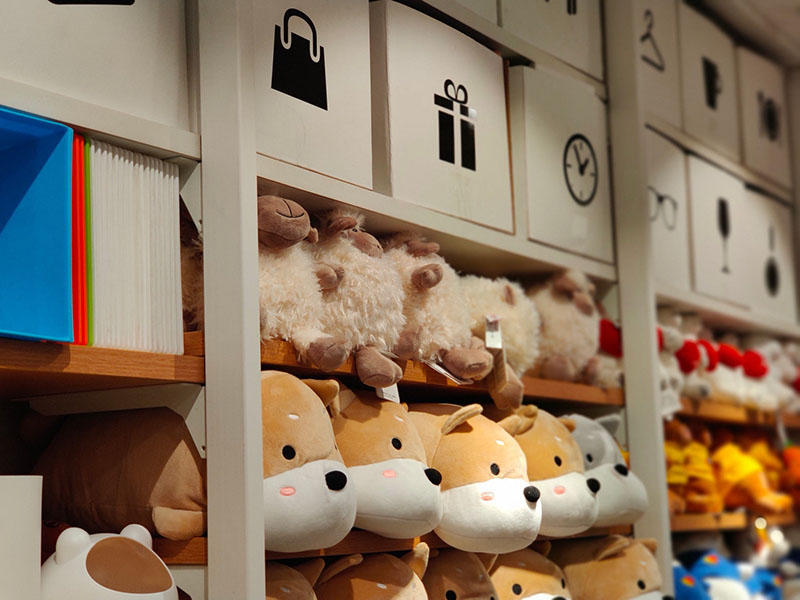
Material selection plays a major role in how accurately a plush toy replicates the original design. Even when the artwork and pattern making are correct, the final appearance can still vary significantly depending on the fabrics and materials used during production.
Different plush fabrics have different textures, pile lengths, and visual effects. Some fabrics create a smooth and clean look, while others create a fluffy or fuzzy appearance. Choosing the right material helps maintain the character’s intended personality and improves how closely the plush toy resembles the original design.
When evaluating plush toy materials, buyers should consider both the visual appearance and the practical manufacturing factors. The softness, thickness, stretch, and pile direction of the fabric can all affect how the toy looks after sewing and stuffing.
Experienced plush toy manufacturers usually help clients select suitable materials based on the design style, product size, and intended market.
How Fabric Type Influences the Appearance of Plush Toys
The most noticeable difference between plush toys often comes from the fabric itself. Short pile fabrics, such as velboa or short plush, provide a clean and smooth surface. These materials are commonly used when the design requires clear shapes, printed patterns, or detailed embroidery.
Longer pile fabrics, such as long plush or faux fur, create a softer and more fluffy appearance. These materials are often used for teddy bears or animal characters where a warm and cuddly look is important.
However, long pile fabrics can sometimes hide small design details such as embroidery lines or printed patterns. In these cases, manufacturers may recommend adjusting the design or choosing a different fabric to preserve the character’s facial features.
Understanding how fabric texture affects visual clarity helps buyers make better material choices during the sampling stage.
How Color Consistency and Fabric Quality Affect Replication
Another important factor is color consistency. The colors in the original artwork must be matched carefully with available fabric colors. In many cases, manufacturers use Pantone color references to select the closest fabric match.
If an exact fabric color is not available, dyeing or printing methods may be used to achieve the desired appearance. Clear color references help prevent misunderstandings and ensure that the plush toy maintains the intended visual identity.
Fabric quality also influences the final appearance. Higher quality fabrics usually have more consistent pile direction, stronger fibers, and better color stability. These characteristics help maintain the toy’s appearance even after handling, shipping, or washing.
Selecting reliable materials improves both the visual accuracy and durability of the final plush toy.
Material Factors That Influence Plush Toy Design Replication
| Material Factor | What It Affects | Why It Matters |
|---|---|---|
| Fabric Type | Texture and visual appearance | Determines whether the toy looks smooth, fluffy, or realistic |
| Pile Length | Visibility of details | Long pile fabrics may hide embroidery or prints |
| Fabric Stretch | Shape stability during sewing | Affects how accurately the toy maintains proportions |
| Color Matching | Consistency with original artwork | Prevents color differences between design and final toy |
| Fabric Quality | Durability and texture consistency | Ensures stable appearance during production |
How do pattern making and structural adjustments influence accuracy?
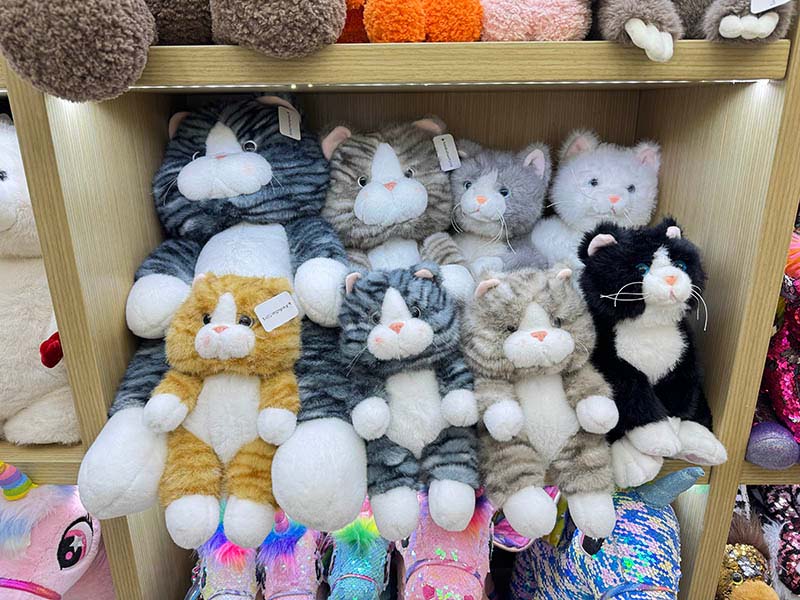
Pattern making is one of the most important technical steps in plush toy development. It is the process of converting a flat design into multiple fabric pieces that can be sewn together to create a three-dimensional plush toy.
Even when the artwork is clear and materials are correct, poor pattern making can still lead to shape distortions or inaccurate proportions. Skilled pattern makers analyze the design carefully to determine how each part of the toy should be constructed.
This process requires both technical experience and a strong understanding of plush toy structure. Small adjustments in pattern size, seam placement, or stuffing volume can significantly influence the final shape.
For this reason, experienced plush manufacturers often dedicate specialized teams to pattern development.
How Pattern Design Determines the Shape of the Plush Toy
Every plush toy is built from multiple fabric panels that form the head, body, limbs, and accessories. The way these panels are shaped and connected determines the overall structure of the toy.
For example, the head of a plush toy may require several curved panels to achieve the correct roundness. If the pattern pieces are not balanced correctly, the head may appear too flat or asymmetrical.
Pattern makers must also consider how stuffing will affect the shape. When filling material is inserted, the fabric expands and changes form slightly. Proper pattern design anticipates this expansion and adjusts the sewing pieces accordingly.
This careful planning helps ensure that the final plush toy matches the proportions of the original design.
Why Structural Adjustments Are Often Necessary
Even with detailed artwork, some structural adjustments are usually required during plush toy development. These changes help improve durability, visual balance, and manufacturing feasibility.
For example, extremely thin limbs may need to be slightly thickened so they can be sewn and stuffed properly. Similarly, neck areas may be reinforced to prevent the head from tilting during use.
These adjustments are common and do not mean the design is incorrect. Instead, they help translate a visual concept into a functional plush product that maintains both appearance and durability.
When manufacturers communicate these adjustments clearly during sampling, buyers can better understand how the plush toy structure supports the design.
Pattern Making Factors That Affect Design Accuracy
| Pattern Factor | What It Controls | Why It Matters |
|---|---|---|
| Panel Shape | Overall structure of the toy | Determines how the plush forms in 3D |
| Seam Placement | Where different fabric parts connect | Influences visual balance and durability |
| Stuffing Expansion | Fabric expansion after filling | Helps maintain correct proportions |
| Structural Reinforcement | Strength in neck, limbs, and joints | Prevents deformation during use |
| Pattern Precision | Accuracy of cutting templates | Ensures consistent production results |
How should embroidery, printing, and facial features be specified?
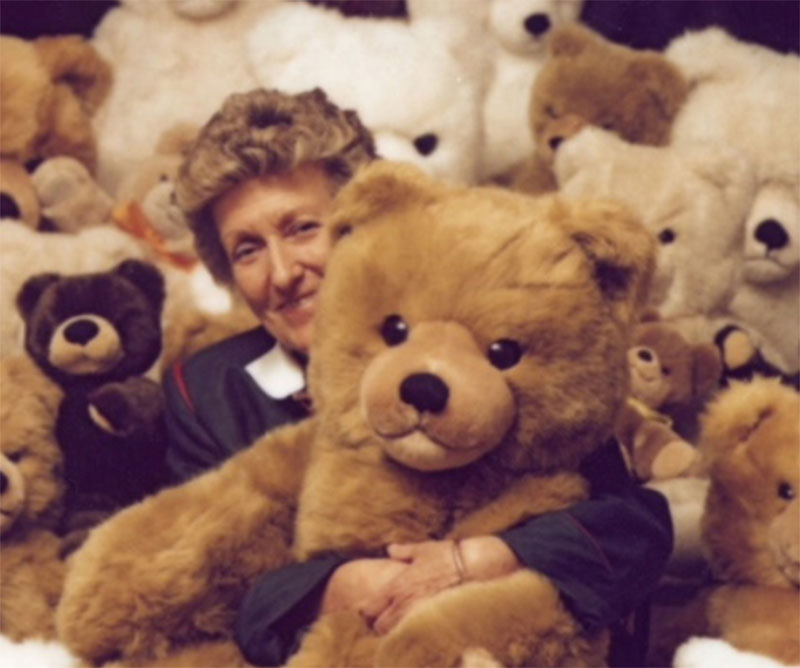
Facial features are often the most important elements of a plush toy’s personality. Eyes, eyebrows, noses, and mouth shapes determine whether a character looks cute, friendly, or expressive. Because of this, accurately reproducing facial details is critical for successful design replication.
In plush toy manufacturing, facial features are usually created using embroidery, printing, or plastic safety components. Each method has its own advantages depending on the design and safety requirements.
Choosing the right technique and specifying the details clearly helps ensure that the plush toy maintains the intended expression.
Choosing Between Embroidery, Printing, and Safety Eyes
Embroidery is one of the most commonly used techniques for plush toy faces. It allows designers to create clear outlines, expressive eyes, and detailed facial shapes directly on the fabric surface. Embroidery is also considered safer for toys intended for young children because there are no detachable parts.
Printing is often used for more complex graphics or color gradients. If a design includes intricate patterns or multiple colors within the eyes, printing may provide better visual accuracy than embroidery.
Plastic safety eyes are sometimes used when the design requires a glossy or realistic appearance. However, these components must meet strict safety requirements, especially for toys intended for children under three years old.
Selecting the appropriate technique depends on both the design style and the safety requirements of the target market.
Defining Facial Expression and Feature Placement
Small adjustments in facial feature placement can significantly affect the overall expression of a plush toy. For example, slightly higher eyes may create a more youthful appearance, while wider eye spacing may create a calmer expression.
To improve design replication, buyers should clearly define the intended facial style and proportions. Close-up artwork or reference images showing the face can help manufacturers position embroidery accurately during production.
It is also helpful to specify the relative size of facial elements compared with the head size. These references guide embroidery technicians in maintaining consistent character expressions across all production units.
When facial features are carefully specified, the final plush toy is much more likely to match the personality of the original design.
Facial Feature Specifications That Improve Accuracy
| Feature Element | What to Specify | Why It Matters |
|---|---|---|
| Eye Style | Embroidery, printing, or safety eyes | Determines visual style and safety level |
| Mouth and Nose Design | Shape and embroidery thickness | Maintains character expression |
| Feature Placement | Distance between eyes, nose, and mouth | Affects personality and balance |
| Color References | Thread colors or Pantone references | Ensures visual consistency |
| Detail Complexity | Level of embroidery or printing detail | Helps match design accuracy |
Conclusion
Improving plush toy design replication is not only about artistic accuracy—it requires close coordination between design files, materials, pattern making, and manufacturing techniques. When the original artwork, material specifications, and structural details are clearly defined, manufacturers can translate the concept into a plush toy much more effectively.
For brands, designers, and product developers, providing detailed references such as multi-angle artwork, clear size specifications, material preferences, and facial feature instructions can significantly improve the accuracy of the final product. These details help pattern makers and engineers understand the design intent while also allowing them to make necessary structural adjustments for durability and production stability.
At the same time, working with an experienced plush toy manufacturer plays a critical role in achieving high design replication. Skilled teams understand how to balance artistic accuracy with manufacturing feasibility, ensuring that the plush toy maintains the character’s personality while remaining suitable for consistent mass production.
At KINWIN, our team supports clients through every stage of plush toy development—from design evaluation and pattern making to sampling and full-scale production. By combining structured development processes with experienced engineering teams, we help brands transform original designs into plush toys that closely match their creative vision.
If you are planning to develop a custom plush toy and want to ensure high design replication accuracy, our team is always happy to review your artwork and discuss the best development approach for your project.