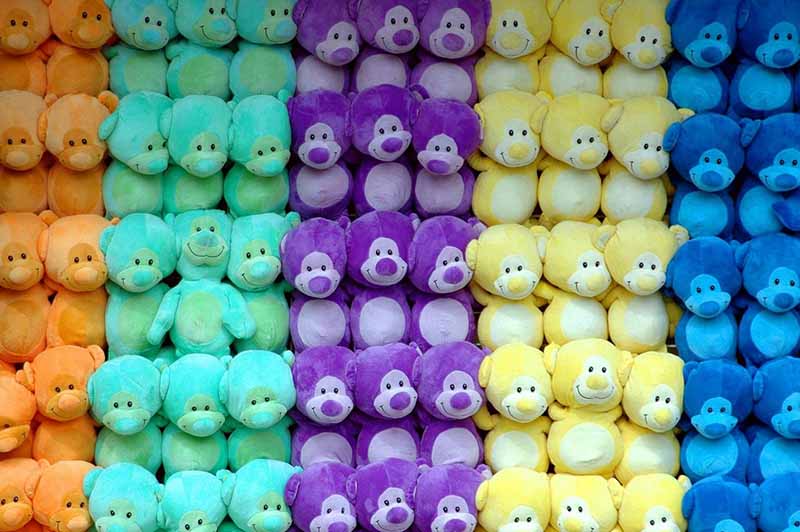
Converting a 2D design into a 3D plush toy is one of the most crucial challenges in plush toy manufacturing. The process involves taking flat illustrations and turning them into soft, three-dimensional objects that hold their shape, feel comfortable, and look appealing.
The issue arises when 2D designs don’t directly translate into 3D shapes, causing discrepancies in proportions, features, and overall appearance. To avoid this, manufacturers and designers must collaborate closely to ensure the 3D result matches the original vision.
In this guide, we’ll cover the key factors that influence the 2D-to-3D conversion process and offer strategies to improve accuracy and consistency.
How can clear, detailed design artwork improve 2D to 3D conversion?
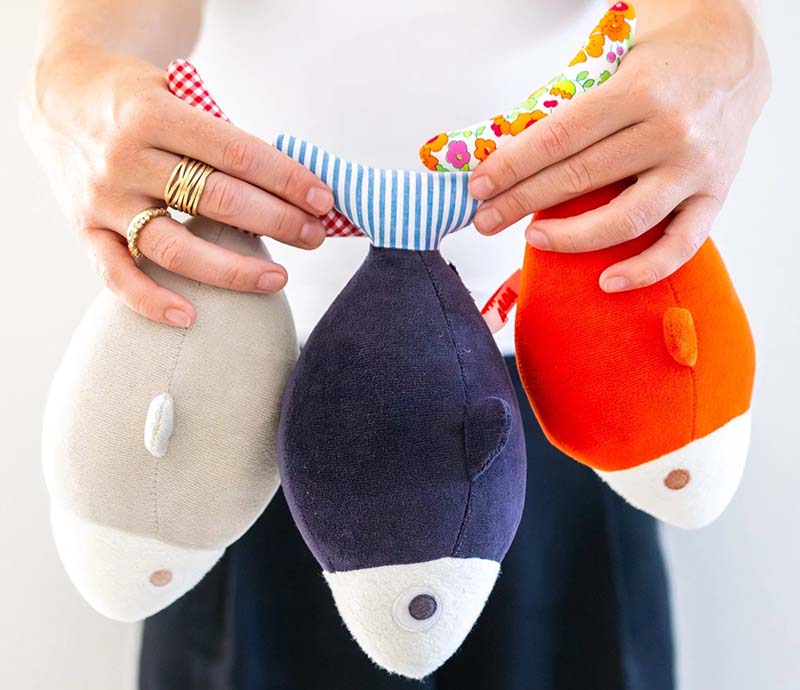
One of the most important factors in improving 2D to 3D conversion is the quality of the design artwork. The clearer and more detailed the design, the easier it will be to translate into a plush toy.
Without clear artwork, the process becomes an exercise in guesswork. This can lead to inconsistencies and missed design elements when the toy is finally made.
Multiple Views of the Design Are Essential
While a front view may seem sufficient, a 3D object requires multiple perspectives to properly guide the manufacturing process. It’s essential to have:
- Front and side views to visualize proportions and shape
- Top and back views to ensure symmetry and depth
- Detailed close-ups of small features like eyes, ears, or accessories
These extra views provide the factory team with a complete picture of how the toy should look from every angle, helping them build it accurately.
Detailed Features and Measurements Prevent Misinterpretation
In addition to views, your design should include as many specific measurements and details as possible, such as:
- Exact size proportions (e.g., head size vs. body size)
- Material choices and texture
- Specific placement of facial features, accessories, or clothing
- Embroidery and stitching methods
The more detailed the artwork, the less room there is for misinterpretation, and the more accurate the 3D conversion will be.
Clear Design Artwork Checklist
| Element | What to Include | Result |
|---|---|---|
| Multiple Views | Front, side, top, back | Complete design perspective |
| Proportions | Size ratios of body parts | Accurate translation |
| Measurements | Exact dimensions | No room for guesswork |
| Detailed Features | Specific placements and details | Better accuracy |
| Material Choice | Fabric types and texture | Realistic feel |
Why is it important to define size, proportions, and seam allowances early?
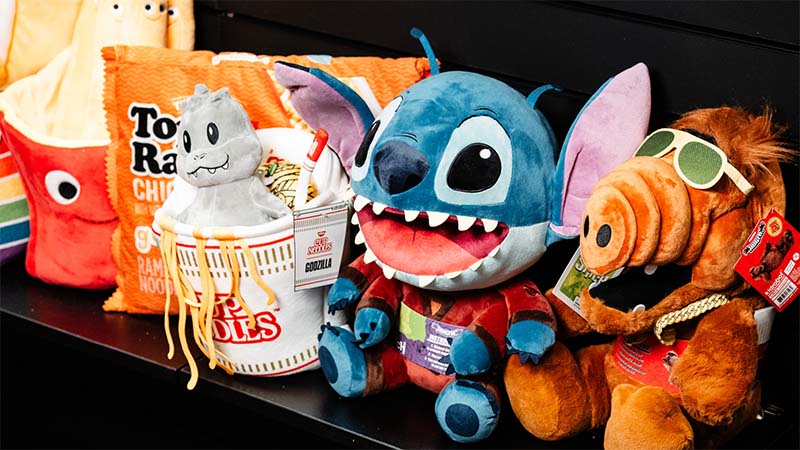
When converting a 2D design into a plush toy, size and proportions are critical factors that directly impact the outcome. If these elements are not defined early, the final product may deviate from the intended look.
Seam allowances also play a huge role in shaping the toy. They determine how the fabric will come together during the sewing process, which can affect the overall size and proportions.
Defining Size Early Ensures Consistent Scale
The overall size of the plush toy should be confirmed before starting production. This includes:
- Height of the toy
- Width and depth of each body part
- Specific part dimensions (e.g., head, limbs)
Defining size early allows the pattern makers to create the right-scale pieces. Without it, the toy may end up larger or smaller than intended.
Proportions Determine the Toy’s Character
Proportions are just as important as size, especially for character-driven toys. You want to make sure the head, body, arms, and legs are balanced.
For example, if the head is too big for the body, the toy will look awkward. Similarly, short limbs or an overly large body can affect the toy’s visual appeal.
Defining proportions in the design phase ensures that the toy maintains a balanced, attractive look.
Seam Allowances Shape the Final Product
Seam allowances are the extra fabric added to each pattern piece to ensure the pieces can be sewn together. These are essential for maintaining the shape and proportions of the toy during assembly.
For example:
- Larger seam allowances may lead to a smaller overall size
- Smaller seam allowances may cause a toy to be too loose or too tight
It’s crucial to define seam allowances early so that pattern makers can plan the construction of each piece accordingly.
Size, Proportion, and Seam Allowance Checklist
| Factor | What to Define | Result |
|---|---|---|
| Overall Size | Total dimensions (height, width, depth) | Proper scale |
| Part Proportions | Balance between head, body, limbs | Visual consistency |
| Seam Allowances | Standard margins for sewing | Maintain shape |
| Part Dimensions | Specific size of individual features | Accurate construction |
| Proportion Guidelines | Ratios for different body parts | Ideal look |
How can pattern-making adjustments help translate 2D features into 3D shapes?
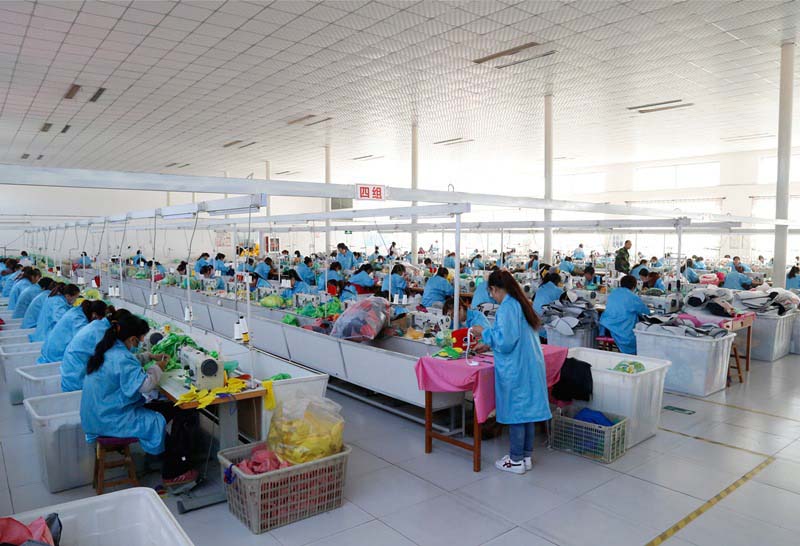
Pattern-making is where 2D designs come to life. However, not all features in a 2D drawing translate directly into a 3D plush toy. Pattern makers must adjust the design to account for the plush toy’s three-dimensional nature.
Adjusting for Fabric and Stuffing Properties
One of the most significant challenges is understanding how fabric behaves in 3D. Patterns often need to be adjusted to account for:
- Fabric stretch: Certain fabrics, like velboa or minky, stretch and shrink differently when sewn and stuffed.
- Stuffing distribution: Adding stuffing can affect the size and shape of the toy, so adjustments are made to compensate.
Experienced pattern makers adjust the design to ensure that when the fabric is sewn and stuffed, it holds the correct proportions and appearance.
Converting Flat Features into Rounded Shapes
Some 2D features, like faces or limbs, may need to be rounded out to maintain their intended look. This includes:
- Adding extra seam allowances to round edges
- Adjusting fabric panel shapes to create curves or bulges
- Creating internal structure to support softer features
These adjustments help transform flat shapes into lifelike 3D features while maintaining the design’s integrity.
Pattern-Making Adjustments Checklist
| Adjustment Area | What to Modify | Result |
|---|---|---|
| Fabric Stretch | Allowance for fabric shrinkage/stretch | Proper size and feel |
| Seam Placement | Adjust for rounded shapes | Smooth edges |
| Panel Shapes | Modify to create curves | Consistent proportions |
| Stuffing Allowance | Plan for volume change | Accurate shape retention |
| Internal Support | Reinforce soft features | Maintain stability |
What role does fabric type and pile length play in 2D to 3D accuracy?
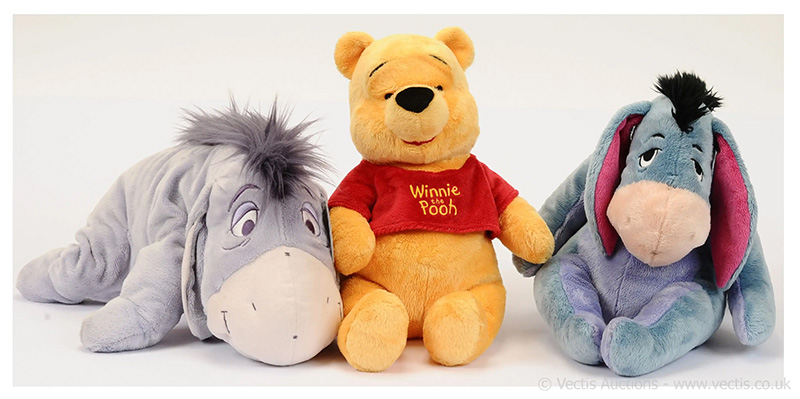
Fabric choice and pile length are essential in plush toy manufacturing, and they play a significant role in how the 2D design translates into the final 3D product. The type of fabric and the length of the fibers (pile) can drastically affect the visual proportions, texture, and feel of the toy.
Understanding how fabric properties impact the 2D-to-3D conversion is key to getting a plush toy that matches the original design accurately.
Fabric Type Affects Structure and Feel
Different fabrics have different weights, textures, and behaviors, which can affect the final plush toy’s shape and look. For instance:
- Velboa fabric is very soft and smooth, so it will give the toy a more streamlined look.
- Minky fabric, while soft, has a thicker texture, making it more suitable for plush toys that need a firmer structure.
- Teddy fabric, which is thicker and more plush, will give the toy a fuller appearance.
If fabric choice isn’t specified or locked early, variations in texture and feel may cause the toy to lose the visual accuracy defined in the design.
Pile Length Influences Proportions and Detail
Pile length refers to the height of the fibers on the surface of the fabric. A longer pile can significantly change how a plush toy looks compared to a shorter pile, especially in terms of:
- Fabric appearance: A longer pile fabric will make the toy look puffier and fuller, while a short pile will give a more sleek and smooth look.
- Visible details: Fine details like facial expressions, stitching, and embroidery can get “lost” in long-pile fabrics because the fibers can obscure small features.
So, when a 2D design includes intricate features, the choice of pile length can either emphasize or obscure those details.
Fabric Type and Pile Length Checklist
| Factor | What to Define | Result |
|---|---|---|
| Fabric Type | Choose material (e.g., velboa, minky) | Consistent feel and structure |
| Pile Length | Set fiber length for texture | Visual clarity |
| Texture | Define softness or firmness | Accurate touch and appearance |
| Fabric Weight | Standardize fabric weight | Ensure proper volume and shape |
| Pattern Adaptation | Adjust for fabric behavior | Precise 3D translation |
How can 3D mockups or prototypes clarify design translation challenges?
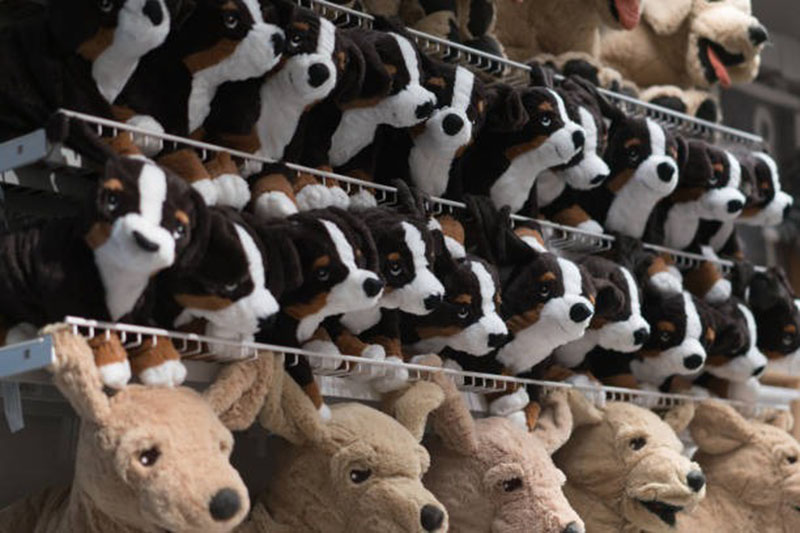
While 2D artwork is essential, it can be difficult to imagine how a design will truly appear as a plush toy. This is where 3D mockups and prototypes become invaluable tools in the process of translating 2D designs into 3D plush toys.
These physical or digital representations help clarify any issues that might arise when turning flat artwork into a soft, structured object.
3D Mockups Allow Early Visualization
A 3D mockup (either digital or a quick prototype) allows you to see how the plush toy will look from all angles. Unlike flat illustrations, mockups let you explore:
- Proportions from every angle
- How the toy’s structure holds up in 3D
- The play of shadows and highlights on the fabric
These mockups help spot design issues early, such as imbalance or unrealistic proportions, so adjustments can be made before proceeding to physical prototyping or mass production.
Physical Prototypes Test Real-World Feasibility
Creating a physical prototype is often the next step after a 3D mockup. This lets you test:
- Material and fabric choice in a real-world context
- How the pattern and stitching hold up when constructed
- Stuffing distribution and how it affects shape retention
Physical prototypes allow you to hold the plush toy and feel the design. This real-world touch is key to identifying problems that are harder to spot digitally—like fabric stretch, weight distribution, or tactile experience.
Mockup and Prototype Checklist
| Tool | What It Provides | Benefit |
|---|---|---|
| 3D Mockups | Digital design in 3D | Early feedback on proportions |
| Physical Prototypes | Real-world version of the design | Test material and structure |
| Design Feedback | Visualize 3D impact of 2D design | Identify early issues |
| Material Testing | Try out different fabrics | Ensure consistency with design |
Why should you test different stuffing densities to achieve the right shape?
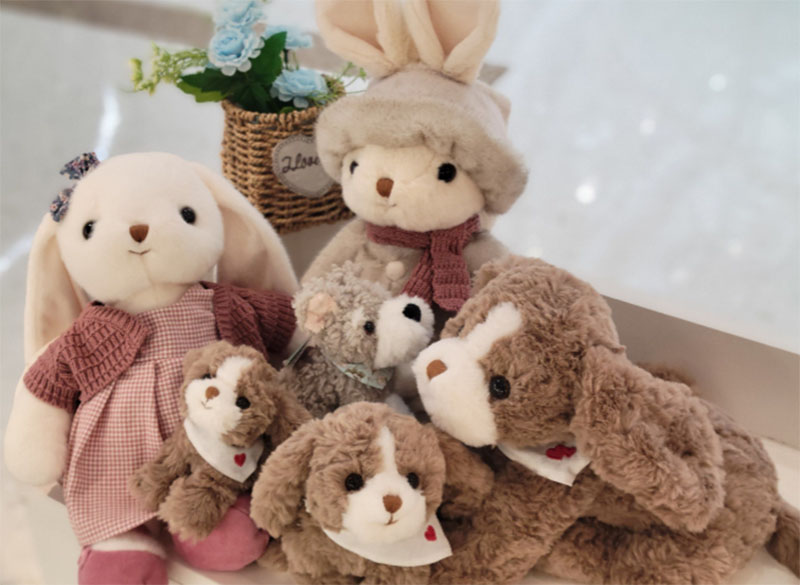
Stuffing density has a huge influence on the shape, feel, and overall consistency of the plush toy. Even when the design is flawless and the pattern is accurate, the amount and distribution of stuffing can either enhance or distort the final product’s appearance.
Testing different stuffing densities ensures that the toy’s shape, softness, and durability align with the design.
The Role of Stuffing in Shape and Proportions
Stuffing controls the volume and firmness of a plush toy. More stuffing means a firmer, fuller toy, while less stuffing makes it softer and more flexible. Depending on the toy’s design, adjusting the stuffing density may be needed to ensure:
- The toy’s proportions stay true to the design (especially with large heads or tiny limbs)
- The final product holds its shape well and doesn’t sag or collapse
- The toy has a proper balance of softness and structure
Testing different densities will allow you to determine the best option for the desired feel and shape stability.
Achieving Consistent Stuffing Across Production
Once you find the ideal stuffing density for the prototype, it’s essential to replicate this consistency during mass production. That means:
- Establishing clear guidelines on the exact weight and density of stuffing
- Ensuring factory workers know how to distribute stuffing evenly across the toy
- Monitoring how stuffing affects shape retention during mass production
By clearly defining stuffing standards, you can avoid differences in feel or shape across your production run.
Stuffing Density Testing Checklist
| Factor | What to Define | Result |
|---|---|---|
| Density Level | Choose soft or firm stuffing | Control toy feel and shape |
| Distribution | Evenly spread across body parts | Maintain symmetry and proportions |
| Weight | Standardize stuffing weight | Consistent volume |
| Shape Retention | Test how stuffing holds form | Shape accuracy |
| Firmness Control | Test firmness variations | Right balance for design |
Conclusion
Converting a 2D design into a 3D plush toy is a complex process that involves understanding the relationship between design, materials, proportions, and manufacturing techniques. The most common issues arise from unclear or incomplete design inputs, improper fabric or stuffing choices, and lack of proper testing.
By refining design details, locking in materials early, testing different stuffing densities, and using mockups and prototypes to catch potential issues, buyers and manufacturers can achieve a much more accurate 2D-to-3D conversion.
At KINWIN, we specialize in helping clients navigate this process smoothly. From clear artwork to careful pattern making and stuffing adjustments, we ensure your plush toys are exactly what you envision—both in concept and in production.
If you’re looking to improve your plush toy design accuracy and streamline the conversion from 2D to 3D, our team is ready to assist with a professional, precise, and efficient development process.