In plush manufacturing, the biggest red flag is not high pricing.
It’s unrealistic promises.
Overpromising suppliers often sound confident, flexible, and eager to please. They agree quickly, quote aggressively, and assure you “everything is possible.” At first glance, this feels reassuring.
But in reality, excessive promises without technical evaluation usually lead to delays, cost increases, quality compromises, or broken commitments.
This guide will help you identify overpromising plush suppliers before problems happen—and choose partners who value accuracy over empty assurances.
Do They Promise Extremely Low Prices Without Reviewing Specifications?
Price is important. But pricing without analysis is a warning sign.
Do They Quote Before Understanding Materials and Construction?
If a supplier provides a very low price immediately—without asking about:
- Fabric type
- Embroidery complexity
- Size and structure
- Packaging requirements
- Safety standards
…it usually means the price is based on assumptions, not evaluation.
In plush manufacturing, small specification differences can significantly change cost. A responsible supplier will ask questions before quoting—not after production starts.
Is the Low Price Supported by a Cost Breakdown?
Serious suppliers can explain:
- Why a certain fabric is used
- How embroidery density affects cost
- Why structure impacts labor time
Overpromising suppliers often cannot provide detailed cost reasoning. Instead, they rely on “we can adjust later.”
Professional manufacturers—such as Kinwin—typically review specifications carefully before offering pricing, reducing the risk of unexpected adjustments later.
Price Evaluation Warning Table
| What to Evaluate | Healthy Practice | Overpromising Signal |
|---|---|---|
| Quotation timing | After review | Immediate |
| Specification questions | Detailed | Minimal |
| Cost explanation | Clear breakdown | Vague |
| Price stability | Consistent | Frequently revised |
| Risk transparency | Discussed | Ignored |
Do They Guarantee Unrealistically Short Lead Times?
Fast production sounds attractive—especially when you’re under pressure from retailers, events, or launch schedules.
But in plush manufacturing, speed without planning often means shortcuts somewhere else.
Do They Confirm Lead Time Without Checking Capacity?
If a supplier promises:
- Extremely short sampling time
- Very fast bulk production
- Guaranteed shipment during peak season
…without checking:
- Order quantity
- Complexity
- Current production schedule
- Material lead times
…it’s usually a red flag.
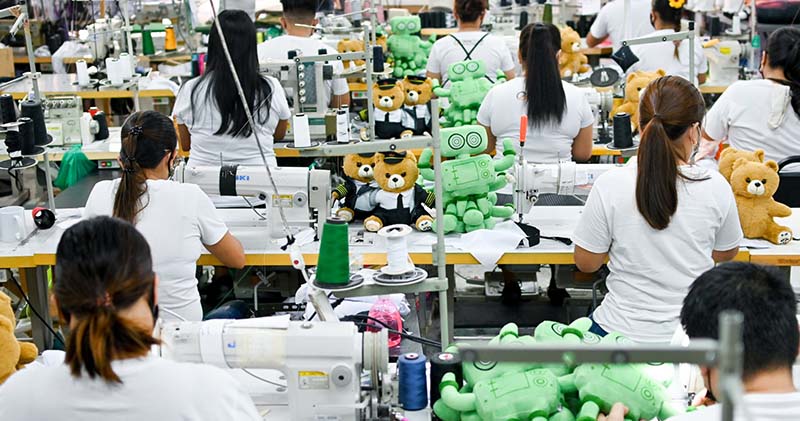
Real factories need to coordinate material sourcing, cutting, sewing, stuffing, inspection, and packaging. Compressed timelines increase the risk of rushed workmanship and quality instability.
Do They Ignore Revision and Approval Cycles?
High-quality plush projects often require:
- 1–3 sample revisions
- Approval confirmations
- Possible material adjustments
If a supplier promises a final delivery date without accounting for these steps, they may either:
- Delay later
- Rush the process
- Skip proper quality checks
Responsible manufacturers—such as Kinwin—typically balance speed with realistic planning and buffer time.
Lead Time Evaluation Warning Table
| What to Evaluate | Healthy Practice | Overpromising Signal |
|---|---|---|
| Capacity check | Done before confirmation | Skipped |
| Peak season awareness | Acknowledged | Ignored |
| Revision planning | Included | Not mentioned |
| Timeline buffer | Built-in | None |
| Delivery confidence | Realistic | Overconfident |
Do They Say “Yes” to Every Request Without Technical Evaluation?

In manufacturing, professionalism often sounds different from enthusiasm.
An overpromising supplier tends to respond quickly with:
- “No problem.”
- “We can do it.”
- “Everything is possible.”
While flexibility is important, automatic agreement without evaluation usually signals weak technical control.
Do They Provide Technical Feedback or Just Reassurance?
When you request:
- Very small plush with complex embroidery
- Large plush with thin limbs
- Strict color matching
- Tight tolerance requirements
A capable supplier will explain:
- Feasibility limits
- Potential risks
- Recommended adjustments
If there are no technical questions and no structured feedback, they may not be assessing the request properly.
True manufacturing partners analyze first, then commit.
Are They Comfortable Saying “No” or Suggesting Alternatives?
Experienced suppliers are not afraid to:
- Clarify limitations
- Suggest design modifications
- Recommend material substitutions
- Adjust structure for stability
Overpromising suppliers often avoid difficult conversations because they fear losing the order.
Factories with structured technical evaluation processes—such as Kinwin—typically prioritize feasibility and long-term cooperation over short-term agreement.
Technical Evaluation Warning Table
| What to Evaluate | Healthy Practice | Overpromising Signal |
|---|---|---|
| Technical review | Detailed | Minimal |
| Risk discussion | Open | Avoided |
| Alternative suggestions | Offered | None |
| Limitation explanation | Clear | “Everything is fine” |
| Commitment timing | After evaluation | Immediate |
Are They Unwilling to Explain Production Limitations or Risks?
Every manufacturing process has limits.
Pretending those limits don’t exist doesn’t remove risk—it hides it.
Professional plush suppliers understand that discussing limitations early protects both sides. Overpromising suppliers often avoid these conversations because they worry transparency may reduce their chances of winning the order.
Do They Avoid Talking About Structural or Material Constraints?
Examples of real production limits include:
- Fabric thickness affecting fine embroidery clarity
- Very small plush limiting internal support strength
- Oversized plush requiring structural reinforcement
- Certain colors being unstable in specific fabrics
If a supplier avoids these topics and insists “no issue,” they may not be thinking through technical realities.
Clear explanation of limitations shows maturity—not weakness.
Do They Downplay Potential Production Risks?
In plush manufacturing, common risks include:
- Color batch variation
- Embroidery distortion
- Proportion drift in large runs
- Tight deadline pressure affecting QC
A reliable supplier will explain these risks and describe how they control them.
Manufacturers that operate with structured risk awareness—such as Kinwin—typically integrate risk discussion into early project communication.
Risk Transparency Warning Table
| What to Evaluate | Healthy Practice | Overpromising Signal |
|---|---|---|
| Limitation explanation | Clear & specific | Avoided |
| Risk awareness | Discussed early | Ignored |
| Preventive measures | Explained | Not mentioned |
| Technical depth | Detailed | Superficial |
| Communication style | Transparent | Overconfident |
Do They Avoid Detailed Discussions About Materials and Craftsmanship?
In plush manufacturing, details are everything.
A supplier who truly understands their craft will be comfortable discussing:
- Fabric composition
- Stitch density
- Seam construction
- Stuffing type and weight
- Embroidery technique
Overpromising suppliers, on the other hand, often keep conversations general and avoid going too deep into technical specifics.
Do They Provide Clear Material Options and Trade-Offs?
Responsible suppliers can explain:
- Differences between short plush, velboa, and fleece
- How fabric thickness affects shape retention
- How embroidery density changes stiffness
- How stuffing quality impacts feel and durability
If material discussions stay vague—“standard fabric,” “normal filling,” “good quality”—without explanation, that’s a red flag.
Clear material transparency shows technical confidence.
Can They Explain Craftsmanship Standards Clearly?
Strong suppliers should be able to describe:
- Stitch length standards
- Seam reinforcement methods
- Panel alignment controls
- Quality checkpoints during sewing
If craftsmanship is described only as “high quality” without measurable standards, you may be dealing with marketing language instead of real production control.
Precision-oriented manufacturers—such as Kinwin—typically welcome detailed discussions because it demonstrates expertise rather than exposing weakness.
Materials & Craftsmanship Transparency Table
| What to Evaluate | Healthy Practice | Overpromising Signal |
|---|---|---|
| Fabric explanation | Specific & comparative | Generic |
| Stuffing details | Defined | Undefined |
| Stitch standards | Measurable | Vague |
| Process transparency | Open discussion | Avoided |
| Technical depth | Confident | Surface-level |
Are Their Sample Commitments Vague or Non-Binding?
Sampling is where promises meet reality.
Overpromising suppliers often sound confident during discussion—but when it comes to sampling, their commitments become unclear.
That’s where risk begins.
Do They Avoid Defining Clear Sample Standards?
Professional suppliers define:
- Sample timeline
- Revision rounds
- Approval criteria
- Cost responsibility for changes
Overpromising suppliers may say:
- “We will try our best.”
- “Should be fine.”
- “Let’s see after sample.”
Without written clarity on what constitutes an acceptable sample, misunderstandings are almost guaranteed.
Clear sample standards protect both buyer and manufacturer.
Is There Accountability If the Sample Doesn’t Meet Specifications?
Responsible suppliers usually:
- Compare the sample against artwork and measurements
- Document corrections clearly
- Confirm improvements in writing
Overpromising suppliers may:
- Shift responsibility to design
- Blame interpretation differences
- Avoid committing to measurable corrections
Reliable plush manufacturers—such as Kinwin—treat sampling as a structured evaluation process, not a casual preview.
Sample Commitment Warning Table
| What to Evaluate | Healthy Practice | Overpromising Signal |
|---|---|---|
| Sample timeline | Clearly defined | Flexible & unclear |
| Revision structure | Agreed in advance | Not specified |
| Acceptance criteria | Measurable | Subjective |
| Documentation | Written confirmation | Verbal only |
| Accountability | Shared & clear | Avoided |
Conclusion
Overpromising plush suppliers don’t always look risky at first.
They sound confident.
They offer low prices.
They promise fast delivery.
They agree quickly.
But real manufacturing strength is not shown through enthusiasm—it’s shown through evaluation, transparency, and structured commitment.
A professional plush supplier will:
- Ask detailed questions before quoting
- Provide realistic timelines
- Evaluate feasibility before agreeing
- Explain risks openly
- Commit to measurable sampling standards
If you are planning a custom plush project and want stability instead of surprises, working with a technically disciplined manufacturer—such as Kinwin—can significantly reduce production uncertainty.
Choosing carefully at the beginning saves far more than fixing problems later.