When buyers look for an “experienced” plush toy manufacturer, they often focus on surface signals—years claimed, factory photos, or a long client list.
But real experience in plush toy manufacturing goes much deeper.
True experience shows up in how a factory thinks, explains, and anticipates problems—not just in how long they’ve existed. This guide helps you identify genuinely experienced plush toy manufacturers by looking at practical evidence, not marketing claims.
What Does “Experience” Mean in Plush Toy Manufacturing?
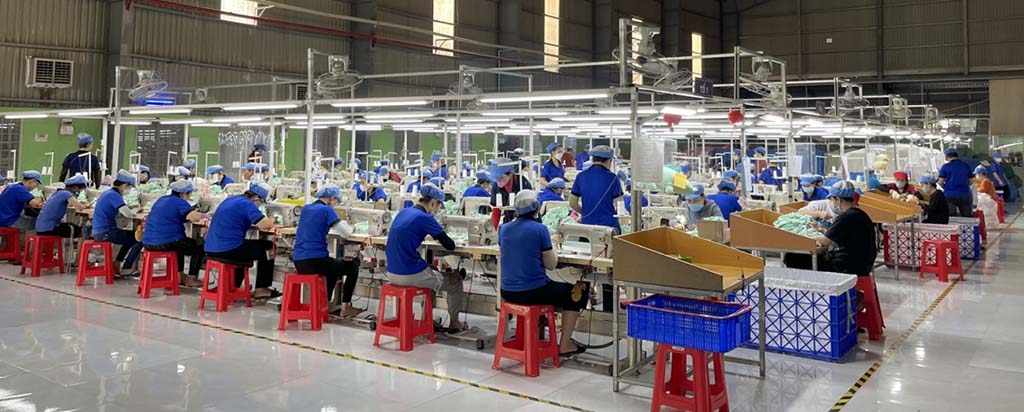
In plush toy manufacturing, experience is not just about time—it’s about repetition, learning, and problem-solving across real projects.
Is Experience About Years, or About Relevant Production Depth?
Years in business alone can be misleading.
A factory may claim:
- “10+ years of experience”
- “Serving global clients for many years”
But the more important questions are:
- How many years have they produced plush toys specifically?
- Have they produced continuously, or only occasionally?
- Have they handled different complexity levels, not just simple SKUs?
A factory that has produced plush toys every year—across multiple product cycles—usually develops instincts that newer or part-time producers lack.
Why Repeated Execution Matters More Than One-Off Projects
Real experience comes from doing similar work repeatedly and refining processes over time.
Experienced plush manufacturers typically show:
- Familiarity with common design pitfalls
- Faster identification of risky materials or structures
- More accurate cost and timeline estimates
They don’t just say “we can do it”—they explain how, why, and what to watch out for.
Manufacturers with long-term plush specialization—such as Kinwin—tend to demonstrate experience through practical discussion, not exaggerated claims.
Defining “Real Experience” Table
| Aspect | Experienced Manufacturer | Inexperienced Signal |
|---|---|---|
| Experience definition | Plush-focused production history | General toy claims |
| Production continuity | Years of repeated plush work | Sporadic plush projects |
| Problem awareness | Mentions risks naturally | Claims “no problems” |
| Estimation accuracy | Realistic cost & timing | Overly optimistic |
| Explanation depth | Explains reasoning | Just shows results |
How Many Years Have They Produced Plush Toys Specifically?
When suppliers say they have “many years of experience,” the key question is experience in what.
Plush toy manufacturing is a specialized discipline, and general toy or gift experience doesn’t always translate.
Are Their Years of Experience Plush-Specific or Just Business Age?
Ask direct, clarifying questions such as:
- How many years have you produced plush toys continuously?
- Were plush toys your main product line every year?
- What percentage of your annual output is plush?
A factory that has been in business for 10–15 years may have only handled plush toys intermittently—often as side projects—while focusing mainly on other products.
Experienced plush manufacturers usually:
- Speak comfortably about plush-specific issues
- Reference past plush seasons, trends, or materials
- Distinguish plush work from other soft goods clearly
Vague timelines or answers like “we do many products” often signal limited plush specialization.
Can They Talk About How Their Plush Capabilities Evolved Over Time?
Real experience leaves a learning trail.
Listen for whether the supplier can explain:
- How their plush processes improved over the years
- What mistakes they made early on—and how they fixed them
- How materials, stitching, or QC standards changed
Factories that have truly grown with plush manufacturing can tell a story of evolution, not just claim longevity.
Manufacturers with long-term plush focus—such as Kinwin—often discuss experience in terms of lessons learned, not just years counted.
Plush-Specific Experience Verification Table
| What to Check | Strong Experience Signal | Warning Sign |
|---|---|---|
| Plush production years | Clearly stated & continuous | Vague or mixed |
| Product focus | Plush as core category | Plush as side item |
| Process evolution | Describes improvements | No learning history |
| Technical language | Plush-specific terms | Generic toy talk |
| Confidence level | Calm & precise | Overly promotional |
What Types of Plush Products Have They Made Repeatedly?
Experience in plush manufacturing is closely tied to repetition.
Making one plush toy successfully is very different from producing the same category again and again—across different clients, quantities, and requirements.
Do They Have Repeated Experience With Similar Plush Categories?
Ask the supplier what types of plush products they produce most often, not just what they can make.
Experienced plush manufacturers usually have clear strengths, such as:
- Stuffed animals (bears, dogs, cats, etc.)
- Character or IP-based plush toys
- Plush keychains or bag charms
- Promotional or gift plush items
If a supplier struggles to name repeat categories—or lists too many unrelated items—it may indicate shallow experience rather than depth.
Repetition matters because:
- Similar designs reveal recurring production challenges
- Processes become more refined over time
- Quality consistency improves with familiarity
Can They Explain Differences Between Similar Plush Projects?
True experience shows up when suppliers can explain nuances, not just results.
For example:
- How a 15 cm plush differs from a 30 cm plush in structure
- Why certain animals require different stuffing balance
- How embroidery density changes with fabric type
Suppliers who have repeated experience can discuss these differences naturally, without referring to notes or generic explanations.
Manufacturers with strong plush specialization—such as Kinwin—often demonstrate experience by comparing projects, not just showcasing photos.
Repeated Product Experience Evaluation Table
| What to Evaluate | Experienced Signal | Inexperienced Signal |
|---|---|---|
| Product categories | Clear, focused list | Overly broad claims |
| Repetition level | Same types made often | One-off examples |
| Technical detail | Explains differences | Surface descriptions |
| Problem familiarity | Mentions common issues | Claims no issues |
| Quality consistency | Refined processes | Trial-and-error feel |
Which Markets and Buyers Have They Worked With Before?
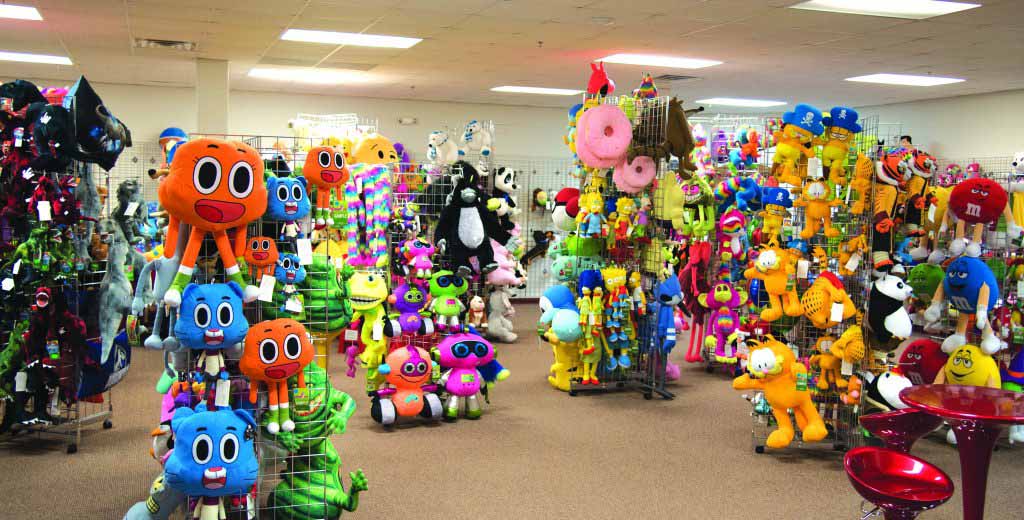
Experience only matters if it’s relevant to your market and buyer type.
A factory may have years of production behind them—but if they’ve never served buyers like you, that experience may not translate smoothly.
Have They Served Markets With Similar Compliance and Expectations?
Different markets come with very different expectations.
For example:
- US & EU buyers often emphasize safety testing, documentation, and traceability
- Japanese buyers tend to focus on workmanship consistency and material feel
- Promotional or corporate buyers care about timelines, packaging, and brand alignment
Ask whether the factory has shipped to markets similar to yours and how often. Experienced manufacturers can explain:
- Which standards typically apply
- What buyers in that market care about most
- Where problems commonly occur
If a supplier can’t clearly distinguish between markets, their experience may be too generic to be useful.
Do They Understand Different Buyer Types and Project Models?
Beyond geography, buyer type also matters.
An experienced plush manufacturer should recognize differences between:
- Brand owners vs. trading companies
- E-commerce sellers vs. retail chains
- Licensing/IP projects vs. generic designs
Each buyer type brings different workflows, approval cycles, and risk points.
Suppliers who have worked with a range of buyer profiles can adapt communication, sampling, and documentation accordingly.
Manufacturers with broad, relevant exposure—such as Kinwin—often demonstrate this experience by tailoring their explanations to your specific context, not by listing logos.
Market & Buyer Experience Evaluation Table
| What to Check | Relevant Experience | Limited Experience |
|---|---|---|
| Target markets | Regular shipments to similar regions | Unfamiliar markets |
| Compliance awareness | Knows applicable standards | Vague on requirements |
| Buyer type familiarity | Understands your model | One-size-fits-all |
| Expectation alignment | Anticipates priorities | Reactive only |
| Adaptability | Adjusts workflow | Rigid process |
Can They Explain Past Projects in Detail, Not Just Show Photos?
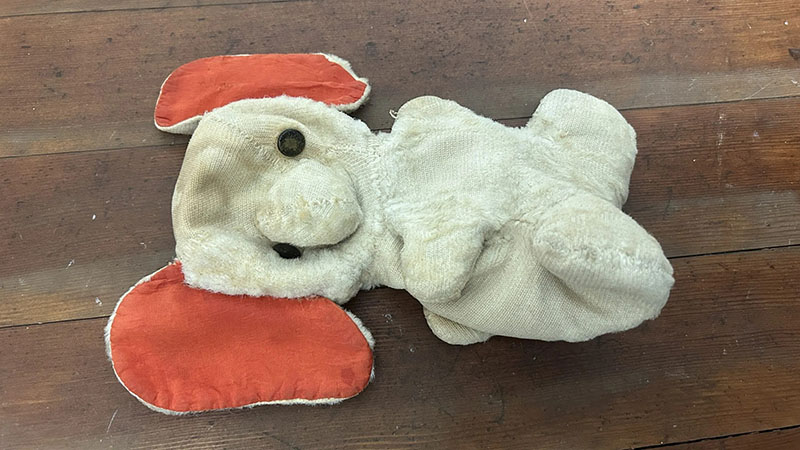
Photos are easy to collect. Experience is not.
Many suppliers can show you attractive sample images, but only experienced plush manufacturers can clearly explain how those products were made—and why certain decisions were taken.
Can They Walk You Through a Project Step by Step?
Ask the supplier to describe one past plush project from start to finish:
- What was the original requirement?
- What challenges appeared during sampling?
- What changes were made and why?
- How was mass production controlled?
Experienced manufacturers don’t rush this explanation. They can describe the sequence logically and connect decisions to outcomes.
Be cautious if:
- Answers stay at a high level (“we made it successfully”)
- Details change each time you ask
- Explanations rely on generic phrases instead of specifics
Depth of explanation is often a stronger signal than the number of photos shown.
Do They Discuss Problems and Trade-Offs Honestly?
Real projects always involve compromises—between cost, quality, lead time, or feasibility.
Experienced suppliers are comfortable talking about:
- What didn’t work initially
- Why certain materials or techniques were changed
- How risks were mitigated
If a supplier claims every past project was “perfect,” that usually indicates limited hands-on involvement.
Manufacturers with genuine experience—such as Kinwin—tend to speak openly about challenges because those lessons are part of their value to buyers.
Past Project Explanation Evaluation Table
| What to Evaluate | Experienced Signal | Warning Sign |
|---|---|---|
| Project narrative | Clear, step-by-step | Vague summaries |
| Decision reasoning | Explains why choices were made | No rationale |
| Problem disclosure | Mentions challenges | “No issues” claims |
| Consistency | Same story each time | Details shift |
| Learning outcomes | Shares lessons | No takeaways |
How Well Do They Understand Materials, Construction, and Risks?
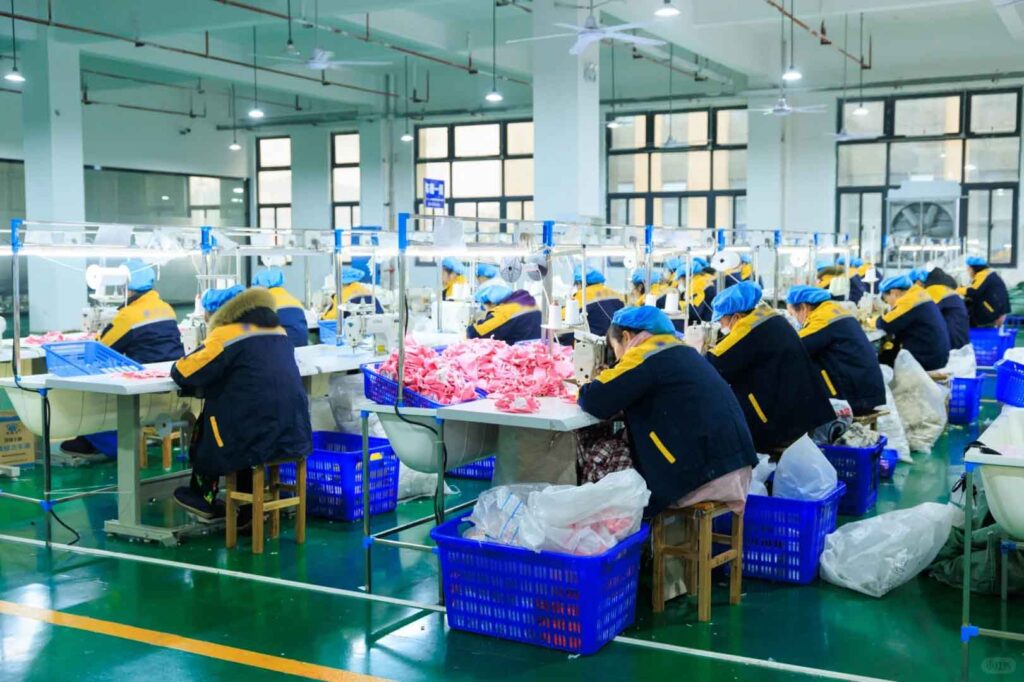
Deep experience in plush toy manufacturing shows most clearly in how suppliers talk about materials, construction choices, and potential risks.
This is the hardest area to fake—and the most valuable for buyers.
Can They Explain Why Certain Materials or Structures Are Chosen?
Experienced plush manufacturers don’t just list options—they explain fit and consequences.
Listen for whether they can:
- Explain why one fabric works better than another for a specific size
- Discuss how pile length affects embroidery or printing
- Explain stuffing density trade-offs for shape retention
- Recommend construction methods based on durability and safety
If answers stay at “this is standard” or “clients usually choose this,” it may indicate limited hands-on knowledge.
Factories with real expertise can connect material choice → construction method → final performance in a clear, logical way.
Do They Proactively Identify Risks and Preventive Measures?
Risk awareness is a hallmark of experience.
Experienced suppliers often warn you about:
- Seam stress points on certain designs
- Fabric distortion after washing or use
- Small parts risks for specific age groups
- Color migration or print cracking risks
They don’t wait for problems to appear—they flag them early and suggest preventive solutions.
Manufacturers with mature technical teams—such as Kinwin—typically raise these points naturally because they’ve encountered them repeatedly in real production.
Materials, Construction & Risk Evaluation Table
| What to Check | Experienced Manufacturer | Inexperienced Signal |
|---|---|---|
| Material explanation | Explains performance impact | Just lists options |
| Construction logic | Links method to function | No clear reasoning |
| Risk awareness | Flags issues early | Denies risks |
| Preventive advice | Offers solutions | Reactive only |
| Technical confidence | Calm and precise | Overly vague or salesy |
Conclusion
Identifying an experienced plush toy manufacturer is not about counting years or admiring photos—it’s about recognizing patterns of real production knowledge.
Truly experienced manufacturers show their value through plush-specific production history, repeated execution of similar products, familiarity with relevant markets and buyer types, the ability to explain past projects in detail, and a deep understanding of materials, construction methods, and potential risks.
These qualities cannot be faked with marketing language. They appear naturally in how suppliers communicate, advise, and anticipate problems before they happen.
If you’re looking for a plush toy manufacturing partner who brings practical experience—not just claims—Kinwin welcomes open discussions to help you evaluate feasibility, avoid common risks, and move forward with confidence on your custom plush projects.