For plush toy brands selling into the USA, Europe, and other regulated markets, third-party laboratory testing is not an administrative step. It is a risk-control mechanism that directly influences whether a product can legally enter a market, pass customs inspections, and be accepted by retailers or online platforms.
From my experience working with global buyers and compliance teams, testing problems rarely come from “unsafe products.” They usually come from unclear testing scope, incorrect lab selection, insufficient preparation, or testing being introduced too late in the product development process.
Third-party testing should be treated as part of product engineering and launch planning, not as a final document request. This article explains how brands can work with third-party labs in a structured, professional, and scalable way—covering test selection, lab choice, preparation, execution, result interpretation, and launch integration.
What Types of Plush Toy Tests Should Be Conducted by Third-Party Laboratories?
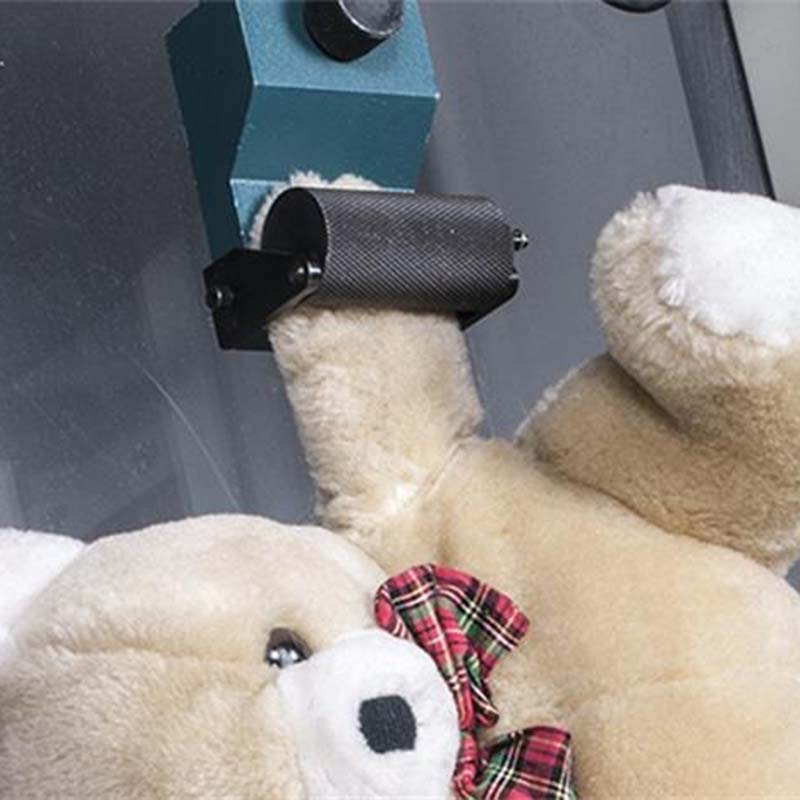
Defining the correct testing scope is the foundation of plush toy compliance. Third-party laboratories do not decide what to test on their own; they test based on the information brands provide, including age grading, materials, structure, and target markets. When brands define test scope incorrectly, they either face compliance gaps or pay for unnecessary testing.
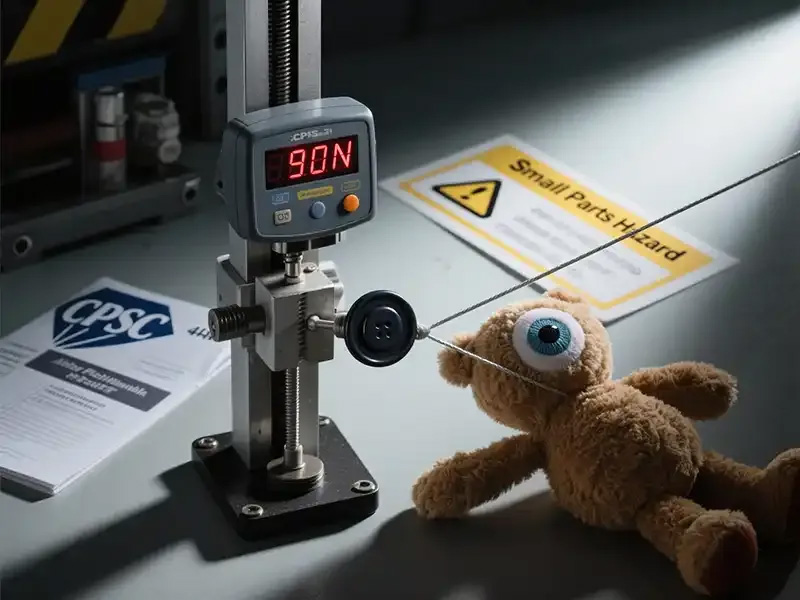
Plush toy testing typically covers mechanical safety, flammability, chemical composition, and labeling accuracy. Mechanical testing evaluates seam strength, accessory attachment, and resistance to pulling, twisting, and compression. This is especially critical for toys intended for children under 36 months, where small parts hazards are strictly regulated.
Flammability testing assesses how fabrics and fillings react to flame exposure. Many failures occur when brands use mixed fabrics or unverified fillings without prior screening. Chemical testing focuses on restricted substances such as heavy metals, phthalates, and azo dyes, which are often linked to dyed fabrics, printed areas, and plastic components.
Labeling review is equally important. Incorrect age grading, missing warnings, or incomplete importer information can cause test failure even if the physical product is safe. The test scope must always match the product’s real use conditions and sales markets.
| Test Category | Main Risk Addressed | Why It Is Required |
|---|---|---|
| Mechanical & Small Parts | Choking and injury | Child safety compliance |
| Flammability | Fire hazards | Market regulations |
| Chemical Safety | Toxic exposure | Health protection |
| Labeling Review | Legal accuracy | Market access |
How Do Brands Choose Accredited Labs for Different Global Markets?
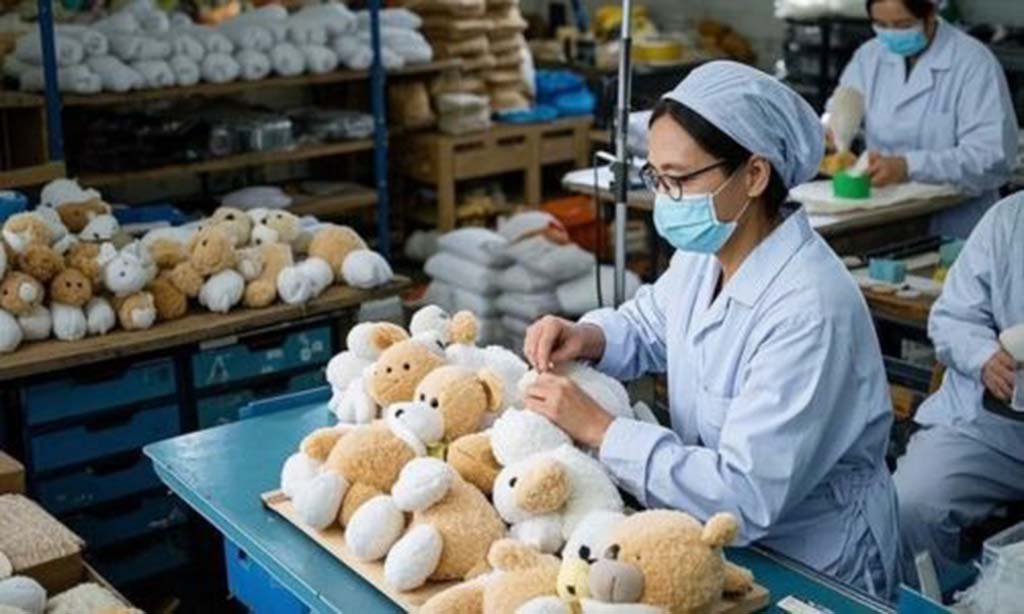
Choosing a third-party lab is a compliance decision, not a sourcing shortcut. A test report only has value if it is accepted by regulators, customs authorities, retailers, and e-commerce platforms in the target market. Price should never be the primary selection factor.
The first requirement is ISO/IEC 17025 accreditation, which confirms that a lab is technically qualified to perform testing. However, accreditation alone is not enough. Brands must verify whether the lab is recognized for specific standards such as ASTM F963, CPSIA, or EN71, depending on the destination market.
Different labs have different strengths. Some specialize in EU compliance but lack deep experience with CPSIA interpretations. Others are strong in chemical testing but rely on subcontractors for mechanical tests, increasing risk and lead time. Brands should also assess communication quality, reporting clarity, and response speed when issues arise.
Using an unrecognized or low-cost lab often leads to rejected reports, forced retesting, and shipment delays. In practice, this increases total cost and damages launch schedules. Selecting a lab should always be based on acceptance, reliability, and market experience.
| Selection Factor | What to Verify | Business Impact |
|---|---|---|
| Accreditation Scope | Applicable toy standards | Legal validity |
| Market Recognition | Customs & platform acceptance | Avoid retesting |
| Technical Coverage | Mechanical + chemical tests | Fewer delays |
| Turnaround Stability | Consistent lead time | Launch control |
What Documents, Samples, and Specifications Must Be Prepared Before Testing?
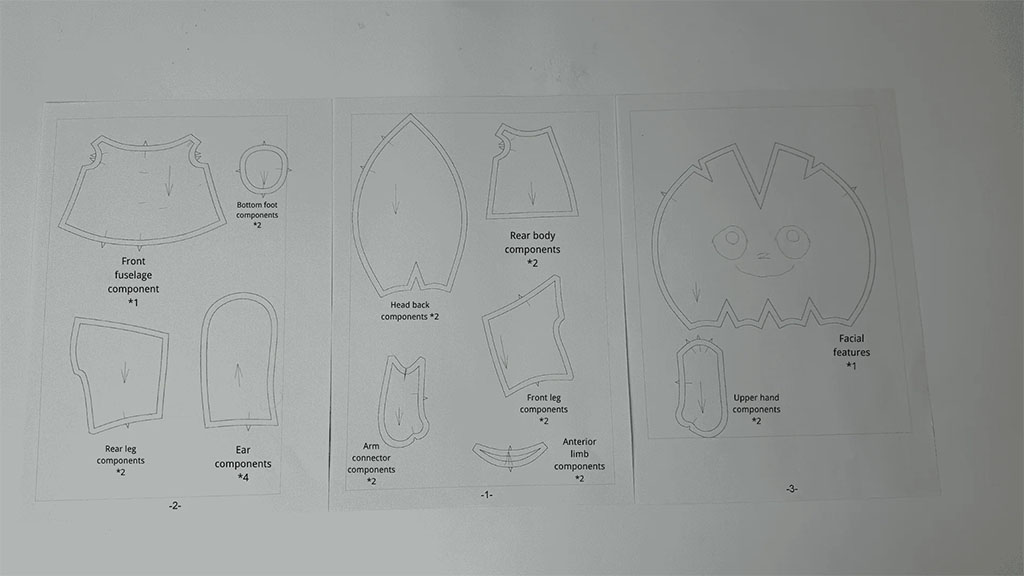
Most testing delays and failures originate before samples arrive at the lab. Incomplete documentation or non-representative samples often result in incorrect test scope, invalid reports, or costly retesting.
Testing samples must represent final mass production. Display samples or early prototypes often differ in stitching density, material backing, or accessory attachment methods. Any change made after testing can invalidate the report.
A complete bill of materials (BOM) is essential. It must list all fabrics, fillings, threads, inks, glues, and accessories. Labs rely on the BOM to determine chemical test scope. Missing even minor components can create compliance gaps.
Age grading statements define test severity. Incorrect age grading is a common cause of failure, especially when brands attempt to reduce test scope artificially. Label artwork must include all legally required information, including warnings, origin, and importer details.
| Preparation Item | Purpose | Risk If Incorrect |
|---|---|---|
| Finished Sample | Accurate testing | Invalid report |
| BOM | Chemical scope | Missing substances |
| Age Grading | Test severity | Automatic failure |
| Label Artwork | Legal compliance | Market rejection |
How Does the Testing Process Work from Sample Submission to Final Report?
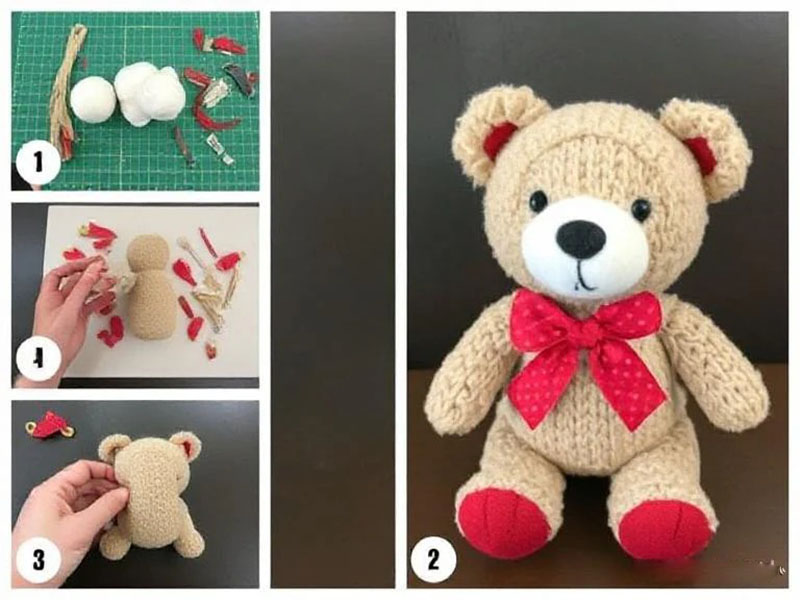
Understanding the testing workflow helps brands manage timelines and responsibilities. Testing is not a single action but a sequence of coordinated steps between brand, factory, and laboratory.
The process starts with scope confirmation. The lab reviews samples and documentation, confirms applicable standards, and provides cost and timeline estimates. This is the most critical stage for correcting scope issues before testing begins.
Once approved, the lab conducts mechanical and chemical tests. Mechanical tests usually finish faster, while chemical tests require longer analysis due to extraction and verification procedures. If issues are detected, labs often provide preliminary feedback before issuing final reports.
Corrective actions should be targeted and documented. Retesting should focus only on affected areas. Once all requirements are met, the lab issues the final accredited report, which is used for buyer approval, customs clearance, and platform compliance.
| Stage | Lab Action | Brand Responsibility |
|---|---|---|
| Scope Confirmation | Define tests | Approve scope |
| Testing Execution | Run evaluations | Track progress |
| Preliminary Feedback | Flag issues | Decide fixes |
| Final Report | Issue report | Archive & submit |
How Can Brands Interpret Test Results and Address Non-Compliance Issues?
A failed test should be treated as structured technical feedback, not a project failure. Most plush toy non-compliance issues are localized and can be resolved without redesigning the entire product.
The first step is root-cause analysis. Common failures include weak seams, insufficient attachment strength, or materials exceeding chemical limits. Each failure points to a specific production or sourcing issue.
Corrective actions should be precise. Increasing stitch density, changing attachment methods, or replacing a material supplier is often sufficient. Full redesign is rarely necessary and usually increases cost without improving safety.
Retesting should be limited to affected components. Over-retreating the entire product increases expense and extends timelines unnecessarily. Maintaining records of failures and corrective actions builds compliance history and buyer confidence.
| Failure Type | Common Cause | Typical Fix |
|---|---|---|
| Seam strength | Low stitch density | Reinforce stitching |
| Small parts | Weak fixation | Change attachment |
| Chemical limits | Non-compliant input | Replace material |
| Labeling | Missing text | Update artwork |
How Should Testing Timelines and Costs Be Integrated into Product Launch Planning?
Testing must be integrated into product planning from the earliest stages. When treated as a final step, testing becomes a bottleneck that compresses timelines and limits corrective options.
Brands should plan testing before mass production to avoid producing non-compliant inventory. Testing costs are predictable and should be included in early budgeting. Compliance delays, by contrast, are unpredictable and expensive.
Testing timelines must align with logistics and delivery schedules. Reports should be available before shipment, not after production is complete. Working with manufacturers experienced in compliance reduces trial-and-error and shortens feedback cycles.
Early integration allows brands to protect launch schedules, control cost, and maintain reliable market access—especially for seasonal or promotional products.
| Project Phase | Testing Focus | Risk Reduced |
|---|---|---|
| Design | Material compliance | Redesign risk |
| Sampling | Pre-test review | Retesting |
| Production | Final testing | Inventory loss |
| Shipping | Report readiness | Customs delays |
Conclusion
Third-party laboratory testing is not just a compliance requirement for plush toys—it is a strategic safeguard for product safety, market access, and brand credibility. By defining the right test scope, selecting accredited labs, preparing accurate samples and documents, and integrating testing early into launch planning, brands can reduce compliance risk, avoid costly delays, and scale confidently across global markets. A structured testing strategy helps plush toy brands move faster, stay compliant, and build long-term trust with buyers, platforms, and consumers.
📧 Contact: [email protected]
🌐 Visit: https://kinwintoys.com