Skip to content
A well-prepared plush toy design brief is one of the most powerful tools for ensuring smooth communication, fast sampling, and accurate mass production when working with OEM factories. Unlike internal design notes, a manufacturing brief must translate creative intent into technical clarity. It must guide pattern makers, sampling technicians, material sourcing staff, compliance officers, and production managers—all of whom rely on precise documentation to avoid misunderstandings, delays, and costly reworks.
A complete design brief does more than present a cute idea; it defines the toy’s identity, proportions, structure, safety requirements, and commercial goals. This guide explains what global buyers, IP owners, and brands must include in their design briefs to ensure successful collaboration with OEM plush manufacturers.
What Essential Design Information Should Be Included in a Plush Toy Brief?
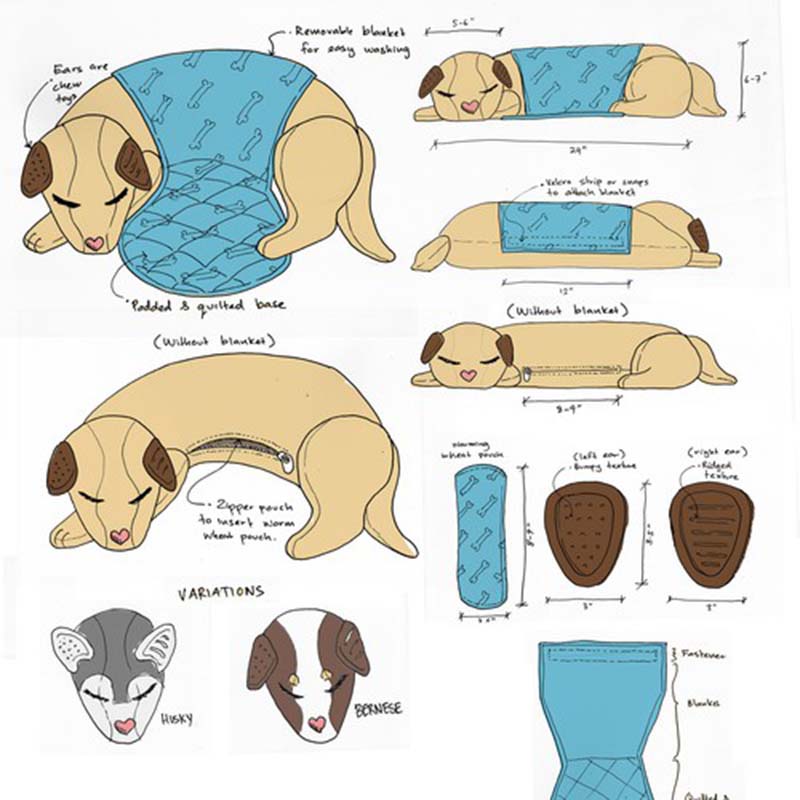
A plush toy brief begins with a high-level overview of the product, outlining fundamental identity markers that help the factory understand the scope of the project. This includes the character’s name, intended age group, target market, brand background, and the purpose of the toy (retail, promotional, licensing, collector series, or event-specific).
Factories also need a clear description of the toy’s core personality traits and aesthetic direction—whether the character is meant to look playful, calm, heroic, minimalistic, or realistic. These emotional cues influence proportion choices, fabric texture, and expression design.
Detailed dimensions must be specified—not only the total standing height, but the relative size relationships between the head, body, arms, legs, tail, ears, and accessories. If any proportion is non-standard or must be exaggerated for stylistic reasons, it must be stated explicitly. Buyers should also include whether the toy is meant to stand, sit, or be floppy.
| Essential Information | Purpose | Impact on Sampling |
|---|---|---|
| Character name & background | Defines identity & brand story | Guides aesthetic decisions |
| Target age group | Determines safety & material choices | Influences construction details |
| Intended market | Compliance planning (US/EU/JP) | Determines testing scope |
| Size & proportions | Clarifies physical structure | Prevents distortion during sampling |
| Toy purpose | Retail vs. promo vs. licensing | Affects durability & material choices |
A well-built brief gives the factory a complete picture of the toy’s personality, function, and brand relevance before any sampling begins.
How Do Reference Images, Turnarounds, and Proportion Guides Improve Accuracy?
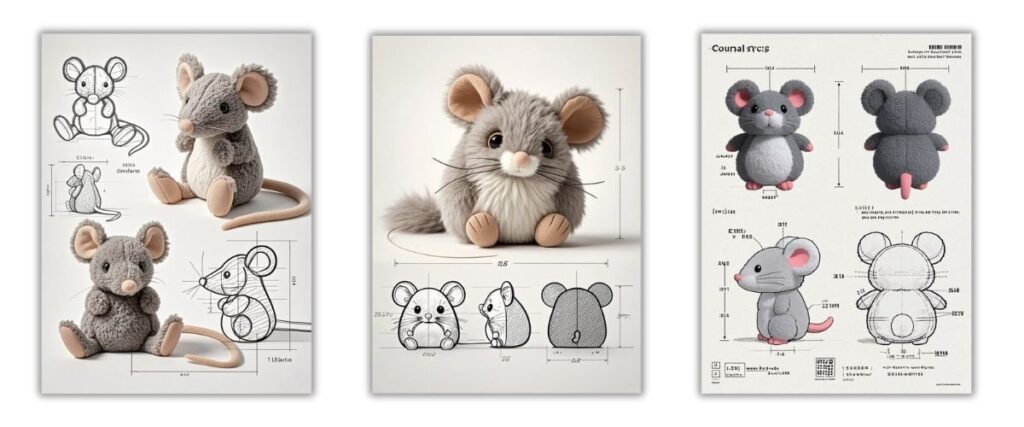
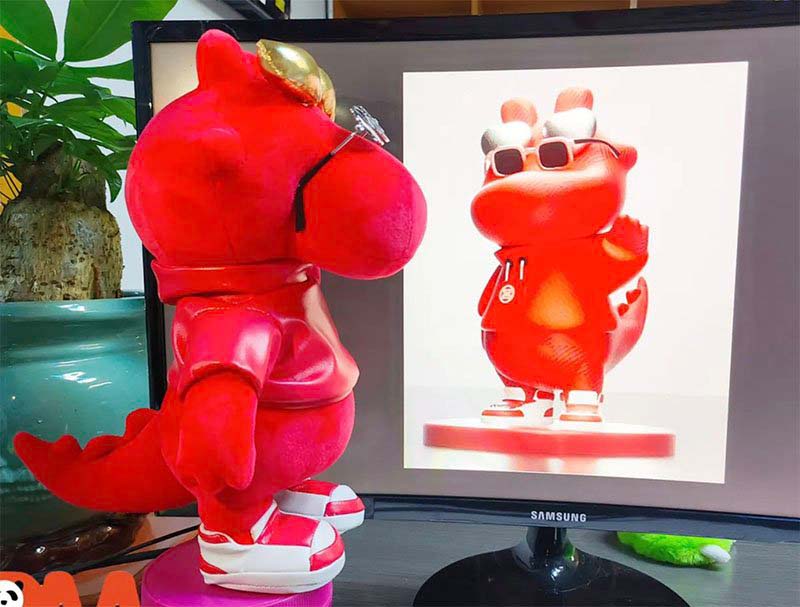
Because plush toys are three-dimensional soft objects, visuals are far more effective than written descriptions. Reference images help factories interpret shape, silhouette, posture, and detailing far more accurately than text alone. A minimum of three views—front, side, and back—is required for precise pattern making.
If the character originates from an animated series, game artwork, or licensing program, the client should provide official model sheets or turnaround drawings. These documents show exact proportions, feature alignment, and expressions, ensuring the plush does not deviate from brand identity. Where artwork lacks clarity, factories may require additional perspective sketches or a simplified character breakdown.
Proportion guides are especially critical for stylized characters. For example, if the head must be 60% of total height, or the ears must extend outward at a 45-degree angle, these metrics must be visually annotated. Without clear visuals, even a highly skilled pattern maker must make assumptions, which often leads to resampling.
| Visual Reference Type | What It Provides | Why It’s Important |
|---|---|---|
| Three-View Turnarounds | Exact shape from all angles | Eliminates guesswork |
| Expression Sheets | Facial details & emotion | Ensures brand consistency |
| Accessory Close-Ups | Details of props/attachments | Guides accurate construction |
| Proportion Diagrams | Head-body ratios, width, height | Prevents distortion |
| Real Object References | Texture, fabric inspiration | Supports material selection |
Clear visual documentation dramatically reduces sample iterations and shortens development time.
What Material Specifications and Fabric Mapping Should Be Defined Upfront?
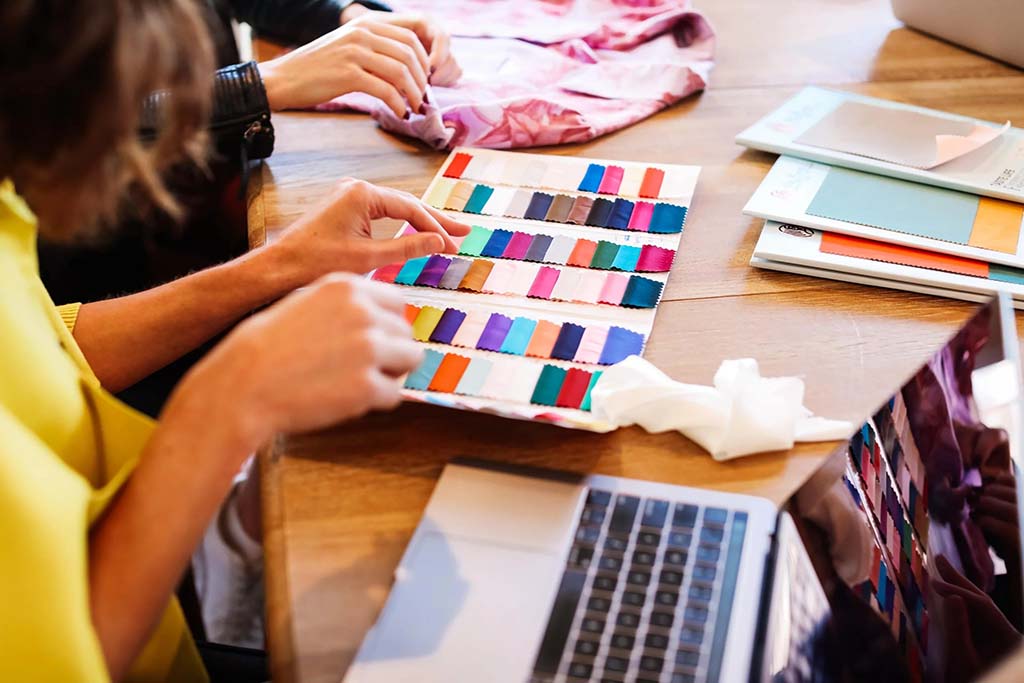
Material selection is one of the primary factors influencing a plush toy’s appearance, softness, durability, and cost. To avoid sampling delays or inaccurate prototypes, buyers must define materials as early as possible. This includes specifying fabric type, pile length, color codes, texture, and eco-certification requirements.
Fabric mapping divides the toy’s body into zones, each assigned a specific material. For example, the face may require 2mm velboa for clean embroidery, while the body uses 10mm minky for softness, and the hair requires faux fur. Color accuracy is achieved using Pantone codes or fabric swatches, which prevent color mismatches across production runs.
Stuffing type also needs to be defined, whether standard PP cotton, recycled polyester fiber, weighted beads, foam, or mixed fillings. Structural components—internal supports, wireframes, or reinforced joints—should be stated if necessary for the design.
| Material Specification | Option/Detail | Purpose |
|---|---|---|
| Fabric Type | Minky, velboa, faux fur, fleece | Determines softness & texture |
| Color Standard | Pantone, swatches | Ensures brand-accurate colors |
| Filling | PP cotton, recycled poly, beads | Controls firmness & shape |
| Fabric Mapping | Zone-based material assignment | Guides correct construction |
| Eco Requirements | RPET, GRS-certified materials | Supports sustainable production |
Clear material instructions eliminate ambiguity and help factories prepare accurate cost estimates and samples.
How Can You Communicate Functionality, Embroidery, and Structural Details Clearly?
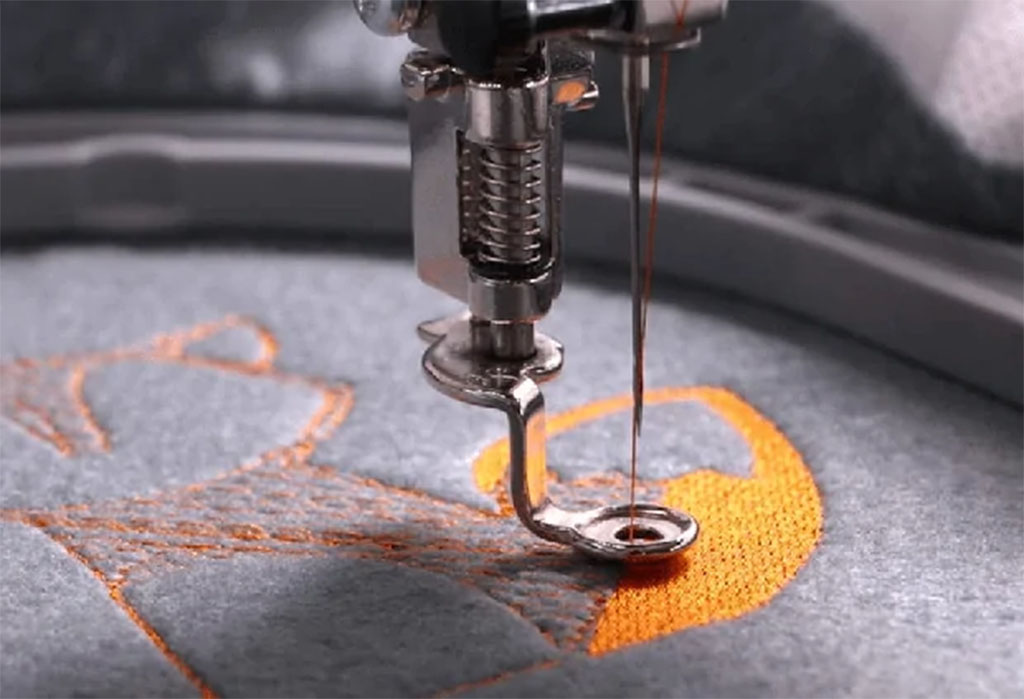
Beyond aesthetics, functional instructions define how the plush toy behaves in real use. These include articulation requirements (poseable or floppy limbs), weighted components (such as feet or belly), sound modules, squeakers, magnets, or pockets. Each functional element must be documented with placement diagrams and technical notes.
Embroidery is one of the most important visual elements, especially for facial features. Buyers should specify stitch thickness, fill patterns, line styles, and positioning. Providing vector files (AI, PDF, SVG) ensures the embroidery machine can reproduce details accurately. For printed designs, resolution requirements and printing technique preferences (heat-transfer, sublimation) should be included.
Structural instructions guide sewing teams on seam placement, reinforcement needs, and internal shaping methods. This is especially important for large plush toys, toys with long limbs, or characters requiring rigid posture.
| Detail Category | What to Specify | Reason |
|---|---|---|
| Functionality | Weighted parts, sound chips, magnets | Affects engineering & safety |
| Embroidery | File type, thickness, placement | Maintains character expression |
| Printing | Artwork resolution, method | Prevents blurring/distortion |
| Structural Design | Reinforcement, seam location | Ensures durability & stability |
| Accessories | Attachment method, materials | Ensures safety compliance |
Precise documentation prevents factories from making assumptions that may alter character expression or function.
What Safety, Compliance, and Testing Requirements Must Be Stated in the Brief?
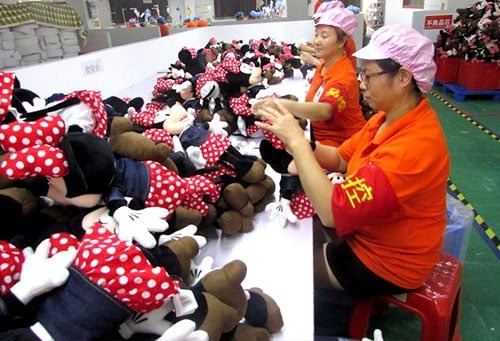
Safety requirements should never be left to assumption. Different markets—U.S., EU, UK, Japan, Australia—have unique testing standards that influence materials, construction, and accessory design. Specifying compliance requirements early ensures that sampling and material selection follow the appropriate guidelines.
Buyers must indicate which tests are required: EN71, ASTM F963, CPSIA, REACH, ISO 8124, and others. Chemical safety, mechanical strength, tension tests, needle control, and small parts regulations all affect design outcomes. Age grading also matters—infant toys require saliva-resistant materials, embroidered eyes instead of plastic ones, and stricter seam strength.
Compliance officers at the factory rely on this information to approve materials, construction methods, and safety labels. Failing to define safety expectations early can lead to re-engineering during sampling or even rejection during third-party testing.
| Market | Standard | Key Requirements |
|---|---|---|
| United States | ASTM F963, CPSIA | Chemical limits, tracking labels |
| European Union | EN71 | Flammability, strength testing |
| United Kingdom | UKCA | Similar to EN71 with local certification |
| Japan | ST Standard | High material quality requirements |
| Australia | ISO 8124 | Strict mechanical safety |
Including compliance notes in the brief keeps the project aligned with retailer and licensing expectations.
How Do Packaging, Labeling, and Branding Instructions Support OEM Production Efficiency?
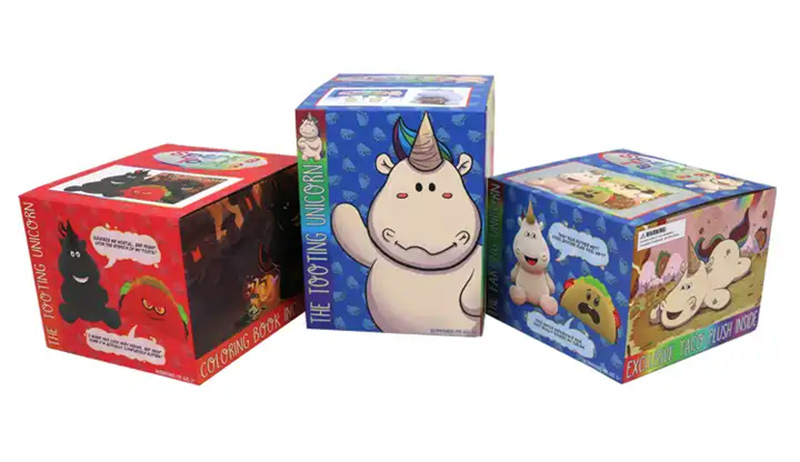
Packaging and branding details are critical, especially for retail and licensed products. Buyers must specify hangtag design, barcode placement, warning labels, multilingual instructions, and packaging materials. Factories rely on these instructions early in the process to prepare accurate cost estimates and ensure timely production.
A complete packaging brief includes dielines, print-ready artwork, finishing effects (spot UV, embossing, lamination), and regulatory markings. Labeling requirements—such as care instructions, fiber content, tracking labels, and country-of-origin tags—must follow the rules of the destination market.
Brand consistency is vital. OEM factories reference the brand’s style guide to apply correct logos, typography, and colors. For e-commerce-focused products, packaging must also meet protective requirements without increasing freight volume excessively.
| Packaging Component | Instruction Needed | Importance |
|---|---|---|
| Hangtags & Labels | Artwork files, placement | Supports brand identity |
| Barcodes | Format & location | Retail compliance |
| Warning Labels | Age & safety messages | Required for legal sale |
| Box or Polybag Design | Dielines, dimensions | Affects freight cost |
| Branding Rules | Logo usage, typography | Ensures consistency |
Clear packaging instructions prevent production delays and ensure smooth logistics.
Conclusion
A professional plush toy design brief is the foundation of efficient OEM collaboration. It minimizes sampling errors, accelerates production, ensures safety compliance, and protects brand identity. By clearly defining design elements, materials, functions, safety standards, and packaging rules, you empower your factory to produce a plush toy that aligns with your creative vision and satisfies global market expectations.
Factories like Kinwin specialize in interpreting detailed design briefs and converting them into high-quality prototypes and consistent mass production. With strong communication practices and deep plush engineering expertise, Kinwin helps global brands achieve successful launches with precision and reliability.
📧 Contact: [email protected]
🌐 Visit: https://kinwintoys.com