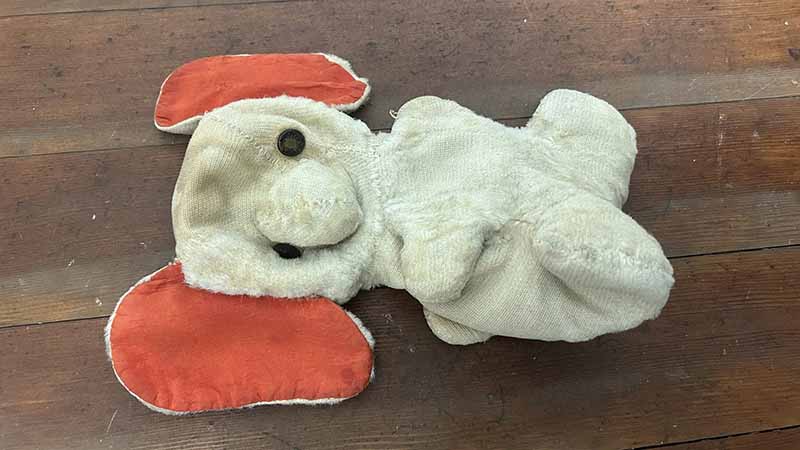
Plush toys don’t lose fluffiness because they are “old.” They lose fluffiness because everyday life compresses the pile and changes the filling shape—hugging, sleeping, washing, heat, and long storage all push fibers flat. I’m Amanda from Kinwin, and in this guide I’ll share practical ways to restore softness safely, plus what brands can do in design and production to keep plush toys fluffy longer.
To make plush toys fluffy again, start by identifying whether the problem is the outer fabric pile (the fuzzy surface) or the inner filling (the stuffing). Most fluffy recovery is a combination of gentle cleaning, correct drying, light brushing, and reshaping by hand. The biggest mistakes are using too much heat, brushing too aggressively, or soaking a toy that is not built for washing. When you choose the right method for the fabric and filling, you can restore a plush toy’s soft look and feel without damaging seams or shedding fibers.
What causes plush toys to lose fluffiness over time?
Loss of fluff usually comes from compression and friction. Even premium plush will flatten if it is used daily, pressed under a pillow, or stored tightly in a box. Over time, the surface pile bends and stays bent, and the inner filling can clump or shift. That creates the “flat” and “lumpy” feel people dislike.
Common causes I see in real use:
- Repeated hugging and pressure on the same zones (head, belly, cheeks)
- Washing with high agitation, then drying incorrectly
- Heat exposure that softens or distorts synthetic fibers
- Storage compression in vacuum bags or crowded bins
- Dirt, body oils, and dust that weigh pile down
- Low-grade filling that mats and loses rebound faster
If your plush looks flat only on the surface, pile recovery methods work well. If it feels lumpy or has “empty corners,” you also need filling adjustment, not just brushing.
| Cause | What it looks like | Why it happens | Quick check | Best first action |
|---|---|---|---|---|
| Daily compression | Flat spots | Pile fibers bent | Press and release | Gentle brushing + reshaping |
| Friction wear | Rough, dull pile | Fibers break or tangle | Rub test | Light brushing, avoid harsh tools |
| Dirty surface | Sticky or heavy feel | Oils and dust coat pile | Wipe a small area | Gentle clean + air dry |
| Poor drying | Stiff, uneven fluff | Fibers set in wrong shape | Compare dry zones | Correct drying + reshaping |
| Filling matting | Lumps and hard spots | Fiberfill clumps | Squeeze test | Massage + redistribute filling |
How do fabric types and fillings affect fluff recovery methods?
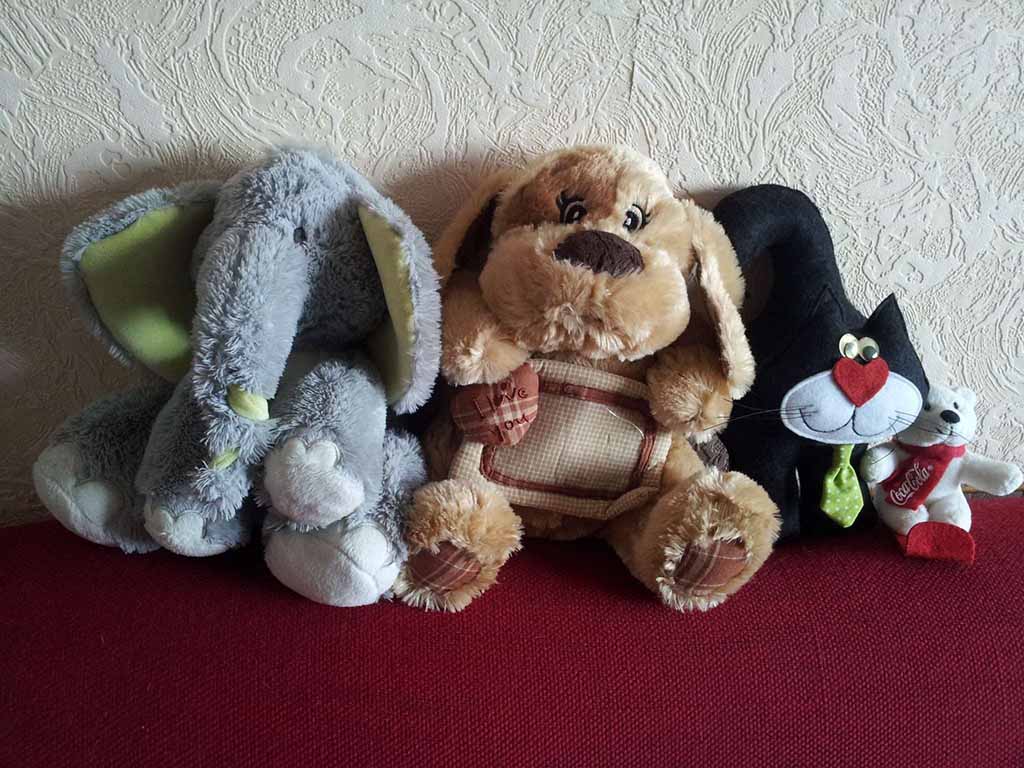
Not all plush fabrics recover the same way. Short pile fabric may look “neat” but show flattening. Long pile looks fluffy but tangles more easily. Different fillings also change how the plush feels after cleaning.
For fluff recovery, the key is matching method to material:
- Some fabrics benefit from brushing and air flow.
- Some fabrics need very gentle handling because fibers can shed.
- Some fillings rebound well after drying.
- Some fillings clump and need manual breaking and redistribution.
If you don’t match the method, you can make the toy worse—more frizz, more matting, or damaged seams.
| Material type | Common plush examples | How it responds to refluffing | Best method | What to avoid |
|---|---|---|---|---|
| Short pile plush | Velboa-style surfaces | Recovers with gentle brushing | Soft brush + reshaping | Hard combs that scratch |
| Long pile plush | Faux fur styles | Can look great after detangling | Wide-tooth comb + light steam | High heat and strong pulling |
| Minky-style soft plush | Smooth, dense pile | Needs gentle surface recovery | Gentle brush + correct drying | Aggressive brushing |
| Sherpa/fleece-like | Cozy textures | Can pill and mat | Low heat dry + gentle brush | High heat and heavy agitation |
| Polyester fiberfill | Most stuffed toys | Rebounds if dried correctly | Massage + airflow | Over-wetting without drying support |
| Low-grade fill | Budget toys | Mats quickly | Manual clump break | High heat trying to “fix” it |
Which cleaning and drying techniques safely restore plush softness?
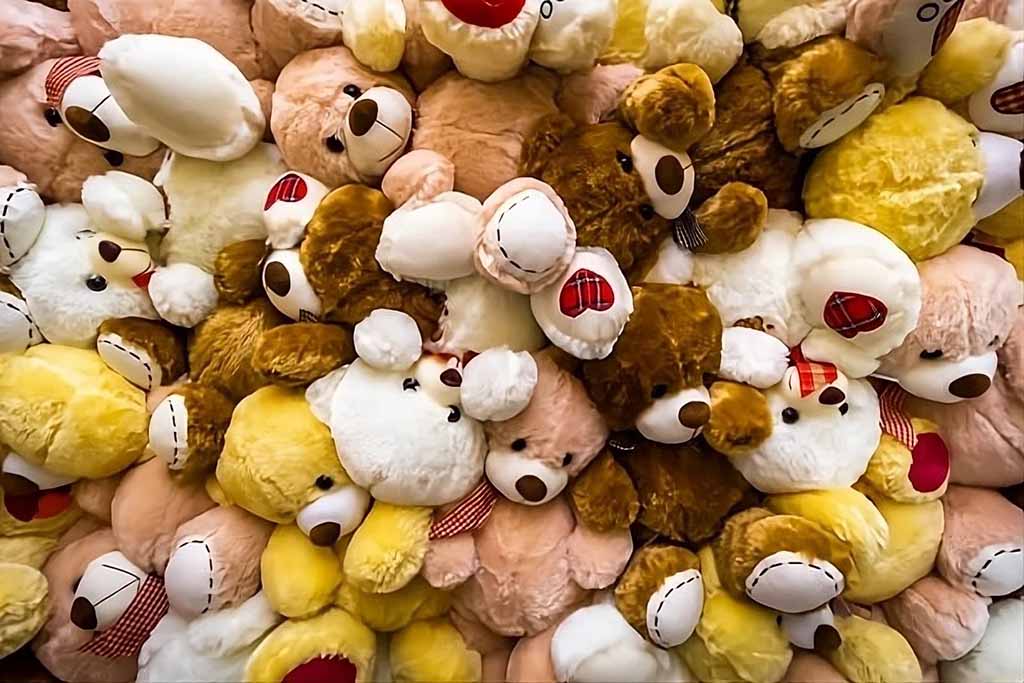
Cleaning is often the turning point. A plush can look flat because the pile is dirty, or because it was washed and dried incorrectly. I recommend choosing the lightest cleaning method that solves the problem, then controlling drying carefully.
Safe techniques that work for many plush toys:
- Spot cleaning for minor dirt
- Hand washing for sensitive plush
- Gentle machine wash only if the care label allows it
- Proper drying: air dry with reshaping, or low heat tumble if permitted
Drying matters more than washing. If fibers dry while compressed, they set flat. If filling dries unevenly, it clumps.
Practical safe process:
- Remove surface dust with a lint roller or soft cloth.
- Spot clean with mild soap and a damp cloth.
- If washing is needed, use gentle settings and protective bags.
- Dry in a way that keeps the plush “open” and airy, not crushed.
| Technique | Best for | Why it restores fluff | Risk level | How to do it safely |
|---|---|---|---|---|
| Spot cleaning | Small stains | Keeps toy structure dry | Low | Mild soap, damp cloth, no soaking |
| Hand wash gentle | Sensitive toys | Less agitation damage | Medium | Light squeeze, no twisting |
| Machine wash gentle | Washable toys | Deep clean pile | Medium | Mesh bag, cold water, gentle cycle |
| Air dry + reshape | Most toys | Prevents heat damage | Low | Pat dry, reshape, rotate position |
| Low heat tumble (if allowed) | Some polyester toys | Adds airflow to pile | Medium | Low heat, short cycles, check often |
How can brushing, steaming, and reshaping improve pile structure?
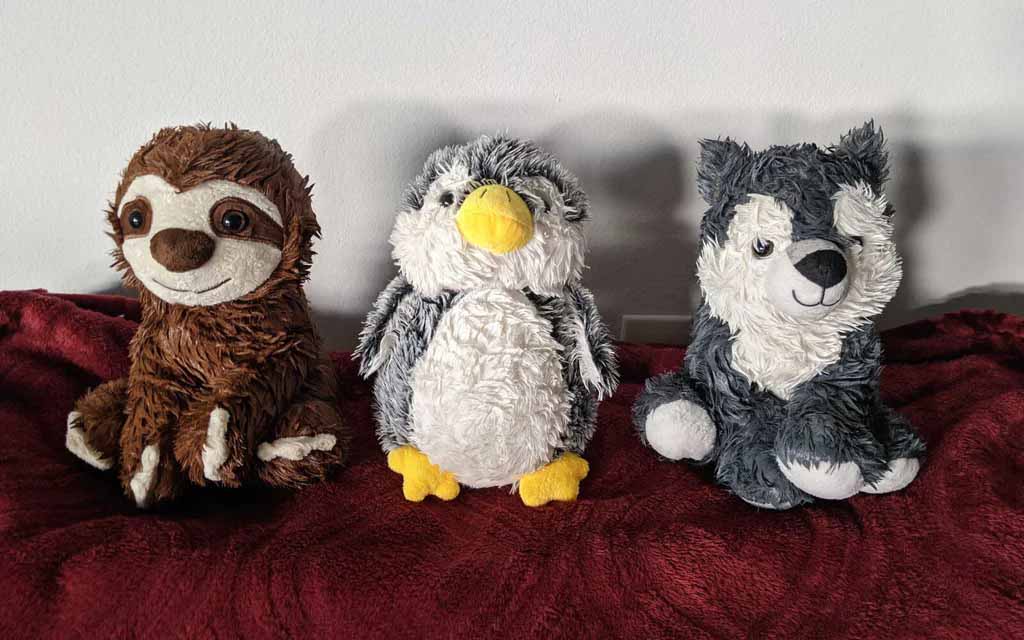
Once the toy is clean and mostly dry, pile recovery becomes easier. Brushing aligns fibers and lifts pile. Reshaping restores silhouette. Light steaming can relax fibers, but it must be used carefully.
What I recommend:
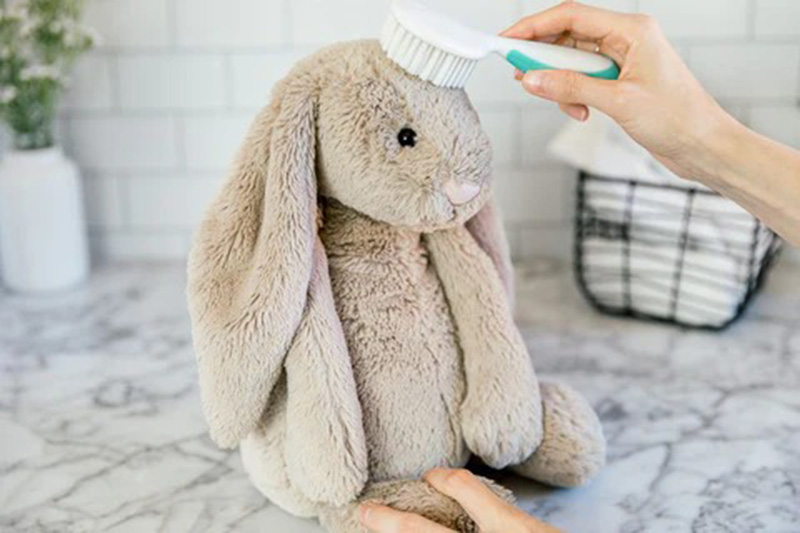
- Brush gently in the direction of the pile first
- Use a wide-tooth comb for longer pile
- Reshape the toy by hand to restore cheeks, head, and belly
- Use light steam only with distance and short exposure
A simple technique that works well:
- Brush → massage → reshape → let dry fully → brush again
This avoids the common mistake of brushing aggressively on wet fibers, which can cause shedding.
| Method | What it improves | Best for | Key rule | Common mistake |
|---|---|---|---|---|
| Soft brushing | Lifts surface pile | Short/medium pile | Use gentle strokes | Brushing too hard |
| Wide-tooth combing | Detangles long pile | Faux fur plush | Start from tips | Pulling from the base |
| Hand reshaping | Restores silhouette | All plush | Work in small zones | Ignoring filling distribution |
| Light steaming | Relaxes bent fibers | Some synthetic piles | Keep distance, short time | Direct heat contact |
| “Second brush” after dry | Final fluff | All plush | Only when fully dry | Brushing damp pile |
What risks should be avoided when refluffing plush toys?
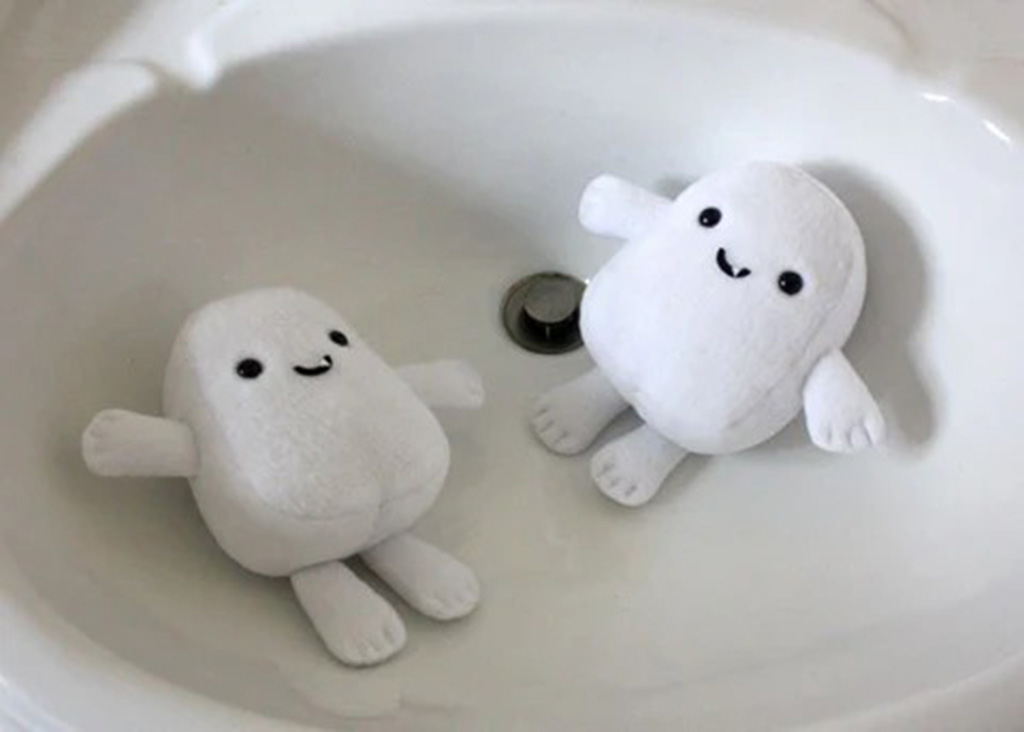
Many refluff failures come from using the wrong tool or too much heat. Plush fibers are often synthetic, and high heat can permanently change them. Over-wetting can trap moisture inside, creating odor or mold risk, especially if the toy is thick.
Risks to avoid:
- High heat drying that melts or hardens fibers
- Strong brushing that tears fibers and causes shedding
- Twisting and wringing that breaks seams
- Soaking toys with electronics, music boxes, or glued parts
- Using harsh chemicals that damage dyes or irritate skin
- Not drying fully, leading to smell and hygiene issues
A simple safety rule: if you are unsure, choose a gentle method first and scale up only if needed.
| Risk | Why it is harmful | Warning sign | Safer alternative | When to stop |
|---|---|---|---|---|
| High heat | Can melt pile | Stiff or shiny fibers | Low heat or air dry | If pile changes texture |
| Aggressive brushing | Fiber break and shedding | Loose fuzz | Soft brush | If shedding increases |
| Over-wetting | Odor and mold | Damp smell | Spot clean | If thick areas stay wet |
| Wringing | Seam damage | Stretch marks | Press with towel | If seams look stressed |
| Harsh chemicals | Dye damage | Color bleed | Mild soap | If color transfers |
How can manufacturers design plush toys to retain fluffiness longer?
Fluff retention starts in design and material selection. When brands choose better fabric, better filling, and better construction rules, the plush stays soft longer, and customers feel the difference. This also reduces negative reviews like “went flat after one wash.”
From a factory view, these choices make the biggest impact:
- Higher-quality plush fabric with stable pile
- Better fiberfill grade with higher rebound
- Balanced stuffing distribution by zones
- Reinforced seams that allow safe washing
- Care labels that match real product performance
- Packaging that avoids long compression
For B2B buyers, I recommend treating fluff retention as a product requirement, not a marketing claim. If you define it early, we can select the right spec and validate it through sample testing.
At Kinwin, we help buyers lock fabric and filling specs, set consistent stuffing standards, and build QC steps that keep hand-feel stable across reorders.
| Design choice | How it improves fluff retention | What to standardize | QC checkpoint | Brand benefit |
|---|---|---|---|---|
| Stable pile fabric | Less matting and flattening | Fabric supplier and pile direction | Visual and touch check | Better long-term softness |
| High-rebound filling | Less clumping | Fill grade and weight range | Squeeze and rebound test | Fewer “flat” complaints |
| Zone stuffing | Keeps shape | Head/belly/limb density rules | Shape template check | Better silhouette |
| Wash-friendly build | Safer cleaning | Thread and seam rules | Seam pull check | Higher parent trust |
| Compression-safe packaging | Less storage flattening | Packing method and carton density | Drop and compression check | Better unboxing feel |
Conclusion
Fluff recovery works best when you match the method to fabric and filling, use gentle cleaning and drying, and finish with careful brushing and reshaping. At Kinwin, we help global buyers develop plush toys that stay fluffy longer through stable materials, controlled stuffing, and reliable QC. Contact me at [email protected] or visit kinwintoys.com to discuss your next plush project and explore how our factory can support your success.