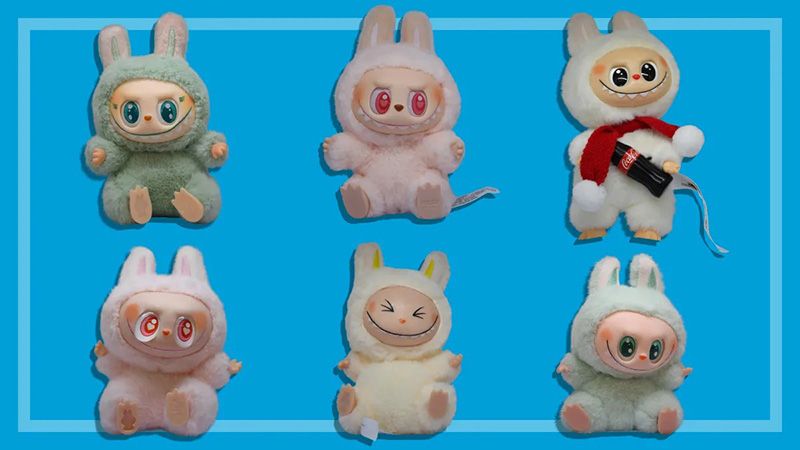
Over time, even the cutest stuffed animal can start to look tired—fur is flat, stuffing feels lumpy, and the toy simply loses its “wow” factor. The good news is that in many cases, you can bring back a surprising amount of fluffiness at home with simple, safe steps.
As a plush manufacturer in China working with global buyers, I often explain to customers how to keep samples and retail stock looking fresh on shelves and in photos. In this guide, I’ll share practical methods you can use to restore fluff, fix stuffing, and protect your favorite plush toys for the long term—using clear, simple English and easy-to-follow steps.
Let’s look at why plush toys go flat, and what you can do to help them look and feel soft again.
What causes stuffed animals to lose their original fluffiness?
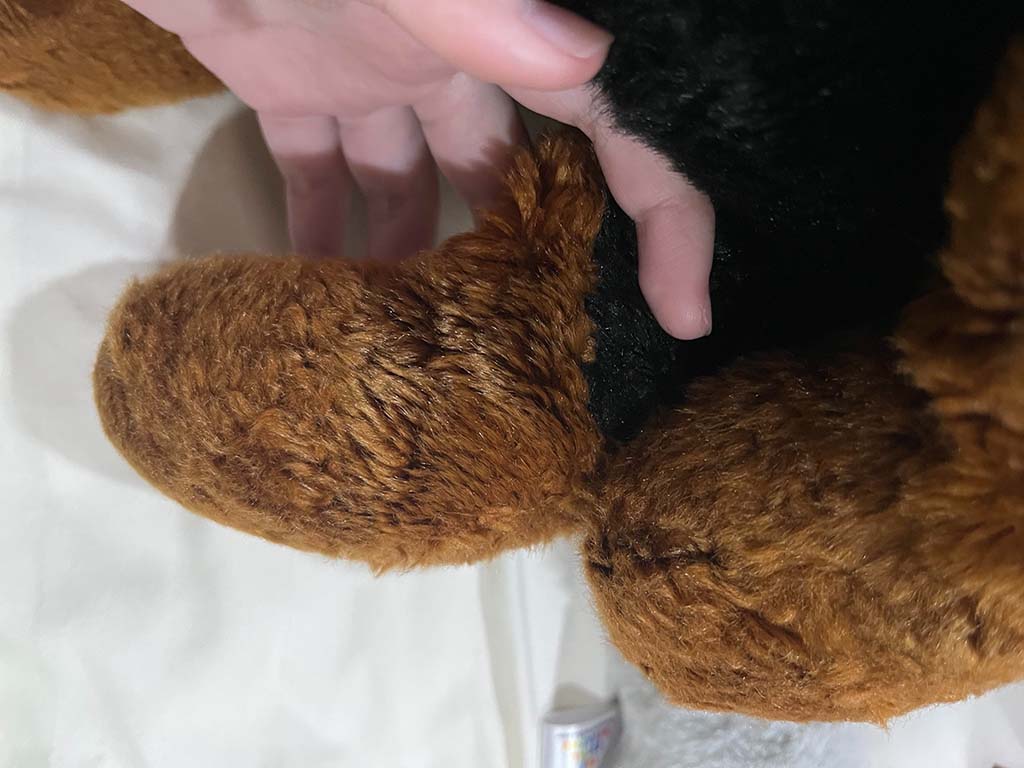
Before you fix a plush toy, it helps to understand why it became flat. Stuffed animals usually lose fluff because of a mix of pressure, moisture, dirt, and time. Once you know the cause, you can choose the right repair method instead of using random tricks that might damage the fabric or stuffing.
From a factory point of view, we see three main areas: the outer fibers, the inner stuffing, and the environment. All three can affect how fluffy a toy looks and feels.
Common reasons plush toys lose fluff
| Cause Category | What Happens in Real Life | Effect on Fluffiness |
|---|---|---|
| Compression | Sleeping on the toy, sitting on it, tight storage | Fibers lie flat, stuffing compacts, shape deforms |
| Moisture & sweat | Drool, humidity, minor spills | Fibers stick together, surface feels rough or flat |
| Dirt & oils | Skin oil, dust, food, pets | Pile clumps, looks dull and less soft |
| Washing & drying | Harsh cycles, high heat, no brushing afterward | Pile tangles, melts slightly, or compresses |
| Low-quality filling | Cheap hollow fiber that collapses quickly | Toy becomes “empty” and wrinkled inside |
| Aging & UV light | Long-term sun and wear | Fibers weaken, color fades, pile loses resilience |
If a toy has melting or hard patches from high heat or was washed in very hot water, some damage is permanent. But for most everyday flattening and dullness, gentle brushing, smart cleaning, and stuffing adjustments can give the toy a second life.
How do brushing and fiber-lifting methods restore plush texture?
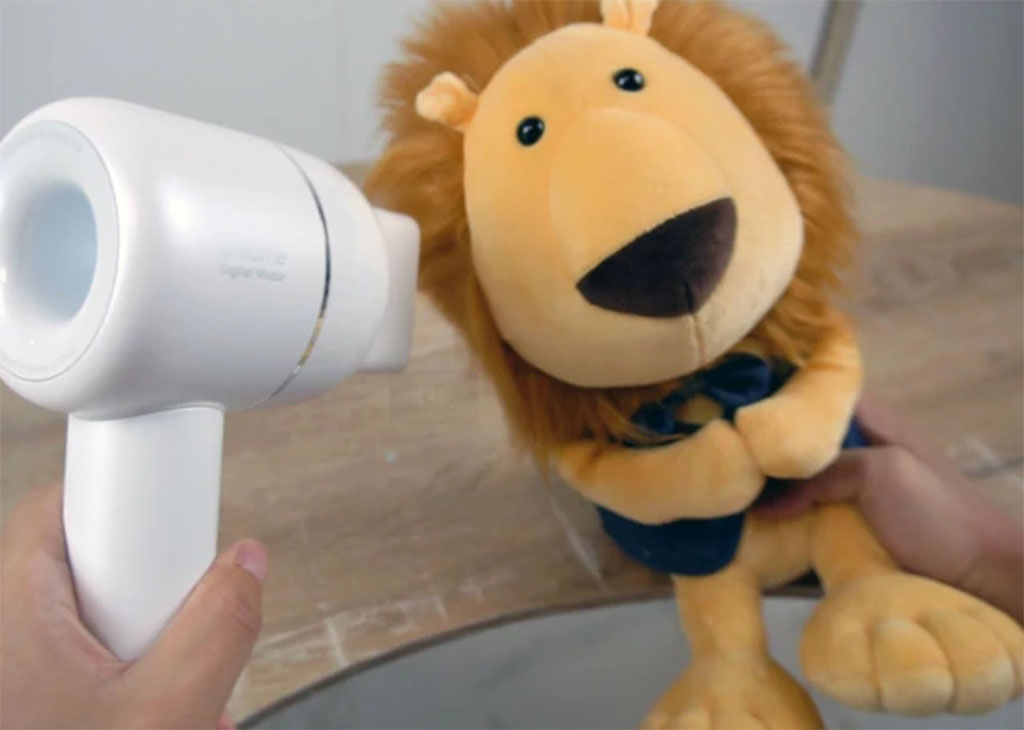
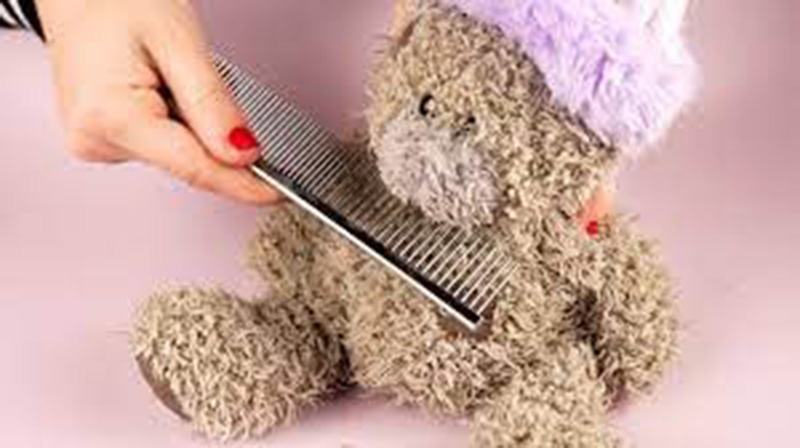
One of the fastest ways to make a stuffed animal look fluffy again is brushing. When the toy is made, the plush pile stands up in a certain direction. Over time, pressure and friction push those fibers down. By lifting them again in a controlled way, you can recover a lot of softness and volume.
You don’t need special tools. Often a soft-bristle brush or a clean pet slicker brush (used gently) is enough. The key is to be patient and gentle, especially with older or lower-quality fabrics.
Brushing tools and their uses
| Tool / Material | How to Use It Safely | Best For |
|---|---|---|
| Soft clothes brush | Brush in short strokes with the nap (pile direction) | Lightly flattened plush, everyday refresh |
| Baby hair or soft bristle brush | Gentle circular or straight motions | Delicate plush, baby toys |
| Pet slicker brush (very gently) | Light pressure, short strokes, avoid hard pulling | Deeply matted areas on durable plush |
| Wide-tooth comb | Comb tips and ends of longer fur | Long-pile faux fur on ears, tail, mane |
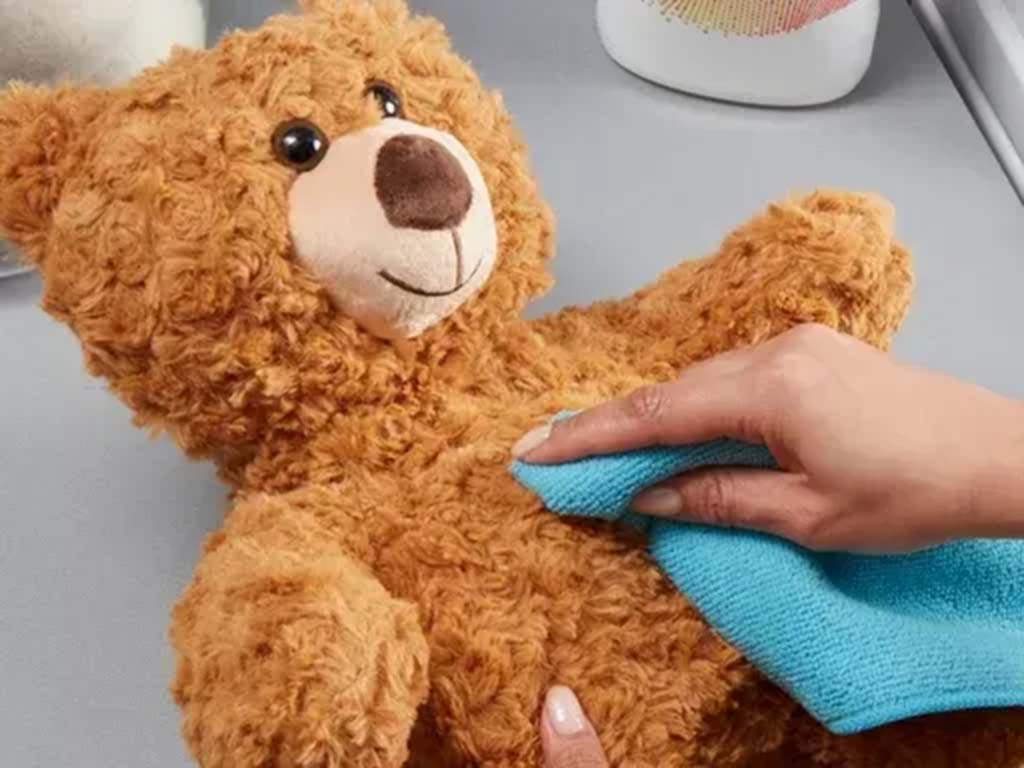
| Microfiber cloth | Rub in one direction to lift fibers | Quick surface refresh on short-pile plush |
Steps for lifting plush fibers
- Check the label first
- Make sure there are no special restrictions about brushing or surface treatment.
- Remove loose dust
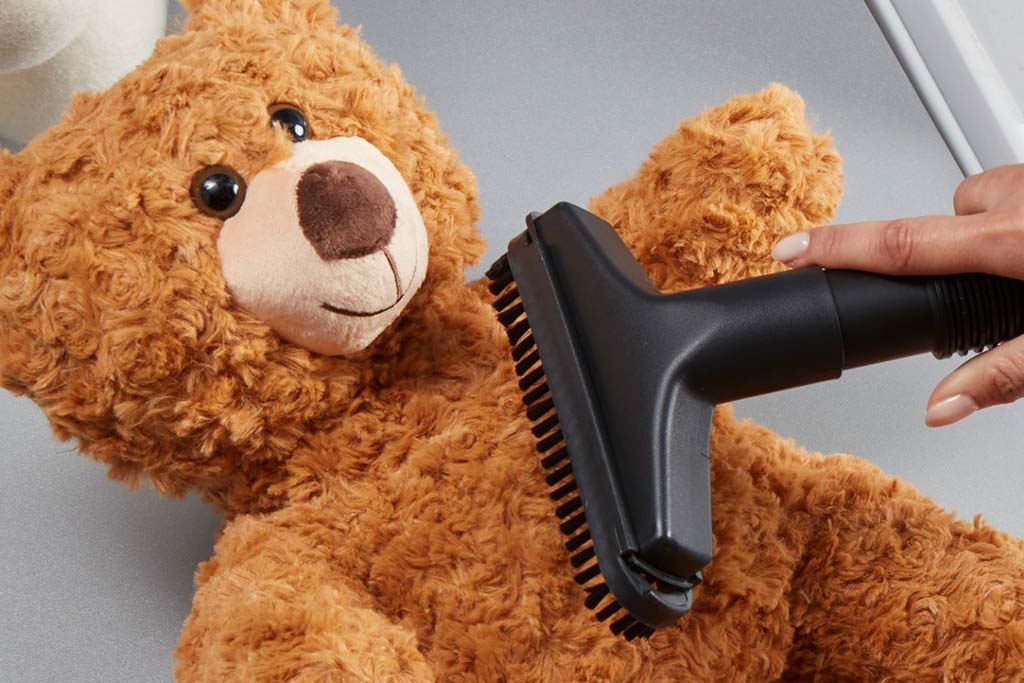
- Shake the toy gently or use a low-power vacuum with a soft brush attachment.
- Brush with the pile, then against it
- Start by brushing with the natural direction of the fibers to untangle.
- Then, if the fabric is strong enough, brush slightly against the direction to lift volume.
- Handle sensitive areas carefully
- Be extra gentle around embroidered faces, noses, or glued accessories.
- Finish in the correct direction
- After lifting the fibers, do a light pass in the final desired direction, so the plush looks neat, not wild.
For long-pile faux fur, brushing can make the difference between a toy that looks “old and sad” and one that looks like a premium piece again.
How can steam, heat, or drying techniques revive flattened fibers safely?
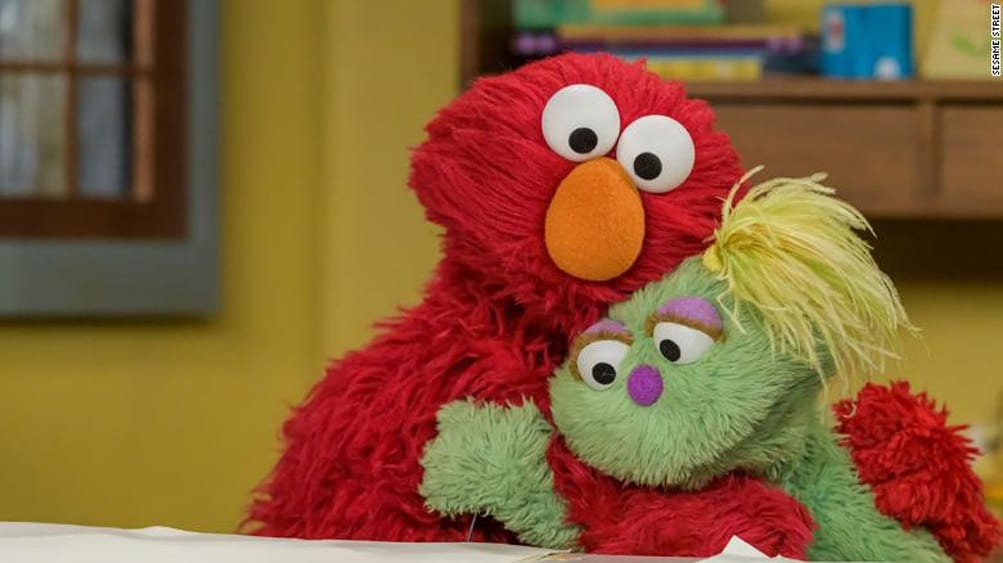
Many people try to revive plush with a hairdryer or hot dryer, but high heat can actually melt or harden synthetic fibers. The safer approach is low heat and gentle steam, used with control. The goal is to relax the fibers just enough so they can stand up again when brushed—without damaging the pile or inner stuffing.
If your stuffed animal has a care label, always follow that first. If it doesn’t, treat it like a delicate synthetic fabric and avoid high temperatures.
Heat and steam options
| Method | How to Use It | Risks / Precautions |
|---|---|---|
| Warm (not hot) hairdryer | Low heat, low airflow, keep moving | Too much heat can melt or harden fibers |
| Bathroom steam | Hang toy in steamy bathroom (not in water) | Avoid soaking; steam should be gentle, not direct |
| Garment steamer (indirect) | Steam near but not on the fabric, then brush | Test on a small hidden area first |
| Dryer with air-only setting | Tumble with 1–2 clean tennis balls or dryer balls | Only if label allows; no heat, just air |
| Low-heat dryer in laundry bag | Short cycle with towel and balls | Very careful: only if label clearly allows low heat |
Safe process to revive pile with gentle heat
- Test a small area first
- Choose a hidden spot (back seam or under a limb).
- Apply a little steam or warm air and see if the fibers react well.
- Use mild, controlled heat
- Keep hairdryer or steamer at least 20–30 cm away.
- Use low setting and keep moving to avoid hot spots.
- Brush while fibers are slightly warm and relaxed
- Use a soft brush to lift the pile gently.
- Do not pull hard; let the combination of heat and brush do the work.
- Let the toy cool and dry fully
- Once the pile is lifted, let the toy sit in a dry place.
- Avoid sealing it in bags while still slightly damp or warm.
This method works especially well on plush that was flattened by storage or mild moisture but is not heavily soiled.
What cleaning steps help refresh plush softness without damage?
Sometimes a stuffed animal is not only flat—it also feels oily, dusty, or slightly sticky. In that case, you need some cleaning before fluff restoration will work well. However, over-washing, hot water, or strong detergents can damage both the fabric and stuffing.
The safest cleaning is gentle and targeted: remove surface dirt, refresh fabrics, then restore fluff with brushing and careful drying.
Cleaning options based on toy condition
| Condition of Stuffed Animal | Recommended Cleaning Method | Notes |
|---|---|---|
| Light dust, no stains | Vacuum with soft brush, then light brushing | Often enough to refresh shelf or display pieces |
| Mild dirt, no electronics | Spot clean with mild soap and damp cloth | Avoid soaking the inside |
| Heavily used but washable label | Gentle machine wash in laundry bag, cold water | Use mild detergent, no bleach |
| Very delicate or unknown label | Hand wash in basin with mild detergent | Squeeze gently, do not twist |
| Has electronics or sound module | Surface clean only | Keep battery/sound area dry |
Steps for washing and re-fluffing
- Check label and construction
- Look for wash symbols or any internal electronics.
- If unsure, treat as delicate and avoid full soaking.
- Pre-treat spots
- Use a mild, diluted detergent on stained areas.
- Gently rub with a soft cloth or sponge.
- Wash gently
- For machine washing: use a laundry bag, cold water, gentle cycle.
- For hand washing: submerge, press water through, then rinse thoroughly.
- Dry slowly and safely
- Press water out with towels; do not twist or wring.
- Air-dry on a rack away from direct sun and high heat.
- If allowed, a short dryer cycle on air only / no heat can help fluff.
- Brush after drying
- When almost dry, brush the pile to break any stiffness.
- Repeat brushing after fully dry if needed.
With gentle cleaning, plush toys can regain both freshness and softness, especially if you follow up with brushing and maybe light steam.
How do you fix clumping or uneven stuffing inside the toy?
Even if the outer pile looks fine, a stuffed animal can feel “old” because the stuffing inside has shifted or clumped. This is common when toys have been hugged and squeezed many times or washed without good drying.
In manufacturing, we control stuffing density by weight and zones. At home, you can partly simulate this by redistributing filling or, if you are comfortable with simple sewing, opening a seam and adding or rearranging stuffing.
Common stuffing problems and solutions
| Stuffing Problem | What It Feels / Looks Like | Possible Fix |
|---|---|---|
| Flat body or head | Toy feels thin, cannot sit or stand well | Massage filling, add more stuffing if needed |
| Hard clumps | Some areas feel hard, others feel empty | Break clumps by hand, replace if very bad |
| Uneven weight distribution | Toy leans to one side | Shift stuffing, add small amount to opposite side |
| Hollow limbs | Arms or legs feel like empty fabric tubes | Add a bit of stuffing through existing opening |
Simple stuffing repair steps (no sewing or light sewing)
Without opening seams (for mild issues):
- Hold the toy and gently massage lumpy areas with both hands.
- Push filling from over-stuffed zones into empty ones.
- Squeeze and roll the toy a bit to soften compacted fiber.
With seam opening (for more serious issues):
- Choose a hidden seam (often on the back or bottom).
- Use a small seam ripper or scissors to open a few centimeters.
- Remove very hard clumps and replace with fresh polyester fiberfill.
- Add extra stuffing where needed to restore shape.
- Close the seam with ladder stitch (invisible stitch) using strong thread.
When stuffing is even again, the toy will feel more alive and hug-friendly, and the outer fluff will sit better on a properly shaped body.
What maintenance habits keep stuffed animals fluffy long-term?
The best way to keep a stuffed animal fluffy is to prevent heavy damage in the first place. Simple habits can greatly extend the “fresh” look, especially for favorite toys that are used every day or for display pieces in a shop or collection.
Think of plush care like basic skin care: small, regular actions work better than big, occasional “rescue missions.”
Good long-term care habits
| Habit / Practice | What You Do | Benefit for Fluffiness and Life Span |
|---|---|---|
| Gentle daily handling | Avoid sitting on toys or using them as pillows | Reduces heavy compression and deformation |
| Regular light brushing | Brush high-use toys every few weeks | Keeps fibers standing and prevents matting |
| Smart storage | Store in breathable boxes or on shelves, not in tight bags | Prevents moisture and over-compression |
| Avoid high heat | No very hot dryers, radiators, or direct strong sun | Protects synthetic fibers from melting or hardening |
| Occasional refreshing | Spot clean, air out in shade, fluff in dryer on air-only | Keeps toys fresh and reduces deep cleaning needs |
| Rotation for favorites | Let a child have 2–3 favorites and rotate them | Each toy gets rest time to recover its shape |
Simple routine for your most-loved plush
- Weekly or monthly:
- Light brushing and quick dust removal.
- Every few months (or when visibly dirty):
- Spot clean or a gentle wash if label allows.
- Air dry completely and brush the pile.
- When storing long term:
- Make sure the toy is clean and dry.
- Store in a breathable bag or box with some space.
- Avoid stacking heavy items on top.
With these habits, stuffed animals can keep a surprisingly “new” look for years, which is important not only for emotional value but also for brands, shops, and collectors.
Conclusion
Bringing a stuffed animal back to a fluffy, soft state is usually a mix of lifting the outer fibers, cleaning gently, and fixing the stuffing inside. With the right tools—soft brushes, mild detergents, careful heat, and fresh fiberfill—you can revive many toys that look flat or tired and extend their useful life.
As a plush manufacturer, I see every day how much emotional value people attach to their toys. When you know how to restore and protect that fluff, you also protect the memories and comfort connected to each plush. If you’re a brand, retailer, or designer planning a plush line and want guidance on materials and construction that stay fluffy longer, you’re very welcome to contact me at [email protected] or visit kinwintoys.com to explore how our factory can support your next project.