Skip to content
I’m Amanda from Kinwin. With over a decade of experience in plush toy manufacturing, I help global buyers, retailers, and brands design and produce custom plush toys that are safe, durable, and market-ready. This guide walks you through every step—from conceptual design to material selection, prototyping, customization, production workflows, and quality control. By following these steps, you can create plush toys that delight customers while meeting global safety standards.
What are the initial steps in conceptualizing a custom plush toy design?
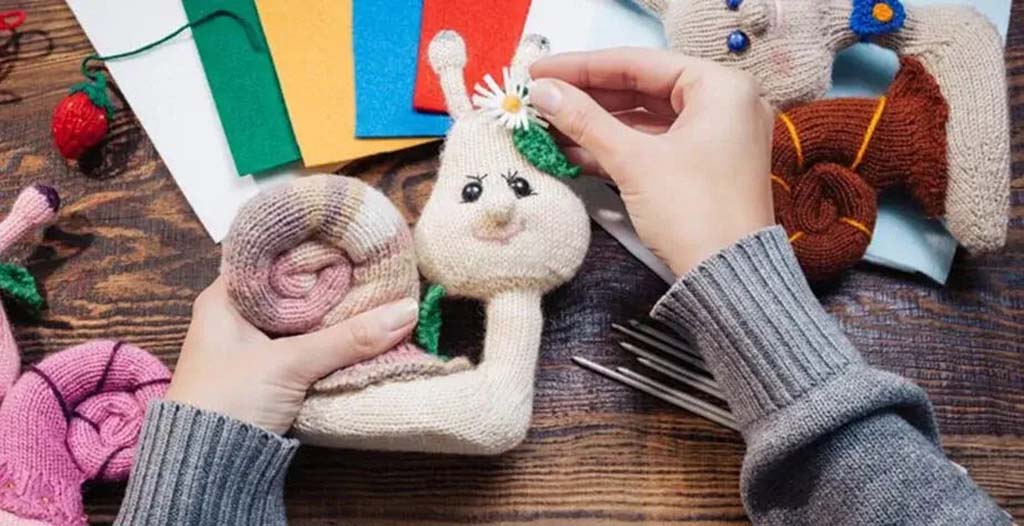
Designing a custom plush begins with a clear concept and purpose. Before drawing or choosing materials, define the target audience, toy function, and brand story. Consider age group, intended use (play, display, gift), and the emotional experience you want the toy to evoke.
Key steps include:
- Market research: Study trends, competitor products, and customer preferences.
- Character or concept sketching: Rough drawings to define size, shape, facial features, and proportions.
- Function planning: Determine if the toy needs sound, movement, or weighted elements.
- Feasibility check: Confirm that materials, manufacturing processes, and budget align with the concept.
| Step | Purpose | Notes |
|---|---|---|
| Market research | Understand demand | Identify gaps or unique features |
| Sketching concept | Visualize toy | Include size, expression, pose |
| Function planning | Plan mechanics | Decide if music, movement, or weight is needed |
| Feasibility check | Ensure production viability | Align with budget and material availability |
A clear concept helps reduce costly revisions later and ensures your plush aligns with brand expectations. Documenting sketches and notes allows your manufacturer to translate the idea into a practical prototype efficiently.
How do material selection and safety standards influence the design process?
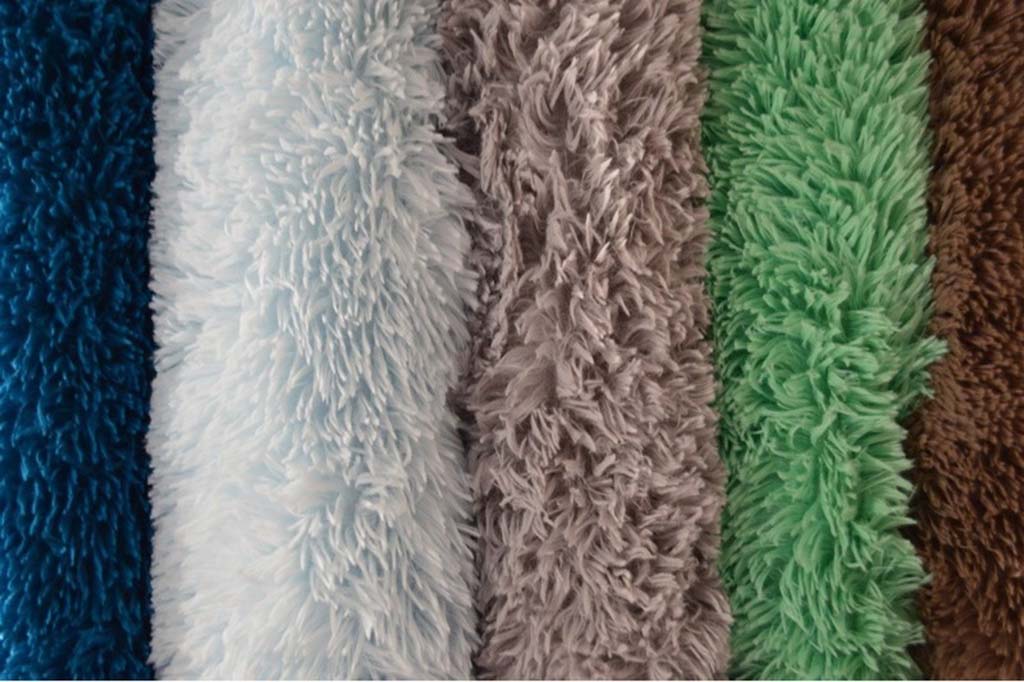
Material choice is crucial in custom plush design. Safety, softness, durability, and appearance drive selection. Materials must also comply with regional safety standards such as CE (Europe), ASTM (USA), or CPSIA (child product safety).
Considerations include:
- Fabric type: Plush, velboa, minky, faux fur, or woven textiles depending on texture and aesthetic.
- Filling materials: Hollow polyester, solid polyester, foam chips, or pellets based on softness and shape retention.
- Accessories: Embroidery, buttons, ribbons, or beads, ensuring they pass small part tests for children.
- Color fastness and dye safety: Use certified dyes to prevent bleeding or chemical hazards.
| Material | Pros | Safety Notes | Best Use |
|---|---|---|---|
| Minky fabric | Super soft, smooth | OEKO-TEX certified recommended | Baby plush, comfort toys |
| Faux fur | Realistic look | Flammability tested | Collector or display plush |
| Polyester fiberfill | Soft, resilient | CE/ASTM compliant | Standard play toys |
| Foam chips | Holds shape | Encapsulate in pouch | Poseable plush |
| Embroidery thread | Durable, safe | Non-toxic | Facial features, logos |
Designers often choose a balance: soft outer layers for touch, firm inner layers for structure, and hypoallergenic fillings for safety. Early decisions on materials streamline prototype testing and compliance certification.
Which prototyping methods are most effective for validating plush toy concepts?
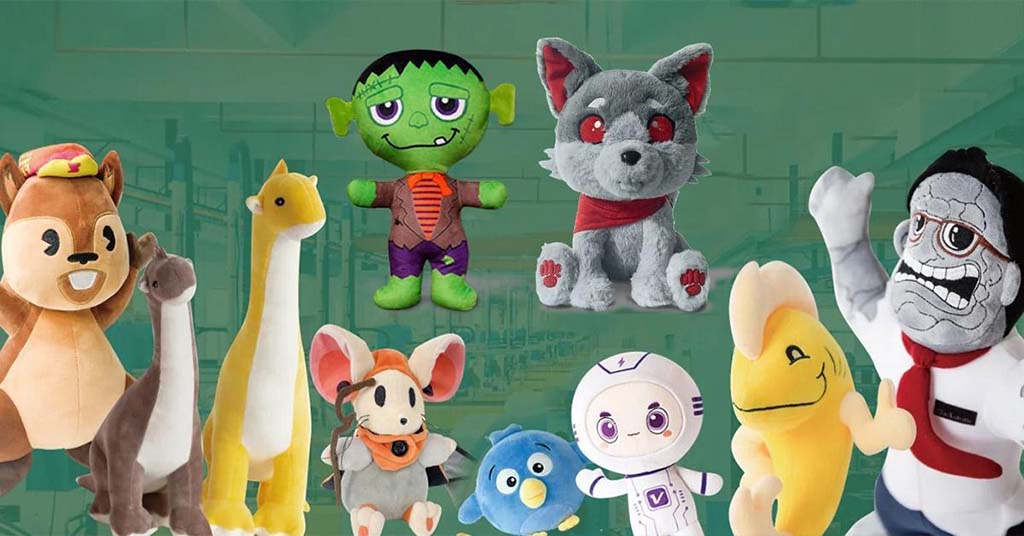
Prototyping transforms sketches into physical samples. It allows you to evaluate proportions, texture, and function before mass production.
Effective methods include:
- Hand-sewn prototypes: Quick and inexpensive for small concepts. Useful for testing shape and size.
- Digital CAD modeling: Generates accurate dimensions for pattern making and 3D visualization.
- Full-scale sample (soft mockup): Produces a complete toy with chosen materials for functional testing.
- 3D printing or clay models: Useful for accessory parts or rigid components.
| Prototype Type | Purpose | Advantage | Limitation |
|---|---|---|---|
| Hand-sewn mockup | Test size & shape | Fast & low cost | May not reflect final material feel |
| CAD / digital | Pattern accuracy | Precise measurements | Requires software skill |
| Full-scale sample | Functional test | Realistic touch & look | Higher cost |
| 3D printed parts | Accessories / hard components | High detail | Not soft, requires integration |
Prototyping ensures design flaws are caught early. For example, a plush with oversized head or too-small limbs can be corrected before committing to materials and production. Multiple rounds of prototyping are common to perfect fit, softness, and durability.
How do manufacturers handle customization options like embroidery, accessories, and color variations?
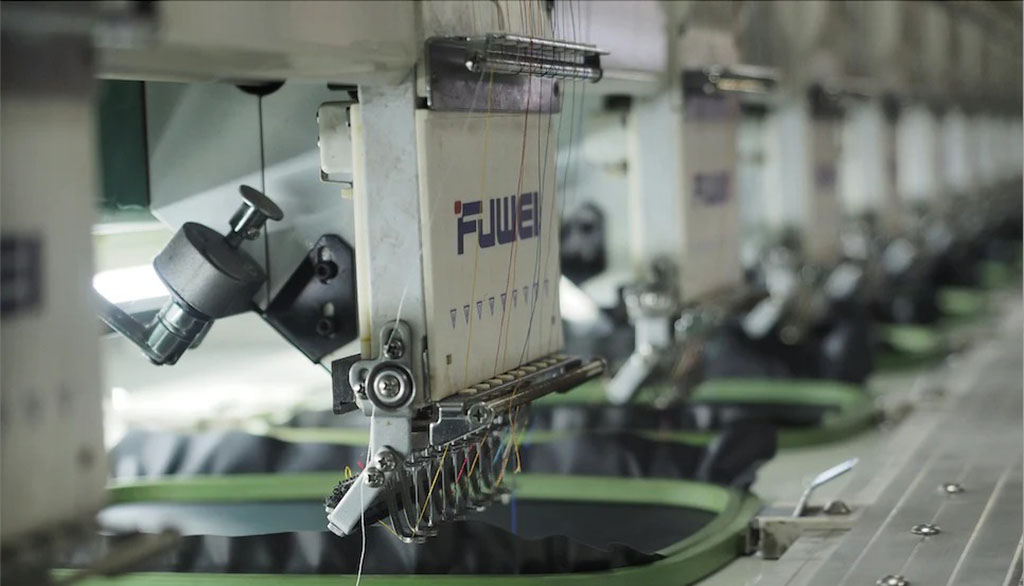
Customization allows your plush to stand out. Manufacturers provide options for branding, embroidery, accessories, and color palettes.
Key considerations:
- Embroidery: Safe for children, durable, avoids loose parts. Common for logos, facial features, or patterns.
- Accessories: Hats, scarves, clothing, or removable items enhance value. Ensure secure attachment to prevent choking hazards.
- Color variations: Use digital color matching to maintain consistency across production batches. Pantone codes or dye lots are recommended.
- Special features: Weighted bases, sound chips, or textures require careful integration with fill and shell construction.
| Customization Type | Implementation | Notes |
|---|---|---|
| Embroidery | Machine stitched | Avoid plastic eyes/buttons for young children |
| Accessories | Sewn or detachable | Check strength and age appropriateness |
| Color variations | Digital matching | Maintain Pantone consistency |
| Special features | Embedded during fill | Ensure durability & compliance |
Manufacturers like Kinwin document all customization options in technical files (Tech Packs), including size, placement, thread type, and accessory dimensions. This ensures that every batch meets design intent.
What are the production workflows from sample approval to mass manufacturing
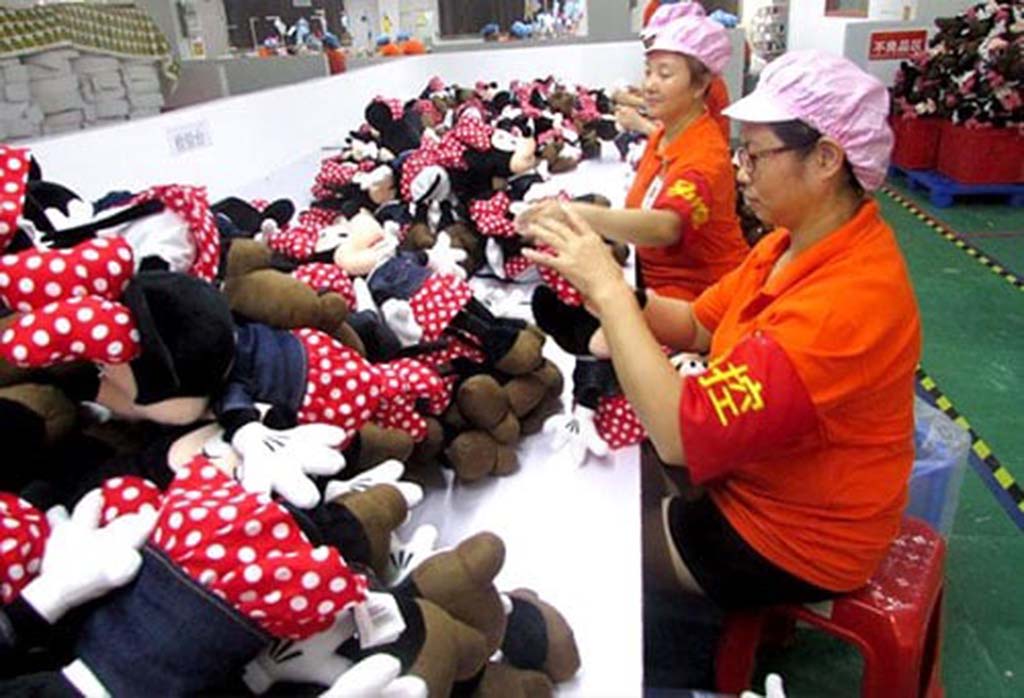
Once the sample is approved, the workflow transitions into scaled manufacturing. Production steps include:
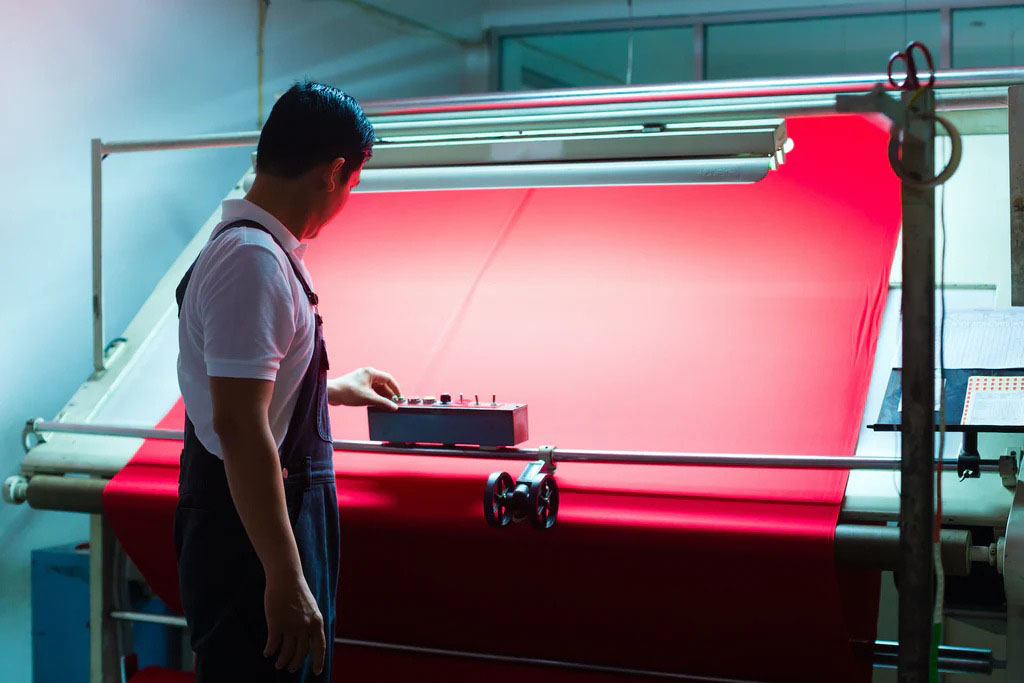
- Material sourcing: Fabrics, fills, threads, and accessories are ordered with certificates.
- Pattern making: Factory creates precise patterns based on the approved prototype.
- Cutting: Materials are cut with accuracy to reduce waste.
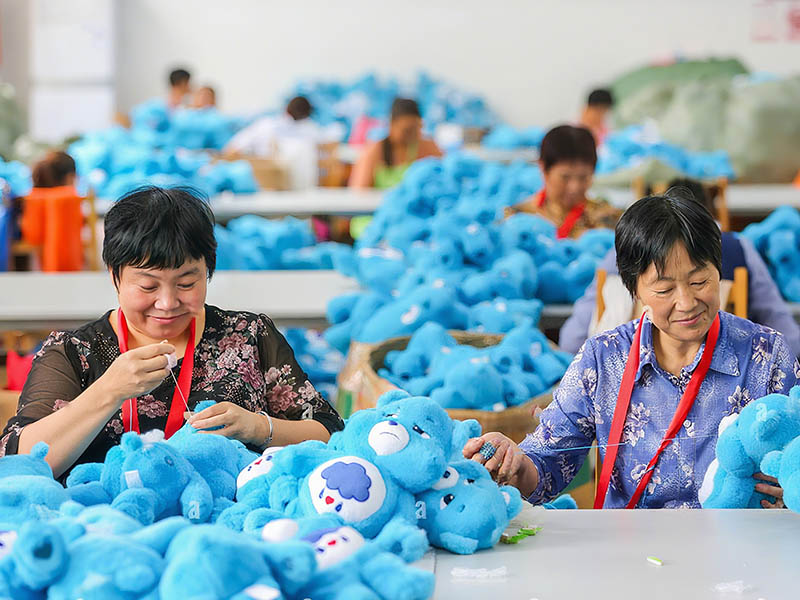
- Sewing: Shells are stitched with attention to seam allowance and strength.
- Stuffing: Toys are filled with designated materials, sometimes in layers for softness and shape.
- Assembly: Accessories and features are attached.
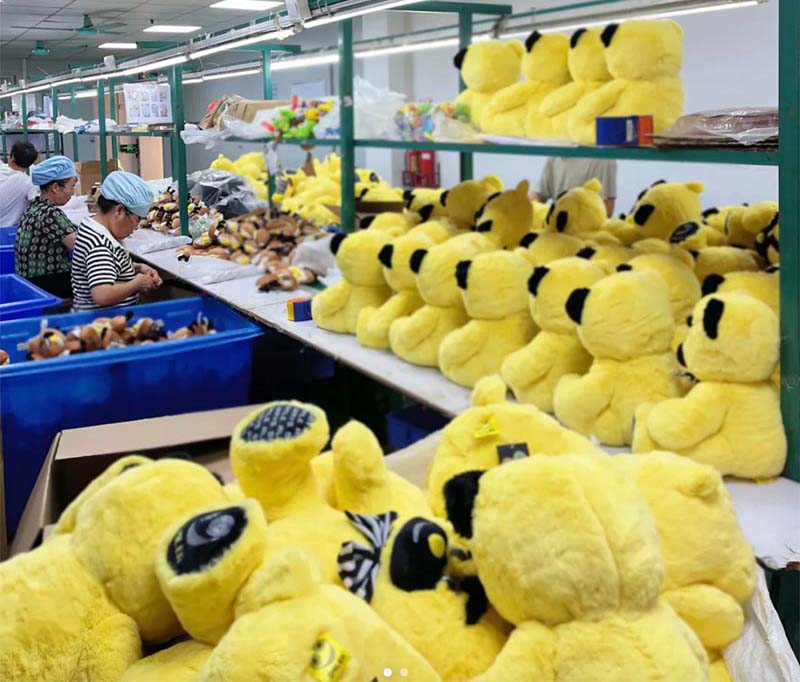
- Finishing & inspection: Thread trimming, brushing, and cosmetic inspection ensure quality.
- Packaging & labeling: Product-ready for shipment.
| Production Stage | Description | QC Check |
|---|---|---|
| Material sourcing | Verify COAs & batch certificates | Confirm safety & authenticity |
| Pattern making | Create sewing templates | Match prototype dimensions |
| Cutting | Precise cutting of fabrics | Inspect for defects or color mismatch |
| Sewing | Assemble shells | Check seam strength & alignment |
| Stuffing | Add fiberfill, foam, or pellets | Verify weight & softness |
| Assembly | Add accessories | Confirm secure attachment |
| Finishing | Cosmetic touch-ups | Visual inspection & feel test |
| Packaging | Tagging & boxing | Label accuracy & packaging integrity |
Following this workflow ensures efficiency, minimizes errors, and maintains the design integrity approved during the prototyping phase.
How can quality control and testing ensure safety and durability in custom plush toys?

Quality control is essential for safe, durable toys. Testing is done at multiple stages: pre-production, in-line, and final inspection.
Key QC measures:
- Fill weight & uniformity: Ensures toys have consistent feel and stability.
- Seam strength tests: Pull and flex tests prevent splits.
- Accessory security tests: Evaluate stitching or attachment points.
- Wash & durability tests: Simulate typical use to confirm colorfastness and structural integrity.
- Chemical & allergen tests: Ensure compliance with CE, ASTM, and regional standards.
| QC Test | Purpose | Frequency |
|---|---|---|
| Fill weight | Confirm consistent softness & weight | Each batch |
| Seam strength | Prevent splitting | Sample 10–20% or AQL standard |
| Accessory attachment | Avoid choking hazards | 100% for small parts |
| Wash & durability | Confirm performance | Sample per batch |
| Chemical compliance | Meet safety regulations | Per incoming material lot |
Documentation is crucial. Record QC results, sample photos, and any rework actions. This ensures traceability and provides buyers with confidence in product safety and quality.
Conclusion
Creating a custom plush requires clear concept design, careful material selection, precise prototyping, and controlled production with robust QC. At Kinwin, we help brands and retailers transform their ideas into safe, durable, and market-ready plush toys that delight children and meet international standards. Contact us at [email protected] or visit kinwintoys.com to discuss your next project and explore how our factory can support your success.